
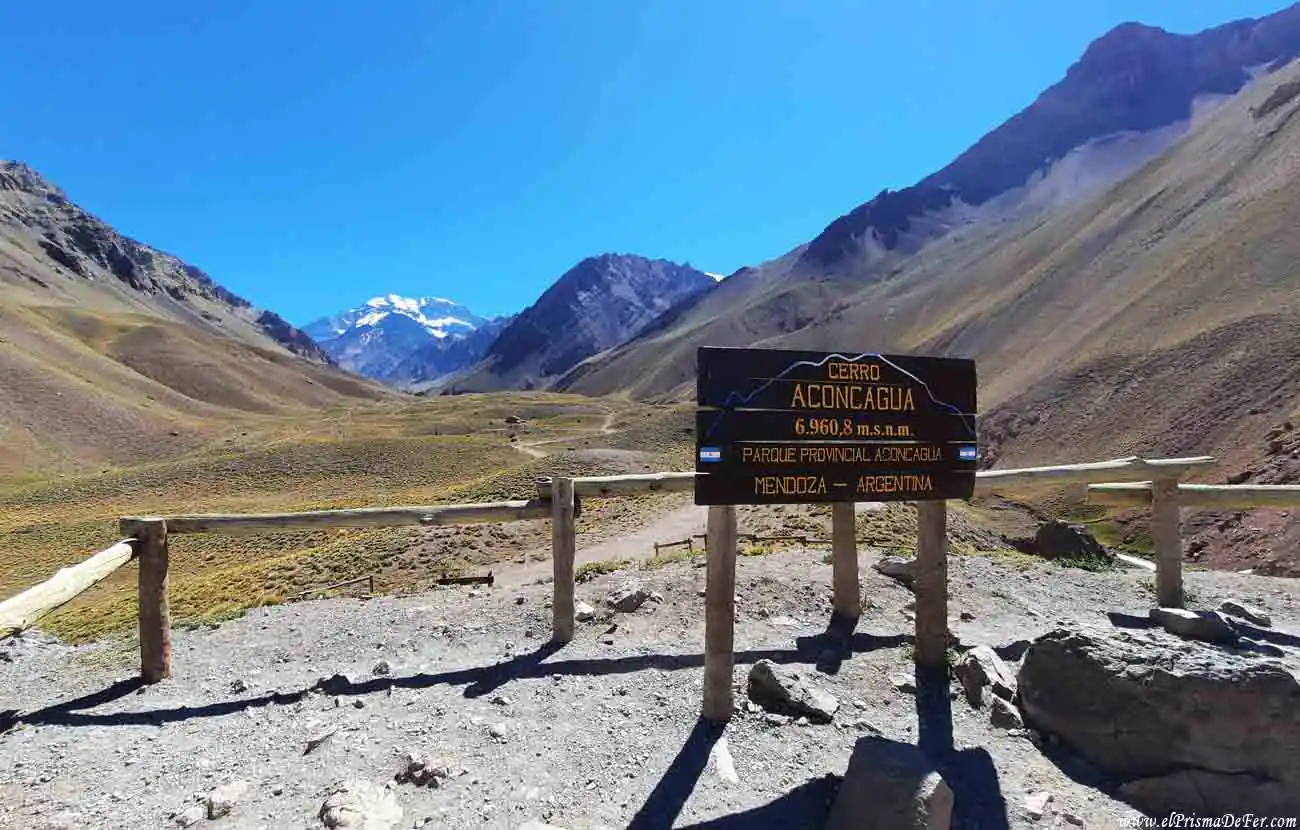

Where is Mendoza located?
The city of Mendoza is located in western Argentina, at the foot of the Andes Mountains, very close to the border with Chile. It is the capital of the province of the same name and is located approximately 1,050 kilometers from Buenos Aires, which is equivalent to just over an hour and a half by plane or approximately 12 to 14 hours by bus.
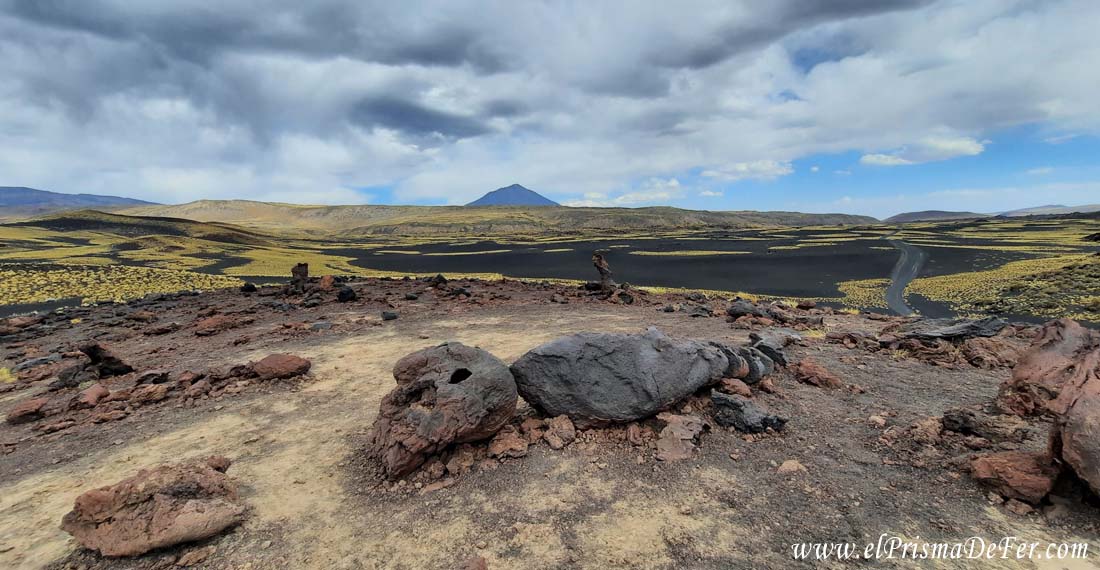
You may be interested in knowing what to do in Malargue, another very popular destination to visit in the province of Mendoza.

How to get from Mendoza Airport to downtown
El Plumerillo International Airport is located approximately 10 km east of downtown Mendoza, which is about a 20–30 minute drive, depending on traffic. There are several ways to get to the city center, depending on your comfort and budget.
Taxi/Uber
The fastest and most convenient option is to take a taxi or Uber/Didi directly from the terminal. Official taxis have fixed fares to the city center and are often the preferred option if you're traveling with luggage or in a group.
Private transfer
Some agencies and hotels offer private transfers that can be booked in advance. This is convenient if you're looking for comfort, avoiding lines, and assistance from the moment you arrive.
Public transport
It is also possible to arrive by city bus, although it may be less direct. Some lines connect the airport to the city center, but they require longer connections and travel times.
Map with the main attractions to see in Mendoza
Best things to do in Mendoza
Walking Tour
A free walking tour in Mendoza is the best way to start getting to know the city. While it's not free, as it works based on tips, it helps you get your bearings quickly, you'll learn history and anecdotes from a local guide, and you'll also get to meet other travelers. You can book your free walking tour here.
High Mountain Excursion
The High Mountain Excursion is, without a doubt, Mendoza's most iconic experience and one that no traveler should miss. It can be done either in your own vehicle or on an organized tour, although the latter option is very convenient due to the number of stops and the explanations provided by the guides along the way.
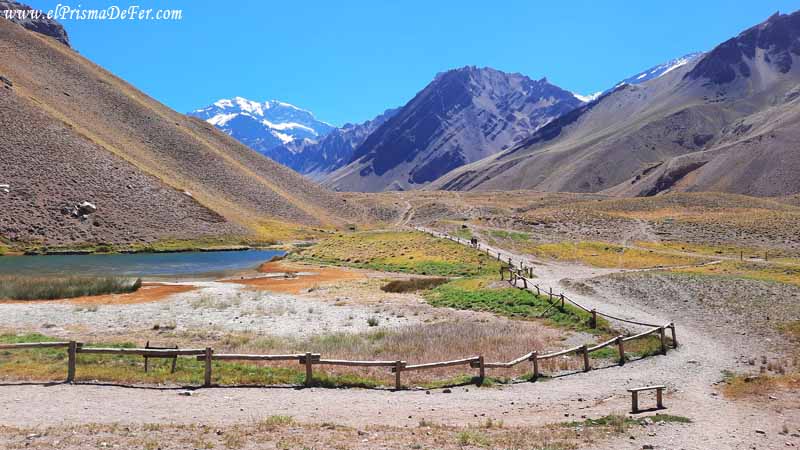
The itinerary follows National Route 7, crossing impressive mountain landscapes until reaching Christ the Redeemer, on the border with Chile. It's a long excursion, but thanks to the many stops and stories learned along the way, the tour is enjoyable from beginning to end.
Los Potrerillos Dam
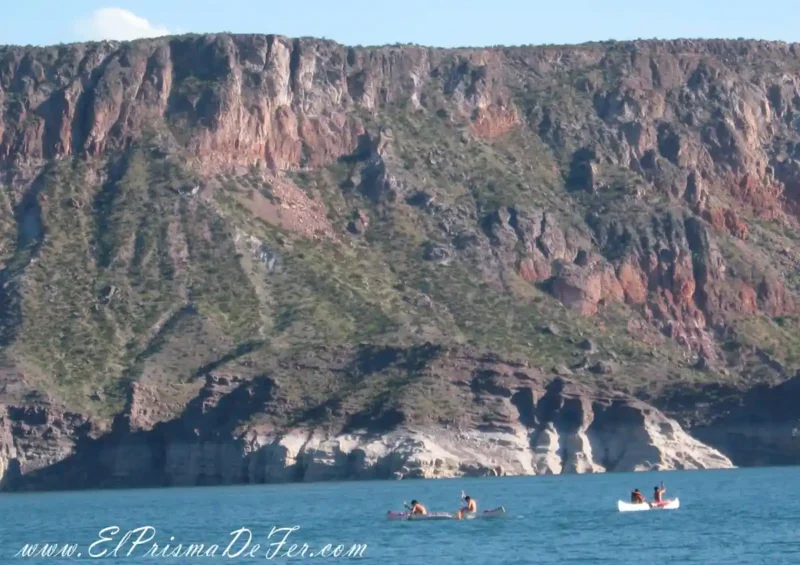
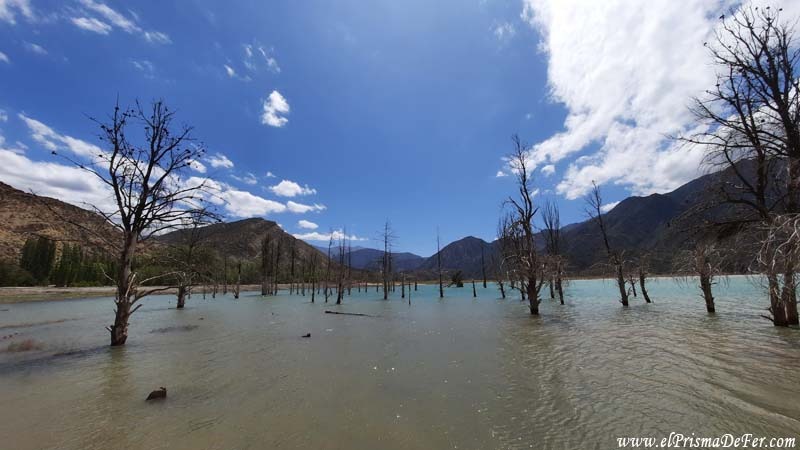
The first stop is usually the Potrerillos Reservoir, surrounded by mountains and with turquoise waters. It's a perfect place for photos and to appreciate how the mountain range begins to gain prominence in the landscape.

Uspallata
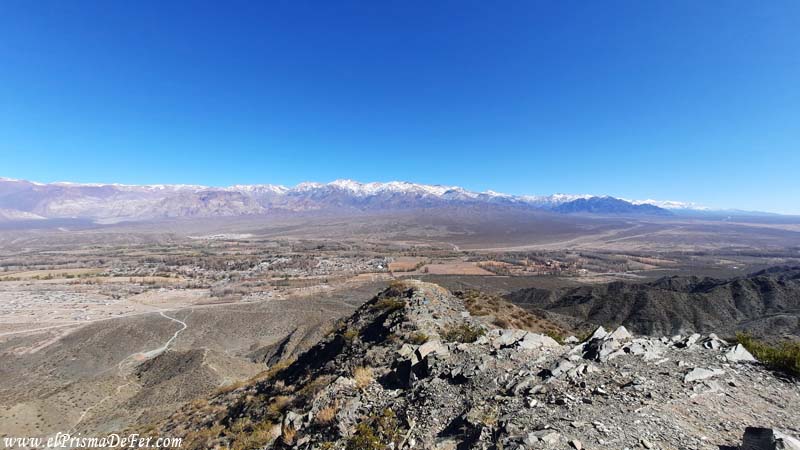
The Penitents (they no longer stop)
There used to be a stop at the Los Penitentes Sky Center. You could take the chairlifts there and get beautiful panoramic views of the area.

The Bridge of the Incas

They called it “Puente del Inca” because part of the Incas lived in this area with the native peoples of the place, the Huarpes. In addition, this entire region is part of the Andean road system that the Inca Empire had, called “Qhapaq Ñan” (declared a World Heritage Site by UNESCO).
Aconcagua Provincial Park
Here you can enter the trekking and viewing area to see Cerro Aconcagua, the highest mountain in America at 6,962 meters. Although full park admission is fee-based, most tours stop at a viewpoint offering spectacular views.

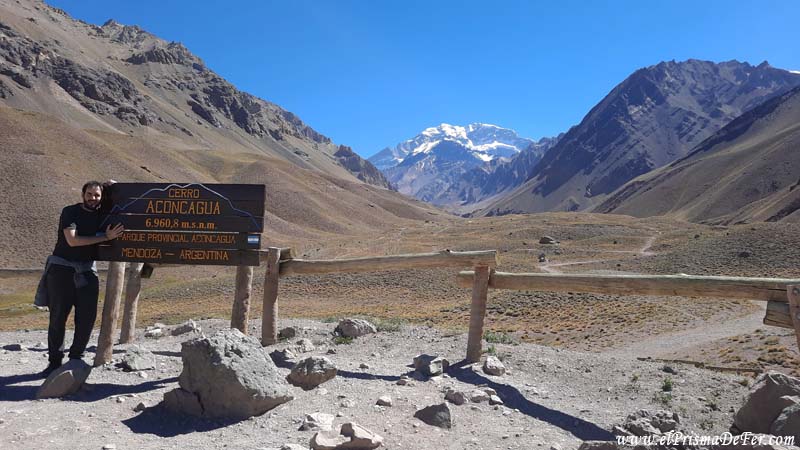
To the left of the viewpoint, you can see the Horcones Lagoon. A beautiful lagoon where, depending on the angle from which you look, you can notice different colors in the reflection of its water.

Cristo Redentor
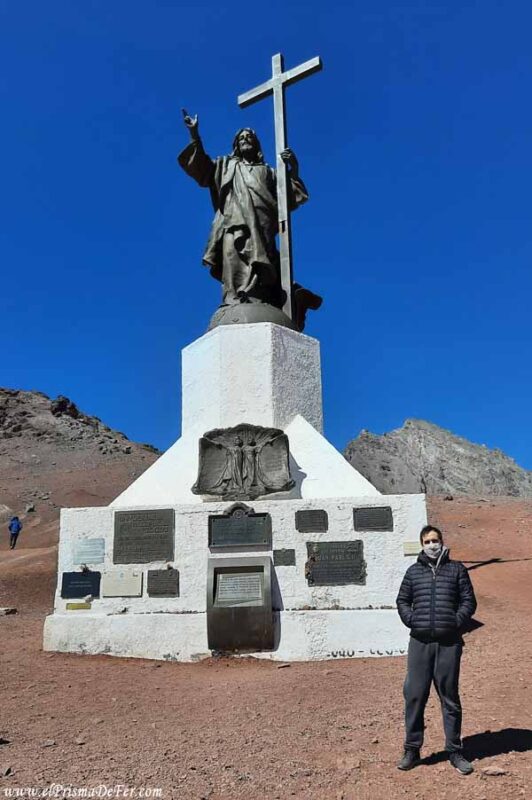
Please note that the weather in this area can be very extreme. There is usually a lot of wind and low temperatures, and it is not uncommon for conditions to not allow you to reach Christ the Redeemer even in the middle of summer. In these cases, tours usually turn around in the Aconcagua area or at other nearby points along the route.


The Caves
Backpacker tip: Food in this area tends to be quite expensive, so if you want to save money, it's best to bring your own lunch or some snacks for the road.
Winery Tour


Visit the Potrerillos Reservoir on your own
Although the High Mountain Excursion includes a stop on Route 7 to observe the Potrerillos Reservoir, you don't get to fully appreciate the site. Therefore, it's worth visiting on your own, either by car or by taking one of the Andesmar buses that depart from the Mendoza terminal.

There are two bus lines that may be useful: one that goes to Las Cuevas, traveling along Route 7 as in the High Mountain excursion, and another that ends its route in Potrerillos, ideal for those who just want to explore the reservoir.

What to do in Potrerillos
In Potrerillos, in addition to admiring the reservoir and the containment dam that forms the lagoon, you can book various adventure tourism activities.
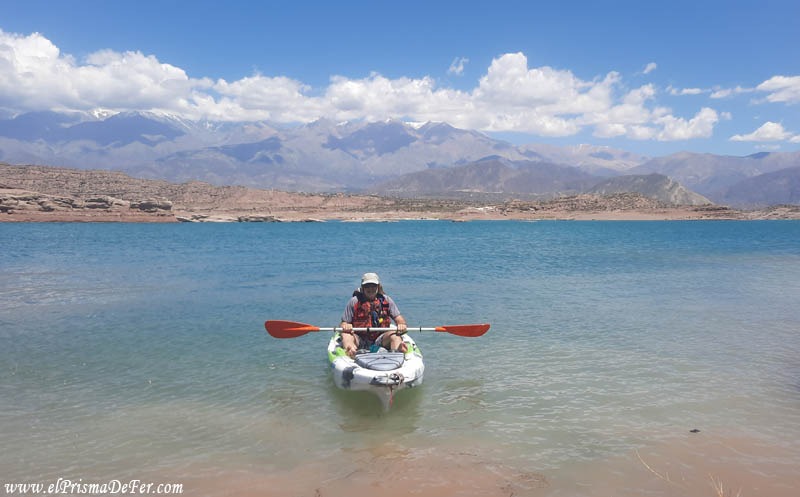
The most popular is rafting on the Mendoza River. During the months of January and February, due to the melting of the snowy peaks in the mountain range, the river usually has a fairly strong flow; in the following months, the level drops, making the trip more peaceful.
Among those we requested a quote from were Argentina Rafting, Potrerillos Explorer, Kahuak , and Río Aventura., who also offer transportation from Mendoza City to Potrerillos for an additional cost.
In the end, we decided on Río Aventura, mainly because they offered the most convenient prices. We went in early April, and although the river had some rapids, the ride was quite calm, even calmer than we expected.

Note: If you decide to do this activity with Río Aventura, keep in mind an important fact. It's located 7 km past Potrerillos (view on map). This means that if you're traveling on your own, without a car, it's best to take the bus to Las Cuevas and ask the driver to let you know when to get off. Otherwise, from Potrerillos you can walk or take a taxi (but the price isn't cheap).
Cacheuta Hot Springs
Very close to Potrerillos are the Termas de Cacheuta, an ideal place to relax and enjoy hot springs surrounded by mountains.
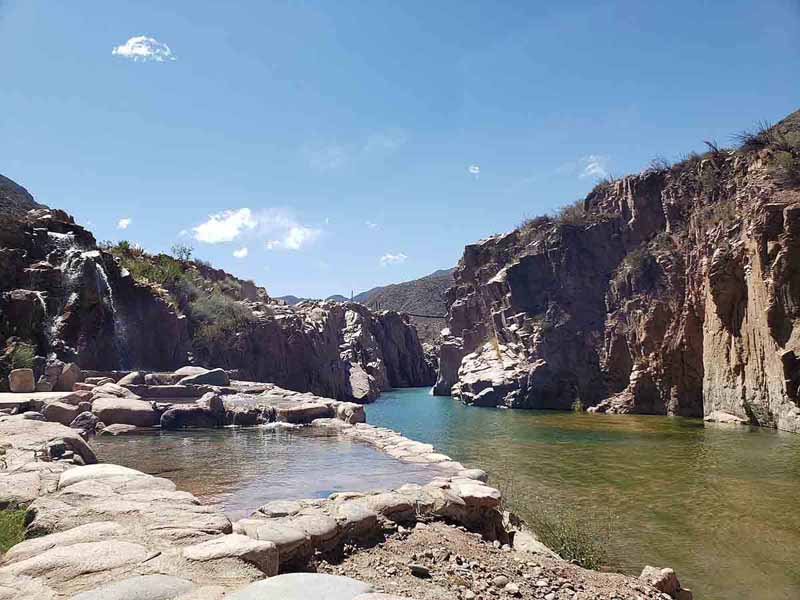
The water in the area comes from melting ice and is naturally heated deep underground, emerging in springs with temperatures ranging from 35°C to 50°C. During its underground journey, the water is enriched with minerals that give it therapeutic properties, ideal for relaxing and revitalizing the body.
To get there, you can book an organized tour, drive your own car, or take the Andesmar bus, which ends in Potrerillos, from where you can easily access the hot springs.
You can hire the Cacheuta Hot Springs excursion from this link of the company Civitatis.
Stroll through San Martín Park
General San Martín Park is one of Mendoza's most important green spaces and an ideal place to enjoy the city outdoors. Designed at the beginning of the 20th century, it combines recreational areas, nature, and historical heritage, making it a must-see for both locals and tourists.

Highlights of the park include:
- Lake and Dam: a peaceful place for walking, picnicking, or water sports.
- Entrance Gates: Old gates made in Glasgow and brought from Paris.
- Rosedal: a sector full of colors and aromas, perfect for photography and nature lovers.
- Greek Amphitheater: an open space where cultural events and outdoor shows are held.
- Cerro de la Gloria: Located within the park, it offers panoramic views of the city and houses the Monument to the Andes, which pays tribute to the crossing of the Army of the Andes.
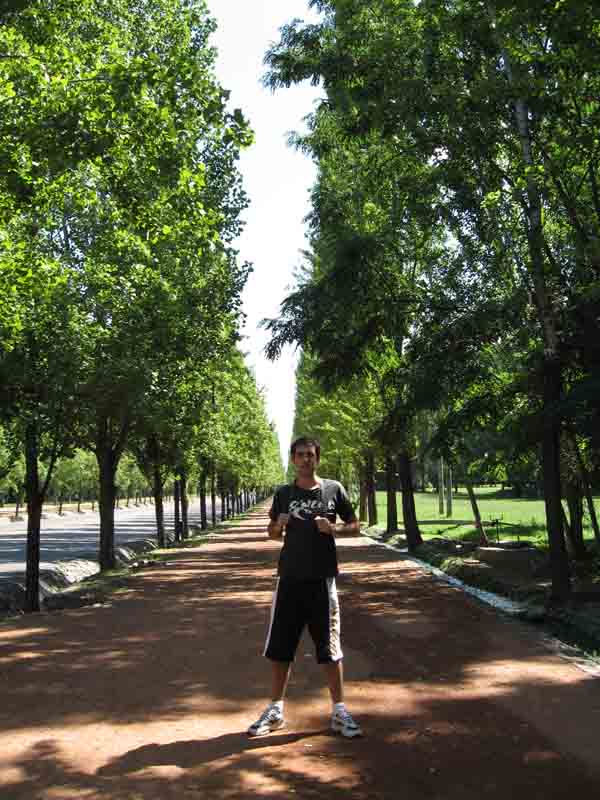
- Trails and tree-lined paths: ideal for walking, running, or cycling, surrounded by well-kept and varied vegetation.
Climb the Hill of Glory
The Cerro de la Gloria is not very high, so its ascent is accessible to most visitors. However, the hike is very rewarding, as from the top you get panoramic views of the entire city of Mendoza and its surroundings.

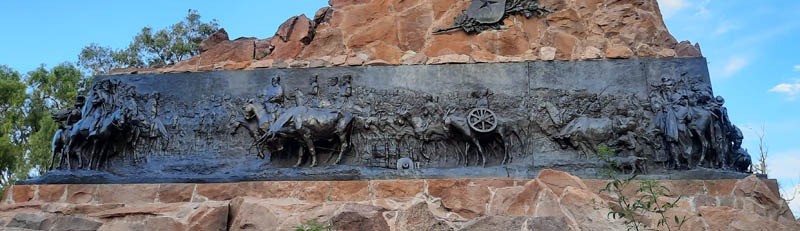
At the summit is the Monument to the Army of the Andes, a monumental work that pays tribute to San Martín's historic expedition. Each face of the monument represents different moments of this feat:

- North face: San Martín with the grenadiers and the figure of liberty breaking its chains.
- East face: carpenters, smelters and blacksmiths working to prepare the army's equipment.
- South Face: a group of ladies handing over their jewels to finance the expedition.
- West Face: the departure of the Army of the Andes towards Chile, led by General San Martín.
Going out at night in Mendoza
If you're looking to enjoy Mendoza's nightlife, one of the most active areas is Aristides Villanueva Street. This corridor is full of bars, pubs, restaurants and breweries, and is where the local youth mainly gather.

Getaways from the city of Mendoza
Mendoza isn't just a city to enjoy; it's also a great starting point for exploring the surrounding area. There are numerous day trips that allow you to combine nature, adventure, history and gastronomy.
Uco Valley
Just over a two-hour drive from the city, the Uco Valley is famous for its high-end vineyards and boutique wineries.
Within the valley, towns such as Tupungato and Tunuyán stand out, where you can take tours of vineyards, enjoy Malbec wine tastings, and enjoy gourmet lunches.
Luján de Cuyo and Maipú
Uspallata
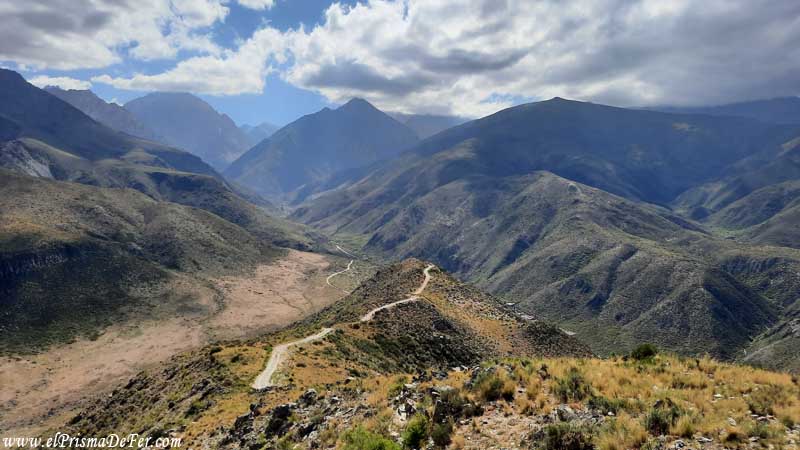
The village of Uspallata is approximately two hours away. It's a picturesque mountain village steeped in history and boasts incredible views of the area's multicolored hills.
Organized activities in Mendoza
Best places to eat and go out in Mendoza
My favorite and the one I highly recommend is El Gallego de Chacras, a tavern known for its giant milanesas, abundant and tasty, served at very affordable prices.
It is advisable to make a reservation, especially on weekends, as it tends to fill up quickly due to its popularity with locals and tourists.
- 1884 Restaurant (Maipú): Renowned chef Francis Mallmann's restaurant offers gourmet Argentine cuisine, with signature dishes and an elegant atmosphere. Ideal for a more sophisticated dining experience.
- Azafrán (Mendoza City): Located in the heart of the city, it combines regional cuisine with modern techniques. It's a good place to have lunch or dinner after exploring the city, with a menu of high-quality local wines.
- Aristides Villanueva Street (Mendoza City): Although it's just a street, it's worth highlighting. Full of bars, pubs, and restaurants, it's the center of nightlife and the local youth. Ideal for dining, having a drink, or simply strolling and soaking up the vibrant atmosphere.
- El Patio de Chacras (Chacras de Coria): Cafes, breweries and informal restaurants where you can enjoy tapas, empanadas and regional food in a relaxed and family environment.
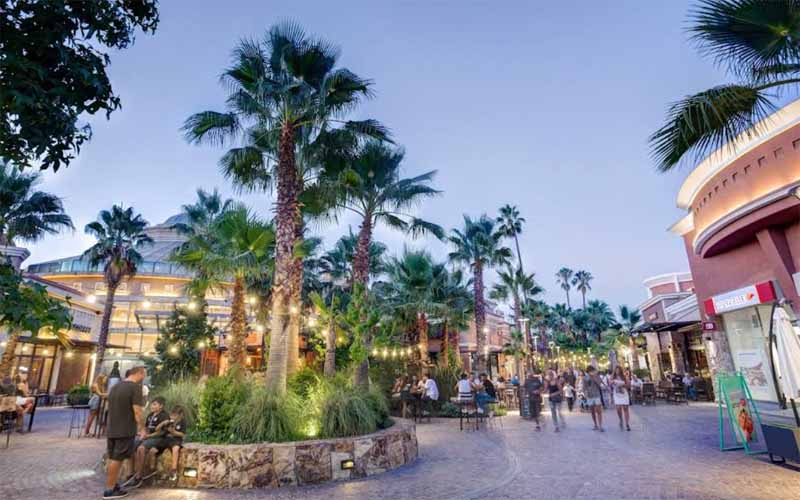
- Los Palmares Open Mall: It is an open shopping center in Chacras de Coria, surrounded by palm trees and with mountain views. It has many restaurants, bars and cafes, perfect for going out to eat or strolling.
What is the best wine from Mendoza?
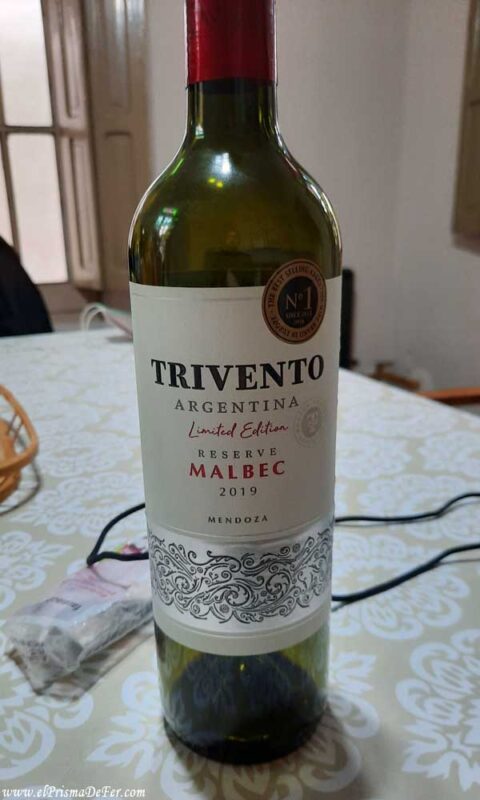
It's a difficult question to answer, because there's no accounting for taste. However, if I had to recommend the most delicious wine I tasted in Mendoza, I would definitely choose Trivento. It's not an expensive wine, but when you taste it, you realize it has a very rich, well-crafted flavor, with the body and aroma you expect from a good Mendoza Malbec.
Where to stay in Mendoza City
When choosing where to stay in Mendoza, the most practical option is to look for accommodation near the city center or near General San Martín Park. While the downtown area isn't the prettiest in the city, it has the great advantage of proximity: you'll be just steps from restaurants, bars, transportation terminals, and the main departure points for excursions.
The last place I stayed downtown was the Casa colonial Alem. This house is over 100 years old and has been renovated by the family for temporary rentals. It's in perfect condition and located a few blocks from the bus terminal and the main pedestrian street.
Now, if you're looking to get away from the urban hustle and bustle, an excellent alternative is Chacras de Coria, located about 30 minutes by bus from the city center. This neighborhood is ideal for those looking for a more relaxed environment, surrounded by greenery, with private neighborhoods, colonial-style houses, and a quaint little center full of cafes, restaurants, and boutique wineries.
Security in Mendoza
Mendoza is generally a quiet city during the day, especially in the tourist areas and General San Martín Park. However, it's important to take certain precautions, especially when moving around the city at night.
In downtown Mendoza, the atmosphere at night can be less pleasant, and it's advisable to be careful and avoid walking alone. The same applies to some areas on the outskirts, where security is less reliable.
What time of year is best to visit Mendoza?
Mendoza can be visited all year round, although the experience will depend on what you're looking for. Each season offers a distinct charm and specific activities.
From January to April and from October to December, the weather is pleasant, warm and with very little rainfall, ideal conditions to enjoy adventure tourism activities in places like Potrerillos.
In winter, snowfall covers the mountains in white, creating spectacular landscapes and kicking off the ski season in nearby mountain resorts.
Final thoughts on my visit to the city of Mendoza
I've had the opportunity to visit Mendoza on several occasions and even lived there for a year and a half , so the city will always hold a special place for me. After spending so much time there, I can say that it feels like a second home in Argentina , a place I always want to return to.
Mendoza is a destination I recommend for those seeking adventure and nature as well as for those who want to enjoy a more peaceful experience, full of flavor and scenic beauty.
Support The Prism of Fer!


2 thoughts on “Qué ver y hacer en Mendoza: turismo, vino y naturaleza”
Muy buena la informacion. Mendoza es una hermosa provincia para visitar muchas veces. Voy a probar ese vino que recomendas 😆. Saludos! Gracias Laura! No te vas a arrepentir 😉