Sofia is a city that blends layers of history with everyday life. Along its streets, you'll see a mix of Orthodox churches, Soviet-era buildings, mosques, and more modern areas, lacking a uniform aesthetic but complementing each other perfectly.
For me, it also held a special meaning. It was the last city I visited after a longer journey along the Silk Road. It was already winter, Christmas was approaching, and my return home was drawing ever closer, so I experienced it with a certain nostalgia.
In this post I'm going to tell you what to see in the city, how to get around, some practical information and my experience exploring it, so you have an idea of what to expect if you decide to visit the capital of Bulgaria.
This post may contains affiliate links. If you purchase through these links, I may earn a commission at no extra cost to you. Thank you for your support!
Table of Contents
Where is Sofia located?
Sofia is located in western Bulgaria, very close to the borders with Serbia and North Macedonia.
The city is located at the foot of Mount Vitosha, a constant presence in the landscape that, in addition to marking the horizon, offers options for going to nature very close to the center.
Furthermore, thanks to this location, it is a good base for traveling around the country or even combining it with other nearby destinations in the Balkans.

My impressions of Sofia
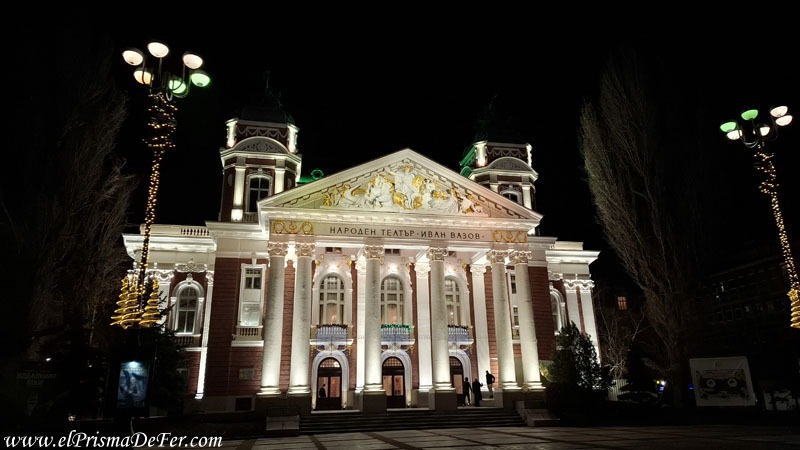
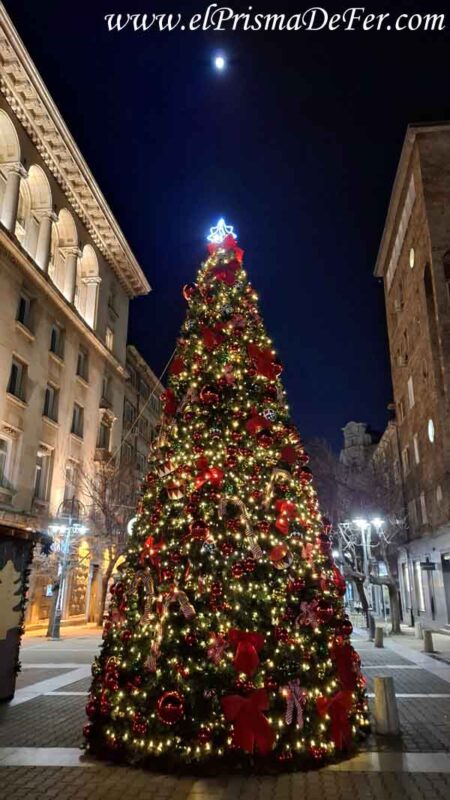
I arrived in Sofia a few days before Christmas, so I found the city decorated, especially in the squares and central areas. There were some Christmas markets, small shows, and a bit more activity, which added some color to the cold, wintry atmosphere.
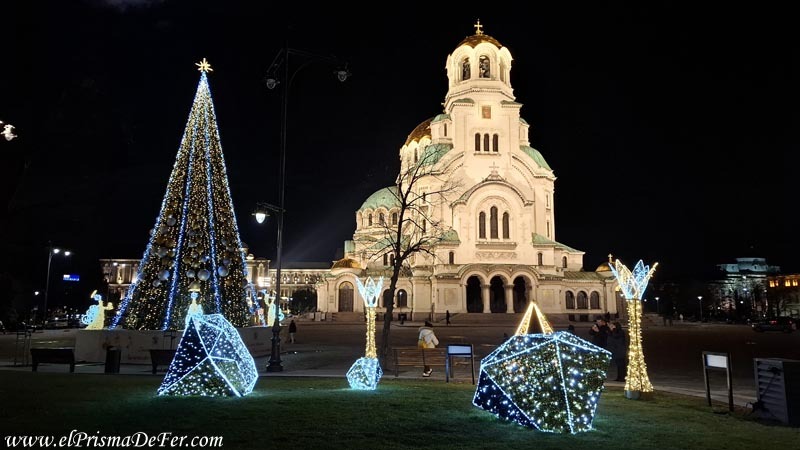
Even so, the cold was quite intense, and that probably influenced my perception of the city, which wasn't the best, as it didn't exactly encourage me to walk around or spend much time outdoors.
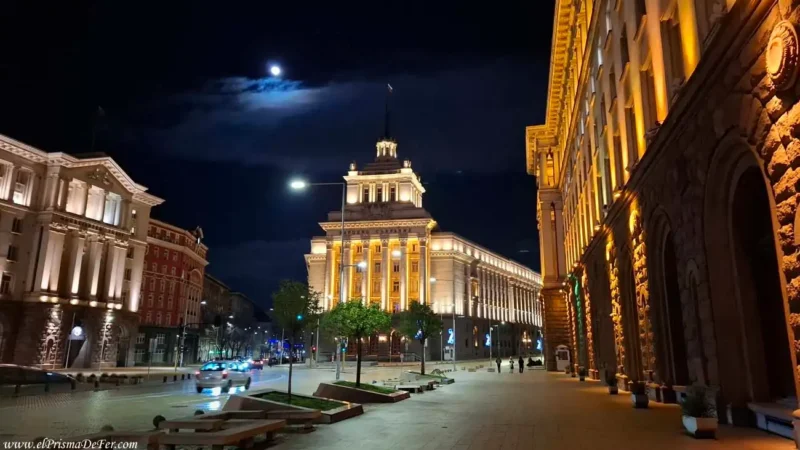
There are buildings that did catch my attention, especially some churches and more imposing constructions, which stand out within a city that is quite varied architecturally.
It also has several open spaces, squares and wide avenues, but overall it didn't seem like a particularly attractive city to stay in for many days, nor the most picturesque in the region.
It was also influenced by the fact that it was the last city of a longer trip, and I arrived more for practical reasons, to take a Turkish Airlines flight to Argentina, which was more convenient than leaving from Istanbul, than for any specific interest in the destination.
Probably, at another time of year, with more pleasant temperatures and the possibility of adding a trip to the nearby mountains, my perception could change and I could have a slightly more positive assessment of Sofia.
How to get around in Sofia
The city center is relatively compact, so many of the main attractions can be easily explored on foot.
For longer distances, the city has a good public transportation system that includes the metro, buses, and trams. The metro is useful for getting around quickly between more distant points and for traveling to and from the airport.
Tickets are inexpensive and can be purchased at stations or vending machines. There is also the option of using cards or contactless payments on some forms of public transport.
Another practical alternative is a taxi, which is generally affordable. To avoid any hassle, it's best to use apps like Bolt, which works very well in the city and gives you a fixed price before you start your trip.
Overall, it's an easy city to get around and you won't have any major problems getting from one place to another.
How to get to Sofia airport from the city center
Sofia airport is about 10 km from the city center.
The most convenient option is the metro (M4 line), which connects the city center directly to the airport (Terminal 2) in about 30 minutes. If you're flying from Terminal 1, you can take a free shuttle that connects both terminals.
You can also take a taxi, which is usually inexpensive and takes between 15 and 25 minutes depending on traffic. It's a good alternative if you're traveling with luggage or at inconvenient times.
A little bit of Sofia's history
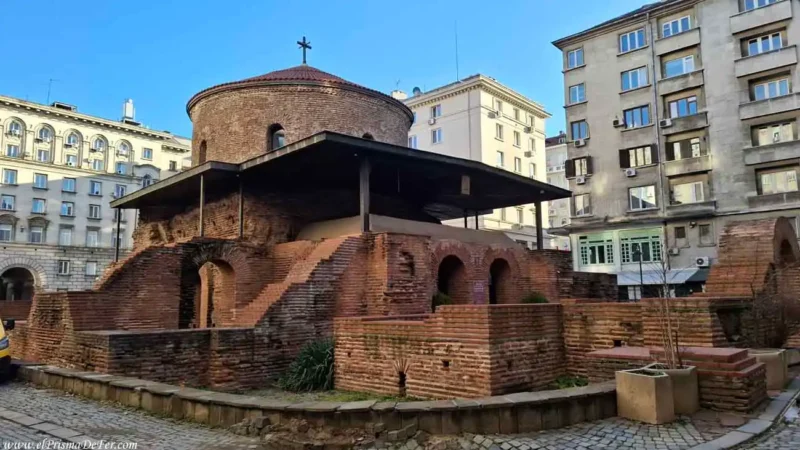
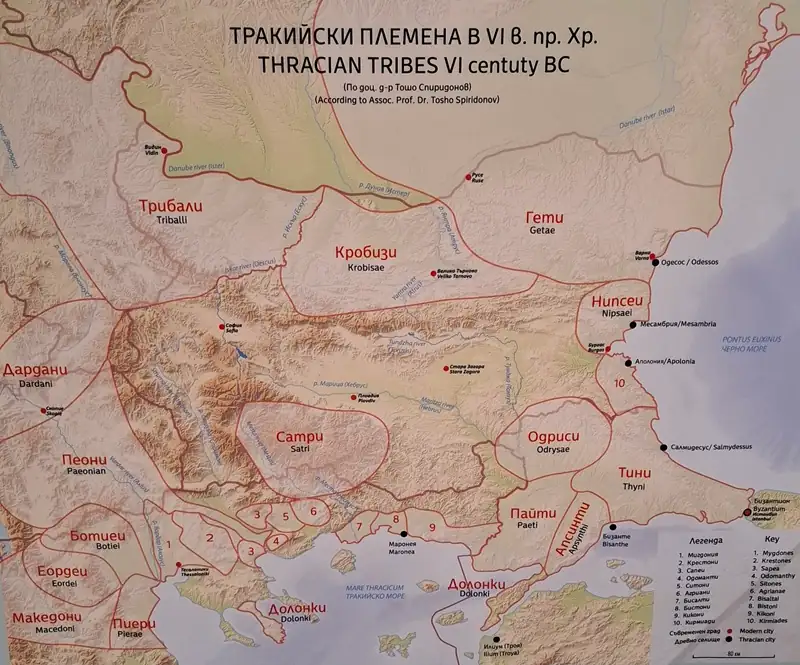
Sofia originated as a Thracian settlement, which later came under Roman rule and was known as Serdica. Remains from that era can still be seen in the Serdica excavations, right in the city center, demonstrating the city's importance as an administrative and strategic hub.
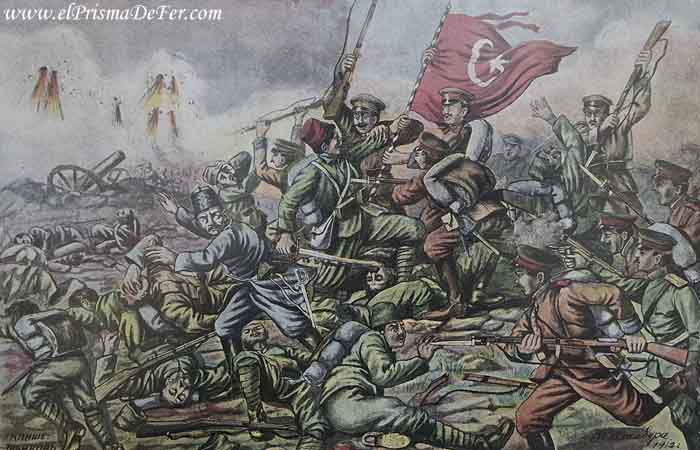
Over time, the region was occupied by the Byzantine Empire and later by the First and Second Bulgarian Empires, with alternating periods of control. But one of the most defining moments was the conquest by the Ottoman Empire, which ruled the area for almost five centuries. Traces of that era still remain, such as the Banya Bashi Mosque.
At the end of the 19th century, following the liberation of Bulgaria with Russian support, Sofia was chosen as the capital of the new state. From then on, a process of modernization began, with the construction of iconic buildings such as the Alexander Nevsky Cathedral.
In the 20th century, the country fell under Soviet influence, which also left its mark on the city's architecture and urban planning. This blend of Roman past, Ottoman influence, Soviet legacy, and modern development is what defines much of Sofia's identity today.
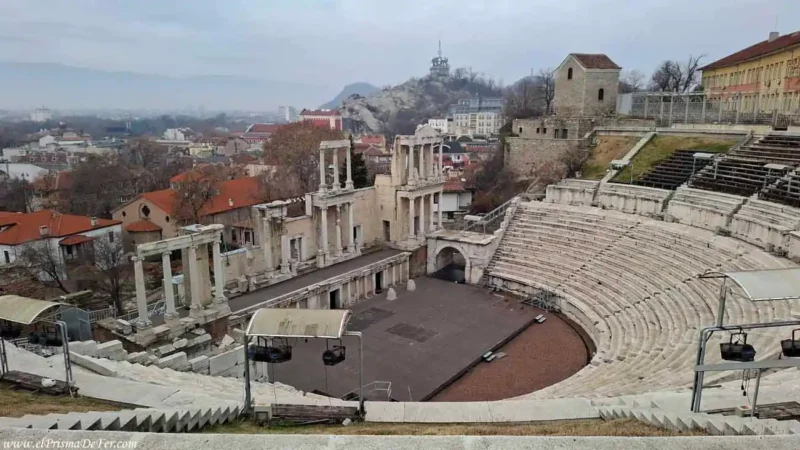
Plovdiv, the small Bulgarian city with ruins from several civilizations
Map with the main attractions to see in Sofia
Things to do in Sofia
Walking Tour
A free walking tour in Sofia is the best way to start exploring the city. While it's not free, as it operates on a tip-based system, it helps you get your bearings quickly, you learn history and anecdotes from a local guide, and you can meet other travelers along the way. You can book your free walking tour here.
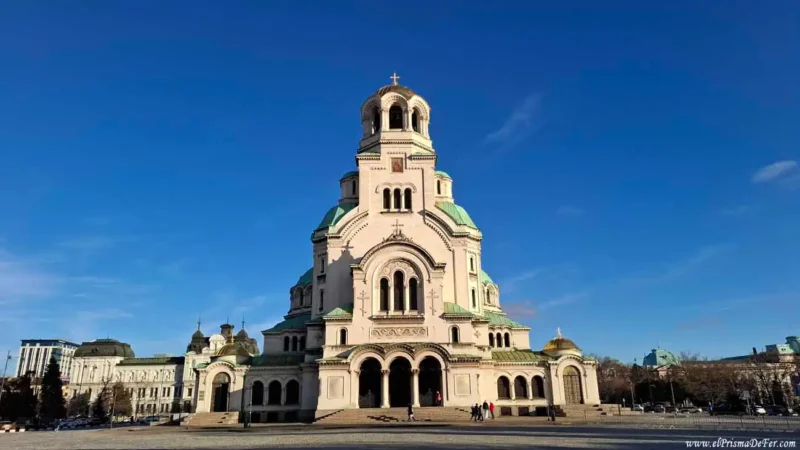
Saint Alexander Nevsky Cathedral
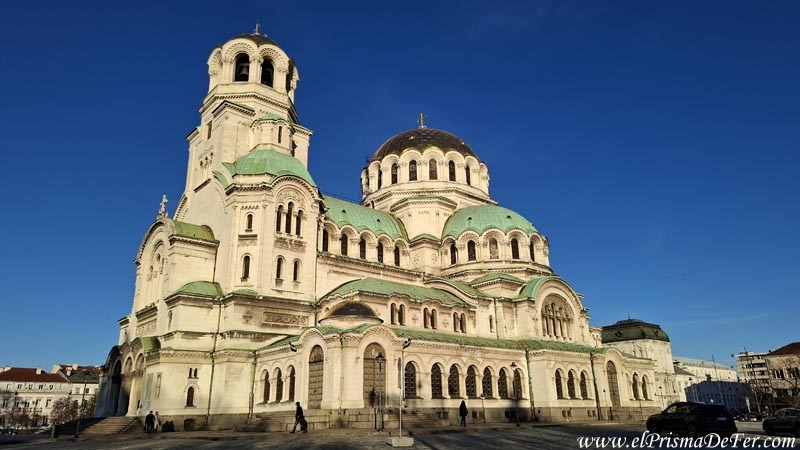
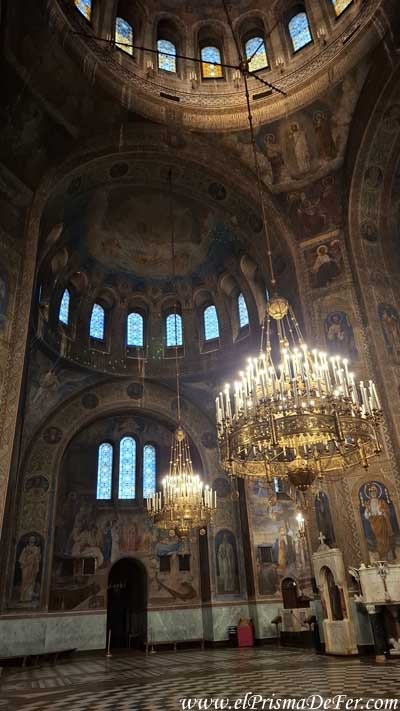
The Alexander Nevsky Cathedral is, without a doubt, the icon of the city and the most impressive sight you will see in Sofia (see on the map).
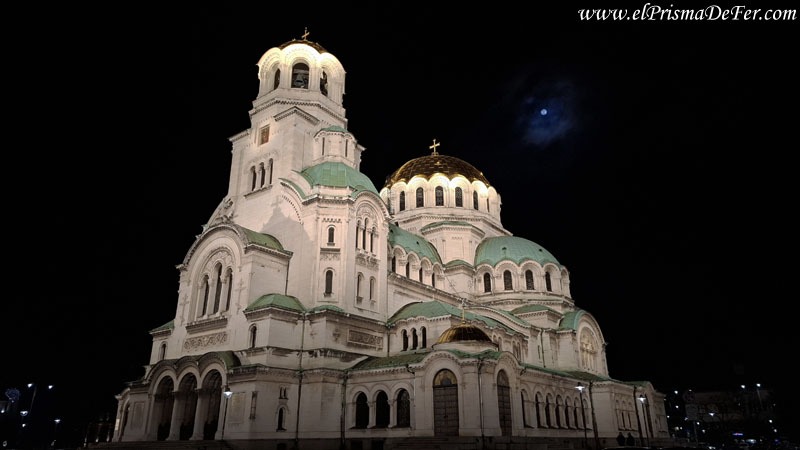
It was built at the beginning of the 20th century in honor of the Russian soldiers who died during the Russo-Turkish War, key to the liberation of Bulgaria from the Ottoman Empire.
Its style is Neo-Byzantine, with domes that stand out from various points in the city, and it is truly an impressive cathedral.
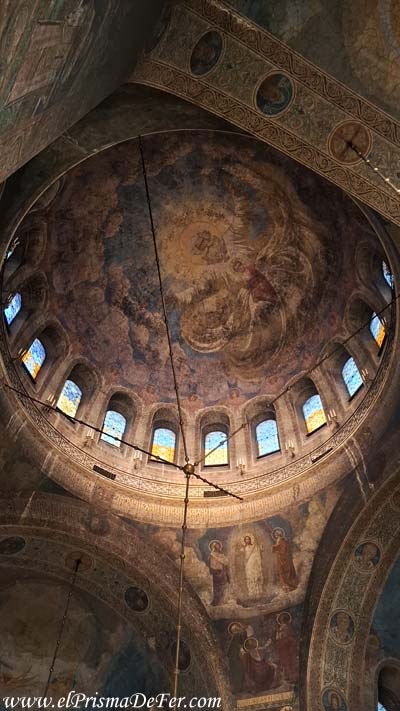
Inside it is equally impressive, with high ceilings, religious details, frescoes and a rather solemn atmosphere.
Explore the city center and its main attractions
Sofia's city center is compact and perfect for exploring on foot. Within just a few blocks, you'll find an interesting mix of historic buildings, remnants from different eras, and more modern constructions.
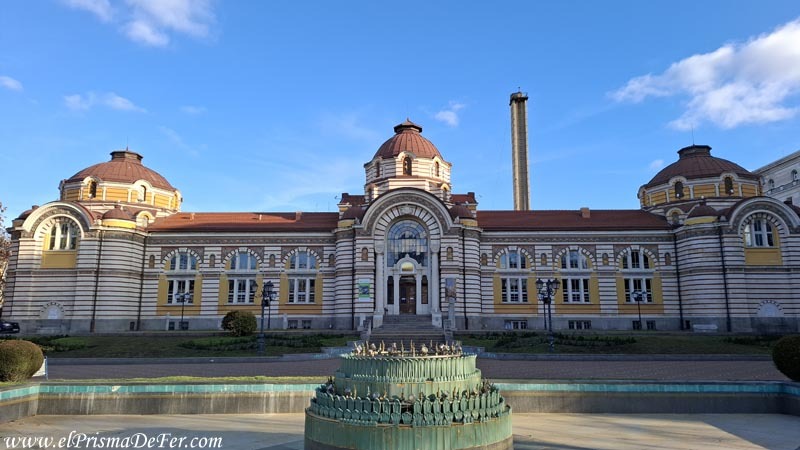
You'll be able to see different religions coexisting in a small area. For example, the Banya Bashi Mosque, the Sofia Synagogue, and several Orthodox churches are located very close to each other.
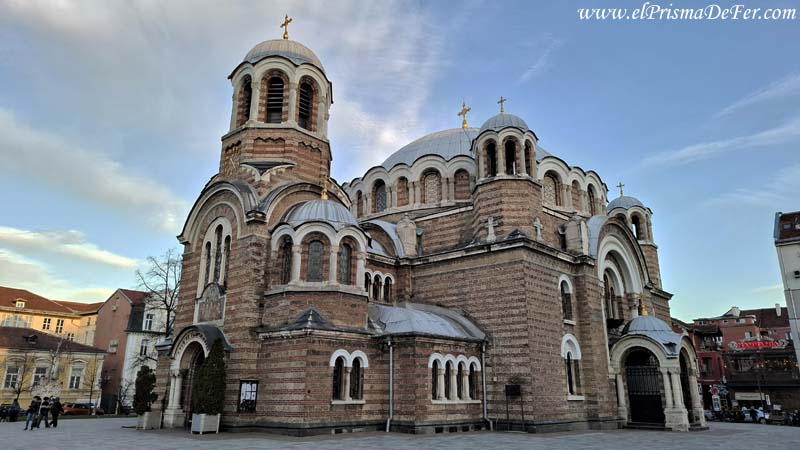
The presence of the mosque is related to Bulgaria's Ottoman past, when the country was part of the Ottoman Empire for several centuries.
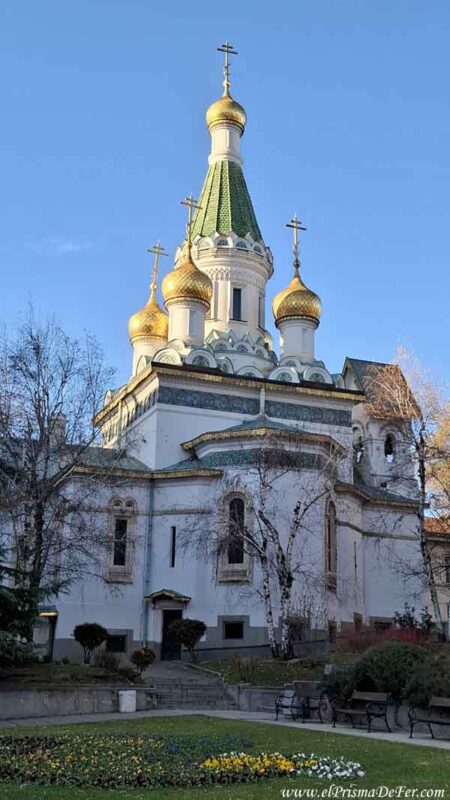
Very close to the Alexander Nevsky Cathedral is the Russian Church of St. Nicholas of Myra (see location), one of the most striking in the city. Its style, with more ornate details, makes it stand out quickly from other buildings.
Serdika Excavations
Right in the center of Sofia you can find the excavations of the ancient Roman city of Serdica, archaeological remains of what was the ancient capital.
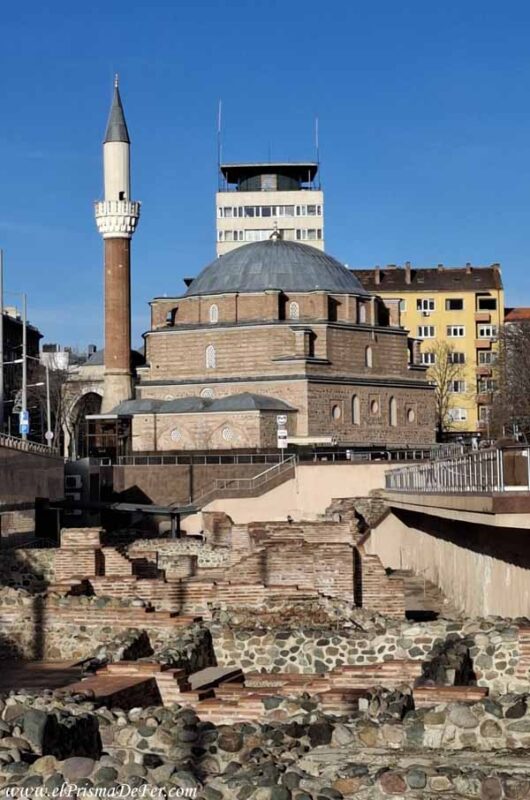
They're not isolated in a museum, but integrated into the urban environment, even near subway stations. You can walk among the ruins, see ancient walls, streets, and structures that contrast with the modern buildings around them, and best of all, it's free.
Walking along Vitosha Boulevard
Vitosha Boulevard is Sofia's main pedestrian street and one of the liveliest places to walk.
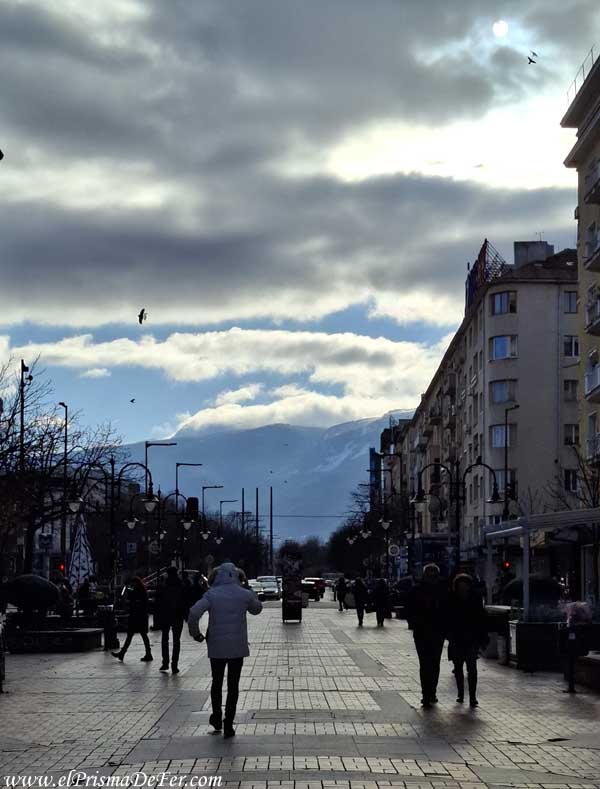
It's full of bars, restaurants, and shops, and is usually quite lively throughout the day. From several vantage points, you can also see Mount Vitosha in the background, which adds a lovely contrast.
It's a good place to grab a bite to eat or simply stroll around at a leisurely pace and experience a bit of the city's daily rhythm.
National Museum of History
The National History Museum is one of the most comprehensive in the country, although it is a bit far from the center (see location).
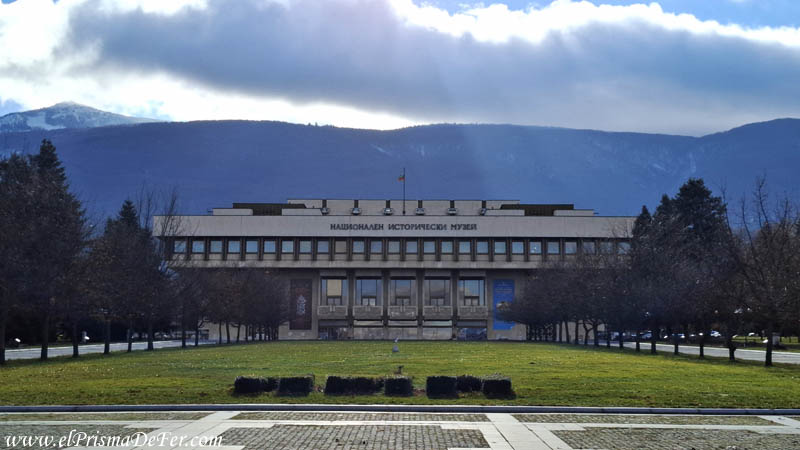
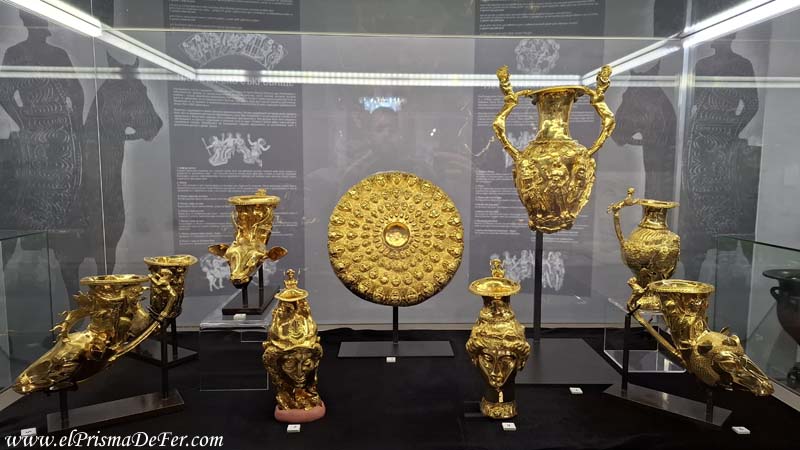
It has a wide collection that spans from prehistory to more recent times, with archaeological objects, gold pieces, items from the Thracian period, medieval relics and objects of daily life in different stages of Bulgaria.
The building itself is also striking, as it was formerly a government residence. The rooms are well-organized and allow visitors to explore different historical periods.
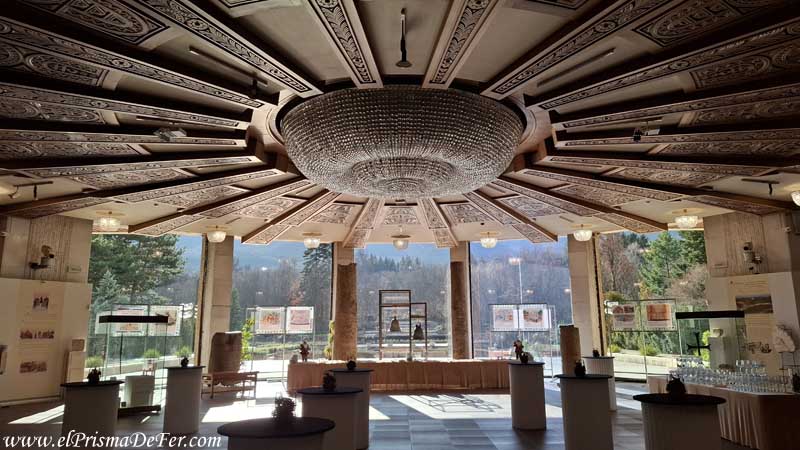
To get to the Sofia History Museum, you can take a bus from the center or go by taxi/Bolt, which is usually cheaper and more direct.
Sofia Market
Sofia Market is located inside a well-maintained historic building, with tidy stalls and much neater than other markets I had visited in Asia.
It is very close to the Synagogue and the Mosque (see location), so it's easy to add it to a walk around that area.
Excursion to the Rila Monastery
One of the most popular day trips from Sofia is to the Rila Monastery, located about 2 hours from the city (see on the map).
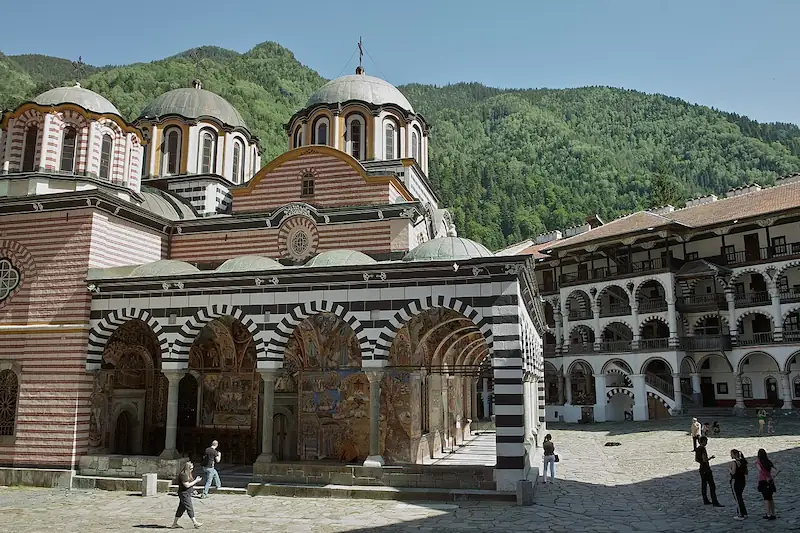
It is the most important monastery in Bulgaria and a UNESCO World Heritage Site. What makes it special is not only its historical value, but also its setting in the mountains and its architecture.
The interior is filled with highly detailed frescoes, with religious scenes covering virtually all the walls.
You can go on an organized tour, by car, or by combining public transport, although the latter option is a bit more complicated, and given the low price of the tours, it's hardly worth wasting so much time combining transport.
Approaching Mount Vitosha
Mount Vitosha is very close to the city and is one of the most accessible day trips.
I couldn't go because I only had a few days available and it was winter, but in summer it's a great place for trekking or simply enjoying nature. In winter it also becomes a ski resort.
To get there, you can combine metro and bus from the center, or go directly by taxi/Bolt, which is usually not expensive if you go in a group.
Where to stay in Sofia
For accommodation in Sofia, any area within the city center is a good choice. You'll be close to the main attractions and able to get around on foot without needing much transportation.
In my case, I stayed at Hostel Mostel Sofia, which is one of the more affordable options, with an excellent location. It has a common area with a pool table and armchairs, perfect for relaxing or working for a while, and it's also a good place to meet people if you're traveling alone.
Final thoughts on my visit to Sofia
For me, Sofia was more of a closure than a destination in itself. I arrived at a particular moment in the trip, with accumulated fatigue and my mind already on the return journey, and that inevitably influenced my stay.
It's not a city that made a strong impression on me, but it does have some interesting points and a unique mix of features. I'm left with the feeling that it fits within a broader tour of the region, although it might not be the place I'd specifically choose as my main destination.
I also think it's a city that can change depending on the time of year you visit; with better weather and nearby getaways, perhaps my opinion would have been different.
Frequently Asked Questions about Sofia
How many days is it advisable to stay in Sofia?
Two days is enough to see the main sights of Sofia. If you'd like to add a nearby excursion, such as to Rila Monastery or Mount Vitosha, you can add another day or two.
Is it an expensive city?
No, it's generally quite affordable compared to other European capitals. Accommodation, food, and transportation are reasonably priced.
Is it possible to walk there?
Yes, the center is compact and many of the attractions are relatively close to each other, so walking is a very good option.
How to get around the city?
It has a metro, buses, and trams that work well. You can also use apps like Bolt or taxis, which are usually inexpensive.
What is the best time to visit?
Spring and autumn are usually the best times. Winter is quite cold, and summer can have hot days, but it's more pleasant for walking.
Is Sofia worth visiting?
It has interesting points and serves as a base for exploring other areas of the country, but it is not a city that stands out as much as other European capitals.
Can I use a card or do I need to bring cash?
In many places you can pay by card, but it's always a good idea to have some cash on hand, especially for transport or small shops.
Is Sofia safe?
Yes, it's generally a safe city for travelers. As always, it's wise to take basic precautions.
How do I get from the airport to the city center?
You can use the subway (M4 line), which connects directly to the city, or take a taxi/Bolt.
Is English spoken in Sofia?
It's quite common in tourist areas and among young people. In other contexts it might be more limited, but generally you'll be able to manage.
Support The Prism of Fer!
Your support helps me continue creating free content on the blog. Thank you so much!