Located in the heart of the Balkans, Bulgaria presents itself as an alternative for travelers seeking a blend of culture, history, and nature. Less promoted than its western neighbors, but with a rich heritage that rivals them, it offers the chance to immerse oneself in a different side of Europe.
Throughout the country you will find cities with a rich past, monasteries hidden in the mountains, towns with traditional architecture and a diversity of landscapes ranging from beaches on the Black Sea to mountain ranges ideal for trekking.
In this guide I'm going to tell you everything you need to know to organize your trip: what to see, how to get around and some practical tips to make the most of your visit.
This post may contains affiliate links. If you purchase through these links, I may earn a commission at no extra cost to you. Thank you for your support!
Table of Contents
What to know before traveling to Bulgaria
| Language 🗣️ |
| The official language is Bulgarian, which uses the Cyrillic alphabet. In tourist areas and large cities like Sofia, many people speak English, but it is not as common in rural areas. |
| Currency 💵 |
| The currency is the Bulgarian lev (BGN). Although many places accept cards, it's a good idea to carry some cash for small expenses. |
| Religion |
| The predominant religion is Orthodox Christianity. This is reflected in the large number of churches and monasteries scattered throughout the country. |
Location  |
| Bulgaria is located in southeastern Europe, in the Balkan region. It borders countries such as Greece, Turkey, Serbia, and Romania, and also has a coastline on the Black Sea. |
| Capital 🏙️ |
| The capital is Sofia, the country's main political, cultural, and economic center. |
| Visa 🛂 |
| It depends on your nationality, but many countries allow visa-free entry for short stays. Bulgaria is part of the European Union (though not always part of the Schengen Area), so it's advisable to check the updated requirements before traveling. |

A little history of Bulgaria
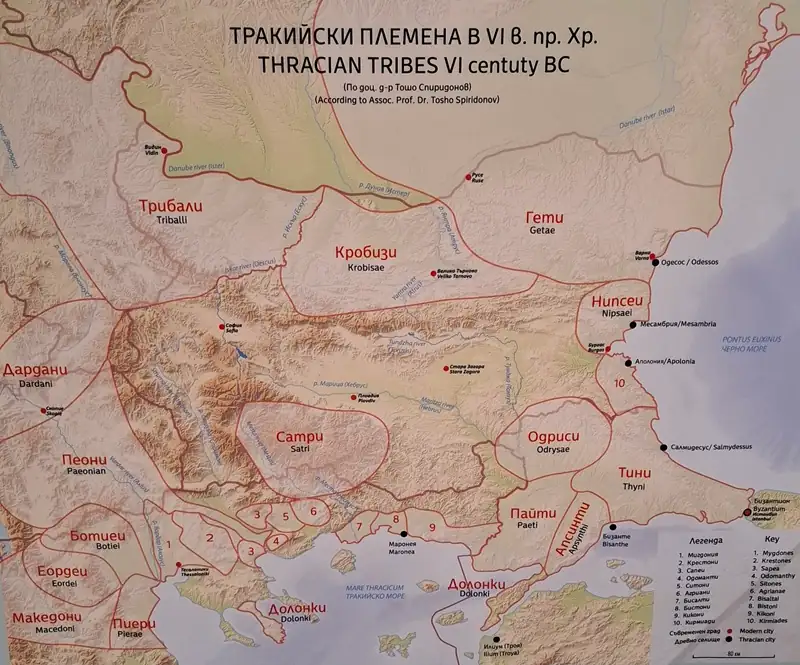
The first significant settlements date back to the Thracians, an ancient civilization that inhabited the region long before the arrival of the Romans. In fact, archaeological remains from that era can still be seen throughout the country today.
Later, the territory became part of the Roman Empire and then the Byzantine Empire, until the First Bulgarian Empire was founded in the 7th century. For several centuries, Bulgaria was a regional power in Eastern Europe, with a strong cultural and religious development, especially linked to Orthodox Christianity.
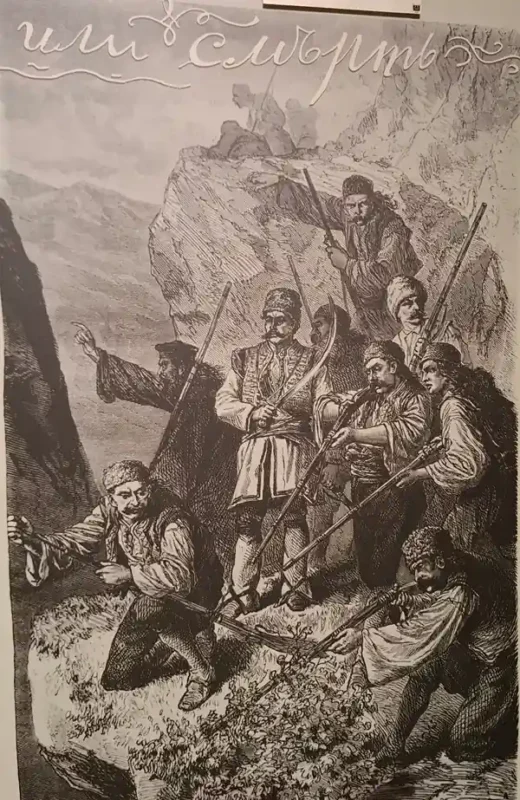
One of the longest and most defining periods was the Ottoman Empire's rule, which lasted for almost 500 years. This era left a profound mark on the country's identity, both culturally and architecturally. Independence was only achieved at the end of the 19th century, beginning a period of nation-building.
In the 20th century, Bulgaria was part of the Soviet bloc for several decades, which also influenced its political and economic development. Since the fall of communism, the country has adapted to a market economy and, in 2007, joined the European Union.
Today, all this mix of influences is reflected in its cities, its culture and its way of life, making Bulgaria a destination with a very particular identity within Europe.
One week itinerary in Bulgaria
How to get to Bulgaria
The main gateway is Sofia, home to the country's most important international airport, with connections to many European cities via traditional and low-cost airlines.
Besides Sofia, you can also fly to cities like Varna or Burgas, especially during peak season when there are more flights linked to tourism on the Black Sea coast.
If you're already in nearby countries, another popular option is to travel by land. Bulgaria is well-connected to its neighbors, so you can easily enter by bus or train from places like Greece, Romania, Serbia, or Turkey. These routes are usually inexpensive and quite direct.
How to get around Bulgaria
Bulgaria is not a huge country, so the distances between the main destinations are manageable and allow you to put together a varied itinerary without wasting too much time on transfers.
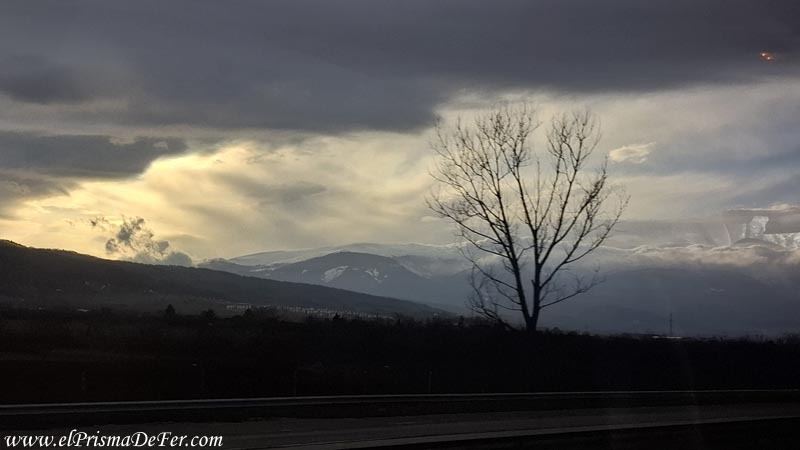
The most common way to get around is by bus. There's a good network connecting cities like Sofia, Plovdiv, Varna, and Burgas, with fairly regular departures and affordable prices. For many journeys, the bus is often faster and more convenient than the train.
The train is also an option, although it's generally slower. Even so, it can be a good choice for some journeys if you want to travel at a more leisurely pace or enjoy the scenery. The rail network covers a large part of the country, but it's not always the most efficient option.
If you're looking for more freedom, renting a car is a good idea, especially for exploring rural areas, national parks, or more remote villages where public transport isn't as readily available. The main roads are in good condition, although they can be more uneven in more remote areas.
In cities, public transport, such as buses and trams, works well, and you can also use taxis or ride-hailing apps for short trips. In places like Sofia, there's even a metro, which makes getting around the capital much easier.
How to buy bus tickets in Bulgaria
In Bulgaria, it's most common to buy bus tickets directly at the terminal. Most intercity routes run frequently, so you can usually get a seat on the same day without too much trouble.
Si querés tener una referencia previa de horarios o comparar opciones, podés usar plataformas como Busbud either Omio. No siempre tienen todas las opciones disponibles, pero sirven para orientarte antes de ir a la terminal y planificar mejor el recorrido.
Interesting facts about Bulgaria
Bulgaria has some cultural details and peculiarities that are worth highlighting.
- One of the best-known ways to say “yes” and “no” is with your head. In Bulgaria, the gesture is reversed compared to what we're used to. Nodding your head up and down can mean “no,” while shaking it from side to side can be interpreted as “yes.” It might be confusing at first, but you get used to it quickly.
- Although the vast majority of the population identifies with the Orthodox Church, in practice daily life is not usually as marked by religion as in other countries.
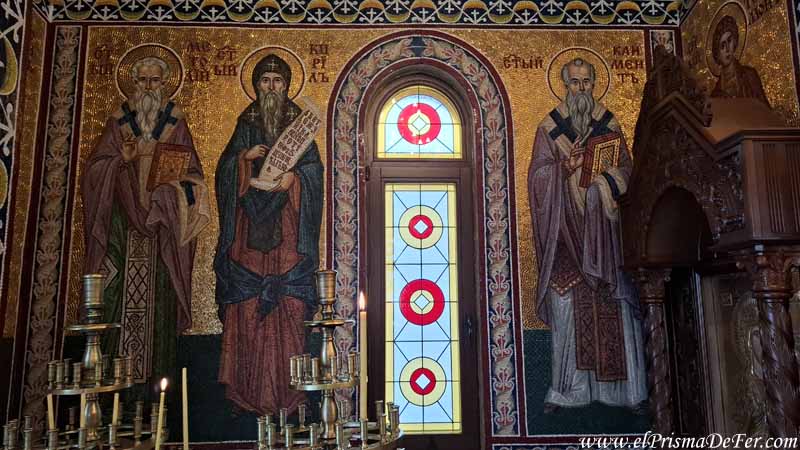
- Bulgaria is one of the oldest countries in Europe with the same name. It was founded in 681 and, despite various historical periods, the name has remained to this day.
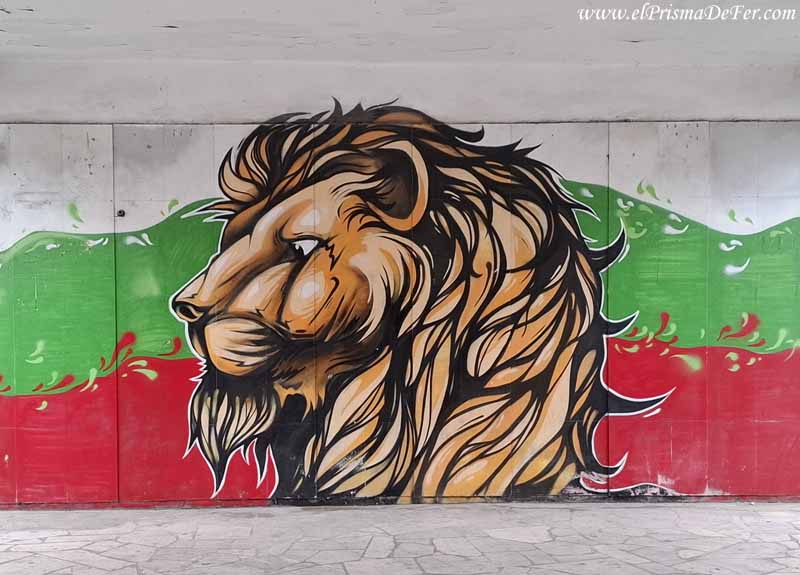
- In Bulgaria, the lion is a very important national symbol, even though it is not a native animal. It has been used since the Middle Ages to represent strength and power, and today it appears on the national coat of arms, monuments, and various cultural artifacts.
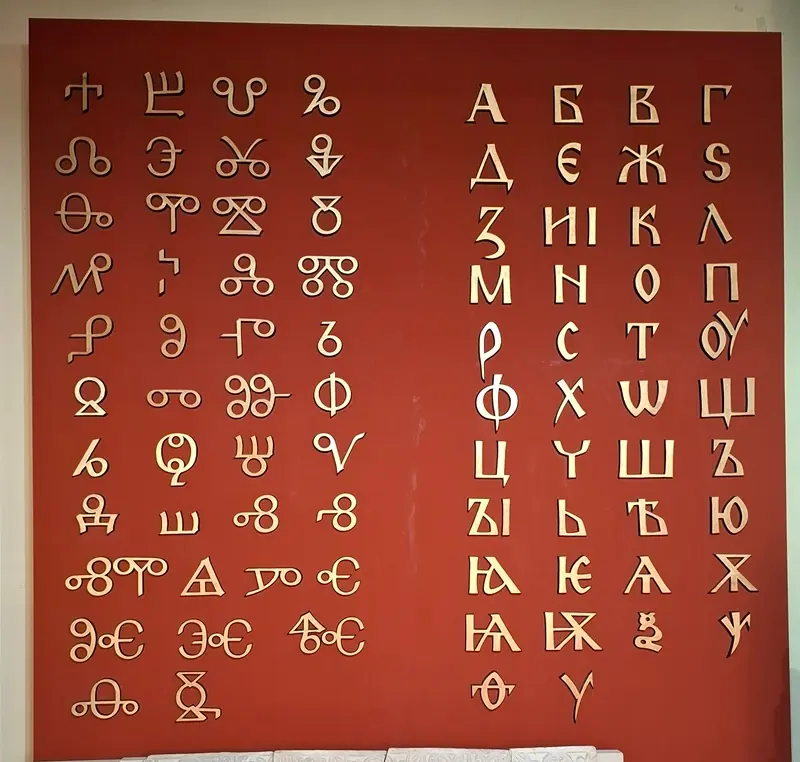
- It is also the birthplace of the Cyrillic alphabet, which later spread to other countries in the region. Although it was actually developed during the First Bulgarian Empire, it remains the country's official writing system today.
- In terms of gastronomy, Bulgarian yogurt is world-renowned. There is even a specific bacterium (Lactobacillus bulgaricus) that is directly associated with its traditional production.
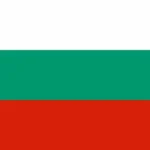
- The flag of Bulgaria consists of three horizontal stripes: white, green, and red. White represents peace, green represents nature and agriculture, and red represents the country's history and struggles.
What to see in Bulgaria
Sofia
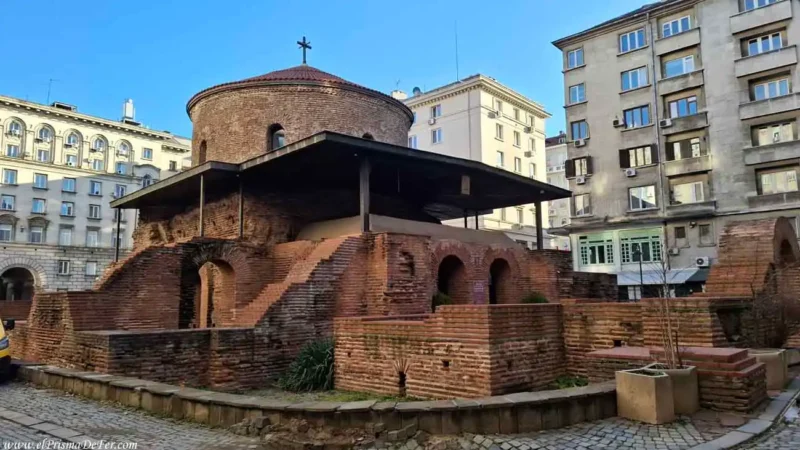
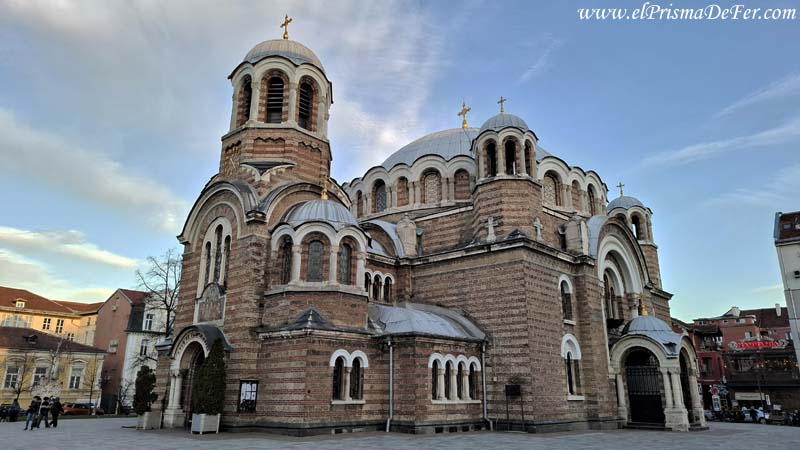
The capital is a great gateway to the country. It has an interesting mix of history and urban life, with Orthodox churches like the Alexander Nevsky Cathedral, Roman ruins, and a growing food scene.
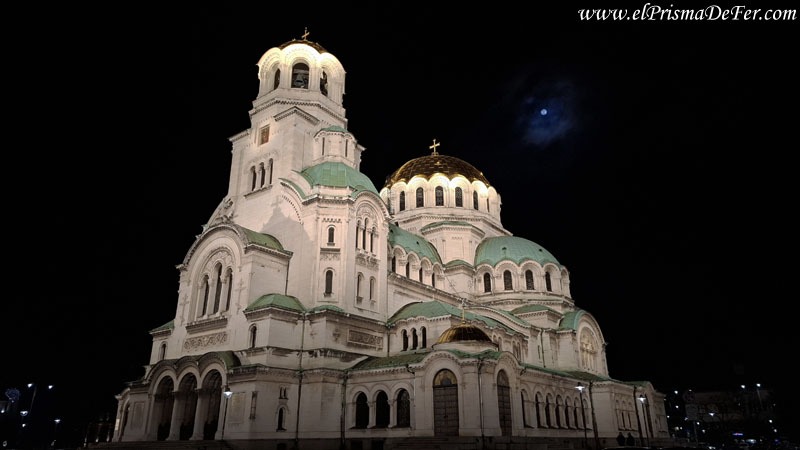
In addition, from here you can take trips to the mountains.
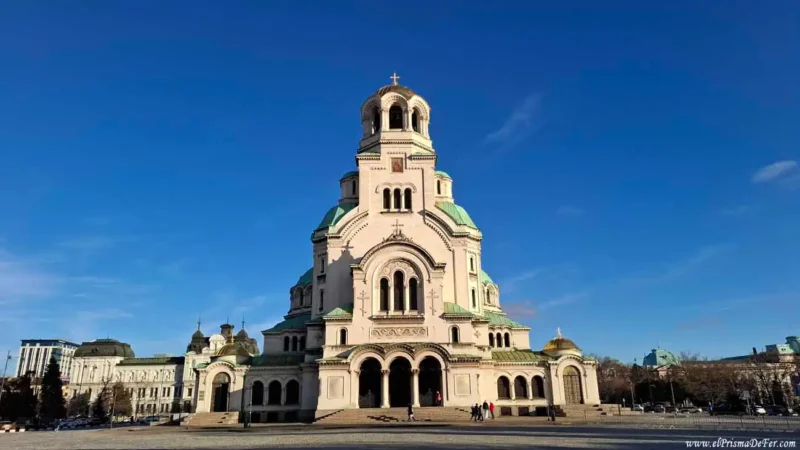
What to see in Sofia, the capital of Bulgaria
Plovdiv
One of the oldest cities in Europe, with a very well-preserved historic center. Highlights include its traditional houses, the Roman theater, and a more tranquil atmosphere than in the capital.
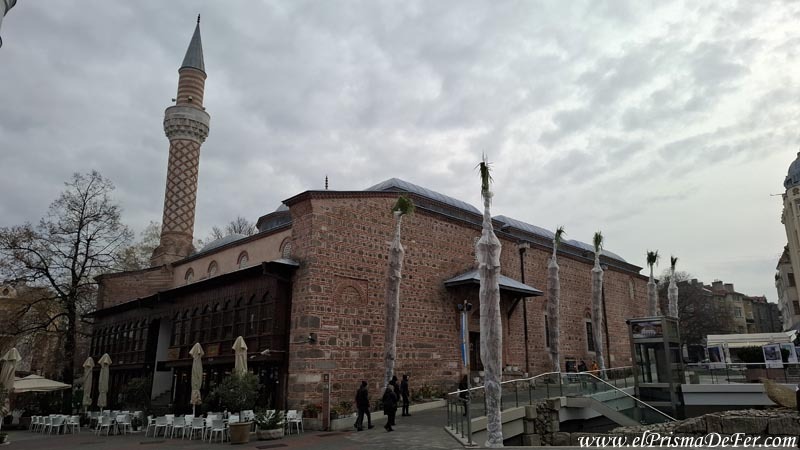
It is a place to walk leisurely and explore the ruins scattered throughout the city.
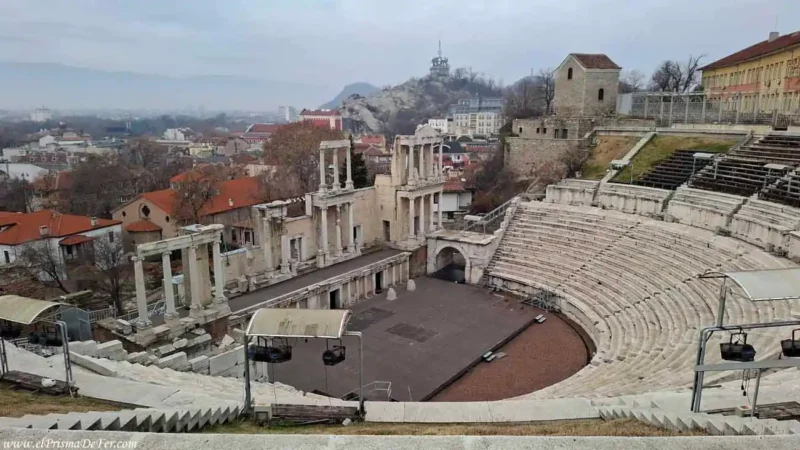
Plovdiv, the small Bulgarian city with ruins from several civilizations
Veliko Tarnovo
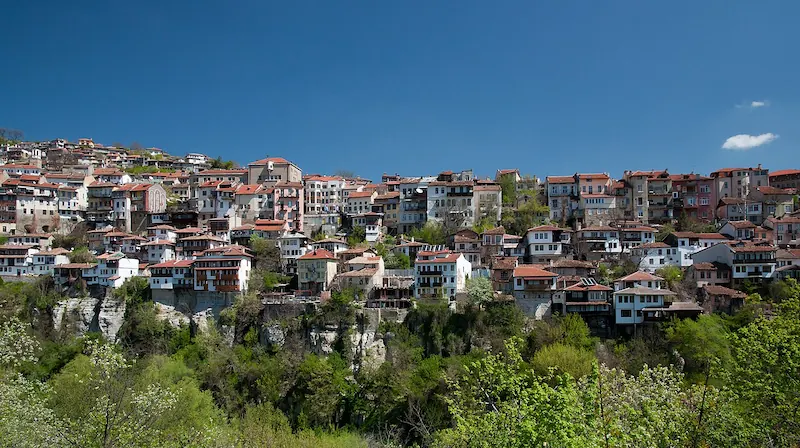
The former capital of the country, famous for its hilltop location and the Tsarevets Fortress. It boasts one of Bulgaria's most photogenic cityscapes and a rich historical heritage.
Rila Monastery
One of the most important sites in the country, both culturally and religiously. It is surrounded by mountains and is a World Heritage Site.
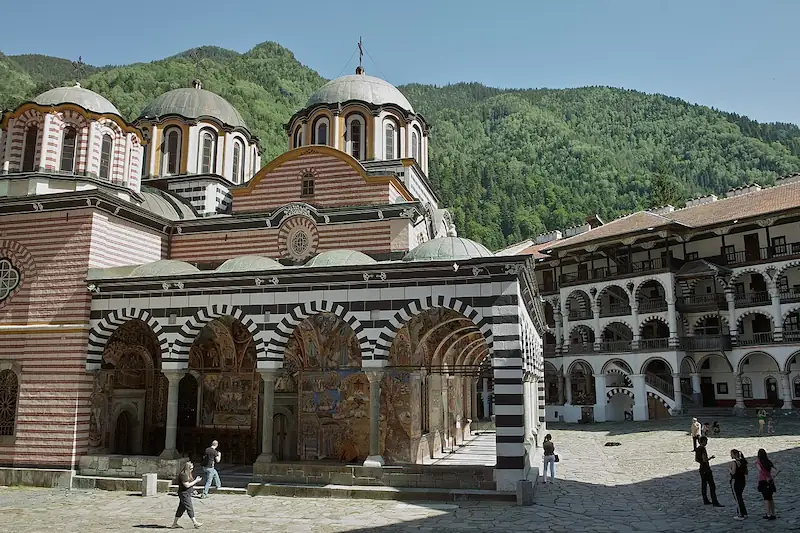
The architecture and frescoes make it a must-see if you're in Sofia.
Varna and Burgas
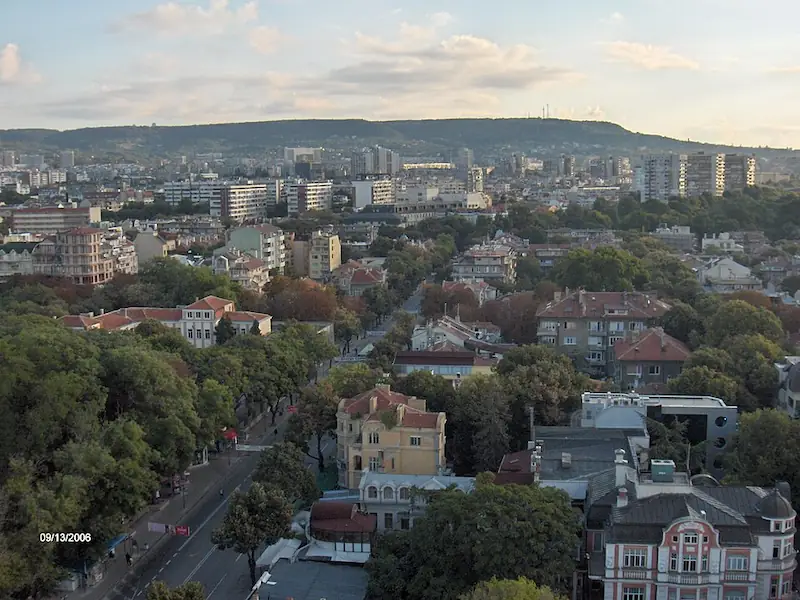
These are the main cities on the Black Sea coast. Ideal in summer if you're looking for beaches, a relaxed atmosphere, and some nightlife. They also serve as a base for exploring other coastal destinations.
Valley of the Roses
A region known for its rose oil production. If you travel during the blooming season (spring), it's a very special place to visit, with fields full of flowers and local festivals.
Pirin National Park
One of the best destinations for nature lovers and trekkers. Mountains, lakes, and alpine landscapes make this area an ideal place for outdoor activities.
Rila Mountains
Another key area for exploring nature. Here you'll find the famous Seven Lakes of Rila, one of the most well-known treks in the country.
Best time to travel to Bulgaria
Spring (April to June) and autumn (September to October) are usually the best times to visit. The weather is mild, there are fewer tourists, and it's ideal for exploring cities like Sofia or Plovdiv, as well as taking day trips into the country.
Summer (July and August) is peak season, especially on the Black Sea coast, with destinations like Varna and Burgas. It's a good time if you're looking for beaches and a lively atmosphere, although it also means more crowds and slightly higher prices. Inland cities can get quite hot.
Winter (December to February) is ideal if you're interested in skiing. Bulgaria has several accessible resorts in mountainous areas like Pirin and Rila. However, for exploring cities or general tourism, the cold weather might be a factor to consider.
How long should I stay in Bulgaria?
In my case, I spent a week traveling around Bulgaria. It was winter, so that limited some activities quite a bit, especially those related to nature and trekking.
But if you travel at another time of year, it's worth staying a little longer. With 10 to 14 days, you could put together a more comprehensive itinerary, combining cities like Sofia, Plovdiv, and Veliko Tarnovo, along with a mountain region or even the coast.
In conclusion, a week is enough for a general overview, but if you have more time, you can explore more areas of Bulgaria.
Support The Prism of Fer!
Your support helps me continue creating free content on the blog. Thank you so much!