
What to know before traveling to Morocco
| The official languages of Morocco are Arabic and Berber. Although many people still speak French, and some still speak Spanish. |
| The currency is the Moroccan dirham (MAD). In cities, you can use cards in restaurants and hotels, but in souks, small towns, or street stalls, you always pay in cash. There are many ATMs, especially in cities. |
| Religion |
| Morocco is a predominantly Muslim and conservative country. Islamic dress is not mandatory, but covering shoulders and knees is recommended, especially in rural or traditional areas, for both men and women. |
Location  |
| Rabat is the capital of the Kingdom of Morocco with more than 1,600,000 inhabitants. |
| Citizens of most Latin American and European countries do not require a visa for tourist stays of up to 90 days. A valid passport (at least 6 months valid) is sufficient. |

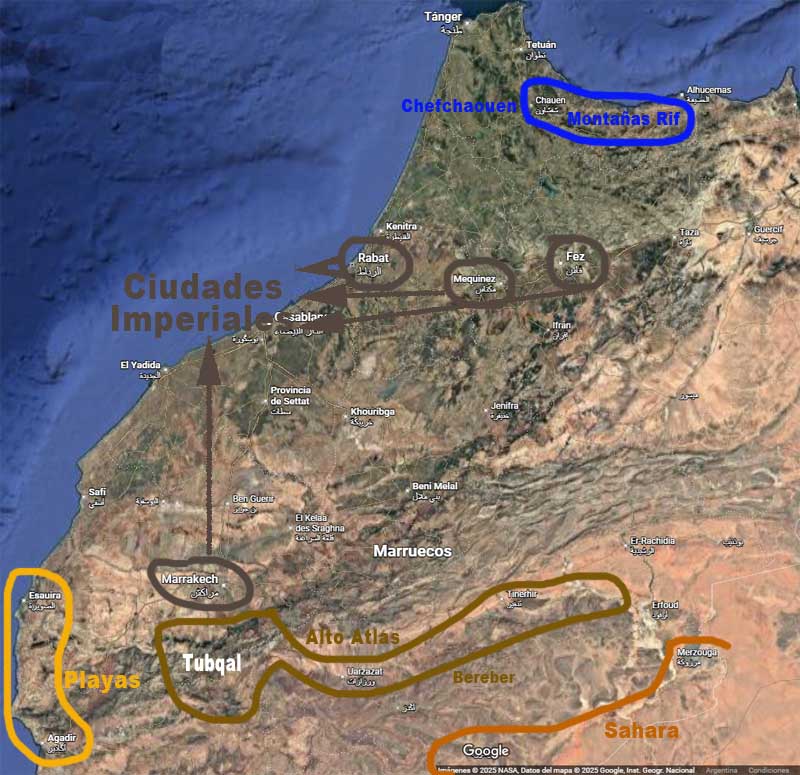
Morocco Map
How to get from the airport of large cities to the city center
From Marrakech Airport – Menara Airport (RAK)
- Public Bus (Line 11): This is the cheapest option, costing 4 dirhams. However, the stop is not located directly at the terminal, and the journey may be slower due to the multiple stops.
- Taxi: You can take a taxi directly outside the airport; it's advisable to agree on a price beforehand, as they don't always use meters.
From Rabat Airport – Rabat-Salé Airport (RBA)
- Shuttle Bus (Line AE): Connects the airport to Rabat Ville Train Station. Operates from 6:00 AM to 9:00 PM, every 30 minutes. The cost is 20 dirhams.
- Taxi: Taxis wait at the airport exit; it's important to agree on a price before your trip because they don't always operate with meters.
From Fez Airport – Fez-Saïss Airport (FEZ)
- Public Bus (Line 16): Connects the airport to Fez train station. The journey takes approximately 40 minutes and costs between 3 and 4 dirhams.
- Taxi: There are taxis outside the airport, but it is advisable to set the fare in advance, as the use of taximeters is not common.
From Casablanca Airport – Mohammed V Airport (CMN)
- Train: The train station is located below the terminal. Trains to Casa-Voyageurs station depart every hour, taking approximately 35 minutes and costing between 14 and 30 dirhams.
- Taxi: Taxis are available upon exiting the airport. Be sure to negotiate the fare before getting in, as they often don't use meters.
You can read the Morocco travel itinerary, in which I traveled around the country for 3 and 4 weeks.
How to get around in Morocco
Within the cities 🏙️
In larger cities like Marrakech, Fez, and Rabat, taxis and Uber are practical options. There are also buses and small minivans, which many locals use, but it's sometimes unclear where they're going.
Regarding taxis, there are two types in cities: petit taxis (only within the city, with a meter) and grand taxis (for longer distances or shared with other passengers). Always ask the price before getting in if there is no meter.
Bus 🚌
To reach areas not served by train or for long journeys, buses are the best option. The best-known companies are CTM and Supratours. I used both platforms and they have good reputations. It is recommended to buy tickets well in advance, especially during high season.
Train 🚆
From the company's website Supratours, you can buy tickets online.
Car rental 🚗
Plane ✈️
There are two national airlines: Royal Air Maroc (the largest and with the most frequent flights) and Air Arabia Maroc (low-cost, ideal for budget travel). There are also domestic flights with low-cost European airlines such as Ryanair. I traveled from Madrid to Rabat with Ryanair for just 40 euros.
Domestic flight prices are not usually as cheap as in Europe. Sometimes it's worth comparing buses or trains (especially ONCF and CTM), which are very good and cheaper.
Organized Tours
Berber culture and ethnicity in Morocco
The Berbers (also called Amazigh, meaning “free men”) are the indigenous people of North Africa, with roots dating back thousands of years, long before the arrival of the Arabs.
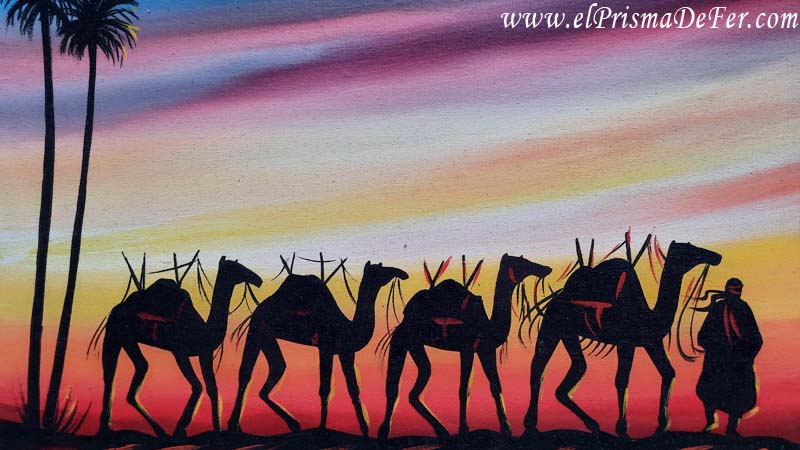
Although many Berbers speak Arabic today, they maintain their own language, Tamazight, and preserve unique traditions in their music, clothing, architecture, and lifestyle. In 2011, Morocco officially recognized Tamazight as a national language alongside Arabic, which was a major achievement for the community.
Lifestyle and art
Their art is known for its colorful and symbolic character. Their textiles, carpets, pottery, and silver jewelry are filled with geometric motifs that convey stories, beliefs, and spiritual protection. Berber music is lively, with drums, flutes, and collective chants that accompany festivals and celebrations.
Experiences you can do with Berbers
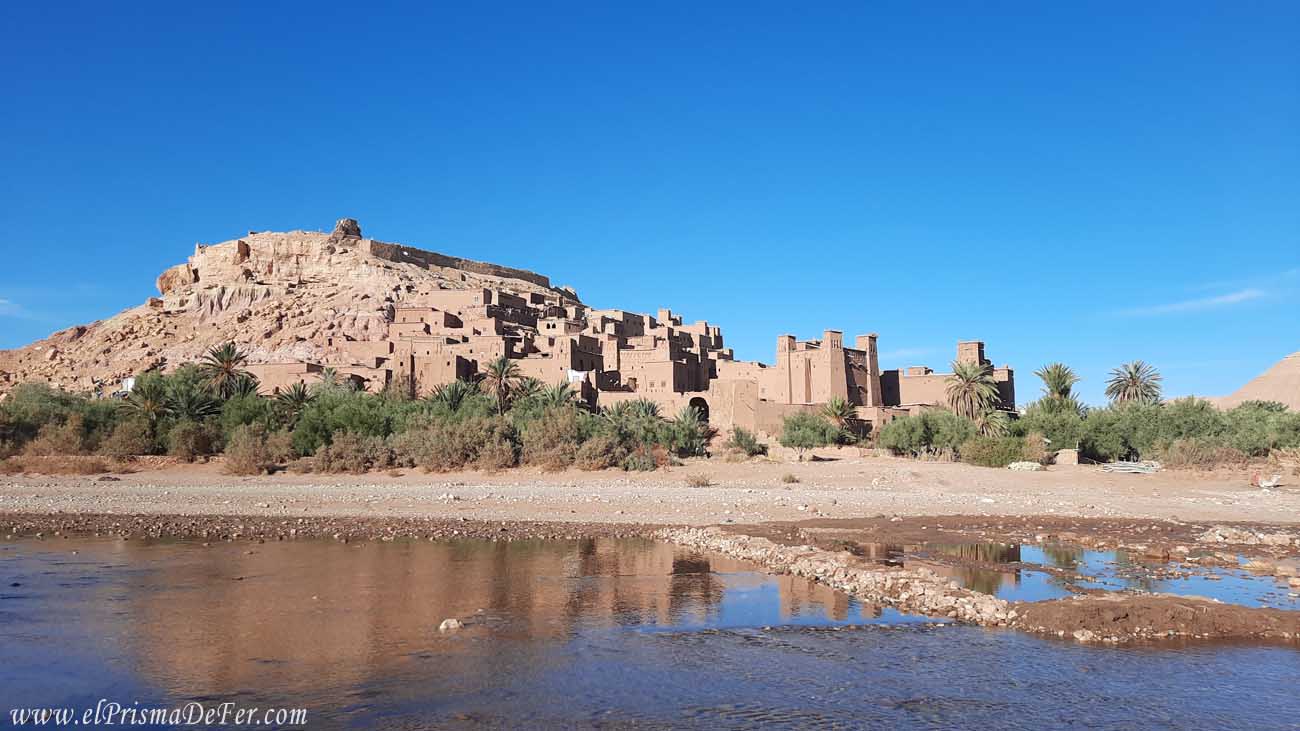
- Sleeping in a traditional Berber house: Spending a night in a family-run riad or kasbah in the Atlas valleys or in villages like Aït Ben Haddou allows you to see what daily life is like in these communities, sharing home-cooked meals and simple conversations.
- Experience the desert like a Berber: Sleep in a haima (nomadic tent) under the starry Sahara sky. The guides are usually Berbers who share stories, music, and customs around a campfire. Although in my experience it felt more like a business than something authentic, they still demonstrated those kinds of customs.
- Listen to traditional Amazigh music: At local festivals or in some desert camps, you'll hear unique tribal rhythms played on drums, crotales, and chants in the Tamazight language. Be sure to listen to Tinariwen, Izenzaren, or Tasuta N-Imal to get a taste of what contemporary Berber music sounds like.
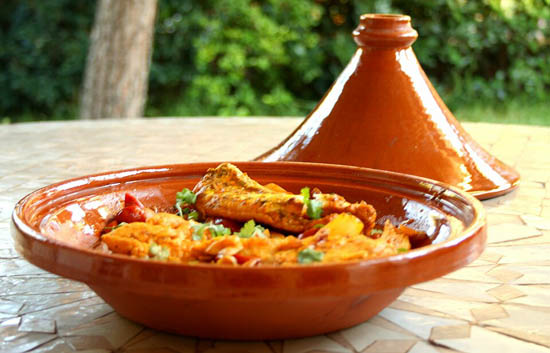
- Try authentic Berber cuisine: A Berber tagine (made with fresh vegetables, lamb or chicken, and local spices) or bread baked in a clay oven is a must. Many rural accommodations invite you to cook or at least watch the process.
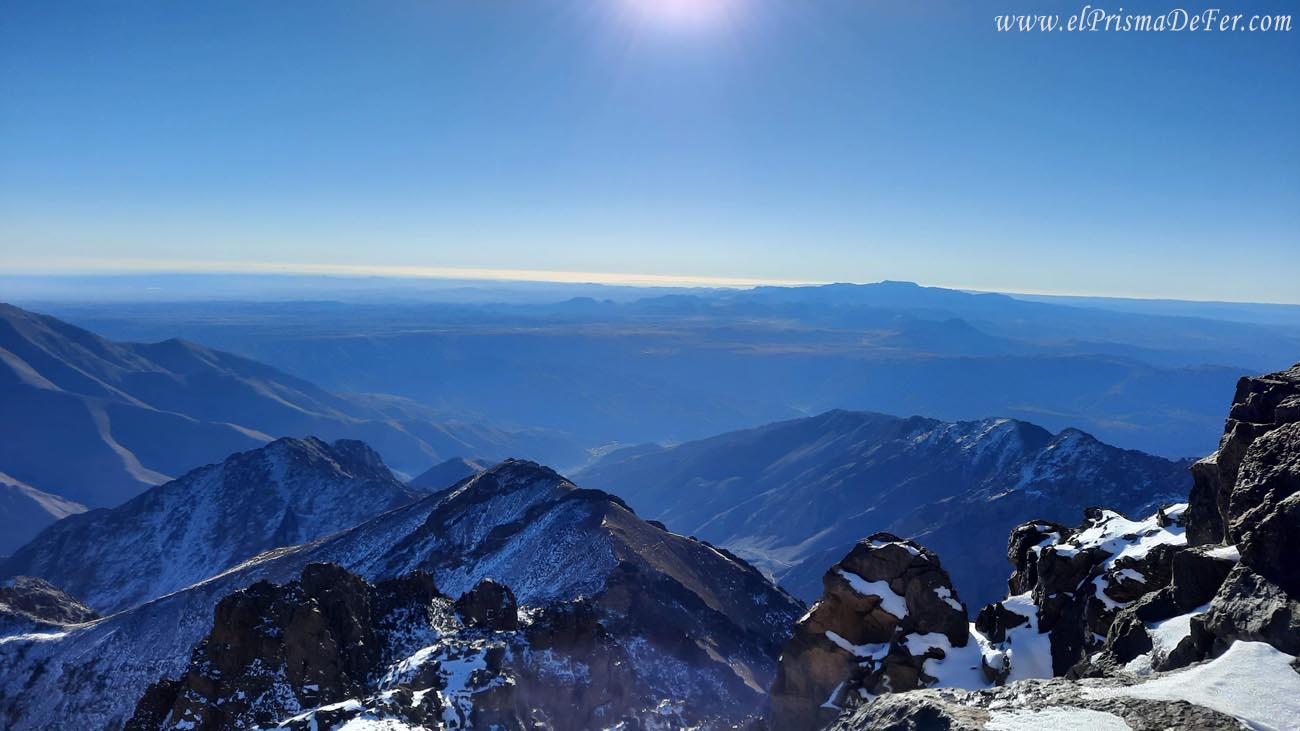
- Trekking with Berber guides: Climbing Mount Toubkal, hiking through the Aït Bouguemez Valley, or exploring the Valley of Roses with local guides is the best way to understand the deep relationship that Berbers have with their land. I still remember the guide I had on my way up Mount Toubkal, how I gave thanks and prayed in the cold early morning on the mountain.
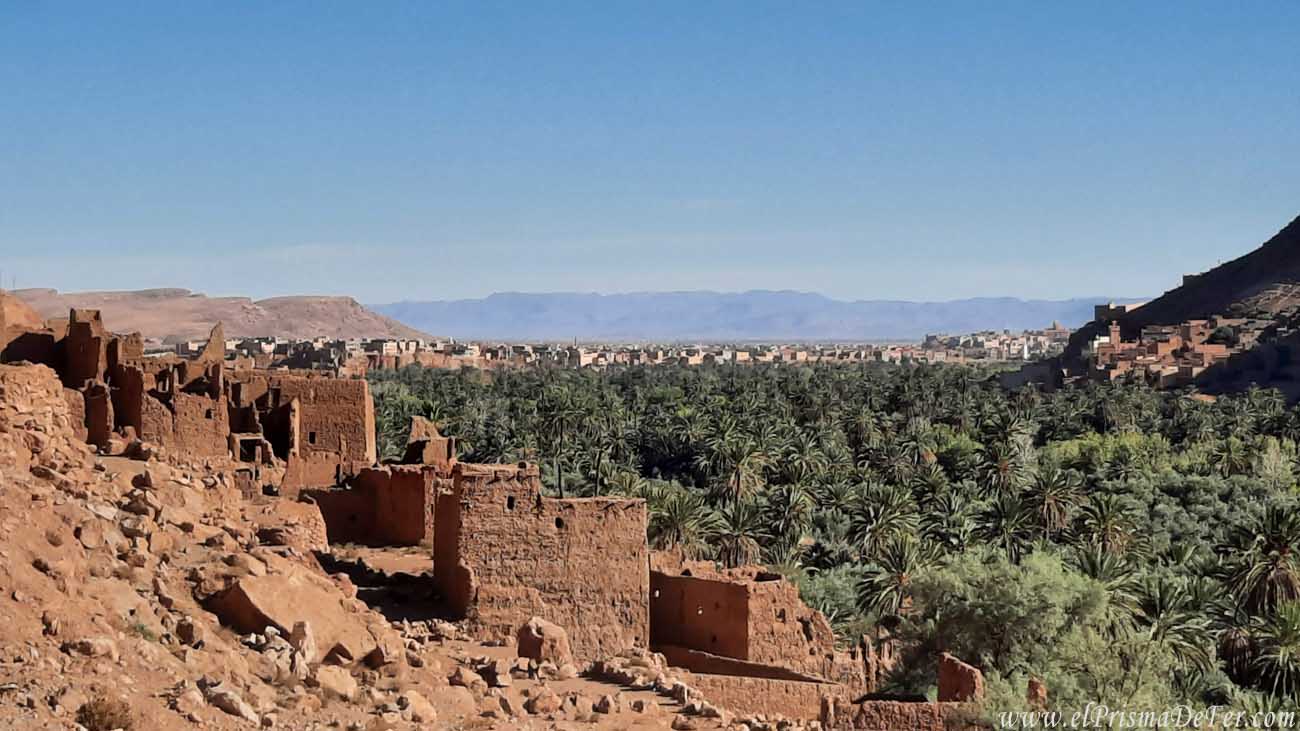
- Visiting historic villages and kasbahs: Visiting villages like Aït Ben Haddou or small Berber villages hidden in the High Atlas allows you to see typical adobe architecture, fortified granaries (ighrem), and traditional rural life.
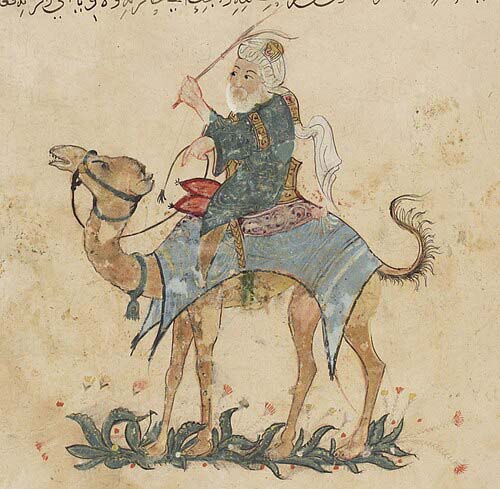
Ibn Battuta, the great Moroccan explorer 🧭
When we think of great travelers throughout history, Marco Polo usually comes to mind. However, long before him, a young Moroccan named Ibn Battuta embarked on one of the most amazing journeys of all time.
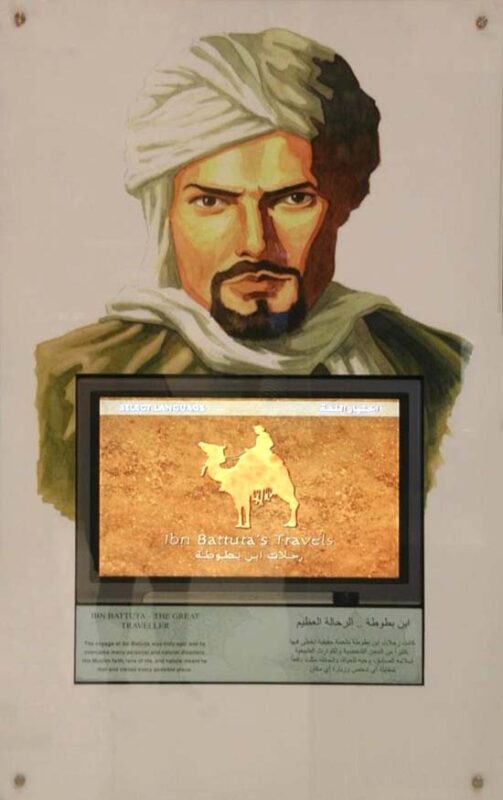
Born in Tangier in 1304, Ibn Battuta left his home at the age of 21 to undertake the Hajj (pilgrimage to Mecca). What was supposed to be a journey of a few months ended up becoming an epic adventure of almost 30 years, traveling more than 120,000 kilometers. He visited North and East Africa, the Arabian Peninsula, Persia, India, Southeast Asia, China, and even reached the region of present-day Mali.
What makes Ibn Battuta unique is not only the distance he traveled, but also the insight with which he described the places, customs, and cultures he encountered. His accounts, collected in the famous book Rihla (The Journey), offer a fascinating account of the medieval Islamic world and of societies barely known to the Europeans of his time.
Today, Ibn Battuta is a symbol of the Moroccan wanderlust, of curiosity about the world, and of the connection between cultures. In fact, in Tangier, his hometown, you can visit his tomb and a small museum dedicated to his legacy.
Travel Guide: What to See in Morocco?
Explore the imperial cities 🏙️
Imperial cities are those that, at some point in history, served as capitals of the Kingdom of Morocco under different dynasties. There are four: Fez, Marrakech, Meknès and Rabat. Each preserves a rich legacy of architecture, culture, and political power. Strolling through them is like traversing centuries of Moroccan history, from ancient madrasas and palaces to labyrinthine medinas and monumental mosques. Today, they remain key elements in understanding the soul of the country.
Main attractions of Marrakech
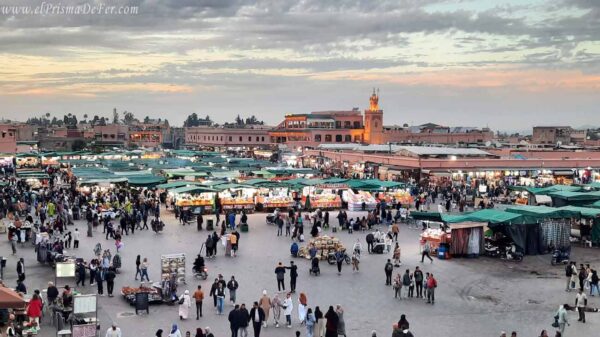
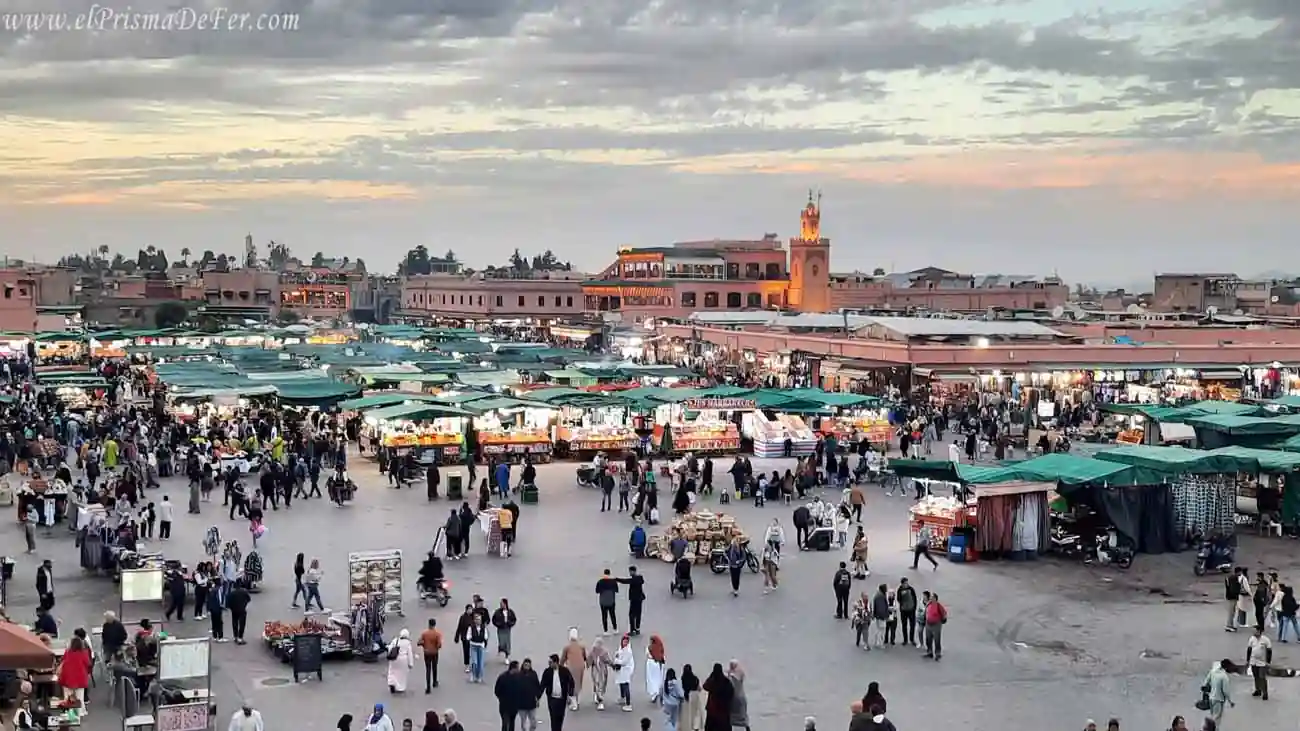
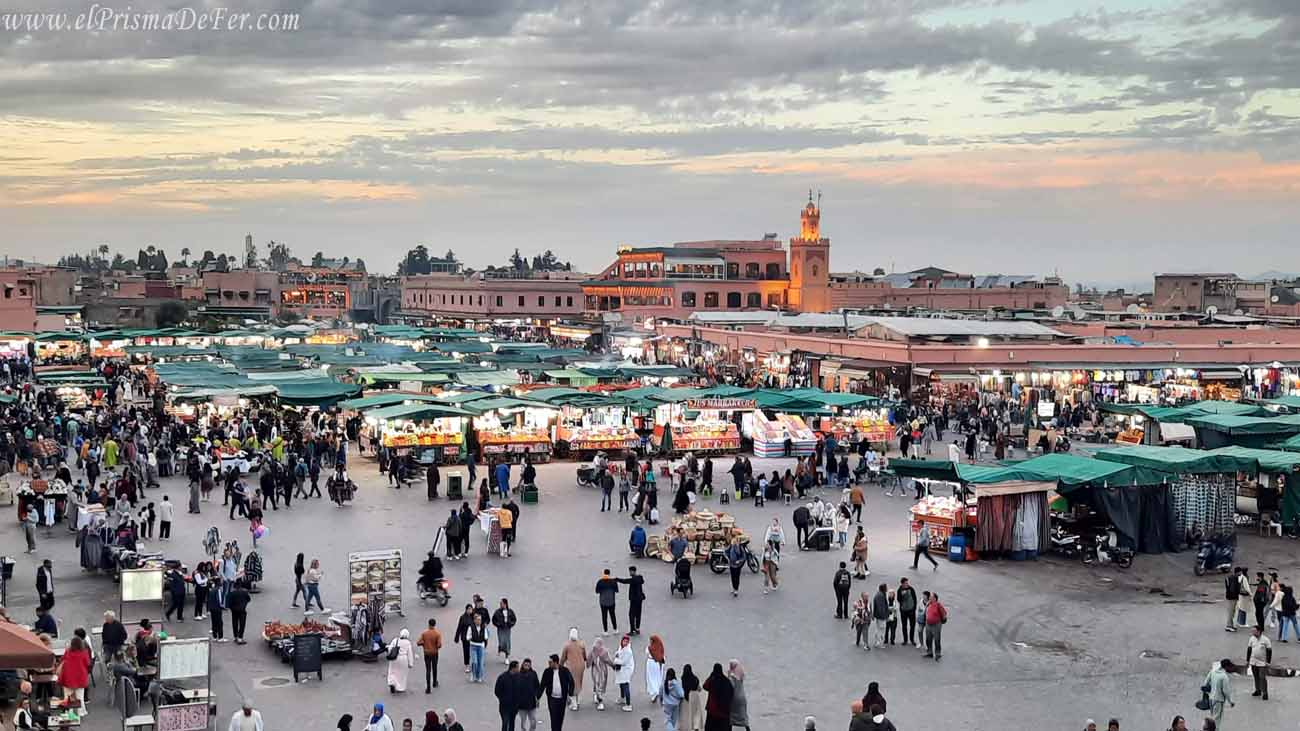
- Jemaa el Fna Square (street performances and food stalls)
- Medina of Marrakech (ideal for getting lost in the souks)
- Majorelle Gardens (those by Yves Saint Laurent)
- Bahia Palace (a jewel of Moroccan architecture)
- Saadian Tombs (Islamic history and art)
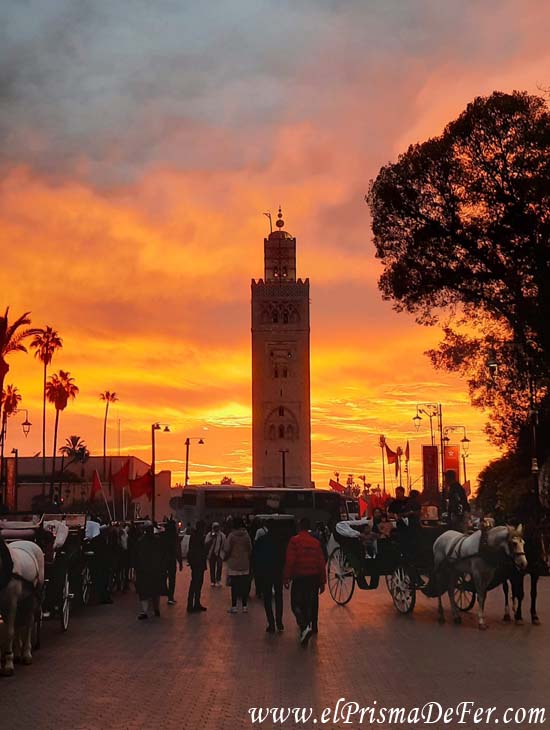
- Koutoubia Mosque (emblem of Marrakech, exterior view)
- Marrakech Souk (one of the largest and most vibrant)
Main attractions of Fez:
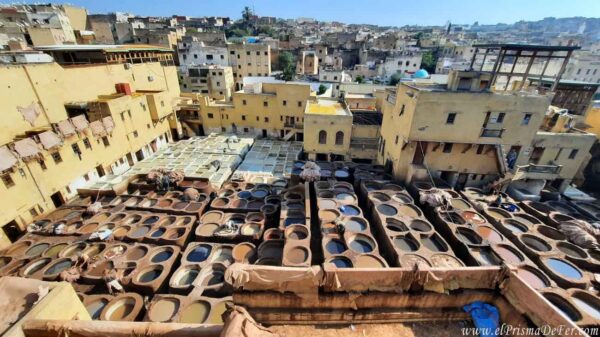
- Artisans' Quarter (ceramics, textiles, copper)
- Fez el-Bali Medina (World Heritage Site)
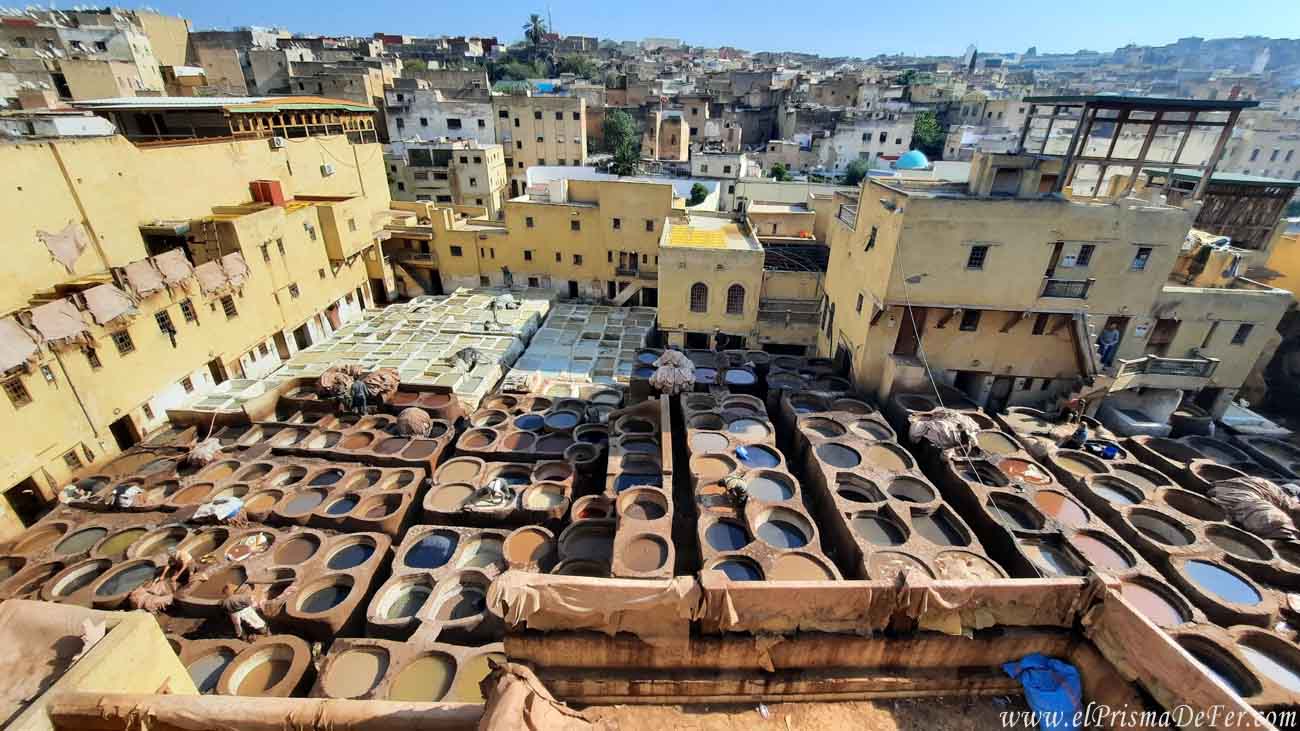
- Chouara Tanneries (the famous leather tanneries)
- Bou Inania Madrasa (impressive Koranic school)
- Bab Boujloud Gate (the blue gate to the medina)
- Mausoleum of Mulay Idrís II (important religious site)
- Royal Palace of Fez (exterior visit, the golden doors are famous)
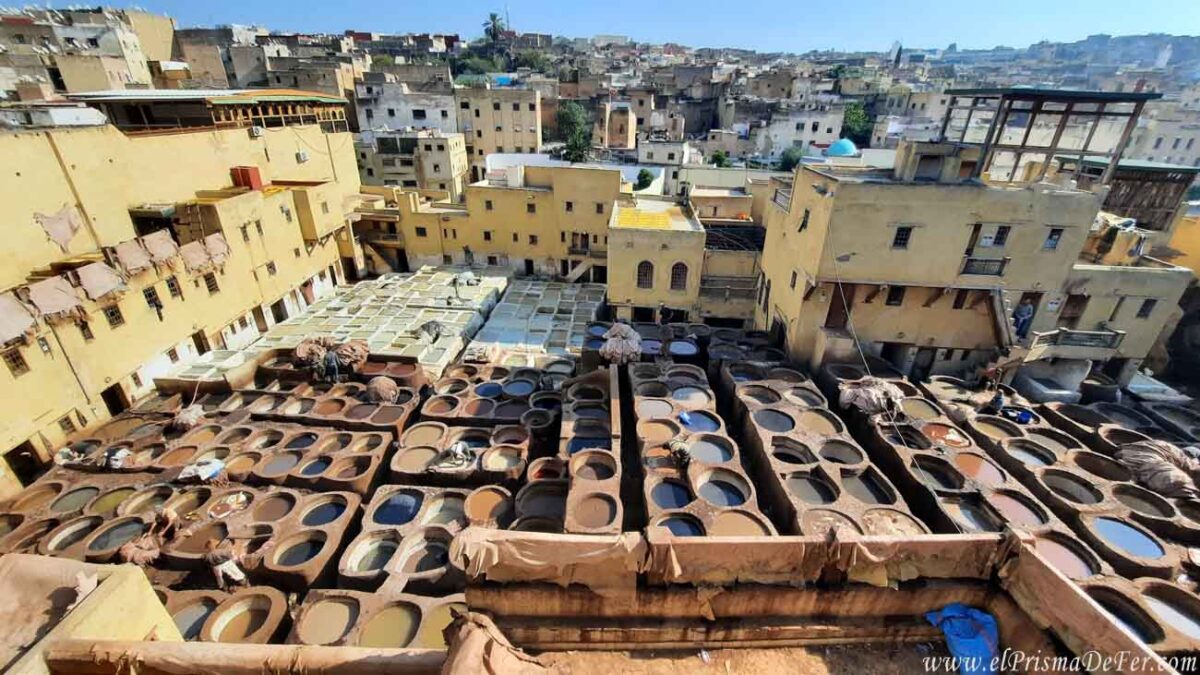
Main attractions of Rabat
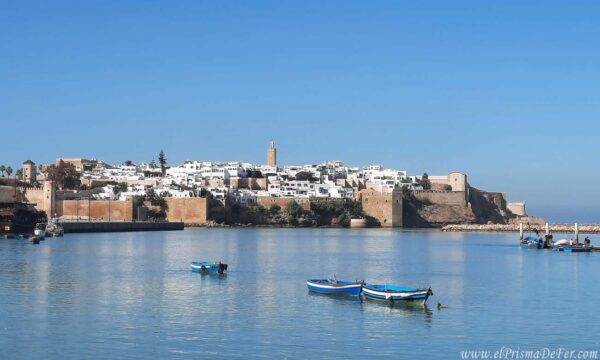
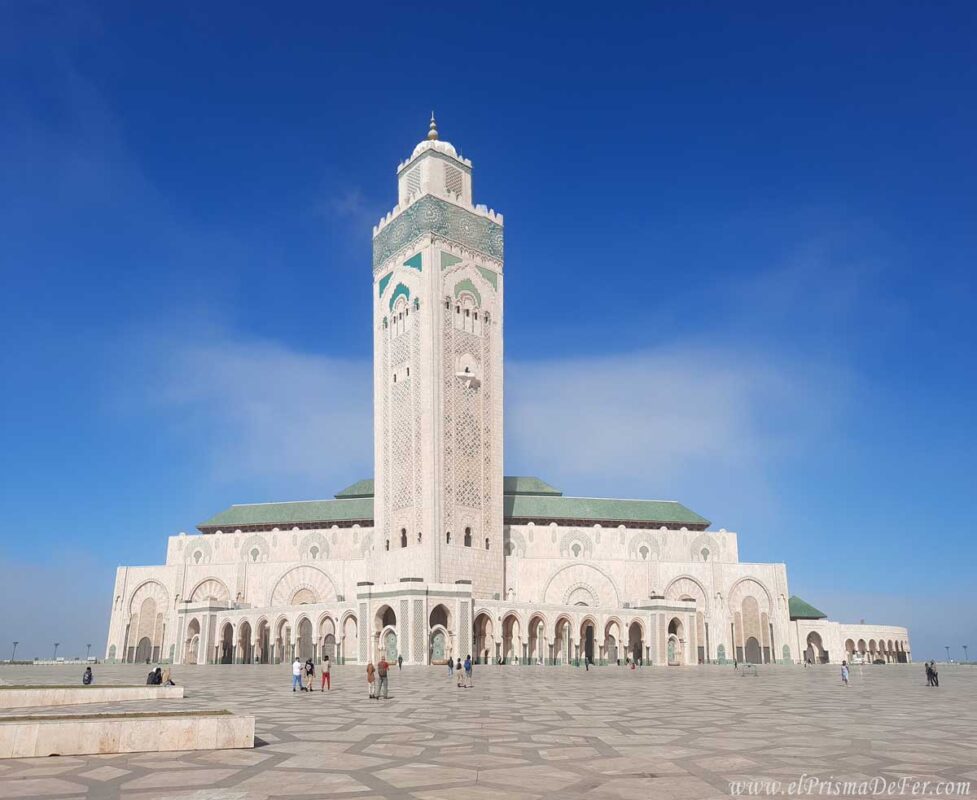
- Hassan Tower (the unfinished minaret, symbol of Rabat)
- Mausoleum of Mohammed V (very elegant, free admission)
- Kasbah of the Udayas (white and blue fortress overlooking the ocean)
- Rabat Medina (more orderly and quiet than others)
- Chellah (Roman and medieval ruins surrounded by gardens)
- Avenue Mohammed V (modern area for walking)
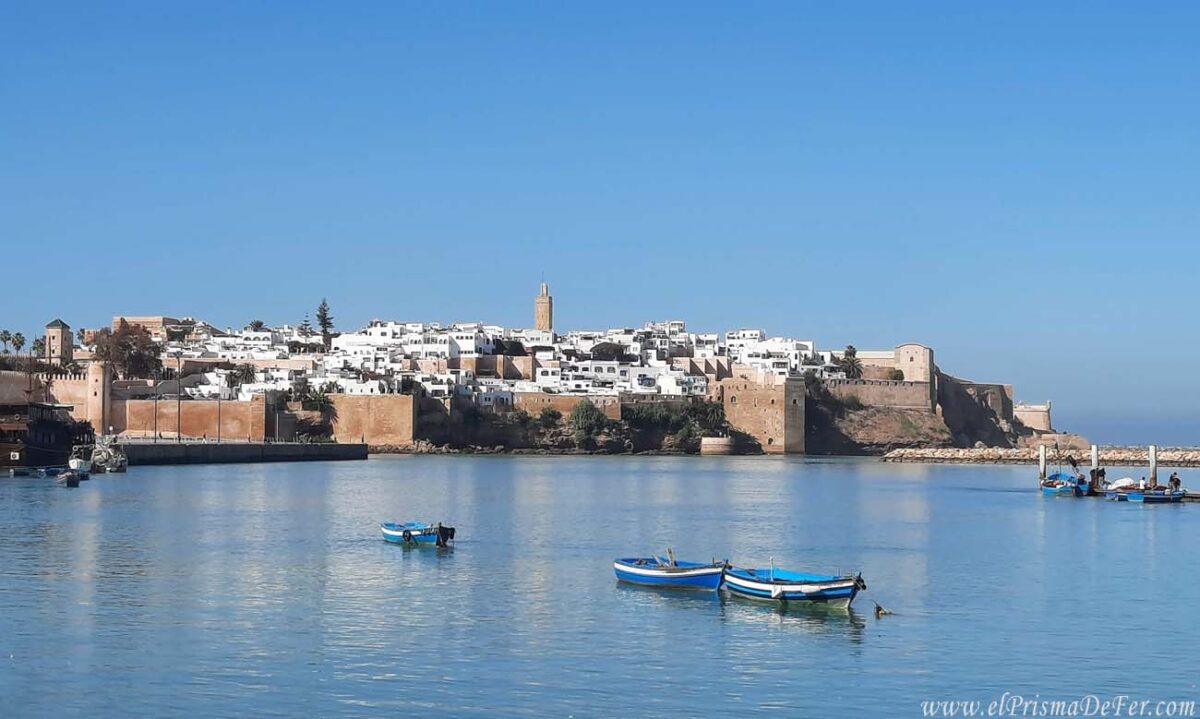
Live an adventure in the desert 🐫
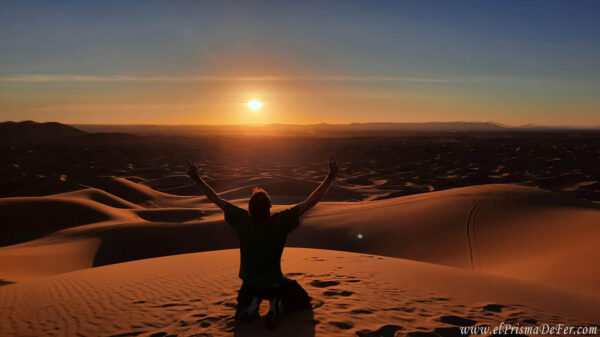
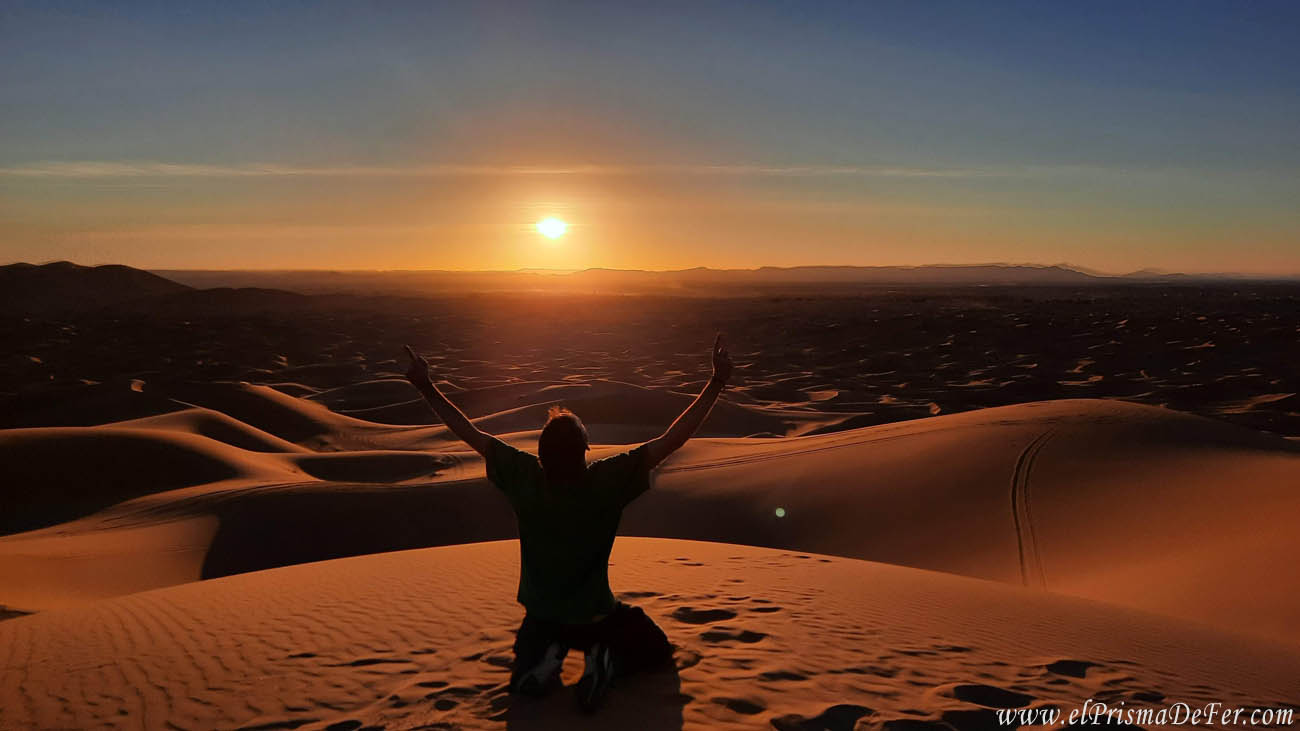
No trip to Morocco would be complete without an experience in the Sahara Desert. From towns like Merzouga or Zagora, you can organize excursions that include camel rides, 4x4 tours, and magical nights in camps under the stars.
Erg Chebbi (near Merzouga) is famous for its huge orange sand dunes that change color with the sun, while Erg Chigaga (near M’Hamid) offers an even wilder and less touristy experience.
Touring the Atlas Mountains
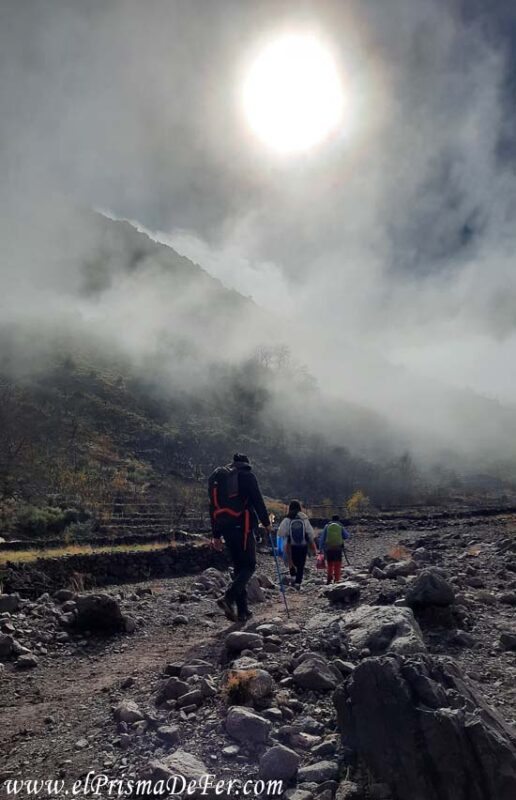
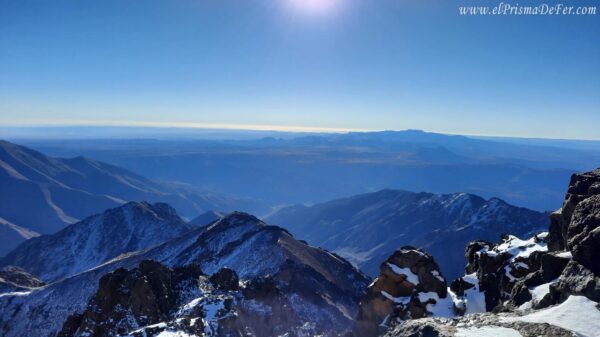
Some must-see experiences include visiting the Ourika Valley (perfect for a short day trip from Marrakech), trekking in the Aït Bouguemez Valley (the "Happy Valley"), or challenging yourself with a climb up Mount Toubkal, the highest peak in North Africa at 4,167 meters. (I'll write a post about what it was like climbing Morocco's highest mountain.)
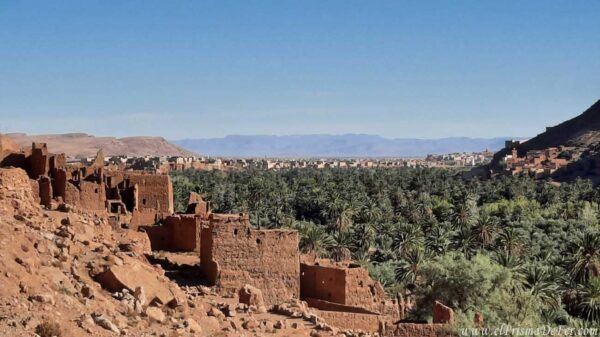
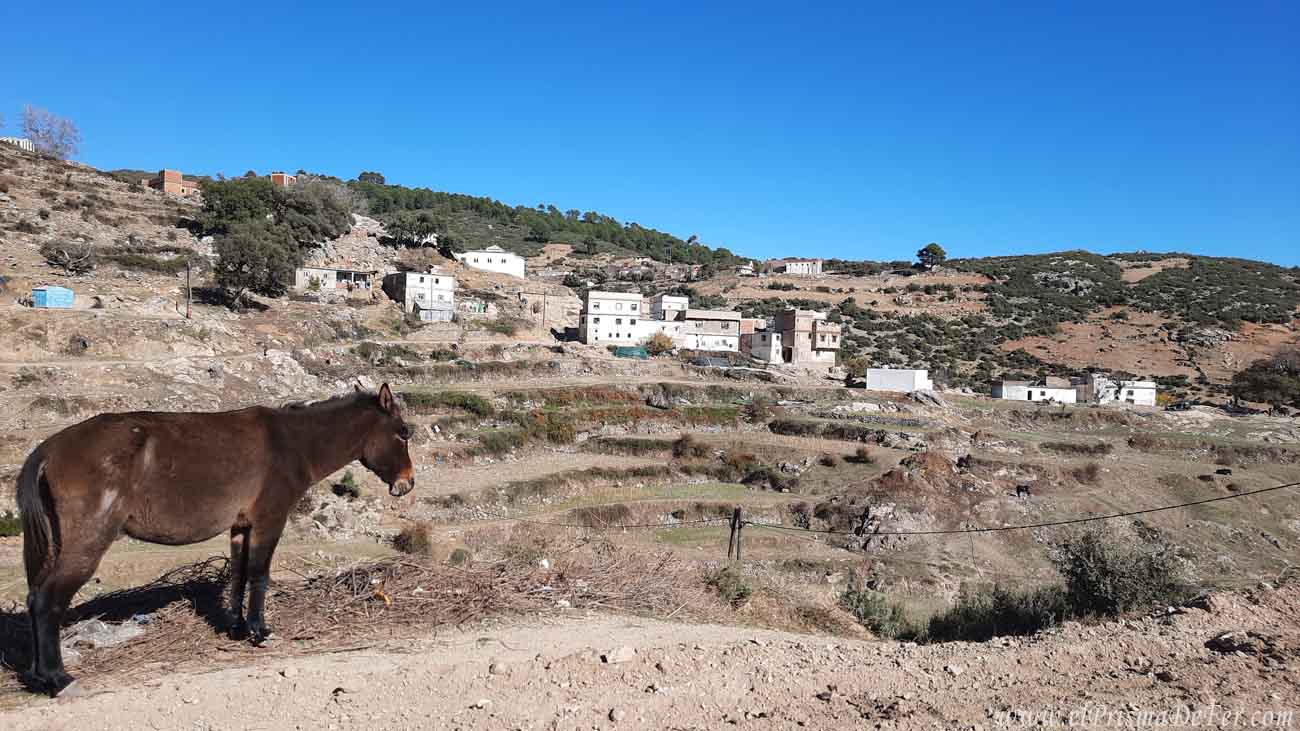
In addition to the hikes, you'll be able to experience Berber communities up close, sleep in traditional houses, and marvel at scenic routes like the Tizi n'Tichka Pass.
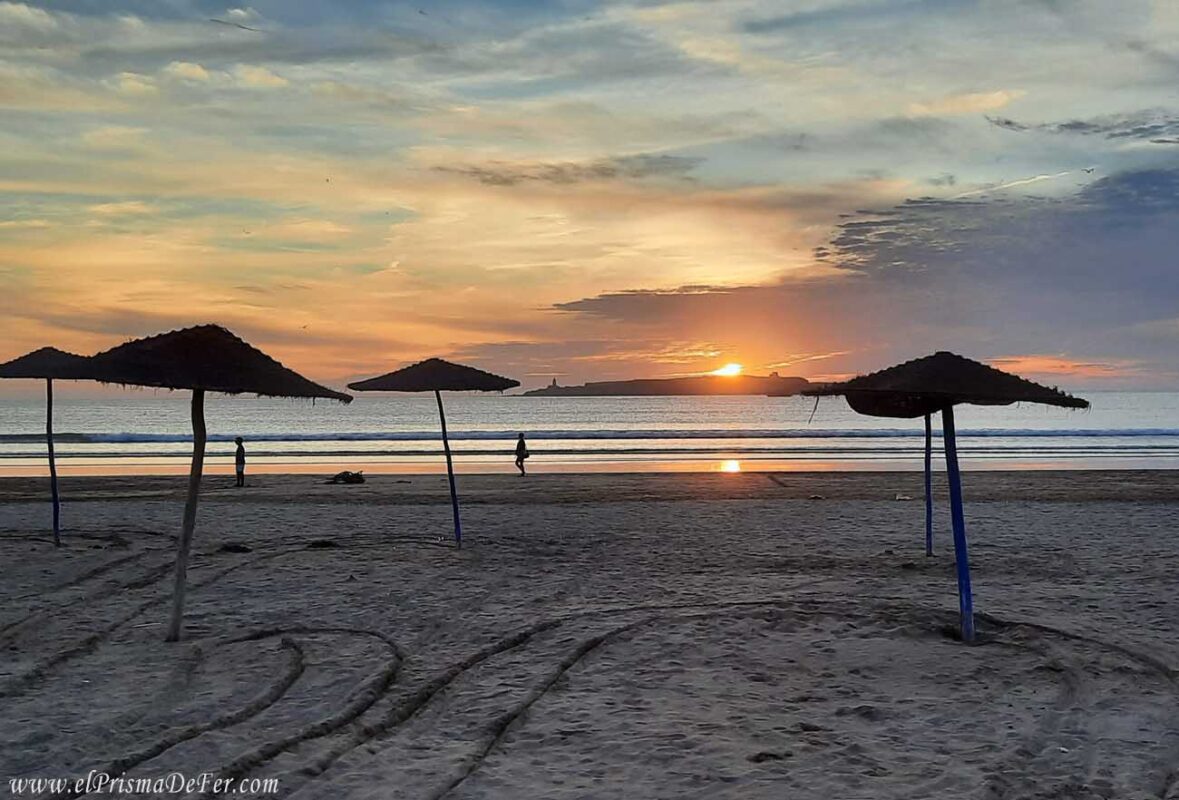
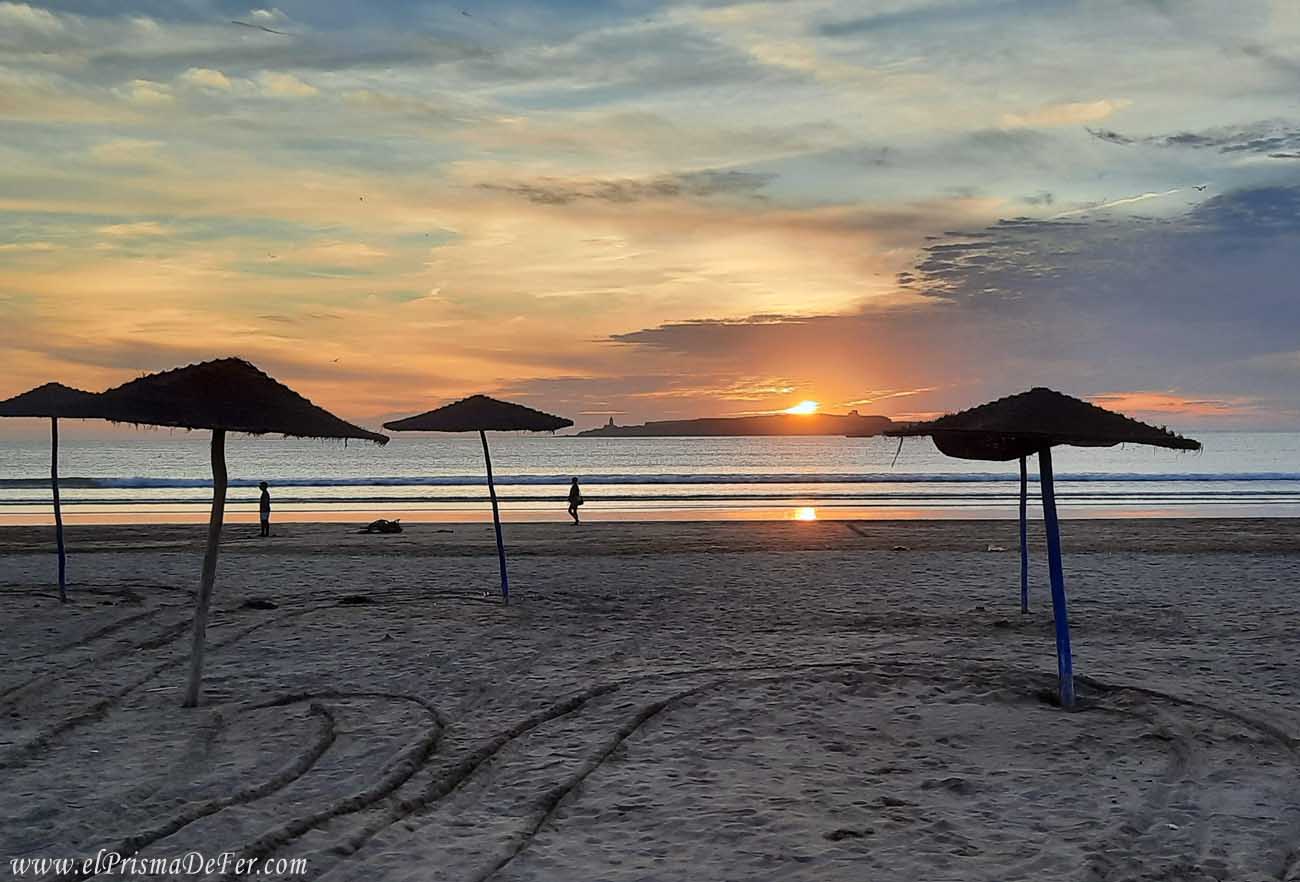
Relax on the Atlantic coast ⛵
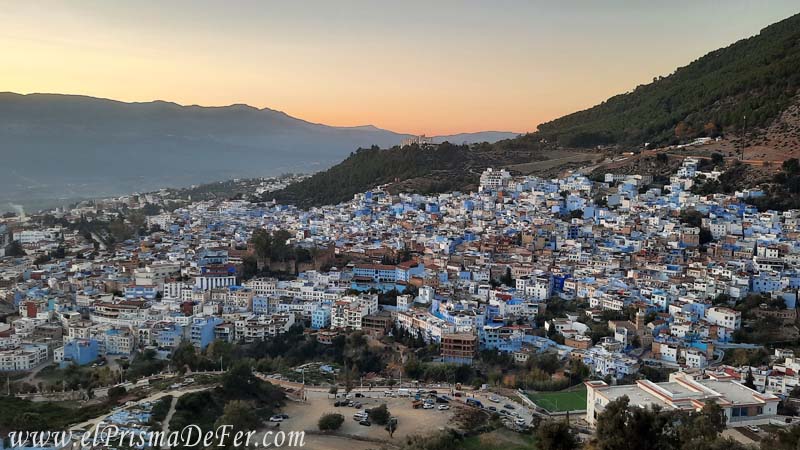
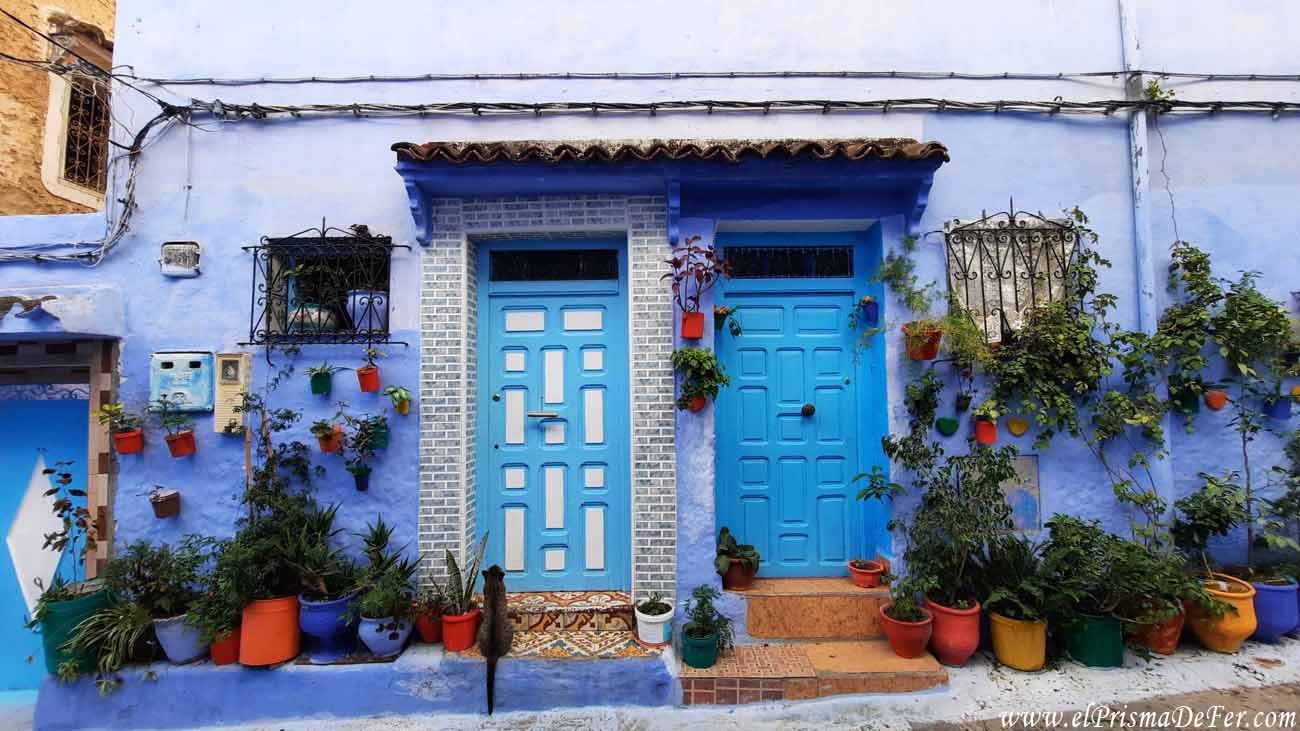
Discover the colors of Chefchaouen and the Rif Mountains
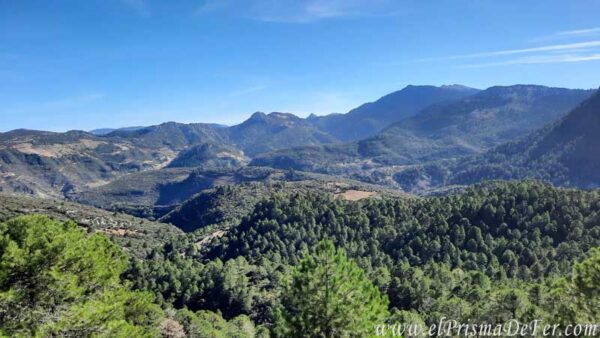
Try Moroccan cuisine 🥙
Typical food you can't miss in Morocco 🥙
In the introduction to my travel guide to Morocco, I mentioned that this country is discovered through the five senses. Two of them go hand in hand: smell and taste. Why? One of the great pleasures of traveling through Morocco is its cuisine, a delicious fusion of Arabic, Berber, and Mediterranean flavors. Eating well is easy and accessible, even at street stalls, although you have to be careful there. Once in Fez, I ate something that didn't agree with me, but that's another story for another post.
Tagine
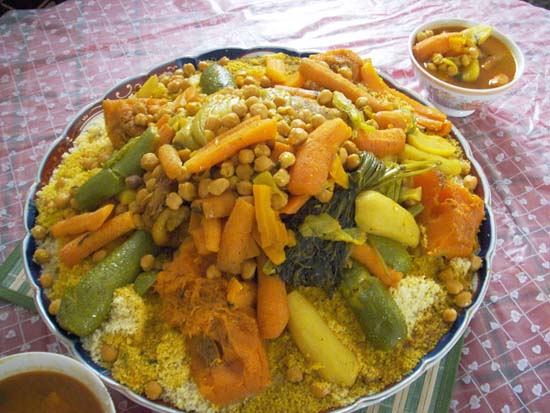
Couscous
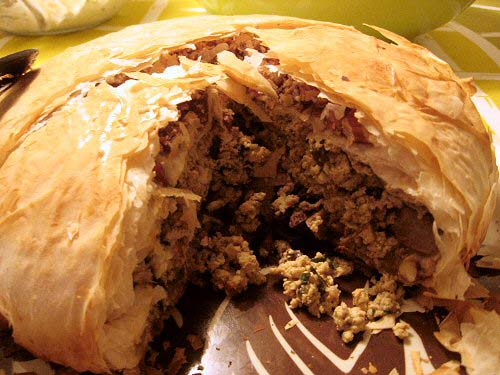
Pastilla
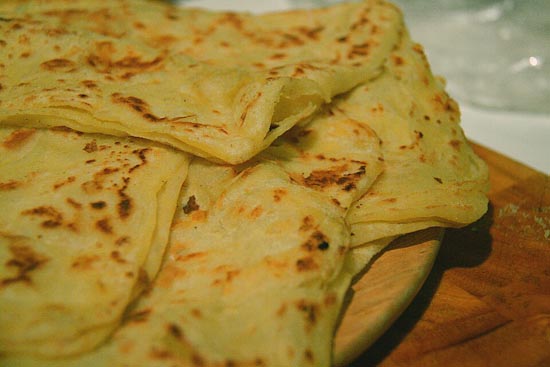
Msemen or Rghaif
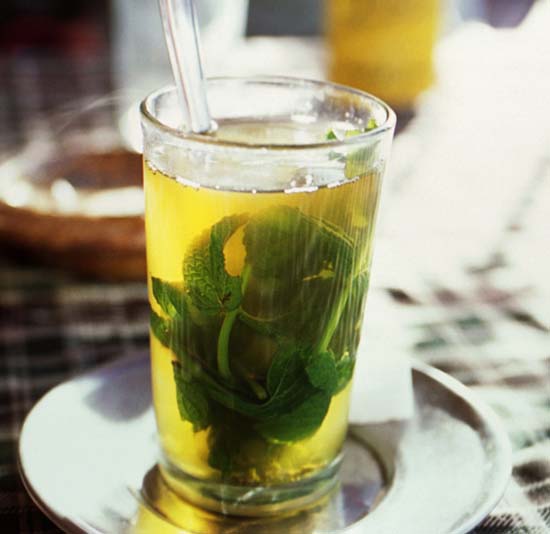
Mint Tea
Best time to go to Morocco
Imperial cities (Marrakech, Fez, Meknes, Rabat)
- Best season: Spring (March to May) and autumn (September to November).
- Why: Pleasant temperatures (20ºC to 30ºC), ideal for walking through the medinas without getting overwhelmed.
- Avoid: midsummer (July-August), as it can exceed 40ºC, especially in Marrakech.
Sahara Desert (Merzouga, Zagora)
- Best time: October to April.
- Why: The weather is cooler and more bearable. It can get chilly at night, but the scenery is more enjoyable during the day.
- Avoid: Summer, as temperatures can exceed 45ºC.
Atlas Mountains and mountain areas
- Best time: Spring and autumn, when the landscape is green and the weather is mild.
- Winter: ideal if you want to try snow sports in places like Oukaimeden, near Marrakech.
- Summer: a good time for trekking, as it is cooler than the cities.
Atlantic and Mediterranean Coast (Essaouira, Agadir, Tangier)
- Ideal for escaping the heat in July and August.
- Best time: all year round.
- Why: The climate is milder, even in summer, thanks to the sea breeze.
Is Morocco safe? 🛡️
Can you travel alone in Morocco?
Is Morocco expensive? 💵
Overall, it's a budget-friendly destination, especially if you're backpacking. Eating at local stalls is very cheap, and there's a good selection of affordable accommodations. Excursions and guided tours can add to your budget.
Which SIM card should I use in Morocco?
Whichever option you choose, try to buy the SIM card from an official store so they can activate it immediately and avoid any problems. You'll need to present your passport to purchase it.
1. Maroc Telecom (the one I used)
- Better coverage, even in remote areas like the desert or the Atlas Mountains.
You can find plans starting at 10 MAD (~1 USD) with prepaid data packages. SIM cards are available at airports, kiosks, official stores, and supermarkets.
2. Orange Maroc
Good coverage in large cities and towns. - It generally has better data prices than Maroc Telecom.
Prepaid packages available from 5 to 20 GB at affordable prices.
3. Inwi
Coverage is a little more limited in rural areas, but acceptable in cities. - They usually have attractive promotions for tourists (e.g. call + data combos).
Good option if your itinerary is mainly urban.
If you don't want to complicate things and use an eSim, you can buy one from the operator Airalo, through this link provided by the Civitatis company.
How many days do I need to travel around Morocco?
Support The Prism of Fer!