Chefchaouen, the blue jewel of the Rif, is one of those places that seem to come straight out of a fantasy story. Located in northern Morocco, this small city captivates at every turn with its cobblestone alleys, carved doors, and walls painted in all shades of blue.
In addition to losing myself in its hypnotic medina, I ventured out on a 2-day independent trek in the Rif Mountains, until I reached the Akchour waterfall. The panoramic views along the way are beautiful, but they also reveal another side of the place: the vast hashish fields in the nearby villages, one of the main sources of production of this substance that is then exported to Europe.
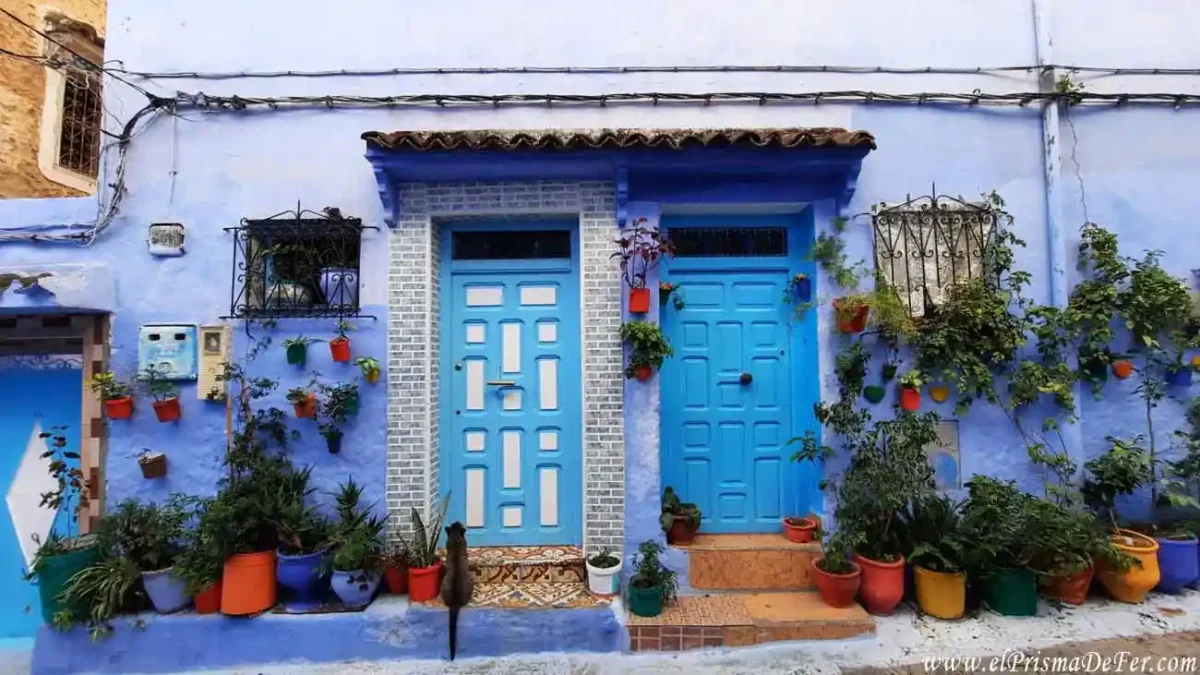

Arriving at the blue city of Chefchaouen
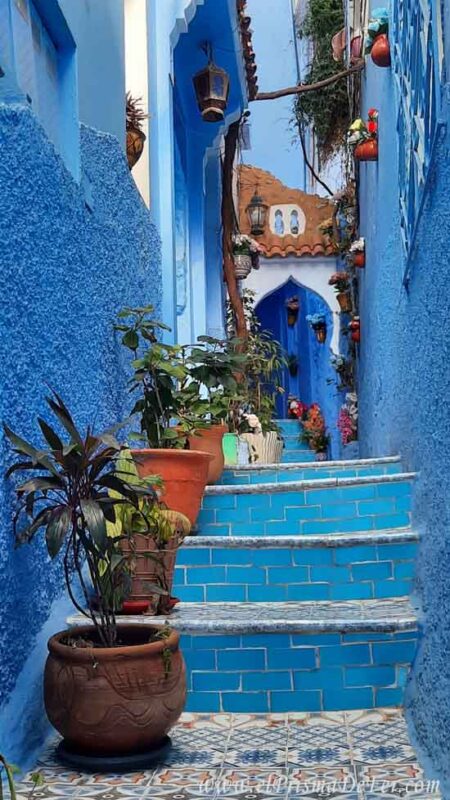
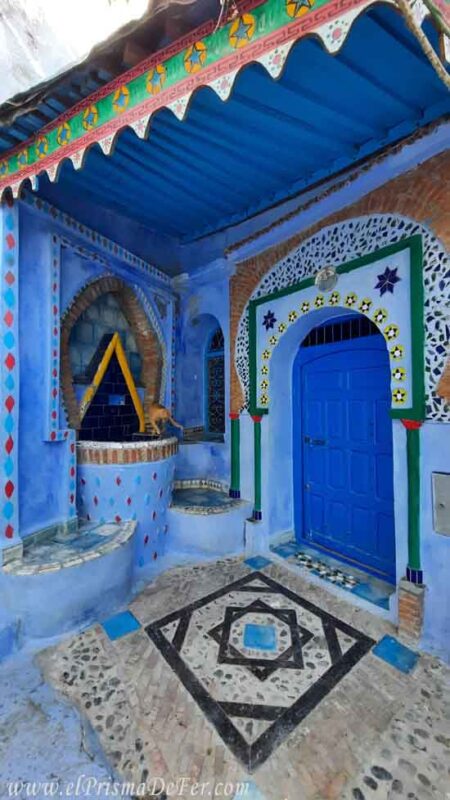
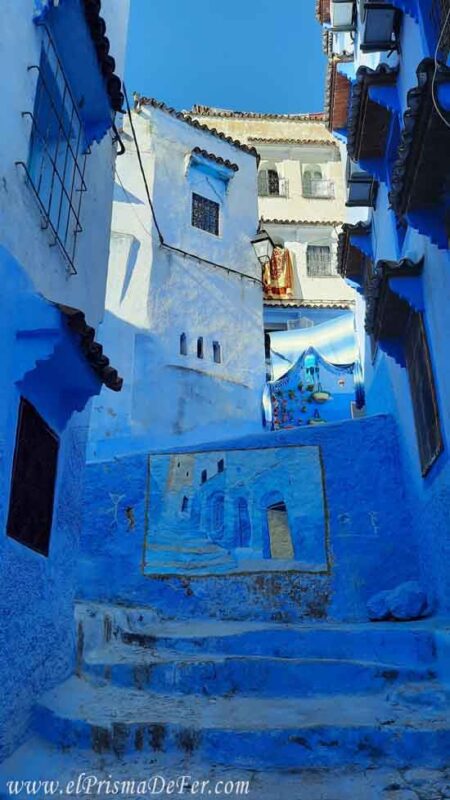
I arrived in Chefchaouen from Rabat by bus, and the contrast was immediate. Not only did the landscape change, shifting from the Atlantic to the Rif Mountains, but so did the pace, atmosphere, and even the energy of the place. While Rabat is a modern, administrative city, Chefchaouen looks like something out of a postcard, with its unmistakable blue aesthetic that envelops everything: walls, doors, stairs, and even flower pots.
This post is part of the itinerary I put together for a 3- or 4-week tour of Morocco. If you'd like to see the full details, you can read the main article here.
If you're arriving in Chefchaouen by bus, like I was, you'll be dropped off at the main station, located about 1.2 km from the entrance to the Medina (see the map for the terminal's location). The walk to the center is uphill, so if you're carrying heavy luggage or arriving during the hottest hours, it can be a bit challenging. Note that taxis are available outside the terminal, though the ride is short, so it's a good idea to agree on a price before boarding.
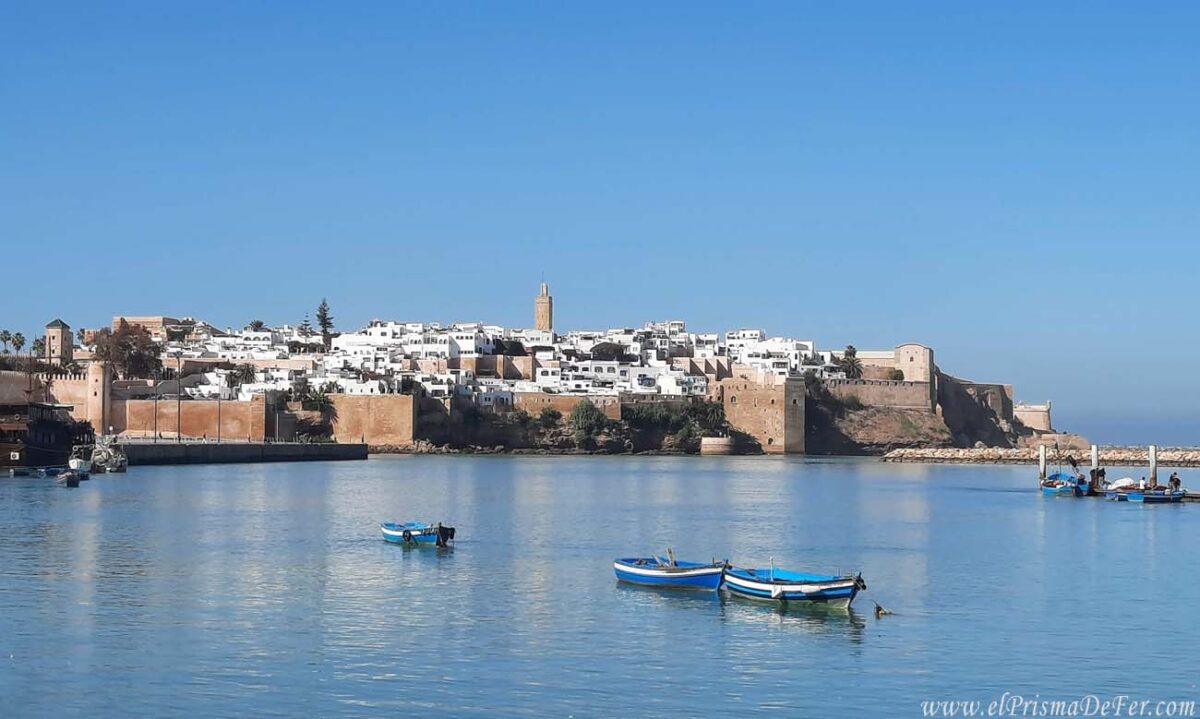
If you're interested, you can read the article where I tell you what to do in Rabat and Casablanca in 3 days

How to get to Chefchaouen
The most common and economical option to get to Chefchaouen is by bus.
CTM and Supratours are the most reliable and comfortable companies for tourists to travel in Morocco.
- From Tangier: The journey takes approximately 2–3 hours. There are very frequent services, with several departures daily.
- From Fez: The trip takes 4–5 hours. This is a slightly longer route, but a popular one for travelers. Some buses stop in intermediate towns.
- From Rabat: Duration: 7–8 hours. There are direct routes and transfers in another city, such as Tangier. There are usually stops in intermediate towns.
You can also get there by shared taxi (grand taxi)
Available at intercity stations, especially in Tetouan or Tangier. Faster than the bus, but less comfortable. It requires haggling and sometimes waiting until seats are filled.
Rental car
Excellent option if you want freedom and to explore at your own pace. - The roads to Chefchaouen are in good condition, but are mountainous and winding.
Ideal for combining with stops in Rif villages or arriving from less-connected destinations.
Can you fly to Chefchaouen?
No, Chefchaouen doesn't have an airport. The closest airport is Tangier Ibn Battouta. From there, you can take the other means of transport I mentioned above.
If you want to forget about all the logistics, you can also hire a private transfer through the Civitatis company.
You can read the complete travel guide to Morocco. There you have all the information you need to plan your trip to this fantastic country.
Where to stay in Chefchaouen
My personal recommendation is to stay within the medina. There are options for all tastes: from first-class riads to budget backpacker hostels. The medina is quite compact, so you can easily get around on foot. However, keep in mind that since it's built on the mountainside, you'll encounter constant ups and downs on its cobblestone streets.
I stayed at the Hotel Souika (see location on map) and I really can't complain. Great atmosphere, nice rooms, and a lovely terrace for socializing or relaxing.
Why is Chefchaouen blue?
If the city of Chefchaouen is famous for anything, it is for its unmistakable blue tone that covers its streets, houses and stairs, but why that blue color? Well, there are several theories about it:
- Jewish origin: Many believe that this tradition began in the 15th century, when Jews fleeing the Inquisition took refuge in the city and began painting their houses blue, a color that in their culture represents the sky, spirituality, and the divine presence.
- Practical purpose: Others claim that the color blue helps keep mosquitoes away.
- Refreshing and photogenic: Some simply say that blue softens the heat of the sun and gives a fresh air to the city.
Chefchaouen and Hashish: What You Should Know Before Visiting the Rif
Map of main attractions in Chefchaouen
What to do in Chefchaouen
Walking Tour
A free walking tour in Chefchaouen is the best way to start getting to know the city. While it's not free, as it works based on tips, it helps you get your bearings quickly, you'll learn history and anecdotes from a local guide, and you'll also get to meet other travelers. You can book your free walking tour here.
Explore the Blue Medina
Uta el-Hammam Square
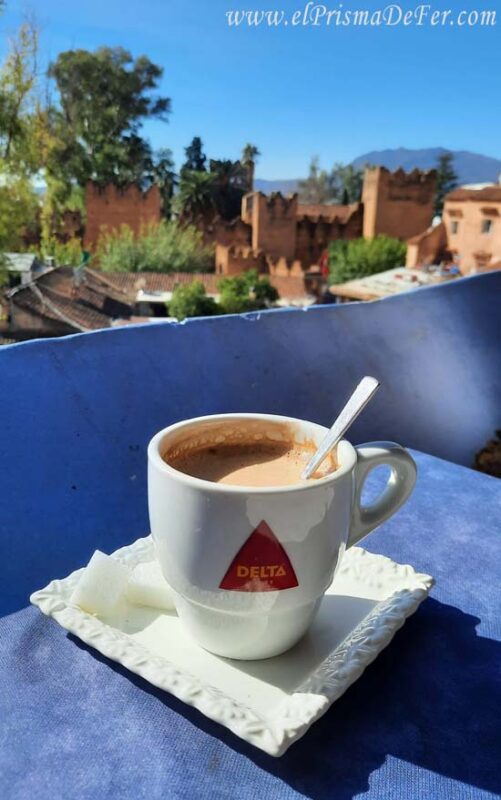
Spanish Mosque
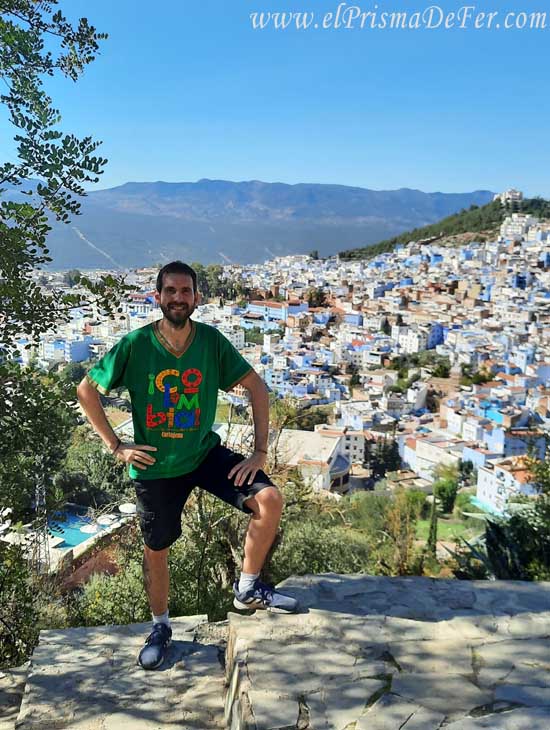
Visit the Akchour Waterfalls
The Akchour Waterfalls are one of the most recommended excursions from Chefchaouen. Located in the Talassemtane National Park, about 30 km from the city, they offer a unique natural experience in the Rif Mountains.
I arrived at the waterfall after a two-day trek from Chefchaouen, but what I found wasn't exactly impressive: just a trickle of water gently falling. It turned out it wasn't the rainy season, and that took away much of the attraction.
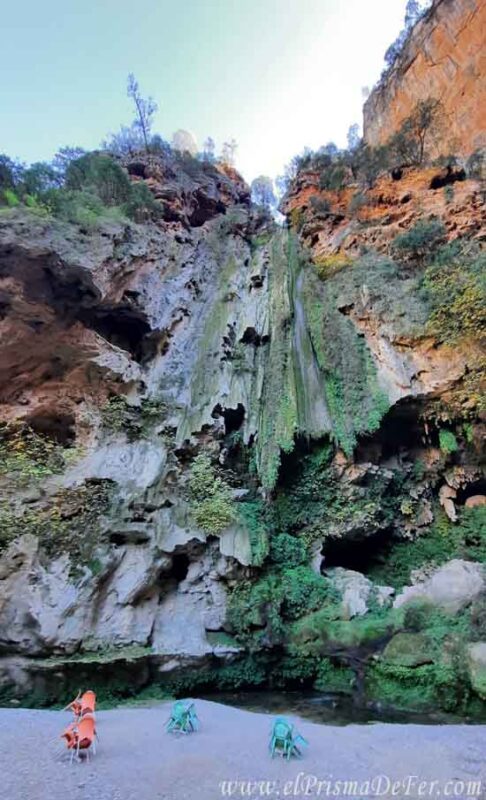
What to see in Akchour?
- The Grand Cascade: A waterfall surrounded by lush vegetation. The hike to get here is approximately 2 hours from the trailhead (note: not from Chefchaouen, that's a separate trek).
- God's Bridge: A natural arch-shaped rock formation that spans the river. This point is reached after a 45-minute walk from the trailhead.
How to get there from Chefchaouen?
- Shared Taxi (Grand Taxi): Shared taxis depart from Hassan II Avenue, near the police station, to Akchour. The journey takes about 45 minutes and costs around 25 dirhams per person.
Hiking over the Rif Mountains
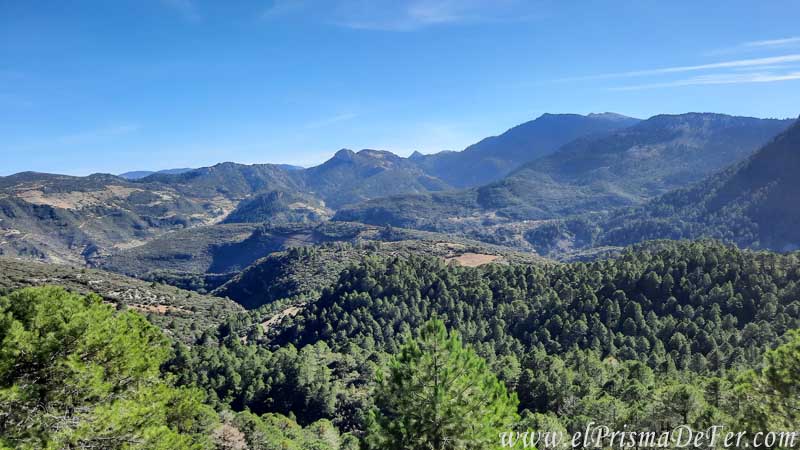
The mountainous surroundings are ideal for short hikes or even longer routes to Talassemtane National Park, with its verdant landscapes, rivers, and waterfalls. There, you'll find trails overlooking the valleys and Berber villages. In another post, I'll share my experience trekking through the Rif Valleys, solo and free, from Chefchaouen to Akchour Waterfall.
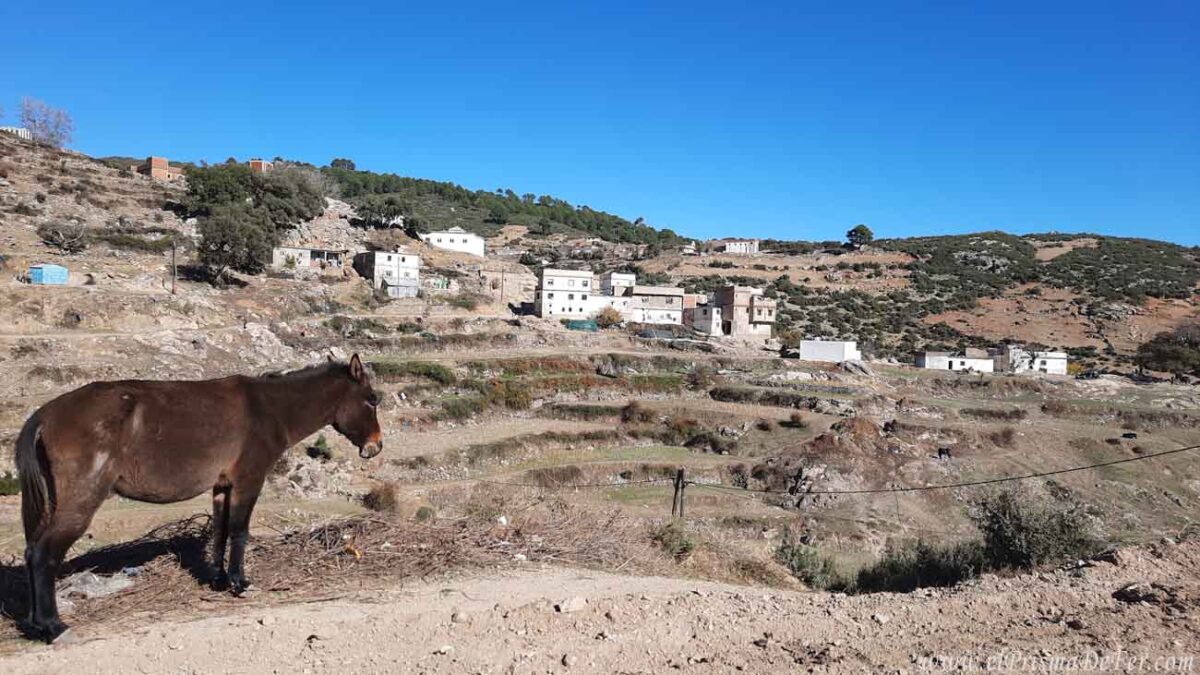
But if you want, you can also do it guided on a tour. The Civitatis company offers this private 2 or 4-day trekking route from Chefchaouen to Akchour.
Organized activities
📸 Best places to take photos in Chefchaouen
Chefchaouen, known as the "Blue Pearl" of Morocco, is a photography destination par excellence. Below, I'll list some of the best photo spots, and I'll also mark them on the map so you can save them and take them with you.
Sidi Bouchouka Street
One of the most iconic spots. It's a blue alley with stairs and flowerpots, full of hanging plants and painted doors. It's near the Casa Perleta hotel.
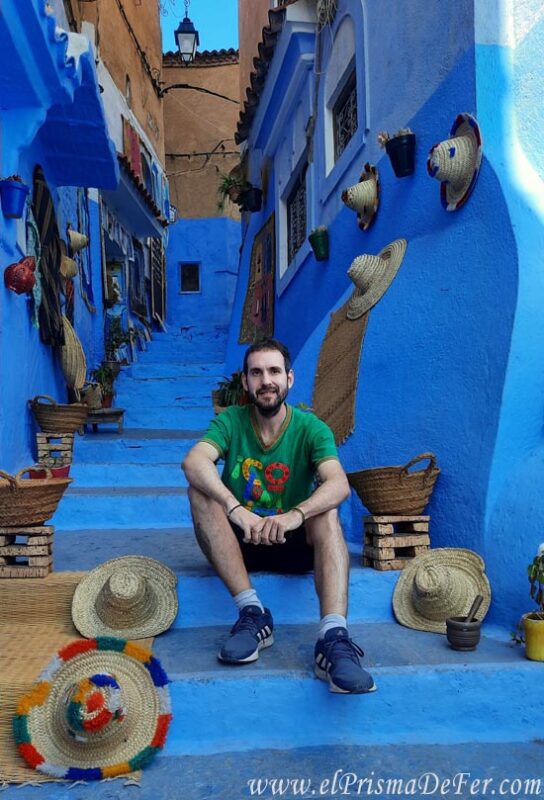
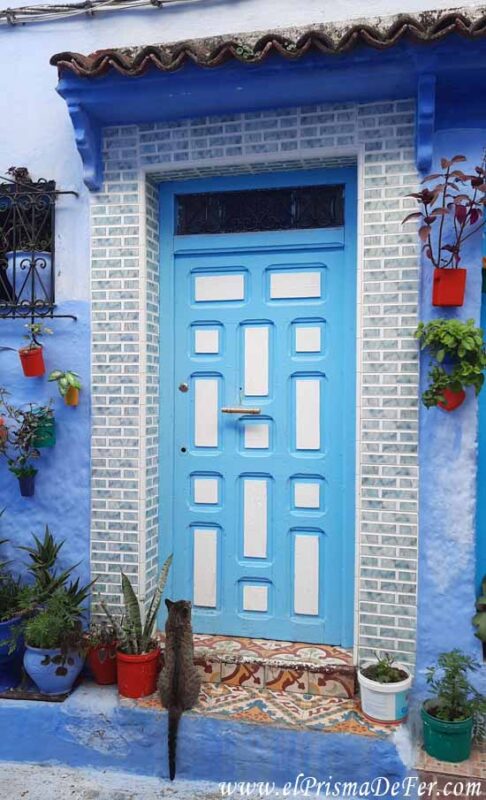
Painted and detailed doors
Alley with yellow stars (Bab Souk stairs)
Uta el-Hammam Square
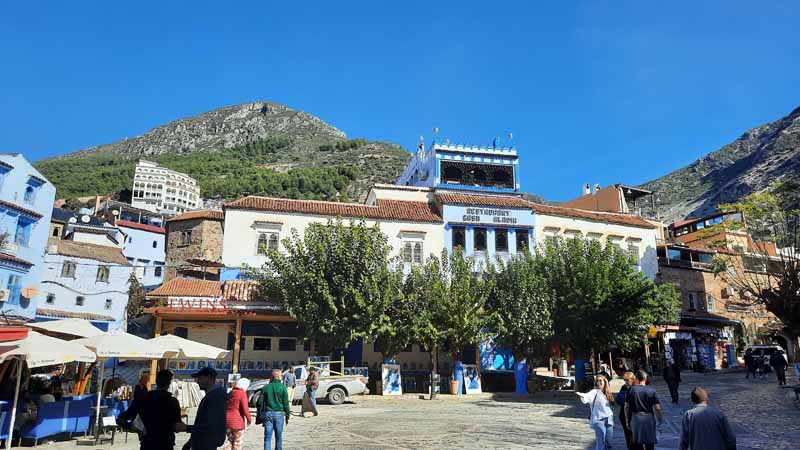
Place El Haouta
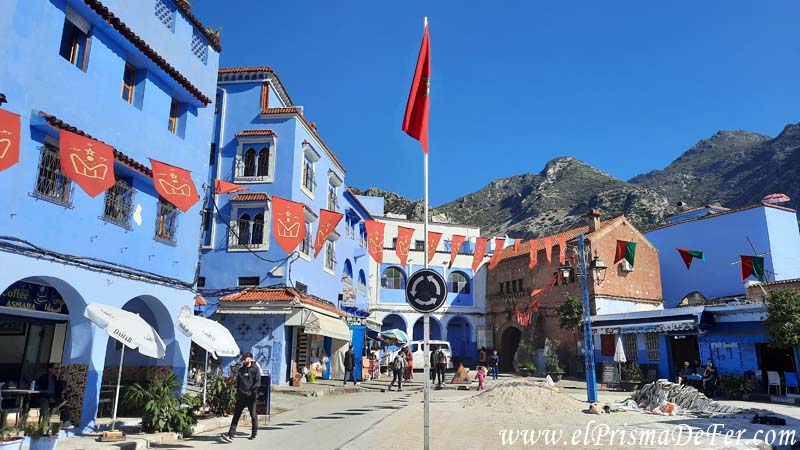
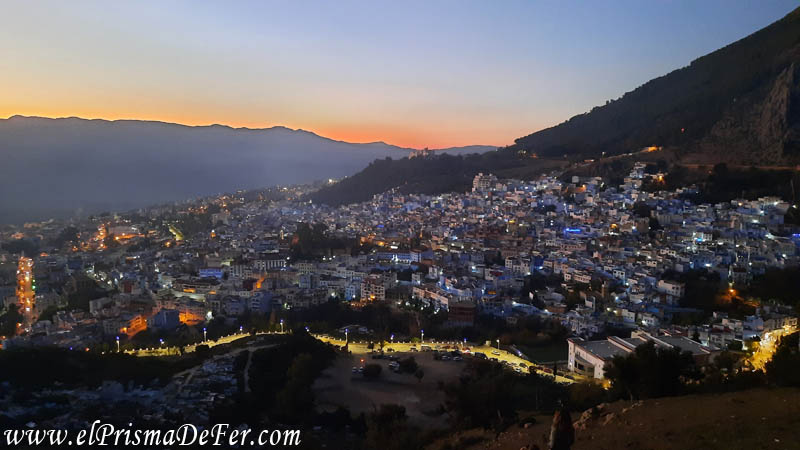
Mount Bouzaafar Viewpoint (at sunset)
Kasbah of Chefchaouen
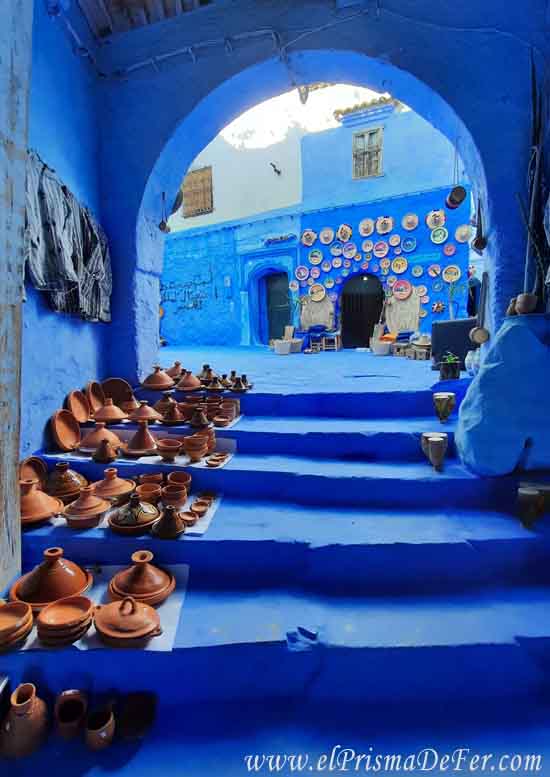
Curved passages and tunnels
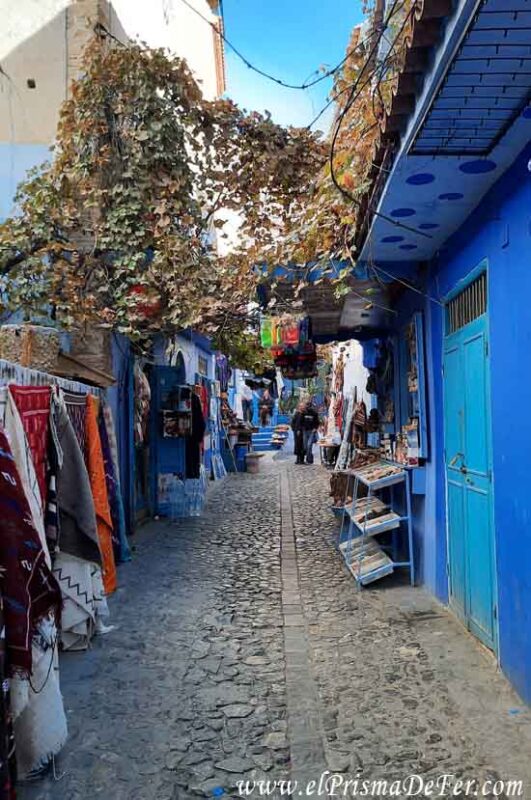
Street markets
Traditional wash house of Ras el-Maa
Hotels and riads with rooftops
Final thoughts on my visit to Chefchaouen
Chefchaouen is definitely worth including in your Morocco itinerary, especially if you're visiting nearby cities like Fez, Tangier, or Tetouan. Getting there isn't complicated, and the rewards are enormous: a different destination, with a calmer pace, ideal for taking a break from the chaos of other cities and enjoying a unique setting among mountains and blue streets.
Video with some screenshots from Chefchaouen
Support The Prism of Fer!