Plovdiv is one of the oldest cities in Europe and, at the same time, one of the most visited in Bulgaria. Its streets offer everything from a perfectly preserved Roman theater to colorful houses from the Bulgarian Renaissance period in the old town.
I arrived in Plovdiv from Istanbul, crossing the border by bus overland, on a simple and fairly common journey for those traveling through the region.
In this post I'm going to tell you what to see in Plovdiv, a bit about its history, how to find your way around the city, which are its most interesting areas, and some tips to make the most of your visit.
This post may contains affiliate links. If you purchase through these links, I may earn a commission at no extra cost to you. Thank you for your support!
Table of Contents
Where is Plovdiv located?
Plovdiv is located in southern Bulgaria, on the banks of the Maritsa River and surrounded by hills that give it its characteristic landscape.
It is the second largest city in the country and is located between Sofia and Istanbul, making it a typical stop if you are touring the region by land.

How to get to Plovdiv
From Sofia
One of the most common routes within Bulgaria is to get to Plovdiv from Sofia. You can use either the train or the bus.
- Bus: departs from the central bus station Avtogara Central (see location) very frequently throughout the day. The journey takes between 2 and 2.5 hours and is usually the fastest option.
- Train: They depart from Sofia's central train station (see location). They take a little longer, between 2.5 and 3 hours, but it's a cheaper alternative.
Both options are convenient and do not require advance booking, although in high season it may be a good idea to secure a reservation.
But if you want to visit Plovdiv from Sofia for the day, you can book a tour that takes you there, shows you all the important sites, and then returns you to the capital. It's not expensive, you don't have to leave your hotel or carry your luggage, and you make the most of the day.
From Istanbul
If you're coming from Istanbul, it's also common to do so by land, especially by bus:
- Bus: departs from Istanbul's main terminal (Esenler Otogarı) and the journey takes between 6 and 7 hours, depending on traffic and border crossing time.
- Border crossing: The crossing between Turkey and Bulgaria is usually fairly straightforward, but it can take time. The bus typically stops, all passengers disembark for passport control, and then continues. This can take between 30 minutes and 2 hours, depending on the flow of people.
Whether you arrive in Plovdiv by train or bus, you will most likely end up in the city's main transport hub, where the stations are concentrated.
In general, you will arrive at Plovdiv Bus Station South (see location on map), which is very close to the central train station. From there, the historic center is about a 20–30 minute walk, or a few minutes by taxi or public transport.
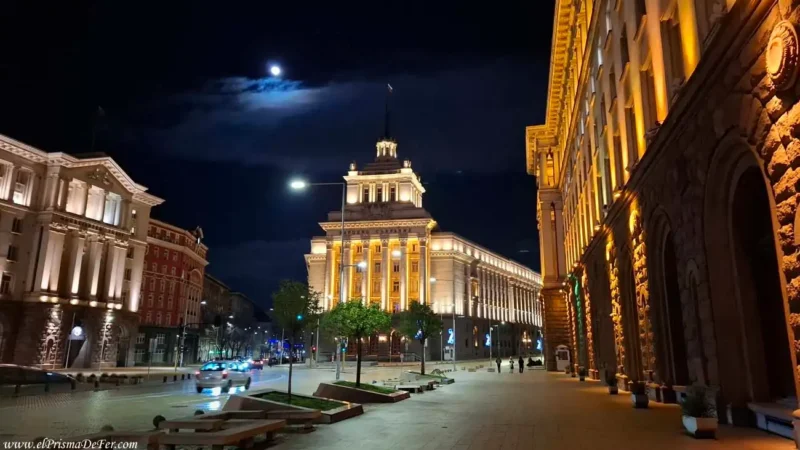
A brief history of Plovdiv
Plovdiv is considered one of the oldest continuously inhabited cities in Europe, with more than 6,000 years of history.
Its origins date back to Thracian settlements, long before the arrival of the Romans. In fact, its strategic location in the Maritsa River valley made it an early key point for trade and the routes connecting Europe with Asia.
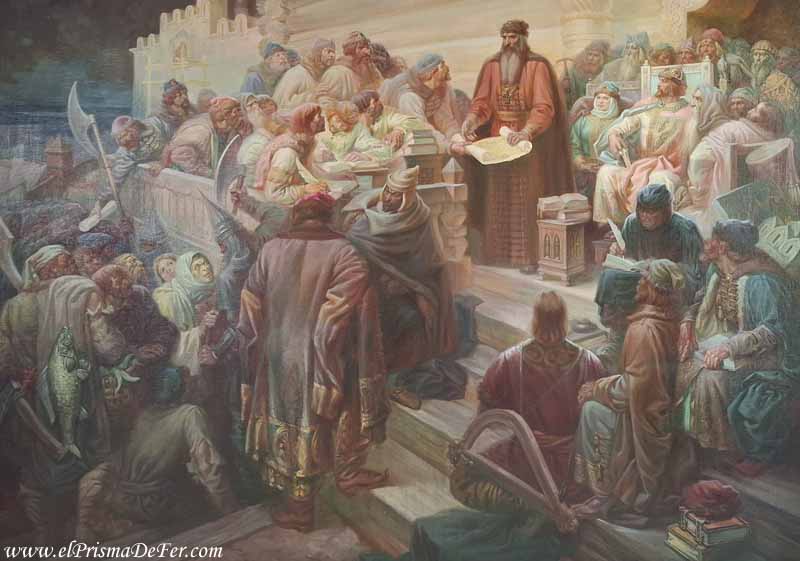
During the expansion of the Macedonian Empire, the city was conquered by Philip II of Macedon, who gave it the name Philippopolis.
Later, under the rule of the Roman Empire, Plovdiv reached one of its most glorious periods. From that era remain some of its most important landmarks, such as the Roman theater, the stadium, and several structures that still form part of the urban landscape today.
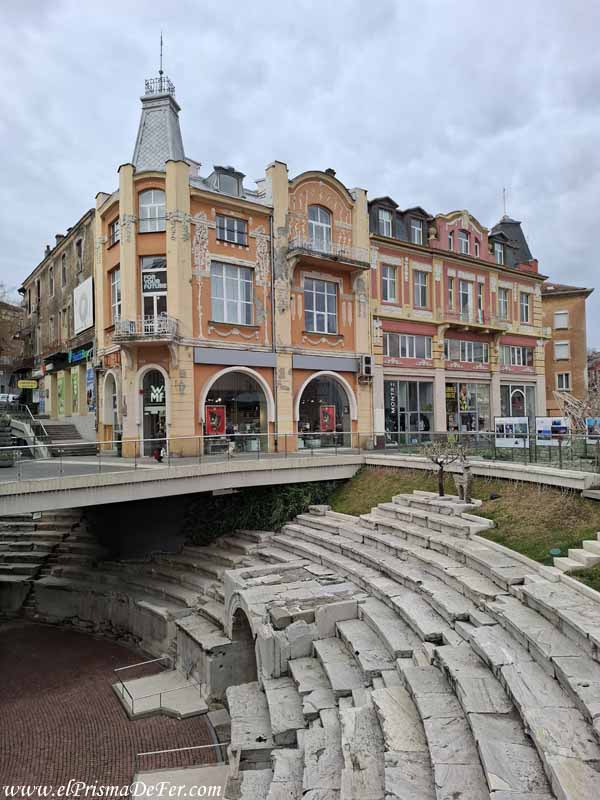
Over the centuries, the city passed through Byzantine and Ottoman hands and finally became part of Bulgaria again in the 19th century.
Each of these cultures left its mark, which explains the architectural and cultural mix seen today. From mosques to Orthodox churches, and including Bulgarian Renaissance houses, Plovdiv is a true historical mosaic best explored on foot.
Map with the main attractions to see in Plovdiv
What to see in Plovdiv
Plovdiv has several points of interest concentrated in a fairly walkable area.
Walking Tour
A walking tour in Plovdiv is the best way to start getting to know the city. While it's not free, it helps you get your bearings quickly, you learn history and anecdotes from a local guide, and you can meet other travelers along the way. You can book your walking tour here.
Roman Theatre
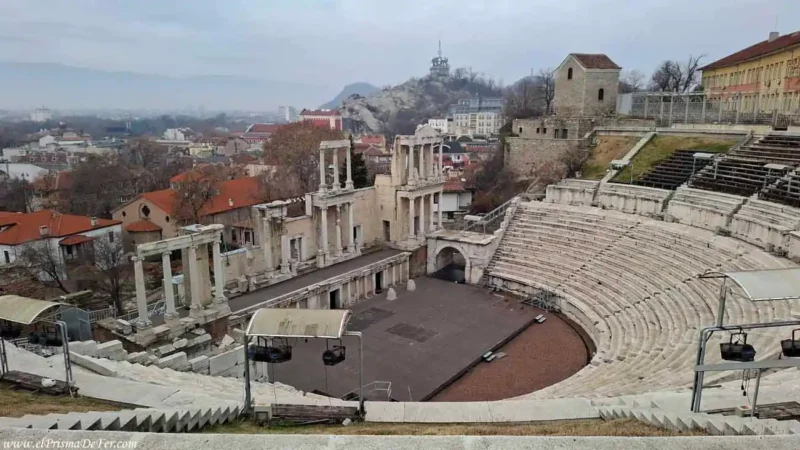
One of the city's icons. The Roman Theatre of Plovdiv dates back to the 1st century and is very well preserved.
It's still used for events and concerts, and its stands offer a great view of the city. It's undoubtedly one of Plovdiv's most striking landmarks.
Roman Stadium
Less visible but equally interesting is the Roman Stadium of Plovdiv, which is partially buried under the modern city.
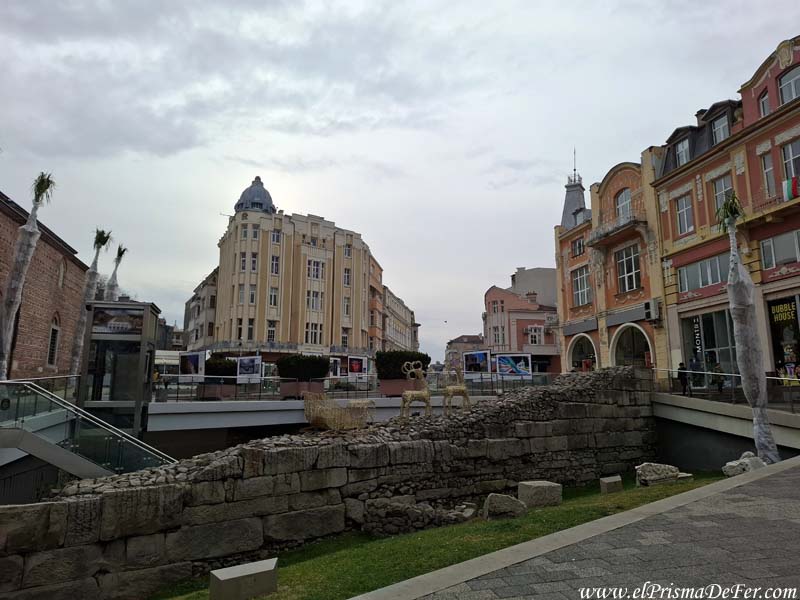
Part of it can be seen in the middle of the pedestrian zone, in front of the mosque and some historic buildings, which creates a contrast between the old and the new.
Old Town
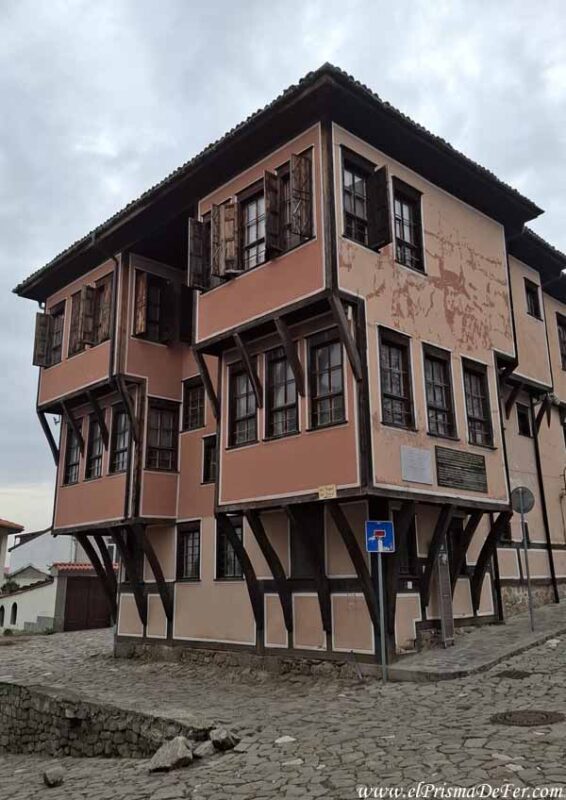
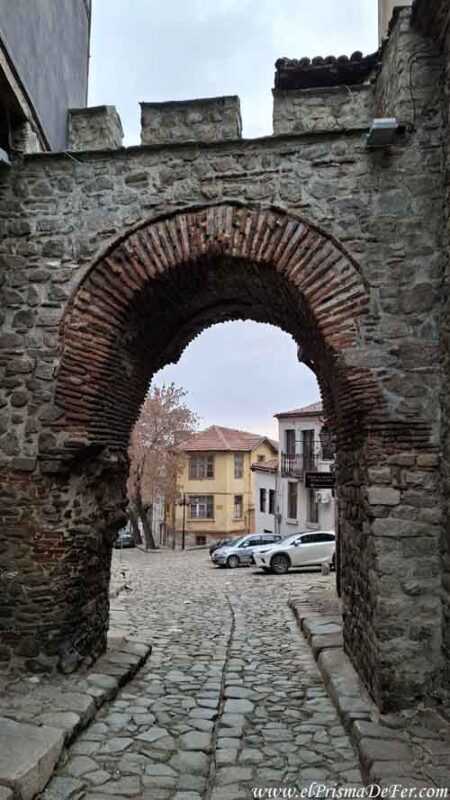
Plovdiv's historic center is one of the most beautiful places to walk around. Cobblestone streets, Bulgarian Renaissance houses with colorful facades, and history in every corner.
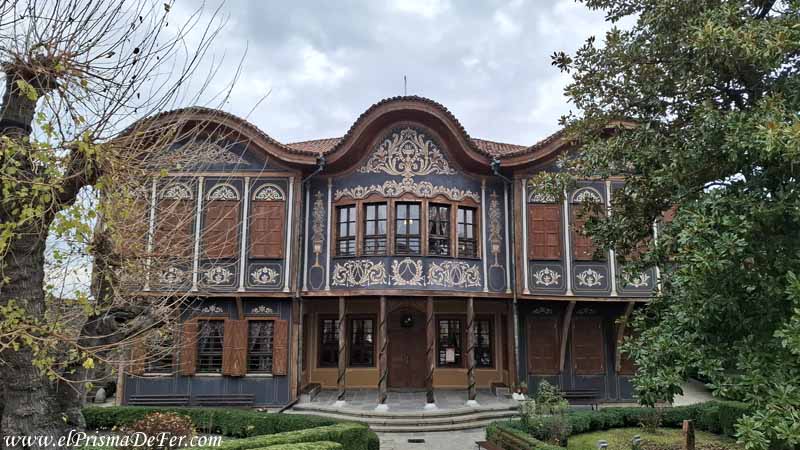
Here you'll also find several museums and viewpoints. In my opinion, it's the most interesting area to visit in the city.
Within the old town, it is worth paying attention to:
- Historical houses that today function as museums (many can be visited inside, such as Hindliyan House, Ivan Furnadzhiev, Georgi Danchov, Resign Georgiadi’s)
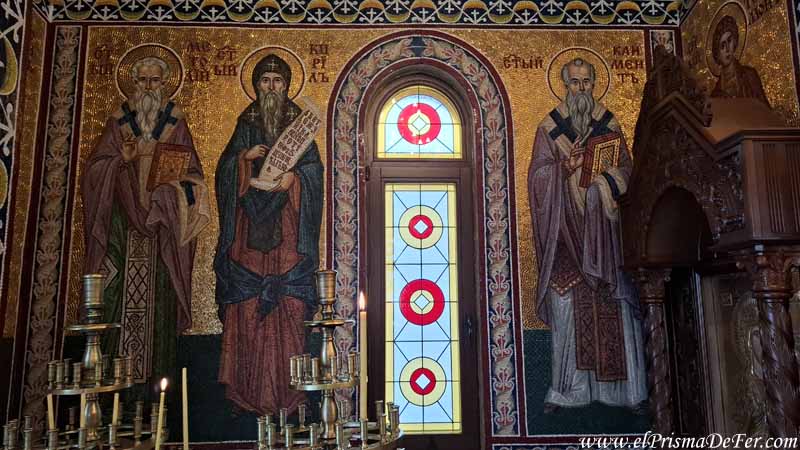
- Very old churches, with interiors full of detailed frescoes, gold and intense colors (such as the Church of Saint Nedelya, the Bishop's Basilica, Sveta Marina Church, the Church of Saint Dimitar)
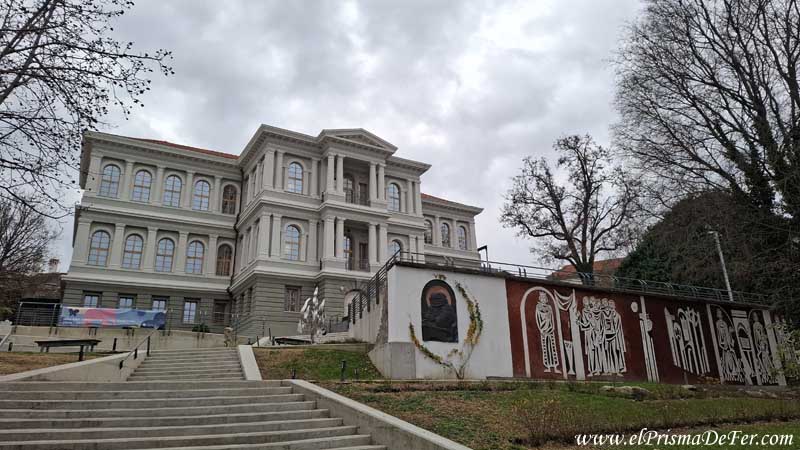
- The Plovdiv Art Gallery, located in a palace-like building, is notable for both its architecture and its collection.
Kapana neighborhood
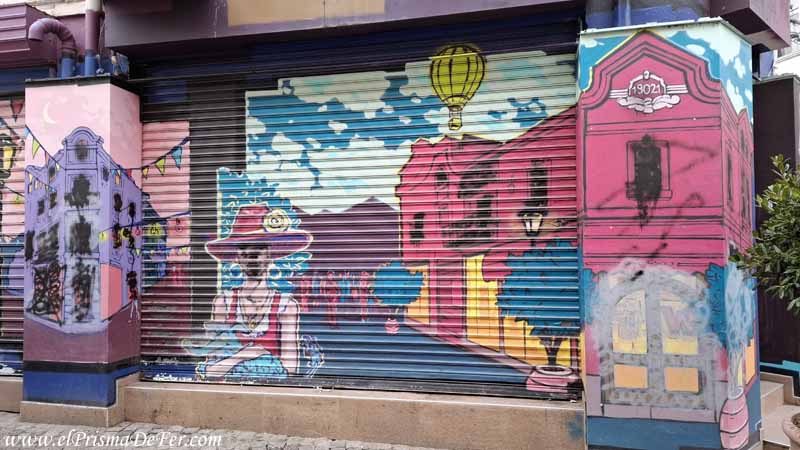
Kapana is the trendiest and most alternative neighborhood. Very close to the pedestrian area, this place has a large number of bars, cafes, galleries and street art, perfect for going out to eat or have a drink and why not take some photos.
Nebet Tepe
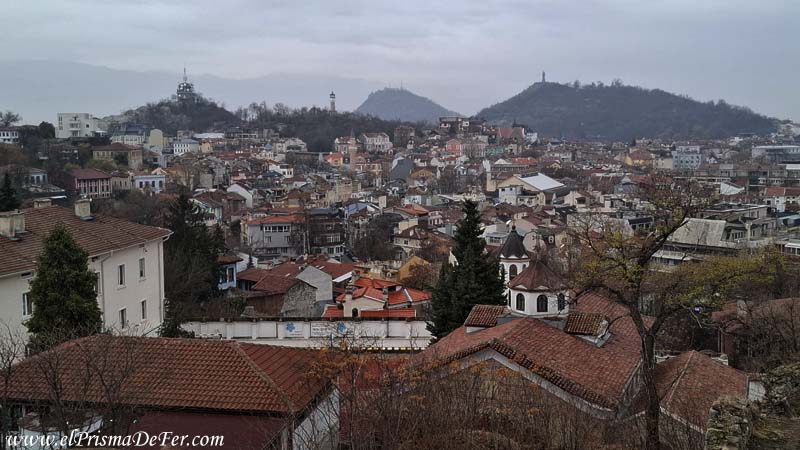
Nebet Tepe is located within the historic center and is one of the hills on which the city was founded (see location).
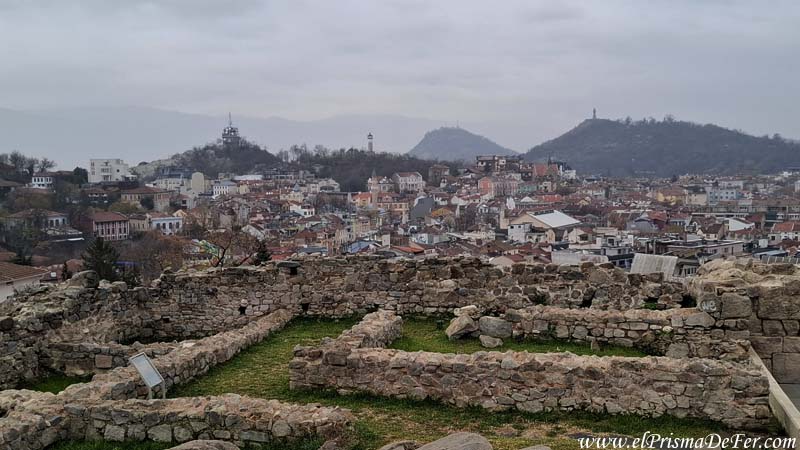
Here you will find archaeological remains of ancient Thracian fortifications that were later used and expanded by the Romans and Byzantines.
But beyond the history, it is an excellent panoramic viewpoint and is usually a good way to end a visit to the historic center, especially at sunset.
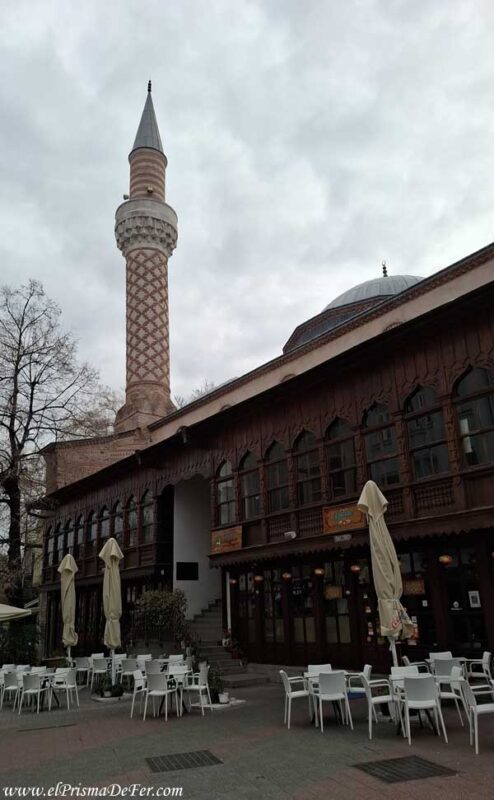
Dzhumaya Mosque
The Dzhumaya Mosque is one of the main vestiges of the Ottoman period. It is located in the center and is still in operation (see on the map).
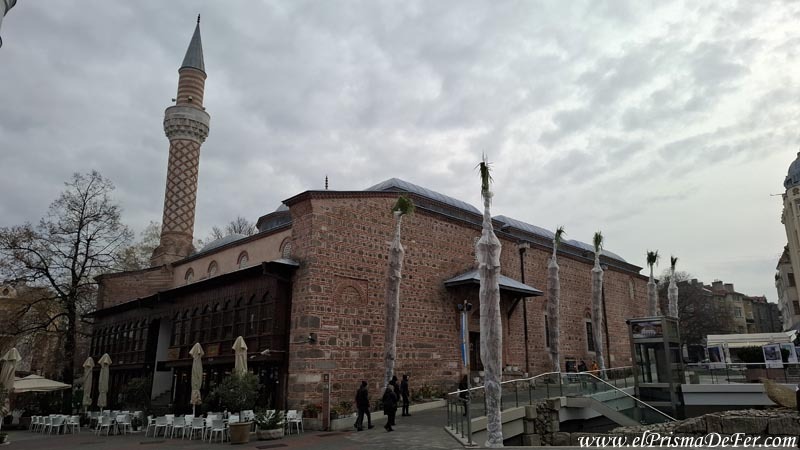
Its architecture and location make it a must-see stop on the tour. Plus, it's right across from the Roman stadium ruins and on the same pedestrian walkway—you can't miss it.
Red Army Monument
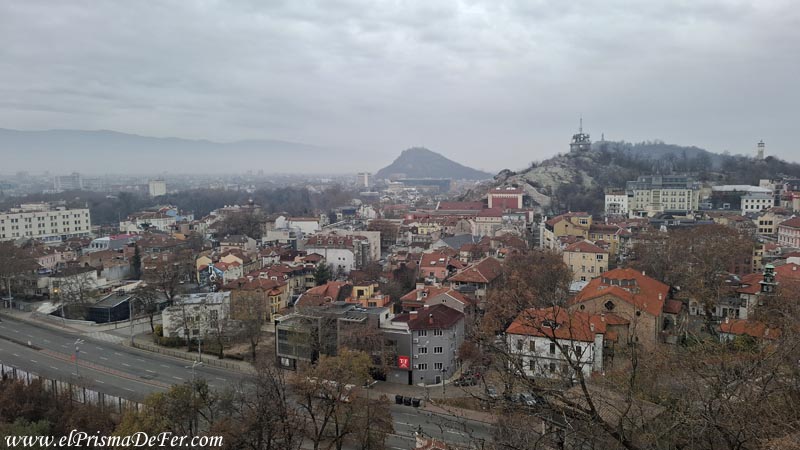
The Alyosha Red Army Monument is located on another of the city's hills and is one of the best places to get views of Plovdiv (see location).
The climb is easy, with well-maintained paths and gardens, and it's very common to see local people walking or exercising.
It's another recommended spot to go at sunset and enjoy a slightly quieter moment, away from the center.
Main Street
Plovdiv's main pedestrian area is perfect for strolling, with shops, restaurants and lots of activity (not so much in winter :D).
It is also where local life blends with tourism, and where you will find part of the Roman stadium integrated into the city.
Combined ticket in Plovdiv
There is a combined ticket that allows you to enter several house museums and historical sites within the old town.
It is normally purchased at the Plovdiv Tourist Information Center.
- Approximate price: 21 BGN (~10-11 €)
- Includes entry to up to 5 sites in the old town
- Valid for choosing between several historical museums
The places usually included are:
- Balabanov’s House
- Hindliyan’s House
- Pharmacy Museum Hippocrates
- Veren Stambolyan's house – House of Painters
This ticket is handy if you want to visit several traditional houses in the Old Town, because paying for them separately usually costs around 6 BGN each. You can see the price of all the attractions on the official website.
Where to stay in Plovdiv
In Plovdiv, you don't need to overthink your location. The city is quite compact, so any accommodation between the train stations and the historic center will be well-situated. From there, you can easily walk to most points of interest, or take a short taxi ride if you prefer not to walk.
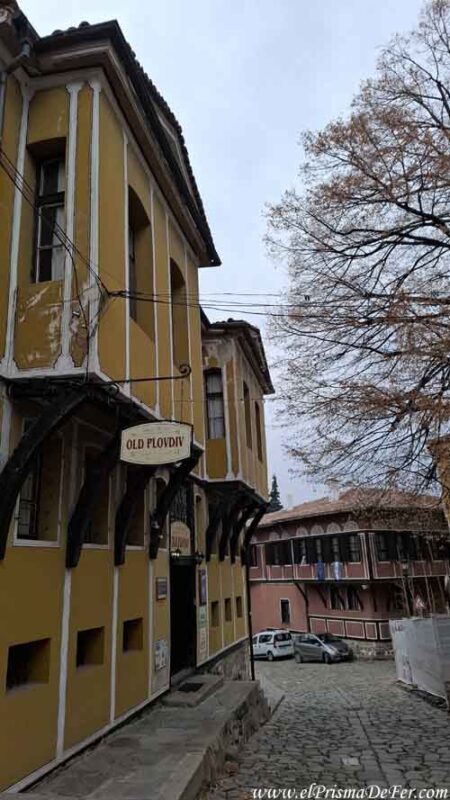
Within the historic center, I stayed at the Old Plovdiv Guest House and my stay was excellent. The location is unbeatable, but the place itself is also a charmer; it operates out of an original house dating back to 1868, making a stay there almost like stepping back in time.
Breakfast is included and very good, and coffee and tea are available all day. Furthermore, the service was outstanding, with a super friendly and helpful receptionist. Highly recommended.
Final thoughts on my visit to Plovdiv
I liked Plovdiv. You can see how much history it holds at every turn. You walk a few blocks and you'll already come across a historic building, ruins, or some corner steeped in centuries of history. That coexistence of the old and the new is something not many cities achieve.
It's a small, compact city that's very easy to get around. You can see practically all the main sights in a day, without needing to rush or plan too much.
In conclusion, it's a lovely place to walk around, to get a little lost in its streets. Without being a huge city or full of "must-see" attractions, it ends up being one that you enjoy more than you expected.
Frequently Asked Questions about Plovdiv
Are museums closed on Mondays?
Yes, many museums and historical houses in Plovdiv are closed on Mondays or have reduced hours. Not all of them, but it's quite common, so it's best to plan your visit for other days or check specific opening times.
How many days do I need to visit Plovdiv?
With one full day you can easily see the main sights. If you want to explore at a more leisurely pace, visit museums, and soak up the atmosphere, two days is ideal.
When is the best time to visit Plovdiv?
The best time to visit Plovdiv is in spring (April to June) and autumn (September to October), when the weather is mild and pleasant for walking. Summers can be quite hot, with temperatures exceeding 30°C, but this is also when there are more events and a more vibrant city life. Winters are cold, but not usually extreme, and there are fewer tourists.
Is it possible to walk there?
Yes, absolutely. Most of the attractions are concentrated in one area and you can easily walk everywhere. Only a few hills involve some uphill sections, but nothing too strenuous.
Is it an expensive city?
No, in general Plovdiv is quite affordable compared to other European cities. Food, accommodation, and entrance fees to attractions are all reasonably priced.
Are the house museums worth visiting?
It depends on your interests, but several are worthwhile for understanding the architecture and local life of the past. If you plan to visit several, a combined ticket is usually a good deal.
What's the atmosphere like at night?
It's peaceful but with options. Areas like Kapana have bars and a lively atmosphere, ideal for going out for a drink without it being a chaotic city.
Is Plovdiv safe?
Yes, it's a fairly safe city to get around in, both day and night. As always, it's wise to take basic precautions, but it doesn't present any major problems for travelers.
Support The Prism of Fer!
Your support helps me continue creating free content on the blog. Thank you so much!