After visiting Chongqing, I arrived in Xi’an, the city that for centuries was the origin, or end, of the mythical Silk Road. I came with high expectations and the idea of finding an ancient imperial capital. I expected a city steeped in history, with walls, terracotta warriors… but the big question was inevitable: would it really live up to everything I imagined?
In this post I'm going to tell you whether Xi'an lived up to those expectations, which places I thought were unmissable, which ones surprised me more than expected, and which ones not so much.
In addition, you'll find all the information about what to see in Xi'an, tips for organizing your visit, how to get around the city, and my opinion on whether it's worth including in a China itinerary.

This post may contains affiliate links. If you purchase through these links, I may earn a commission at no extra cost to you. Thank you for your support!
Table of Contents
A brief history of Xi’an
Modern-day Xi’an, formerly known as Chang’an, is one of the most important cities in Chinese history. For over 2,000 years, it served as the capital of multiple dynasties, including some of the most influential, such as Qin, Han, and Tang, making it the political and cultural heart of the country for centuries.
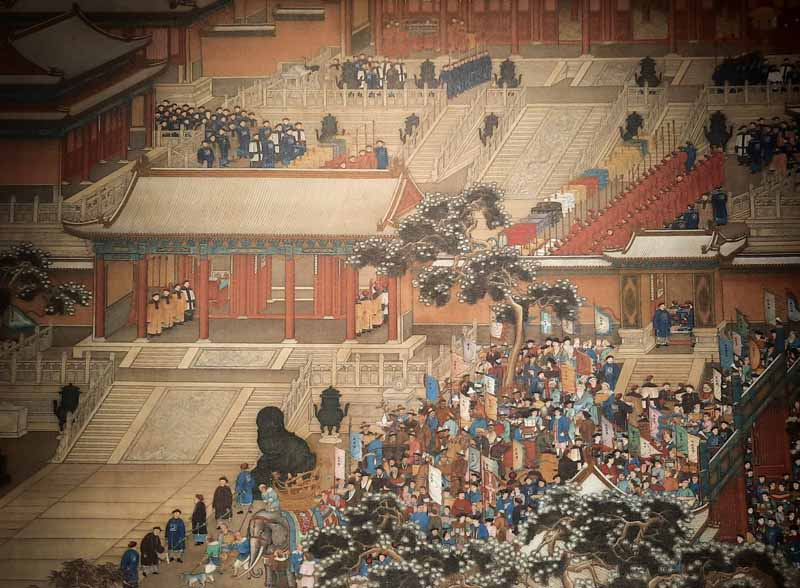
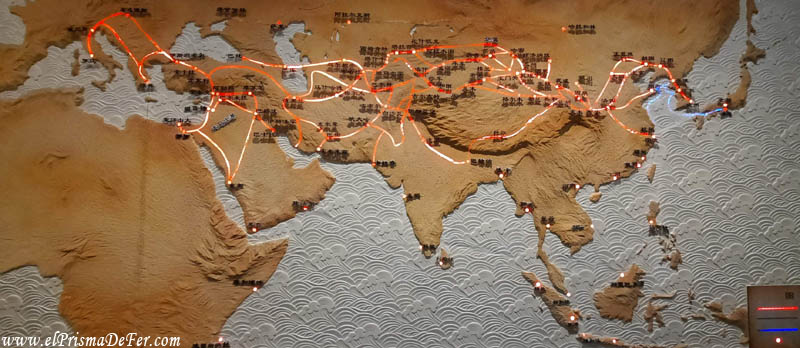
Furthermore, the Silk Road caravans departed from here, connecting China with Central Asia, the Middle East and even Europe. This strategic position transformed the city into a meeting point for cultures, religions, and merchants from around the world.
Its greatest moment of splendor came during the Tang dynasty, when it was one of the largest and most cosmopolitan cities on the planet, with vibrant markets and a strong foreign influence.
Over time it lost political prominence, largely because China's economic and strategic axis shifted eastward and towards maritime trade, giving rise to new, better-located capitals like Beijing.

Where is Xi’an located?
Xi’an is located in central China, in Shaanxi province, a strategic area that historically connected the east of the country with Central Asia.
It is located on a plain crossed by the Wei River and surrounded by mountains to the south, which made it a key point for centuries both politically and commercially.
Because of its location, it was the starting (or ending) point of the Silk Road, which explains its enormous historical and cultural importance within China.
My impressions of Xi’an
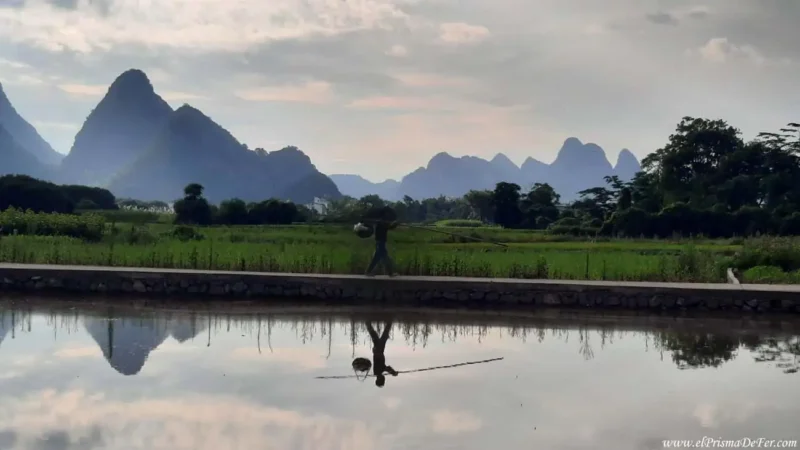
I don't know why, but in my mind's eye, Xi'an had been a much more imposing city. Having been a former imperial capital, I imagined it filled with historical buildings that reflected all that grandeur. I envisioned a city where, upon arrival, the weight of its history would permeate every corner.
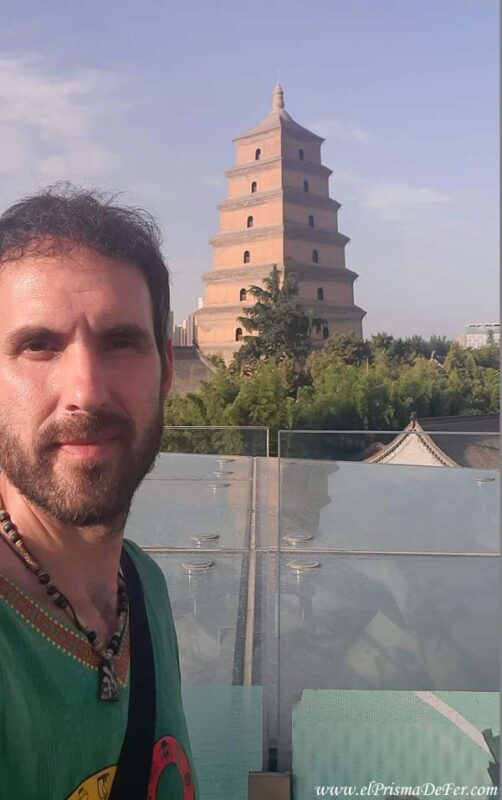
But the reality, at least in my experience, was quite different. While it has some outstanding sights, such as the pagodas, the enormous walls, and the Muslim Quarter, the rest of the city didn't impress me much.
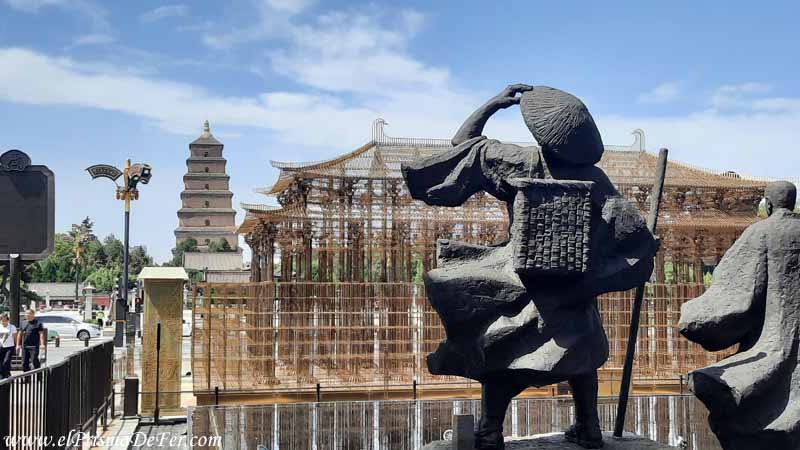
I did find new, modern areas that attempt to recreate some of that ancient architecture, which is quite common in China. A good example is the walk they created near the Wild Goose Pagoda, which is visually stunning and I definitely recommend visiting, especially at night.
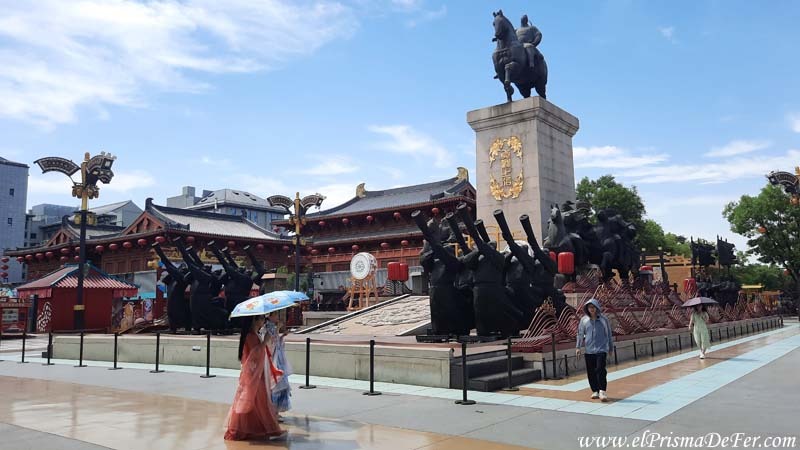
The problem is that, in the end, it feels quite artificial and didn't quite convey that sense of historical authenticity that I expected to find in Xi'an.
Added to that was a not-so-good experience with the Terracotta Warriors, which I'll tell you about below and which also influenced my overall perception.
In short, Xi'an didn't surprise me as much as I expected. It has worthwhile sites that justify a visit, but overall I felt I expected much more from a city with such historical significance.
Map with the main attractions to visit in Xi’an
What to see in Xi’an
Terracotta Warriors
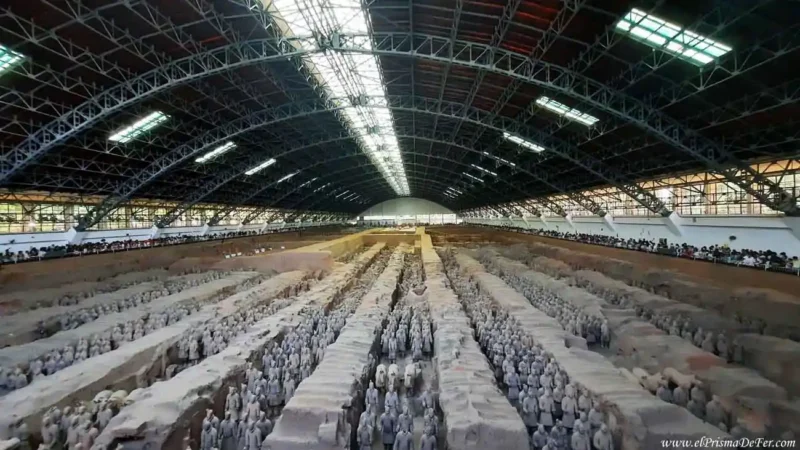
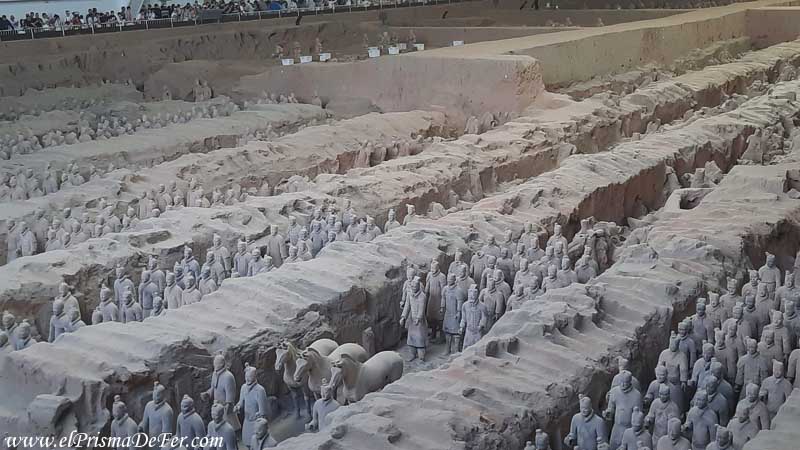
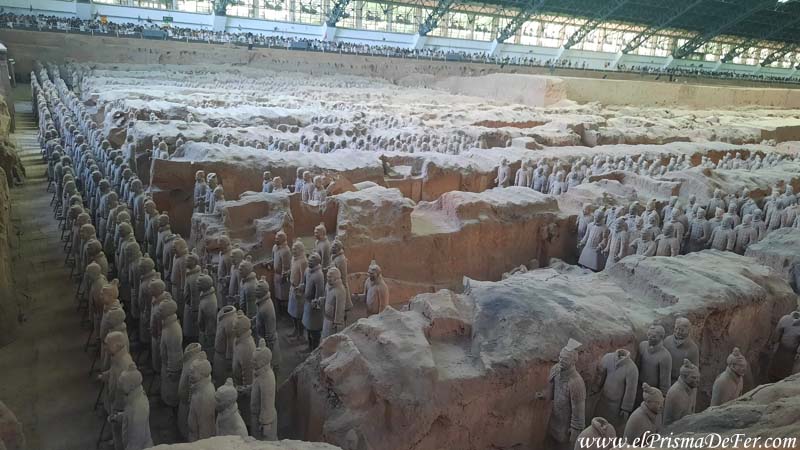
It is undoubtedly Xi'an's main attraction and one of the most important archaeological sites in the world. It is the terracotta army of thousands of soldiers, built more than 2,000 years ago to accompany China's first emperor in his tomb.
Interesting Facts about the Terracotta Warriors
Beyond what is seen today, the Terracotta Warriors are only part of a larger complex: the mausoleum of China's first emperor, Qin Shi Huang.
Construction began when he was just 13 years old, and it is estimated that more than 700,000 people worked for decades to create this entire "underground city" designed for the afterlife.
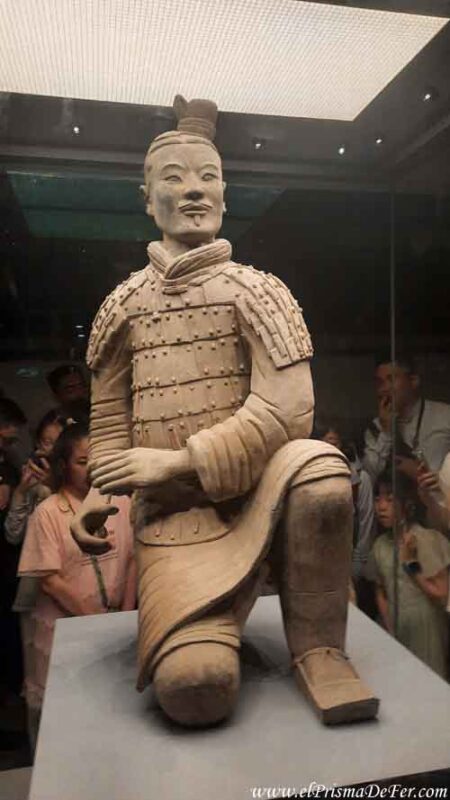
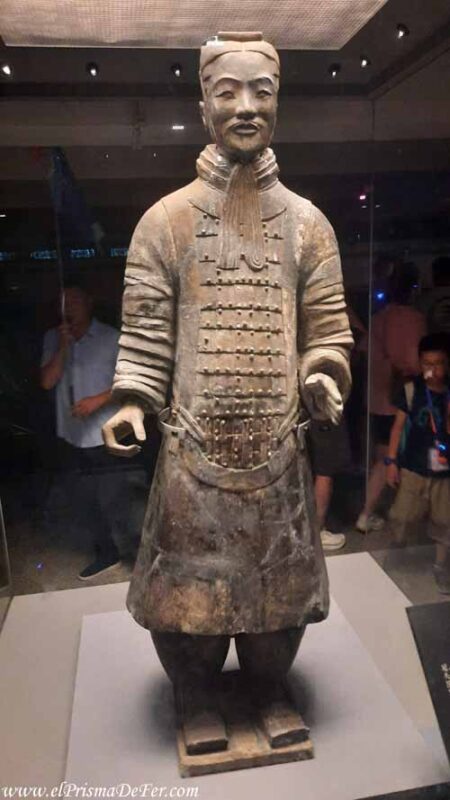
The figures were not originally as they appear today. They were painted in vibrant colors, but when they were unearthed and exposed to the air, the paint deteriorated rapidly, which is why they all now appear the same shade.
Furthermore, not only were there soldiers, but horses, chariots, musicians, and even civilian figures were also found, as if it were a complete replica of the empire to accompany him after death.
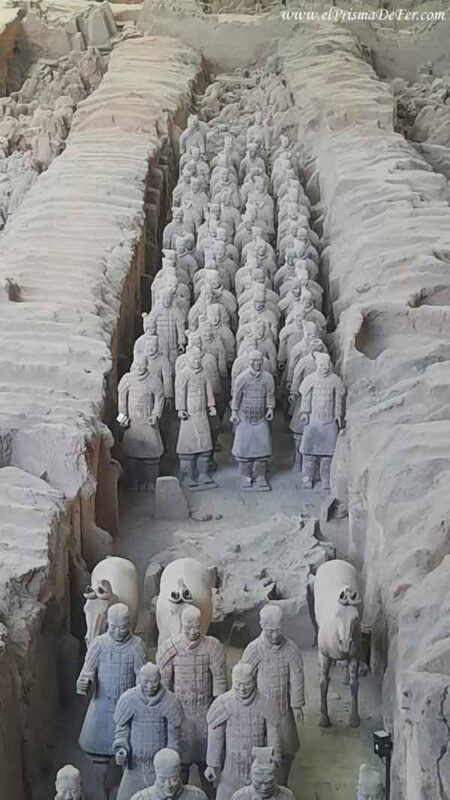
And perhaps the most curious thing is that the emperor's main tomb has still not been opened. It is believed that it could contain rivers of mercury and ancient defense mechanisms, and that current technology is not sufficient to excavate it without damaging its contents.
My experience visiting the Terracotta Warriors
I had the terrible idea of going on a weekend.
The place was literally bursting at the seams with people. There were Chinese tourists everywhere, huge groups following their guides, tours moving along the walkways, people talking loudly, and cameras held high above their heads trying to take a picture.
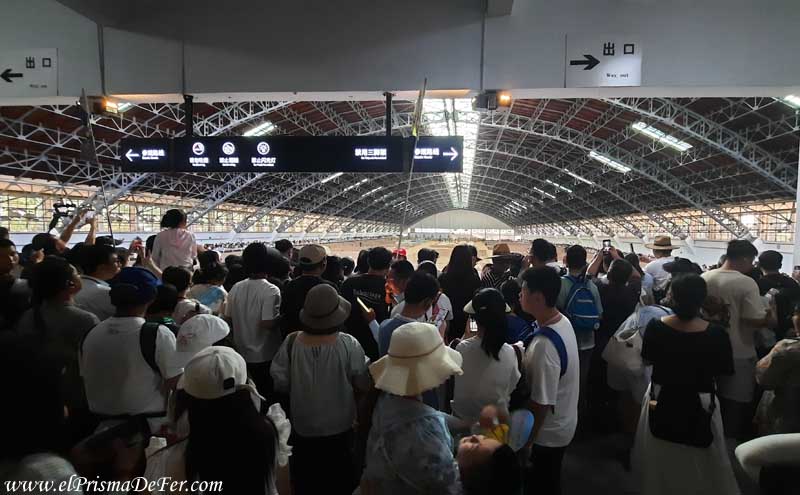
Rather than standing before one of the most impressive archaeological finds in the world, I felt like I was caught in a human tide.
The worst part was that I was there, looking at something with centuries of history and enormous importance, but my only thought was to leave as soon as possible. I couldn't connect with the place or what I was seeing because the people around me completely distracted me.
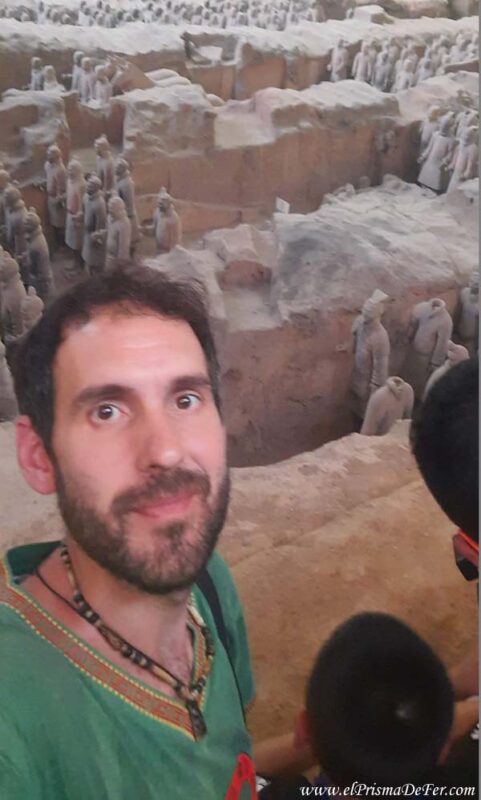
In addition, it was quite hot inside the sheds, which made my visit even more difficult.
I don't deny the historical significance of the site at all, nor how impressive it is to think about the scale of that army buried for over 2,000 years. It's truly astonishing. But seeing them from afar, surrounded by so many people and in the heat, made it more of an ordeal than a pleasant visit.
If you can, avoid weekends and Chinese holidays, because in a place like this the number of people completely changes the perception of the visit.
How to get to the Terracotta Warriors from Xi'an (public transport)
The simplest and cheapest way is to combine the metro and bus. From the city center (for example, the Bell Tower area), take metro line 2 and transfer to line 1 to Fangzhicheng station. Once there, you go out to the bus terminal and take the tourist bus 306, which goes directly to the entrance of the archaeological site (see location).
The total journey usually takes between 1.5 and 2 hours, depending on connections and traffic. It's a cheap and widely used option, although it can be a bit confusing if you're not used to transportation in China.
Another option is to take tourist bus 306 directly from Xi'an train station. This bus is the most direct, dropping you off practically at the entrance to the Terracotta Warriors without needing to transfer.
If you want to do it easily and without hassle, DiDi is still the most convenient option, but if you have the time and desire to get around like a local, public transport does the job perfectly.
Opening hours and prices for visiting the Terracotta Warriors
The Terracotta Warriors are open all year round, but hours change depending on the season.
During peak season (approximately mid-March to November), the site is open from 8:30 to 18:30, with last entry around 17:00. In the off-season (November to March), the opening hours are a little shorter: 8:30 to 18:00, with last access around 16:30.
Beyond the official opening hours, it's important to know that you shouldn't arrive right before closing time. Ideally, you should allow at least 2 to 3 hours to explore the place properly, because the complex is quite large and isn't just a room with sculptures.
As for the price, general admission costs around 120 RMB (about 15–17 USD), although in some cases it may go up to 150 RMB during peak season depending on the ticketing system in place.
That ticket includes:
- access to the main pits (1, 2 and 3)
- the emperor's mausoleum (Lishan Garden)
- the internal bus between the different sectors
The site has a daily visitor limit and operates with reservations by time slot, so during peak season or holidays it is advisable to get your ticket in advance.
You can check the updated information on the official site of the complex.
Xi'an Wall
The Xi'an city wall is one of the city's most iconic landmarks and, in my opinion, one of its best features. It's one of the best-preserved city walls in China and encircles the entire historic center, separating the old city from the modern one.
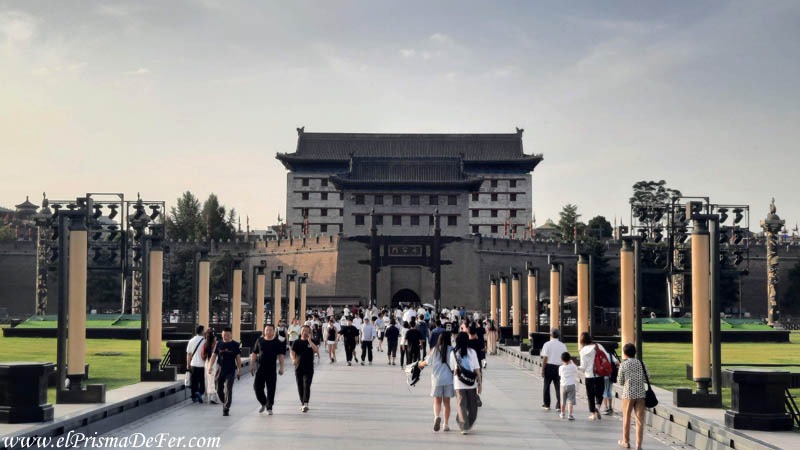
The interesting thing is not just seeing it, but exploring it. You can walk along it or, even better, rent a bicycle and do the whole circuit. From above, you can see the contrast between the traditional rooftops on one side and the modern buildings on the other.
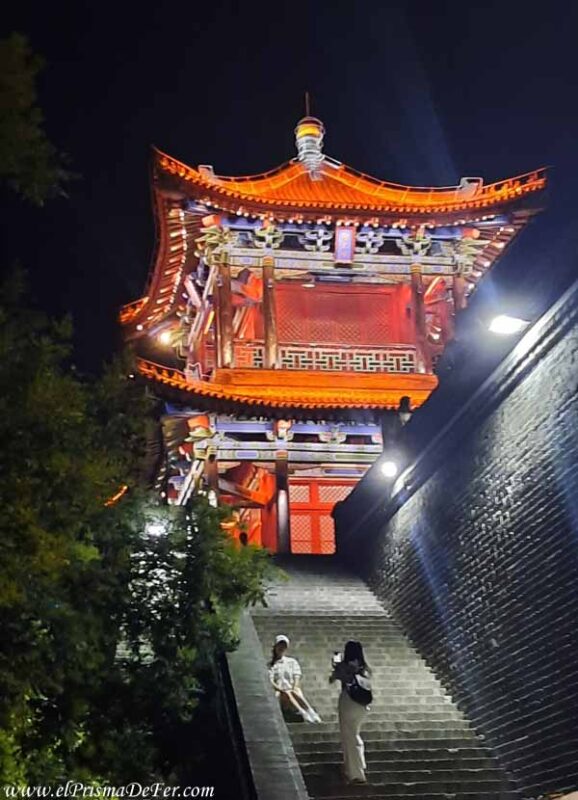
It's an activity I especially recommend at sunset, when the heat subsides a bit and the light gives it a different atmosphere.
Muslim Quarter
The Muslim Quarter was one of the areas I enjoyed most in Xi'an. It's very lively, with narrow streets full of food stalls, lanterns, markets, and that unique cultural blend of Chinese and Muslim heritage, something that dates back to the time when the city was a key point on the Silk Road.
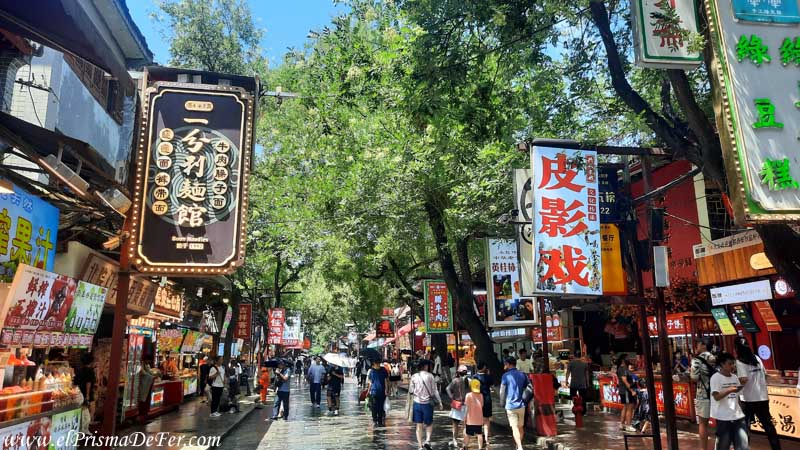
It's an area to walk around, try food, and soak up the atmosphere.
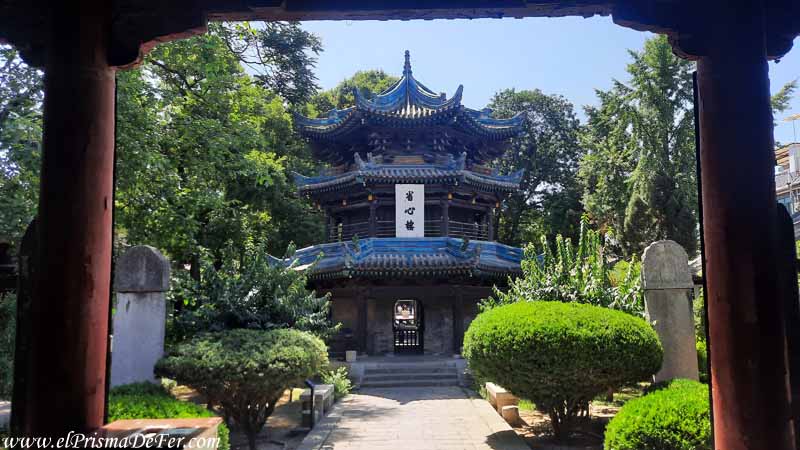
One of the most interesting spots in the neighborhood is the Great Mosque of Xi'an, one of the oldest and most unique Islamic temples in China. From the outside, it looks almost like a traditional Chinese temple, with courtyards, pavilions, and gardens, but inside it retains all the essence of a mosque.
Another attraction is Huimin Street, the neighborhood's main thoroughfare, where most of the food stalls, souvenir shops, and activity are concentrated. At night, with the lights on and the smoke rising from the grills, it has a special atmosphere.
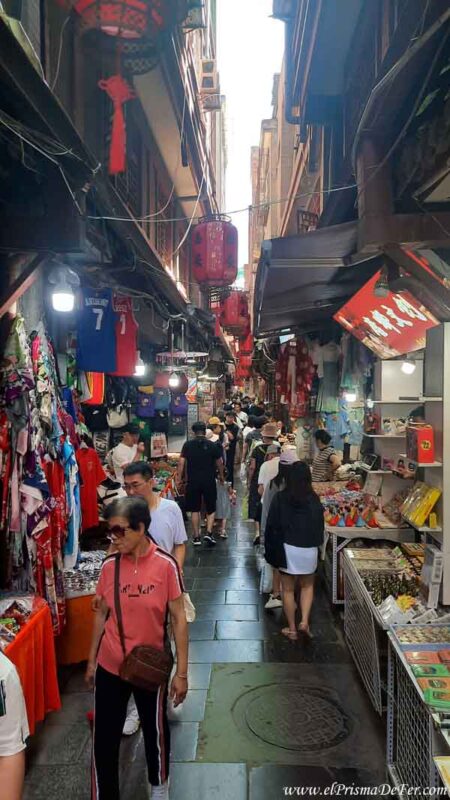
This neighborhood felt much calmer than the Muslim neighborhoods I've visited in other countries, like India, where they tend to be chaotic, dirty, and very noisy. Here, it maintains that Chinese style—clean, quite orderly, and much easier to navigate.
Great Wild Goose Pagoda and Pedestrian Center
The Great Wild Goose Pagoda is one of Xi'an's great historical symbols and one of the city's most representative landmarks.
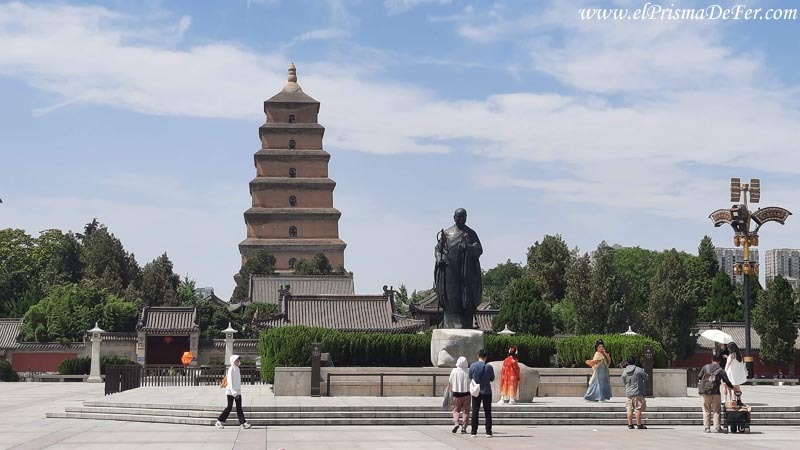
It was built during the Tang dynasty to house Buddhist texts brought from India, which in itself connects Xi'an with that past of cultural exchanges that it had for centuries.
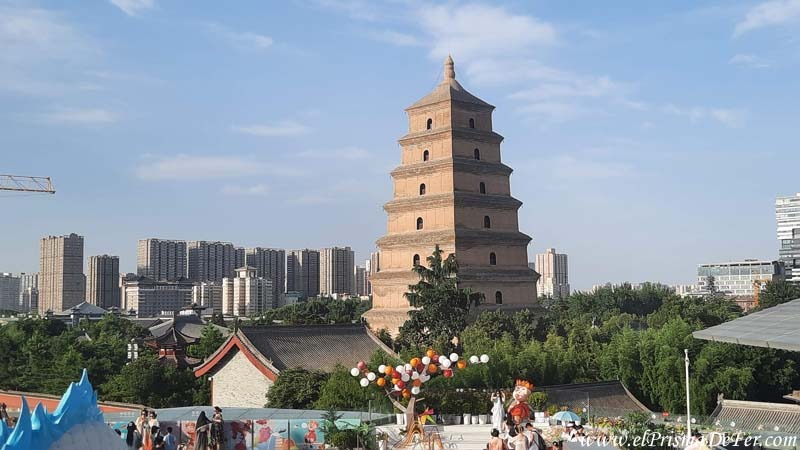
But beyond the pagoda, what is truly striking about this area is the modern development that has taken place in the surrounding area, especially the large pedestrian and commercial avenue that extends from Dayan Pagoda South Square.
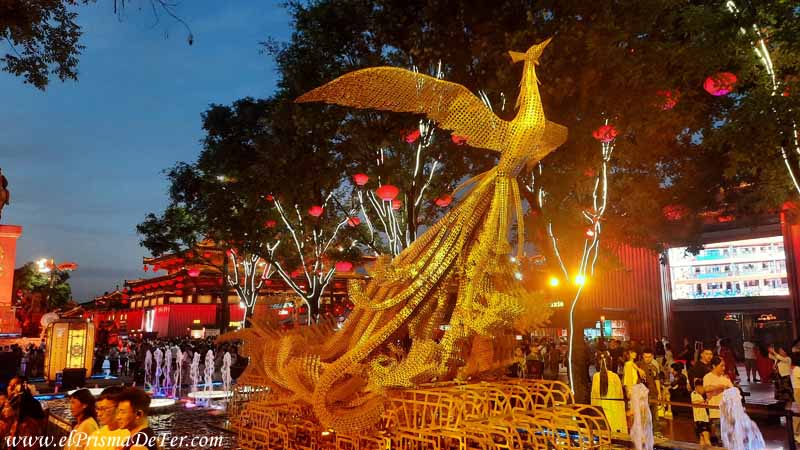
It's a huge, very recent promenade with an impressive layout, featuring museums, cultural spaces, shops, plazas, and various areas where they put on music, light, and fountain shows.
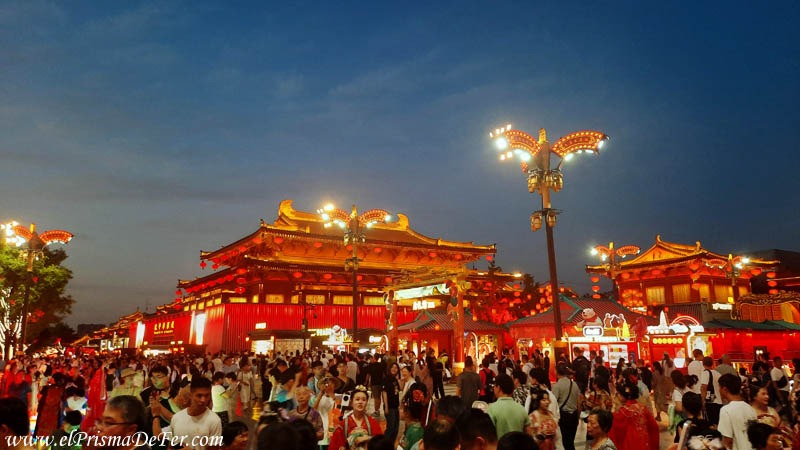
As I was saying before, all of this is completely new and quite artificial, something very typical in China, where they recreate historical settings with enormous production.
Now, even though it may lack that authentic, old-fashioned charm, it's still incredibly striking and, in my opinion, worth a visit. Especially at sunset and during the night, when the lights come on, the music starts, and the whole area takes on a different energy.
Bell and Drum Towers
Located in the city center, these two towers are another classic landmark. They once marked the rhythm of the day: the bell rang at dawn and the drum at dusk.
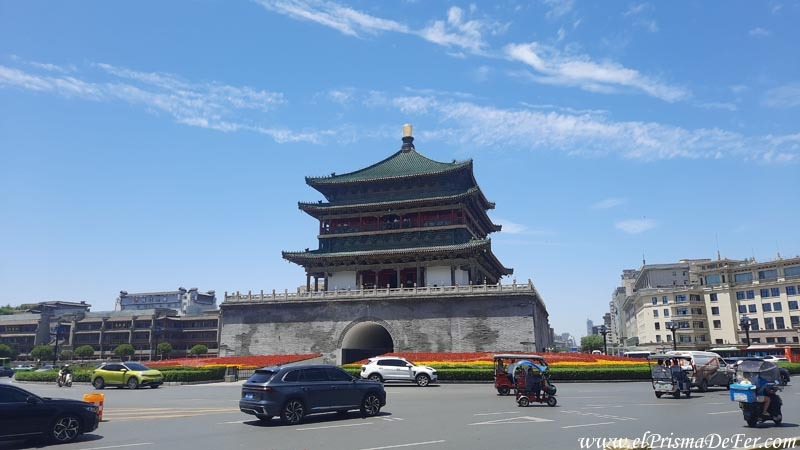
Today they are more of a visual attraction than anything else, but since they are right next to the Muslim Quarter, it is easy to include them in the same day.
Shaanxi History Museum
If you truly want to understand the historical significance of Xi'an, this museum is the best place to visit. It houses thousands of artifacts that trace the region's history from antiquity to the great dynasties, with numerous references to the importance of the Silk Road.
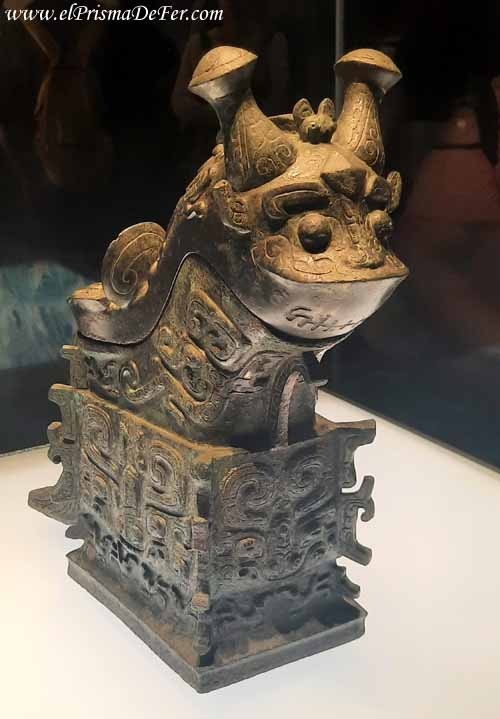
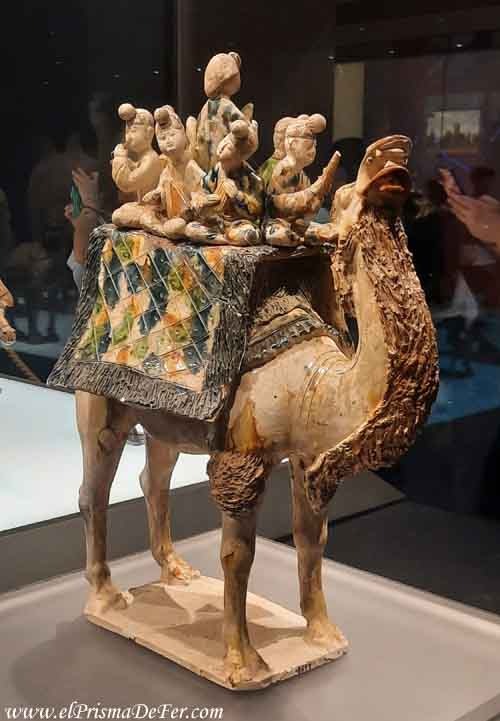
It's not a boring museum. It's very well organized and helps to put everything you see later in the city into context.
But keep in mind that it tends to be very crowded, especially on weekends, so it's best to plan your visit in advance.
Admission is free.
Beilin Museum (Forest of Stelae)
The Beilin Museum, also known as the Forest of Stelae, is located within the city, very close to the wall, and houses a huge collection of stone stelae with inscriptions dating from various dynasties.
What makes this place special is that many of these inscriptions are considered key examples of Chinese calligraphy, an art form in itself. You'll see everything from classical texts to historical engravings, all carved in stone hundreds or even thousands of years ago.
The museum is organized around traditional courtyards, with pavilions and gardens leading you through the exhibits as you walk. It's not as crowded as some of the city's other attractions, so you can explore it at a more leisurely pace.
It may not be an essential place, I didn't go, but if you are interested in better understanding Chinese history, writing and culture, it can be a visit to complement other classics of Xi'an.
Tang Paradise
It is a huge theme and cultural park inspired by the Tang Dynasty, the city's most splendid era, when Xi'an was one of the most important and cosmopolitan capitals in the world (see location).
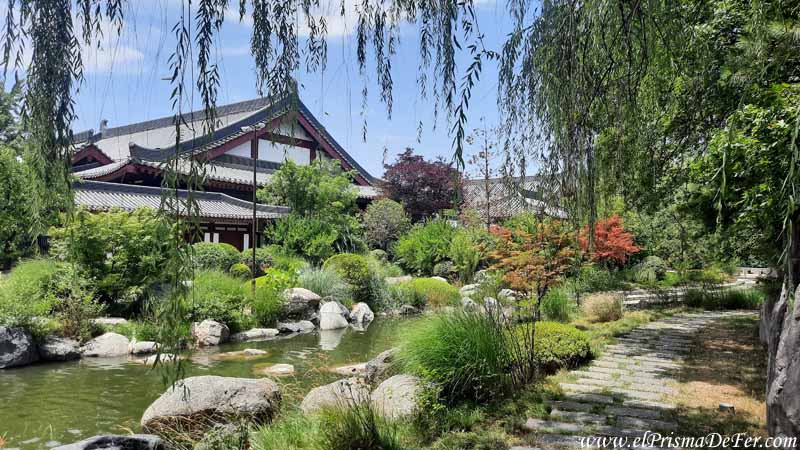
The complex is designed to recreate that imperial grandeur with pavilions, lakes, gardens, bridges, and buildings that evoke the architecture of the era. Everything is conceived in a very theatrical, almost cinematic way, and from what I could see from the outside and in photos, it's especially spectacular at night with lights, shows, and water displays.
Although I didn't go inside, it seemed to me a place that can complement a visit to the Great Wild Goose Pagoda quite well, as it is relatively close and shares that same aesthetic of "reviving" the imperial past in a modern way.
Excursion to Mount Huashan from Xi’an
Mount Huashan is one of China's most famous mountains and one of the most impressive for hiking.
Located about 120 km from Xi'an, it's known for both its scenery and its extreme hiking trails, including the famous "plank walk," considered one of the most dangerous trails in the world. It also offers more accessible options thanks to cable cars that take you directly to the higher elevations.
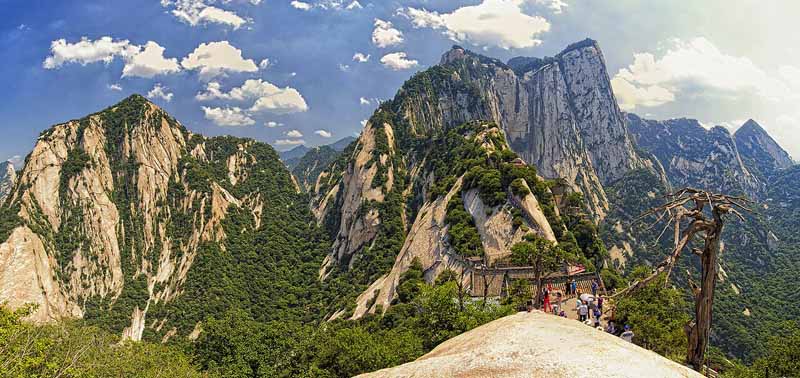
To get there from Xi’an, the most common way is to take a 30-minute high-speed train to Huashan North Station (buy ticket), and from there a bus or taxi to the park entrance.
If you don't want to deal with complicated connections, schedules, or logistics, the easiest thing to do is book a tour. Many include round-trip transportation, entrance fees, and sometimes a guide, which greatly simplifies the excursion.
How to get to Xi'an
Xi’an is very well connected to the rest of China. From Chongqing, where I arrived from, the most practical and recommended option is the high-speed train, which takes between 5 and 6 hours and directly connects both cities (see schedules and prices). Furthermore, the station is well connected to the subway, making the entire journey easy.
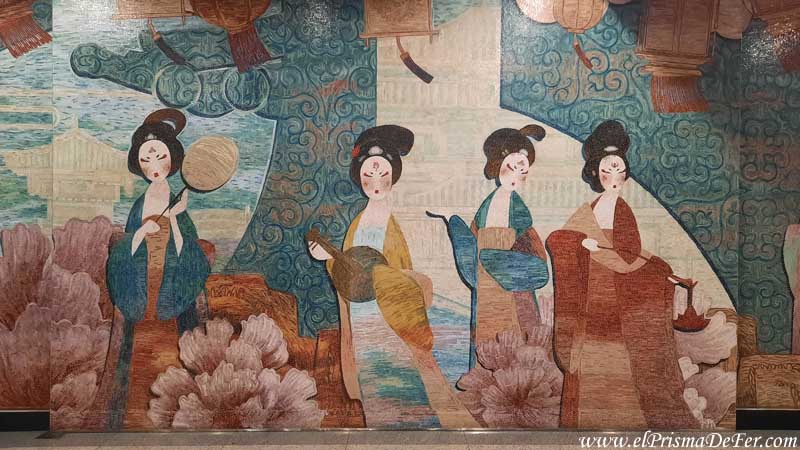
There is also the option of flying to Xi’an Xianyang International Airport. The flight takes around 1.5 to 2 hours, although when you factor in transfers to and from the airport, plus check-in times, the difference compared to the train isn't always that significant.
For those looking to save a little more, another interesting option is the traditional night train. It's slower, but allows you to arrive rested and save on a night's accommodation.
How to get around Xi’an
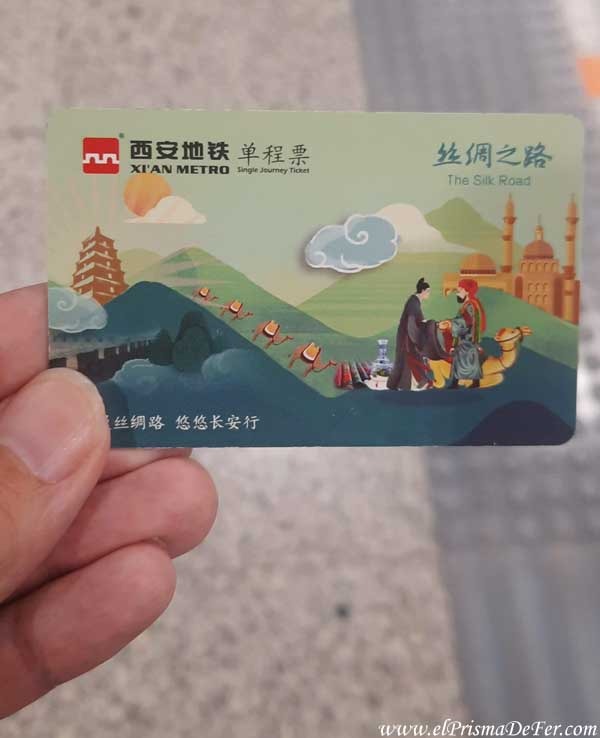
The best way to get around Xi'an is by subway, which connects the city's main attractions, such as the city wall, the Muslim Quarter, the Big Wild Goose Pagoda, and the train station. It's also inexpensive, fast, and very easy to use, even if you don't speak Chinese.
For short distances within the historic center, you can also walk quite a bit. The walled area contains many of the most interesting places, so exploring it on foot allows you to better enjoy the atmosphere, especially in the afternoon and evening.
Another very popular option is the bicycle, especially for touring the Xi'an city wall, one of the most highly recommended experiences in the city.
Where to sleep in Xi’an
The best area to stay in Xi'an, especially if it's your first time, is inside or near the city wall, particularly around the South Gate. I found this location the most convenient because you're close to the wall, the Muslim Quarter, and several subway stations, making it very easy to get around the city.
Another good option is the Bell Tower area, more central and bustling, ideal if you want to have restaurants and shops at hand.
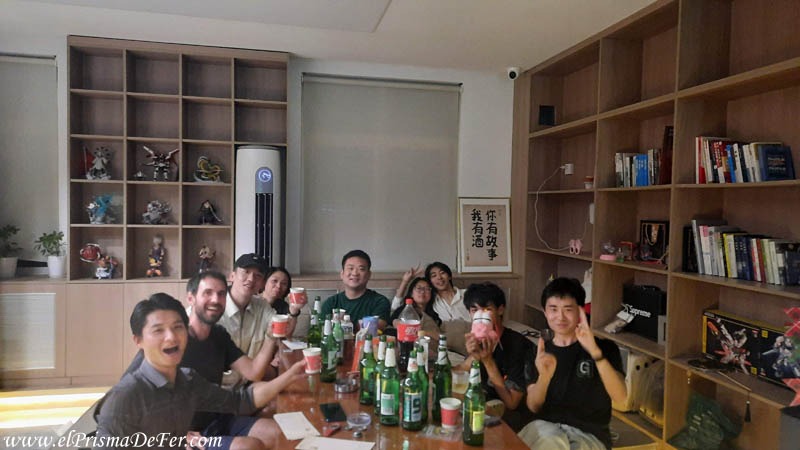
In my case, I stayed at Xi’an Desti Youth Park Hostel (see Booking or Trip.com), near the South Gate, and I recommend it for its friendly atmosphere, cleanliness, and because I met several local Chinese people. The only downside is that the bathrooms are squat-style, but it didn't stop me from enjoying my stay.
Final thoughts on Xi’an
Xi'an is a city with a rich history and several worthwhile sights, especially the city wall, the Muslim Quarter, and the entire area around the Great Wild Goose Pagoda.
Even so, after everything I had imagined before arriving, I was left with the feeling that I had expected a little more. Beyond its strengths, it wasn't a city that surprised me as much as others in China.
That doesn't mean I don't recommend it. If you're planning a trip through the country, I think it deserves a 2- or 3-day stop, especially considering its significance in Chinese history and the Silk Road. I would just go with slightly more realistic expectations than I had.
Frequently Asked Questions about Xi’an
How many days is it advisable to stay in Xi'an?
For me, 2 or 3 days is the ideal amount of time. It's enough to visit the Terracotta Warriors, walk along the city wall, get lost in the Muslim Quarter, and explore the area around the Great Wild Goose Pagoda without feeling rushed.
Is Xi'an worth visiting?
Yes, especially if you're interested in Chinese history. That said, in my case, it wasn't as surprising a city as I expected, so I think it's best to go with realistic expectations.
What is the best time to go?
The best time is usually spring and autumn, when the weather is more pleasant for walking and exploring the wall. Summer can be quite hot.
What shouldn't I miss in Xi'an?
If you only have a few days, I would prioritize the Terracotta Warriors, the city walls, the Muslim Quarter, and the area around the Great Wild Goose Pagoda. That will give you a good overview of the city.
Is Xian expensive?
I didn't find it to be an expensive city compared to other major Chinese cities. The subway, street food, and hostels are all quite reasonably priced, so you can easily visit on a backpacker's budget.
Is it advisable to establish a base near the wall?
Yes, especially near the South Gate. For me, it's the best area because it combines a good location, a pleasant atmosphere, and easy access to almost all the main attractions.
Support The Prism of Fer!
Your support helps me continue creating free content on the blog. Thank you so much!