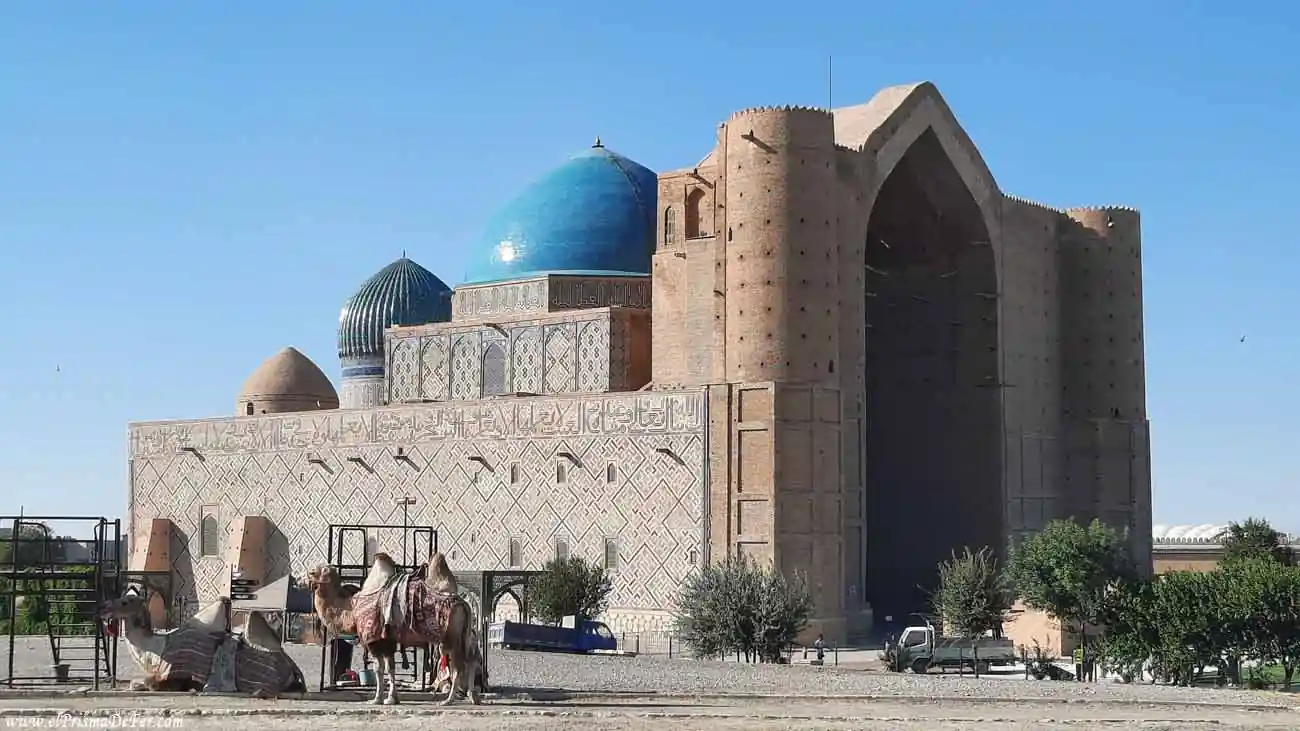


🏺 What was the Silk Road? A journey through time
Few routes in the world evoke as much history, mystery and diversity as traveling the ancient Silk Road.
For centuries, it was more than a trade corridor: it was a bridge between civilizations, uniting East and West through caravans carrying not only silk, spices, and precious stones, but also ideas, religions, art, and ways of seeing the world.
Origins and antiquity
In return, China received precious metals, glass, wool, and other products from Europe and the Middle East.
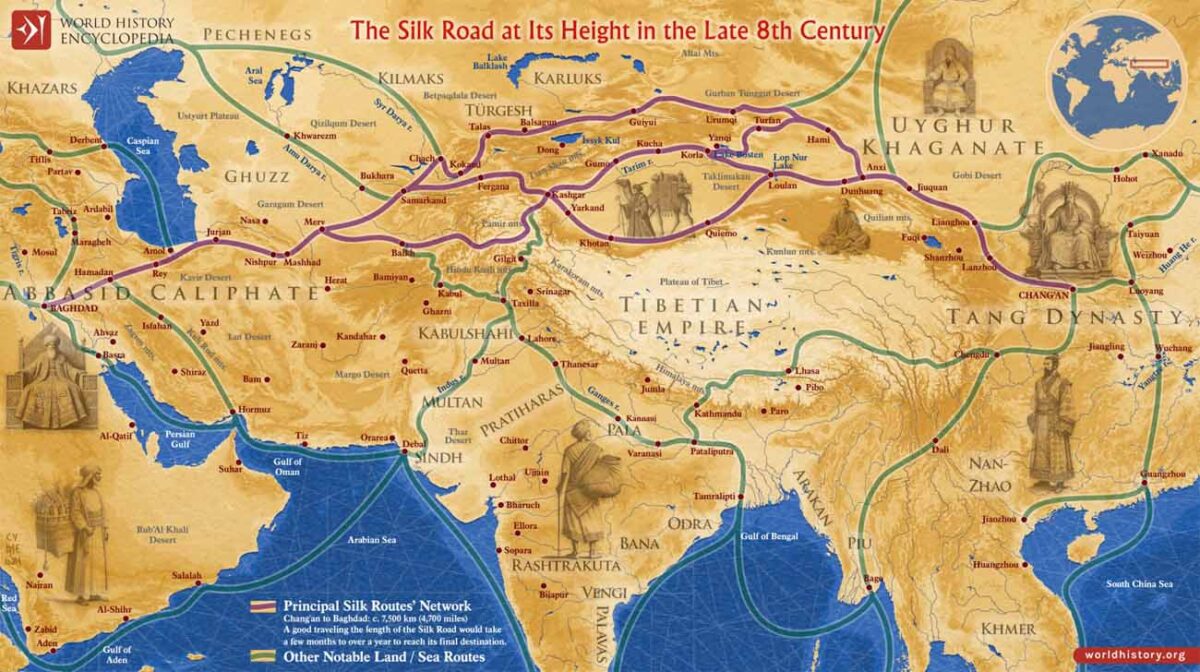
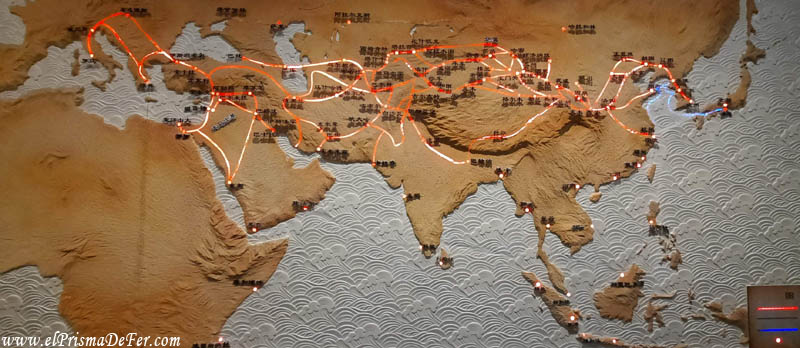
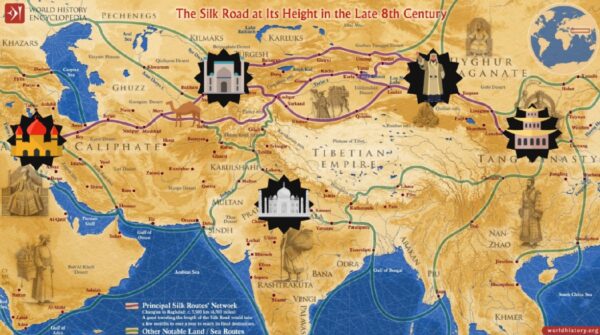
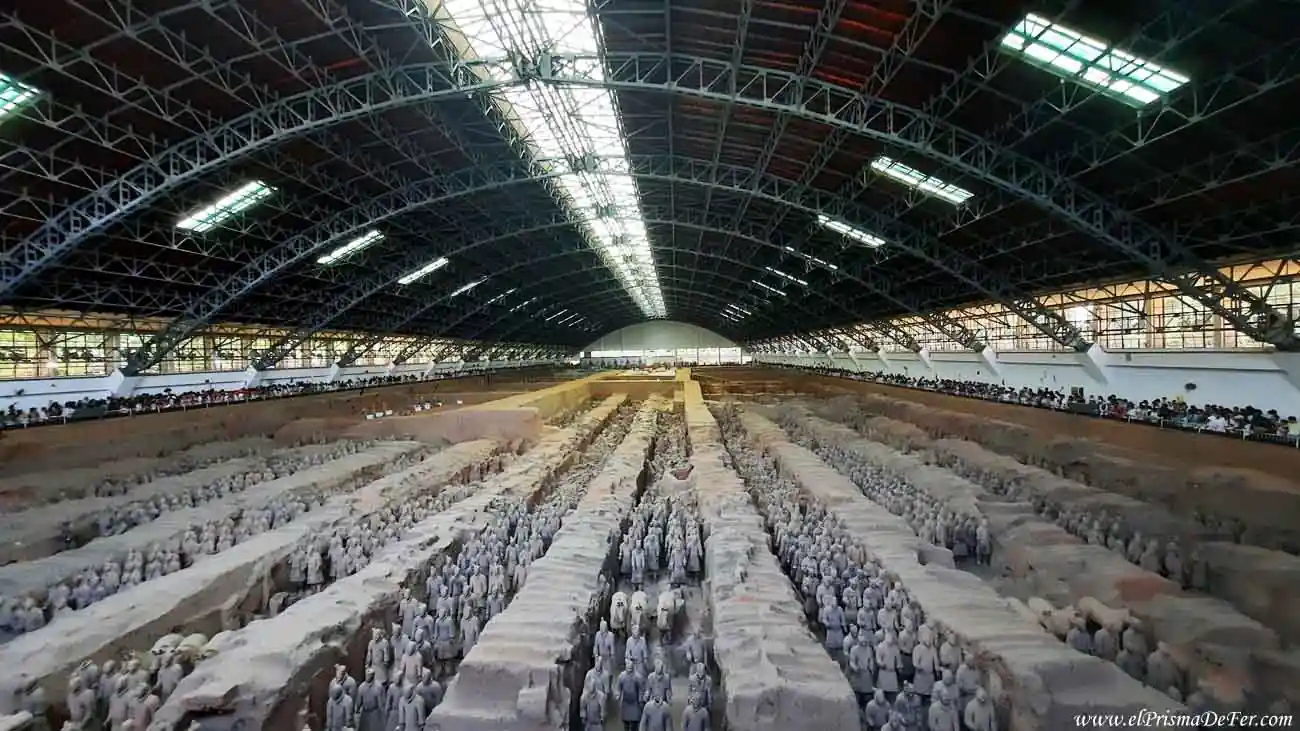
It was not a single path, but rather a complex network of land and sea routes that connected East and West, linking from Xi'an in China to Constantinople (present-day Istanbul) and beyond.
🕌 Middle Ages: cultural and religious apogee
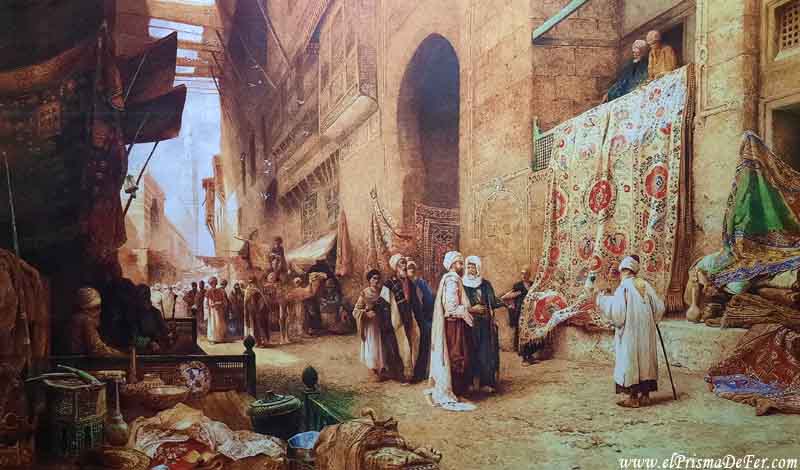
During the Middle Ages, the Silk Road became a channel for the dissemination of ideas, religions and cultures, as well as goods.
Decline and fragmentation
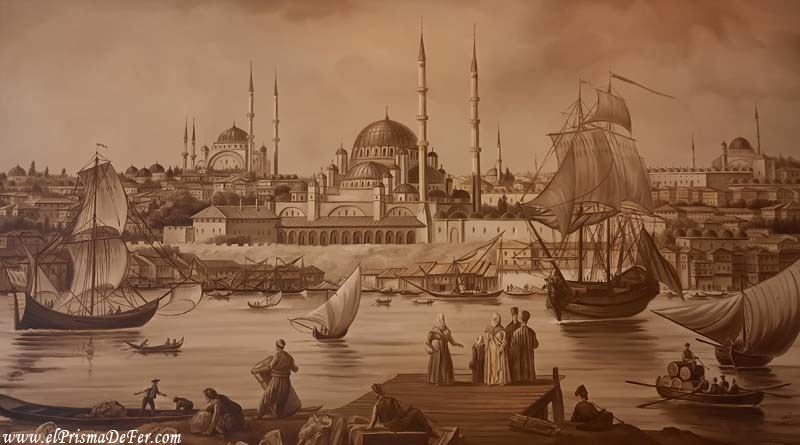
From the 15th century onwards, with the rise of maritime routes driven by Europeans, especially the Portuguese and Spanish, combined with the blockade that the Ottoman Empire imposed on trade routes between the West and the East, travel along the land Silk Road began to lose relevance.
Invasions, political changes, and closed borders fragmented the constant flow that had kept this network alive for over a thousand years. Although some sections remained active locally, it was no longer the great intercontinental hub it had been.
📜 Historical and cultural legacy
Despite its decline as a trade route, the Silk Road's impact remains to this day. It was one of the most powerful engines of inter-civilizational exchange, responsible for cultural fusion across vast regions of Eurasia.
In their wake, mosques, monasteries, fortresses, murals, manuscripts, and legends were left behind. And many of the cities that flourished then remain vibrant urban centers, with an unparalleled tangible and intangible heritage.
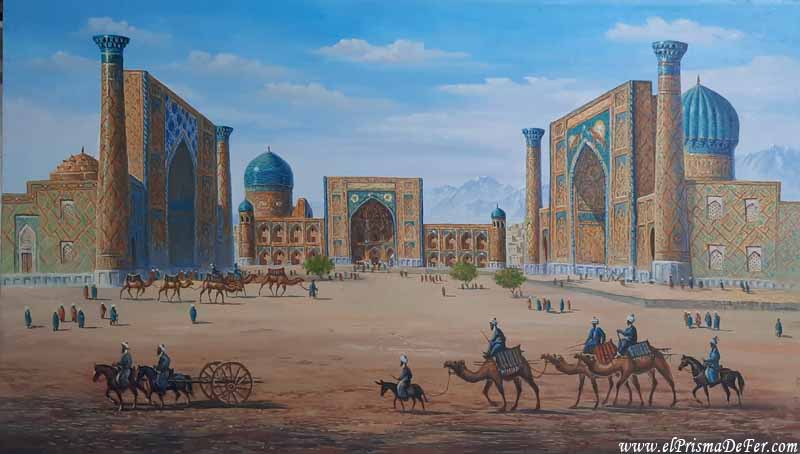

And what is the Silk Road journey like today?
Today, the Silk Road has re-emerged as a unique travel experience for those seeking adventure, history, and authenticity. It's no longer a trade route in the traditional sense, but its historic path guides travelers through some of the most fascinating corners of the planet.

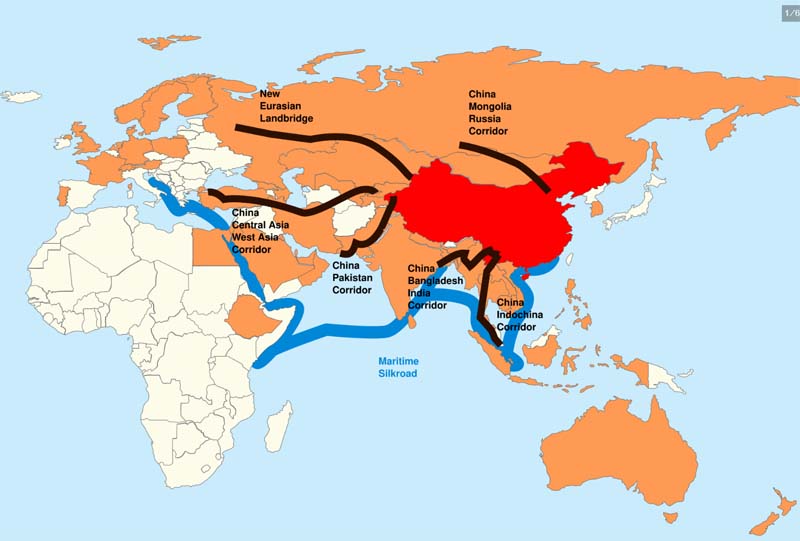
In addition, the Chinese government is promoting the ambitious “New Silk Road” project (Belt and Road Initiative), a modern network of roads, trains and ports that reactivates old routes and creates new commercial ties.
Traveling through it today is like traveling overland, crossing ancient cultures, extreme landscapes, and regions that still retain an authenticity that has been lost elsewhere in the world.
What should you know before traveling the Silk Road on your own?
🗺️ It is not a single or linear route
The Silk Road isn't a single path, but a network of trade routes that connected Asia to Europe. Today, you can trace your own version, choosing from various combinations of countries and routes: from China to Turkey, passing through Central Asia, the Caucasus, Iran, India, or even North Africa.
🚧 Visa and border planning required
Many Silk Road countries require visas (although these days it's becoming easier), and conditions are constantly changing (such as in Turkmenistan and Tajikistan). Additionally, some border crossings aren't always open to tourists. It's a good idea to research which land routes are viable.

🚍 Overland travel on the Silk Road is possible (and epic)
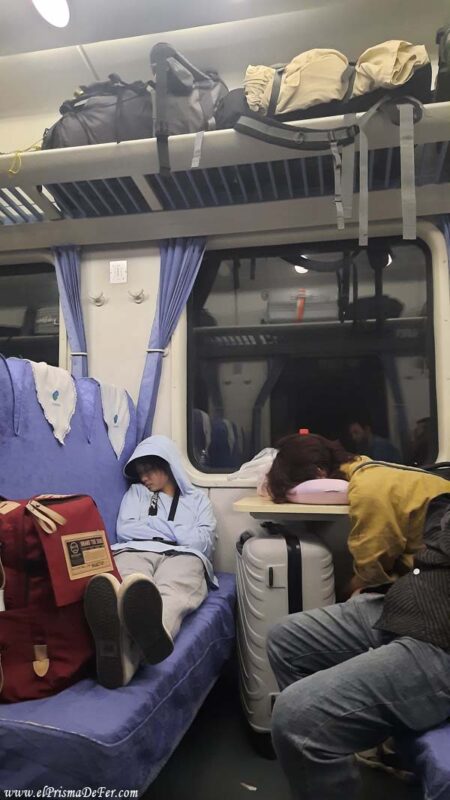
Despite what you might think, you can cross much of Asia overland. Buses, Soviet trains, marshrutkas (shared minivans), 4x4s… Transportation varies greatly by country, but getting around is completely feasible. And it's an essential part of the trip.
🌄 Extreme cultural and natural diversity
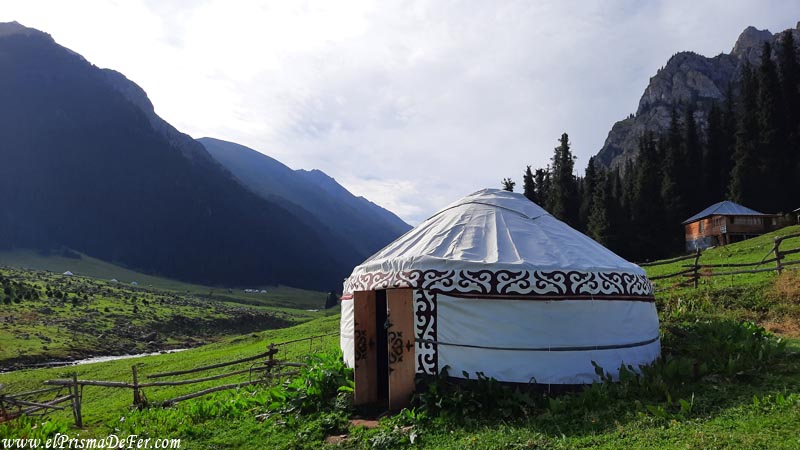
On this journey, you'll pass through deserts, steppes, towering mountain ranges, oases, and coasts, and cultures ranging from Islam to Orthodoxy, from Buddhism to Zoroastrianism. Each border is a whole new world. Ideal for those seeking cultural, culinary, and scenic variety.
🏛️ Intact historical remains
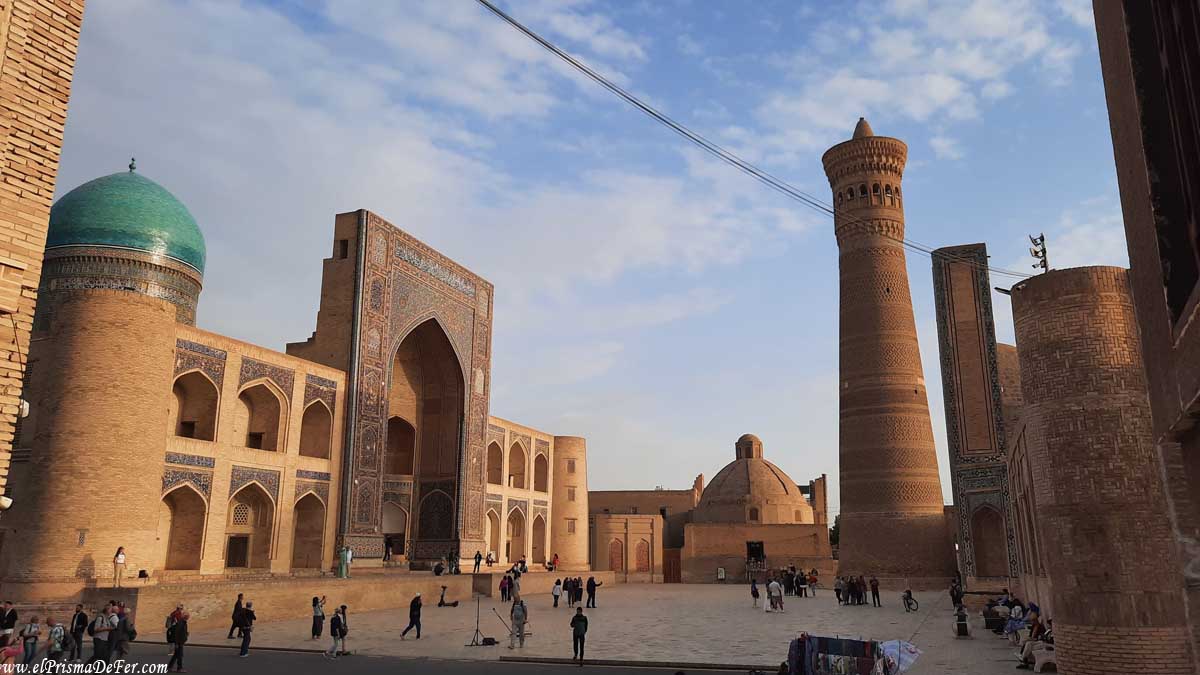
From cities like Samarkand or Bukhara, to caravanserai ruins, walls, fortresses, and mosques, there are living testimonies to the route's commercial and cultural past. If you're interested in history, you'll find an open-air museum.
👣 It's a trip away from mass tourism
With a few exceptions like Istanbul, Samarkand, and Xi'an, much of the route is uncrowded. You'll find authenticity, unselfish hospitality, and often the feeling of visiting places few travelers ever visit.

🧳 You have to be prepared for constant change
Languages, religions, alphabets, foods, currencies, prices, customs... even within the same country change. Traveling the Silk Road is challenging but enormously rewarding. Ideal for travelers with an open and flexible mindset.


🌐 The concept remains relevant with the “New Silk Road”
China is investing billions in infrastructure to connect Asia with Europe through its Belt and Road Initiative. In many countries across the region (especially in Central Asia), you'll see Chinese-funded trains, roads, and construction projects.
Security in the countries along the Silk Road
One of the most common questions before embarking on the legendary Silk Road is whether it's safe to travel through its countries. And the answer, generally speaking, is yes: with common sense, respect for local customs, and a little planning, you can travel safely through much of this region.
South Asia (India, Nepal and Pakistan)
Safety varies by country, but all offer unique experiences. India is intense and fascinating, although it requires caution, especially for women traveling alone. Nepal is peaceful, safe, and very welcoming, ideal for trekking and spiritual culture. Pakistan, although less touristy, surprises with its natural beauty and hospitality; today, it is an increasingly popular destination for adventurous travelers, although it is advisable to do your research before going.
China
The Xinjiang region, home to the Uyghurs, has a strong security presence and specific restrictions for tourists, especially foreigners. The rest of the country is safe, although the language barrier can be a challenge outside of major cities.
Central Asia: Uzbekistan, Kyrgyzstan, Kazakhstan, Tajikistan, Turkmenistan
These countries have opened up quite a bit to tourism in recent years and are surprisingly safe for travelers. Kazakhstan is a vast country, with a lot of steppe but with some gems to discover, such as the beautiful city of Almaty or the historic city of Turkestan.
Uzbekistan is probably the most developed in terms of tourist infrastructure, while Kyrgyzstan is a paradise for nature lovers and trekking.
Caucasus (Georgia, Armenia and Azerbaijan)
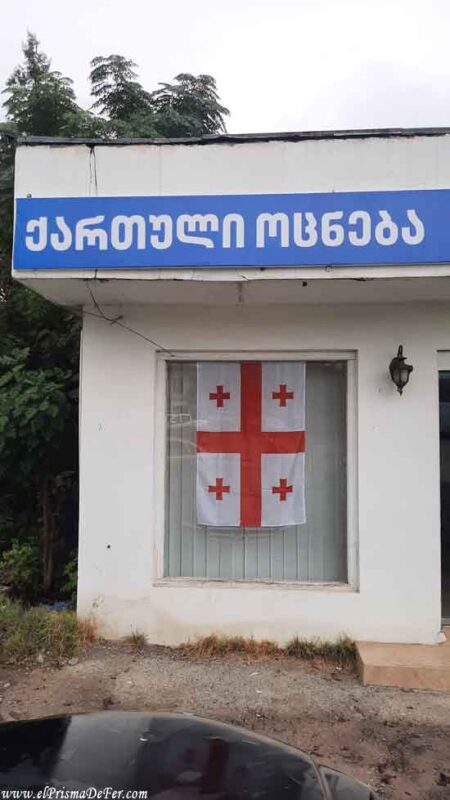
Traveling in the Caucasus is generally very safe and rewarding. Georgia and Armenia are noted for their hospitality, mountainous landscapes, and rich religious history, making them ideal for backpackers and adventurers.
Azerbaijan is more modern and diverse in its geography, with a vibrant capital like Baku. Tensions between Armenia and Azerbaijan exist, but they don't affect the most common tourist areas. In all cases, the treatment of travelers is generally very warm.
Türkiye
Although it has experienced some internal conflicts, Turkey remains safe in most of its tourist regions. Istanbul, Cappadocia, Ephesus, and Pamukkale welcome travelers from all over the world. It is recommended to avoid areas near the borders with Syria or Iraq.
🏕️ The Silk Road trip is suitable for backpackers and independent travelers.
It's a long and sometimes rustic trip, but it's generally affordable, safe, and perfect for doing on your own. In fact, most of those who travel it are backpackers.
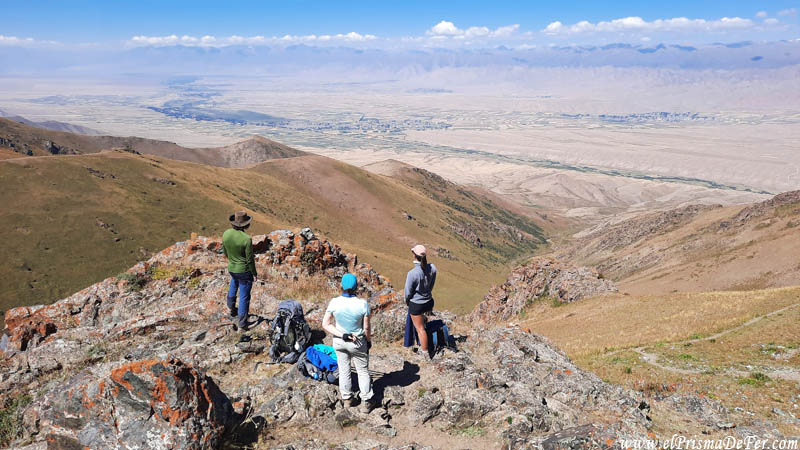
How was my tour of the legendary Ruta de la Suda?
My journey began in the Indian subcontinent, starting far south in Sri Lanka, where I spent 3 weeks exploring the island, followed by 3 months in India, which I'm sure will leave you anything but indifferent, and Nepal where I trekked for 2 weeks through the majestic Himalayas, doing the Annapurna Circuit and Base Camp.
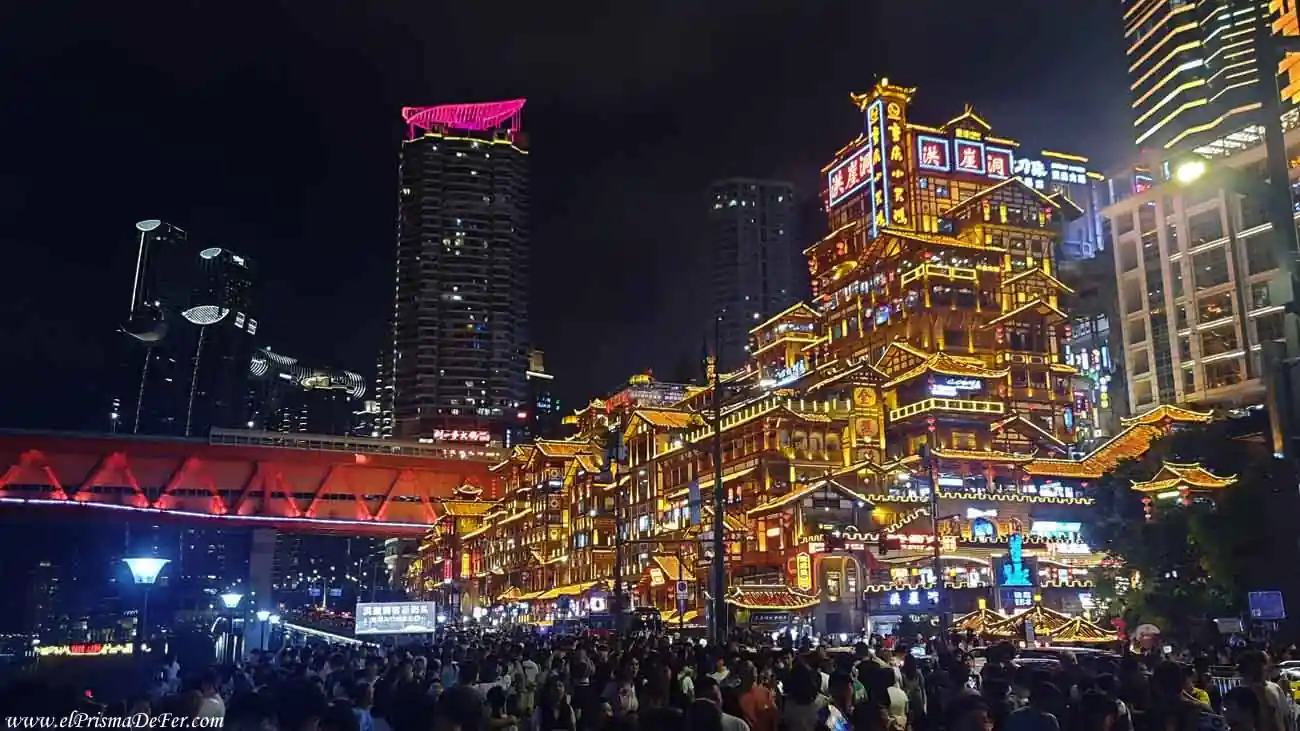
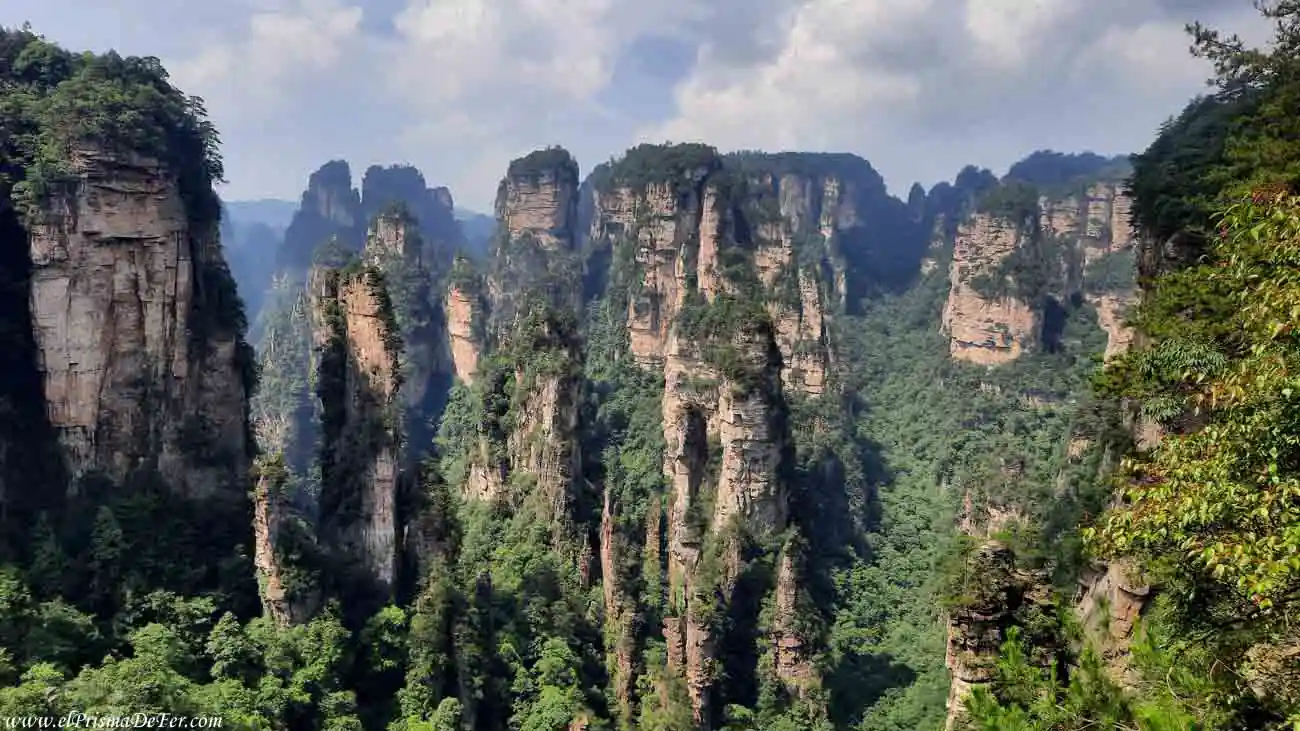
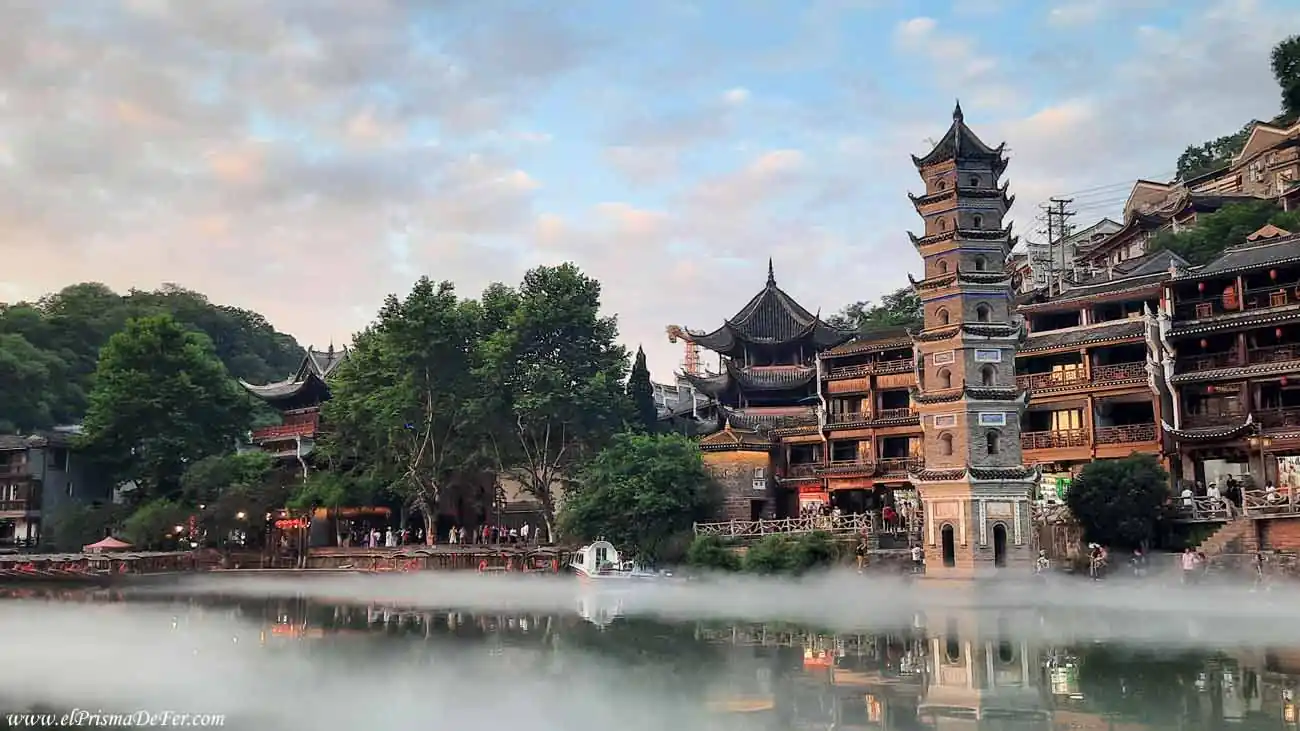
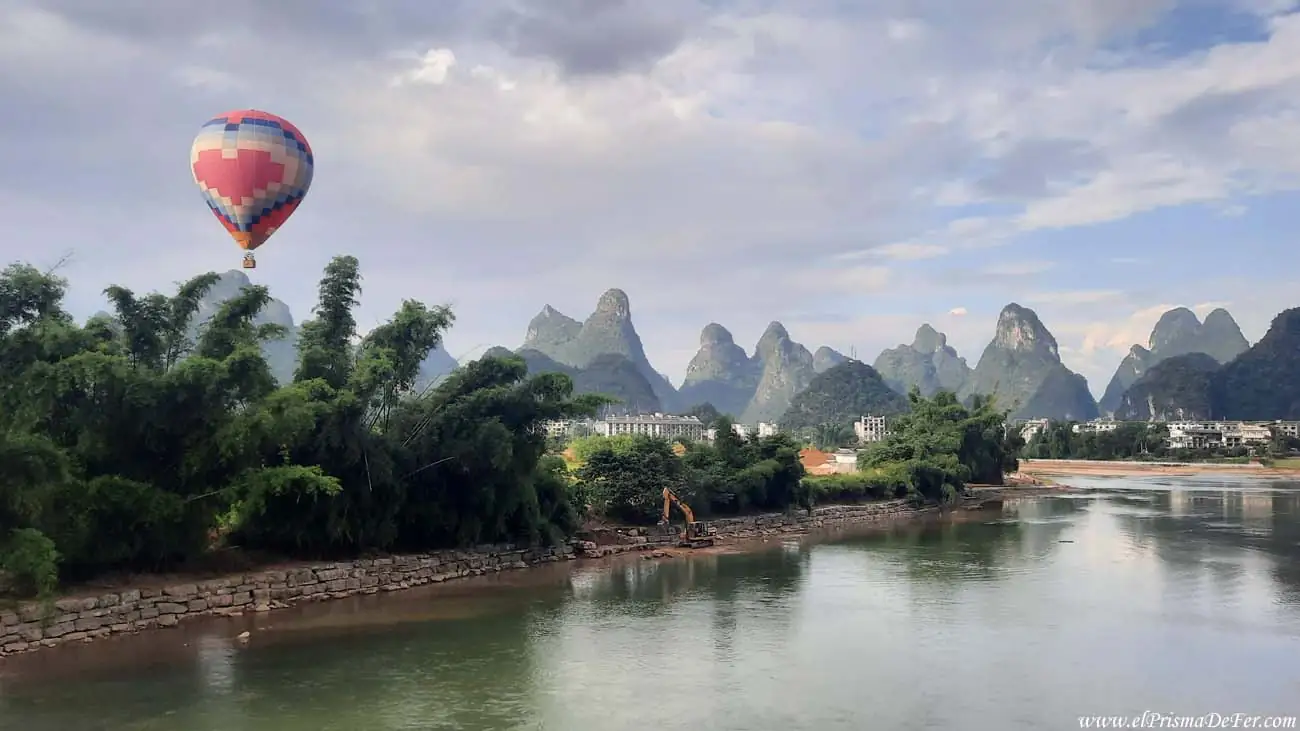
Then I set off for East Asia, China, where I crossed dreamlike landscapes and ancient cities where the echoes of the Tang dynasty still resonate.
I continued through the endless steppes of Mongolia, where nature imposes its rhythm and the skies seem to never end. From there, the journey took me through the deserts and bazaars of Central Asia, Kazakhstan, Kyrgyzstan, Tajikistan and Uzbekistan, between tiled madrasas and snow-capped peaks of the Pamirs.
From there I continued towards the Caucasus, exploring countries like Azerbaijan, Armenia and Georgia, lands of hospitality, mountains, good food and ancient traditions.
Finally, I arrived at Türkiye, a meeting point between two worlds, where East and West embrace in a unique cultural balance.
From the minarets of Istanbul to the otherworldly landscapes of Cappadocia, this was the perfect ending to a journey that, although it no longer follows the old trade routes, retains the soul of a timeless adventure.
Do you want information or tips to plan your trip along the Silk Road?
Countries I visited, in order, during more than a year on the Silk Road trip
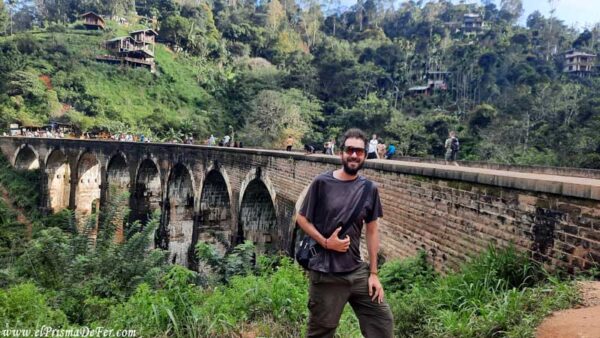
🇱🇰 Sri Lanka
🇮🇳 India
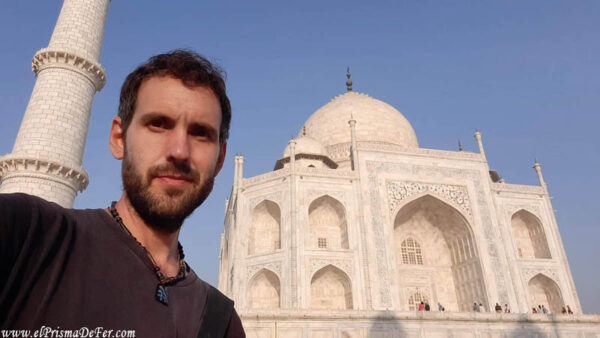
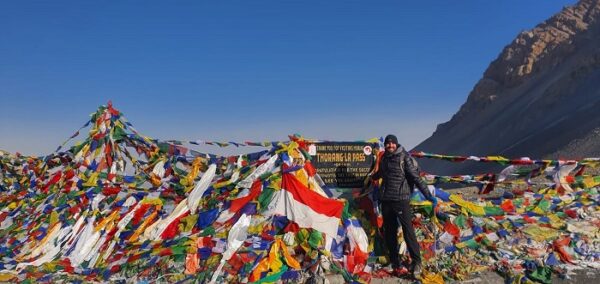
🇳🇵 Nepal
🇨🇳 China
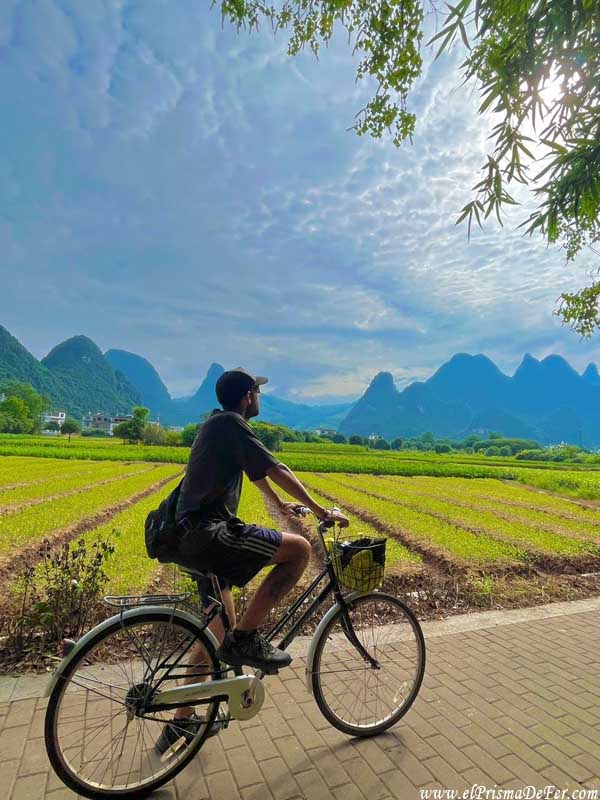
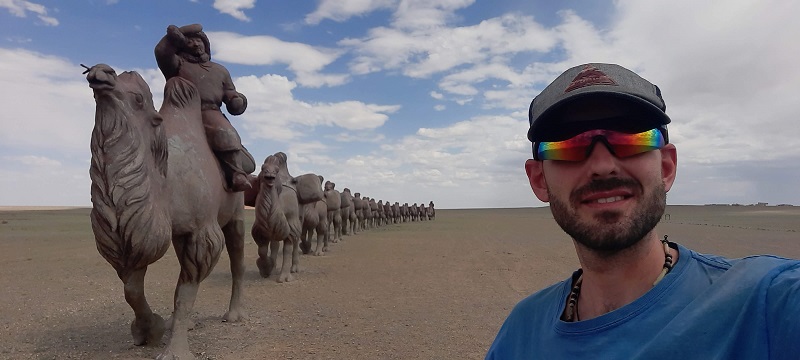
🇲🇳 Mongolia
Guide to traveling through Mongolia 2 week Mongolia itinerary What to do in Ulaanbaatar, the capital of Mongolia Gobi Desert in 2 days: Khongoryn Dunes, Flaming Cliffs and Yolyn Am What to see and do at Lake Khovsgol, in northern Mongolia Naadam Festival in Mongolia: Tradition and celebration in a local village
🇰🇿 Kazajistán

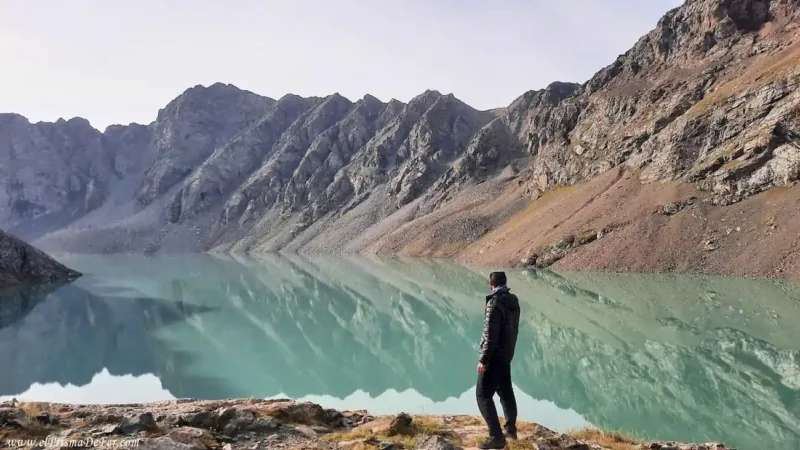
🇰🇬 Kyrgyzstan
🇹🇯 Tajikistan

🇺🇿 Uzbekistan
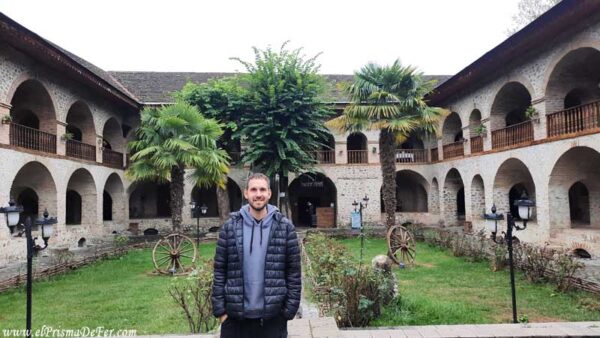
🇦🇿 Azerbaijan

🇬🇪 Georgia
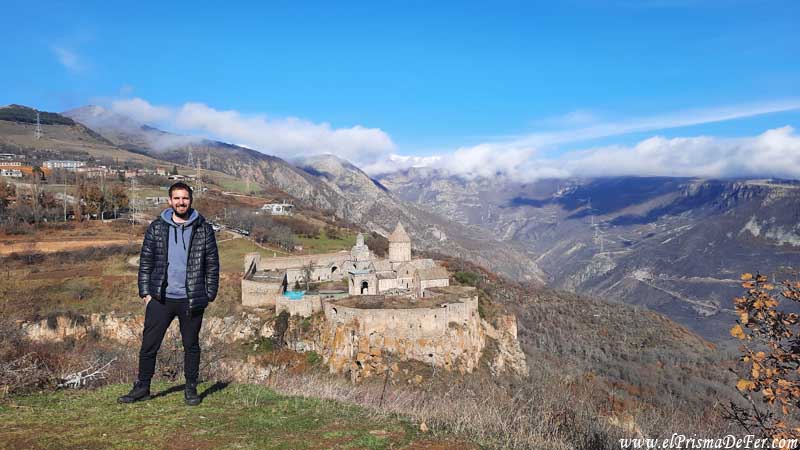
🇦🇲 Armenia
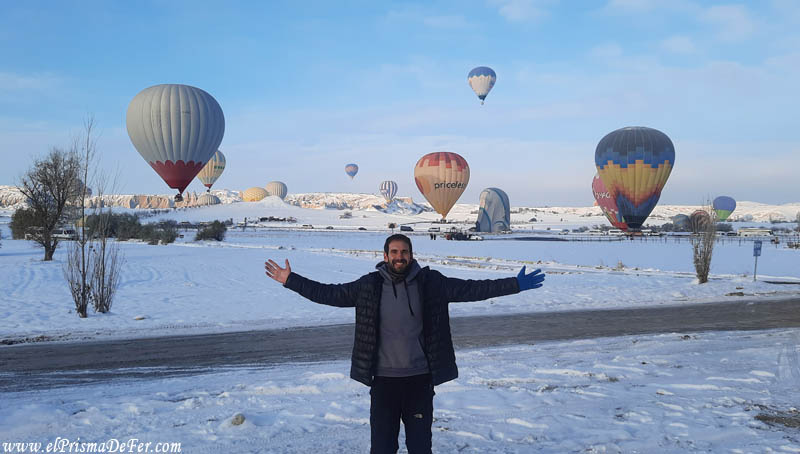
🇹🇷 Türkiye
Support The Prism of Fer!