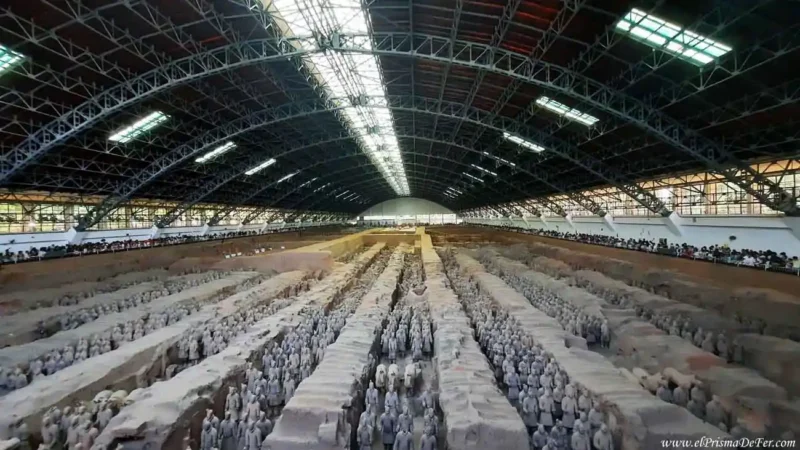
I arrived in Pingyao with high expectations. After all, it's marketed as a perfectly preserved medieval city, a kind of time-travel experience within China. But the reality is that it ended up being my second disappointment in the country, after the Terracotta Warriors in Xi'an.
Pingyao is often included in many itineraries because, in theory, it has a well-preserved walled city, ancient streets, traditional architecture, and a significant past as a financial center during the imperial dynasties. It's supposedly a place that promises to offer a more historical perspective, away from the large modern cities. Has it lived up to that promise?
In this post I'm going to tell you about my experience exploring Pingyao, what to see inside the walled city, what it's really like to visit it, and whether it's worth including in a China itinerary depending on what you're looking for.

This post may contains affiliate links. If you purchase through these links, I may earn a commission at no extra cost to you. Thank you for your support!
Table of Contents
Where is Pingyao located?
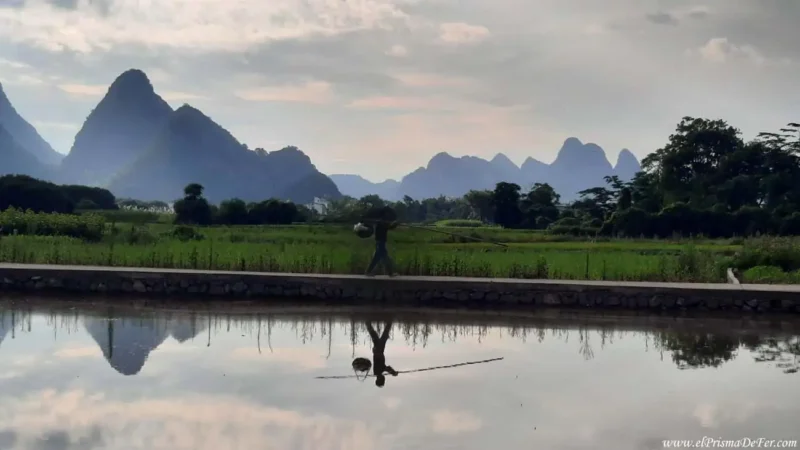
Pingyao is located in Shanxi province, in northern China, halfway between Beijing and Xi'an. Its location makes it a fairly common stop on itineraries connecting these two major cities.
It is located in a region that was historically key to China's commercial development, especially during the Ming and Qing dynasties, when it functioned as an important financial center.

Why does Pingyao retain its medieval appearance?
Pingyao managed to maintain its historical appearance mainly because it remained outside the accelerated development that transformed other Chinese cities during the 20th century.
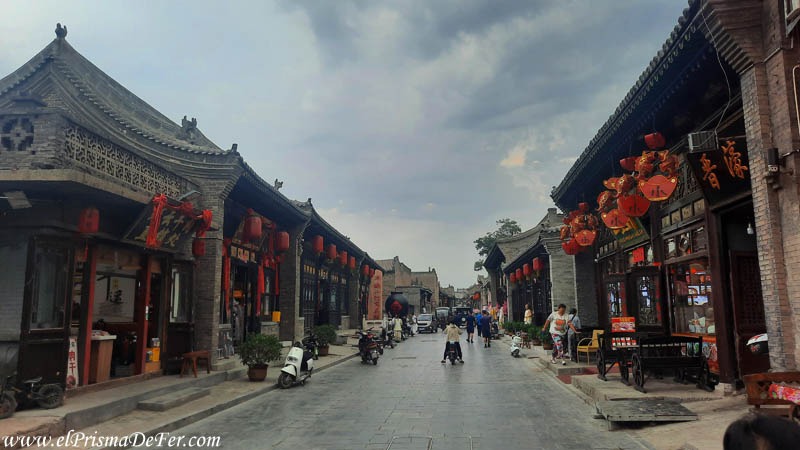
While many urban centers were demolished or modernized, Pingyao did not experience the same level of industrialization or growth, allowing its original structure to remain almost intact.
During the Ming and Qing dynasties, it was an important financial center, but over time it lost economic relevance. This decline ultimately worked in its favor from a heritage perspective, as it prevented major urban transformations.
This historical continuity was key to its being considered today as one of the best examples of a preserved traditional Chinese city.
My impressions of Pingyao
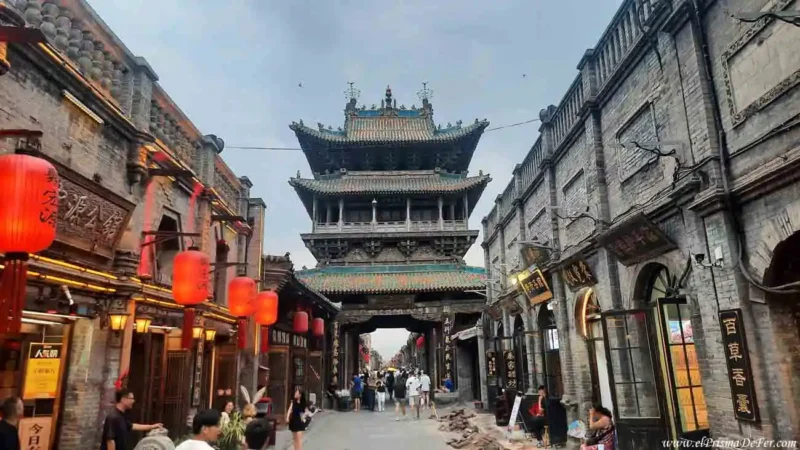
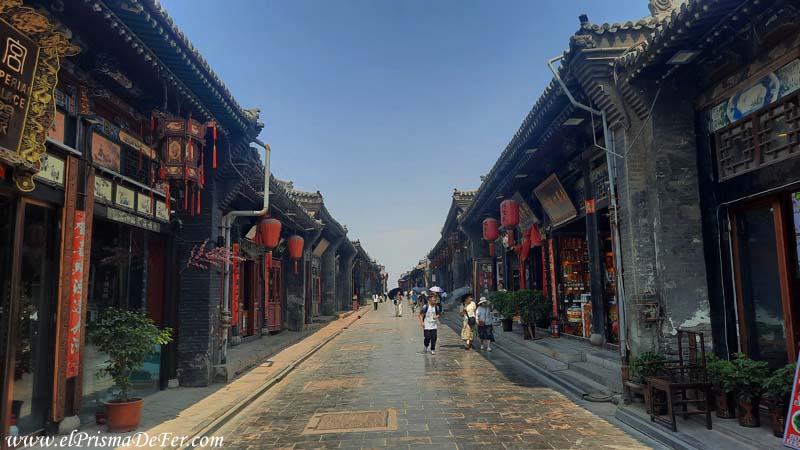
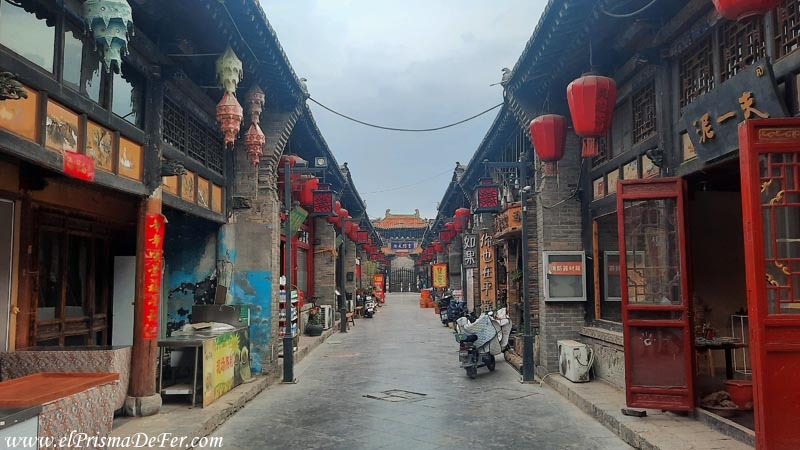
While it's true that Pingyao retains its traditional architecture and medieval appearance, and that walking through its streets is quite picturesque, the feeling it left me with was rather different from what I expected. Instead of feeling like I was traveling back in time, I had the impression of being in a kind of artificial city built for tourism.
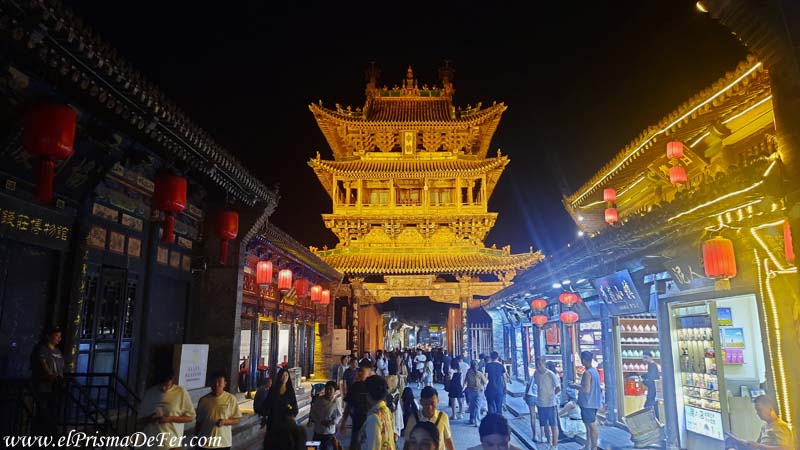
The sheer number of visitors and the overwhelming presence of shops, souvenir stands, and tourist-oriented businesses detract significantly from its authenticity. While there are some interesting corners where you can better appreciate its historical atmosphere, overall I didn't achieve the genuine connection I had envisioned before arriving.
Besides, it's a relatively small city. You can easily explore it several times in a day, which also makes it pointless for me to come all the way here just to wander around for a few hours and take some cool photos.
How does the Pingyao ticket work?
Do you have to pay to enter the city?
No. You can freely enter the walled city without paying anything. The ticket is only for access to the main historical buildings and attractions within the city.
How much does the ticket cost?
The combined pass costs approximately 125 RMB (about 15–20 USD) for adults.
There are discounts for students and free entry in some cases (young children or older children).
How long does it last?
The ticket is valid for 3 consecutive days, which is quite generous considering that most people visit Pingyao in 1 day.
However, each attraction can only be visited once within those 3 days.
What does it include?
The pass includes access to approximately 20–22 top attractions, such as:
- The city wall
- Former banks (such as Rishengchang Draft Bank)
- Temples (Confucian, of the city god, etc.)
- Old government offices
- Traditional houses and museums
What is NOT included?
There are some things that cost extra:
- Shows like “Encore Pingyao”
- Temples outside the city (such as Shuanglin or Zhenguo)
- Internal transport (electric carts)
Is it worth buying?
Depends:
- If you want to visit several historic buildings → yes, it's worth it
- If you just want to walk around and see the city from the outside → you don't have to buy it
Many travelers end up visiting Pingyao more for its aesthetics than its interiors, so it's not a mandatory expense.

What to see in Pingyao
Beyond simply wandering aimlessly through its streets, here are some of the highlights:
Pingyao Wall
Walking along the city walls is one of the best ways to see the city from above. You can stroll along several sections and enjoy a panoramic view of the network of streets and traditional rooftops.
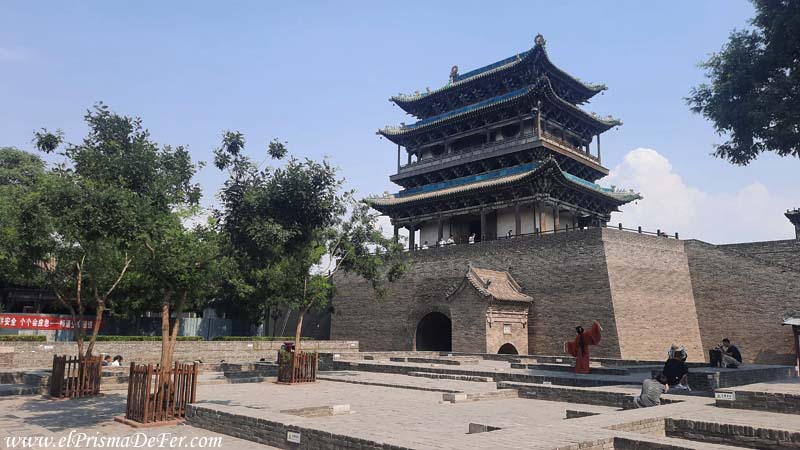
Ming and Qing Street
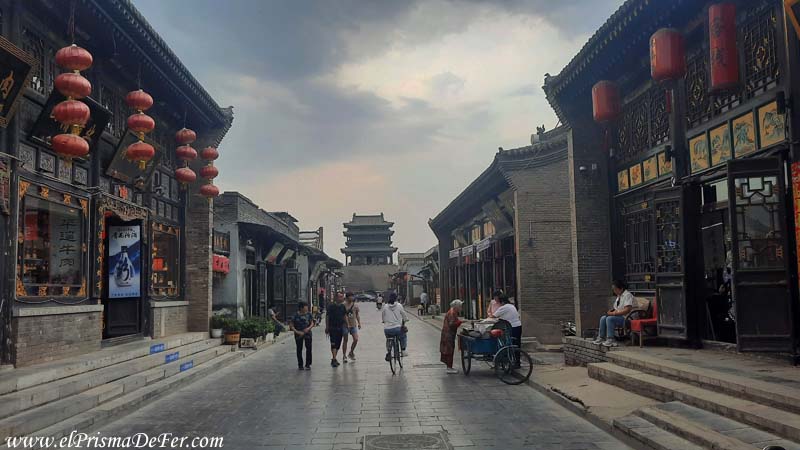
It's the main thoroughfare of the old town, lined with historic buildings, shops, and a constant buzz of activity. It can feel quite touristy, but it perfectly reflects Pingyao's classic aesthetic.
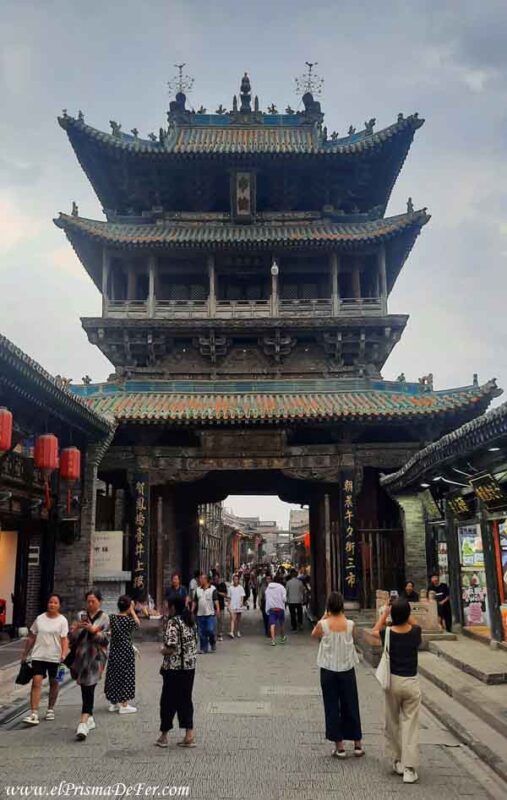
Rishengchang Draft Bank
Considered the first bank in China (see on the map), this place allows us to understand the role that Pingyao had as a financial center in the past.
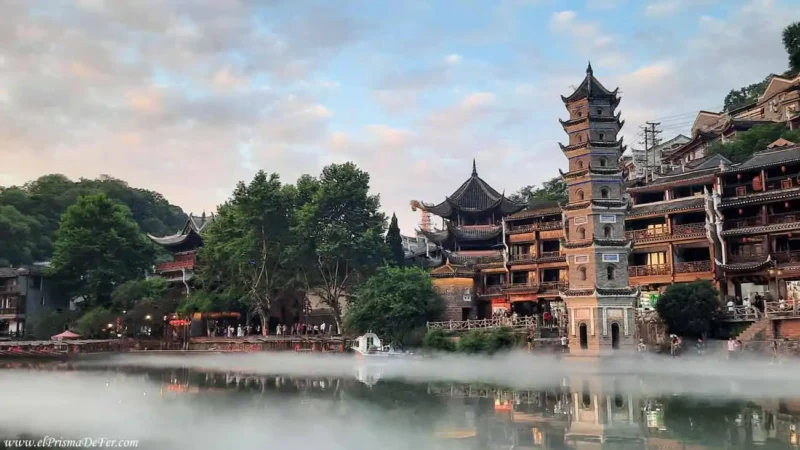
Temples and ancient residences
Throughout the city there are several temples and traditional houses open to the public, where you can see inner courtyards, typical architecture and a glimpse into life from other eras.
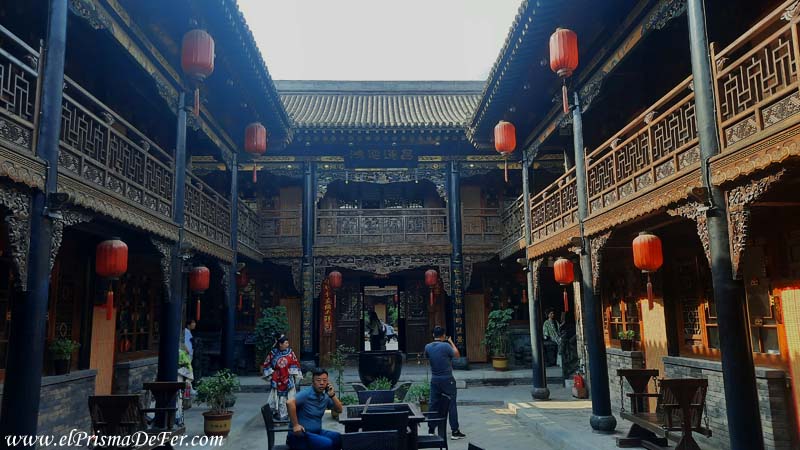
Towers and gates of the wall
The various access gates and defensive towers are also interesting to explore, especially if you enjoy history or photography.
Yungang Grottoes and the Giant Buddha of Datong
If you are visiting Pingyao, you can complement your trip with a visit to two of the most striking sites in the region: the Yungang Grottoes and the imposing Giant Buddha of Datong.
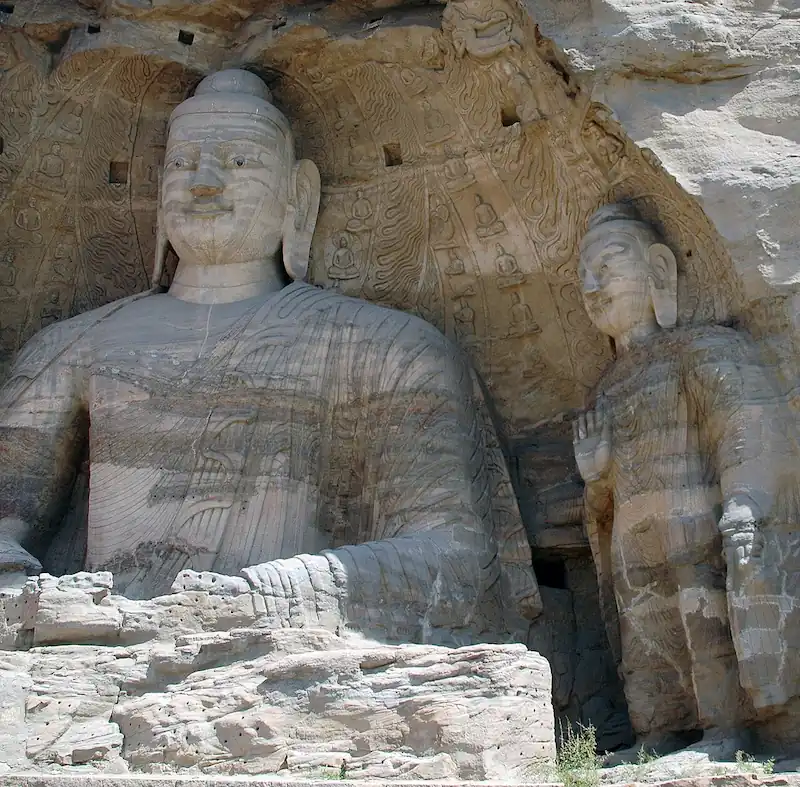
Although they're not in the same city, it's a fairly common combination. From Pingyao you can take a train to Datong (about 4–5 hours), which is the ideal base for exploring those places.
Why might it be worthwhile?
The Yungang Grottoes are one of China's most impressive collections of Buddhist art, with thousands of sculptures carved directly into the rock more than 1,500 years ago. Among them, the giant Buddha, a monumental figure, stands out.
How to organize it
The most practical thing to do is to dedicate at least one night to Datong:
- Day 1: Transfer from Pingyao
- Day 2: Visit to the grottoes and the Buddha
- Day 3: Continue your route (for example, towards Beijing or Xi'an)
How to get to Pingyao
From Beijing
The most practical way is the high-speed train (buy train ticket Beijing – Pingyao). The journey takes between 4 and 5 hours to the Pingyao Gucheng station (see location), which is a few kilometers from the walled city. From there, you can take a taxi or bus to the historic center.
There is also the option of a night train, which is cheaper, although it takes considerably longer.
From Xi’an
There are also high-speed trains connecting both cities in approximately 2.5 to 3 hours. It's one of the most common routes on a China itinerary.
As with Beijing, you'll most likely arrive at Pingyao Gucheng and then have to make a short transfer to the ancient city (buy Xi’an – Pingyao train ticket).
In both cases, the train is the best option for comfort, frequency and travel time, especially if you are planning a route between Beijing and Xi'an.
Where to stay in Pingyao
Within the historic city center, there are many traditional accommodations, especially in old houses converted into boutique hotels. While these can be appealing, prices are generally higher.
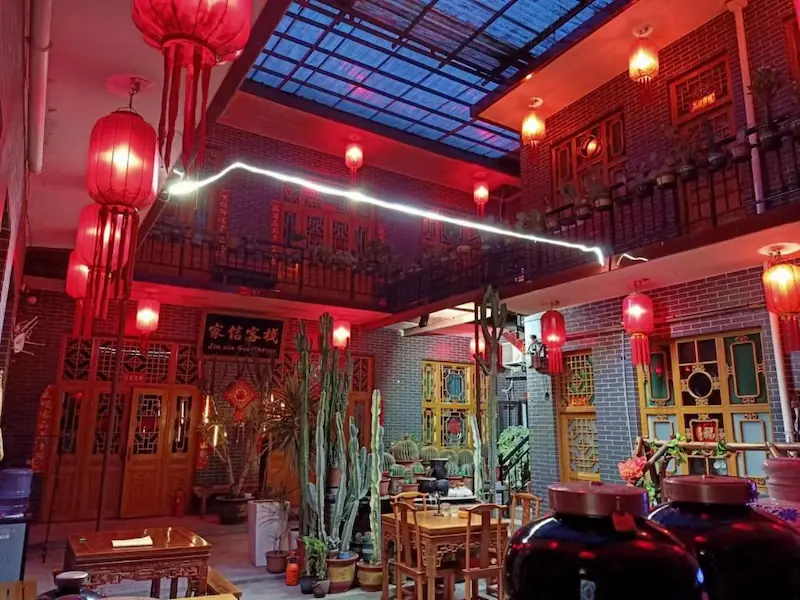
I decided to stay outside the city walls at Pingyao Jiaxin Guesthouse (see Booking or Trip.com), and it ended up being one of the best parts of my visit to the city. The owner is incredibly friendly, speaks excellent English—something not so common in China—and is always willing to help or simply chat. It's clean, has a Western-style bathroom, and is very straightforward.
Final thoughts on Pingyao
After my initial disappointment visiting the Terracotta Warriors, Pingyao ended up being the second. And I don't mean that in a bad way, because I fully understand that it's a place many people can enjoy, especially for its architecture and historical value.
But in my case, I just didn't connect. I walked around almost on autopilot, without the sense of wonder or interest I usually feel when a place truly captivates me. Beyond the visual appeal, I couldn't fall in love with the city.
Personally, knowing all there is to see in China, it's a destination I could skip if time is limited. It's interesting, yes, but I didn't find it essential.
Frequently asked questions about visiting Pingyao
How many days are needed to visit Pingyao?
A full day is enough to explore the walled city and its main points of interest. Even if you're short on time, you can easily visit it all in a single day.
Is it worth including Pingyao in a China itinerary?
Not for me, although it depends on what you're looking for. It's a good stop to see a well-preserved historic city, but it might not meet your expectations if you're looking for a less touristy place.
Is it possible to explore it independently?
Yes, the city is small and easy to explore on foot. Hiring a guide isn't necessary, although they can provide historical context if you're interested in learning more.
Is there an entrance fee?
Yes, to access several of the main attractions within the walled city, you usually buy a combined ticket that includes temples, historic houses, and other buildings.
Is it very touristy?
Yes, quite a lot. It's one of China's most visited historical cities, so you'll find many tour groups and a large number of businesses catering to them.
Is it possible to walk along the wall?
Yes, you can walk along part of the wall and it's one of the best ways to get a general view of the city from above.
Is it easy to get around within the city?
Yes, everything is quite close and you can easily walk around. The main streets are well connected and it's difficult to get completely lost.
What is the best time to visit?
Spring and autumn are usually the best seasons, with pleasant temperatures. Summer can be quite hot, and winter is cold, though with fewer tourists.
Can it be visited at night?
Yes, the city has nighttime lighting and a different atmosphere after sunset. However, many attractions close early, so a nighttime visit is more for strolling than going inside.
Support The Prism of Fer!
Your support helps me continue creating free content on the blog. Thank you so much!