The Quebrada de Humahuaca is one of the most emblematic landscapes of northern Argentina and one of the richest cultural regions in the country. Declared a UNESCO World Heritage Site, this Andean valley stretches for more than 150 kilometers along the course of the Río Grande, amidst multicolored mountains, historic towns, and traditions that have remained alive for centuries.
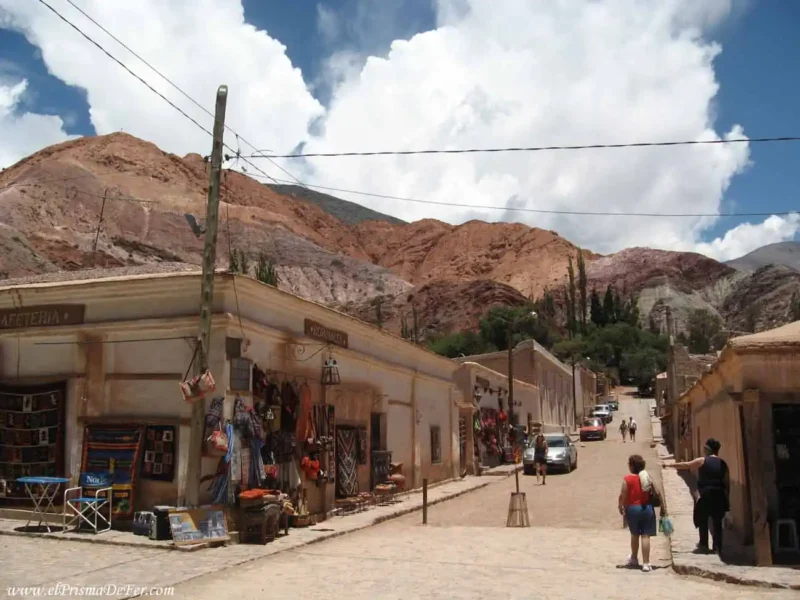
Traveling through the gorge is like taking in a succession of postcards, with hills of colorful hues, adobe houses, craft fairs and small towns where life moves at a different pace.
From Purmamarca and its famous Hill of Seven Colors, to Humahuaca, Tilcara or Maimara, each town has something to offer, whether it be nature, history or local gastronomy.
In this guide I'll tell you what to see in the Quebrada de Humahuaca, which towns you can't miss on the tour, how to get around between them and some practical tips to organize your visit and make the most of one of the most fascinating destinations in northwest Argentina.

This post may contains affiliate links. If you purchase through these links, I may earn a commission at no extra cost to you. Thank you for your support!
Table of Contents
Where is the Quebrada de Humahuaca located?
The Quebrada de Humahuaca is located in the northwest of Argentina, within the province of Jujuy, and extends for about 155 kilometers following the course of the Grande River, at an average altitude ranging between 2,000 and 3,000 meters above sea level.
The valley begins north of the city of San Salvador de Jujuy and extends to the vicinity of La Quiaca, very close to the border with Bolivia.
Geographically, the ravine functions as a natural corridor between the Altiplano and the lower valleys, and has been used since pre-Hispanic times as a trade and communication route.
Today, National Route 9 runs through the entire region and connects most of the towns and points of interest.

How the Humahuaca Gorge was formed
The Quebrada de Humahuaca is the result of a long geological process that extended over millions of years.
The erosion caused by the Grande River, combined with the uplift of the Andean mountain range, shaped this narrow and deep valley, giving rise to the mountain formations and the characteristic multicolored hills that identify the region today.
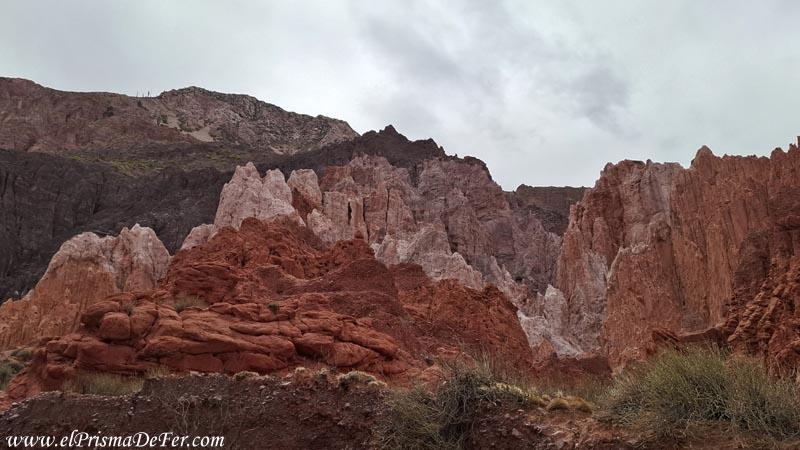
The different tones visible in the mountains are due to the presence of minerals accumulated in layers over time, which were exposed by the action of wind and water.
The Indigenous Peoples in the Quebrada de Humahuaca
Among the native peoples who inhabited and still inhabit the region, the omaguacas stand out, who gave their name to the ravine, in addition to tilcaras, purmamarcas and uquías communities, organized in agricultural and pastoral villages.
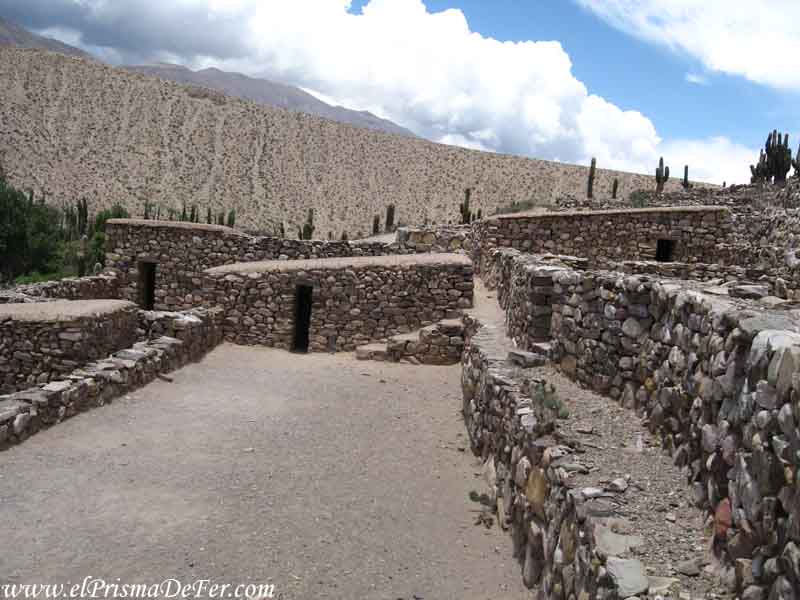
These cultures developed agricultural terrace systems, irrigation techniques, and defensive constructions, such as the Pucará de Tilcara, which can still be visited.
With the expansion of the Inca Empire, the ravine became integrated into the Qhapaq Ñan or Inca Road, reinforcing its role as a means of communication and territorial control.
Later, the arrival of the Spanish transformed the region, although many indigenous traditions managed to remain and blend with colonial elements.
What to see in the Quebrada de Humahuaca
There are many towns and landscapes to see along the Quebrada de Humahuaca, but just to highlight a few, we can mention:
Tilcara
Tilcara is one of the main tourist centers of the Quebrada and an excellent base for exploring the region.
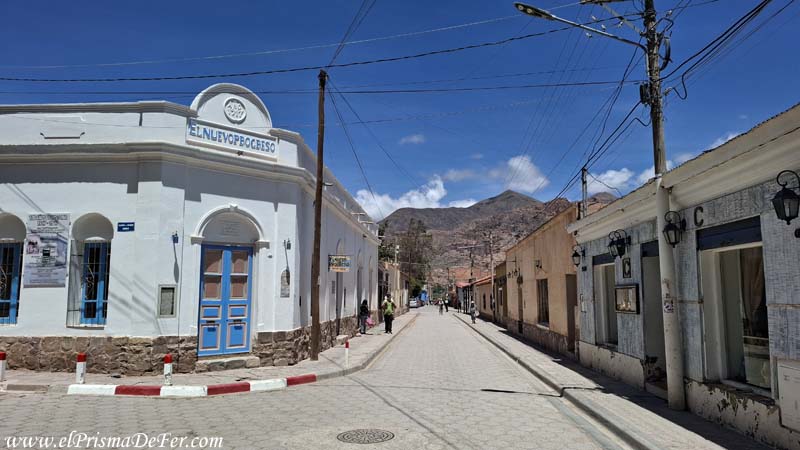
Su mayor atractivo es el Pucará de Tilcara, una antigua fortaleza prehispánica ubicada en lo alto de una colina, y la Devil's Throat, un cañón al que se puede descender y llegar hasta una cascada.
In addition, Tilcara has a good selection of accommodations, restaurants and peñas (traditional music venues), making it an ideal stop for those who want to combine daytime excursions with some nightlife.
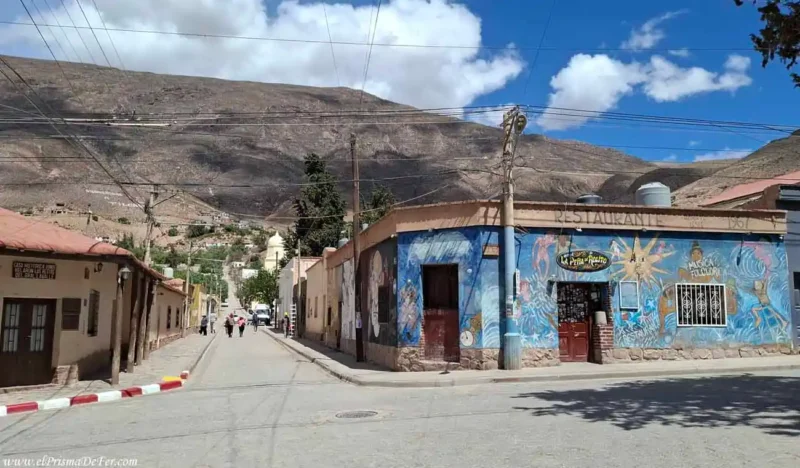
Purmamarca and the Salinas Grandes
Purmamarca is famous for the Hill of Seven Colors, one of the most photographed landscapes in northern Argentina.
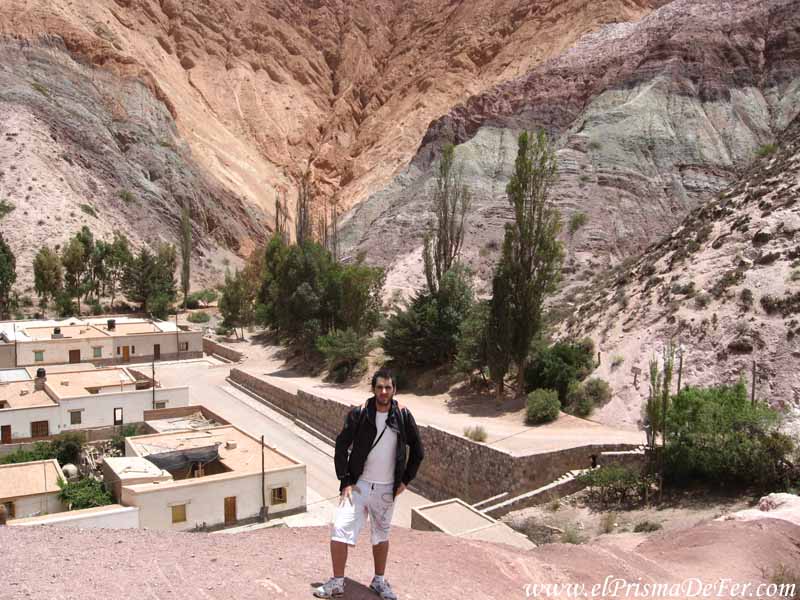
The town is small and quiet, with adobe houses, a historic church, and a craft market that sets up around the main square.
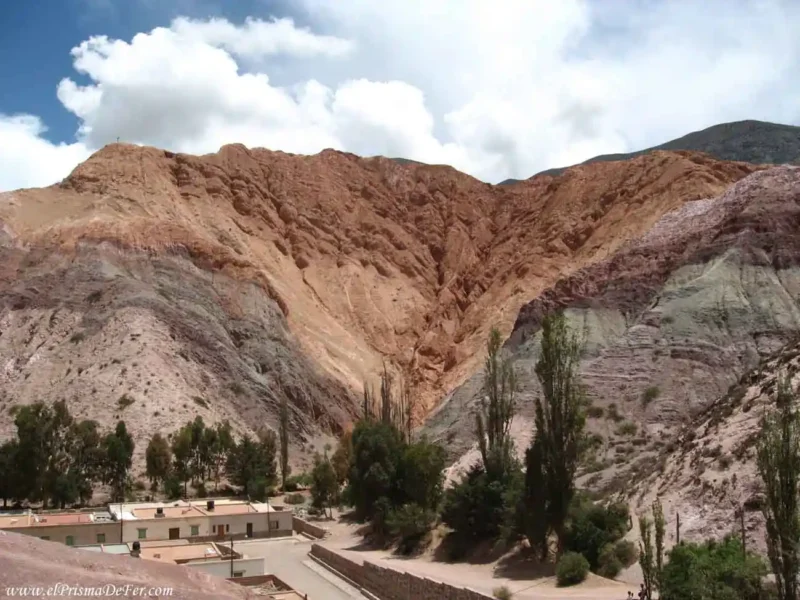
Furthermore, from Purmamarca, one of the most spectacular roads in the region starts, which ascends through the Lipán Slope to the Salinas Grandes, an enormous white salt flat located at more than 3,400 meters above sea level.
Maimara
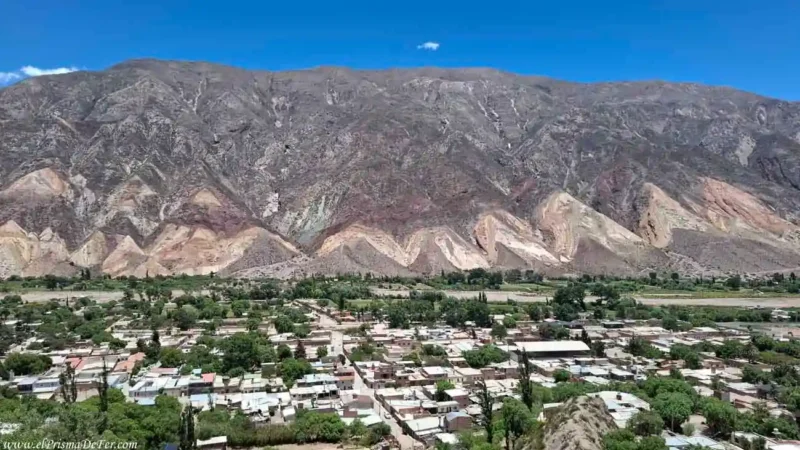
Maimara, recently named one of the most beautiful rural villages in the world, is usually a short but very interesting stop.
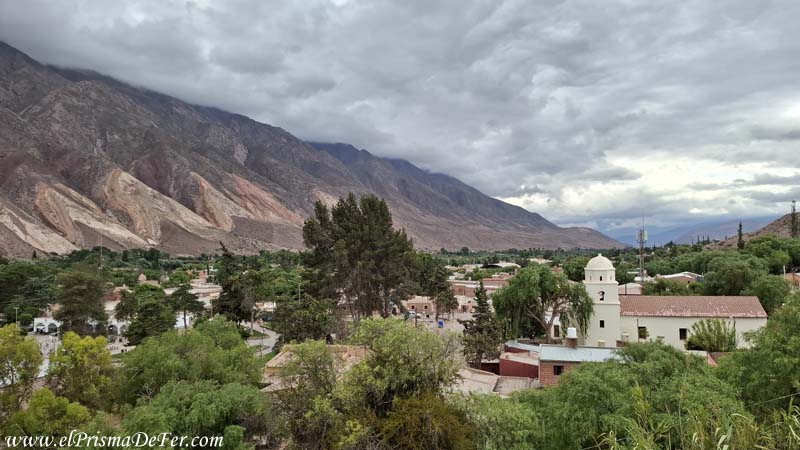
The town is surrounded by a hill called the Painter's Palette, a mountain formation with a striking combination of colors, especially at dawn and dusk.
In addition to its scenery, Maimará maintains a more rural and quiet profile, ideal for those who want to see a less touristy side of the ravine.
Uquia
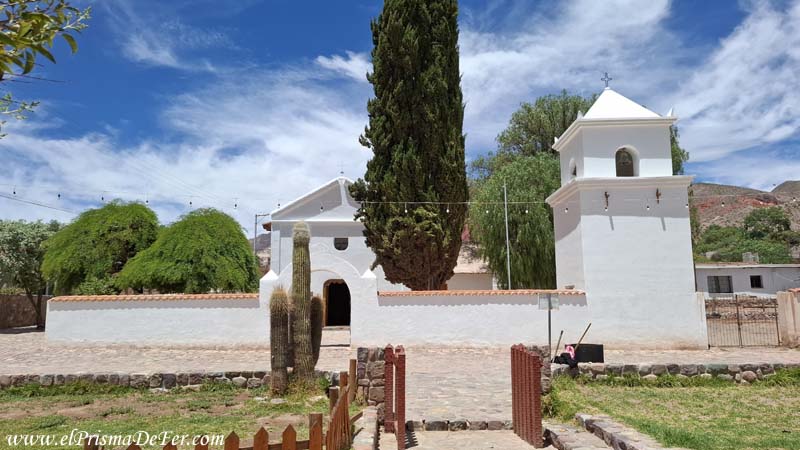
Uquía is known for its small but valuable Church of San Francisco de Paula, which houses the famous collection of Arquebusier Angels, paintings of colonial origin unique in the region.
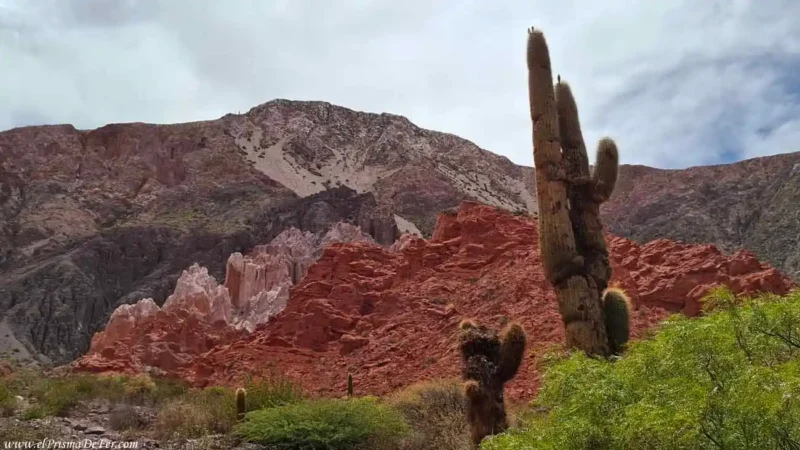
In addition, for those who enjoy hiking, it is possible to take a walk towards the Quebrada de las Señoritas, a relatively easy route that allows you to go among reddish-toned rock formations and enjoy a landscape different from that of the main valley.
Humahuaca and the Hornocal
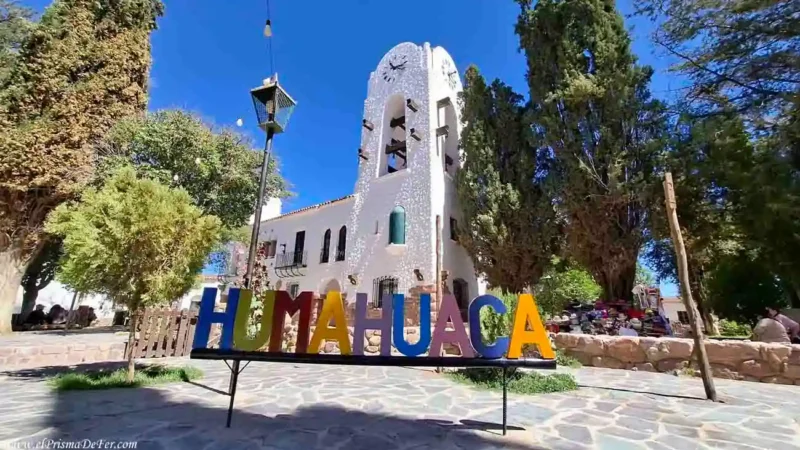
Humahuaca is the largest and most historic town in the Quebrada. Its center revolves around the main square, where the Monument to the Heroes of Independence, the town hall, and the church are located.
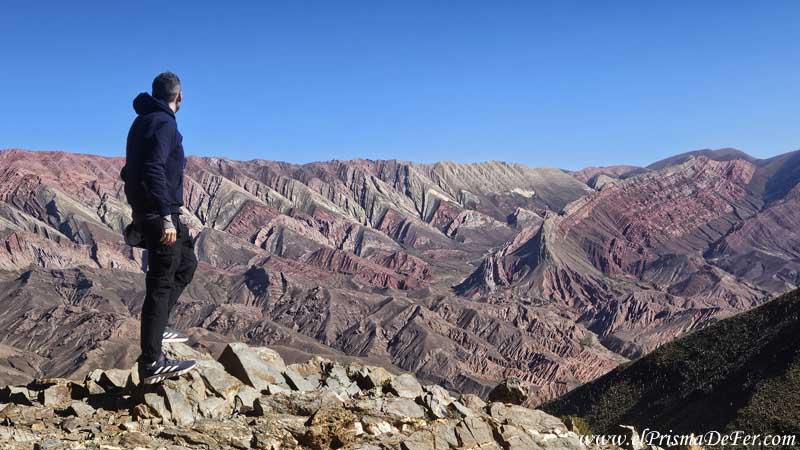
From here also departs the excursion to Cerro de los Catorce Colores (Hornocal), one of the most impressive landscapes in northern Argentina.
La Quiaca
La Quiaca is the northernmost city in the country and marks the border with Bolivia.
More than for its tourist attractions, it is visited for its symbolic value and for the possibility of crossing to the Bolivian city of Villazón.
It is a stop that is usually made in passing, but it allows you to appreciate the distance covered by the ravine and to learn about a key point in the history and trade of the region.
Iruya
Although administratively it belongs to the province of Salta, Iruya is often included in tours of the Quebrada de Humahuaca.
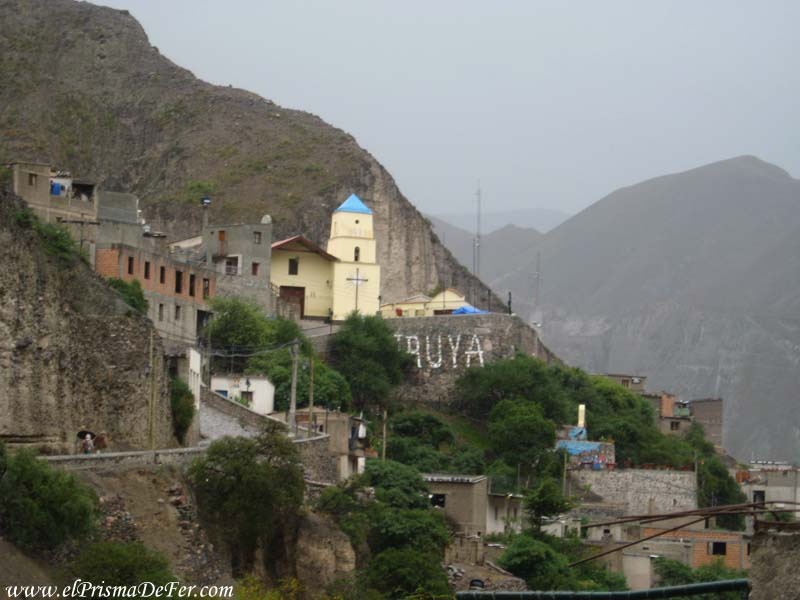
The town is perched among mountains, with steep streets and unique views. It is one of the most picturesque towns in northern Argentina and an ideal destination for those seeking distinctive landscapes.
How to get to the Quebrada de Humahuaca
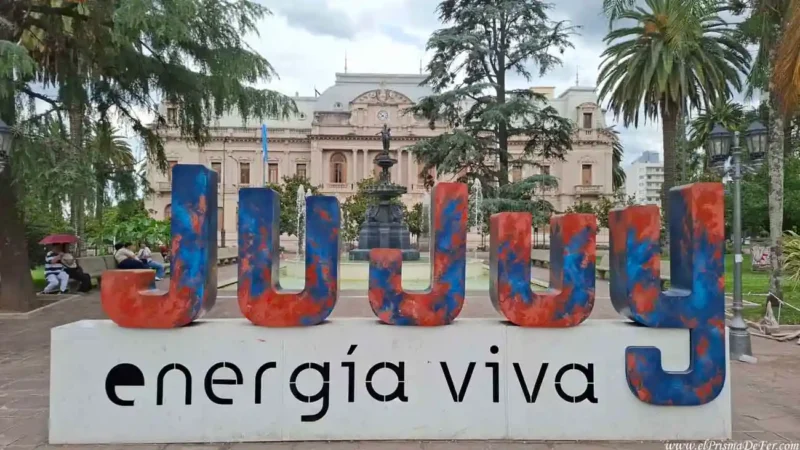
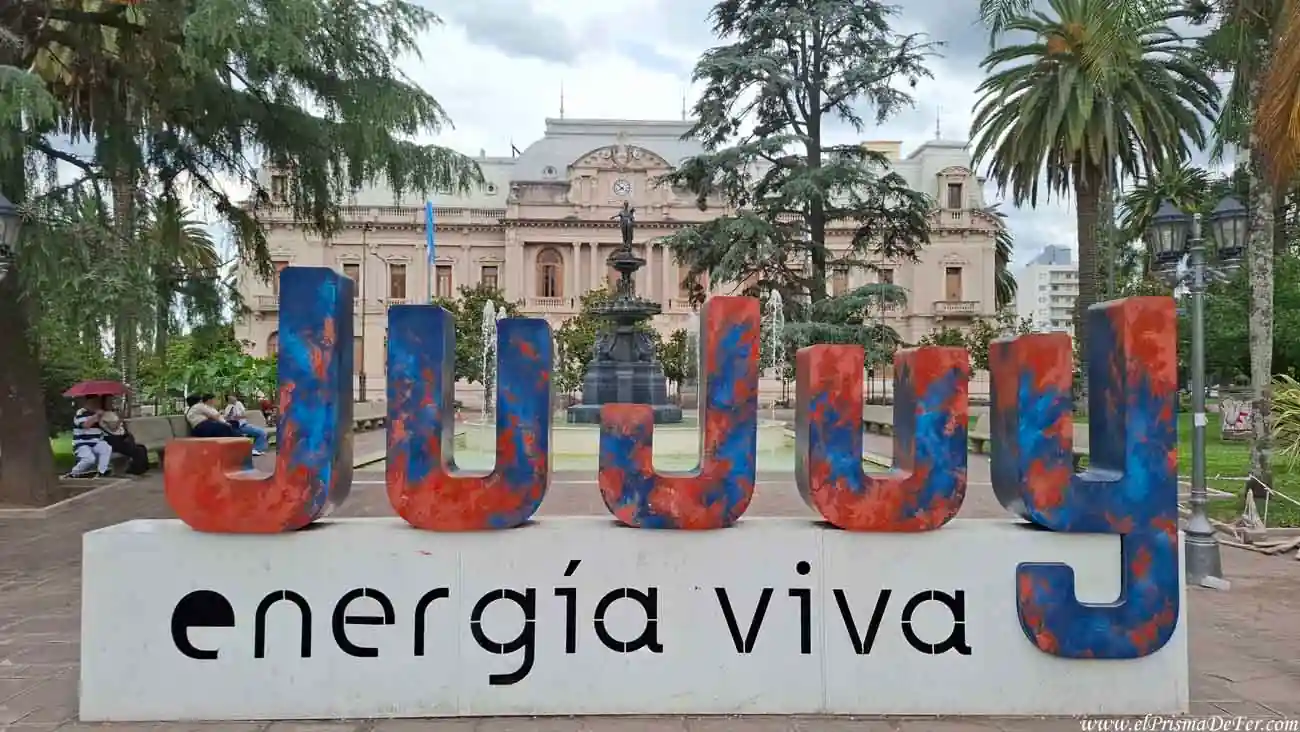
The Quebrada de Humahuaca is easily accessible from the city of San Salvador de Jujuy, the main gateway to the region.
Depending on your starting point and the means of transport chosen, there are several ways to get there.
Arrive by plane
The quickest way to reach the gorge is to fly to Governor Horacio Guzmán International Airport (JUJ), located about 35 km from San Salvador de Jujuy. The airport receives regular flights from Buenos Aires and other cities in the country.
From the capital of Jujuy, you can continue to the gorge by bus, van, private transfer or rental car.
Arrive by bus
San Salvador de Jujuy has a new bus terminal, well connected to the rest of the country, with daily services from cities such as Buenos Aires, Córdoba, Salta and Tucumán.
Once in the capital of Jujuy, frequent buses depart for Purmamarca, Tilcara, Humahuaca and other towns in the Quebrada.
It is also possible to arrive first in Salta and from there take a bus to Jujuy or directly to some towns in the Quebrada, a common option for those who travel through northern Argentina by land.
Arrive by car
From San Salvador de Jujuy, you can access the gorge via National Route 9, which runs through the entire valley in good condition and passes through the main towns.
From Salta, the route combines RN 9 and RN 34, with a total distance of approximately 180 km to Tilcara.
Arrive on an organized tour
Another option is to book a full-day excursion from San Salvador de Jujuy or Salta. These usually include stops in Purmamarca, Tilcara, and Humahuaca, and in some cases, a visit to Hornocal.
How to get around in the Quebrada de Humahuaca
The Quebrada de Humahuaca is an extensive tourist corridor (over 150 km), and depending on your budget and travel style, you can get around its towns and attractions in different ways. These are all the available options:
Bus transport
Intercity buses connect the main towns in the Quebrada de Humahuaca, such as San Salvador de Jujuy, Purmamarca, Tilcara, Maimará, Humahuaca, and La Quiaca. They are an economical and fairly frequent option, although schedules may vary depending on the season and day of the week.
These buses usually make the entire journey from San Salvador de Jujuy to La Quiaca, stopping in the most important intermediate towns, offering you flexible routes without needing your own car.
By car or private transport
Renting a car or hiring a private transfer is ideal if you want maximum independence to stop wherever you like. The road conditions are good along most of the main corridor (National Route 9), although for some secondary roads, such as Hornocal, a vehicle with good ground clearance is recommended.
Solar Train of the Quebrada
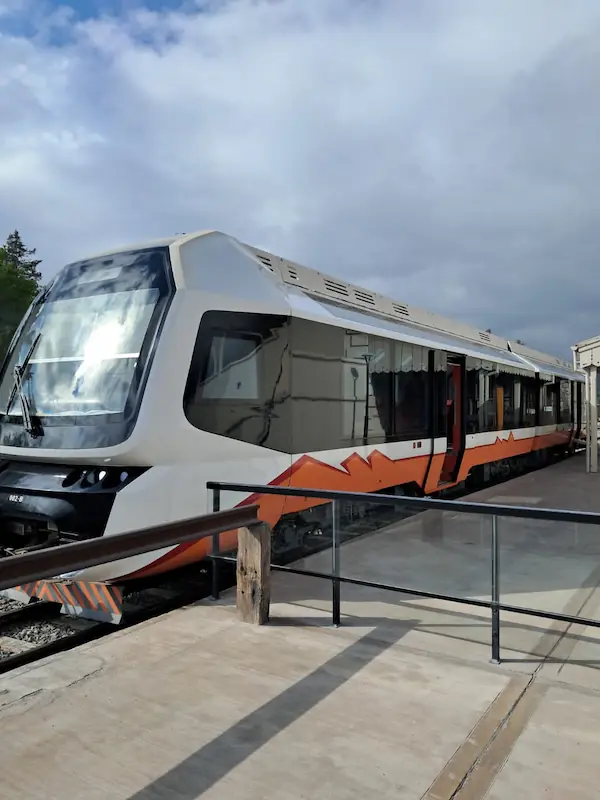
A different and sustainable way to get around the gorge is aboard the Humahuaca Gorge Solar Train, a tourist initiative that travels through some of the most important towns using trains powered by solar energy and electric batteries.
What is it and how does it work?
The Solar Train is a tourist service that follows part of the ravine's route and allows passengers to get on and off at some stations during the day.
Route and stations
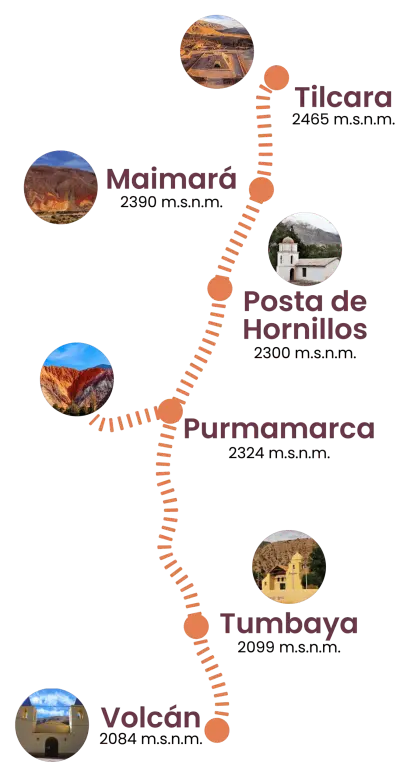
The train covers a route of approximately 42 km, with views of the mountainous and desert landscapes that characterize the region.
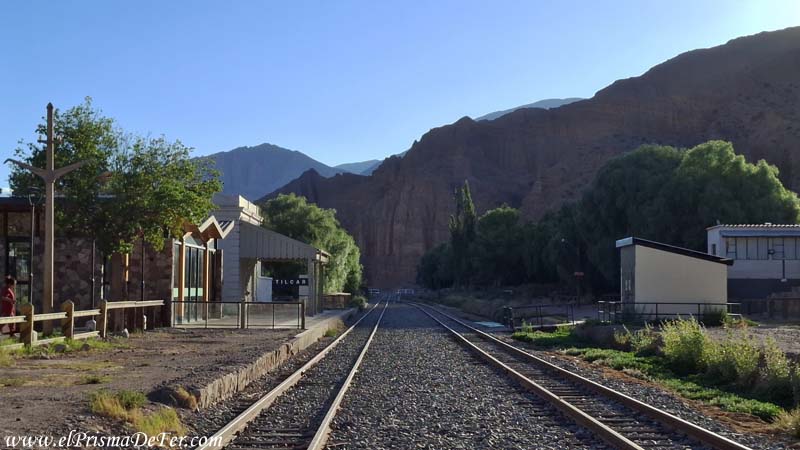
It currently makes official stops at these stations:
- Volcan (where it begins)
- Tumbaya
- Purmamarca (the station is 3km from the town)
- Posta de los Hornillos
- Maimara
- Tilcara (where it ends)
Duration and modality
The Quebrada Solar Train doesn't operate like a normal train. To use it, you need to book one of the "experiences," which include the route and stops in the various towns.
The most extensive option is the 360° Experience, a full-day program that lasts approximately 10 hours.
Throughout the day, the train makes long stops at each station, with time to explore the villages (although very little in my opinion) and enjoy the surroundings before continuing the journey.
For those with less time, there is the 180° Experience, a shorter tour that starts from Purmamarca and allows you to see part of the train route, maintaining the tourist focus but in fewer hours.
Solar Train Prices to 2026
- Foreign tourists → $75,000 Argentine pesos
- Argentine tourists → $50,000 Argentine pesos
- Minors and retirees → $33,000 Argentine pesos
I recommend visiting the official website to learn more about how the service works, the schedules, and updated prices.
Is the Solar Train worth it?
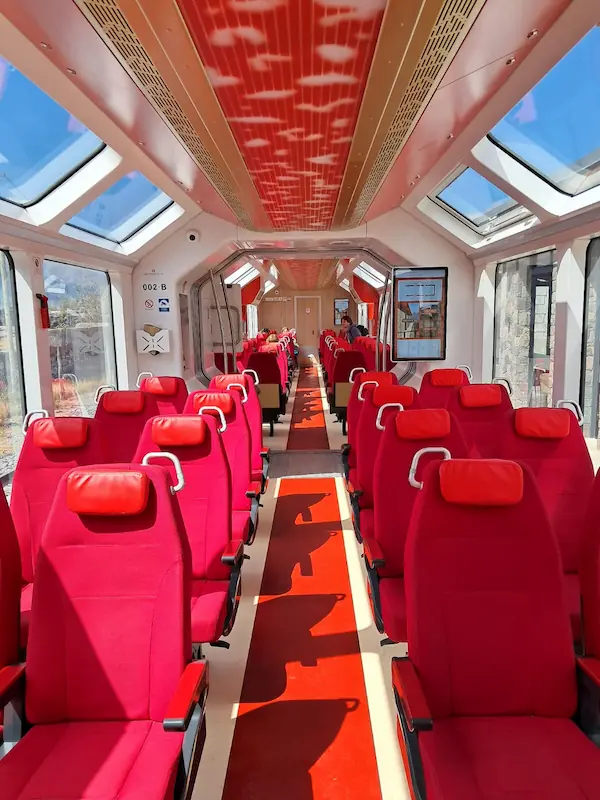
The answer is, it depends. On the positive side, the Quebrada Solar Train offers a picturesque and unique way to explore the region, allowing you to travel by train while enjoying the scenery without having to drive.
It is an original and visually appealing way to get to know some of the villages in the gorge.
However, the price is a bit high compared to traditional public transport, which is much cheaper and allows for greater flexibility.
Furthermore, the stops in each town are usually relatively short, generally from one to one and a half hours, which in many cases is not enough to explore them at a leisurely pace.
For this reason, I would say it's not the best option if you want to have more time to spend in the towns the train passes through. In those cases, traveling by bus or your own car is usually a more practical alternative.
Carnival in the Quebrada de Humahuaca
The Carnival in the Quebrada de Humahuaca is one of the most important and authentic celebrations in northern Argentina. More than a tourist event, it is a festival deeply rooted in Andean traditions, where ancestral rituals, music, dance, and community gatherings come together.
Carnival is usually celebrated between February and March, following the lunar calendar, and lasts for several days.
During Carnival, the towns of the Quebrada de Humahuaca fill with troupes of musicians and dancers who parade through the streets to the rhythm of sikus, erkes, and cajas. Colorful costumes, the use of flour, streamers, and foam are all part of the celebration, which is experienced in a highly participatory and collective way.
For those traveling during these dates, it is important to keep in mind that Carnival is peak season, so accommodations are booked up in advance and transportation may be affected by road closures and spontaneous celebrations.
Typical foods of the Quebrada de Humahuaca
The cuisine of the Quebrada de Humahuaca is closely linked to the Andean environment. Many of the dishes are simple, hearty, and designed for the climate and life in the mountains.
Northern empanadas
They are one of the most representative dishes of the region. They are generally prepared with hand-cut meat, onion, egg, and seasonings. They tend to be juicier than those from other provinces and can be found in practically every town in the Quebrada.
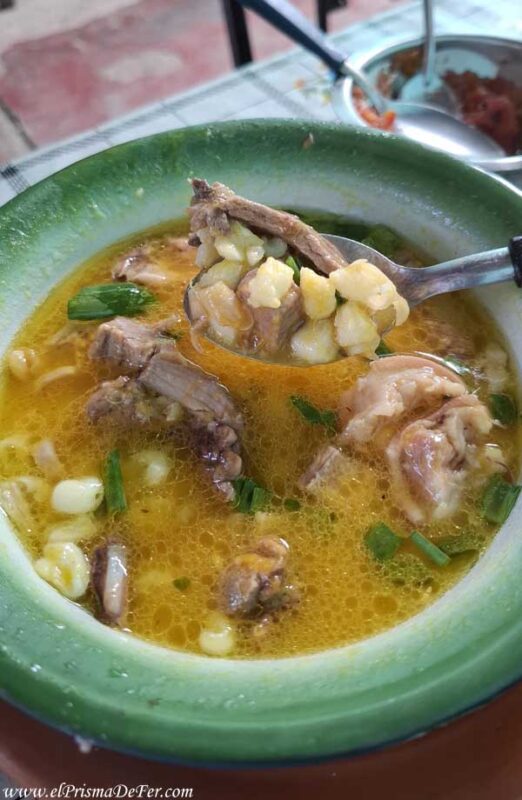
Locro
Locro is a typical dish from northern Argentina, very popular during national holidays and winter. It contains white corn, beans, squash, and various meats, and is ideal for cold days or for regaining energy after a day of hiking.
Humita and tamales
Corn is a central ingredient in the local cuisine. Humitas are prepared with grated corn, onions, and seasonings, cooked in husks or on a plate, while tamales combine corn dough with meat or vegetable fillings, wrapped, and steamed.
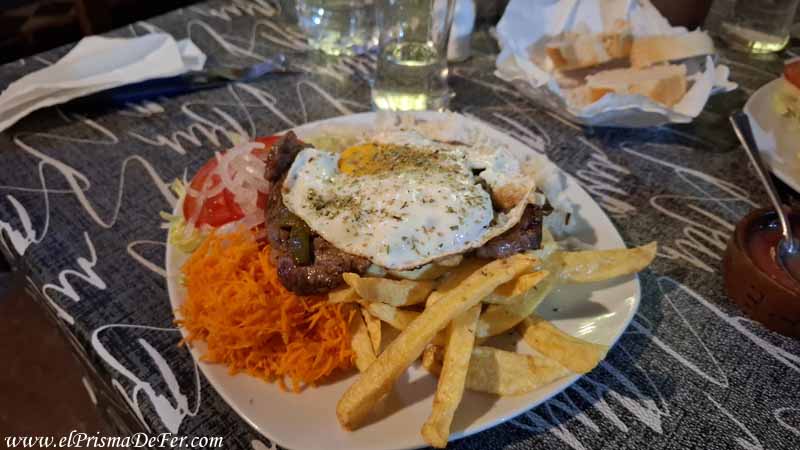
Llama meat
In many local restaurants and eateries, you can try llama meat, prepared in the oven, grilled, or in stews. It's a traditional dish in the Andean region.
Regional sweets and drinks
Among the typical sweets are those made with chayote, figs, and prickly pear, as well as the classic quesillo with sugarcane honey, a very common dessert. To drink, api or chicha are common, especially at celebrations and local festivals.
Best time to visit the Quebrada de Humahuaca
The Quebrada de Humahuaca can be visited year-round, but some times offer better conditions depending on the weather and the number of tourists.
The most recommended months are April, May, September and October, when temperatures are pleasant, there is less rain and the landscapes are well defined. It's an ideal time to explore the villages and go on excursions without the extreme heat, although it can also get quite cold.
The summer (December to March) coincides with the rainy season. Although the downpours are usually brief, they can affect secondary roads. In return, the ravine appears greener and more colorful, but also more touristy.
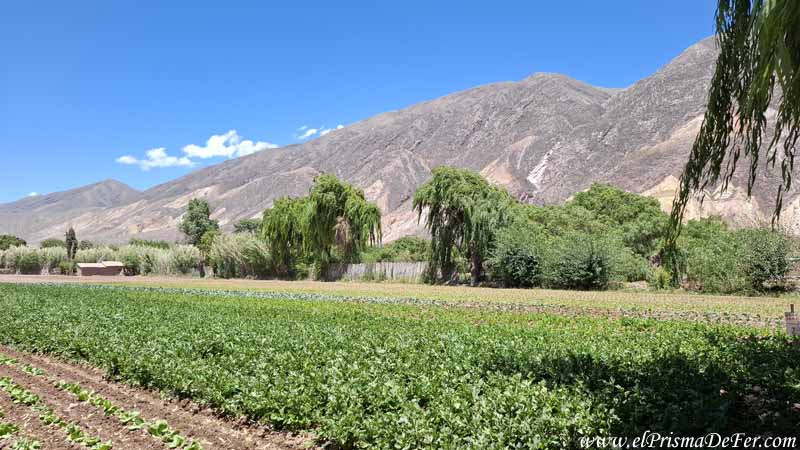
In winter (June to August) the days are usually sunny and dry, although the days and nights are cold, especially in high areas. July is peak season due to holidays, while June and August are quieter.
How many days to dedicate to the Quebrada de Humahuaca
With 2 days you can make a quick tour of the most well-known spots, such as Purmamarca, Tilcara and Humahuaca, although with little room to explore calmly.
With 3 or 4 days, which is the most recommended for a first visit, you can add the Salinas Grandes, Uquía and the Hornocal, enjoying the trip without rushing.
If you have 5 days or more, it is possible to include destinations like Iruya, spend more nights in small towns and explore the gorge at a much more relaxed pace.
Frequently asked questions about the Quebrada de Humahuaca
What is the best base to stay in?
It depends on the itinerary. Tilcara is one of the most practical bases due to its central location and range of services. Purmamarca is ideal if you're looking for tranquility and scenery, while Humahuaca works well for exploring the northern part of the Quebrada de Humahuaca.
Is it possible to explore the Quebrada without a car?
Yes. It is possible to get around by bus, vans and the Solar Train, although having your own car offers greater flexibility to stop at viewpoints and reach places less accessible by public transport.
Is height a problem?
Some areas are over 2,500 meters high, and Hornocal reaches over 4,300 meters. It's advisable to progress gradually, stay well hydrated, and avoid strenuous activity during the first few days.
How many days does it take to learn the main points?
With 3 or 4 days you can see the essentials of the gorge at a good pace. If you want to add Iruya or walk at a more leisurely pace, ideally you should allow 5 days or more.
Is it an expensive destination?
Overall, the Quebrada is an affordable destination compared to other tourist regions in the country. There are options for all budgets, from simple accommodations to boutique hotels.
Is it safe to travel through the Quebrada?
Yes, it's a very safe destination. As with any tourist area, it's advisable to take basic precautions and respect local signs, especially on mountain trails and paths.
Support The Prism of Fer!
Your support helps me continue creating free content on the blog. Thank you so much!