I visited Galle on a half-day trip from the beaches of southern Sri Lanka. The heart of the city is its Fort, a UNESCO World Heritage Site, a place where cobbled streets, colonial buildings, cafes, art galleries, and open views of the Indian Ocean coexist.
It's a very walkable area, ideal for a leisurely stroll and letting yourself be guided more by the atmosphere than by a list of attractions.
In this post I'm going to tell you what to see in Galle, what I thought of the place, how much time you should spend there, and whether, from my point of view, it's worth including in an itinerary for southern Sri Lanka.
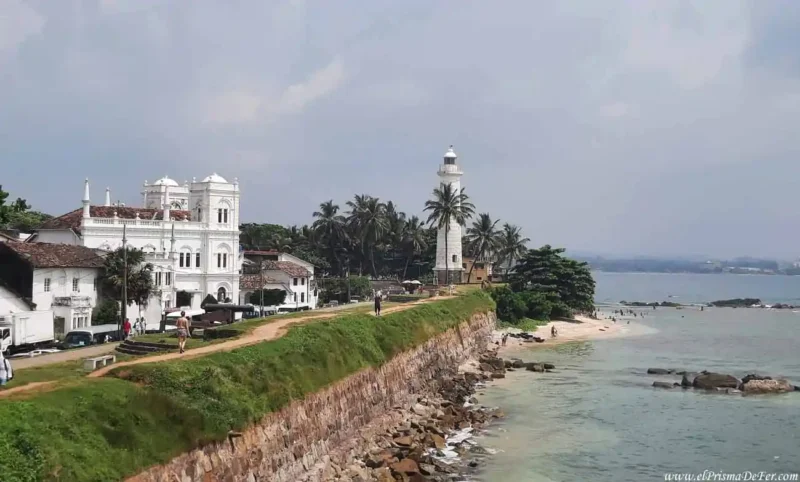

Table of Contents
Where is Galle located?
Galle is located on the southern coast of Sri Lanka, on the shores of the Indian Ocean, and is one of the most important historical sites in the country.
It is located about 120 km south of Colombo and very close to some of the most popular beaches in the region, such as Unawatuna, Mirissa and Weligama.
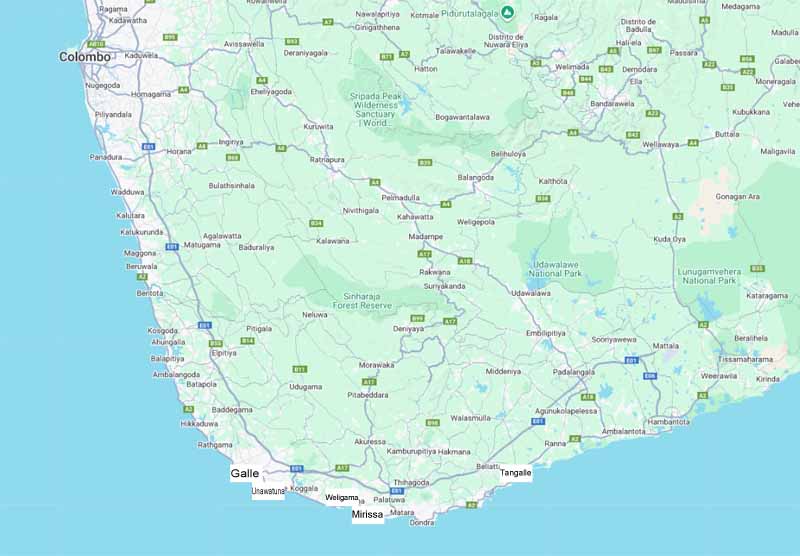
Thanks to this location, Galle is often visited as a day trip from the southern beaches, either for half a day or a full day.


How to get to Galle
If you're staying on one of the southern beaches, such as Unawatuna, getting to Galle is easy. You can easily get there by local bus or tuk tuk, with short journeys that rarely exceed one hour, depending on the starting point.
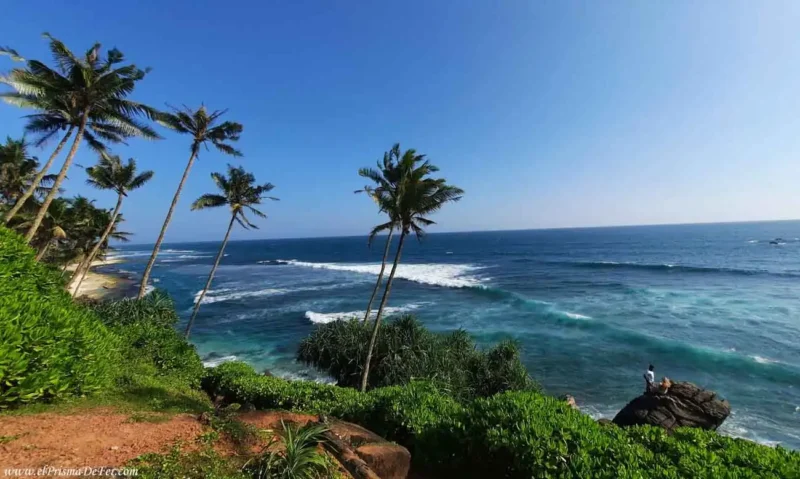
Precisely because of the short distances and good connection, Galle is ideal to visit without changing accommodation, adding it as an excursion from the nearby beaches and returning on the same day.
There are also frequent trains that run along the coast, connecting Galle with Colombo and the main towns in the south. It's an economical and practical option, and quite scenic as it follows the sea for several stretches, although it's worth noting that it can get very crowded.
You can also take a day trip from Colombo, visiting both Fort Galle and spending a few hours on a beach, an ideal plan if you want to avoid public transport and optimize your time.
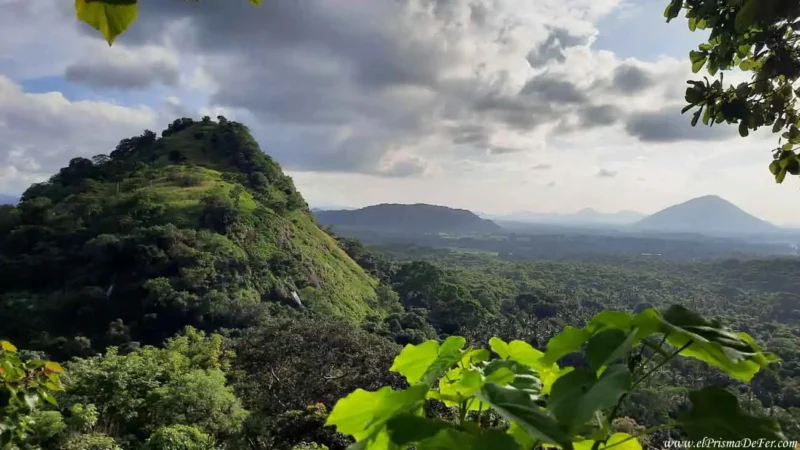
History of Galle
Galle is one of Sri Lanka's most historic cities and a clear reflection of the various powers that passed through the island over the centuries.
Long before the arrival of Europeans, the port of Galle was already a strategic point for the trade of spices, precious stones and other products that connected Asia with the Middle East and Europe.
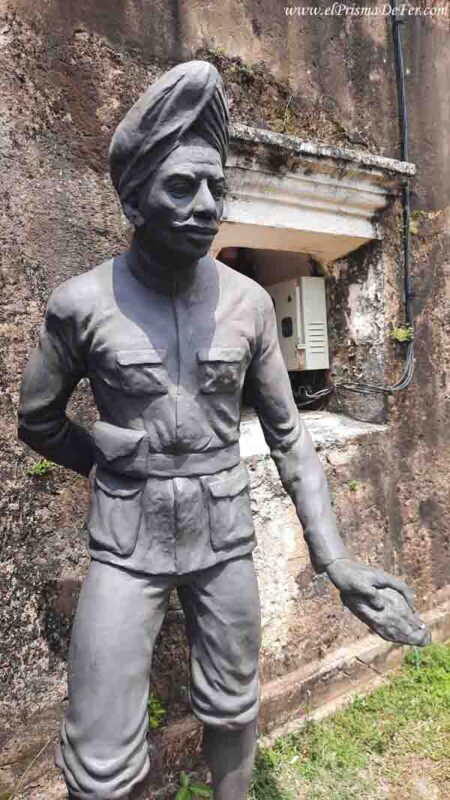
It was the Portuguese who arrived first, at the beginning of the 16th century, and established a basic fortification in the area.
However, the major change came in the 17th century with the Dutch occupation, which transformed Galle into a solid, planned fortified city. From that era dates the famous Galle Fort, one of the best-preserved colonial buildings in Southeast Asia.
Later, the British took control, although they maintained much of the Dutch structure.
Unlike other cities in the country, Galle managed to preserve its historical identity almost intact, even after the passage of time and events such as the 2004 tsunami.
What to see in Galle
Galle Fort
The Galle Fort is, without a doubt, the main attraction of the city and the reason why most travelers come here.
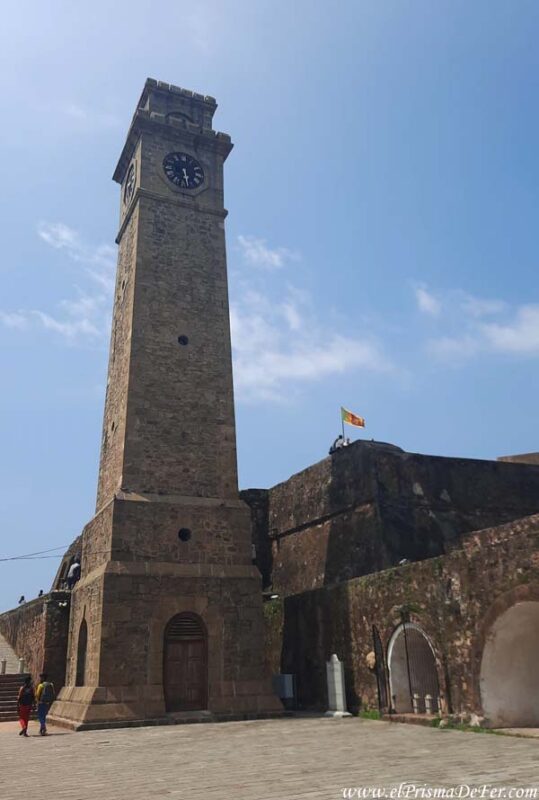
Declared a UNESCO World Heritage Site, this walled fort was built by the Portuguese and later expanded by the Dutch, and today it preserves a very interesting mix of European colonial architecture and local life.
Exploring Galle on foot is one of the best ways to get to know the city, especially the historic center within the fort. In just a few hours, you'll learn about the architecture, the old administrative buildings, the walls, and how local life and tourism coexist within the fort today.
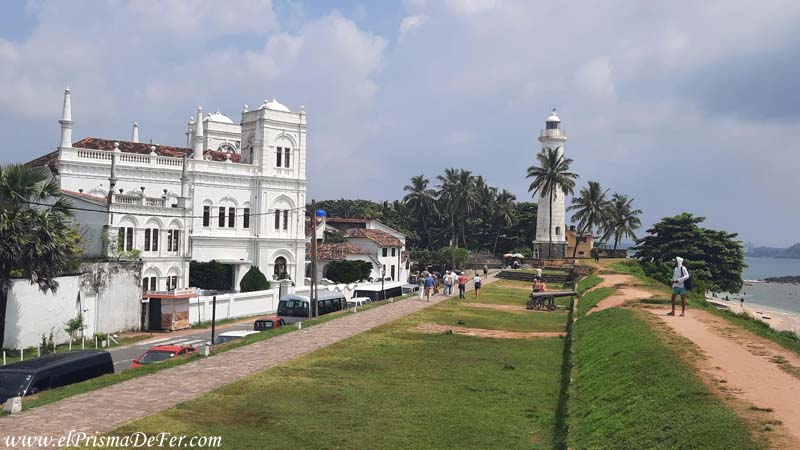
Walking along the walls, especially at sunset
One of the best things to do in Galle is to walk along the walls of the fort, especially at sunset. From there you have views of the Indian Ocean, the coast, and the interior of the historic city center.
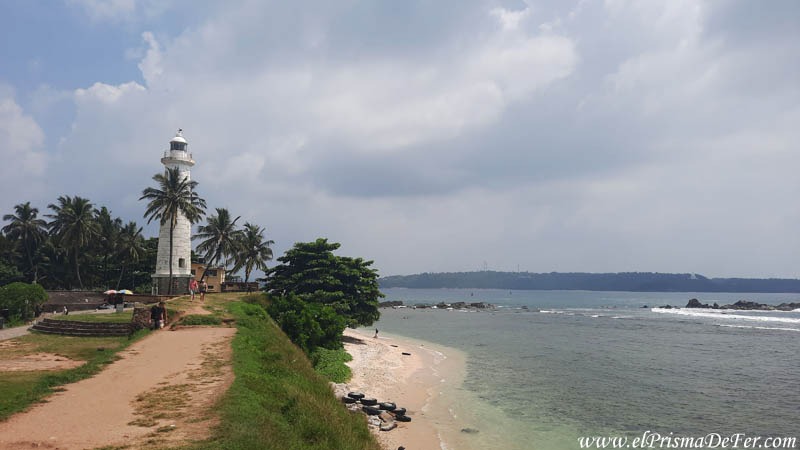
It's a very popular spot with both tourists and locals, who come to stroll, chat, or simply sit and gaze at the sea. The atmosphere is relaxed, and the sunsets are often among the most beautiful on the southern coast.
The Galle Lighthouse
The Galle Lighthouse is another of the city's icons. It's located within the fort, near the walls, and is one of the most photographed spots in Galle.
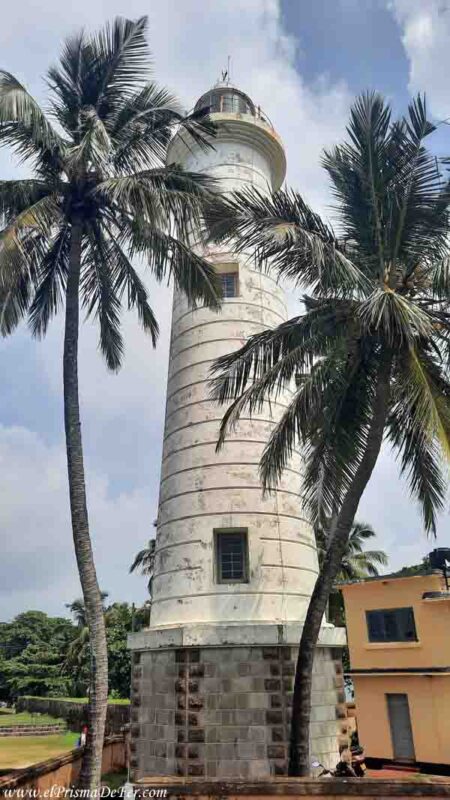
Beyond the classic photo, the surrounding area is very pleasant for walking and has sea views, ideal for a break during the tour of the fort.
Churches and colonial buildings
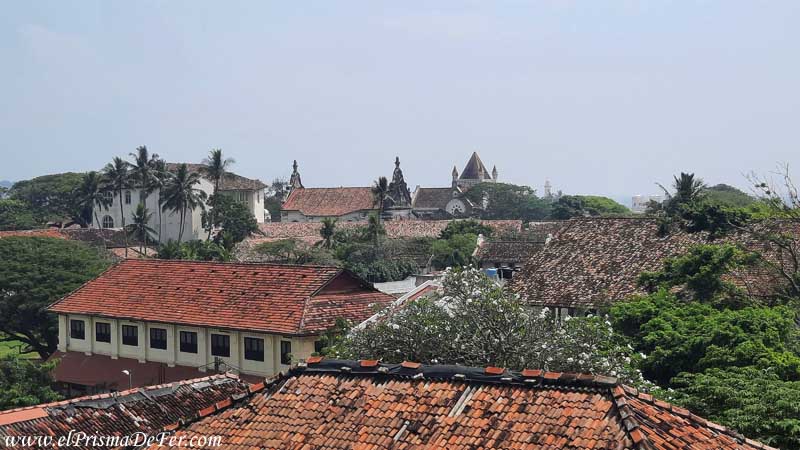
Within Galle Fort there are several historic buildings worth seeing, such as the Dutch Reformed Church, the All Saints’ Anglican Church or the old Dutch Hospital, now converted into a complex of restaurants and shops.
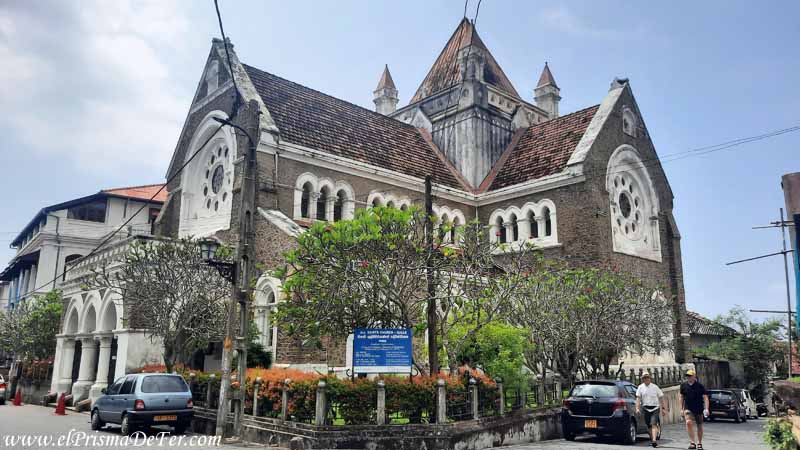
These buildings help to understand the strong European influence that the city had for centuries and give Galle a very different identity from the rest of Sri Lanka.
Shops, cafes and galleries
Galle is also a great place to relax, enjoy a good meal, or browse shops selling local crafts, clothing, and art. Unlike other destinations in the country, Galle offers a more diverse range of food and crafts, with both local and international options.
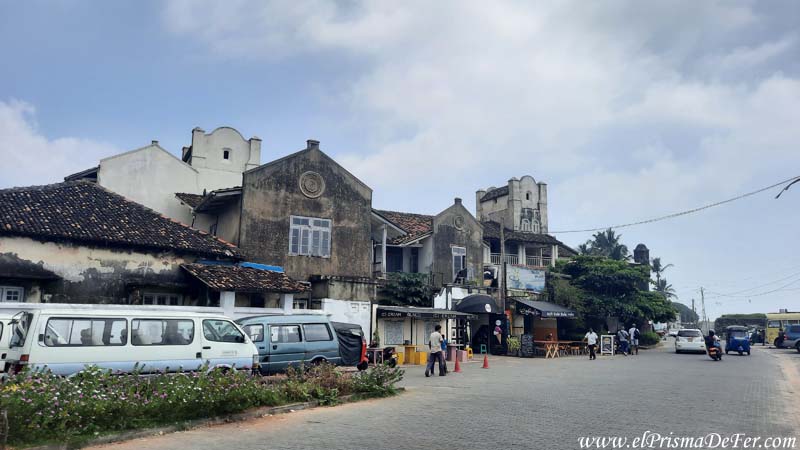
It's a great place to spend a few quiet hours, especially if you're coming from more relaxed beaches and want a change of pace without the chaos of a big city.
Activities organized near Galle
How long to stay in Galle?
Half a day or a full day is enough to explore Galle at a leisurely pace. The historic center within the Galle Fort is compact and easy to walk, so in a few hours you can see the main sights, get lost in its streets, visit museums, walk along the walls and sit down for a drink facing the sea.
If you're traveling along the southern beaches, Galle works great as a day trip from places like Unawatuna, Mirissa, or Weligama. Distances are short and transport is easy, so there's no need to change accommodations just to visit.
However, if you like to take things more calmly, enjoy cafes, galleries, sunsets and the fort's nightlife, spending a night in Galle might be worthwhile. As evening falls, when the tours and day-trippers have left, the city feels much quieter and more pleasant.
Final thoughts: Is Galle worth visiting?
Galle Fort is like a quaint town, with beautifully preserved colonial architecture and a distinct atmosphere unlike anything else in Sri Lanka. Walking around the fort, admiring the old houses, cafes, and seaside ramparts, has a certain charm, especially if you're interested in history or photography.
But to be honest, it didn't seem like a must-see destination if you're short on time. During my visit, I felt the heat intensely, and the sun was quite strong, which made exploring the fort a bit tedious at times. Beyond the historic center, I didn't find enough attractions to justify staying for very long.
For me, Galle works well as a half-day excursion from the southern beaches, ideal for a change of scenery, seeing something different, and then returning to the coast. It's a good place to include if you're already in the area, but I wouldn't choose it as a base or travel exclusively there.
Frequently Asked Questions about Galle
Is Galle a must-see destination in Sri Lanka?
Not necessarily. Galle is a picturesque place steeped in history, but if you're short on time in Sri Lanka, I wouldn't consider it a must-see. It works best as a side visit, especially if you're already exploring the southern beaches.
How much time is needed to visit Galle?
Half a day is enough to explore the Fort, walk along the walls, visit some historic buildings, and have a drink. You don't need to stay overnight to see the main sights.
Is it worth staying inside Fort Galle?
It might be worthwhile if you're looking for a quieter stay with colonial charm, but it's usually more expensive. For a short visit or just passing through, staying inside the Fort isn't necessary.
Is it possible to visit Galle as a day trip from the southern beaches?
Yes, in fact, it's one of the most common ways to visit. From places like Unawatuna, Mirissa, or Weligama, the journey is short and easy, whether by bus, tuk-tuk, or train, making it an ideal half-day trip.
Is Galle very touristy?
Yes, especially Galle Fort, where most visitors congregate. Even so, the place retains its charm thanks to its architecture, cobbled streets, and coastal setting.
What time is best to visit Galle?
The best time to go is early in the morning or near sunset. Around midday the heat can be very intense, especially when walking along the walls, and the experience becomes considerably more tiring.
Is it easy to get around Galle?
Yes. Galle Fort is perfectly walkable, and the rest of the city is well connected by tuk-tuks and local buses.
Support The Prism of Fer!
Your support helps me continue creating free content on the blog. Thank you so much!