Anuradhapura was my first official stop in Sri Lanka, and, to be honest, it didn't leave the best impression on me.
It's not a particularly large city, nor as chaotic as Colombo, but I did find it quite humble, somewhat neglected, and without too many attractions within the urban area. Its quiet streets reflect a very simple local life, far from what one might expect from a city featured on so many travel itineraries.
Even so, Anuradhapura fulfills a key function, which is to be a base for visiting the ancient holy city and the temples that surround it, which are the real reason why most travelers come here.
In this post I'll tell you how to organize your visit, what to expect, and how to make the most of the experience without idealizing the destination.
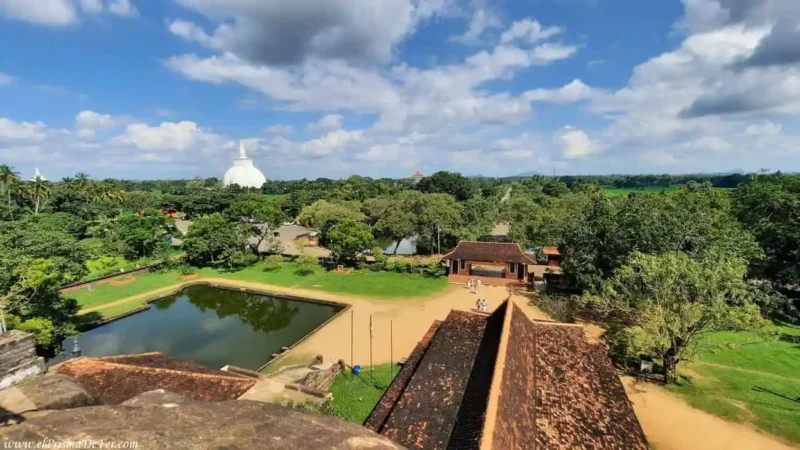

Table of Contents
Where is Anuradhapura located?
Anuradhapura is located in the north of Sri Lanka, within the region known as the Cultural Triangle, along with Polonnaruwa, Sigiriya and Kandy. It is situated in the North Central Province, approximately 200 kilometers from Colombo, making it relatively accessible from the capital.
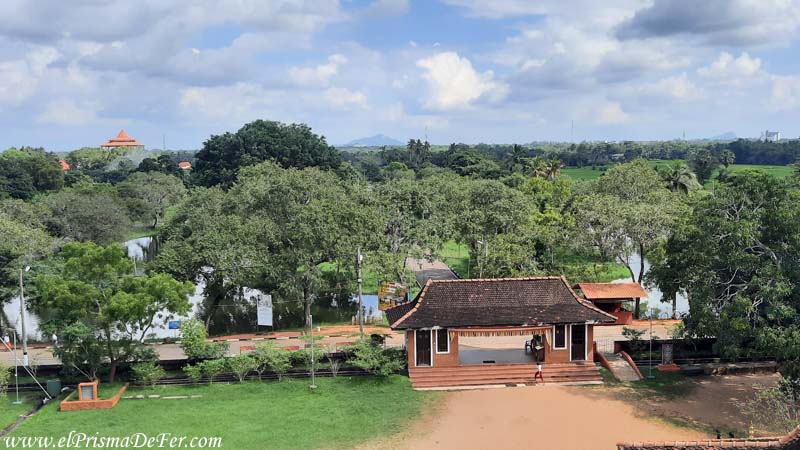
The city is surrounded by jungle, rice paddies and rural villages, and serves as a common base for those who want to explore the ancient Sinhalese capital and its historical sites.
Although the modern town itself lacks charm, its strategic location is ideal for exploring the temples, stupas, and ruins scattered throughout the surrounding area.


How to get to Anuradhapura
Anuradhapura is well connected to several important points in Sri Lanka. Most travelers arrive from Colombo, either because they disembark there or because they are traveling around the island from south to north.
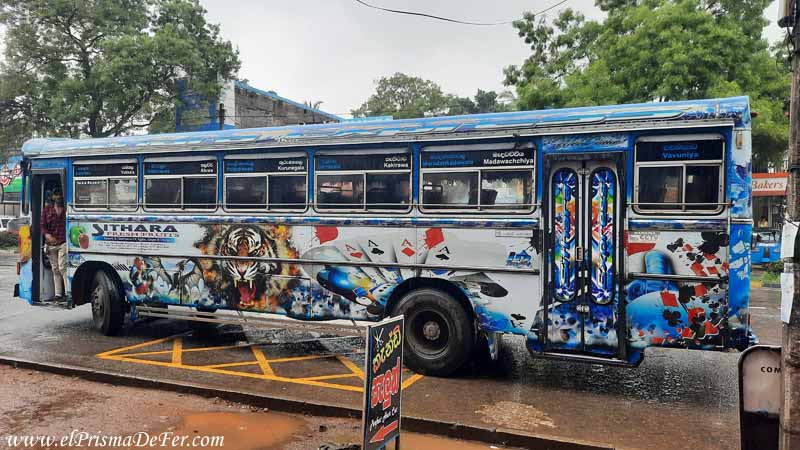
The most practical way is usually by bus, as there are frequent services from the capital (from Pettah bus station). The journey takes between 4 and 5 hours, depending on traffic. It's cheap and direct, although, as is common throughout Sri Lanka, buses are often crowded and the driving can be a bit intense.
Another popular option is the train, departing from Colombo Fort to Anuradhapura station. It's a more comfortable journey than the bus, and if you manage to get a seat, it can even be quite pleasant.
The journey takes about 4 and a half hours, and has the advantage that the tickets are very cheap. However, the schedules aren't always the most convenient, and sometimes there's high demand.
Finally, if you're looking for comfort, you can also arrive by taxi or private car from almost any tourist city in the country. It's the most expensive option, but also the fastest and most flexible, ideal if you're short on time or sharing the cost with other travelers.
Historical significance of Anuradhapura
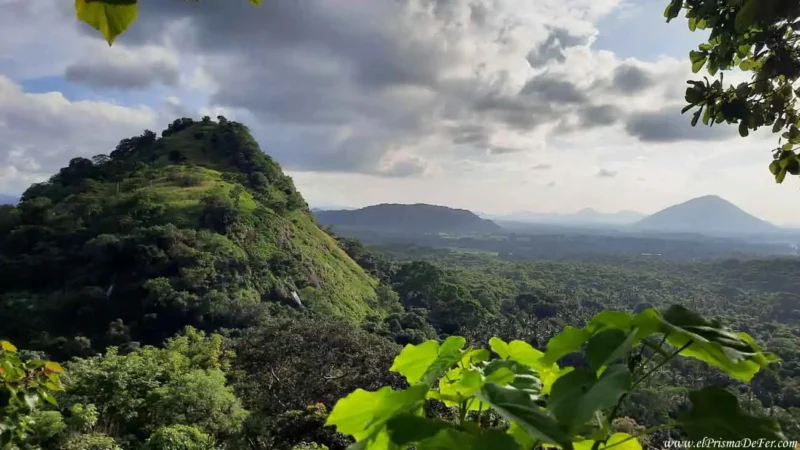
Anuradhapura is one of the most significant places in all of Sri Lanka, not for its current appearance, but for the historical weight it carries. This was the first capital of the ancient Sinhalese kingdom, a political and religious center that dominated the island for over a thousand years.
Entire dynasties developed here, enormous stupas were erected, and a fundamental part of the country's cultural and spiritual identity emerged.
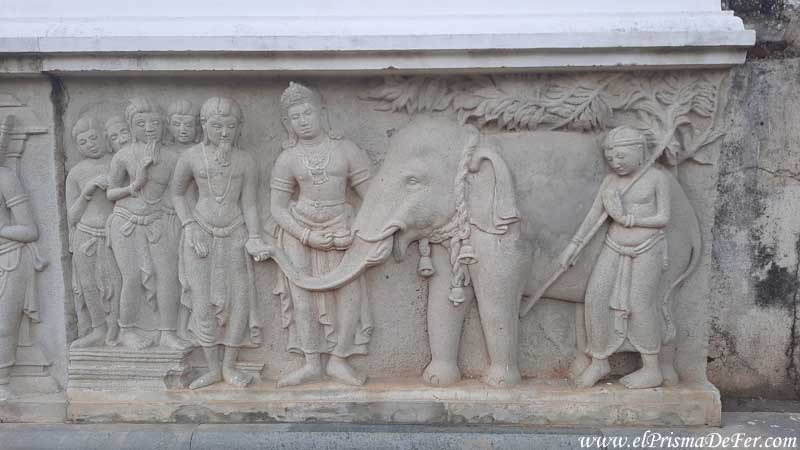
The city is also one of the pillars of Buddhism in Sri Lanka. Anuradhapura is home to the Sri Maha Bodhi, a sacred tree that, according to tradition, is a direct descendant of the tree under which Siddhartha Gautama (Buddha) attained enlightenment.
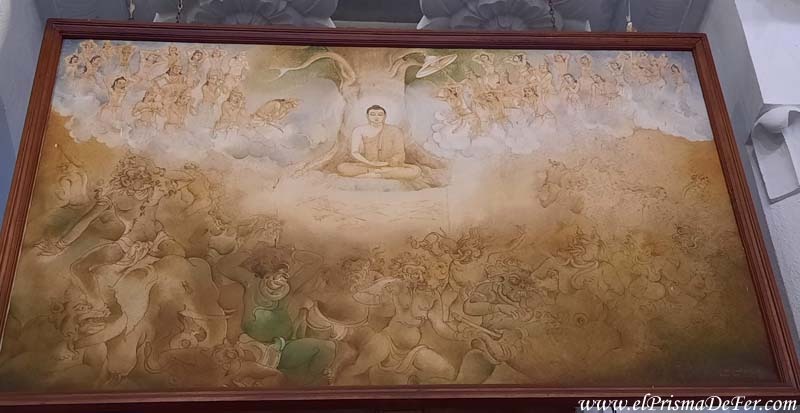
This makes it a permanent pilgrimage site for Buddhists from the country and all of Asia, something that is truly felt when one travels around the area.
Although modern Anuradhapura may not be very impressive, with its humble and untouristy appearance, one only needs to go out to the archaeological zone to understand its relevance.
The scattered ruins, the giant stupas that still dominate the landscape, and the constant presence of devotees show that this city was, and still is, one of the most important spiritual centers in the country.
How to visit Anuradhapura
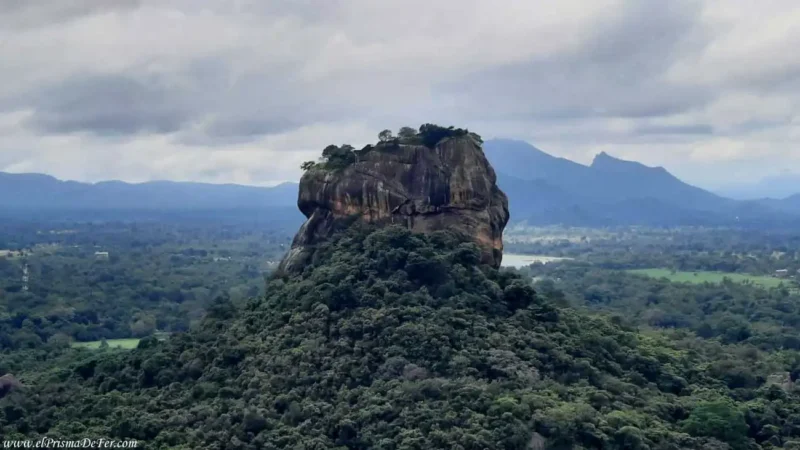
The most common and convenient way to explore Anuradhapura is by renting a bicycle, as the distances between temples, stupas, and ruins are vast and the heat can be intense.
Most accommodations and businesses near the town center rent bicycles at affordable prices, and it is undoubtedly the most practical way to get around between the different historical sites without relying on tuk-tuks.
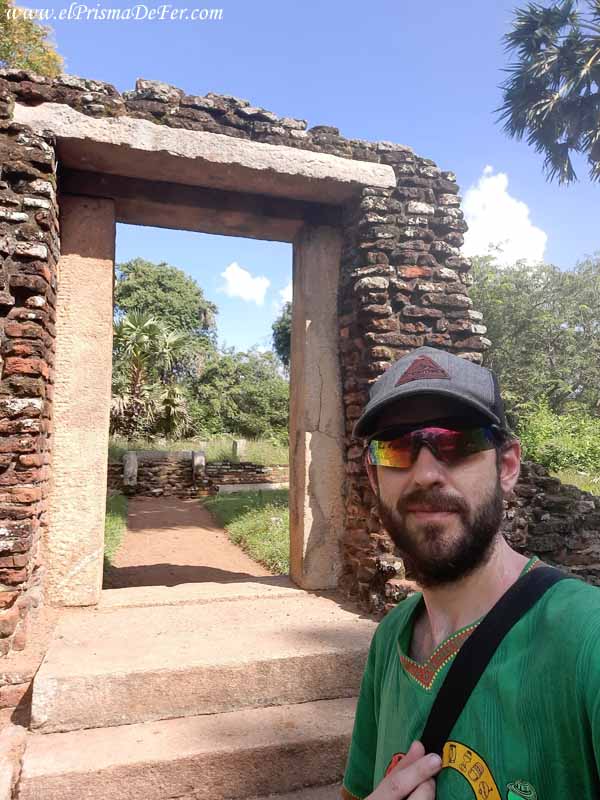
If you prefer to avoid cycling, another option is to hire a tuk-tuk for half a day or a full day, agreeing on the route and price beforehand.
It's more convenient, but also more expensive, and you lose some of the feeling of exploring the place at your own pace. In any case, it's best to start your visit as early as possible to avoid the intense midday heat and take advantage of the softer morning light.
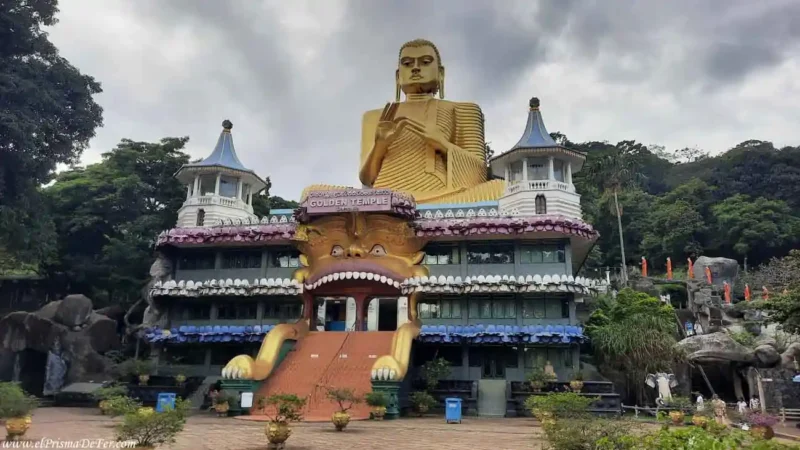
To enter the archaeological zone, you must pay an official ticket, around USD 30, which gives access to the main sites.
Many people choose to pay for this ticket to explore the history of the ancient Sinhalese kingdom in depth, although other travelers, like myself, prefer to move around the surroundings without formally entering the complex, as there are temples and stupas visible from public roads.
Map to visit Anuradhapura
What to see in Anuradhapura
Sri Maha Bodhi (Sacred Tree)
Sri Maha Bodhi is one of the most sacred places in Buddhism; it is said to have originated from the tree under which Buddha attained enlightenment.
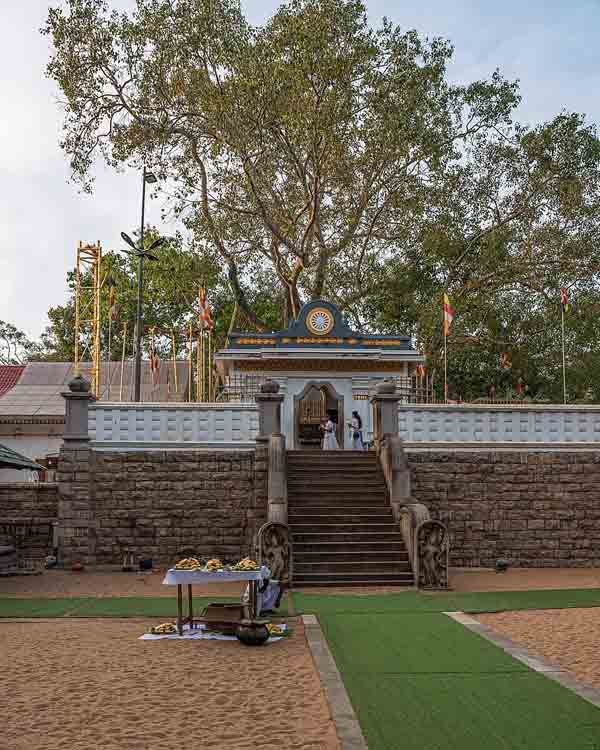
The atmosphere is spiritual, full of pilgrims and daily rituals that give the place a lot of life.
Access: Free (not part of the archaeological zone ticket, although they may ask for a symbolic contribution or donation).
Ruwanwelisaya
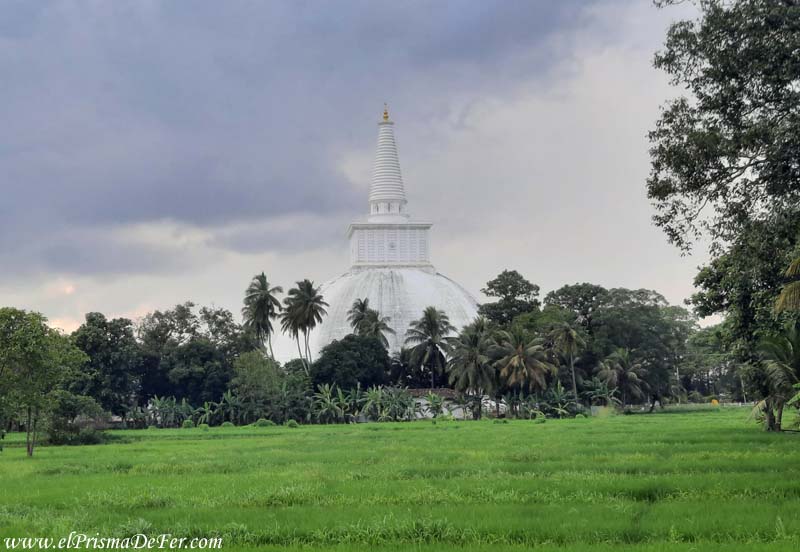
This enormous white dagoba is one of the symbols of Sri Lanka. Its size is impressive, and the surrounding atmosphere is filled with devotion, with entire families making offerings and prayers.
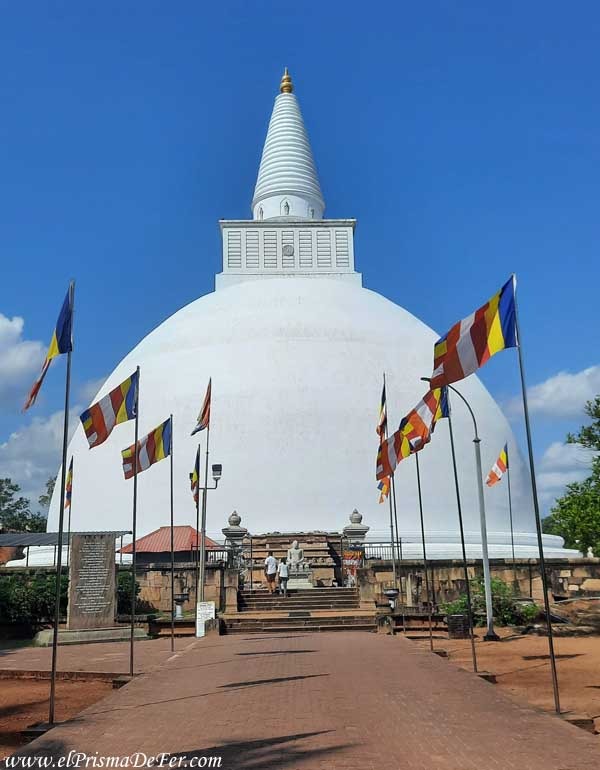
Access: Free (it is outside the paid archaeological zone).
Jetavanaramaya
One of the largest brick structures in the ancient world. The area is vast and less crowded, ideal for a peaceful stroll among the ruins.
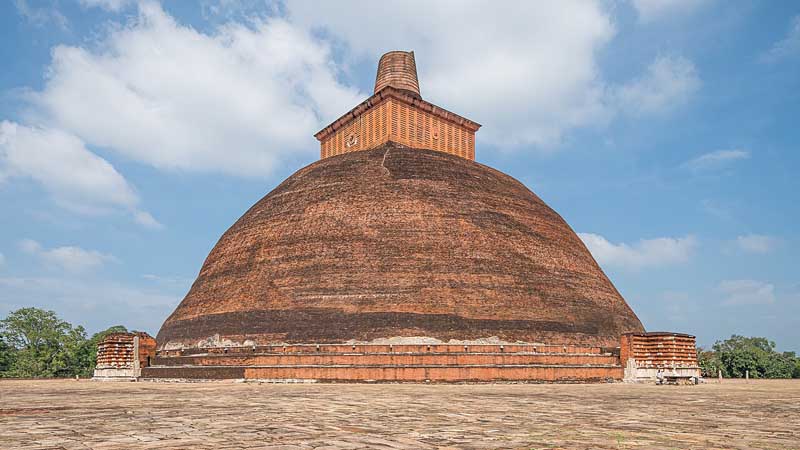
Access: Included in the archaeological zone ticket.
Abhayagiri Dagoba
Another of the city's grand monastic complexes, with stupas, ruins, sculptures, and pathways winding through the vegetation. Its size and age make it a must-see.
Access: Included in the archaeological zone ticket.
Thuparamaya
Considered the oldest dagoba in Sri Lanka, it has a simple design but is steeped in history. It is a popular pilgrimage site.
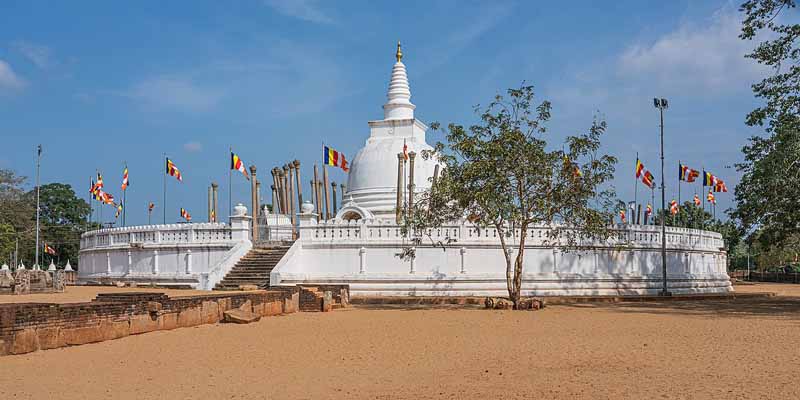
Access: Free.
Isurumuniya Temple
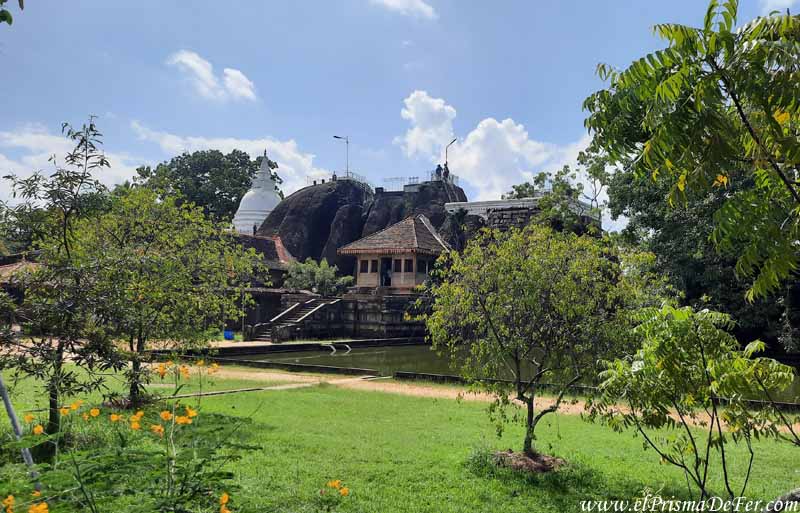
Famous for its stone carvings, it is one of the city's most interesting and unique temples. It has a peaceful atmosphere and is well-maintained.
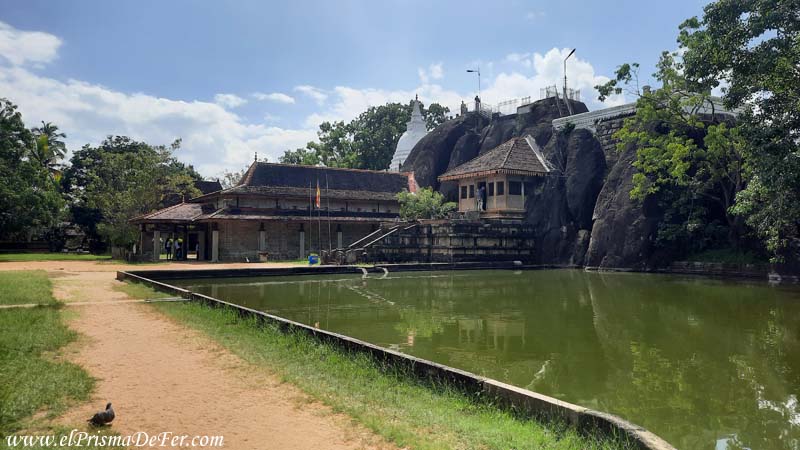
Access: Not included in the ticket – separate entrance fee applies.
Anuradhapura Archaeological Zone (general ticket)
It includes most of the "classic" ruins: Jetavana, Abhayagiri, Samadhi Buddha, Kuttam Pokuna (the Twin Ponds), and several temples and structures scattered over a huge area.
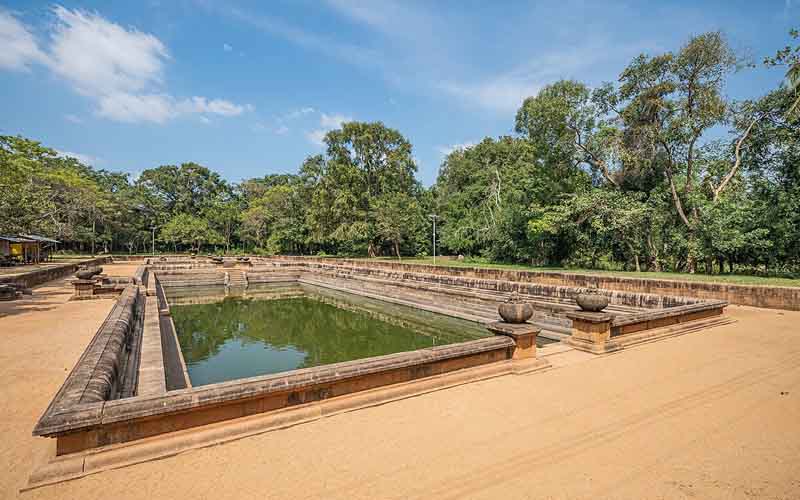
Access: Payment (a single ticket is purchased for the entire area).
Wilpattu National Park
Although not exactly within Anuradhapura, Wilpattu is close enough to visit on a half-day trip or full-day trip.
It is one of Sri Lanka's largest national parks and famous for its wilder and less crowded environment than Yala.
Its landscapes combine natural lagoons, dense forests, and open areas where it is easier to observe wildlife.
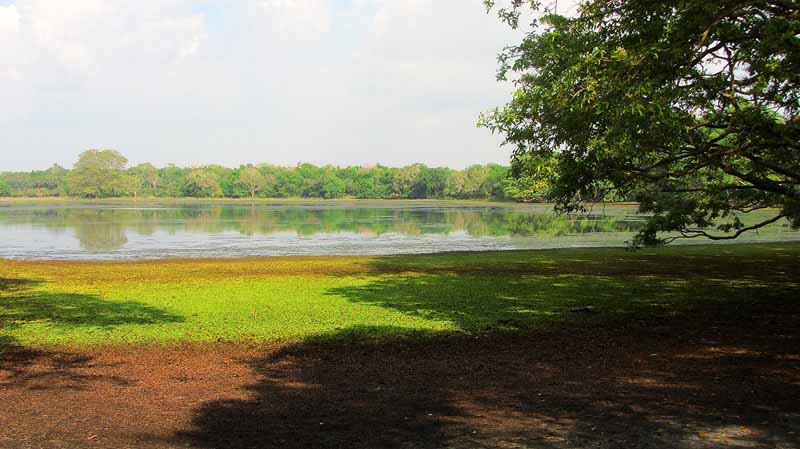
This park is especially known for its leopards, although sightings are not guaranteed. Elephants, crocodiles, deer, buffalo, and a wide variety of birds are frequently seen.
If you are interested in wildlife and want to complement your historical visit with something more natural and different, Wilpattu is one of the best options from Anuradhapura.
Suggested itinerary for a day in Anuradhapura
1. Sunrise at the Sri Maha Bodhi Tree (free zone)
Start the day early, around 7 or 8 in the morning, when the weather is still cool and the locals arrive to make their offerings.
Beyond its spiritual significance, the tranquil atmosphere at dawn lends it a special mystique. Take advantage of this time to leisurely explore the complex, observe the ceremonies, and wander to the smaller temples surrounding it.
2. Ruwanwelisaya Dagoba (free zone)
A short walk away, you'll reach this enormous white dagoba, one of Sri Lanka's most recognizable landmarks. The complex is large and there's usually a lot of religious activity. Walk all the way around the stupa, as the perspective changes dramatically from different vantage points.
3. Thuparamaya (free zone)
Perhaps the oldest stupa in the country. The site is usually less crowded than Ruwanwelisaya, allowing for a peaceful visit. It's a good place to stop and understand the earliest Buddhist architectural designs on the island.
4. Lunch break and rest
Find a spot near the entrance to the complex. It's recommended to rest because the afternoon can be very hot, especially if you're visiting during the dry season. If you rented a bike, take the opportunity to hydrate well.
5. Jetavanaramaya Dagoba (paid area)
After lunch, I continued on to this gigantic stupa, one of the largest built in the ancient world. The surrounding archaeological complex has interesting ruins to explore.
6. Abhayagiri Monastery and Abhayagiri Dagoba (paid area)
An ideal spot for the afternoon, with more shade, scattered ruins, and ancient temples. You can visit the Abhayagiri Museum (also included in the ticket) to better understand some of the artifacts found in the area.
7. Samadhi Buddha (paid area)
Located within the Abhayagiri complex, but with open access, this Buddha in a meditative pose is one of the most important in the country. The site is usually quiet and perfect for ending a day's archaeological tour.
8. Isurumuniya Temple (Separate entrance – NOT included in the “Sacred City Ticket”)
It's a great place to visit in the late afternoon. It's small, but very photogenic, with a pond, rock formations, and a small museum. It's one of the few temples that combines nature, history, and art in one place.
9. Sunset in Tissa Wewa (free)
A perfect way to end the day. The lake is enormous, and at sunset you'll often find monkeys, birds, and locals strolling around. It's a great place to relax your legs after a long day of walking or cycling.
Tips for organizing this tour
- It's perfect by bike, although it can be tough during the hottest hours. It's also easy by tuk-tuk if you want to avoid physical exertion.
- The Sacred City Ticket covers most of the historical sites, but Isurumuniya is paid separately.
- It's a long tour. If you want something more relaxed, you can split it into two days or choose just the main attractions.
- Special clothing is required to enter the temples: shoulders and knees must be covered, and you must remove your shoes in the sacred areas. For the rest of the archaeological site, light and comfortable clothing is appropriate.
Is it worth visiting Anuradhapura or Polonnaruwa?
This is a decision that depends on each traveler's preferences. Both were former capitals, both have enormous historical significance, and both require an entrance fee that is practically the same price.
In my personal case, I ended up choosing Polonnaruwa as the ancient city I was going to visit, paying the entrance fee. The reason? I got the feeling that there was more variety of ruins, with better preserved areas and a much more present natural environment.
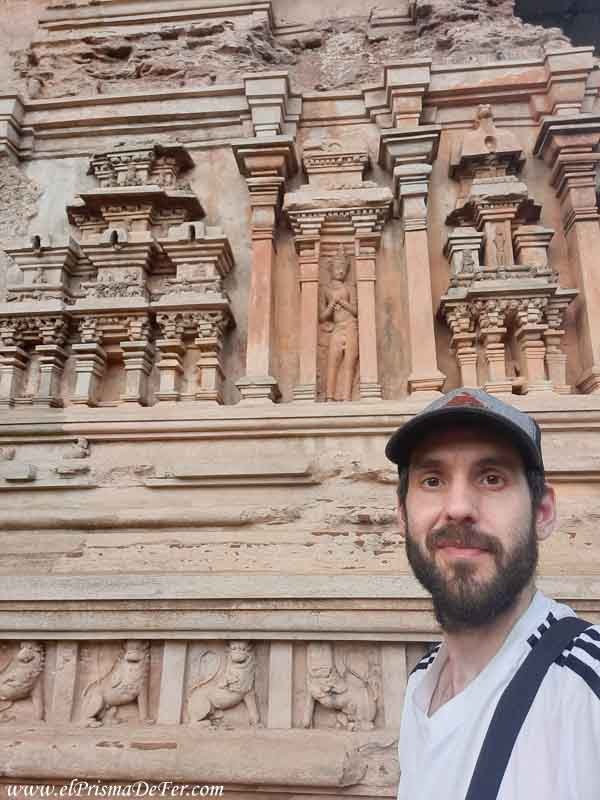
The paths through the trees, the ruins hidden in nature, and the general tranquility made the visit more pleasant and immersive, even in the rain, which in my case added a special touch because there were very few people.
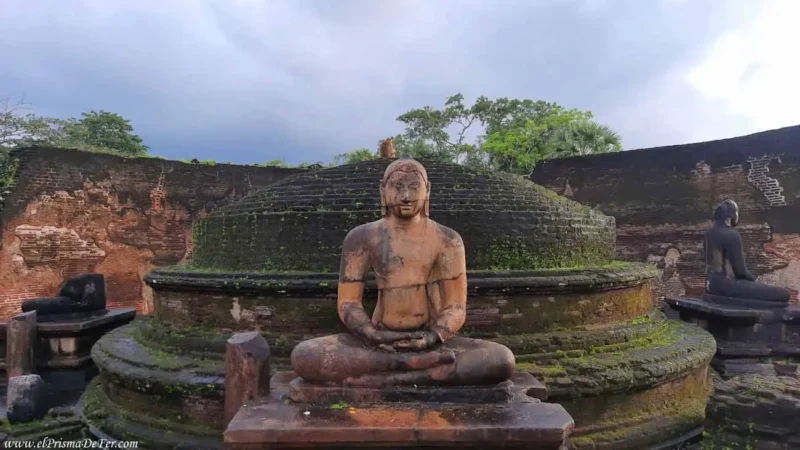
On the other hand, I explored the free part of Anuradhapura and added a visit to the Isurumuniya temple, whose entrance fee is paid separately. With that, I felt I got a good sense of the overall atmosphere of the ancient city without having to pay for the full ticket.
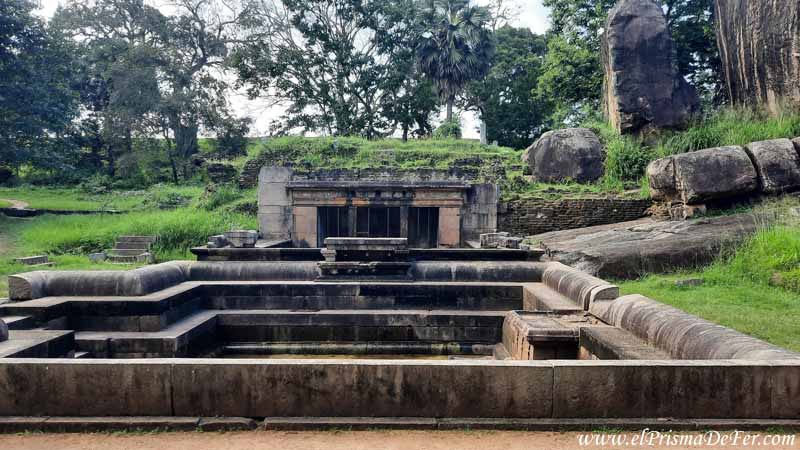
In summary:
- Polonnaruwa: more varied, greener, easier to explore by bike, a more compact and visually appealing visit.
- Anuradhapura: larger, more spiritual, with active temples, ideal if you are interested in seeing the religious side before the archaeological one.
Where to stay in Anuradhapura
Unlike other tourist cities in Sri Lanka, in Anuradhapura I didn't find a very wide range of budget accommodations with good ratings.
There are options, yes, but many were further away, had mixed reviews, or didn't offer the best value for money.
Therefore, if you are looking for logistical convenience, especially if you plan to arrive by bus or travel early to the ruins, I recommend choosing accommodation near the main bus stop (see on the map). This area simplifies transportation and reduces your reliance on tuk-tuks.
In my case, I stayed at Meera Homestay & Guest House, and I recommend it for its location and convenience. It's a comfortable distance from the bus station, simple but comfortable, reasonably priced, and has a peaceful atmosphere.
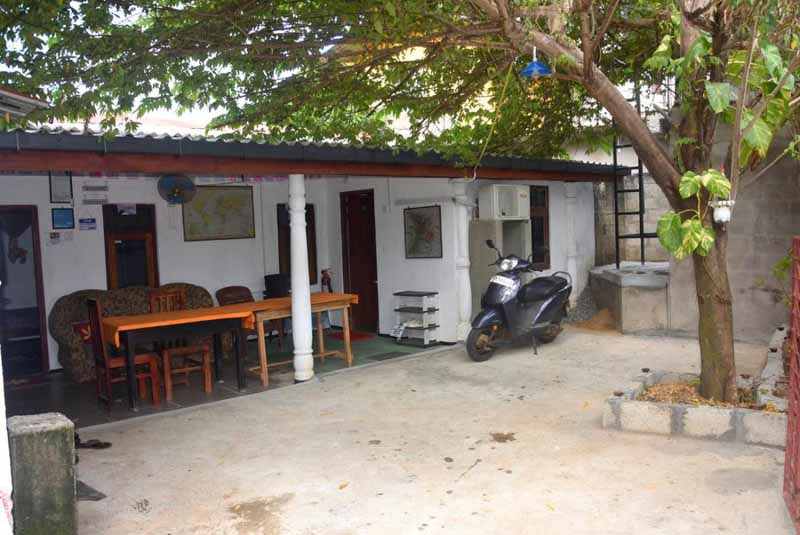
It's not luxury accommodation, but it serves its purpose perfectly well for those just looking for a functional base to explore the old city the next day.
Best time to visit Anuradhapura
Anuradhapura can be visited almost year-round. The best time is usually between December and March, when temperatures are more moderate and rainfall is lower. It's still hot, but more bearable for cycling among the ruins or walking from one temple to another.
Between April and September the heat increases considerably and rains can appear irregularly, although these are still possible months if you are willing to endure heavier days.
The monsoon season varies from year to year, but generally it does not prevent a visit; the most complicated thing is the humid heat, more than the rain itself.
How many days to spend in Anuradhapura
For most travelers, one or two days are more than enough.
- If you just want to explore the archaeological zone at a leisurely pace, a full day by bicycle is perfect.
- If you also want to visit other nearby places, or simply take things at a more relaxed pace, adding an extra night can be a good idea.
It's not a city designed for long stays, so ideally it should be used as a quick base to explore its historical sites and continue your journey to other destinations in the country.
My final thoughts on my visit to Anuradhapura
Anuradhapura wasn't what I expected. It's not a bad place, but compared to other incredible destinations Sri Lanka has to offer, like Polonnaruwa or Ella, it falls a bit short. The modern city is rather plain and lacks charm, and while the archaeological site is historically important, it didn't have the same impact on me as other places in the country.
If your itinerary is tight, I think Anuradhapura can be skipped. Visiting the free section and a few specific temples is enough to understand its significance without needing to dedicate a whole day or pay the full entrance fee.
However, if you are interested in delving deeper into the ancient history of Sri Lanka, then it may be worth including.
It will depend a lot on your personal interests, but in my experience, it wasn't one of the most memorable parts of the trip.
Frequently Asked Questions about Anuradhapura
Is Anuradhapura worth visiting?
It largely depends on the type of trip. If you're deeply interested in Sri Lanka's ancient history and the great Buddhist stupas, it could be an interesting stop. If your time is limited and you're looking for something more visually appealing and varied, Polonnaruwa tends to be a better choice.
Do I need to pay an entrance fee to see everything?
Most of the archaeological site is part of the Sacred City and requires a fairly expensive entrance ticket. However, there are a good number of important temples and stupas that are free or have separate entrances.
How much does it cost to enter the archaeological site?
Official entry costs 30 USD, similar to Polonnaruwa and Sigiriya. It does not include important temples such as Isurumuniya, which are paid separately or are free.
Is it necessary to rent a bicycle?
It's not mandatory, but it's recommended if you want to explore the old city on your own. The distances are long and the heat can be intense. Otherwise, you can always hire a tuk-tuk for the day.
Is it necessary to hire a guide?
No. If you're interested in in-depth history, a guide can provide context, but for a general tour, it's enough to get around by bike or tuk-tuk and read short reviews of each site.
How many days do I need?
A full day is enough to see the essentials, even without going to the paid areas. If you want to explore further and visit the main archaeological site, two days are a good start.
Where is the best place to stay?
The most practical thing to do is stay near the main bus stop, where there are convenient and affordable options for getting around easily. I stayed at Meera Homestay & Guest House and it turned out to be a good base.
Can I visit Anuradhapura and Polonnaruwa on the same trip?
Yes, many people visit both cities within the Cultural Triangle. But if you have to choose just one, Polonnaruwa is usually the favorite because of its variety of ruins and its more "jungle-like" atmosphere.
Support The Prism of Fer!
Your support helps me continue creating free content on the blog. Thank you so much!