San Salvador de Jujuy is usually the gateway to exploring the Quebrada de Humahuaca or the Puna. But despite its strategic location, it's not a city that particularly stands out as a tourist destination, and for many tourists, it functions more as a stopover.
Even so, spending a few hours there can be worthwhile, especially if you visit the Historical Museum of the Cabildo, which is the city's must-see and one of the most interesting museums in Argentina, ideal for understanding the history of Jujuy and its role in the independence processes.
In this post I'll tell you what to do in San Salvador de Jujuy, which places are worth a visit, how to get to the airport, and whether it's worth including in your itinerary, especially if you're on your way to much more attractive destinations in the province.
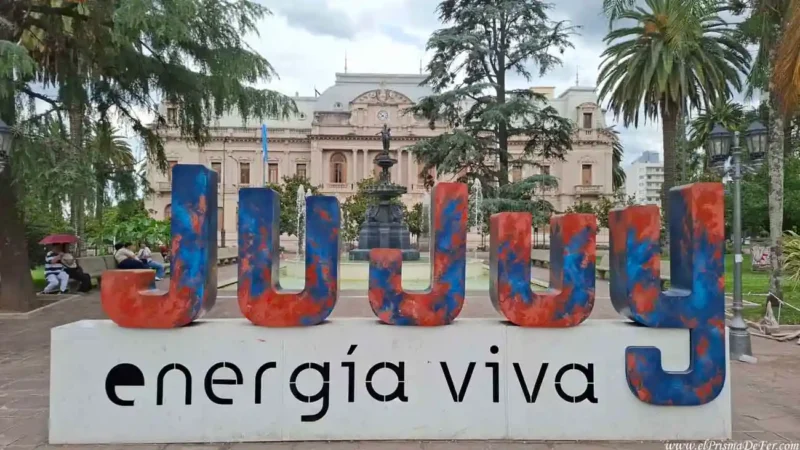

Table of Contents
Where is San Salvador de Jujuy located?
San Salvador de Jujuy is located in northwest Argentina and is the capital of the province of Jujuy. The city is situated at a transition point between the Yungas and the Andean valleys, giving it a green and mountainous natural environment compared to other towns in the province.
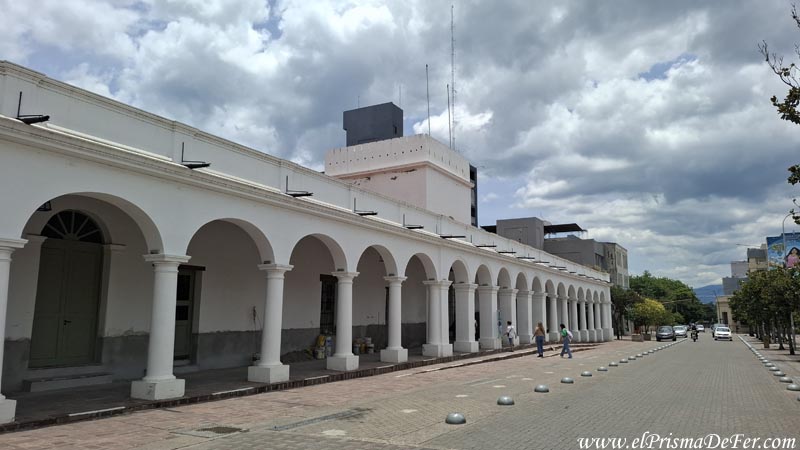
It is located at about 1,200 meters above sea level and approximately 90 km south of the Quebrada de Humahuaca, which explains its role as the main gateway to the region.
The routes that connect to the main tourist destinations of Jujuy, such as the Quebrada, the Puna, the Yungas and the border with Bolivia, depart from the city.

How to get to San Salvador de Jujuy
By plane
The fastest way to get to San Salvador de Jujuy is by flying to Governor Horacio Guzmán International Airport (JUJ), located about 35 km from the city.
Currently, only regular commercial flights operate with Flybondi and Aerolíneas Argentinas, as the other low-cost airline, JetSMART, does not have direct flights to this route.
- Flybondi usually offers the cheapest tickets, making it the most attractive option for tourists on a tight budget.
- Aerolíneas Argentinas tends to be more expensive, but generally has better punctuality records and a lower probability of cancellations.
While Flybondi's price may be tempting, it's worth noting that there have been many cases of delays and cancellations (for example, my return flight was cancelled and I had to stay two days longer than planned).
What to do when Flybondi cancels your flight
When Flybondi cancels your flight, they offer you 3 options:
- Change your flight to another day or time free of charge
- They refund your money within a few days
- They give you a voucher to exchange for another ticket later.
Even so, this cancellation can cause other problems, such as losing paid accommodation, canceling excursions, etc. To resolve this, you need to gather all the invoices you've paid and send them to an email address called devoluciones@flybondi.com.
In theory they should respond, but in my case, weeks have passed since I made the complaint and I'm still waiting for a response.
In conclusion, if you're traveling with limited time or have important connections afterward, it might be worth choosing Aerolíneas Argentinas for greater reliability.
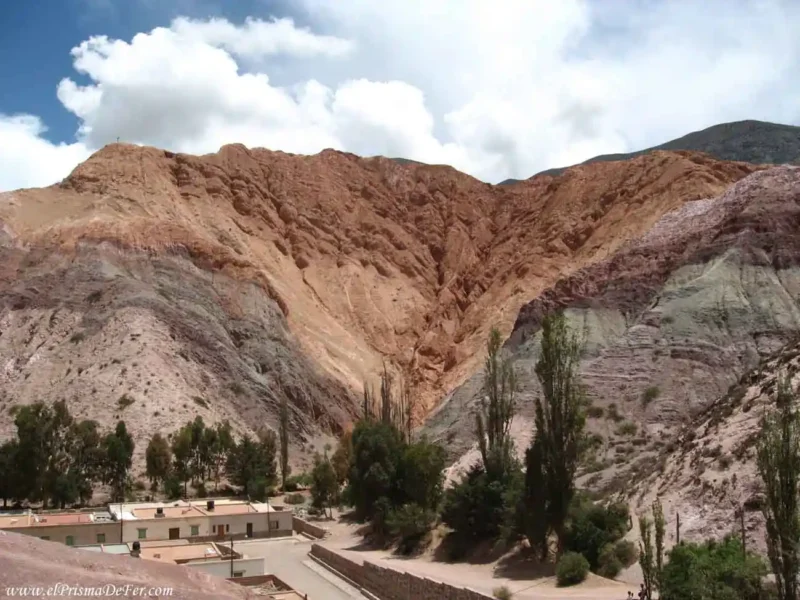
By bus
San Salvador de Jujuy is very well connected by long distance bus with cities such as Buenos Aires, Córdoba, Salta and Tucumán.
The city's bus terminal (see location) receives daily services, both day and night, making it an option if you are traveling by land.
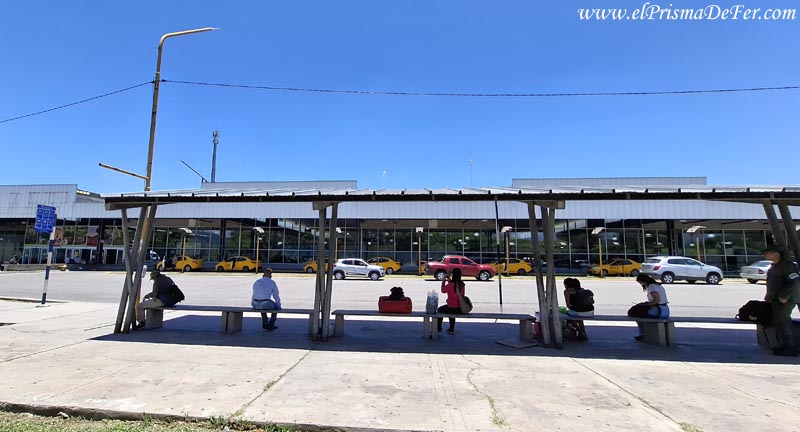
By car
If you are traveling through northern Argentina by car, San Salvador de Jujuy is well connected by main roads.
From Salta you can get there via RN 34 and then RN 9; from there it is easy to continue towards the Quebrada de Humahuaca or towards other regions such as the Yungas.
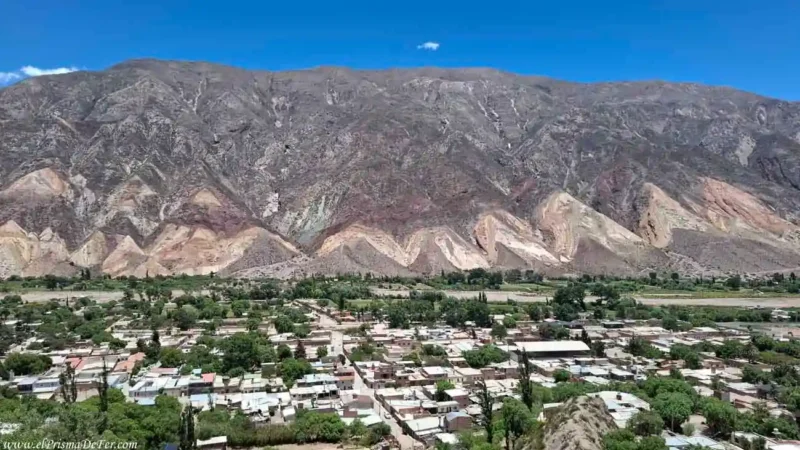
How to get from the airport to San Salvador de Jujuy (and vice versa)
Governor Horacio Guzmán International Airport is about 35 km from San Salvador de Jujuy (see on map), and there are several ways to make the transfer depending on budget and comfort.
By bus
The cheapest option is the bus from the company San José / Salvio, which passes through the airport on its services to Perico or Aguas Blancas.
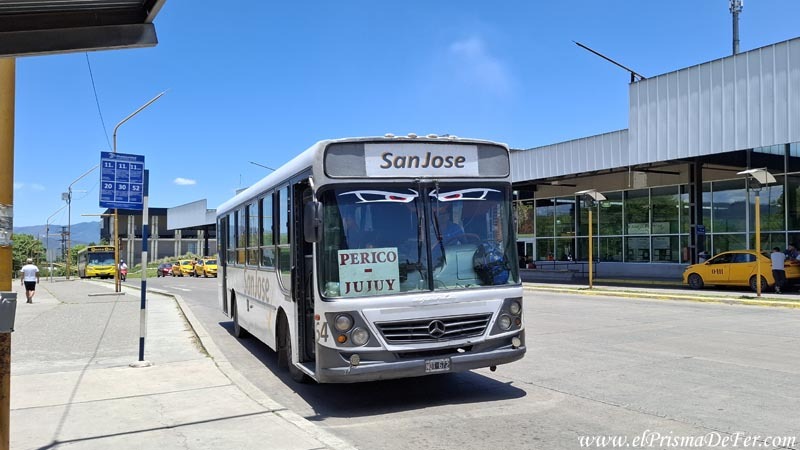
The stop is located right outside the airport gate (see location on map), but it is important to note that the last service usually departs before 10 p.m. The fare is around $4,000 and can be paid with SUBE or QR code.
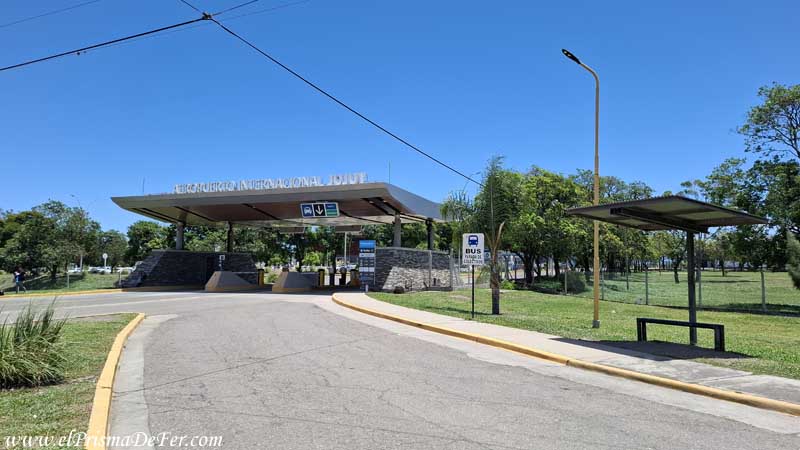
The bus can drop you off at the new bus terminal or at various stops along the avenue next to Xibi Xibi Park, which is convenient depending on where you are staying.
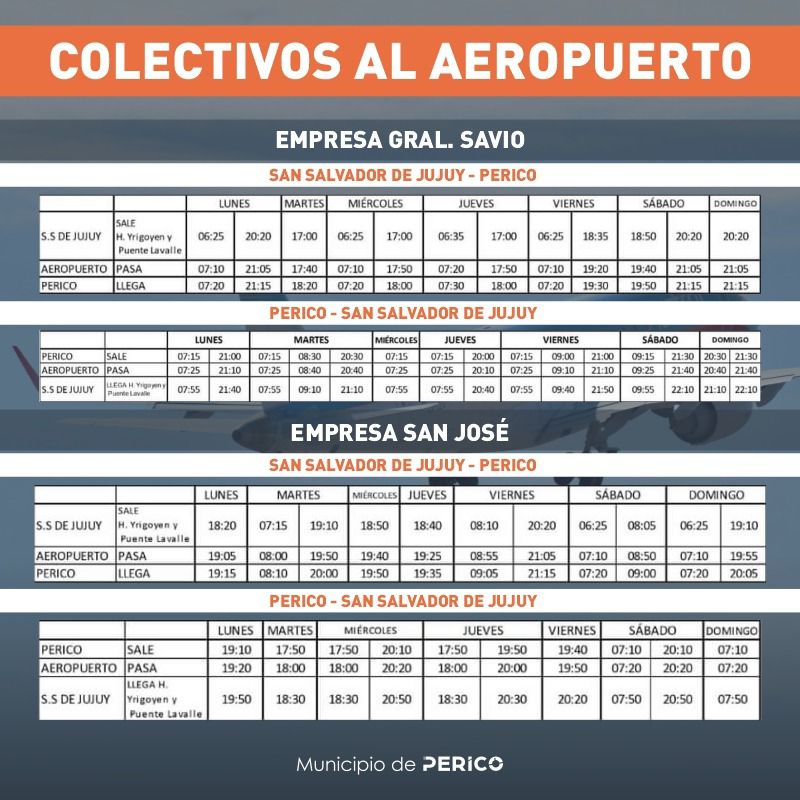
For the return journey, the process is the same, having to notify the driver in advance that you want to get off at the airport (since he has to leave the highway).
Shared vans
Another alternative is the shared vans, which cost approximately $8,000 per passenger and drop you off directly in the city center. The downside is that they often wait until they're full, and when they are, the next departure may be delayed.
Taxis and Apps
There are also taxis, a more comfortable but generally more expensive option. If possible, it's best to share with other passengers arriving on the same flight and going to the same destination, so you can split the cost.
Finally, it is possible to order Uber or DiDi, although the price is usually similar to that of a taxi, without a significant difference.
Things to do in San Salvador de Jujuy
Most of the points of interest in San Salvador de Jujuy are concentrated around Plaza Belgrano, so the tour can be done almost entirely on foot.
It is not a city with great distances or many scattered attractions; what little there is to see is quite centralized.
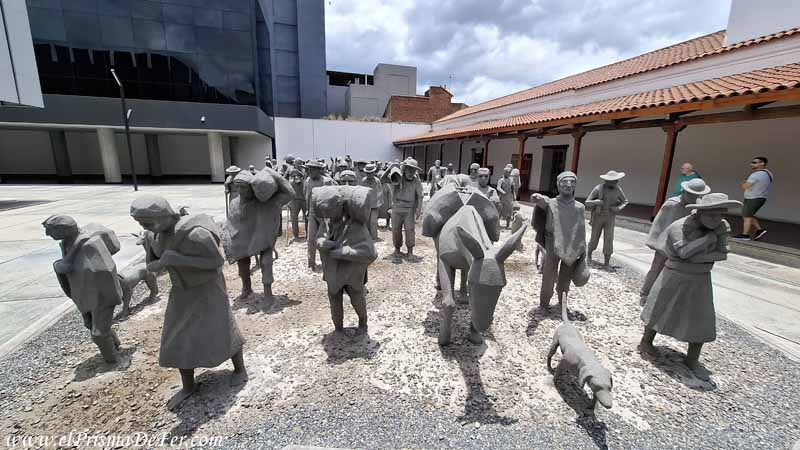
Historical Museum of the Cabildo
It is, without a doubt, the best thing the city has to offer and a museum where one can spend several hours without realizing it.
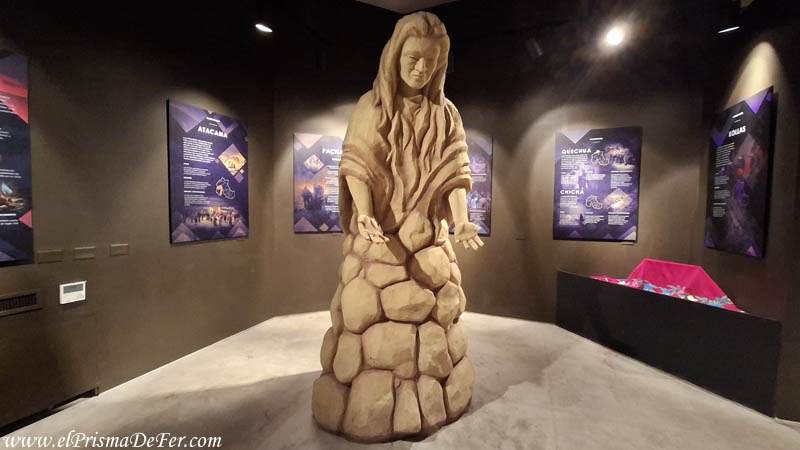
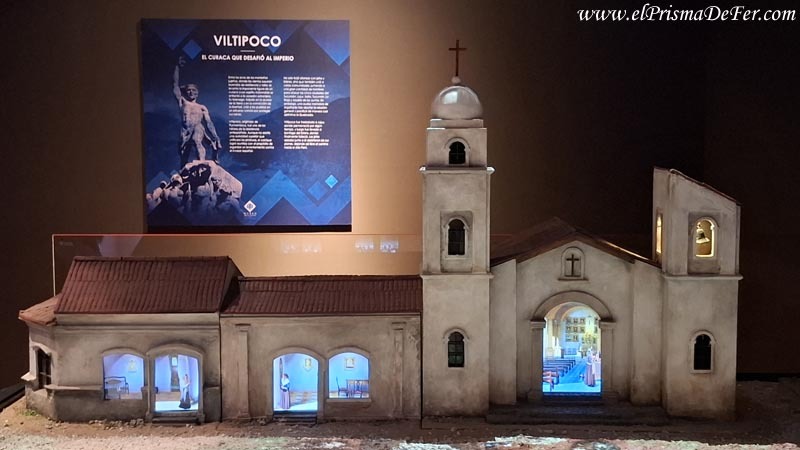
The tour is very comprehensive and designed in an educational way, with interactive rooms, animations, audio, photographs and timelines that help to understand the historical context of Jujuy and its role during the colonial era and independence.
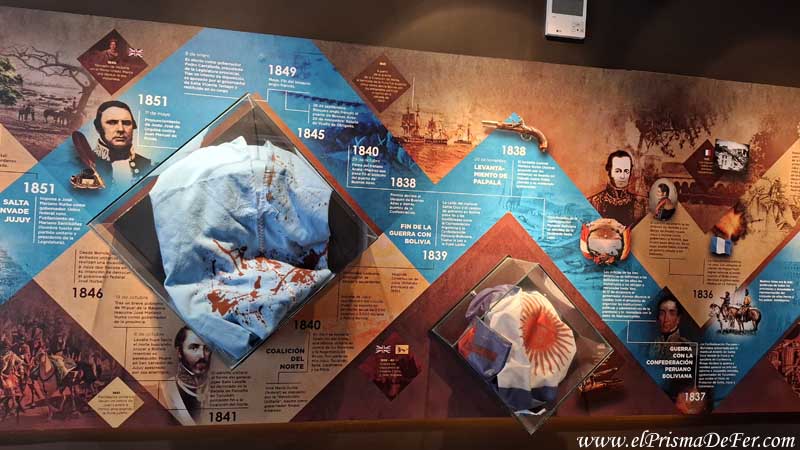
A model of the Cabildo building stands out, along with audiovisual resources that make the visit dynamic and entertaining.
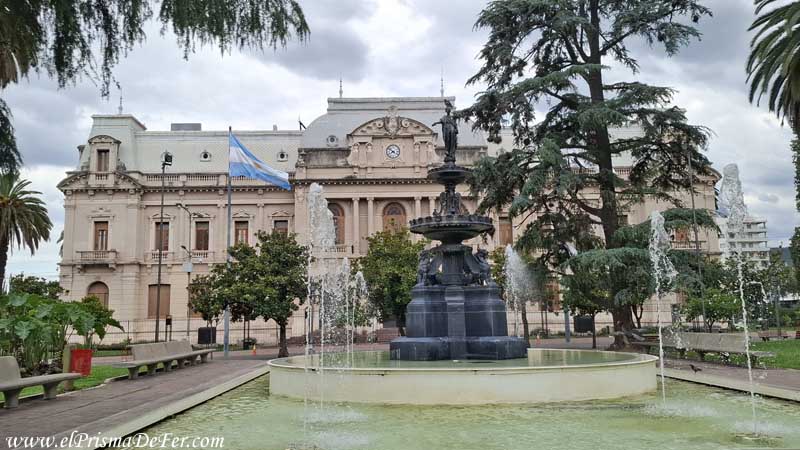
Government Palace facing Belgrano Square
Right across from the square is a historic building that allows you to visit two rooms for free, with the option of leaving a voluntary donation.
The visit is brief; they explain the history and decoration of the furniture and items in the rooms, including the flag of freedom.
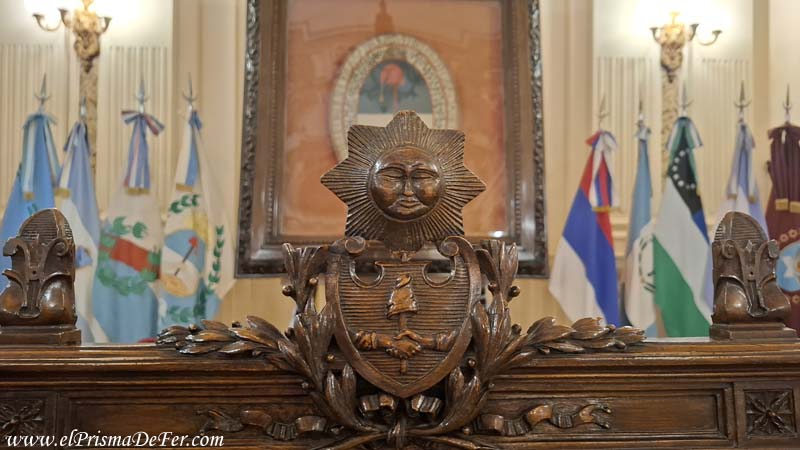
While less captivating than the Cabildo Museum, it works well as a complement. And if you're lucky with the schedule, they show a short film about the Jujuy Exodus, which helps to further contextualize the local history.
Belgrano Square and Cathedral
The plaza serves as a central point for getting around the city. Around it are concentrated the official buildings and the Cathedral of San Salvador de Jujuy, whose visit is short and rather anecdotal.
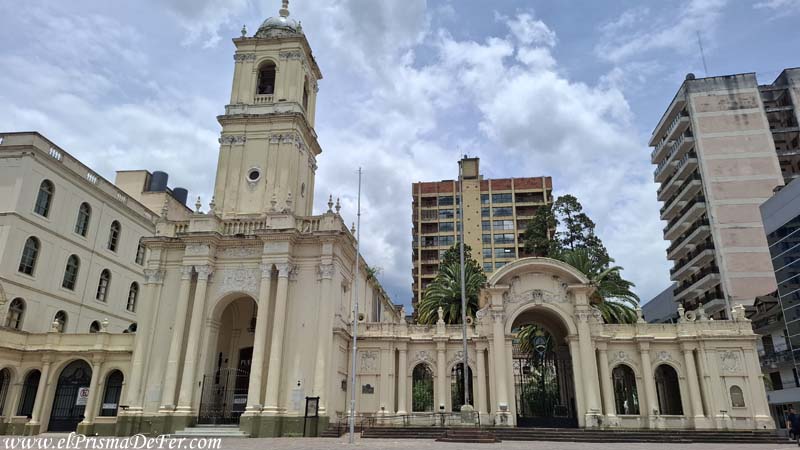
It's not a major attraction in itself, but it's a plus if you're already exploring the area.
Shopping streets and surroundings of the former terminal
The city center doesn't have many attractions beyond what I mentioned earlier. But, if you go to the area around what used to be the old bus terminal (see on the map), you'll find many clothing and food shops at very affordable prices.
It's not a flashy or touristy area, but it can be useful if you're planning to shop or need to take care of something quickly before continuing your trip.
Xibi Xibi Park
Xibi Xibi Park is one of the few places where you can walk in relative peace and quiet. It follows the riverbed and offers a welcome respite from the noise of the city center, ideal for a short stroll or a relaxing break.
Base for continuing the journey
Beyond these points, San Salvador de Jujuy primarily serves a logistical role. It's a good place to spend the night and organize a trip to the Quebrada de Humahuaca, the Puna region of Jujuy, the Yungas rainforest, or even as a connection to Salta.
How to get from San Salvador de Jujuy to the Quebrada de Humahuaca
San Salvador de Jujuy is the main starting point for exploring the Quebrada de Humahuaca.
A common option is to take shared taxis or vans that make the entire journey to La Quiaca, passing through all the towns in the ravine.
These services usually depart from the old terminal, located closer to the center, and are convenient if you want a direct and flexible transfer, without having to go through the main terminal.
The more formal alternative is to go to the new bus terminal, which is somewhat further from the center, but from where buses depart constantly towards Purmamarca, Tilcara, Humahuaca and La Quiaca.
There are many departures throughout the day and it is usually the most formal option, especially if you plan to get off in specific towns.
How to get from San Salvador de Jujuy to the Yungas
To get to the Jujuy Yungas, the journey is a little less direct and requires combining transport.
First, you need to take a bus from San Salvador de Jujuy to Libertador General San Martín, one of the main cities in the region. From there, you need to connect with another bus to San Francisco, already within the Yungas area.
It is important to note that this last section usually has only one service per day, generally around 8 a.m., so it is advisable to plan your schedule well and, if possible, check the frequencies in advance.
Where to sleep in San Salvador de Jujuy
If you are going to spend a night in San Salvador de Jujuy, the best thing to do is to stay near Plaza Belgrano.
It's the most convenient area, as it concentrates most of the city's few attractions, as well as restaurants, transport stops, and basic services. Staying in this area allows you to get around almost entirely on foot and avoid unnecessary trips.
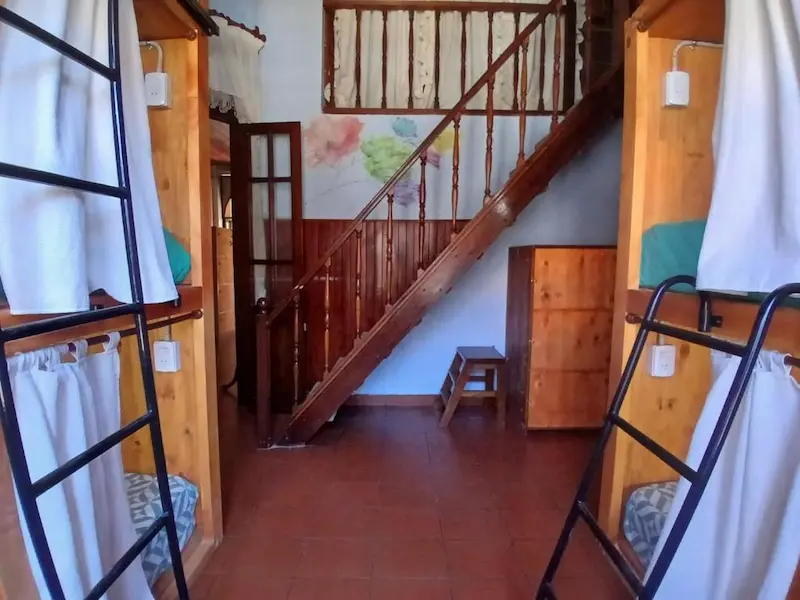
During my stay, I stayed at hostel El Balcón de la Tata, a simple but perfectly adequate option, well-located and suitable for a short stop. It serves its purpose well if you just need a comfortable place to sleep before continuing your journey to the Quebrada de Humahuaca or other destinations in the north.
Is San Salvador de Jujuy safe?
In general, San Salvador de Jujuy is a quiet city, although as is the case in many cities in Argentina, there are areas that do not convey as much security, especially for those who do not know the place well.
During the day, getting around the city center and busier areas is usually straightforward. There's plenty of activity, shops are open, and people are out and about. At night, however, it's best to be a bit more cautious: avoid poorly lit streets and isolated areas, and don't stray too far from the most crowded spots.
It's not a dangerous city, but it is advisable to use common sense, especially at nightfall, move carefully, pay attention to your surroundings and, if possible, use transport for long or nighttime journeys.
Final thoughts on San Salvador de Jujuy
San Salvador de Jujuy wasn't a city I particularly enjoyed. Beyond the Cabildo Historical Museum, which is truly worthwhile and one of the best museums in the country, I didn't find many reasons to stay long or explore it with enthusiasm. If it weren't for that museum, I'd probably say it's not even worth stopping by.
But, since in practice many tourists arrive at night, connect flights or buses, or are forced to spend at least one night before continuing on to the Quebrada or the Puna, in that case, the city fulfills its function, and at least you already know how to invest the little time available so that the stop is not completely in vain.
Frequently asked questions about San Salvador de Jujuy
Is San Salvador de Jujuy worth visiting?
It depends on your expectations. As a tourist destination in itself, it's quite limited, but it makes sense as a logistical base or for a short stop before continuing your journey to the Quebrada de Humahuaca or the Puna. The Cabildo Museum, however, is worth a visit on its own.
How many days is it advisable to stay?
One night or even a half-day visit is enough to see the main sights. Most tourists use the city as a stopover rather than their final destination.
Is it a safe city?
In general, yes, especially in the city center during the day. As in any large city in Argentina, it's advisable to move around with caution at night and avoid quiet streets.
Is it possible to walk there?
Yes. Most of the points of interest are around Plaza Belgrano, so you can easily explore it on foot without needing transportation.
Is it better to stay in San Salvador or in La Quebrada?
If your goal is to explore the Quebrada de Humahuaca, it's usually more convenient to stay overnight in towns like Purmamarca or Tilcara. San Salvador is useful if you arrive late, leave early, or need to connect with other transportation.
Is it worth renting a car from the city?
Only if you plan to visit several places in the Quebrada or the Puna with limited time. For specific trips, public transport and vans are usually sufficient and cheaper.
Support The Prism of Fer!
Your support helps me continue creating free content on the blog. Thank you so much!