Nepal is a country that requires time to explore. Not only because of the Himalayas and its legendary treks, but also because of the diversity of landscapes, cultures, and peoples concentrated in a relatively small territory.
In this post I'll tell you about the one-month itinerary I followed in Nepal, designed to combine high-altitude treks, traditional villages, and cities with a rich history and spirituality.
It is a balanced route but with trekking as the main protagonist (almost half the month), ideal for those who want to have a first experience in the country mixing landscapes, hiking and visits to cities in different regions of the country.
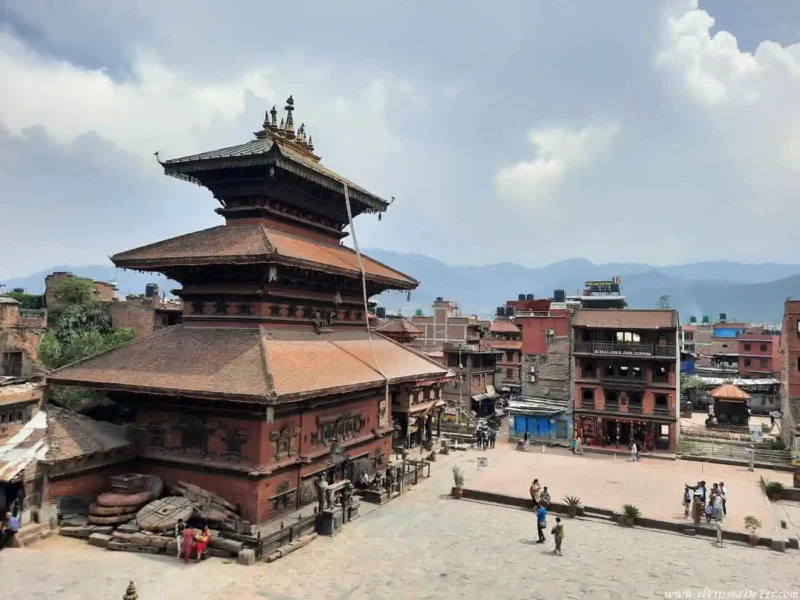

Table of Contents
What to see in Nepal in a month
Nepal may be small on the map, but it's huge in terms of things to do. The country combines some of the world's most breathtaking mountain scenery with historic cities, traditional villages, and iconic sites that offer insights into Buddhism and South Asian spirituality.
From high-altitude hiking trails to ancient temples and subtropical plains, there are options for both adventure seekers and those who prefer a cultural trip.
Pokhara
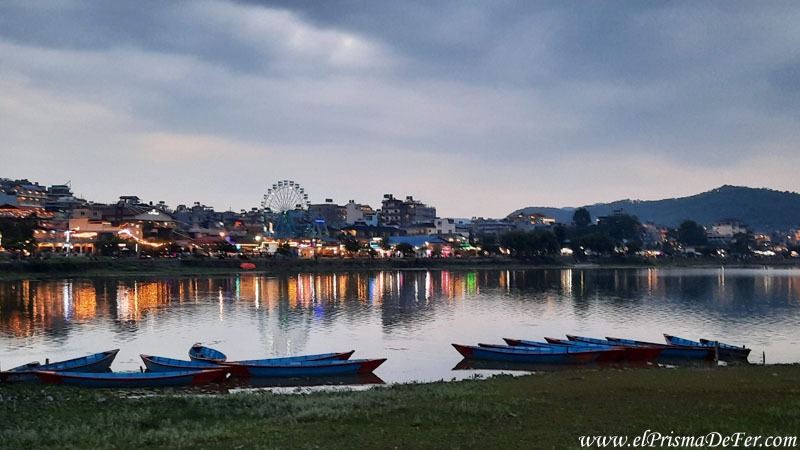
For many, Pokhara is the gateway to the Himalayas. With Phewa Lake as its centerpiece and the mountains always present in the background, it's an ideal place to unwind before or after a trek.
It has a relaxed atmosphere, good infrastructure for travelers, and serves as a base for organizing treks in the Annapurna region.
Trekking in the Himalayas: Annapurna and Everest Base Camp
Trekking is one of the main reasons to travel to Nepal. The Annapurna Circuit and the Everest Base Camp trek are the most popular routes and also the most comprehensive for a first-time trekker.
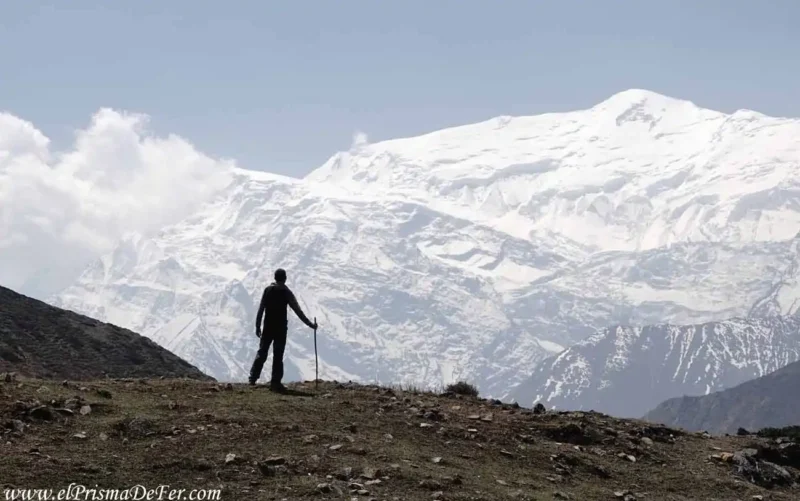
Both allow you to walk for several days between mountain villages, cross high passes and live with local communities, all in landscapes that are constantly changing and justify every effort.
Kathmandu
Kathmandu is chaotic and intense. But beyond the traffic and noise, it contains some of the most important historical and religious sites in the country.
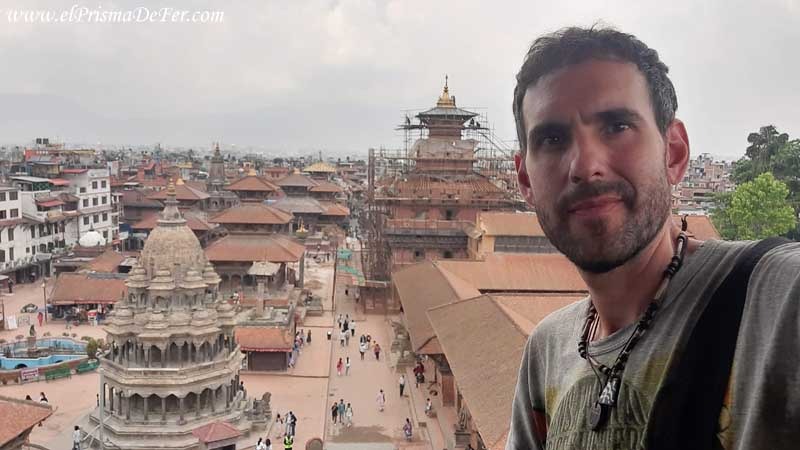
Its temples, stupas, and old neighborhoods allow us to understand the mixture of Hinduism and Buddhism that defines much of Nepal's identity.
Bandipur
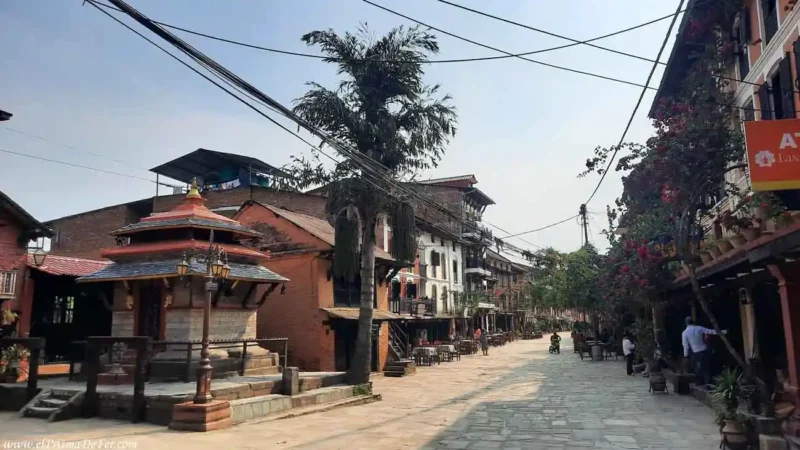
Bandipur is a welcome break on any itinerary. This small town preserves its traditional architecture and a much more relaxed pace of life than that of big cities.
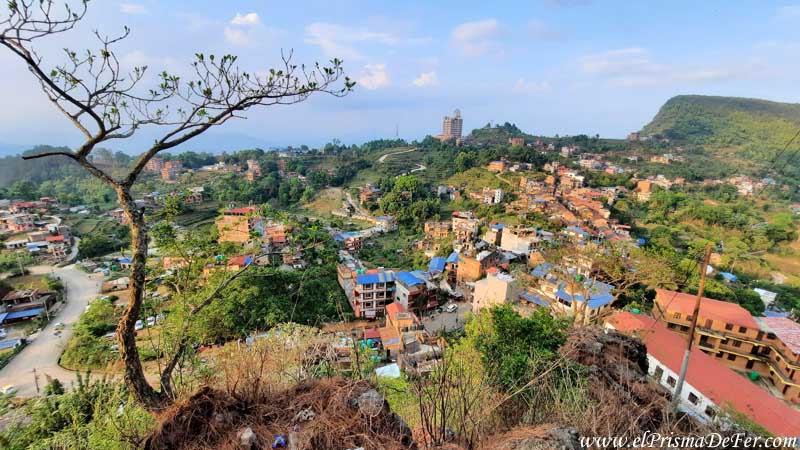
It's a great place to walk at a leisurely pace, enjoy views of the mountain range, and get a glimpse of a more rural Nepal.
Chitwan National Park
In the south of the country, Chitwan offers a completely different landscape. Jungle, rivers, and wildlife replace the mountains, with the possibility of seeing rhinos, crocodiles, and, with luck, tigers.
It's a good option to experience nature from a different perspective and understand the geographical diversity of Nepal.
Lumbini
Lumbini is one of the most important sites in Buddhism, being the birthplace of the Buddha. It brings together monasteries from different countries, reflecting the international dimension of this spiritual tradition.
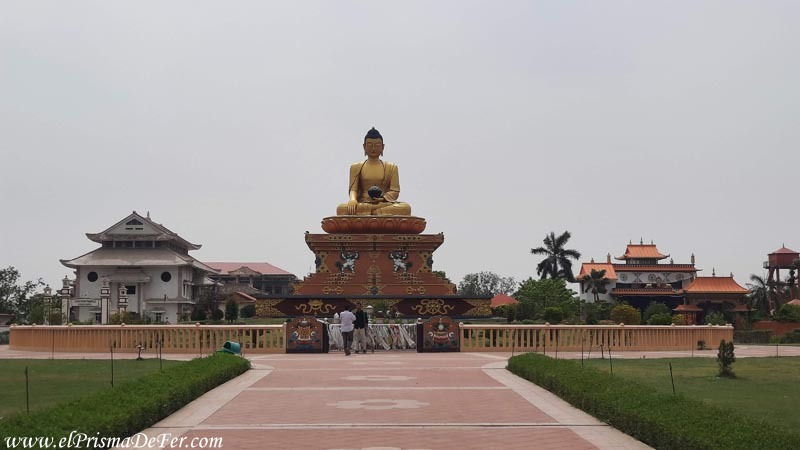
Beyond its religious aspect, it conveys a unique calm and also serves as a stop whether you are going to or coming from India.
My favorite places in Nepal
Trekking in the Himalayas: Annapurna
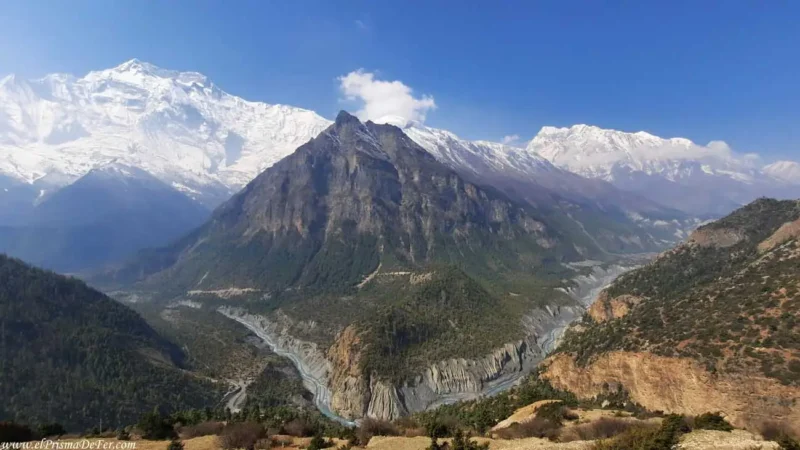
With only a month in the country, I had to choose carefully where to spend more time, and as far as trekking is concerned, I decided to concentrate on the Annapurna area.
Pasé dos semanas recorriendo esta región, combinando el Circuito de Annapurna con el Annapurna Base Camp, y fue, sin exagerar, una de las experiencias más completas de mi viaje por Nepal.
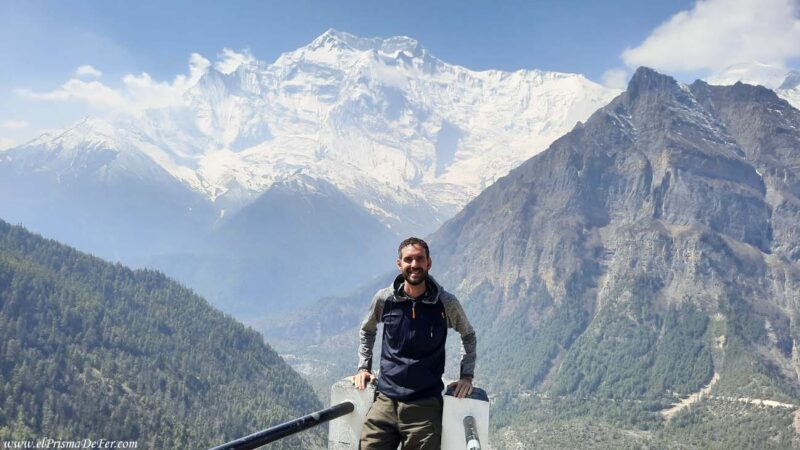
Being able to combine both routes was a physical and logistical challenge, but also a huge personal satisfaction.
Along the way I saw how the landscape changed day by day, from greener valleys and rural villages to increasingly austere high mountain areas.
Walking for so many days, sleeping in small villages and adapting to the rhythm of the mountain made the trek not just another hike, it was something deeper that I still remember to this day.
It was a dream come true and, without a doubt, the part of the trip I enjoyed the most.
Pokhara
Pokhara was also one of my favorite places and a key point during the trip. Both before starting the trek and upon returning from the mountain, I used it as a base to organize myself, rest, and finalize details.
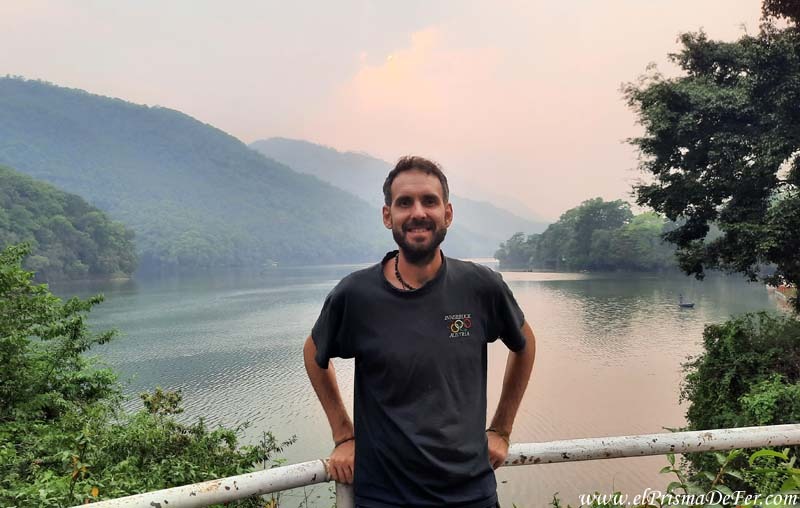
It is a city designed for tourists, where everything is practical when preparing for several days in the Himalayas.
Beyond its functionality, I really liked the vibe. There's a huge selection of bars, restaurants, clothing stores, and mountain gear shops at very affordable prices, perfect for getting everything you need before heading out on a hike.
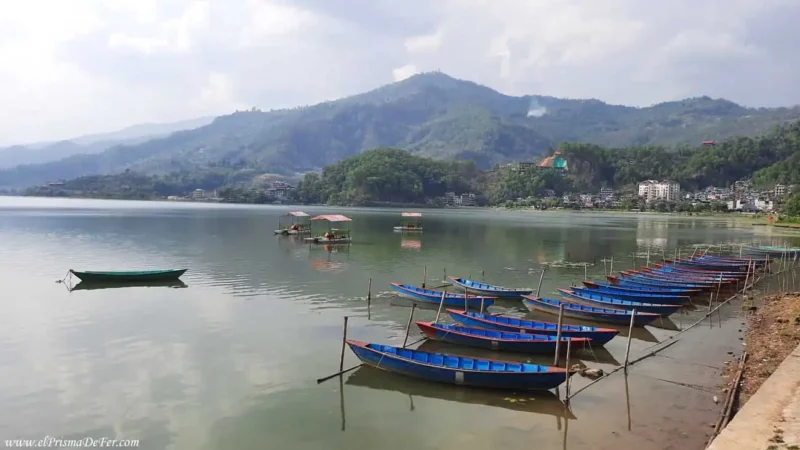
Phewa Lake gives it a different feel; it's big, beautiful, and perfect for slowing down, especially after several days of exertion at altitude.
Details of a one month itinerary in Nepal
Before starting with the details of the Itinerary, I want to clarify that, even with a month in Nepal, there were several places that were left out.
For example, I couldn't include Chitwan National Park, the Everest region, or other lesser-known treks that also spark interest among travelers.
The country offers so many possibilities that, even when traveling with plenty of time, there are always decisions to make and sacrifices to make.
Having clarified that point, let's now go into detail.
Arrival in Nepal by land from India
I arrived in Nepal after spending almost three months traveling through India, and I entered by land, crossing the Sonauli border.

It was an abrupt change of scenery, especially in the way the buses were honking their horns :D.
From the border I took a bus to Pokhara, a long and tiring journey of about 12 hours, but I was already beginning to anticipate the type of trip that awaited me.
Pokhara – 3 days
In Pokhara I stayed for three days at the beginning, time which I used to organize the trek, get the necessary permits, clothes I was missing and walk around a bit.
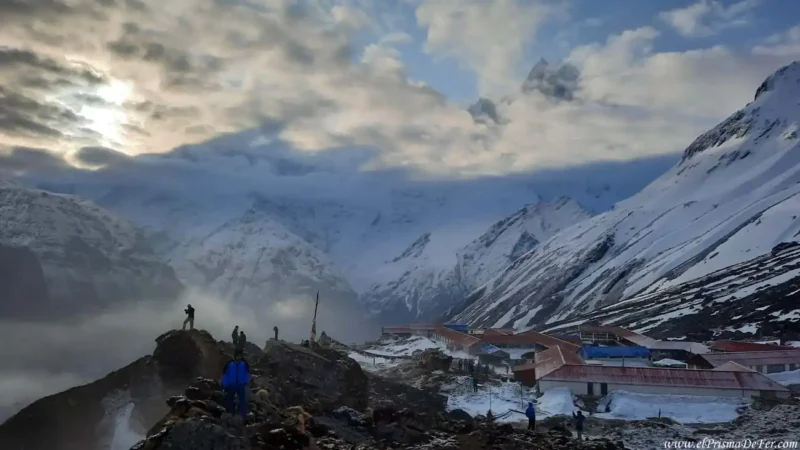
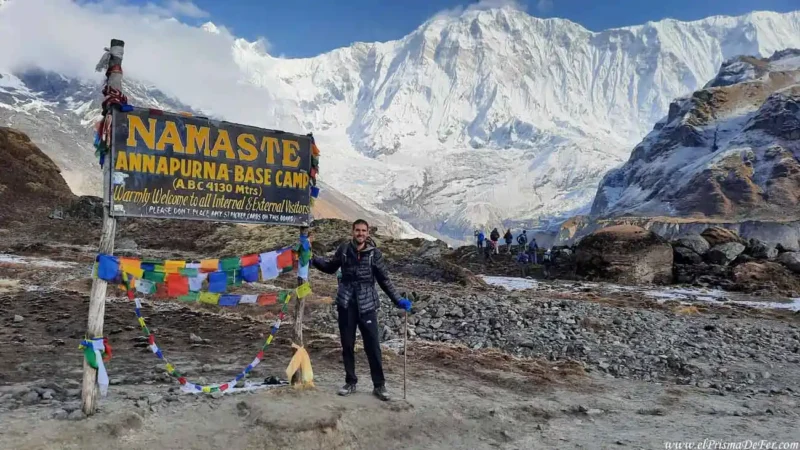
Annapurna Circuit Trek and Base Camp – 14 days
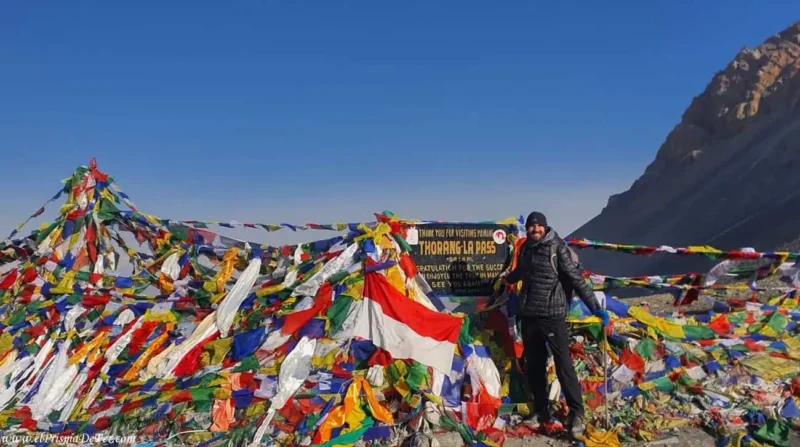
After that, I embarked on a 14-day trek combining the Annapurna Circuit with Annapurna Base Camp, one of the best experiences I've ever had, intense and very complete.
Pokhara – 3 days
Upon returning from the mountain, I spent another three days in Pokhara, this time to rest, recover, and enjoy the city from a different perspective, now that the trek was over.
Bandipur – 2 days
From Pokhara I continued my journey to Bandipur, a trip that involved taking two buses. I stayed there for two nights, just long enough to enjoy the town at a leisurely pace and change my rhythm again after the intensity of the trek.
Kathmandu – 6 days
Then I took two more buses to Kathmandu, where I spent a total of six days. That time allowed me not only to explore the city and visit its main temples and historic districts, but also to dedicate a full day to Bhaktapur.
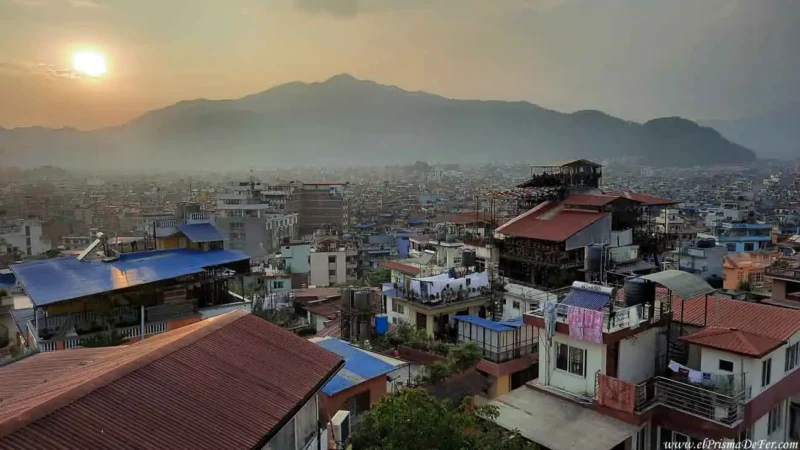
It was a city from which I expected more, but which nevertheless helps to better understand the history and spirituality of the country's capital.
Lumbini – 2 days
Finally, I took two more buses to get to Lumbini, another long and tiring journey, where I spent two nights.
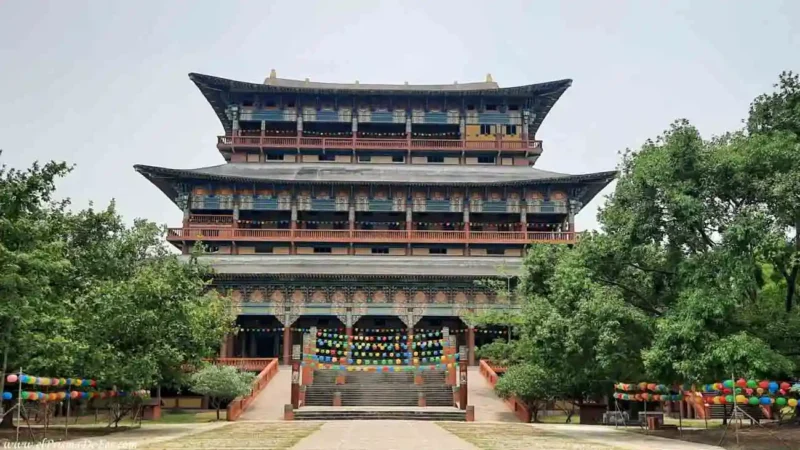
It was a city where I relaxed and tried to connect with the place in a more spiritual way. Exploring the birthplace of Buddha and visiting the various monasteries was a wonderful way to end my time in Nepal.
Return to India
After that I returned to India through the same border crossing I had entered through, again via Sonauli, to continue my journey to Varanasi.
Thus ended an intense and varied month in Nepal, combining mountains, cities, quiet villages and some of the most important sites in South Asia.
Support The Prism of Fer!
Your support helps me continue creating free content on the blog. Thank you so much!