
Traveling to China remains a significant challenge, even today. The language barrier, local apps, cultural differences, and the country's sheer size make careful planning essential. It's a trip that demands more preparation than others in Asia, but the effort is rewarded with unforgettable experiences.
China is vast, and within a single country you can find completely different realities. From futuristic megacities like Shanghai or Chongqing, where skyscrapers seem to rise from the fog and the subway runs through buildings, to historical cities like Xi'an, where the imperial legacy is still very much alive.
There are also regions with a strong Tibetan culture in areas of Yunnan or Sichuan, and unique natural landscapes such as the surroundings of Guilin, with its karst mountains and winding rivers.
In this guide you'll find everything I wish I'd known before arriving, with a brief historical context to better understand what you're seeing, practical tips on how to get around a huge country, which apps you absolutely need, how to pay, and what cultural nuances are worth knowing to avoid misunderstandings.

Table of Contents
What to know before traveling to China
| Language 🗣️ |
| The official language of China is Mandarin Chinese (Putonghua), the most widely spoken language in the world. Although numerous dialects exist, such as Cantonese, Shanghainese, and Hakka, Mandarin is the language taught in schools and used in the media and official documents. English is not as widespread outside of major cities. |
| Currency 💵 |
| The official currency is the renminbi (RMB), whose basic unit is the yuan (CNY). In daily life, digital payments are used almost exclusively through apps like WeChat Pay or Alipay, even for small purchases. |
| Religion |
| China has no official religion. Throughout its history, Buddhism, Taoism, and Confucianism have coexisted, functioning more as philosophical systems than religions. There are also Muslim and Christian minorities, although the country officially defines itself as a secular state. |
Location  |
| China is located in East Asia and is the world's fourth-largest country by area. It borders 14 countries, including Mongolia, Russia, India, and Vietnam, and has coastlines on the Yellow Sea, the East China Sea, and the South China Sea. |
| Capital 🏙️ |
| The capital is Beijing, the political and cultural heart of the country. It is home to some of China's most important symbols, such as the Forbidden City and Tiananmen Square, as well as a stunning blend of imperial tradition and modernity. |
| Visa 🛂 |
| Several countries in Europe and some in Latin America no longer require a visa for short stays of up to 30 days if they enter for tourism, business, visiting family or transit, without going through the traditional consular process. However, check if your country is among them. |

My visit to China was part of a larger trip along the ancient Silk Road. In this post you can learn more about the countries I visited and how to do it all on your own.

Where is China located?
China is located in East Asia and is the fourth largest country in the world by area.
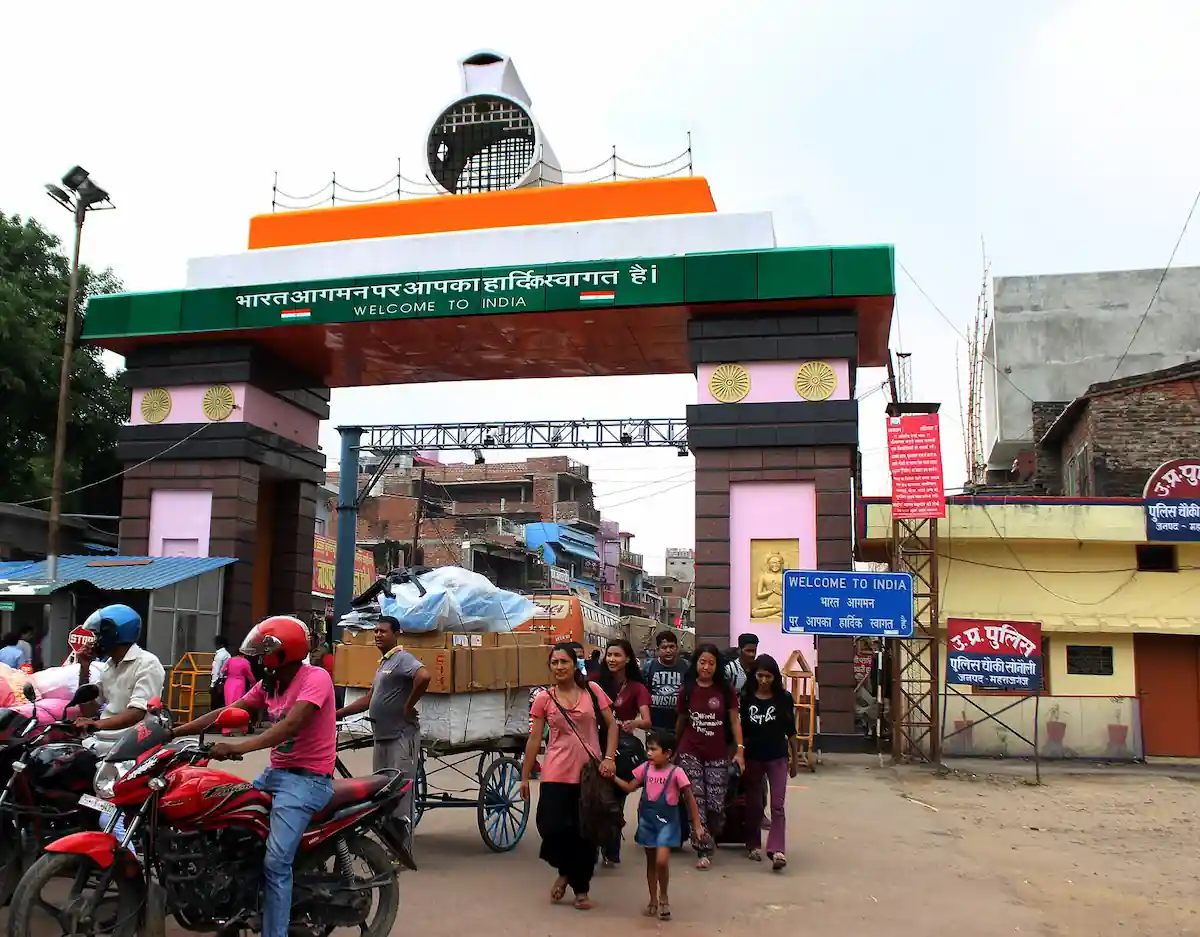
It borders 14 countries, including India, Mongolia, Russia, Vietnam, and Nepal—more than any other country in the world. To the east, it has access to the East China Sea and the Yellow Sea, which historically facilitated maritime trade and is home to some of the world's most important cities.
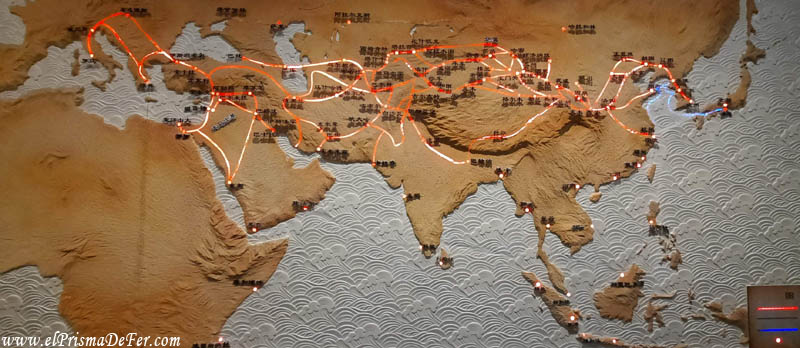
Geographically, it is extremely varied. In the west, large plateaus and mountain ranges predominate, including part of the Himalayas. In the north, there are extensive desert areas such as the Gobi, while in the south, subtropical landscapes and karst mountains appear. The east, on the other hand, is home to the large fertile plains and the majority of the population.

One month itinerary in China
A Brief History of China
Traveling through China without some knowledge of its history means missing half of what's right in front of you. You don't need to become an expert, but understanding the major periods greatly helps to provide context for your trip.
Imperial China (221 BC – 1912)
The first major milestone is the unification under the Qin dynasty (221 BC), when Emperor Qin Shi Huang laid the foundations of the unified Chinese state: standardization of writing, currency and measurements, and the beginning of what would later become the Great Wall of China.
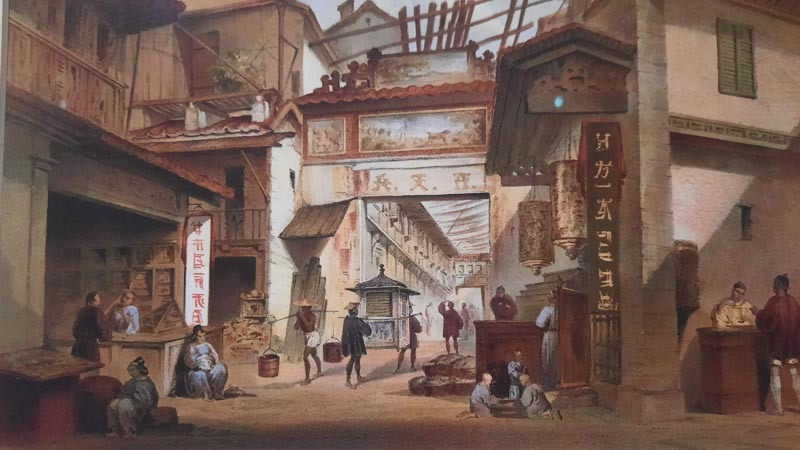
For over two thousand years, various dynasties (Han, Tang, Song, Yuan, Ming, Qing) ruled, with periods of immense cultural and technological splendor. During the Tang dynasty, for example, Xi'an (formerly Chang'an) was one of the largest and most cosmopolitan cities in the world, a key point on the Silk Road.
Many of the temples, palaces and historic centers that are visited today originated in this long imperial period.
19th Century and “Century of Humiliation” (1839 – 1949)
Following the Opium Wars against Western powers, China entered a period of crisis, invasions, and loss of sovereignty. Ports were forcibly opened to foreign trade, and territories like Hong Kong came under British control.
The empire fell in 1912, giving way to a weak and fragmented republic. Then came the Japanese invasion, World War II, and the civil war between nationalists and communists. This period is key to understanding the strong narrative of national unity and recovery that the Chinese government promotes today.
Founding of the People's Republic of China (1949)
In 1949, following the communist victory led by Mao Zedong, the People's Republic of China was proclaimed. The new government implemented profound social and economic transformations, such as land reform and collectivization.
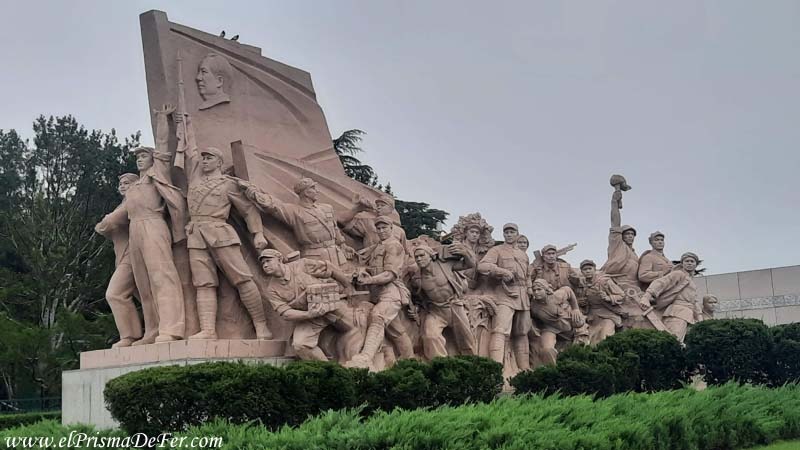
Some processes, such as the Great Leap Forward or the Cultural Revolution, had very harsh social and human consequences and still generate debate. Even so, they definitively shaped the structure of the country today.
Reforms and Opening (1978 – present)
Under Xiaoping, a period of economic reforms began that opened the country to the market and foreign investment. Since then, China has transformed from a largely rural economy into a global industrial and technological powerhouse.
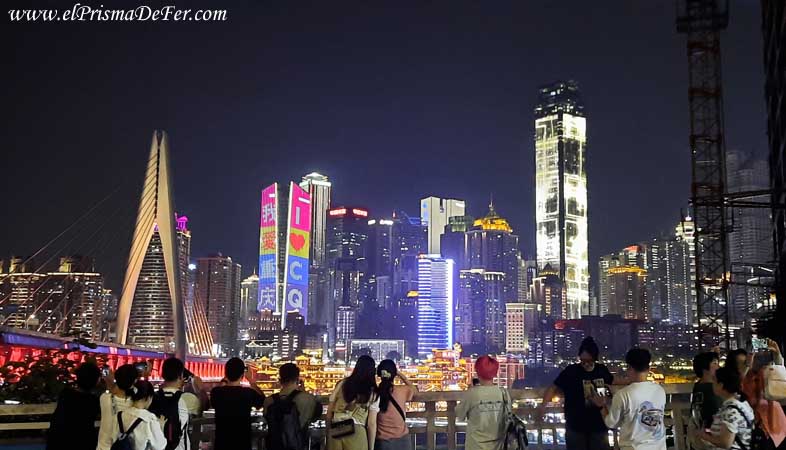
Futuristic megacities like Shanghai, Shenzhen, and Chongqing are the visible result of this accelerated transformation. In just four decades, hundreds of millions of people were lifted out of poverty, and the country became a key player on the world stage.
Do I need a visa to enter China?
China's visa policy has changed a lot recently to make tourism easier, and many countries in Europe and some in Latin America no longer need a visa for short stays of up to 30 days if they enter for tourism, business, visiting family or transit, without going through the traditional consular process.

Visa free entry for up to 30 days
China has for some time applied a unilateral visa exemption policy, valid until December 31, 2026, for citizens with ordinary passports from a list of countries. This means you can enter without a visa and stay for up to 30 days if your trip is for tourism, business, visits, or transit.
The list includes most European countries (such as France, Germany, Italy, Spain, the Netherlands, Switzerland, Portugal, among many others), several Asian nations and certain Latin American countries such as Brazil, Argentina, Chile, Peru and Uruguay.
This makes planning much easier, because it requires neither payments nor the submission of documentation to consulates for short stays if you meet the requirements.
Just in case, it's always a good idea to check the official website to see if the conditions are still valid for your country.
How long can you stay?
The exemption is for stays of up to 30 days per visit, and the general idea is that you enter, enjoy yourself, and leave within that period. For many visitors, this is enough for a complete trip through several major cities in the country.
How many times can you enter and leave China in a year with a visa exemption?
If your country is on the visa exemption list for 30 days per visit, the good news is that you can enter China without a visa more than once, and there is no official limit on how many times you can do so in a year. Each time you enter, a new period valid for up to 30 days for that stay will begin.
This means that, in theory, you could leave the country and re-enter several times during a year.

Exceptions and special cases
If you are not on the list of exempt countries, or you plan longer stays, you must apply for a tourist visa (category L) before traveling, as was traditionally done.
In addition, there are separate visa-free transit policies that allow you to stay for short periods (for example, if you are making a stopover on your way to a third country), but these are different from the 30-day exemption for long-term tourism.
Practical advice
- Always check with the nearest Chinese embassy or consulate before planning your trip, as lists and deadlines may be updated.
- Although you don't need a visa, you will need a passport with sufficient validity and you will likely be asked to show proof of a return ticket within 30 days.
- If your plans are to stay longer than 30 days or to work/study, you will still need to apply for the appropriate visa before traveling.
- You don't need to have hotel reservations where you're going to stay (in the previous system you had to submit an itinerary with reservations already made).
The language barrier: how to communicate without knowing Chinese
One of the biggest challenges when traveling in China is the language. Outside of international hotels and some tourist areas, the level of English is usually low or very basic. Even in large cities, it's not uncommon to find that no one speaks English in restaurants, train stations, or shops.
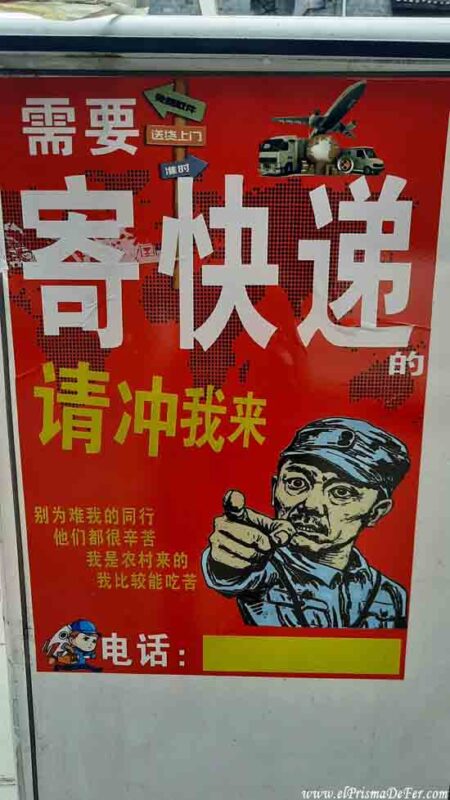
But that doesn't mean communication is impossible. You just have to adapt.
Use translation apps
The most important tool is the translator app on your phone. Google Translate can work (although some Google services have limitations in China), and many travelers choose to download the language pack for offline use. Another very useful alternative is Pleco, especially for translating characters with the camera.
The photo translation function is essential, as you point at the menu, sign or machine and get a fairly functional instant translation (although sometimes they don't make sense).
Screenshots and addresses in Chinese
Here's a tip to keep in mind: always carry screenshots of your hotel's address written in Chinese characters. If you need to show it to a taxi driver or ask for help, it will be much more effective than trying to pronounce it.
The same applies to specific tourist destinations, resorts, or restaurants.
Pointing works
In local restaurants, simply pointing to what you want or using basic gestures is often enough. Don't be afraid or embarrassed to make a mistake; it usually ends up being quite funny.
Learning even the basics helps
It is not necessary to learn Chinese, but memorizing some basic words (hello, thank you, numbers, water, spicy/not spicy) can make everyday situations easier and create a good predisposition.
How to pay in China
If there's one thing that has completely changed the experience of traveling through China in recent years, it's the way people pay. Cash has taken a backseat, and in many cities, relying solely on banknotes can become inconvenient. Today, everything happens via mobile phone.
Almost everything is paid for through apps like WeChat and Alipay, using QR codes. Street food stalls, taxis, supermarkets, even small local shops, all expect digital payments.

Setting it up as a foreigner requires a little preparation; in fact, I wrote a more detailed post explaining which apps are essential for traveling in China.
Is it advisable to carry cash?
Yes, but not much. Although cash yuan is still legal tender and accepted, some small businesses might be surprised if you pay with large bills. Having some cash on hand is good, but it's not advisable to rely on it exclusively.
Advice before you arrive
Set up at least one of the apps before you arrive or as soon as you land. Verify your identity with your passport and be sure to test a small payment to confirm that the card is properly linked.
How to get around in China
Getting around China is much easier than you might imagine before arriving. Despite the enormous distances, the country has an extremely efficient, modern, and punctual transportation infrastructure.
High-speed trains
The high-speed rail network is the backbone of transportation in China. It connects virtually all major cities and many medium-sized ones, with speeds that can exceed 300 km/h.
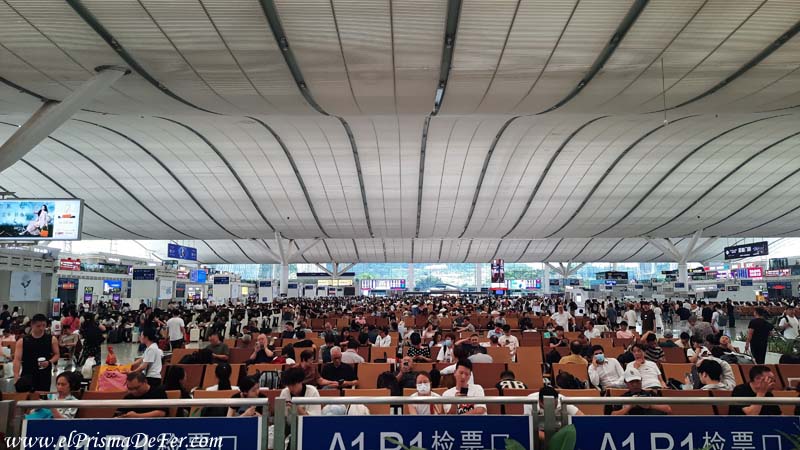
Traveling by train is usually more practical than flying for medium distances (for example, between 400 and 1,200 km), because the stations are within the city and the controls, although strict, are quite efficient.
There are different types of trains:
- G and D: high speed (the fastest and most modern)
- C: short intercity journeys
- Z, T, K: slower or night trains
The seats are numbered and there are different classes (second class, first class, and business). Even in second class, the standard is comfortable and clean.
Which app should I use to buy train tickets?
The official app is 12306, managed by China Railway. It's the most direct and economical platform for buying tickets. It has an English version, although it may be a bit unintuitive at first.
As a more user-friendly alternative for foreigners, many use Trip.com, which allows for easy international card payments. It charges a small fee, but greatly simplifies the process.
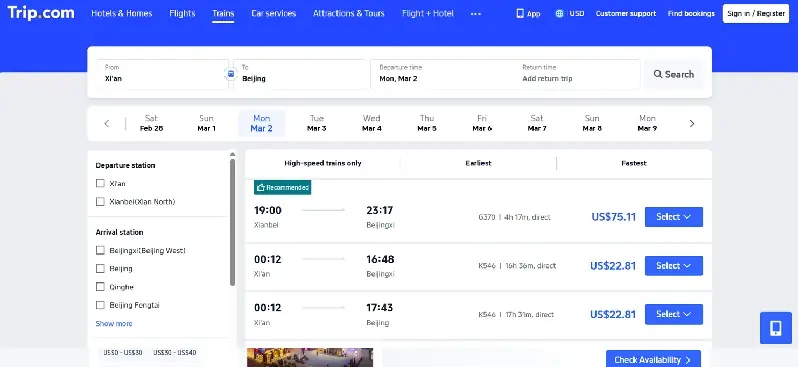
Keep in mind that during peak season (Chinese holidays, summer, Lunar New Year) tickets sell out quickly, so it's advisable to book in advance.
Flights
For very long distances (for example, from Beijing to Yunnan or to the west of the country), flying can save time. China has an extensive network of airports and frequent domestic flights. However, when you factor in transfers and security checks, the train often ends up being just as practical.
Subway and urban transport
Large cities have modern, extensive, and affordable subway systems. Stations are usually signposted in English as well, and security checks are common at entrances.
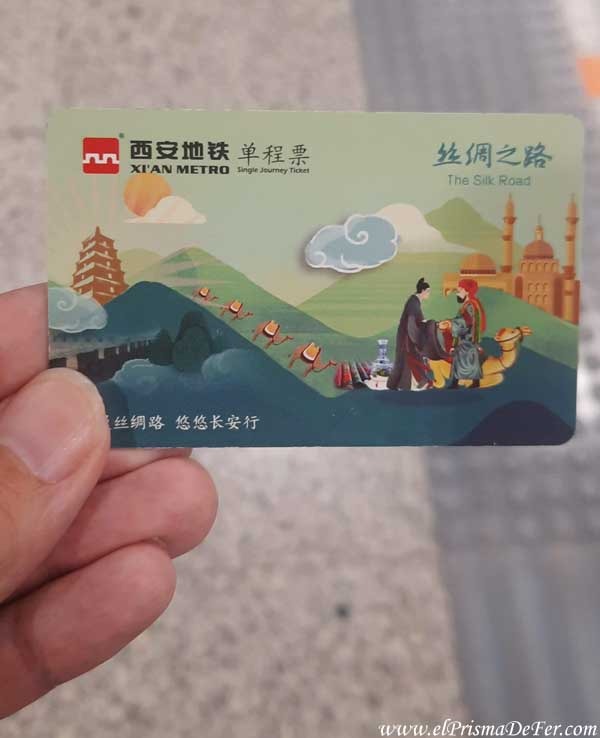
To pay for public transport, you can use apps like Alipay, which includes specific QR codes for subways and buses. However, some cities may still use transport cards, as was the case in Xi'an.
Didi, the “Chinese Uber”
DiDi is the most popular app for ordering rides. It works very similarly to Uber and allows you to pay with a card linked to Alipay or within the app itself. It's very useful if you don't speak Chinese, as it eliminates the language barrier compared to traditional taxis.
Is Hong Kong part of China?
Hong Kong is a Special Administrative Region of China that operates under the principle of “one country, two systems.” Although it is part of the People’s Republic of China, it maintains its own legal system, currency, and immigration controls.
It was a British colony until 1997, the year it passed to Chinese sovereignty, which explains its strong identity and its marked Western influence in aspects such as language, architecture and business culture.
How to find accommodation in China
These days, if you use the right platforms, booking accommodation in China isn't complicated, but there are some details you should know beforehand.
How to book hotels in China
For foreigners, the simplest option is usually Trip.com, which has a huge selection within China and accepts international cards without any problems.

Something important to keep in mind is that not all accommodations in China are authorized to register non-Chinese passports. So always check that the hotel accepts foreigners. If it doesn't clearly state this, it's best to confirm before booking.
Other international platforms also work, but Trip usually has better integration with the local market and more variety in secondary cities.
What are hotels usually like in China?
In major cities like Beijing or Shanghai, the range of options is very wide, although slightly more expensive than in the rest of the country. From high-end international hotels to boutique options and modern local chains, the price-quality ratio is generally good compared to Europe.

In smaller towns or rural areas, the standard can vary considerably. Some hotels are perfectly adequate and functional, but others may feel more basic than the photos suggest.
Bathroom detail: squat toilet
Something that might surprise you in some accommodations, especially budget hotels, train stations, or more local areas, is the squat toilet. Instead of a classic Western toilet, there's a floor-level structure where you have to squat.
It's not common in all hotels, and in international chains or mid-to-high-end accommodations you'll almost always find a Western-style toilet. But in more basic options or in towns in the Chinese countryside, it might appear, and it's best to be mentally prepared.
It is also quite common outside of hotels: public restrooms, stations and local restaurants often have this format.
Interesting facts about China
China is a country that surprises not only with its size and history, but also with everyday details you discover while traveling. Here are some of the most striking:
More than 50 recognized ethnic groups
Although we tend to think of China as a homogeneous cultural bloc, the government officially recognizes 56 ethnic groups. The majority are Han, but there are communities such as Tibetans, Uyghurs, Zhuang or Hui, each with their own traditions, clothing and languages.

Payments almost entirely digital
In many cities, it's possible to go days without using cash. Mobile apps dominate daily life. They're used to pay in restaurants, on public transport, in supermarkets, and even at small street stalls.
The world's most extensive high-speed rail network
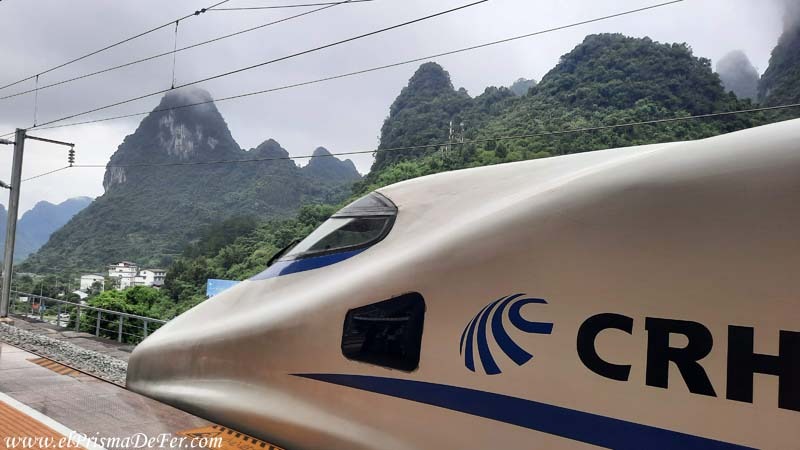
China boasts the world's largest high-speed rail network. It connects cities over 1,000 kilometers apart in just a few hours, completely changing how people plan trips within the country.
Number 4 is avoided
In Chinese culture, the number 4 is associated with the word "death" due to its similar pronunciation in Mandarin. Therefore, it's not uncommon for buildings to omit that number in floor or room numbers, similar to what happens with the number 13 in some Western countries.
The Great Wall is not a continuous structure
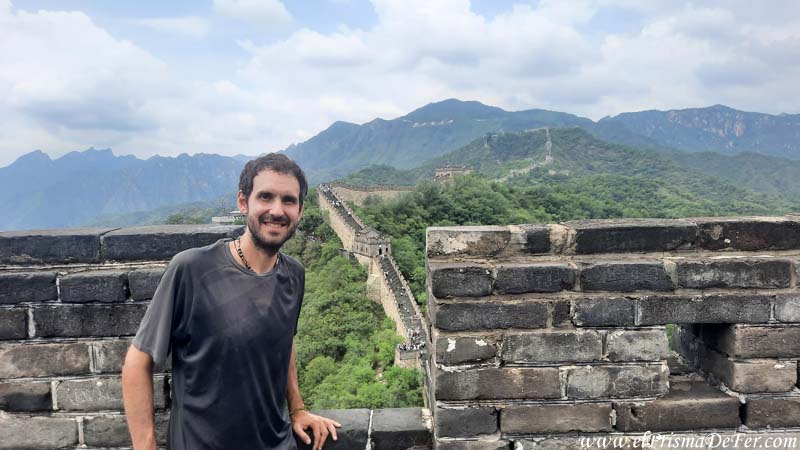
The Great Wall of China is not a single, homogeneous wall, but a set of walls built at different times and with different materials, which in total extend for thousands of kilometers.
One time zone for the entire country
Despite its vast size, equivalent to crossing several European countries, China officially uses only one time zone: Beijing time. This creates curious situations, especially in the far west, where the sun can rise very late according to the official clock.
Cities much larger than we imagine
Many Chinese cities that sound "secondary" outside the country have populations of more than five or ten million inhabitants. The urban scale is difficult to grasp until you're there.
A story written thousands of years ago
China has one of the world's longest documented historical traditions, with records dating back to ancient times and a strong sense of cultural continuity that still forms part of its identity today.
The flag of China
The flag of China was adopted in 1949, with the proclamation of the People's Republic of China.

The red background symbolizes the revolution and the communist movement. In the upper left corner appear five yellow stars: one larger one, representing the Communist Party, and four smaller ones symbolizing the Chinese people, traditionally interpreted as the four social classes united under the leadership of the Party.
Map with the itinerary I followed in China for a month
What to see in China
China is so vast and diverse that trying to summarize what to see in a single section would be unfair. From the monumental Great Wall of China to the Terracotta Army in Xi'an, from the futuristic skyscrapers of Shanghai to the karst landscapes of Guilin, the country offers imperial history, nature, Tibetan culture, megacities, and traditional villages.


It's impossible to cover everything in a single trip, or even in a single section, so in another post I detail specific destinations, those I visited and those I still have to visit.
Best time to travel to China
The country is enormous and the climate varies greatly depending on the region, but generally speaking there are two seasons that are usually the most recommended for visiting China.
Spring (April – June)
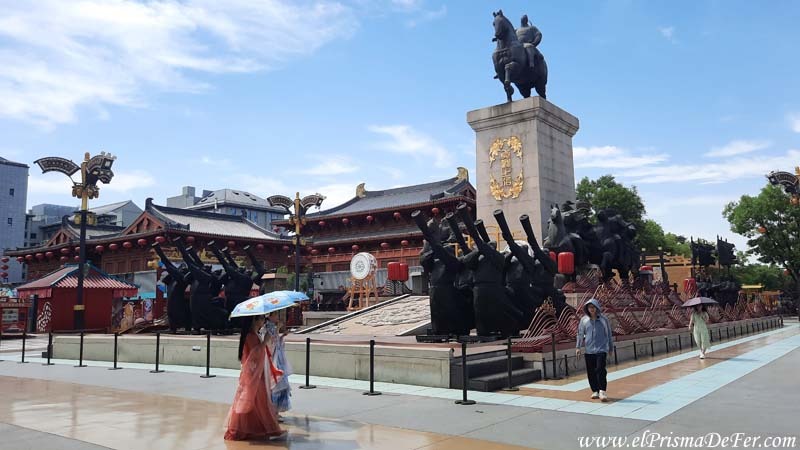
For many, it's the best time of year. Temperatures are pleasant across much of the country, the landscapes are lush and green, and the intense summer heat hasn't yet arrived. It's a great time to explore cities like Beijing or Xi'an without experiencing extreme temperatures.
In addition, in natural areas the climate is usually stable and more comfortable for walking.
Autumn (September – October)
Another excellent window of opportunity. The summer heat begins to subside, humidity decreases, and the sky is usually clearer. It's a very balanced time to combine city breaks with natural landscapes like those in Guilin or the mountainous regions of the west.
However, avoid the first week of October (Golden Week), when millions of Chinese travel within the country and prices rise.
Summer (July – August)
It can be very hot and humid, especially in the east and south. Temperatures in cities like Shanghai can be intense. However, it is a good season for higher altitude areas, such as regions of Yunnan or Sichuan.
It is peak season for both local and international tourism.
Winter (November – March)
Cold in the north (with sub-zero temperatures in Beijing), but quieter in terms of tourism. It can be interesting if you want to see snowy landscapes or avoid crowds. The climate in the south is more moderate.
What to eat in China: typical dishes you can't miss
Chinese cuisine is as diverse as the country itself, and it's impossible to mention all the dishes in one place. But beyond the regional variety, there are iconic dishes worth seeking out during your trip. Here are some of the most representative:
Hot Pot (火锅)
One of the great classics, especially popular in regions like Sichuan and in cities like Chongqing.
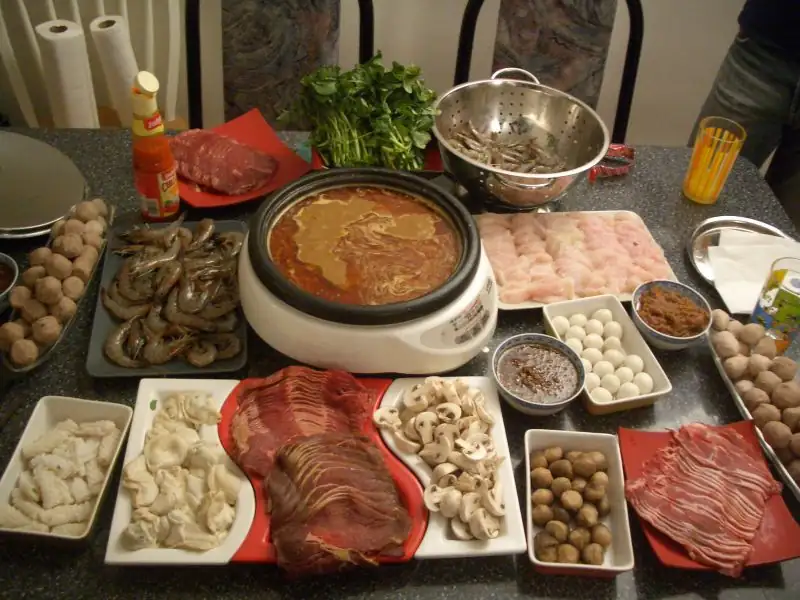
Hot pot is a social experience: a pot of boiling broth (which can be mild or extremely spicy) is placed in the center of the table, and each person cooks meats, vegetables, tofu, mushrooms, or noodles in it. It's hearty, interactive, and perfect for sharing.
If you can't tolerate too much spice, it's best to order a split version with mild broth on one side.
Peking lacquered duck (北京烤鸭)
Originally from Beijing, it is one of the most famous dishes in the country.
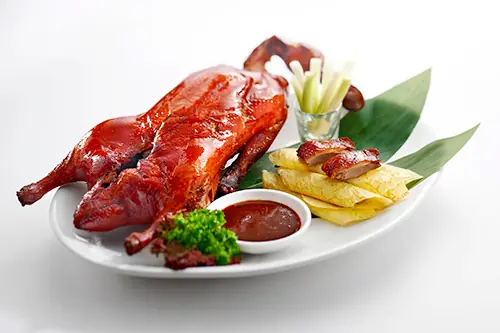
The duck is roasted until the skin is extremely crispy and served in thin slices, accompanied by thin crepes, cucumber, onion, and a sweet sauce. It's rolled up like little rolls. It's more delicate and lighter than many people imagine.
Dumplings (饺子)
Dumplings, boiled, steamed, or pan-fried, are a staple in northern China. They can be filled with pork, lamb, shrimp, or vegetables.
They are especially traditional during Chinese New Year, but are available year-round. Their size, dough thickness, and seasonings vary by region.
Xiaolongbao (小笼包)
Famous in Shanghai, these steamed dumplings are filled with broth. They should be eaten carefully, because biting into them releases a delicious hot soup.

The technique for eating them is usually to bite into a small hole, slurp the broth, and then finish the bite.
Mapo Tofu (麻婆豆腐)
Un clásico de Sichuan. Es tofu suave cocinado con carne picada, salsa picante y pimienta de Sichuan, que produce ese característico efecto levemente anestésico en la boca. Intenso, especiado y muy representativo de la cocina regional.
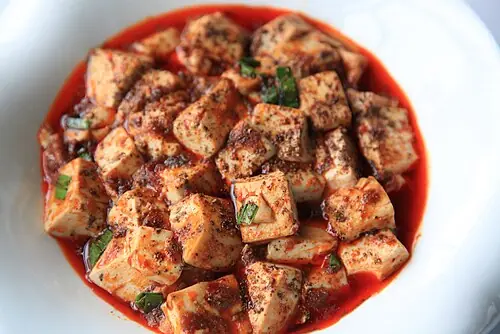
Biang Biang Noodles (Biáng Biáng面)
Typical of Xi'an, these are wide, handmade noodles served with spicy oil, garlic, vegetables, and meat. They are hearty and filling, ideal after a day of hiking.
Jianbing (煎饼)
A very popular street breakfast. It's a kind of savory crepe made to order, with egg, sauce, herbs, and something crunchy inside. Quick, cheap, and perfect for starting your day like a local.
Do they eat dogs in China?
The short answer is that it's not widespread.
China is vast and culturally diverse. While dog meat consumption has existed as a local tradition in some specific regions, it's not widespread throughout the country, nor is it something the average traveler is likely to encounter on a daily basis.
In fact, it is becoming less common in large cities, and there is a growing internal debate on the issue, especially among younger generations.
Is it expensive to travel to China?
China isn't a particularly expensive destination, but it's not the ultra-low-cost Southeast Asia many people imagine either. The budget depends heavily on the type of trip and the cities you choose.
Local transportation, especially high-speed trains, is reasonably priced considering the distances and service quality. Eating at local restaurants can be very inexpensive, while Western or international restaurants significantly increase the budget.
Accommodation offers good value for money. In large cities like Shanghai or Beijing, there are options for all budgets. In smaller cities, prices are usually considerably lower.
Is it safe to travel to China?
Absolutely yes, China is one of the safest countries in the world today.
The rate of violent crime is low, and robberies and assaults are uncommon, even in large cities. It's normal to see people walking at night without worry, and public transportation is safe and well-organized.
But, as with any destination, it's advisable to take basic precautions such as keeping an eye on your belongings in crowded areas, being vigilant in train stations, and avoiding unofficial intermediaries.
It's also important to keep in mind that China has a strong state presence and surveillance system, which is an integral part of its culture. For the average leisure traveler, this doesn't usually pose any problems.







Support The Prism of Fer!
Your support helps me continue creating free content on the blog. Thank you so much!