If you're wondering how to do the Annapurna Circuit, how long it takes, or how to prepare, this guide brings together all the essentials to plan it clearly and without surprises.
Here you will find the practical aspects of trekking: permits, transportation, accommodations, timing, costs, and tips that I wish I had known before starting.
En cambio, en otro post cuento mi experiencia día por día, con el itinerario que hice y cómo lo viví personalmente. Acá el foco está puesto en lo útil y organizativo; allá, en la historia del viaje. Entre los dos, la idea es que tengas tanto la guía práctica como el relato completo del recorrido.
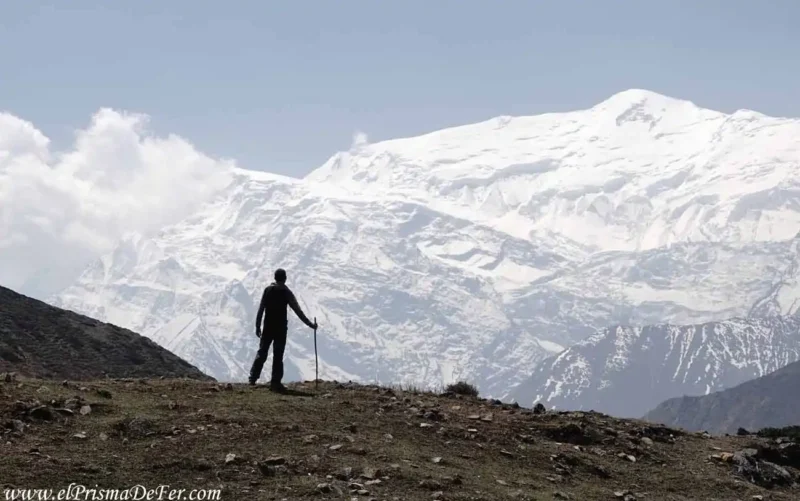

Table of Contents
What is the Annapurna Circuit?
The Annapurna Circuit is a long-distance trek that circles the Annapurna massif in central Nepal.
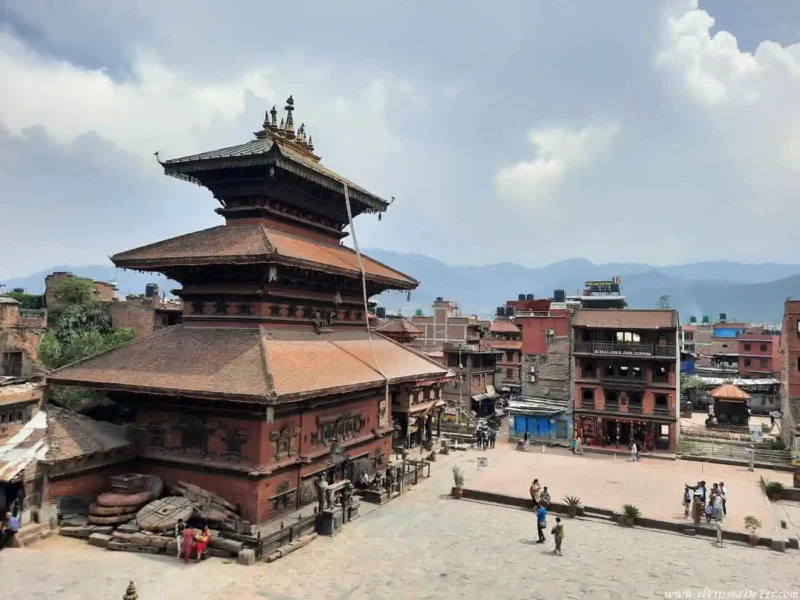
The route passes through different valleys and regions, going through mountain villages where Hindu and Buddhist traditions coexist, while the landscape changes as you gain altitude.
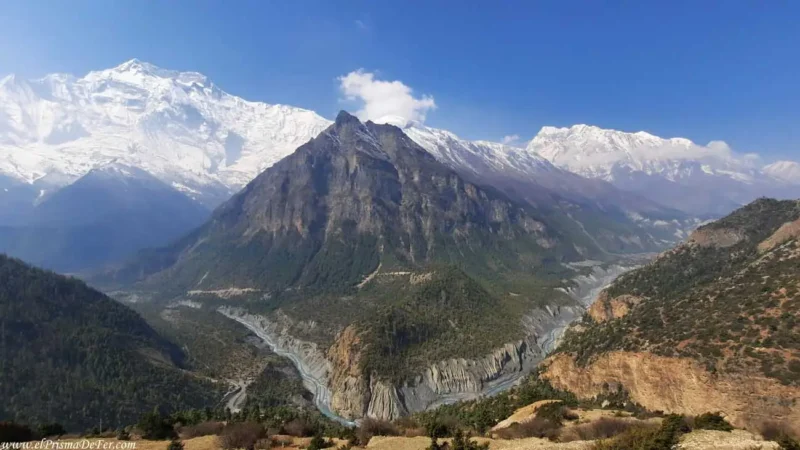
The highest point of the circuit is the Thorng La pass (5,416 m), one of the highest mountain passes in the world that can be crossed on foot without the need for technical equipment.
One of the reasons this trek is so popular is its infrastructure. There are towns with accommodation and food all along the route, making it possible to do it without needing to camp or carry too much equipment.
This makes it a physically demanding experience, but logistically accessible for travelers who are in good physical condition and have time to adapt to the altitude.
Do you want to follow this route precisely?
Download the KML/KMZ file of my Annapurna Circuit trek and open it in apps like Maps.me, AllTrails, or Gaia GPS to have the complete route offline. Ideal if you want to navigate the valley with confidence, even without cell service.
Download the Annapurna Circuit on Gumroad for a low cost. You can also download the base camp trek or even take advantage of the both kit for a better price.

How long does the Annapurna circuit last?
The duration of the Annapurna circuit varies greatly because it depends on where you start and where you finish. With the construction of roads to several villages along the route, trekking is now much more flexible than in the past, and each traveler can adapt it to their available time.
Some people do it in less than a week, taking a jeep to Manang, starting the trek from there, crossing the Thorong La pass and ending in Muktinath or Jomsom. This version includes crossing the pass, which is the most iconic point, but reduces the trek by several days.
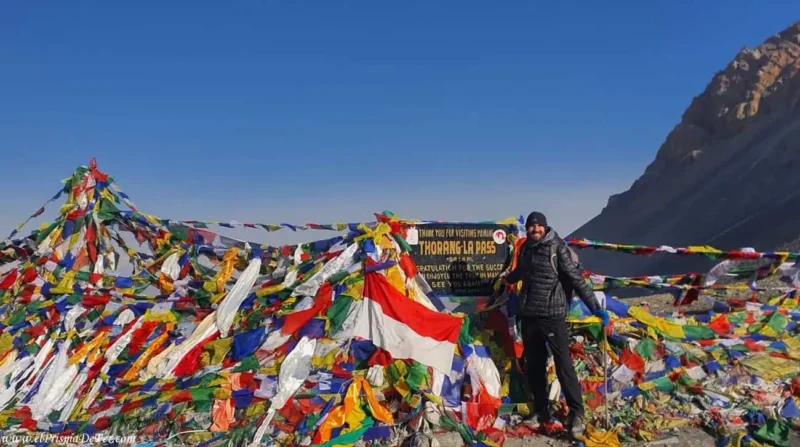
The most classic version, walking a large part of the circuit, usually takes between 12 and 18 days, and is more complete in terms of landscape, because it allows you to see the gradual change of climate and vegetation as you approach the high mountains.
There's no single "right" option. If you have the time and want to experience the trek in its entirety, the classic route is more rewarding; if your priority is the Thorong La, the shorter version is still an interesting adventure. In either case, the most important thing isn't speed, but respecting the acclimatization process.
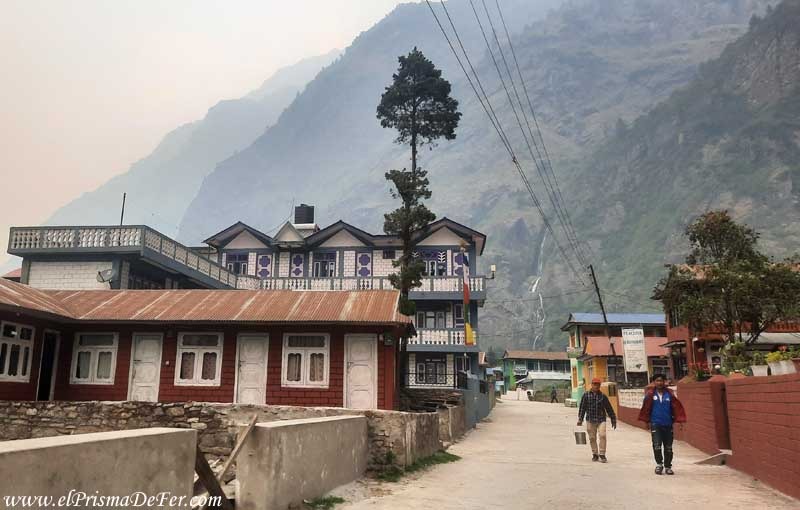
In my case, I walked for 9 days (including one day of acclimatization). I started in Tal, a small village about 7 km before Dharapani, which is a very popular intermediate point, and finished in Tatopani, but skipping the intermediate stages from Muktinath.
ACAP permit: what it is and how to get it
To do the Annapurna Circuit, you absolutely need the ACAP (Annapurna Conservation Area Permit), which is the entry permit for the Annapurna Conservation Area. Without this permit, you will not be allowed to proceed, as it is checked at several checkpoints along the circuit.
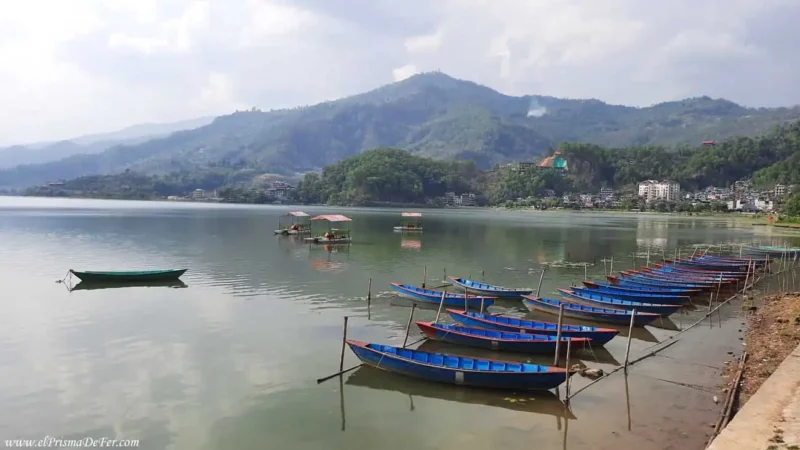
If you are in Pokhara, the easiest way to process it is at the Nepal Tourism Board office, near Lakeside (see on the map). The process is simple and usually takes less than an hour. You'll need your passport, a passport photo (there are shops nearby that can take them), and to pay the fee in cash.
The cost for foreigners is usually around 3,000 Nepalese rupees (it may change over time), and once issued you have to carry it with you at all times because they will ask for it several times along the way.
Do you need a guide to do the Annapurna Circuit?
At the moment, hiring a guide is not mandatory to do the Annapurna circuit. In recent years there was considerable confusion because a regulation was announced stating that treks in Nepal must be done with a registered guide.
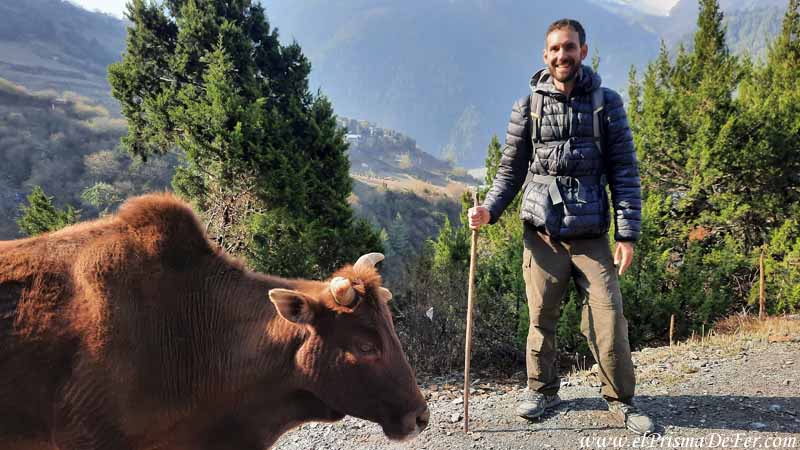
However, in practice that rule is not strictly applied in the Annapurna region, and today the circuit is still done independently without problems.
What is mandatory is having the corresponding permit, the ACAP, which is checked at several checkpoints along the route.
How much does a guide charge, and is it worth hiring one?
Guides for the Annapurna circuit usually charge, on average, between 25 and 35 USD per day (indicative prices), sometimes including their accommodation and food within that value.
It is not a technically complex trek nor does it require advanced navigation, as the trail is well marked and full of villages, so many people do it independently without problems.
Hiring a guide is worthwhile if you want a local to provide cultural context, help with the language, arrange accommodations, and be able to react to altitude sickness problems.
If you feel comfortable organizing on your own and have mountain experience, it's not essential at all.
Is it possible to do the Annapurna Circuit solo?
Yes, the Annapurna Circuit can be done perfectly well independently. It's one of the best-marked and best-infrastructured treks in Nepal. Every day you pass through villages with accommodation and food, there are other trekkers along the way, and the trails are generally clear. It's not an isolated trek where you spend days without seeing a soul.
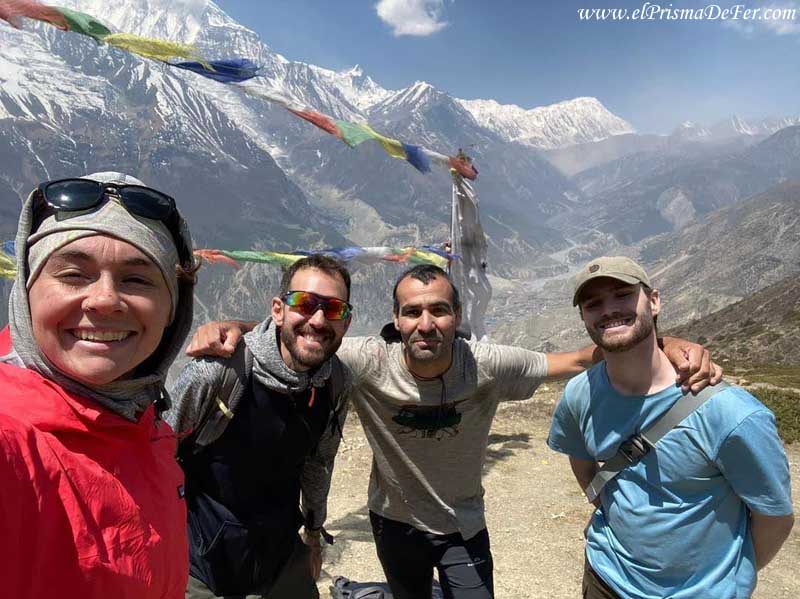
However, going it alone doesn't mean underestimating the mountain. Altitude, weather, and fatigue all play a role. It's best to walk at your own pace, respect your acclimatization period, and listen to your body. Many people start alone and end up sharing stages with other travelers they meet along the way.
Where to sleep during the Annapurna Circuit
Throughout the circuit you sleep in teahouses, simple mountain accommodations that appear in each village along the route. They are basic rooms, usually with two beds, a blanket, and little else, but sufficient for resting after each stage.
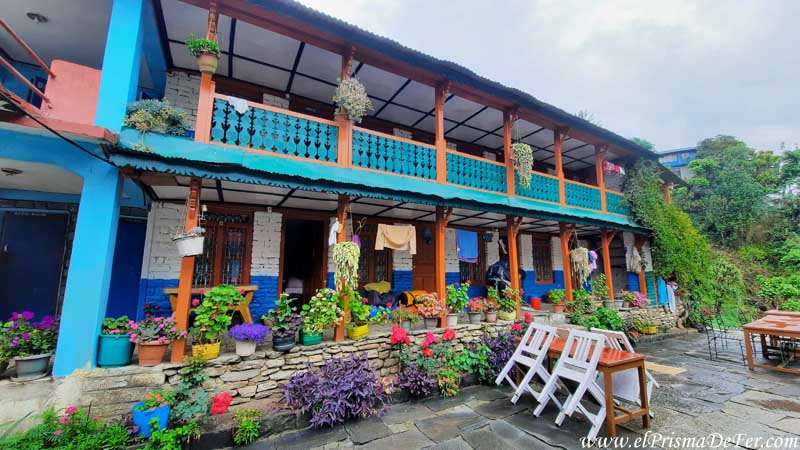
As you gain altitude, prices go up, because the more difficult it is to supply a town, the more expensive it is to sleep and eat there.
In lower-priced areas, it's common for many accommodations to offer a discount if you have dinner and breakfast at the same place. This is a widespread practice because the lodge's real income comes from food, not from accommodation.
To give you a price reference, in 2024 in Dharapani I paid around 1225 rupees (for dinner, night and breakfast), while in one of the high villages, Yak Kharka, I spent about 1760 rupees. It's not a huge difference, but you can see how costs increase as you get closer to Thorong La.
Generally, you don't need to book in advance; you simply arrive in town, walk a few minutes, and choose where to stay.
What equipment to bring for the Annapurna circuit
The Annapurna circuit does not require technical equipment, but it does require appropriate clothing for cold, wind and sudden changes in weather.

As you gain altitude, temperatures drop significantly, especially at night, so it's important to dress in layers. The basics: a warm jacket, a thermal base layer, a fleece, comfortable trekking pants, a hat, gloves, and a good waterproof jacket.
Comfortable, broken-in hiking boots are essential. It's also a good idea to bring a lightweight backpack, sunscreen, sunglasses, a reusable water bottle, a headlamp (useful for the day you cross the pass), and a small personal first-aid kit. There's no need to carry extra gear, neither a tent nor cooking equipment. There are villages in the Annapurna region every day, so you can travel quite light.
I didn't mention the sleeping bag because it depends a lot on your tolerance for the cold. Most accommodations provide blankets, and they're usually sufficient. The exception is typically the two nights at the highest altitude, when the temperature drops considerably and a blanket might not be enough. I brought one, but I practically only needed it the night before crossing the pass.
If you're missing anything, Pokhara is a great place to buy or rent equipment before you start. Many things are inexpensive and sufficient for the trek. On the other hand, if something breaks halfway through your trip or you realize you forgot to bring an item of clothing, Manang works very well for restocking, although the prices are higher.
The important thing is to bring what you need for the cold and rain, but avoid overloading your backpack, because every kilo is felt when you walk for several days in a row.
Is it worth hiring a porter? Costs and considerations
Hiring a porter isn't mandatory, but it can make a big difference if you don't want to carry weight for two weeks. Hiking at high altitude is demanding enough, and carrying a heavy backpack makes it even harder.
The cost is usually around $20-$30 USD per day (it may vary depending on the season and negotiation), and they normally carry up to 15-20 kg.
The reality is that, since you don't need to carry camping or cooking equipment, many people do the circuit carrying their own backpack without any problems. It depends on your fitness level, your budget, and how comfortable you want your walk to be.
Classic stages of the Annapurna Circuit
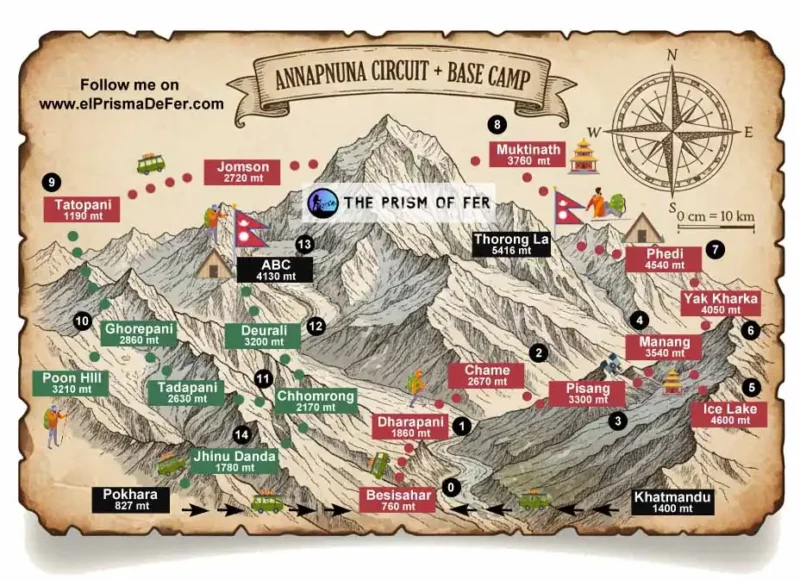
| Stage | Height | Approximate distance |
|---|---|---|
| Besisahar → Bhulbhule | 760 m → 840 m | ~6 km |
| Bhulbhule → Jagat | 840 m → 1.300 m | ~16 km |
| Jagat → Dharapani | 1.300 m → 1.860 m | ~15 km |
| Dharapani → Chame | 1.860 m → 2.670 m | ~14 km |
| Chame → Upper Pisang | 2.670 m → 3.300 m | ~14 km |
| Upper Pisang → Manang | 3.300 m → 3.540 m | ~16 km |
| Manang → Yak Kharka | 3.540 m → 4.050 m | ~10 km |
| Yak Kharka → Thorong Phedi | 4.050 m → 4.540 m | ~7 km |
| Thorong Phedi → Thorong La → Muktinath | 4.540 m → 5.416 m → 3.760 m | ~15 km |
| Muktinath → Jomsom | 3.760 m → 2.720 m | ~18 km |
| Jomsom → Marpha | 2.720 m → 2.670 m | ~6 km |
| Marpha → Ghasa | 2.670 m → 2.010 m | ~14 km |
| Ghasa → Tatopani | 2.010 m → 1.190 m | ~17 km |
How to get from Pokhara to the start of the Annapurna Circuit (Besisahar)
The "official" starting point of the Annapurna circuit is Besisahar, a city that serves as a gateway to the region.
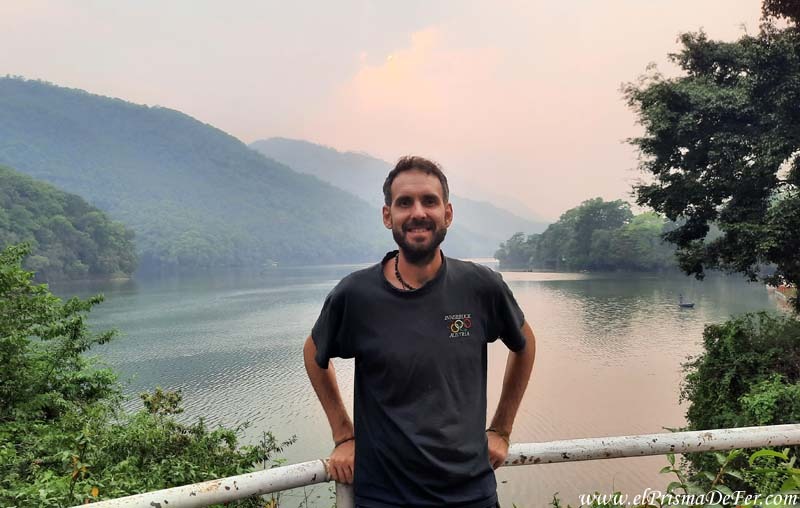
From Pokhara, you can reach the city by bus or jeep in about 5–7 hours, depending on traffic and road conditions. The vehicles leave early in the morning (between 6 and 7) from the New Bus Park (see location on the map), and it is advisable to go with time because the schedules are not always strict.
Once in Besisahar, the traditional trekking route is rarely started on foot anymore. Today, most travelers take a shared jeep to Manang, which travels through the valley and can drop you off in various villages along the way.
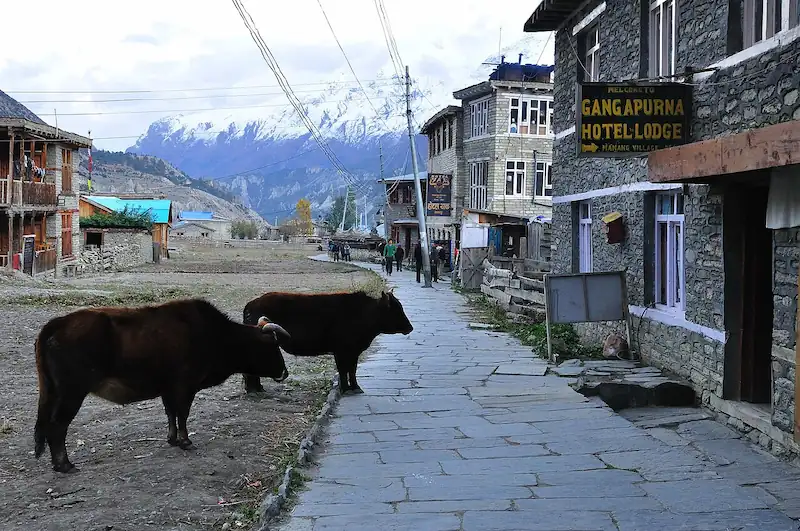
You simply tell the driver where you want to get off—Jagat, Dharapani, Chame, Pisang, Manang, or any other point you choose—and pay the corresponding fare. This allows you to adjust the start of your trek according to your time, your acclimatization plan, and how many days you want to hike.
How to get back to Pokhara after completing the Annapurna Circuit
Once you complete the circuit, how you return to Pokhara depends on where you decide to end it. The most common places are Muktinath, Jomsom or Tatopani, and from any of them there are transport options.
Jeeps and buses depart from Muktinath towards Jomsom and Pokhara. The journey is long, dusty, and bumpy, but it's the most direct option if you want to leave quickly.
Many people first head down to Jomsom, which is a major transport hub in the area. From there you can take a jeep/bus to Pokhara or even fly (weather permitting), although flights are frequently canceled due to wind.
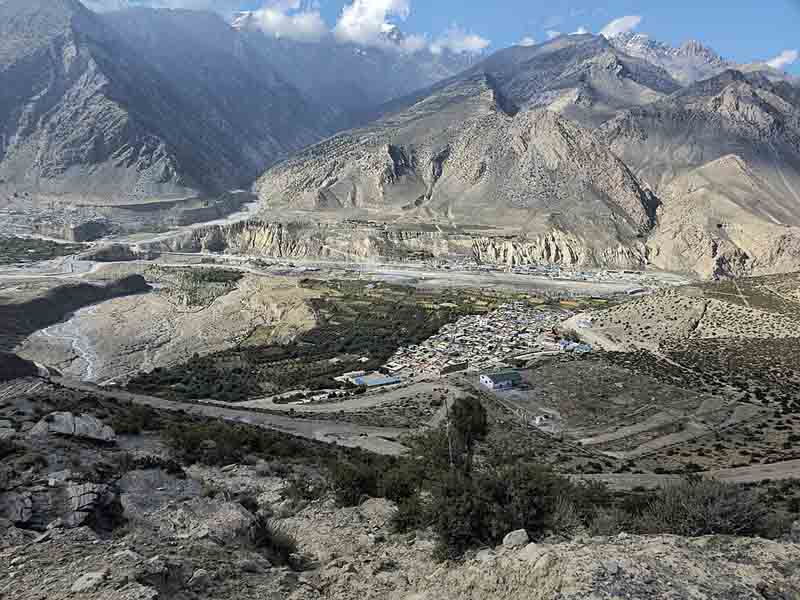
If you continue to Tatopani, there are also buses and jeeps that connect to Pokhara in about 4–5 hours. It's a convenient alternative if you want to finish the trek at a lower altitude and rest before returning.
In all cases, the schedules are flexible and operate more on demand than a fixed timetable, so it's best to ask the day before in the town where you are.
Can the circuit be made in reverse?
Yes, the Annapurna Circuit can be done in reverse, starting from the Muktinath/Jomsom area and crossing the Thorong La Pass towards Manang. Technically, there's no prohibition, and some trekkers choose this route for logistical or time reasons. The problem is that it's not the most advisable option from an acclimatization standpoint.
Doing it the other way around means gaining altitude too quickly and facing the 5400-meter pass with fewer days to acclimatize. The classic route is designed precisely so that the body gradually adapts, sleeping at increasingly higher altitudes.
That's why most people do it the traditional way. Reversing the route can increase the risk of altitude sickness and turn an amazing experience into a serious problem. If you decide to do it this way, be sure to add extra days of acclimatization and listen carefully to your body.
Can the Annapurna Circuit be combined with Annapurna Base Camp?
Yes, it is totally possible to combine the Annapurna Circuit with the trek to Annapurna Base Camp, and in fact that is what I did over 14 days.
After crossing the Thorong La pass, many trekkers end the circuit at Muktinath or Jomsom. However, a very interesting alternative is to go down to Tatopani (either by bus, jeep or on foot), where the circuit intersects with a trail that leads to the Annapurna Base Camp valley.
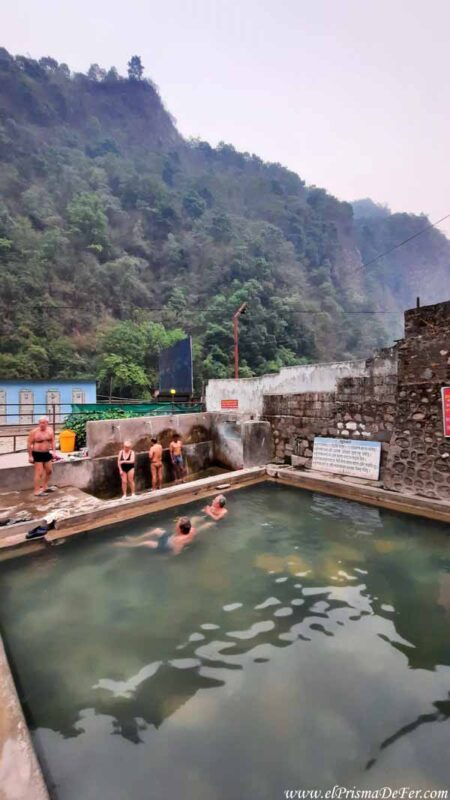
From Tatopani you can continue on foot towards Ghorepani, Chhomrong and the ABC, without needing to return to Pokhara between treks. This way, you first explore the more remote and varied side of the massif with the circuit, and then enter directly into the heart of the Annapurna.
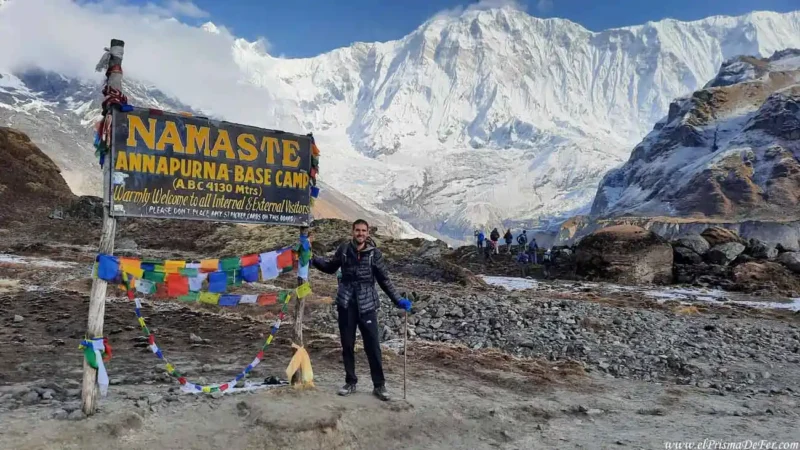
Guide to trekking to Annapurna Base Camp
Estimated budget for doing the circuit (without guide or porter)
The following is a indicative budget for doing the Annapurna Circuit independently, without a guide or porter. The values are approximate and may vary depending on the season, exchange rate, and personal choices, but they serve as a reference for planning:
Transport
- Bus Pokhara → Besisahar: ~₨ 800 – 1,200
- Jeep from Besisahar to intermediate points (e.g., Dharapani): ~₨ 2,000 each way
- Bus or jeep Muktinath → Tatopani (optional): ~₨ 1,500 – 2,000
Permits
- ACAP (Annapurna Conservation Area Permit): ~₨ 3,000 (mandatory for the entire circuit)
Accommodation (Teahouses during the trek)
- Low stages: ~₨ 1,000 – 1,300 per night
- High stages: ~₨ 1,500 – 1,800 per night
If you stay for around 12 – 14 nights, accommodation can cost around ₨ 16,000 – ₨ 22,000 in total.
Food and drink
- Breakfast: ~₨ 300 – 600
- Lunch/Dinner: ~₨ 600 – 1,000 per meal
- Water and snacks: ~₨ 200 – 500 per day
An average daily cost for food can be ₨ 1,500 – ₨ 2,000, which gives an approximate total of ₨ 18,000 – ₨ 28,000 if you are walking for 12–14 days.
Estimated total (without guide or porter)
Adding local transport, permits, accommodation and food, a 12-14 day trek can cost you around: ₨ 40,000 – ₨ 55,000 NRP (approximately USD 330-460, depending on the exchange rate)
Tips for saving money:
- Sharing a jeep to Dharapani or Manang reduces transport costs.
- Many lodges offer a discount if you have dinner and breakfast there.
- Buy snacks in Pokhara before leaving and in Manang, which is as far as the jeeps go.
Frequently Asked Questions about the Annapurna Circuit
What is the best time to do the circuit?
The most recommended seasons are spring (March–May) and autumn (September–November). These are usually the months with the best weather, clearer skies, and relatively stable temperatures. It's possible to visit in winter, but the pass may be closed due to snow; in summer, the monsoon brings rain, mud, and poor visibility.
Is altitude sickness dangerous?
It can be dangerous if acclimatization isn't respected. The route is designed for gradual altitude gain, but it's important to walk slowly, stay well hydrated, and spend several days acclimatizing in Manang or the surrounding area. If severe symptoms appear, the only solution is to descend.
Is prior trekking experience required?
You don't need to be an expert mountaineer, but you do need a reasonable level of fitness and to be used to hiking for several days at a time. It's not a technical trek; the main challenge is the altitude, not the difficulty of the trail.
Is there cell phone or internet signal in the area?
Many villages have basic cell service, and several teahouses offer paid Wi-Fi. The higher the altitude, the more unreliable the connection becomes. It's best to expect days with almost no signal.
Can I pay by card or do I need to bring cash?
Almost everything is paid for in cash. Some larger towns may accept cards with a surcharge, but this is not the norm. It's best to leave Pokhara or Kathmandu with enough cash.
Is it very cold?
Yes, especially from Manang onwards, and particularly in Phedi and on the day of the Thorong La crossing. The rooms don't usually have heating, so a good coat and sleeping bag make all the difference.
Are there hot showers during the trek?
Yes, most towns have hot showers, but they're usually not free and get more expensive as you go higher. At high altitudes, water is sometimes limited.
Is it necessary to book accommodation in advance?
In mid or low season it's not necessary. In high season there may be more activity, but beds are always available.
Do I need to bring a tent?
No, there are villages scattered all along the circuit. You'll always find a teahouse where you can spend the night.
Where can I get water during the Annapurna Circuit trek?
During the Annapurna Circuit, you can get water in all the villages with teahouses, either by buying bottles or asking for boiled water. There are also natural springs and taps along some sections of the trail, but it's always advisable to purify the water with tablets, a filter, or a similar system.
Support The Prism of Fer!
Your support helps me continue creating free content on the blog. Thank you so much!