It has a unique energy, that charming chaos of the medina, aromas more pleasant than those of Fez, open spaces among so many walls… Marrakech captivated me from the first day.

A brief history of Marrakech
This post is part of the itinerary I put together for a 3- or 4-week tour of Morocco. If you'd like to see the full details, you can read the main article here.

How to get to Marrakech
From the outside
Marrakech has a well-connected international airport, Menara Airport (RAK), which is served by direct flights from many European cities and other parts of Morocco.
From Fez, Casablanca, Rabat or Essaouira
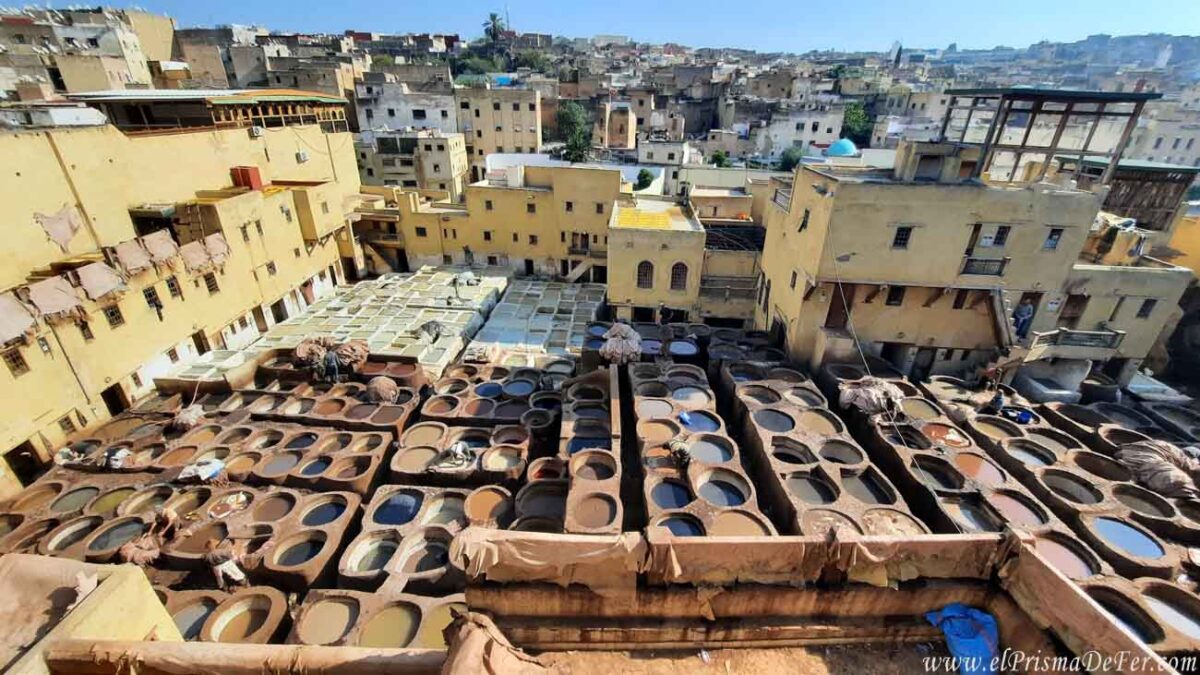
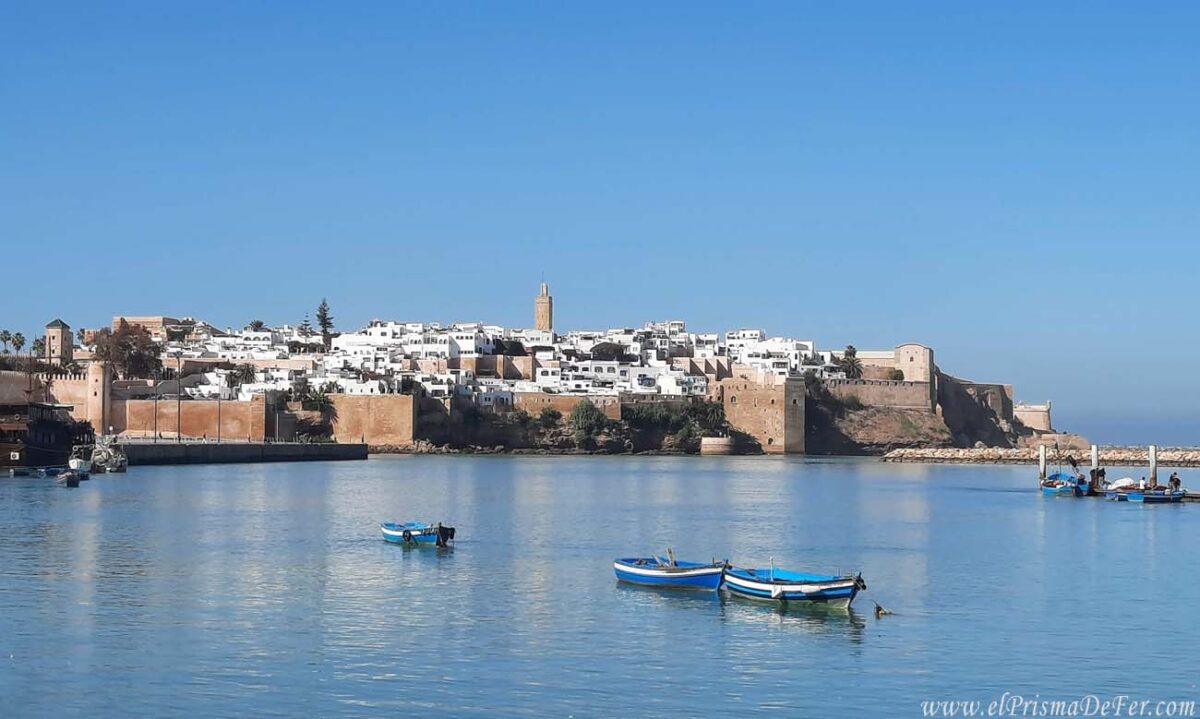
You can reach Marrakech by train or bus from cities like Fez, Casablanca or Rabat. ONCF is the train company and the most reliable and comfortable tourist buses are CTM or Supratours.
From the desert and High Atlas
If you are arriving from the High Atlas or the desert such as Merzouga, Tinghir, Ouarzazate, the most acceptable option is on the CTM or Supratours buses.
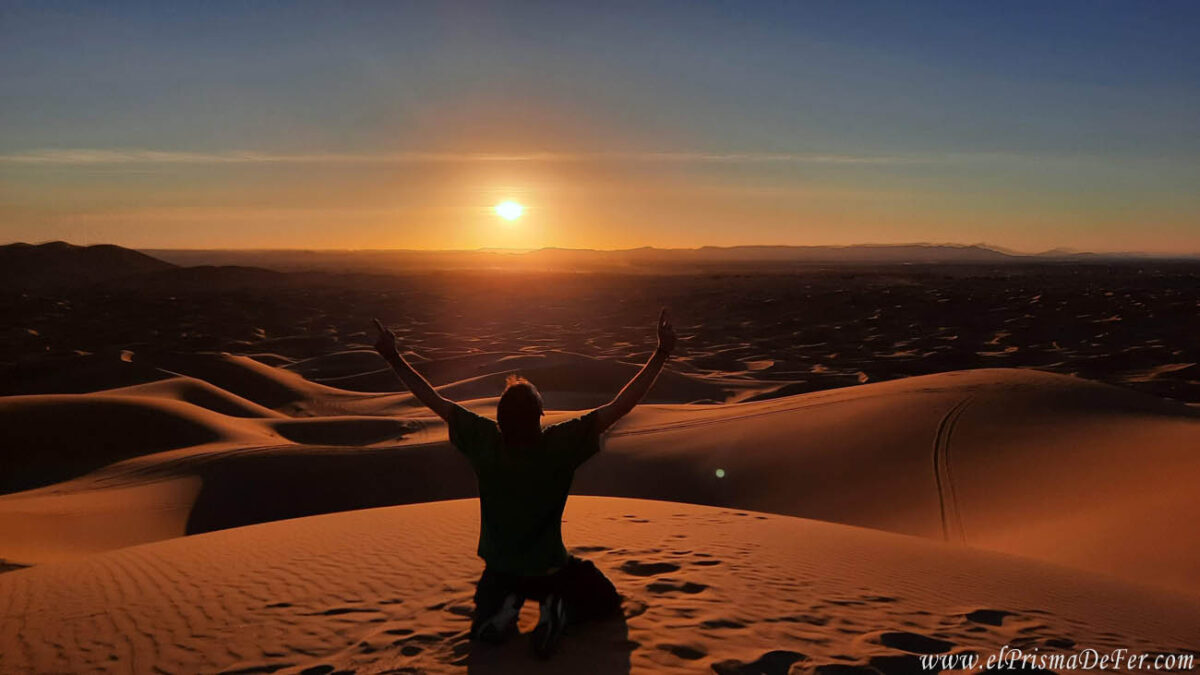
You can read all the entries I wrote about Merzouga, the door to the Sahara Desert, Tinghir, with its oasis of palm trees and the Todra Gorge, and Ouarzazate, base to visit the Ksar Ait Ben Haddou
How to get from Menara Airport (RAK) to the city center
- Public Bus (Line 11 or No. 19): This is the cheapest option, costing 4 dirhams. However, the stop is not located directly at the terminal, and the journey may be slower due to the multiple stops. It connects to Jemaa el-Fna Square.
- Taxi: You can take a taxi directly at the airport exit; it's advisable to agree on a price beforehand, as they don't always use meters.
- Private Transfer: You can book a private transfer in advance to pick you up at the airport.
How to get around Marrakech
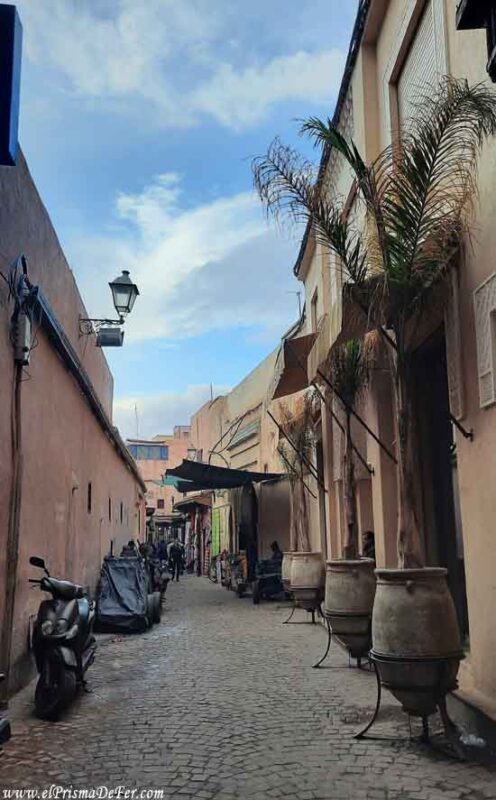
There are two types: petit taxis (generally beige, for journeys within the city) and grand taxis (for longer distances or if you are traveling with luggage).
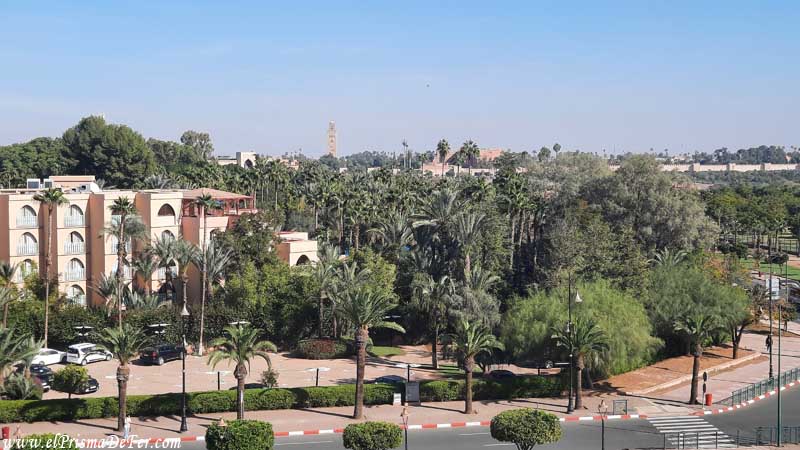
Another option is to use apps like Bolt or Careem, which work quite well in Marrakech and can help you avoid haggling. There are also city buses, although they tend to be slower and more confusing for first-time visitors.
Where to stay in Marrakech
Marrakech offers a wide variety of accommodations, from traditional riads in the heart of the medina to modern hotels in quieter neighborhoods.
- Medina: The most authentic. It allows you to be close to the main attractions, but it can be noisy and confusing to navigate. Ideal if you want to experience the chaos and magic of Marrakech.
- Gueliz: The modern part. Quieter, with Western cafes and restaurants. A good option if you're looking for comfort and less visual stimulation.
- Hivernage: Elegant and more expensive area, where luxury resorts and hotels are concentrated.
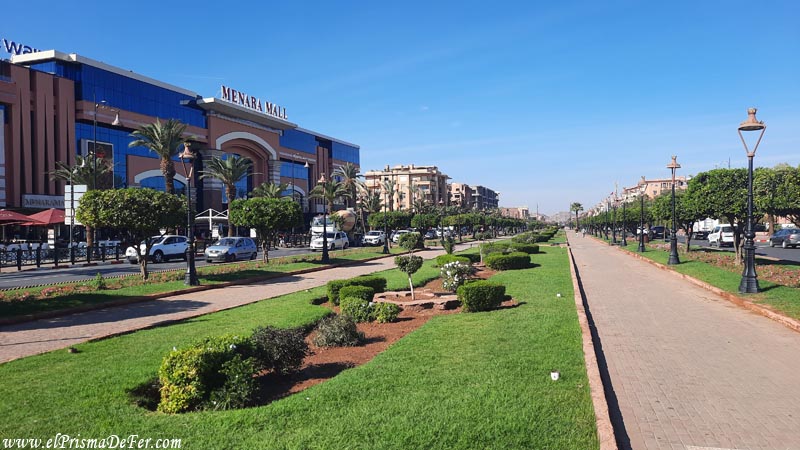
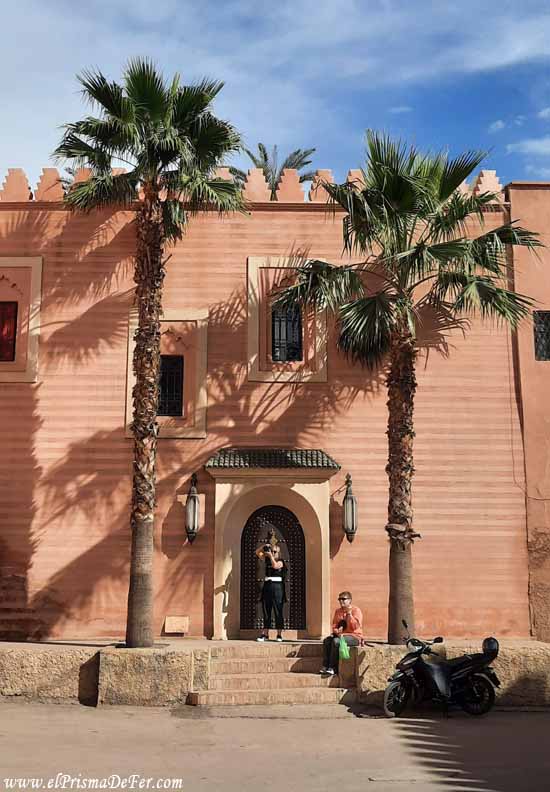
I stayed in two places to stay located inside the Medina of Marrakech. One was the Hostel Kech Vibe, which is located almost all the way through the Medina, and the other was the Riad Dia, which is located closer to Jemaa el-Fnaa square. Both are old buildings but very charming.
Personal Tip: Staying in a riad within the medina is an experience in itself. Many offer spectacular breakfasts, beautiful interior courtyards, and attentive service.
You can read the complete travel guide to Morocco. There you have all the information you need to plan your trip to this fantastic country.
Interesting facts about Marrakech
- The name Morocco comes from Marrakech: For centuries, this city was so important that European travelers used it to refer to the entire country. This is where the name "Morocco" comes from in English and other languages.
- The Medina is a World Heritage Site: UNESCO declared it as such in 1985 for its historical value and traditional architecture.
- Motorbikes are part of the landscape: Although it may seem chaotic, the motorbikes speeding through the alleys of the medina are part of everyday life. Being alert is key!
- The Majorelle Garden was once owned by Yves Saint Laurent: The famous French designer bought this botanical oasis in the 1980s and restored it. Today, his ashes are scattered there.
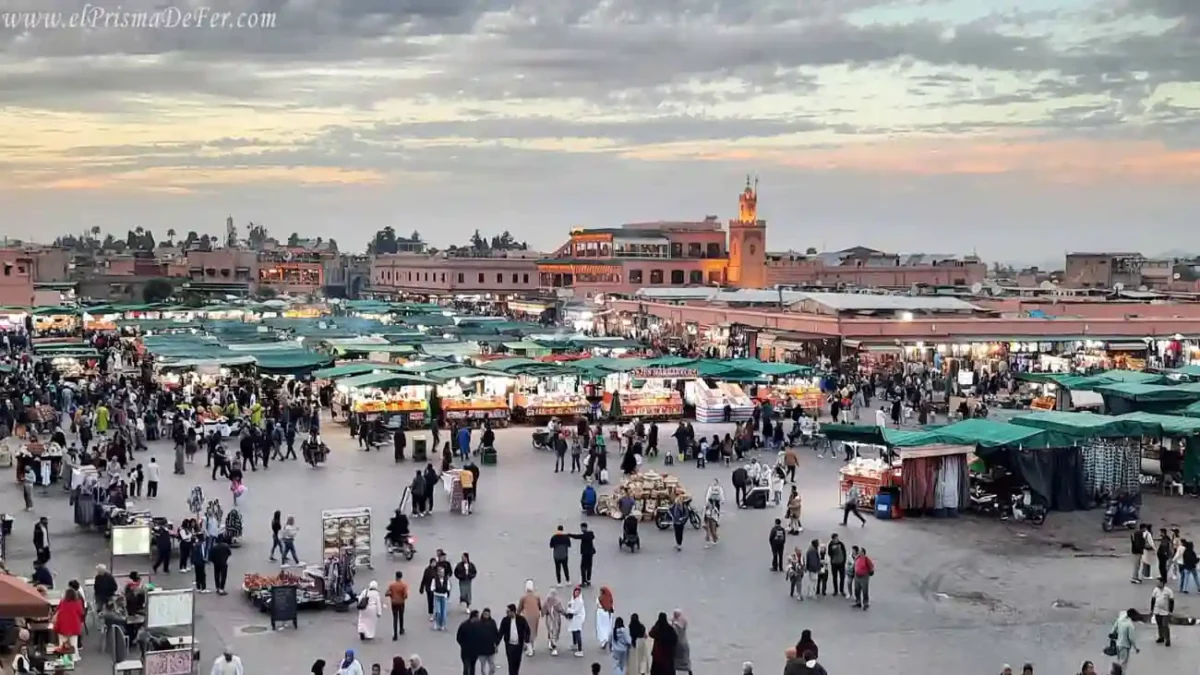
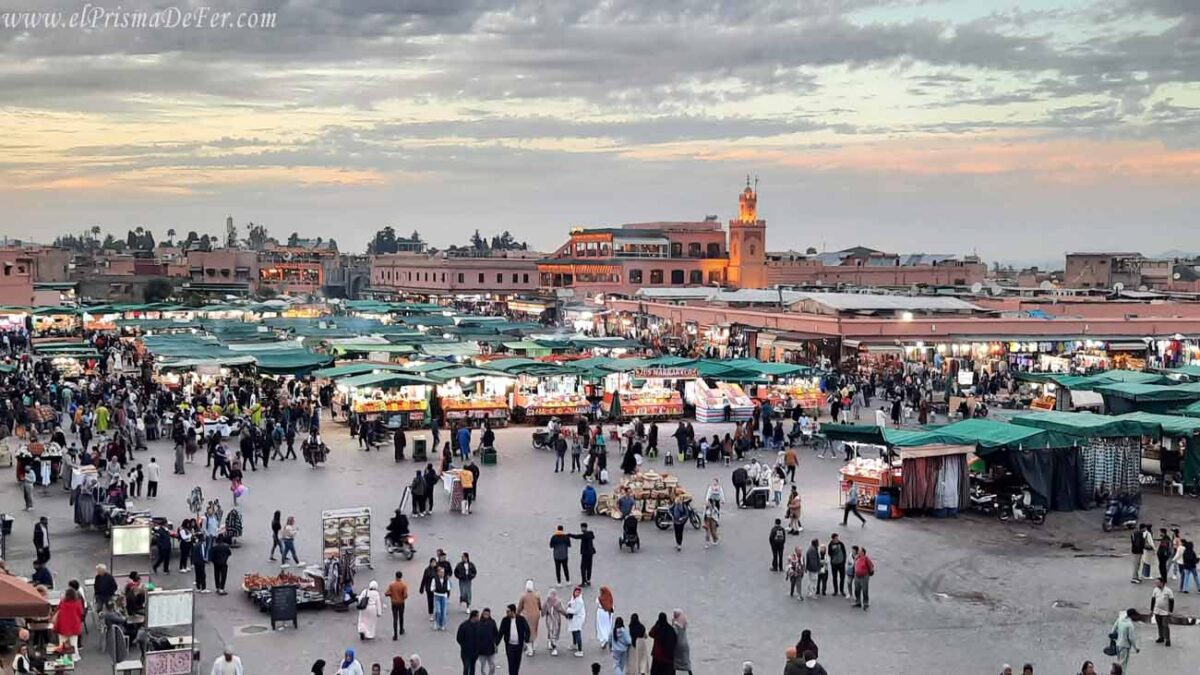
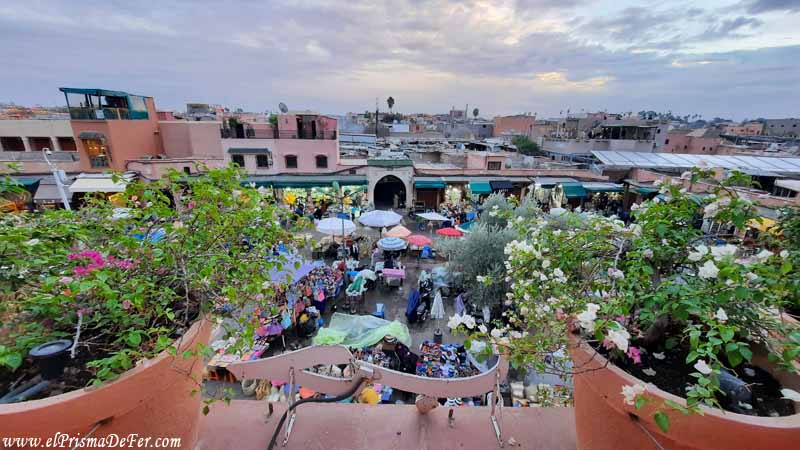
- Jemaa el-Fna Square is unique in the world: It is not only the heart of Marrakech, but also one of the most important living cultural spaces on the planet, with musicians, storytellers, and vendors walking around during the day and night.
- Marrakech has its own color: It is known as the “Red City” because of the color of its buildings, built with a mixture of clay and stone that gives it that characteristic pink hue.
Map of Marrakech's highlights
What to see and do in Marrakech
Walking Tour
Taking a free walking tour in Marrakech is the best way to start getting to know the city. While it's not free, as it works based on tips, it helps you get your bearings quickly, you'll learn history and anecdotes from a local guide, and you'll also get to meet other travelers. You can book your free walking tour here.
Jemaa el-Fna Square: the beating heart of Marrakech
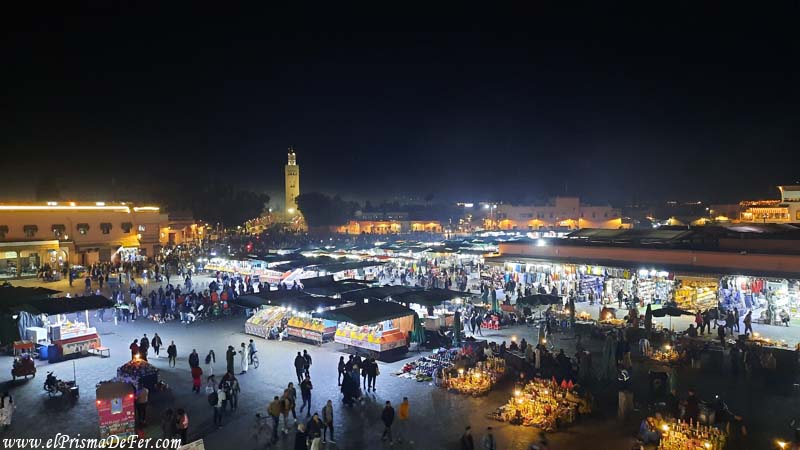
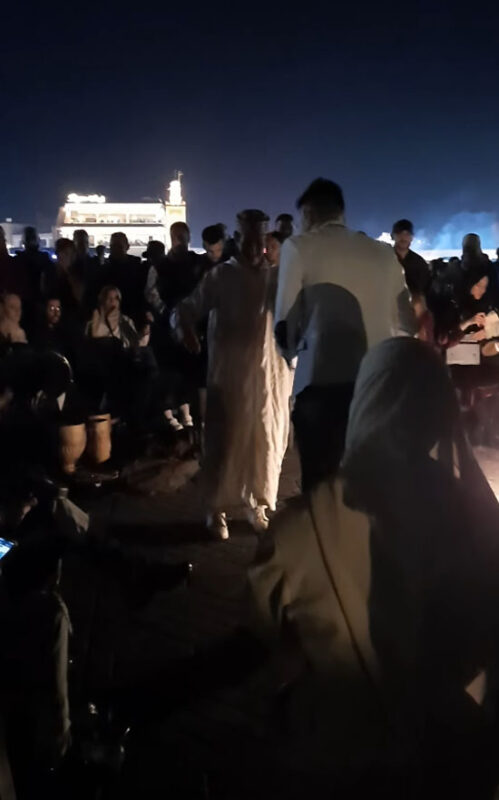
I remember seeing the snake from afar as if it were drugged or in a trance. Ideally, we shouldn't give them money or participate in these kinds of activities, so as not to further encourage their existence. It seems obvious to say this nowadays, but I saw several families, especially with children, who encouraged this kind of thing.
The square is also full of opportunists. People who approach you friendly but with the clear intention of taking you to a shop, offering you products, or selling you some "favor" that they will later charge for.
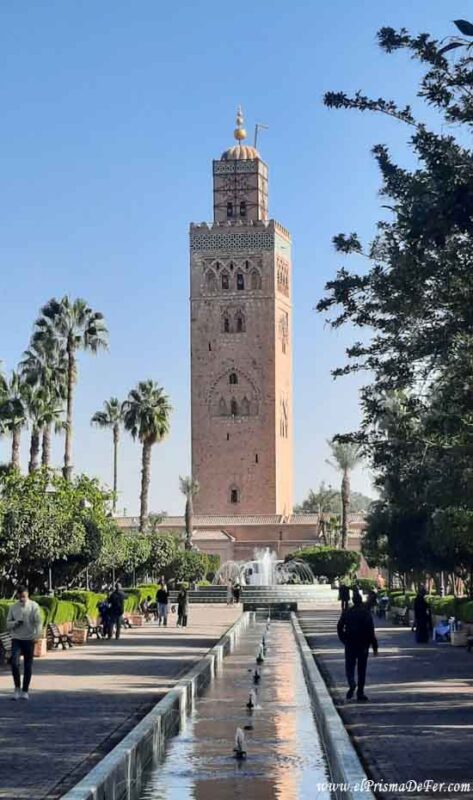
Koutoubia Minaret
Visible from various points in the city, the Koutoubia minaret is the quintessential symbol of Marrakech. At 77 meters high, this tower, built in the 12th century, is the tallest in the city, and by law, no building in the medina can surpass it. It is a visual landmark that not only helps you find your way around, but also impresses with its elegance and proportions.
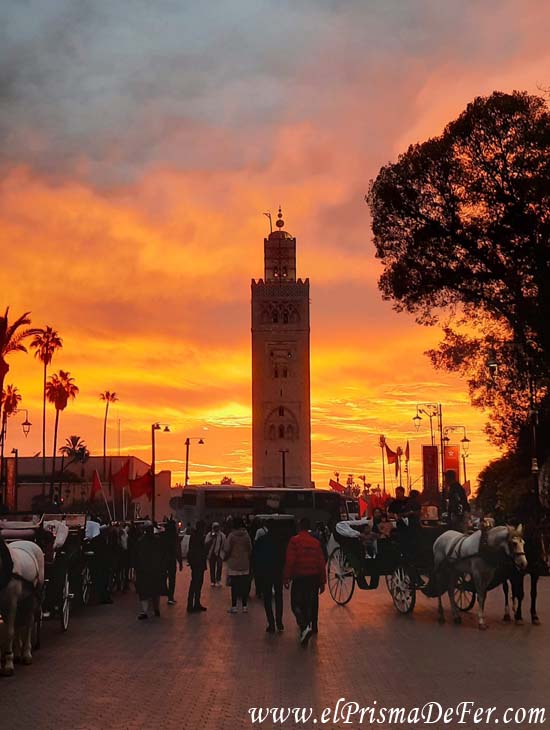
Getting lost (and finding yourself) in the souks of the medina
One of the most popular areas is the Semmarine Souk, which starts very close to Jemaa el-Fna Square. It's a kind of main artery of the market, where fabrics, caftans, and tourist souvenirs abound.
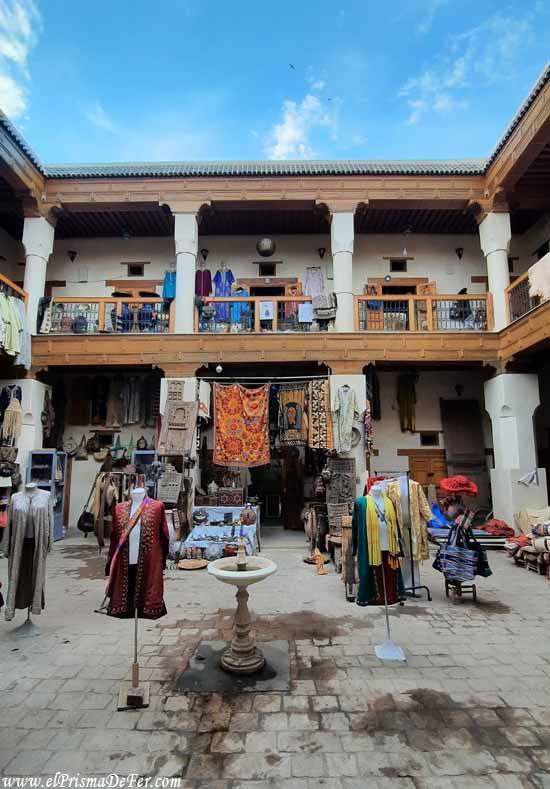
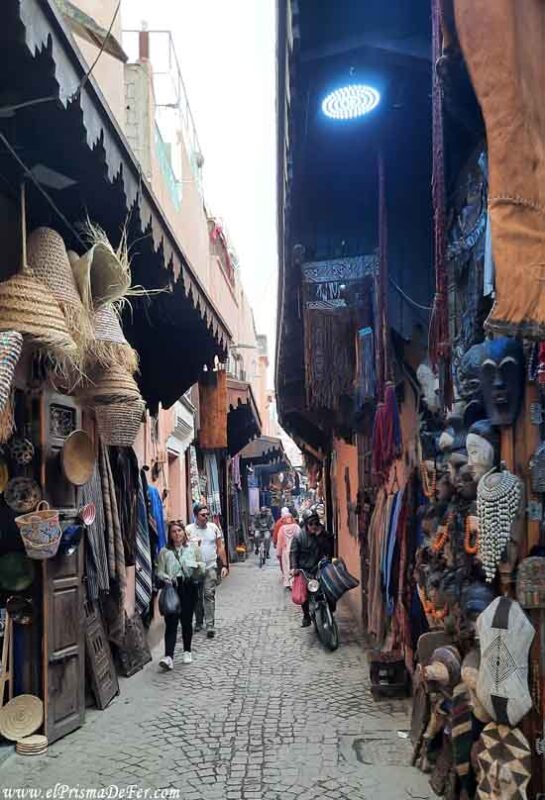
From there, you can venture into narrower alleyways where other specialized souks appear, such as the Dyners' Souk (Souk des Teinturiers), where you can still see wool threads hanging from the balconies, dyed with natural pigments such as indigo, saffron or henna.
Also worth a visit is the Blacksmiths' Souk (Souk Haddadine), where the sound of hammers and the smell of burning metal remind you that artisans are still working the old-fashioned way. Or the Chouari Souk, which specializes in carved wood, is a great place to see the meticulous work of Moroccan cabinetmakers.
Majorelle Garden and Yves Saint Laurent Museum
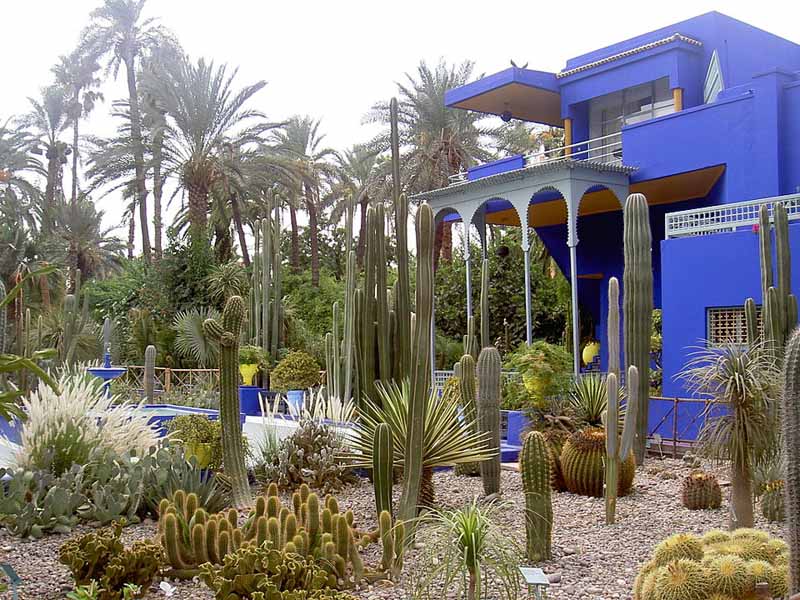
The Majorelle Garden is a haven of peace amidst the hustle and bustle of Marrakech. Designed by the French painter Jacques Majorelle in the 1920s and later acquired and restored by Yves Saint Laurent, this space uniquely combines nature, art, and color.
Right next door is the Yves Saint Laurent Museum, dedicated to the life and work of the iconic French designer. The collection includes sketches, dresses, and temporary exhibitions that explore the intersection of fashion, art, and Moroccan culture. Whether you're interested in fashion or design, this museum is a gem that won't disappoint.
To find out the cost of tickets and purchase them online, you can visit the official site.
Bahia Palace
The Bay Palace is one of the finest examples of traditional Moroccan architecture. The complex was built in the late 19th century for a vizier of the sultan. It is a network of courtyards, gardens, and halls decorated with mosaics, carved wood, and hand-painted ceilings.
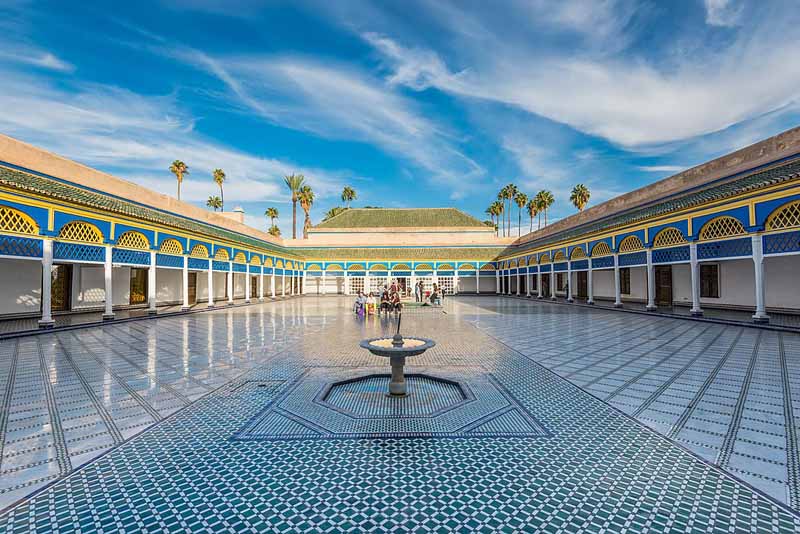
To find out how much it costs to enter and buy tickets, you can do so from the official site.
Madraza Ben Youssef
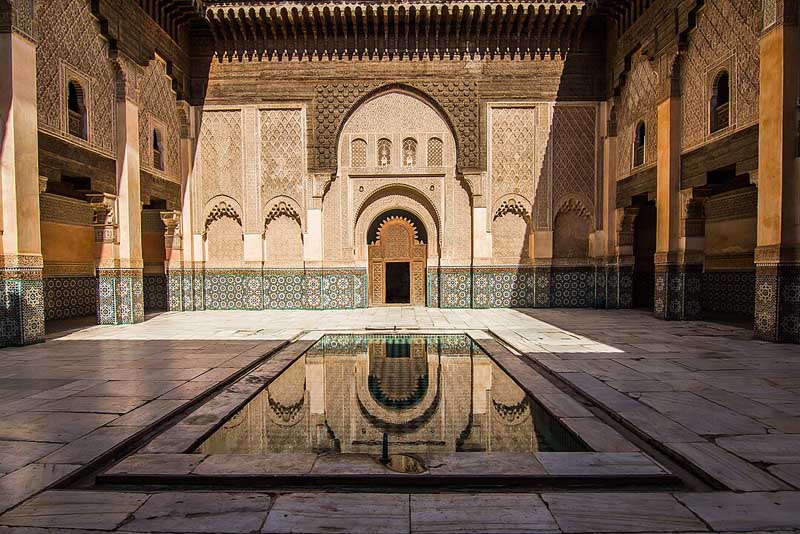
To find out the entrance fee you can visit the official site of the Madrasa.
Saadíes Tombs
Discovered only at the beginning of the 20th century after being hidden for centuries, the Saadian Tombs are a corner full of history. Here lie members of the Saadian dynasty, which ruled Morocco in the 16th century.
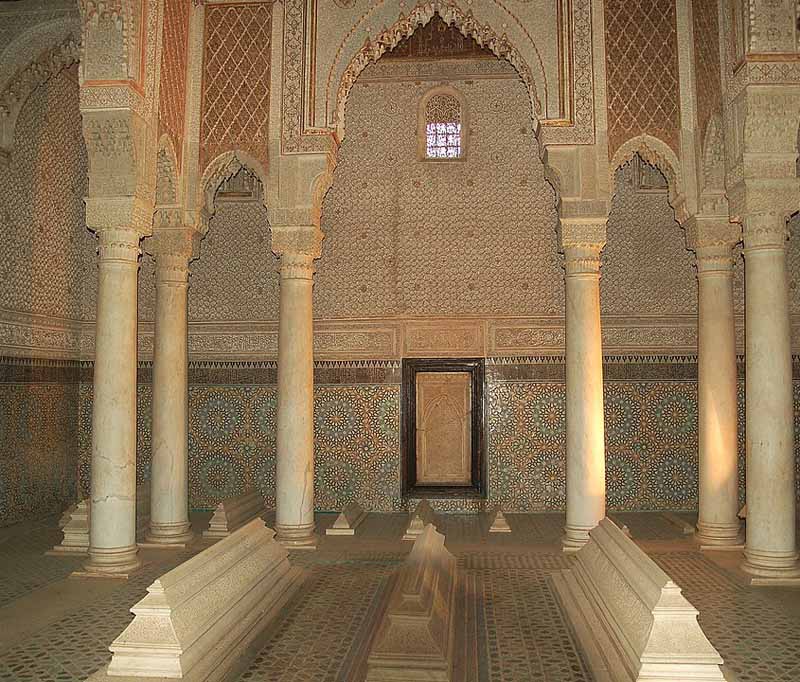
To buy tickets online, you can visit the official site of the Saadian Tombs.
Menara Gardens
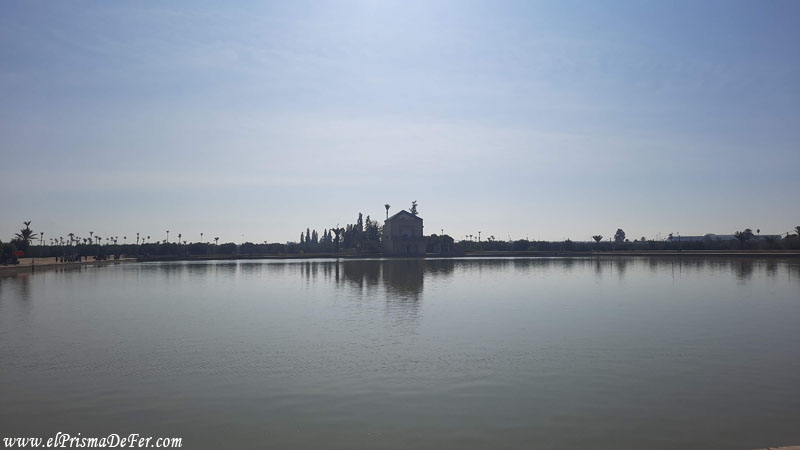
Unlike the Majorelle Garden, the Menara Gardens are not known for their ornamentation, but rather for their tranquility and views. They comprise a vast public olive grove with a large central pond in front of a 19th-century pavilion.
Traditional hammams
Organized activities in Marrakech
Where to eat in Marrakech
- Street food in Jemaa el-Fnaa: Tagines, kebabs, harira soups, and more. Some stalls are better than others; see where the locals eat.
- Cafés with terraces: such as the Café de France or the Café Zeitoun, ideal for observing the action from above.
- Traditional restaurants: such as Nomad or Le Jardin, which combine good food with charming spaces.
- Local Markets: Try the olives, flatbread, dates, and Moroccan sweets sold in the souks.
Is Marrakech safe?
Yes, in general terms, Marrakech is a safe city for travelers. Most visits go smoothly. However, as with any popular tourist destination, you should be aware of common scams: fake guides, inflated prices, or unexpected charges for photos.
Tip: If you get lost, it's better to ask at a store or established location instead of following someone who "kindly" offers directions.
Practical tips for visiting Marrakech
- Always haggle: In the souks, the first price is never the final price. Treat it as part of the game.
- Avoid motorcycles: They travel at high speeds inside the medina. Walk carefully, especially in narrow alleys.
- Bring cash: Many places don't accept cards.
- Offline map and location enabled: Apps like Maps.me or Google Maps (with offline download) are very useful to avoid getting lost.
- Dress respectfully: Especially if you're a woman. You don't need to cover up completely, but you should avoid tight or short clothing.
How many days to stay in Marrakech?
The ideal duration to enjoy Marrakech at a good pace is 3 full days. With less time, it can feel a bit overwhelming, and you risk only scratching the surface of what the city has to offer.
If you have more time, an extra day can be used for a nearby excursion such as the Ourika Valley, the Agafay Desert, Essaouira or the village of Imlil in the Atlas Mountains, ideal for hiking in the surrounding area or climbing Mount Toubkal (4167m) on a two-day trek.
Suggested 3-day itinerary in Marrakech
1st Day: First contact with the city
Arrival, check-in, and first walks through the medina. Visit to Jemaa el-Fna Square (especially at sunset). Dinner on a terrace overlooking the square. Nighttime exploration of the souks and street stalls.
2nd Day: Monuments and culture
Bahia Palace and Saadian Tombs in the morning. Lunch in a traditional restaurant. In the afternoon: visit to the El Badi Palace and walk through the Jewish quarter (Mellah). Relaxation in a traditional hammam.
3rd Day: Contrasts and relaxation
Majorelle Gardens and Yves Saint Laurent Museum early in the morning. Walk through the Gueliz area (the modern part of Marrakech). Last stroll through the medina for shopping or further exploring the alleyways. Farewell dinner in a riad or restaurant with a traditional show.
Save this post on Pinterest

Final reflection on the visit to Marrakech
Video of Marrakech
Frequently Asked Questions about Marrakech
How many days are needed to visit Marrakech?
To see the main sights of Marrakech, two or three days are usually recommended. This time allows you to explore the medina, visit some of its most famous palaces and gardens, and enjoy the city's atmosphere at a leisurely pace.
What to see in Marrakech?
Is Marrakech a safe city for tourists?
What is the best time to visit Marrakech?
The best times to visit Marrakech are spring (March to May) and autumn (September to November), when temperatures are more pleasant. In summer, the heat can be quite intense, with temperatures easily exceeding 40°C.
Support The Prism of Fer!