Located in southern Ecuador, Cuenca is a city notable for its blend of history and colonial architecture. Its churches, plazas, markets, and cobblestone streets reflect a unique cultural heritage, even recognized by UNESCO as a World Heritage Site.
But if Cuenca already has enough to offer, just a few kilometers away is one of Ecuador's most impressive natural treasures: the Cajas National Park.
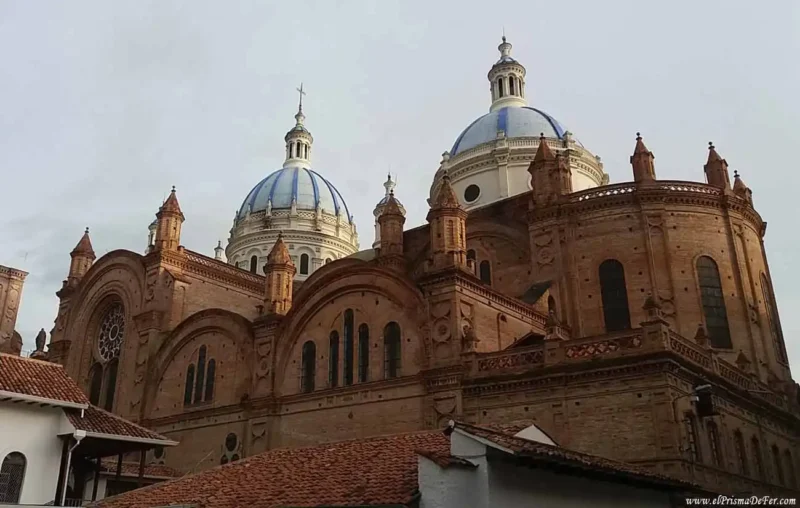

Where is Cuenca located?
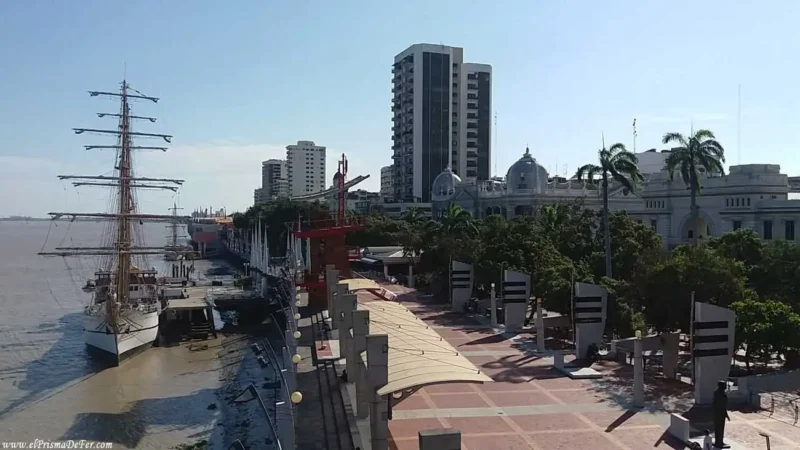
Cuenca is located in southern Ecuador, in the province of Azuay, in the country's Andean region. It is about 500 km south of Quito and approximately 200 km east of Guayaquil, making it an intermediate point between the coast and the mountains.
The city is located in a valley surrounded by mountains, at an altitude of 2,560 meters above sea level, which gives it a temperate climate year-round.
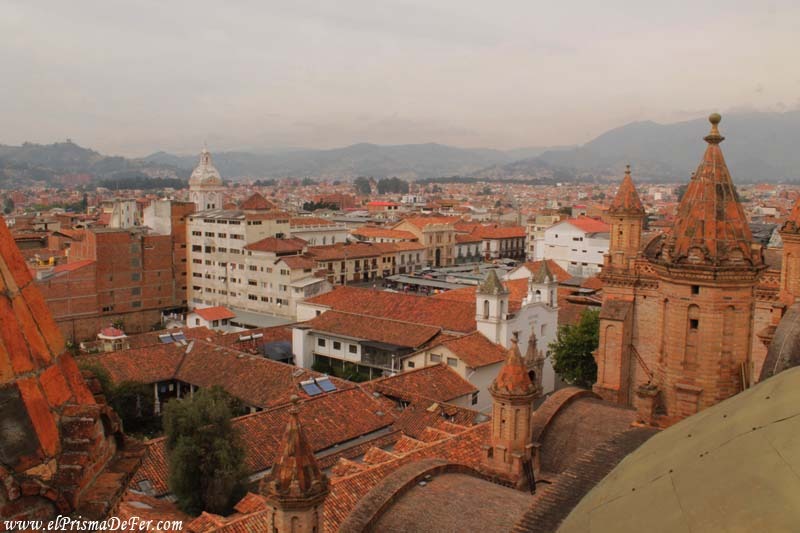
Its strategic location also connects it to other major cities in the south of the country and nearby natural parks, such as Cajas National Park, making day trips easy for visitors to the city.


Why Cuenca has such a marked colonial style
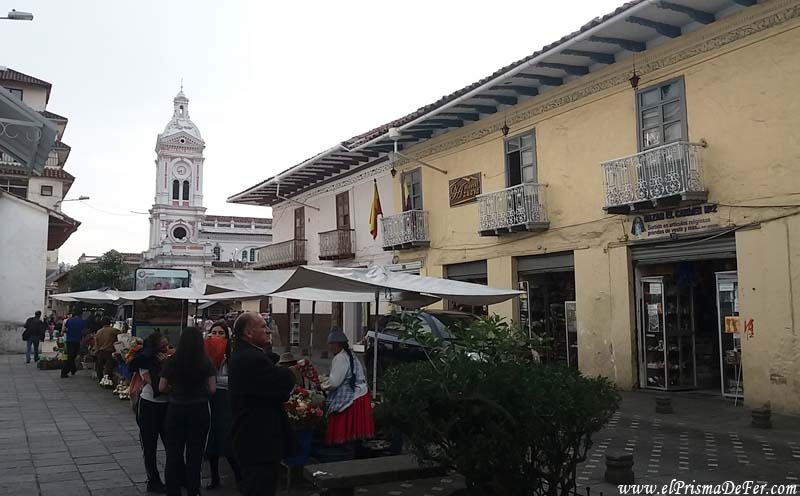
Cuenca's colonial style is mainly due to its Spanish foundation in the 16th century on the remains of the Inca city of Tomebamba. The conquistadors built the city following the typical Spanish checkerboard layout, with central plazas, straight streets, and regular blocks, thus preserving the urban organization characteristic of the colonial era.
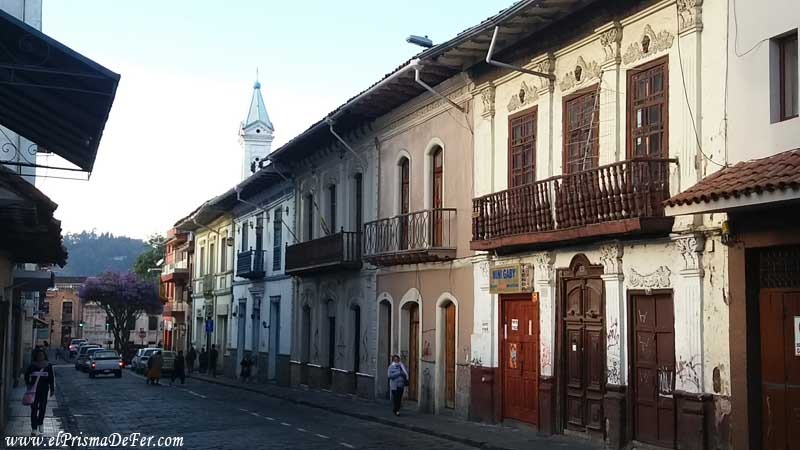
Furthermore, for centuries, Cuenca was an important administrative, religious, and commercial center in southern Ecuador. The wealth generated by agriculture and crafts allowed for the construction of churches, houses, and buildings with decorated facades, wooden balconies, and internal courtyards.
How to get to Cuenca
By bus
- From Guayaquil, buses leave mainly from the Terminal Terrestre of the city, and the journey takes approximately 4 hours, traveling along panoramic roads that pass through several towns and landscapes in southern Ecuador.
- From Quito, buses leave from the Quitumbe Bus Terminal, and the trip can take between 8 and 10 hours.
Upon arrival at the Cuenca Bus Terminal, you can take a taxi or a city bus to reach the historic center.
By plane
If you're looking for speed and convenience, the best option is to fly to Mariscal La Mar Airport, located just 10 minutes from downtown Cuenca.
There are direct flights from Quito and Guayaquil, operated by several local airlines. This option is more expensive than the bus, but it significantly reduces travel time and avoids long road trips.
Map showing places of interest in Cuenca and Cajas National Park
Best things to see and do in Cuenca
Walking Tour
A free walking tour of Cuenca is the best way to start getting to know the city. While it's not free, as it works based on tips, it helps you get your bearings quickly, you'll learn history and anecdotes from a local guide, and you'll get to meet other travelers along the way. You can book your free walking tour here.
The historic center and its cathedrals
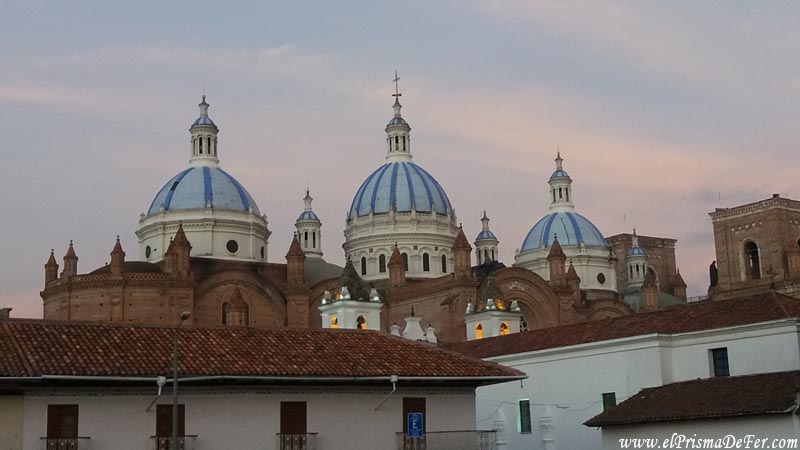
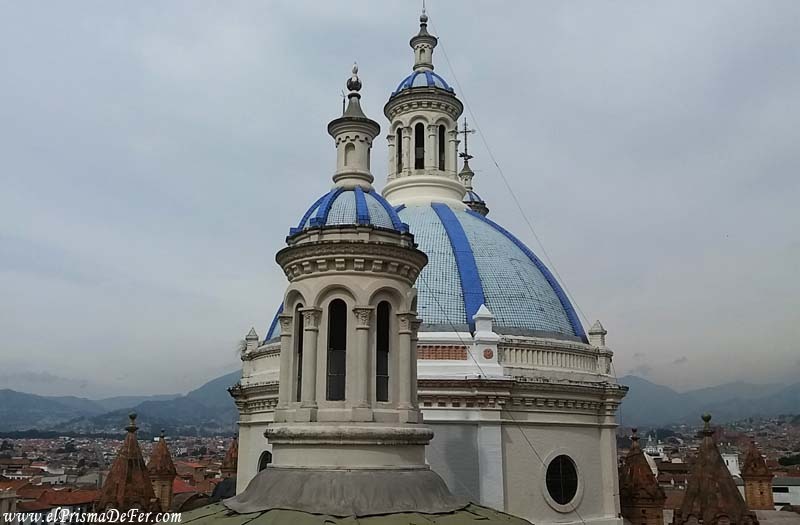
The New Cathedral, with its impressive blue domes, has become the symbol of the city, but it is also essential to visit the Old Cathedral, now transformed into a museum, which houses pieces of great historical value.
Long Street and nightlife
If there's one place with a lively atmosphere, it's Calle Larga. By day, it's filled with galleries and cafes where you can sit and enjoy yourself, and by night, it becomes the epicenter of Cuenca's nightlife, with bars and restaurants where both locals and travelers mingle.
The Tomebamba River
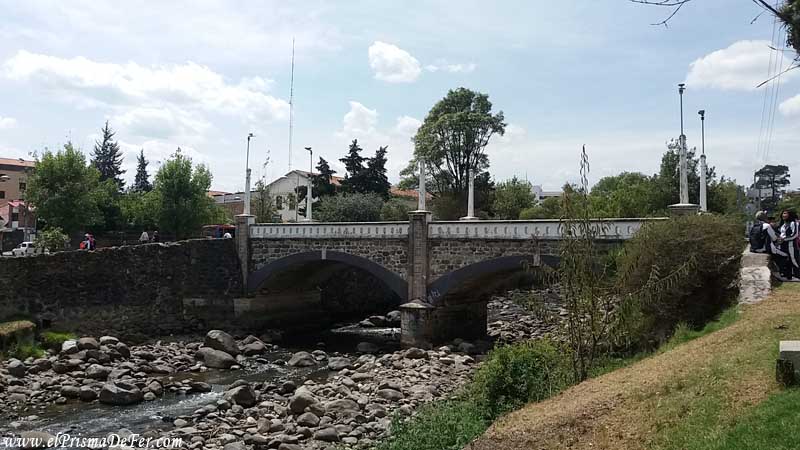
One of the most picturesque corners of the city is the walk along the Tomebamba River. Colonial houses rise along its banks, seemingly hanging over the river, creating a unique postcard.
Turi Viewpoint
The Mirador de Turi is the most famous in Cuenca and is located about 4 km from the historic center, on a hill overlooking the entire city.
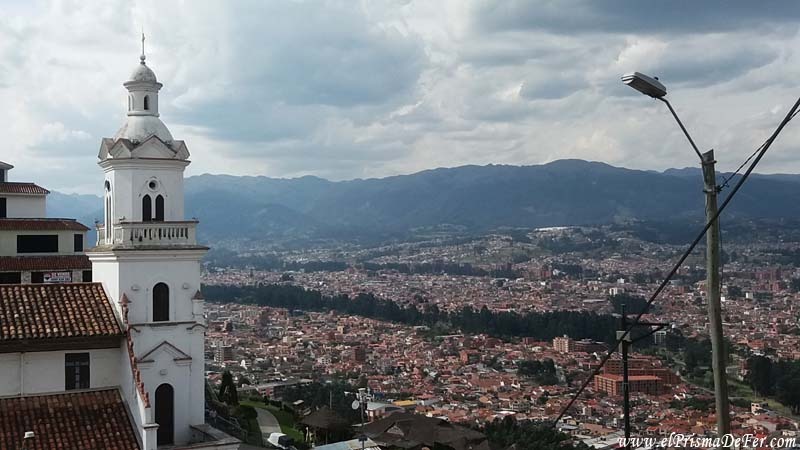
From there you can enjoy panoramic views of the colonial center, the rivers and the mountains surrounding Cuenca. It's an ideal place to take photos at sunset and appreciate the city's urban layout.
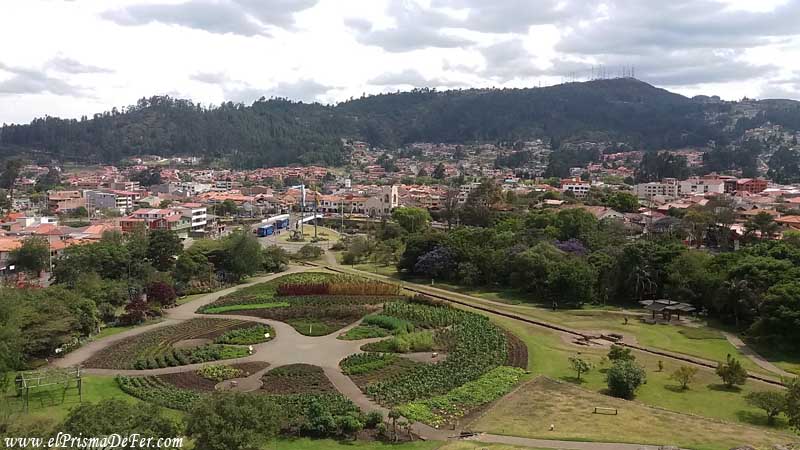
Museums and culture
Cuenca also has a strong cultural presence. The Pumapungo Museum is the most notable: it combines archaeological pieces, contemporary art, and remains of the Cañari and Inca ruins that can be seen outdoors on the same property.

Visit the ruins of Ingapirca
About 80 km north of Cuenca are the Ingapirca ruins, the most important archaeological site in Ecuador.
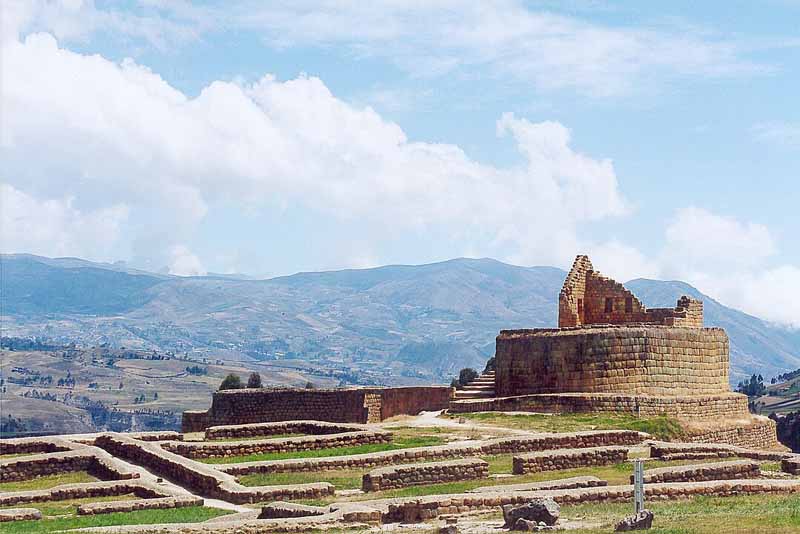
This complex is a testament to the fusion between the Cañari and Inca cultures, with structures such as the Temple of the Sun, a semicircular building constructed with large stones perfectly fitted together.
The visit allows you to explore the set of buildings, plazas and agricultural terraces, while enjoying the mountainous landscape.
Hours and entrance
The archaeological site is generally open from 8:00 a.m. to 5:00 p.m., and admission is a nominal fee paid on-site.
How to get there from Cuenca
- By bus: Buses depart daily from the Cuenca Bus Terminal to Ingapirca / Cañar. The journey takes approximately 1 hour and 30 minutes. Upon arrival, you are usually dropped off near the entrance to the site, from where it is a short walk to the ruins.
- On an organized tour: Another option is to book a full-day tour from Cuenca, which includes transportation, a guide, and in some cases, entrance to the site. It's ideal if you want to make the most of the day without worrying about logistics and learn more about the history of the Cañari and Inca cultures.
Cajas National Park
Cajas National Park is one of the main natural attractions near Cuenca and a must-see destination for hiking and nature lovers.
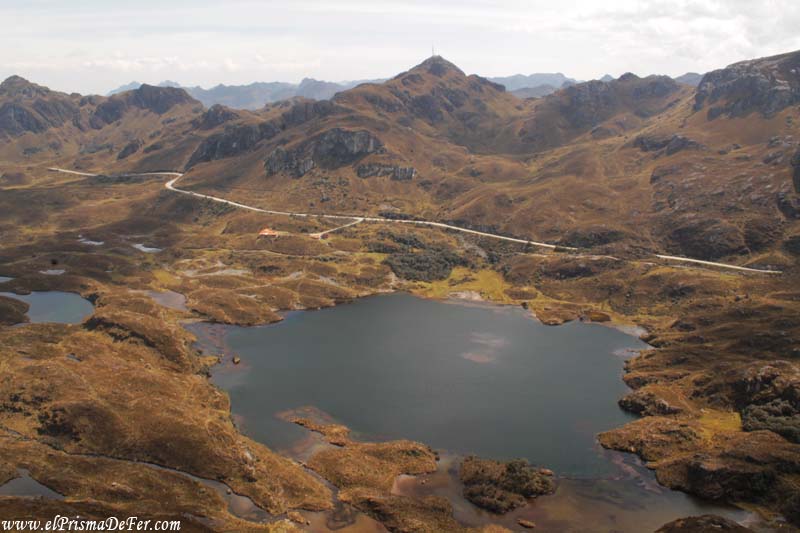
This park, located just 30 km from the city center, is characterized by its Andean landscapes, more than 200 glacial lagoons, and a great diversity of flora and fauna.
Its terrain combines valleys, hills, Polylepis forests and moorland, offering an ideal environment for walking, photography and bird watching.
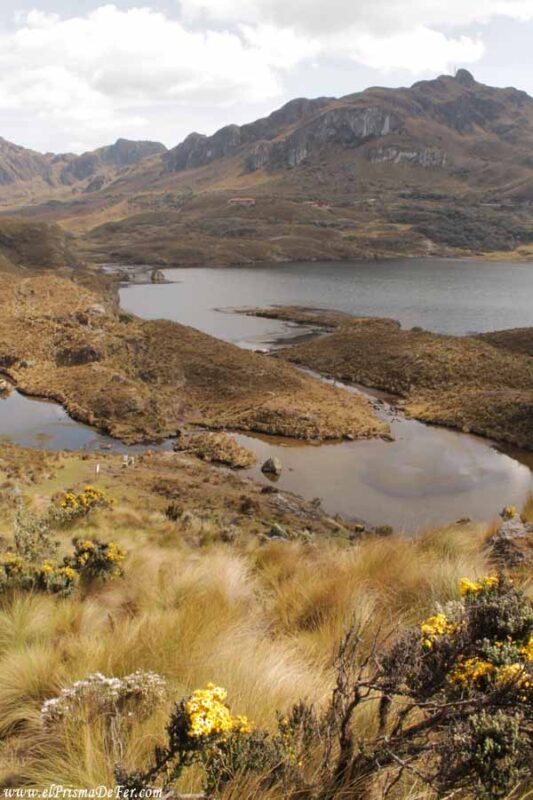
Furthermore, being relatively uncrowded, it allows you to enjoy nature in tranquility, with spectacular panoramic views and the feeling of being completely isolated from the urban hustle and bustle.
How to get to Cajas National Park from Cuenca
By public bus
The cheapest way is to take a bus from the Cuenca Bus Terminal. Several cooperatives cover the route to Guayaquil and stop at the park entrance.
The trip takes between 40 minutes and 1 hour, depending on the area you're traveling to. Just let the driver know you want to get off at Cajas National Park, and they'll drop you off on the road a few meters from the main trails.
On organized tour
If you prefer comfort and simplicity, in the center of Cuenca there are agencies that offer half-day or full-day excursions to the park.
By private vehicle or taxi
Another alternative is to rent a car or take a taxi from the city. The journey is approximately 30 km, following the Cuenca–Guayaquil highway. This is the most flexible way to visit the park, as you can stop at different viewpoints, lagoons, or trails at your own pace.
Entrance sectors to Cajas National Park
Cajas National Park has several access sectors, each with different characteristics and facilities, allowing you to choose according to the type of activity you want to do:
Toreadora Sector
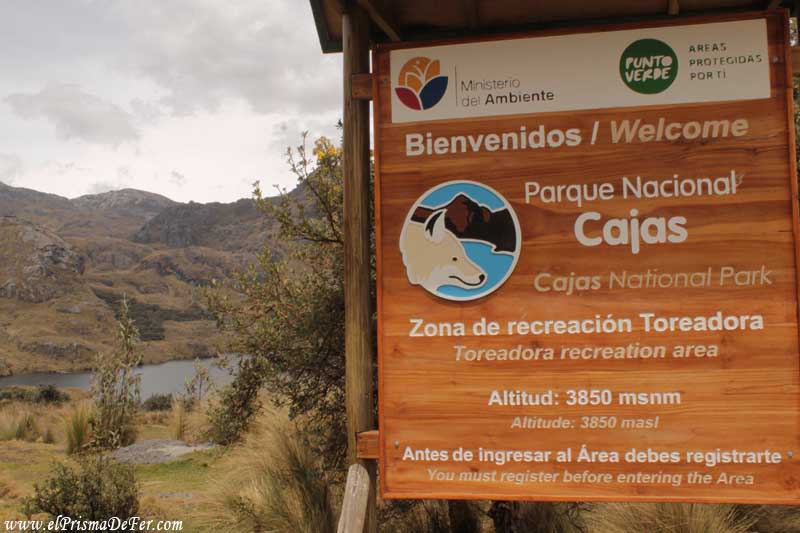
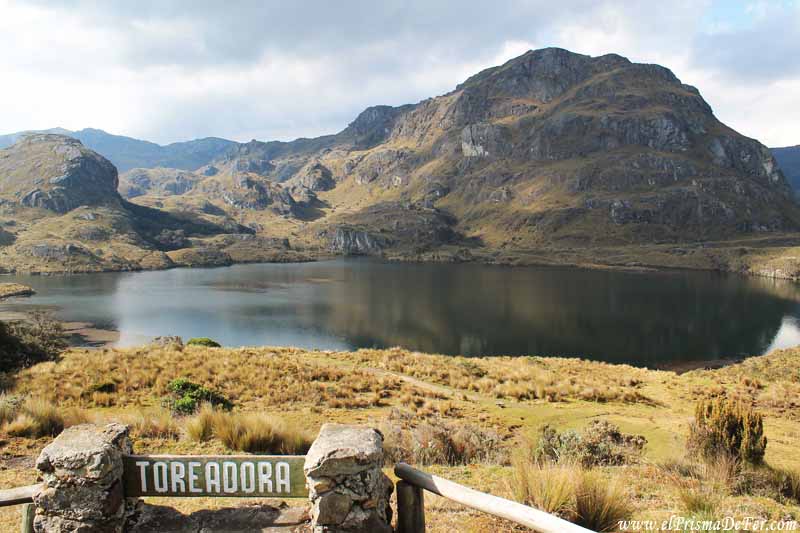
This is the most popular entry point (view on map) and closest to Cuenca. From here, you can explore several small lakes and take short and medium-length hikes, ideal for those looking for a half-day trip.
Tres Cruces Sector
Famous for its panoramic viewpoints, this area offers spectacular views of the entire park and its lagoons. The entry point is a little further ahead than the Toreadora Sector (view on map)
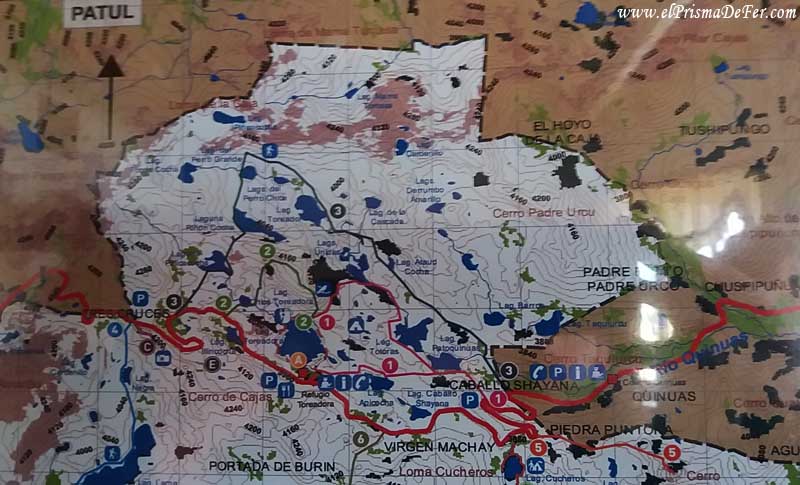
Llaviuco – Mamamag Sector
This access is perfect for those looking for full-day or multi-day trekking. From here, you can connect to routes that cross inland lagoons and Polylepis forests, offering varied and spectacular landscapes.
What to do in Cajas National Park
Explore its lagoons
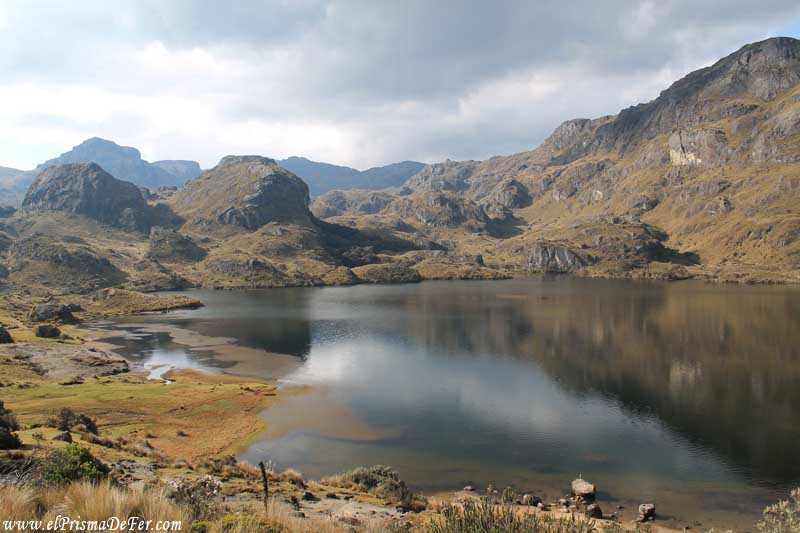
Cajas is famous for its more than 200 glacial lagoons, surrounded by mountains and Andean grasslands. One of the most visited is the Laguna La Toreadora, located near the interpretation center, from where several marked trails depart.

The weather in Cajas changes quickly, so it's always a good idea to bring warm clothing, a raincoat, and suitable footwear for wet and muddy terrain. Don't forget water and a snack, as there are no food stalls or places to buy food inside the park.
Trekking in Cajas National Park
Cajas National Park is considered one of the best places for hiking in Ecuador, thanks to its vast network of lagoons, mountains, and otherworldly moorland landscapes.
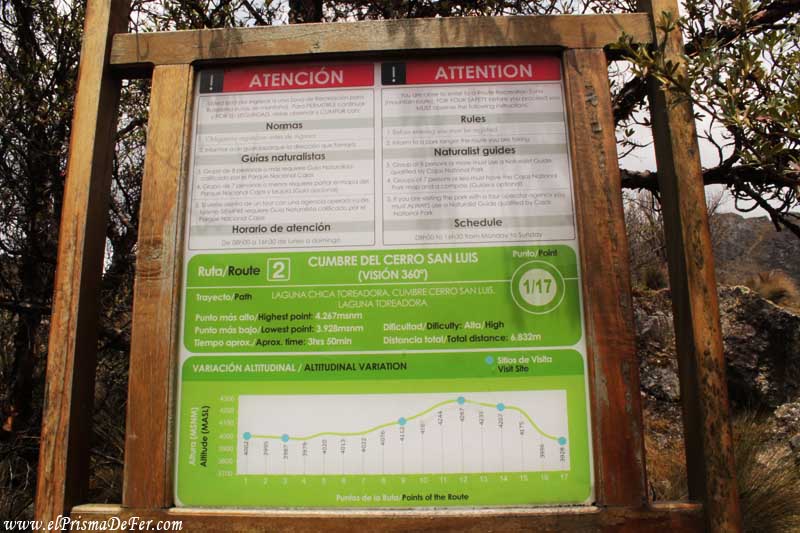
- The most popular is the so-called Route 2, which is a nearly 7km hike that starts at Laguna Toreadora, then reaches the summit of Cerro San Luis (4,267 masl) and returns to the lagoon. It's accessible, can be done in a few hours (3.50 hours), and is ideal if you want to enjoy the park in one day.
- Trail of the Three Crosses: Another popular route is the Trail of the Three Crosses, which offers spectacular views of the lagoons and the Andean moorland, although it is also demanding due to its altitude (over 3,900 meters above sea level).
For those looking for something longer and more challenging, there are routes that cross valleys and connect several lagoons, even lasting more than one day with authorized camping.
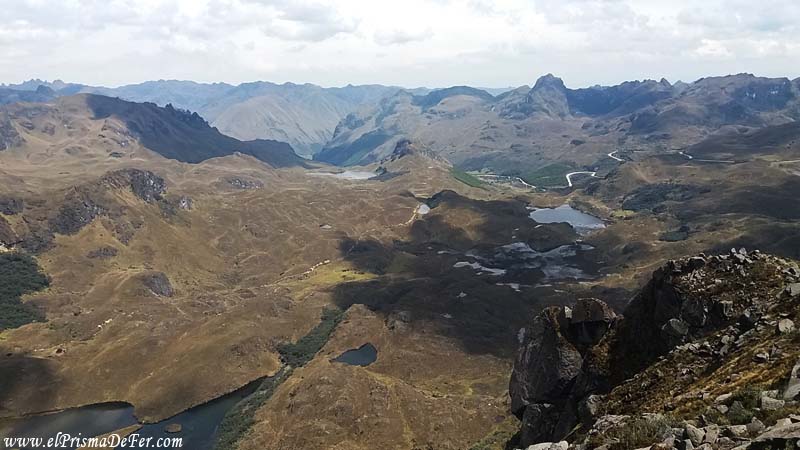
The weather in Cajas changes quickly, so it's always a good idea to bring warm clothing, a raincoat, and suitable footwear for wet and muddy terrain. It can be clear and bright, or it can be covered in mist, giving it a mysterious air.
Trekking routes in Cajas National Park
Observe flora and fauna
The Cajas is a true haven of biodiversity. Here you can see species such as the giant hummingbird, the Andean condor or the cuscunga (a rabbit-like mammal).
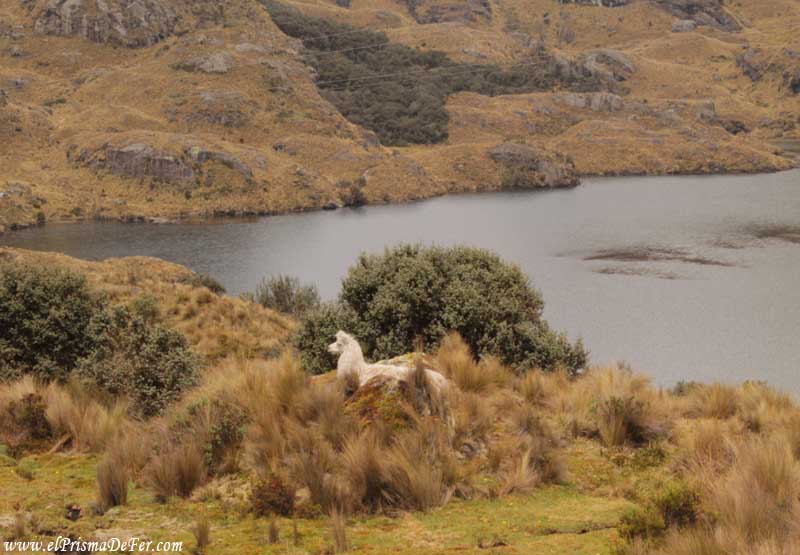
The vegetation of the páramo is also very particular, with plants such as paper trees (polylepis), which form miniature forests.
Enjoy the tranquility
How to get back to Cuenca from Cajas National Park
The easiest way to return is to take an interprovincial bus on the main road. Most of the buses that pass through the park entrance head toward the Cuenca Bus Terminal. Just wait on the road and signal for them to stop, as they often pick up passengers along the way.
If you prefer something more convenient and direct, you can also hire a taxi or van from the interpretation center, although the cost is considerably higher compared to the bus.
Where to sleep in Cuenca
Historic center
The most practical accommodation option is the historic center, near Plaza Calderón and the Tomebamba River. Here you'll find everything from boutique hotels to budget hostels, with the advantage of being just steps away from the main attractions, restaurants, and cafes. It's ideal if you want to explore the city on foot and soak up the colonial atmosphere.
Peripheral areas
If you prefer a quieter location with a more residential feel, you can look for accommodation in the outlying areas, such as the El Vergel area or the area around Abdon Calderón Park. These are safe neighborhoods with fewer tourists and more contact with local life, although transportation will be required to get to the city center.
Security in Cuenca
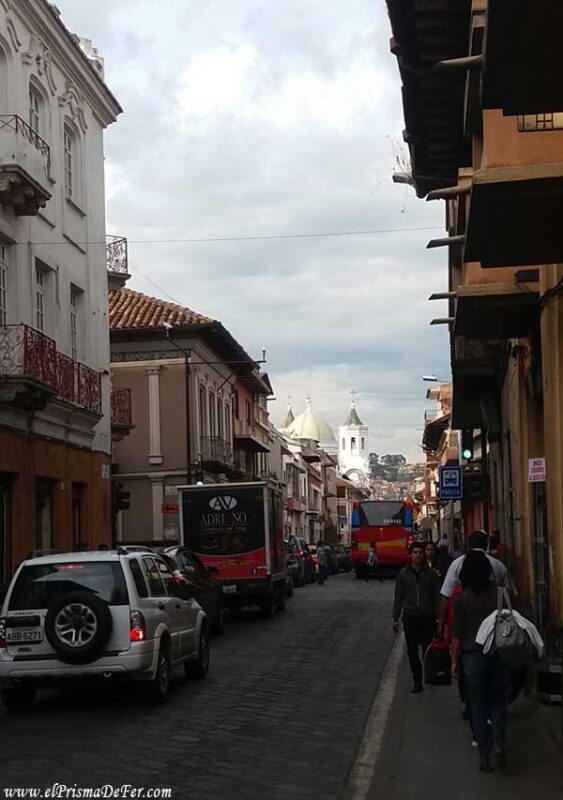
Compared to cities like Guayaquil, Cuenca feels much calmer and safer. During my days walking through the historic center and neighborhoods near the Tomebamba River, I rarely felt any sense of danger.
Even so, as in any city, it is advisable to take basic precautions: do not leave valuables in sight, take care of your bags and backpacks, and avoid deserted streets at night.
Final thoughts on my visit to Cuenca and Cajas National Park
I really liked Cuenca. At various times it reminded me of Florence in Italy, with its imposing domes, cobblestone streets and colonial architecture that gives it a European feel without losing its Ecuadorian essence.
The Cajas National Park also left me with a very positive impression. It's easily accessible from the city, yet uncrowded, allowing you to enjoy nature at your own pace. The trails, lagoons, and viewpoints offer spectacular views and the feeling of being completely connected to the Andean landscape.
Support The Prism of Fer!