After spending three months traveling through India, it was time to cross into Nepal by land. I chose to do so via the Sonauli-Belahiya border crossing, one of the most frequently used crossings between the two countries. It's an active border, chaotic at times, but perfectly manageable if you know how it works.
While crossing through Sonauli is not complicated, there are some basic steps that are worth knowing beforehand, such as where to get your exit stamp from India, which office to go to for your Nepalese visa, and what to expect from the surroundings.
In this post you will find step-by-step instructions for crossing the border at Sonauli, whether it's advisable to stay overnight there, information about the Nepal visa on arrival, updated costs, estimated times, how to continue your journey to Lumbini, Pokhara or Kathmandu, and some practical tips to make the process as simple as possible.
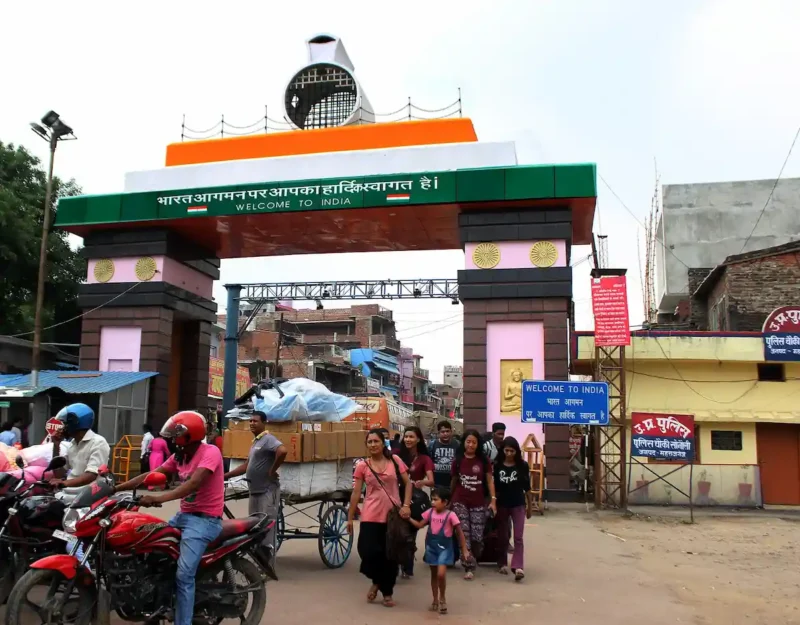

Table of Contents
Where is the Sonauli-Belahiya border crossing located?
The Sonauli border crossing (Indian side) is located between the state of Uttar Pradesh in northern India and Belahiya in the Rupandehi district in southern Nepal.
On the Indian side, the nearest city is Gorakhpur (about 3–4 hours by road), which is usually the main rail connection point. On the Nepalese side, the first major city is Bhairahawa (also called Siddharthanagar), located a few kilometers from the migration post.
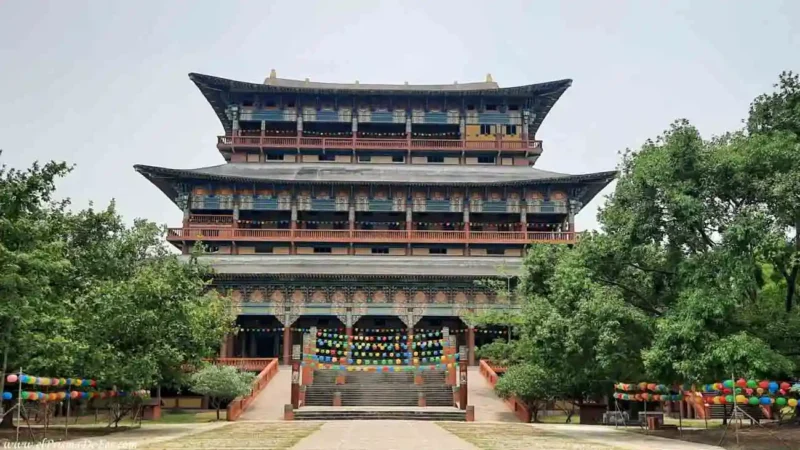
It is one of the busiest land crossings between the two countries and one of the most frequently used gateways to Lumbini on the Nepalese side, the birthplace of Buddha, which is about 25 km from the crossing, or to Varanasi on the Indian side.
Its location makes it a very practical option for those traveling between northern India (especially Varanasi or Gorakhpur) and south-central Nepal.
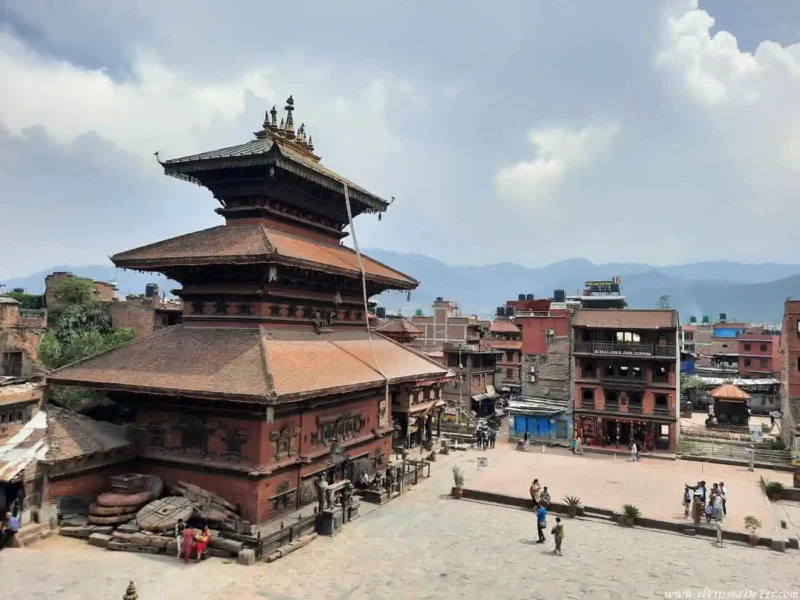

How to get to Sonauli (Indian side) or Belahiya (Nepalese side)
🇮🇳 From India (to Sonauli)
The most common way is to first arrive at Gorakhpur, which is the major transport hub of the area. It is well connected by train to cities such as Varanasi, Lucknow, and Delhi.
From Gorakhpur to Sonauli (about 95 km), you can go by:
- Local bus (cheapest option, approx. 3–4 hours)
- Shared jeep
- Private taxi (faster and more comfortable)
Vehicles usually depart from the train station or the bus terminal in Gorakhpur.
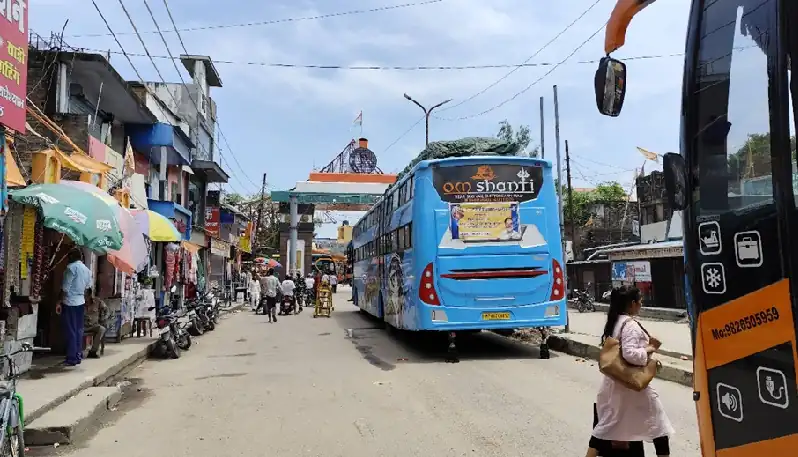
🇳🇵 From Nepal (to Belahiya)
On the Nepalese side, the reference point is Bhairahawa (Siddharthanagar), which is about 3 km from the border crossing (Belahiya).
To get to Bhairahawa you can:
- Take a bus from Pokhara or Kathmandu (several departures daily)
- Fly to Gautam Buddha Airport (near Bhairahawa)
From the center of Bhairahawa to Belahiya you can go by:
- Rickshaw
- Taxi
- Even walking if you're carrying a light load
It's a busy intersection, so local transport is always available on both sides.
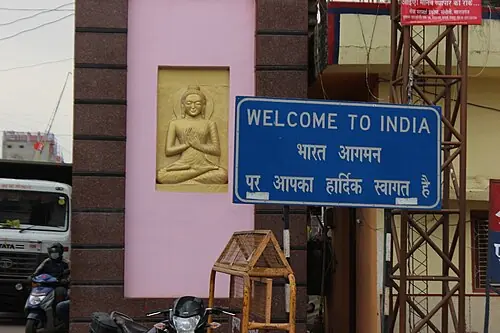
Process for crossing from India to Nepal (Sonauli side)
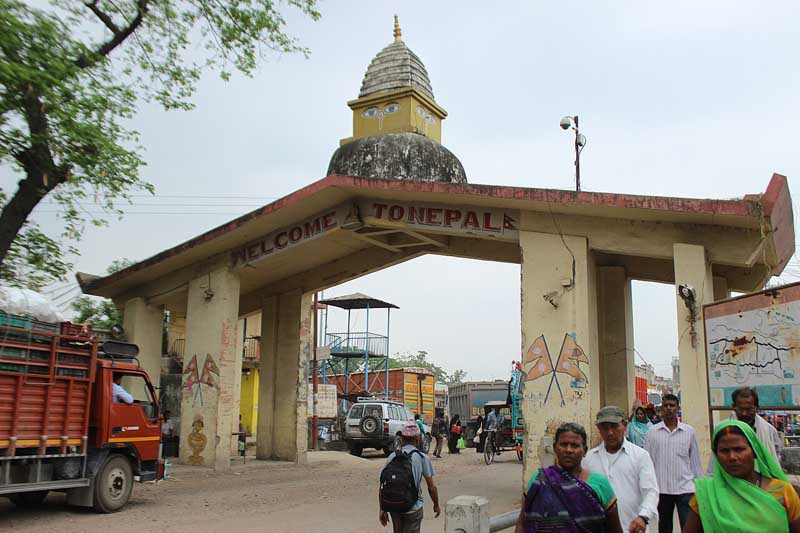
If you are coming from India, the first thing you need to know is that the Indian Immigration Office (see location) is not right on the border, but approximately 1 km before the main arch/border (see on the map). Many travelers pass by without seeing it, so if you're on public transport, it's a good idea to let the driver know you need to stop to get your passport stamped.
1. Seal exit from India
You enter the immigration office (a fairly simple building), complete the registration form, and they stamp your passport for departure. The process is usually quick, although it can take a little while if it's busy.
Once you've done that, you can get back on your transport or walk to the border crossing. Most people end up walking.
2. Cross the boundary and checkpoint
As you approach the archway marking the border, you'll go through a security checkpoint where they may inspect your luggage and record your information. It's not always thorough, but they may ask you to open your backpack or go through a scanner.
After that check, you're technically crossing into Nepal.
3. Nepal migration and visa
The Nepalese immigration office is a few minutes' walk past the junction (see location).
There you have to complete the visa form (sometimes digital, sometimes on paper), present your passport and pay the visa on arrival in USD (or equivalent).
Costs usually vary depending on the number of days you will be staying. Generally, there are three periods to choose from:
- 15 days: 30 USD
- 30 days: 50 USD
- 90 days: 125 USD
Payment is usually made in cash, so it is advisable to bring US dollars in good condition or Nepalese rupees.
Once the visa has been issued and the entry stamped, you can continue your journey to Bhairahawa, Lumbini, Pokhara or Kathmandu.
The most important thing is not to forget to get your exit stamped at the Indian office before crossing, because it is separate from the physical border and easy to miss.
How to get from the Nepali border (Belahiya) to Kathmandu or Pokhara
From an area near the border (see on the map) or from Bhairahawa there are frequent buses to Lumbini, Pokhara or Kathmandu, both local and "tourist bus" category.
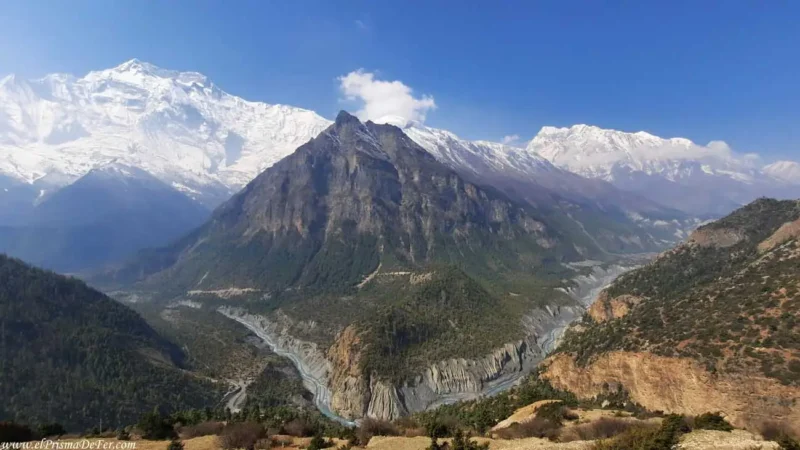
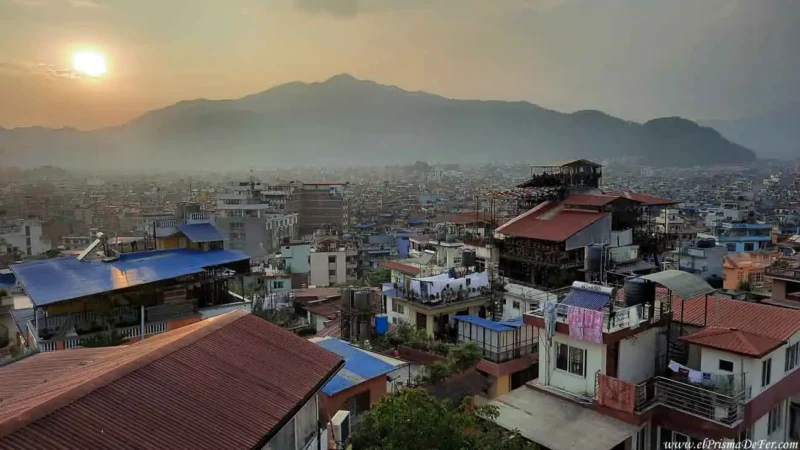
From Belahiya, the journey to Kathmandu can take between 9 and 12 hours, or even longer. In my case, I went straight to Pokhara and the journey took me around 12 hours, on a rather tiring trip.
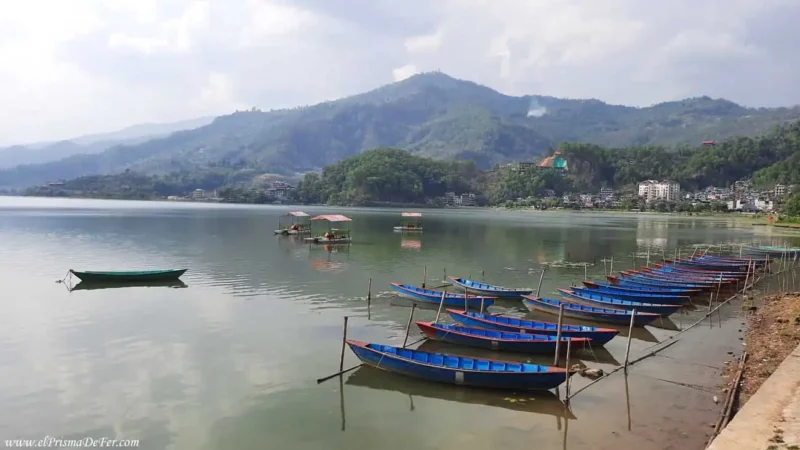
Keep in mind that, although distances may not seem so great on the map, land journeys in Nepal are very long and tiring. The roads are in poor condition, local buses make stops in several villages, there is heavy traffic, and roadworks and landslides are frequent, especially during the rainy season.
Process for crossing from Nepal to India (Belaya side)
If you are coming from Nepal, the procedure is similar to the one I detailed above.
1. Stamp your exit from Nepal
First, you need to go to the Nepal Immigration Office, located near the border crossing (a few minutes from the arch marking the border). There, they will stamp your passport for departure from the country. The process is usually quick: you present your passport, they check your visa, and they stamp it for departure.
2. Crossing the frontier
After leaving the office, you simply walk towards the border arch and cross into India. It's a busy crossing, with a lot of people, motorcycles, and trucks.
Along the way you may go through a security checkpoint, where they may check your luggage.
3. Immigration from India
The Indian Immigration Office is not right on the border, but approximately 1 km inside the Indian side. If you cross on foot, you have to walk along the main road until you reach the immigration building to get your passport stamped.
There you will need to present your passport, a valid Indian visa (if applicable) and complete the entry registration.
Once your passport is stamped, you'll find the bus stop nearby (see location) so you can continue your journey to Gorakhpur (the main transport hub), from where trains and buses depart for Varanasi, Delhi, Lucknow, and other cities.
Is it possible to sleep in Sonauli?
Yes, technically it's possible. There are some accommodations (not many) on both the Indian and Nepalese sides. But after my experience, I don't recommend it, at least not from the Indian side.
I arrived in Sonauli at dusk, planning to spend the night and cross into Nepal early the next morning. The town is small and, frankly, not particularly pleasant. I started asking at different hotels if they had rooms available, and they all gave me the same answer: “We’re full.” The strange thing was that I saw practically no one else staying there.
Furthermore, everyone kept directing me to the same place, the Hotel Indo Nepal. When I went there, the owner told me they had availability, but he asked for 1,650 rupees (almost USD 20), a very high price for India and for that type of accommodation. I told him I would keep looking, and he laughed somewhat ironically.
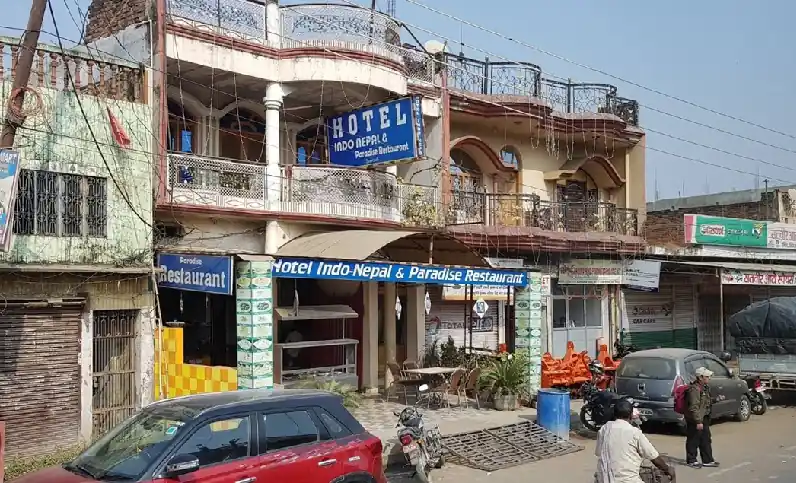
I kept asking at other hotels and got the same answer: “full,” even when the place was empty. Finally, one of the owners, more confidently, explained why they were all telling me the same thing. It wasn't that they were full, but rather that they couldn't accommodate foreigners without a “special permit.”
Seeing my indignation, since the only hotel that accepted was taking advantage of the situation, he finally agreed to give me a room, but with one condition… I had to check in after 11:00 PM and check out before 6:00 AM so that no one would see me.
I accepted and paid 800 rupees. The room was very basic, full of mosquitoes, and I barely slept. Furthermore, the hotel was empty, which gave it a rather eerie atmosphere at night.
The next morning, very early, I made the crossing without any problems.
My recommendation is that you try to avoid sleeping in Sonauli if possible. If you can arrange to arrive earlier and cross over to Belahiya Nepal the same day, even better. On the Nepalese side, the atmosphere seemed less tense and more peaceful for spending the night.
Frequently asked questions about crossing through Sonauli
What are the border crossing hours?
The border crossing is open daily. In general, immigration offices operate approximately between 6:00 and 22:00, although hours may vary slightly. It is best to cross during the day, ideally in the morning or early afternoon.
Is it possible to get to Sonauli by train?
No. Sonauli does not have a train station. The nearest train station on the Indian side is Gorakhpur, which is about 95 km from the border crossing. From Gorakhpur, you have to continue by road to Sonauli, either by local bus, shared jeep, or taxi. The journey usually takes between 3 and 4 hours, depending on traffic.
Can you get a Nepalese visa at the border?
Yes. The visa on arrival for Nepal is processed directly at the immigration office on the Nepalese side. You only need a valid passport and to pay the corresponding fee (usually in USD).
In what currency is the visa fee paid?
The safest thing to do is to carry US dollars in cash and in good condition. They may also accept other currencies, but USD is the most practical.
Is it possible to cross on foot?
Yes. In fact, many travelers cross on foot. The immigration offices aren't exactly on the border line, so you'll walk a few minutes between each building.
Do they check luggage?
There may be security checks, especially at the physical border crossing. They don't always conduct thorough searches, but they may ask you to open your backpack.
Is it easy to continue your journey after crossing?
Yes. From both the Indian side (towards Gorakhpur) and the Nepalese side (towards Bhairahawa, Lumbini, Pokhara or Kathmandu) there is frequent transport by bus, jeep or taxi.
Is it worth sleeping in Sonauli?
It's possible, but it's not the most pleasant place to spend the night, especially on the Indian side. If you can cross the same day, that's usually a better option.
Support The Prism of Fer!
Your support helps me continue creating free content on the blog. Thank you so much!