After several months traveling through India, Nepal and Sri Lanka, arriving in Hong Kong was a brutal change. Going from chaotic, dirty, noisy cities with constant traffic to a hyper-ordered, efficient, and vertical metropolis gave me a culture shock…but a good one.
Everything works, everything seems clean, fast, and precise. Even something as simple as crossing the street or taking the subway feels different after so much time in South Asia (although in cities like Delhi the subway worked perfectly).
In this post I'll share my impressions after arriving from the Indian subcontinent, what things are worth doing in Hong Kong, which neighborhoods to explore, and also practical information for organizing your visit, from transportation to some useful tips for getting around the city.

This post may contains affiliate links. If you purchase through these links, I may earn a commission at no extra cost to you. Thank you for your support!
Table of Contents
Where is Hong Kong located?
Hong Kong is located on the southern coast of China, on the shores of the South China Sea. It is situated at the mouth of the Pearl River Delta, one of the most dynamic and densely populated regions in Asia.
Off its coast lies an archipelago of more than 200 islands, while to the north it borders the Chinese city of Shenzhen, one of the country's main technology centers.
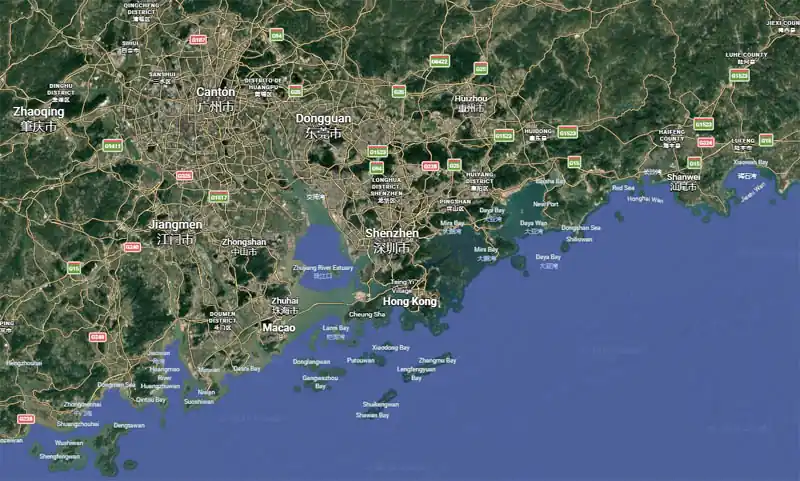
Geographically, the territory is divided into three large areas: Hong Kong Island, home to the famous financial skyline; the Kowloon Peninsula, known for its markets and densely populated neighborhoods; and the New Territories, a much larger area that includes mountains, traditional villages, and several quieter islands.

A brief history of Hong Kong
Hong Kong's history is deeply intertwined with the maritime trade of southern China. For centuries it was an area inhabited by fishermen and small coastal villages, until its fate changed in the 19th century following conflicts between China and the British Empire.
After the First Opium War, China ceded Hong Kong to the United Kingdom in 1842 through the Treaty of Nanking. During more than 150 years of British rule, the city developed into a major international port and financial center.

In 1997, the Handover of Hong Kong took place, when the territory returned to China and became a Special Administrative Region, maintaining its own economic and legal system under the principle of "one country, two systems".
One country, two systems
When Hong Kong returned to Chinese control in 1997, the principle of “one country, two systems” was established, a model designed to allow the territory to retain much of its previous system during a transition period.
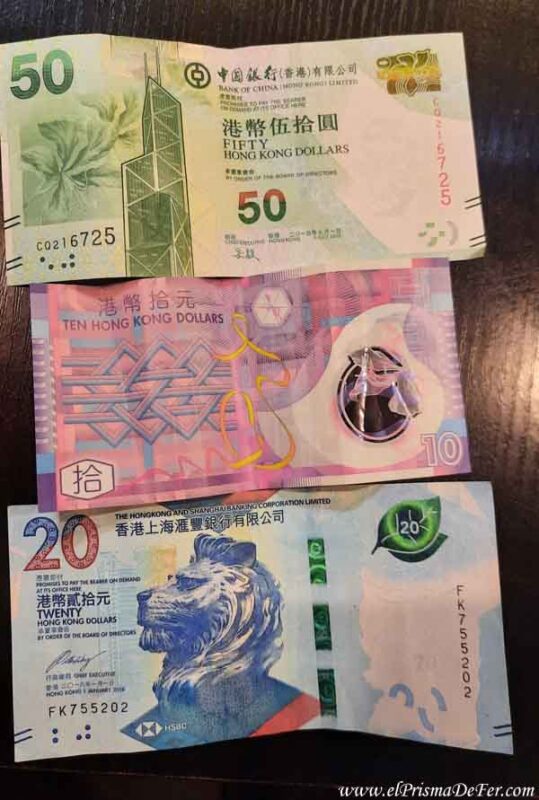
In practice, this means that Hong Kong functions as a Special Administrative Region with a high degree of autonomy. Unlike mainland China, it maintains its own legal system based on British law, a capitalist economy, its own immigration controls, its own currency (the Hong Kong dollar), and economic freedoms that have made it one of Asia's most important financial centers.
This agreement was established for 50 years from the transfer of sovereignty, so in theory it remains in effect until 2047. After that date, the future of the model is still uncertain and has been a subject of political debate in recent years.
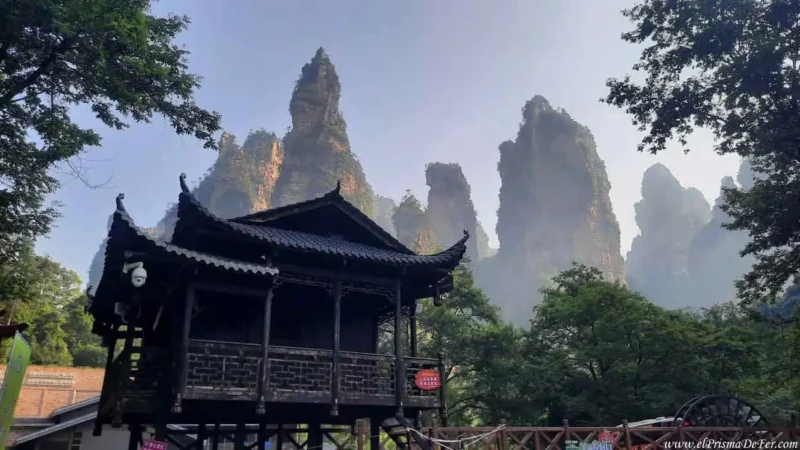
My impressions upon arriving in Hong Kong
Arriving in Hong Kong after spending several months traveling through the Indian subcontinent was a culture shock (I didn't experience it when I arrived in India...but when I left :D).
After so much time surrounded by people urinating in the streets, cows defecating on the sidewalks, the incessant honking of tuk-tuk horns, and walking through cities overflowing with garbage, I had grown accustomed to that rhythm. In fact, it had somehow become part of the journey, and I had even forgotten what it felt like to be in a slightly more orderly and tidy city.
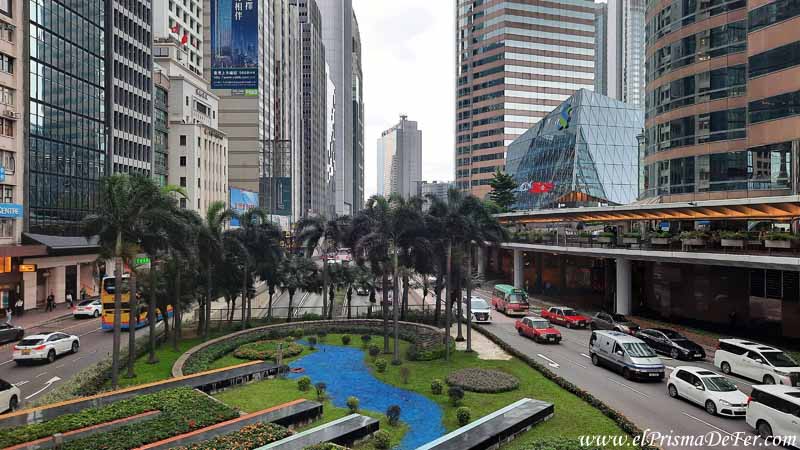
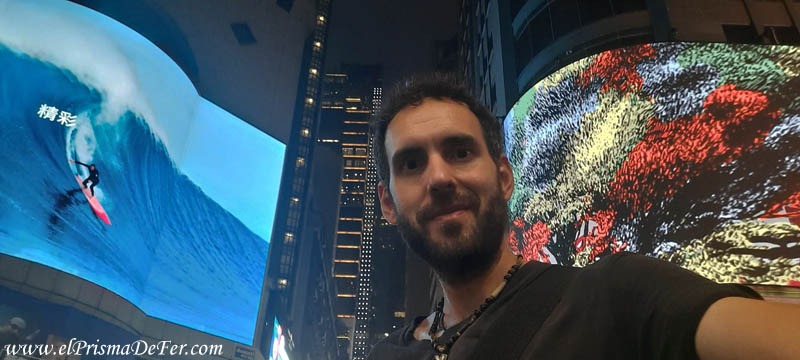
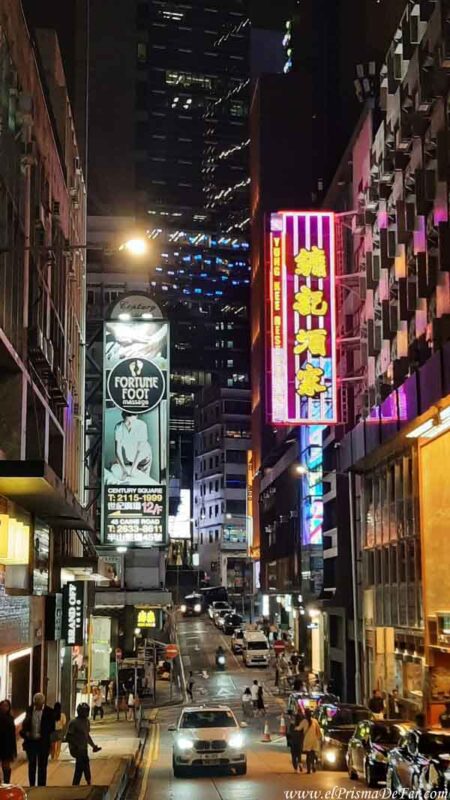
That's why landing in Hong Kong felt like stepping into the future in a matter of hours. Clean streets, impeccable transport, skyscrapers everywhere, and that sea of neon lights that at times made me feel closer to Japan than to China.
I was also struck by the diversity of people I saw on the streets. There were many immigrants, especially from Southeast Asia, something I wouldn't notice again when I later crossed into mainland China. This cultural mix gives Hong Kong a distinct, more international and cosmopolitan vibe than many Chinese cities.
In short, the transition was wonderful. It was a breath of fresh air, like a rebirth, after months of intense travel through Southeast Asia. I found Hong Kong to be a fascinating city, and honestly, the five days I spent there weren't enough.
How to get around in Hong Kong
Hong Kong boasts one of the world's most efficient public transport systems: punctual, clean, and very well signposted. Even first-time visitors find it quite intuitive to navigate thanks to the signs in English and the excellent map apps.
MTR: Hong Kong's subway
The MTR is the fastest and most convenient way to get around the city. The network covers virtually all major areas of Hong Kong, including Kowloon, Hong Kong Island, the airport, and the border crossings with mainland China. Trains run frequently, the stations are spotless, and everything is perfectly organized.
People queue to get on, let others get off before entering, and there is rarely any pushing, something I had become unaccustomed to in India.
Tram
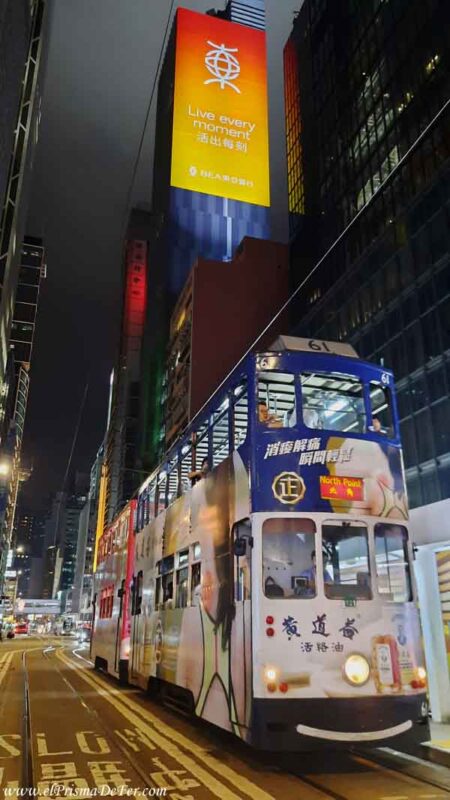
Hong Kong Island is also home to the famous double-decker tram, known as the "ding ding." It's one of the oldest and cheapest forms of transportation in the city. While not the fastest, it's an interesting way to explore different neighborhoods while observing daily life from the window.
Ferries: Crossing the port with incredible views
Another classic experience is crossing Victoria Harbor by ferry between Central and Tsim Sha Tsui. The historic Star Ferry has been operating since the late 19th century and remains one of the most pleasant ways to travel between the two sides of the harbor.
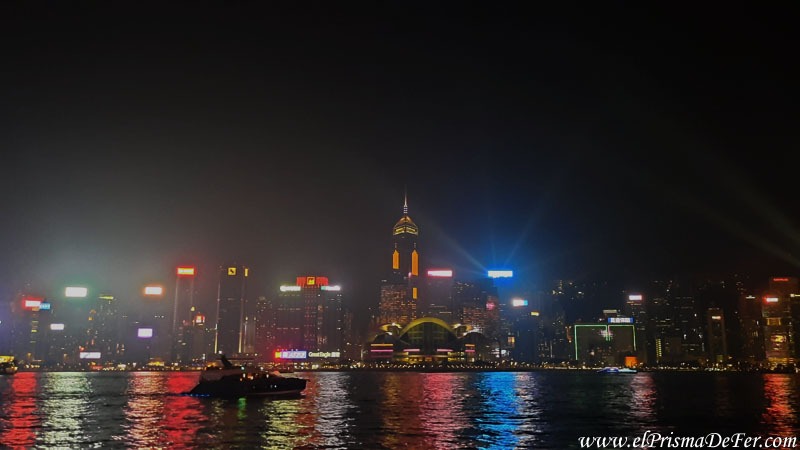
The journey only takes a few minutes, but the views of the skyline are spectacular, especially at sunset or at night when the skyscrapers are lit up.
The Octopus card
To simplify everything, the best thing to do is buy an Octopus Card, a rechargeable card that can be used to pay for virtually all public transport. It works on the metro, buses, trams, and ferries, and is also accepted in many supermarkets, shops, and restaurants.
Simply tap your card on the reader when entering and exiting, and the system automatically calculates the fare. It's very convenient and saves you from having to buy individual tickets every time.
Map with the main attractions of Hong Kong
Things to do in Hong Kong
Hong Kong has a huge amount of things to see and do, and what's interesting is that it combines nature, traditional temples, and one of the most impressive skylines in the world. You can get a good first impression of the city in just a few days, but the more time you have, the more interesting layers you'll discover.
Victoria Peak and the best views of the city
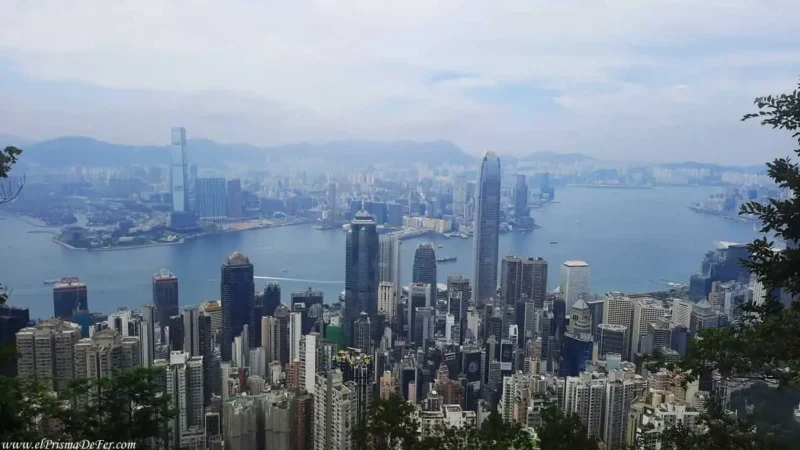
One of the must-sees is climbing Victoria Peak, Hong Kong's most famous viewpoint. From the top, you get a spectacular view of the island's skyline, Victoria Harbour, and the skyscrapers of Kowloon.
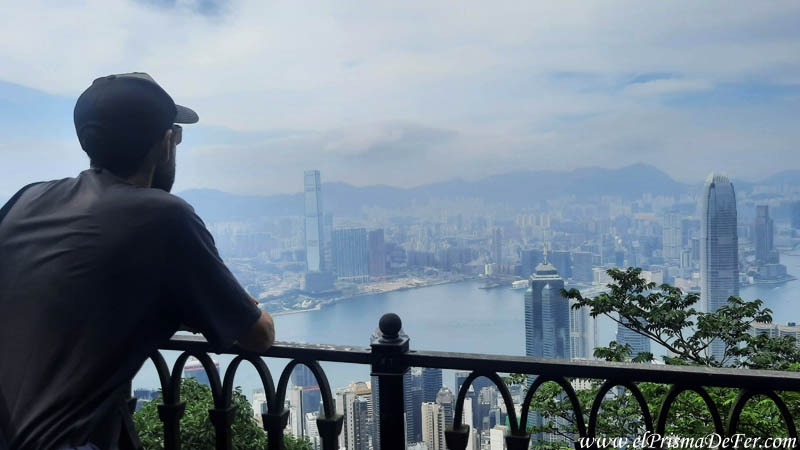
You can go up on foot (usually starting from this point), by bus or on the historic Peak Tram, a funicular that has been operating since the late 19th century (see location).
At the summit you can do several activities, such as:
- Visit the platform Sky Terrace 428 (costs $HK 80)
- Take the Peak Circle Walk: a scenic trail of about 3.5 km that circles the mountain and takes you through some green areas to rest. The good thing is that you don't need to pay anything to do it and the views in certain places are even better.
- Walk along scenic routes like Lugard Road, which offers some of Hong Kong's best free viewpoints.
- There are also restaurants, cafes and shopping centers where you can relax while enjoying one of the most famous cityscapes in the world.
Going at sunset is a great idea, because you can see how the city transforms when the lights come on.
Victoria Harbor skyline and Symphony of Lights
Victoria Harbour is the visual heart of Hong Kong. Walking along the Tsim Sha Tsui waterfront at dusk is a classic experience; opposite, the island's skyscrapers rise with their lights and giant screens.
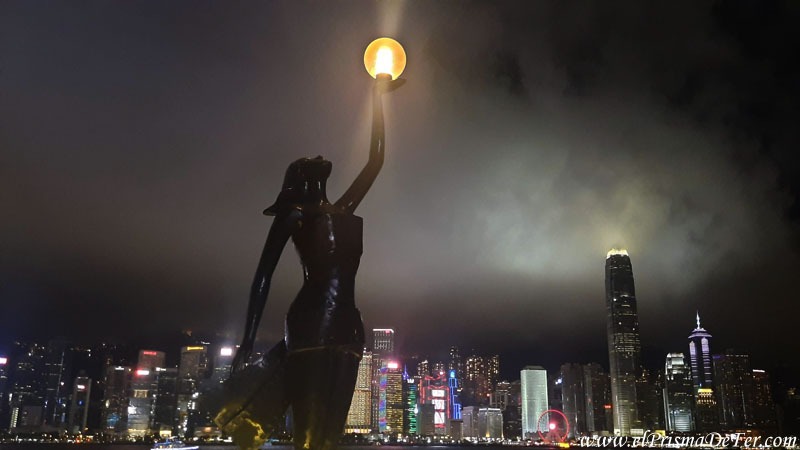
Every night, the Symphony of Lights takes place, a light and laser show that illuminates several buildings in the skyline. It's free but doesn't last long.
Traditional temples in the middle of the city
Despite its modern image, Hong Kong also has some very interesting temples. One of the best known is the Man Mo Temple (see location), dedicated to the gods of literature and war, and famous for the giant incense spirals hanging from the ceiling.
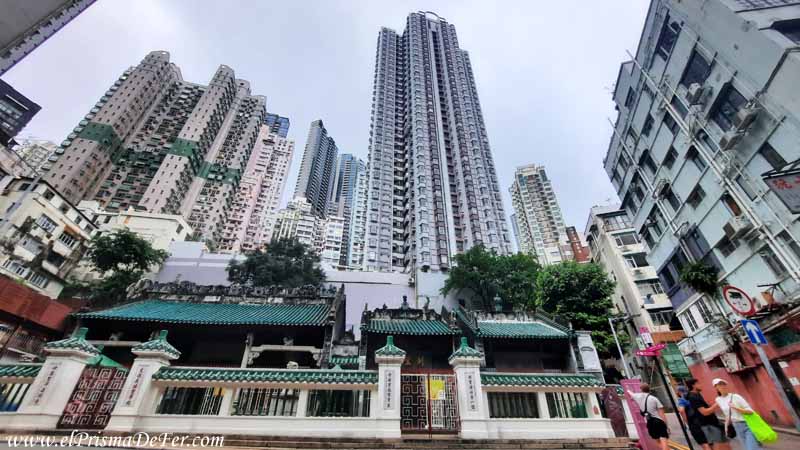
Another popular spot is Wong Tai Sin Temple, where many locals come to pray and consult their fortune.
Street markets and urban life
Hong Kong is also best enjoyed by strolling through its markets. The Ladies Market in Mong Kok is one of the most well-known (see on the map), full of stalls with clothes, souvenirs and curiosities.
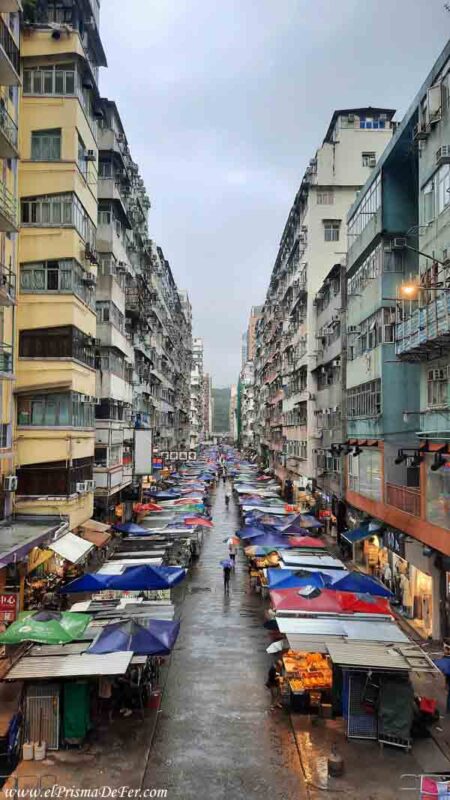
There's also the Temple Street Night Market or the Yuen Po flower and bird market.
Beyond shopping, they are very interesting places to see the daily rhythm of the city.
Hiking and unexpected nature
Hong Kong has many natural areas. There are excellent trails like Dragon's Back, considered one of the most beautiful urban hikes in Asia, with views of the sea and several beaches.
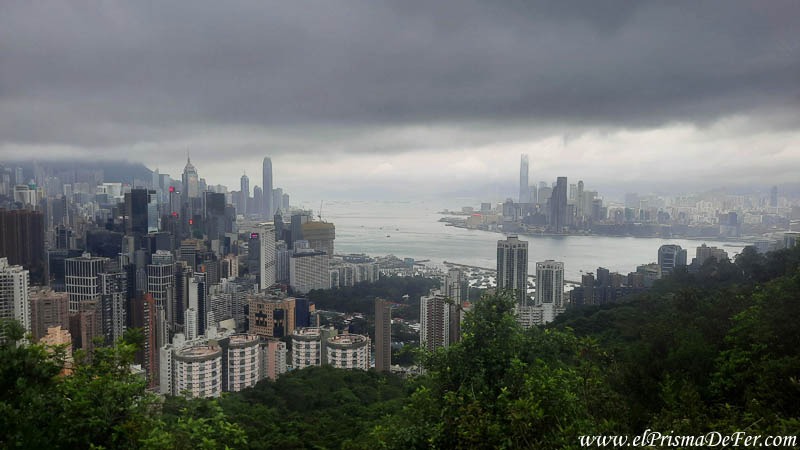
It's a great way to escape the concrete and see a completely different side of the city.
Monster Building
One of the most curious places in Hong Kong is the famous Monster Building (see location on map), a huge residential complex that became very popular on social media for its unique aesthetic.
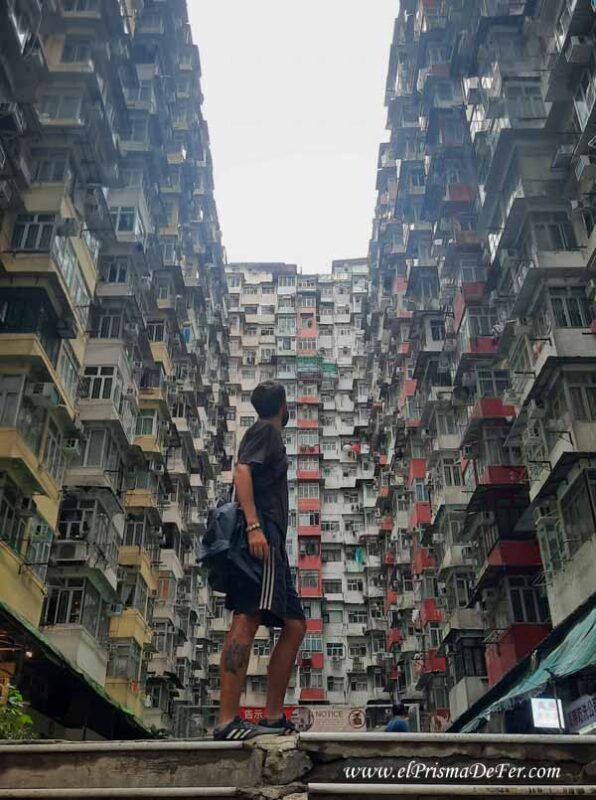
It is not actually a single building, but a complex of five interconnected residential towers that form an interior courtyard surrounded by balconies and apartments stacked on top of each other.
Seen from below, hundreds of windows, hallways, and balconies create a kind of vertical wall that looks like something out of a science fiction film. In fact, this place appeared in several productions, including the movie Transformers.
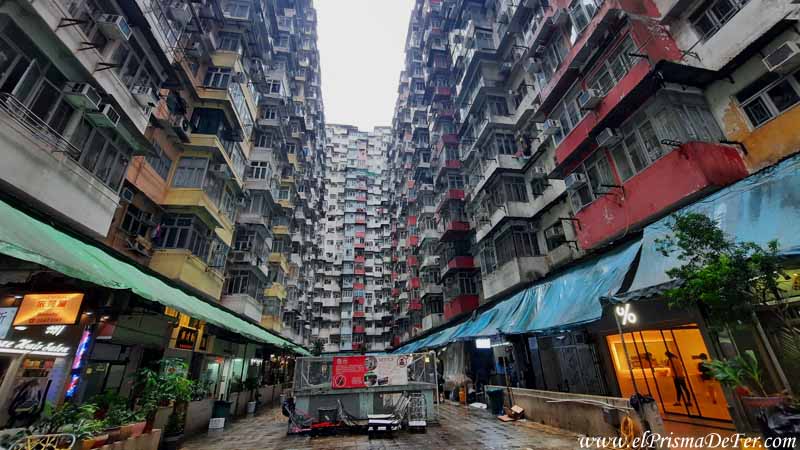
But beyond the photos, it's also interesting because it shows the extremely high population density in Hong Kong, and how the city had to grow vertically to accommodate millions of people in a very limited space.
How to get to the Monster Building in Hong Kong
The easiest way is by using the Hong Kong subway.
Steps:
- Take the Island Line (blue line) of the subway.
- Get off at Quarry Bay Station.
- Exit through door A.
- Walk for about 3–5 minutes to King’s Road.
- Enter the complex called Yick Cheong Building, which is where the famous courtyard is located.
Lantau Island and the Great Buddha
A very popular excursion is to go to Lantau Island, where the Tian Tan Buddha, better known as the Great Buddha, is located.
It is a huge bronze statue located on top of a hill, which can be reached by climbing more than 200 steps.
Many visitors combine this visit with the Po Lin Monastery and the Ngong Ping 360 cable car, which offers very nice views of mountains and sea.
Hong Kong neighborhoods
One of the most interesting things about Hong Kong is that its neighborhoods have distinct identities. Within just a few kilometers, you can go from ultramodern financial districts to chaotic street markets or neighborhoods with a more traditional feel.
Central: the financial heart
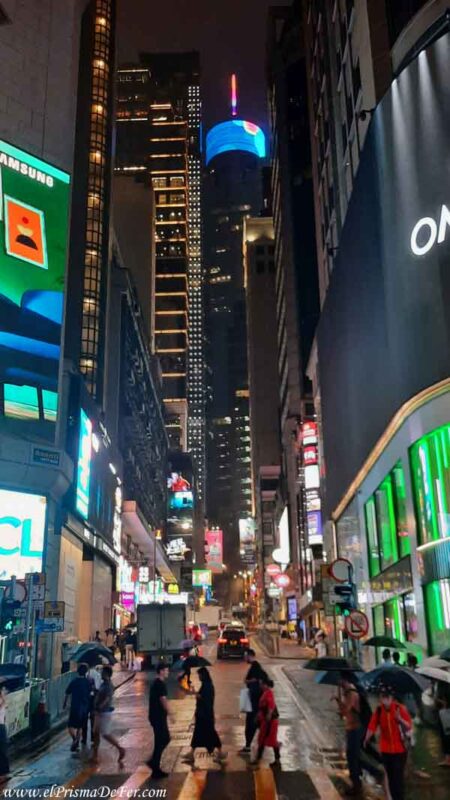
Central is Hong Kong's financial district and probably the image many people have of the city, with its towering skyscrapers, international bank offices, and luxury hotels. It's a very modern and dynamic area, where thousands of people work every day.
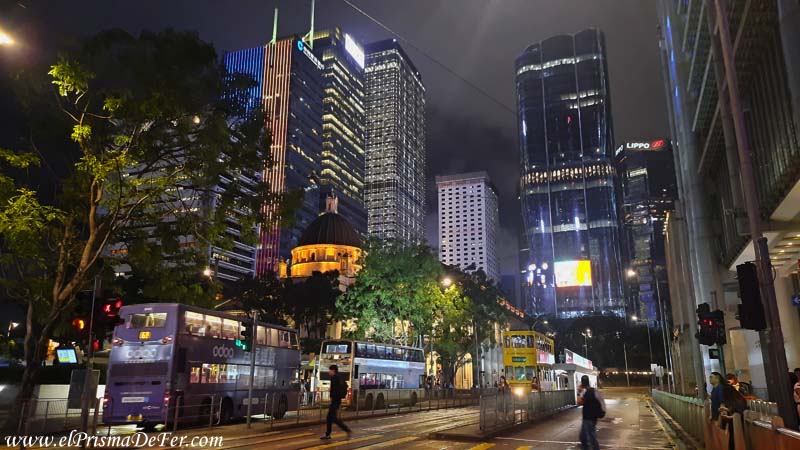
But beyond the glass buildings, it also has interesting spots to explore, such as the world's longest outdoor escalator system, which connects different parts of the city by climbing the hill. Many ferries also depart from here, making it a good base for getting around Hong Kong.
Sheung Wan: Tradition and Modernity
Right next to Central is Sheung Wan, a neighborhood that blends the old with the new. Here you can still find traditional Chinese shops, herbal medicine stores, and temples tucked away among the buildings.
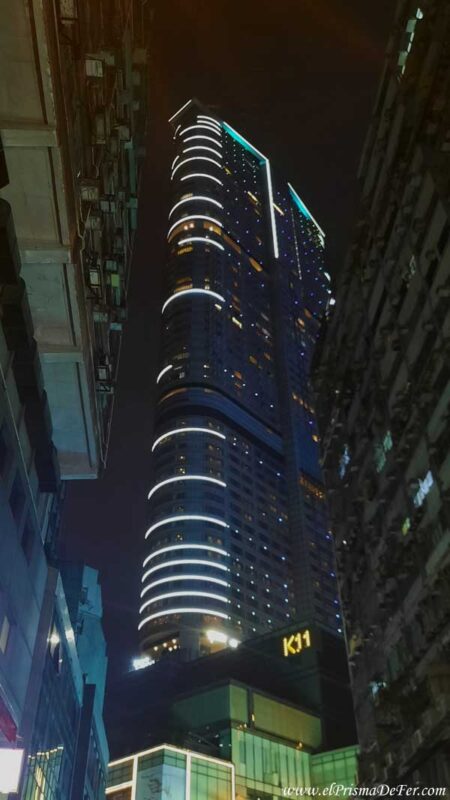
At the same time, in recent years it has become filled with trendy cafes, art galleries, and small international restaurants. It's an interesting area to wander aimlessly and see how different eras of the city coexist.
Mong Kok: the most chaotic Hong Kong
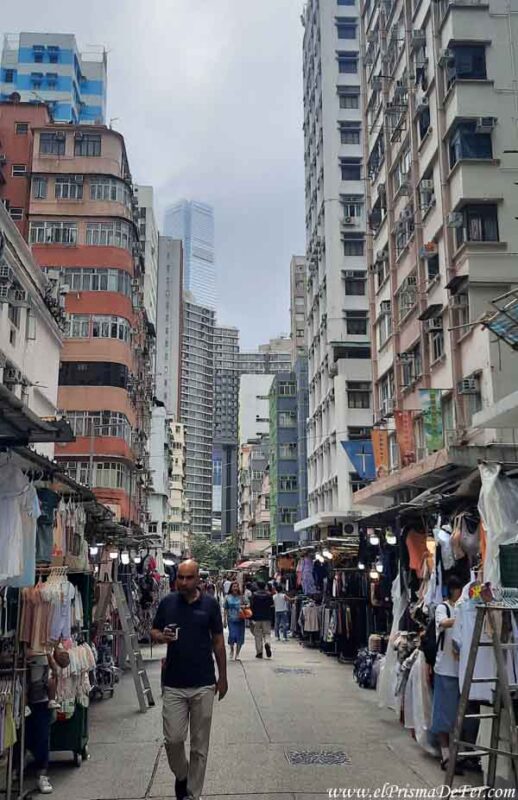
If you want to experience the city's most vibrant side, Mong Kok is the place to go. This Kowloon neighborhood is one of the most densely populated areas in the world and is always bustling with people, bright lights, and street markets.
Here you'll find some of the most famous markets, like the Ladies Market I mentioned earlier, where souvenirs, clothing, and all kinds of products are sold.
Tsim Sha Tsui: skyline views
Tsim Sha Tsui is one of the most visited neighborhoods by tourists because it is right in front of Victoria Harbour and offers some of the best views of the Hong Kong skyline.
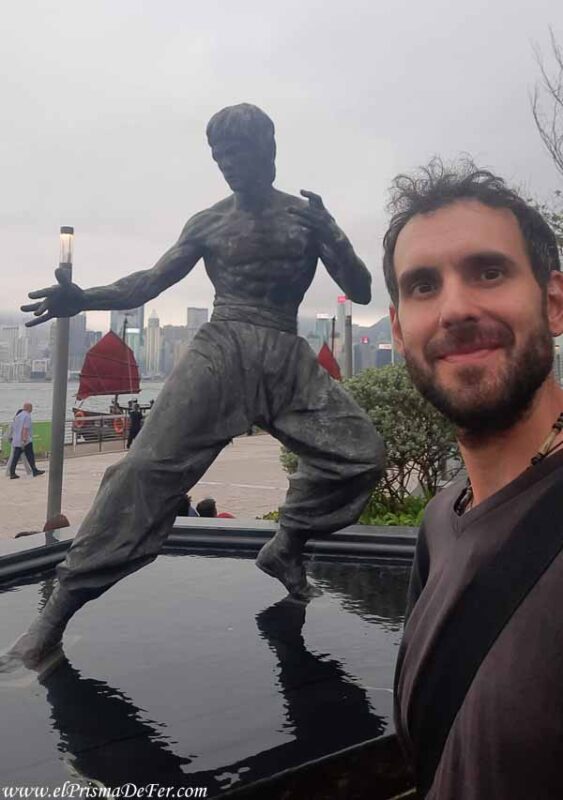
The seafront promenade is perfect for a stroll at sunset, when the skyscrapers light up. It also boasts numerous shopping centers, museums, and restaurants, and is one of the best spots to watch the harbor's nightly light show.
Sham Shui Po: the more local side
Sham Shui Po is one of Hong Kong's most authentic and least touristy neighborhoods. It's known for its street markets, cheap electronics shops, and traditional food stalls.
It's an excellent place to try local food at much more affordable prices than in other areas of Hong Kong.
Where to sleep in Hong Kong
Hong Kong is an expensive city, especially when it comes to accommodation. Even the simplest hotels tend to be quite pricey.
Tsim Sha Tsui: good location and many options
One of the most popular areas to stay is Tsim Sha Tsui, in Kowloon. It offers excellent views of the Hong Kong Island skyline and is very well connected by subway and ferry. The area also boasts numerous restaurants, shops, and a vibrant atmosphere both day and night.
Many travelers choose this neighborhood because there are a large number of guesthouses and budget hotels, although many of them operate within rather old commercial buildings, which is quite typical in Hong Kong.
During my stay I stayed at Premium Lounge, in Tsim Sha Tsui (you can see it at Booking.com or at Trip.com). It was one of the most affordable options I found in Hong Kong with a good location.
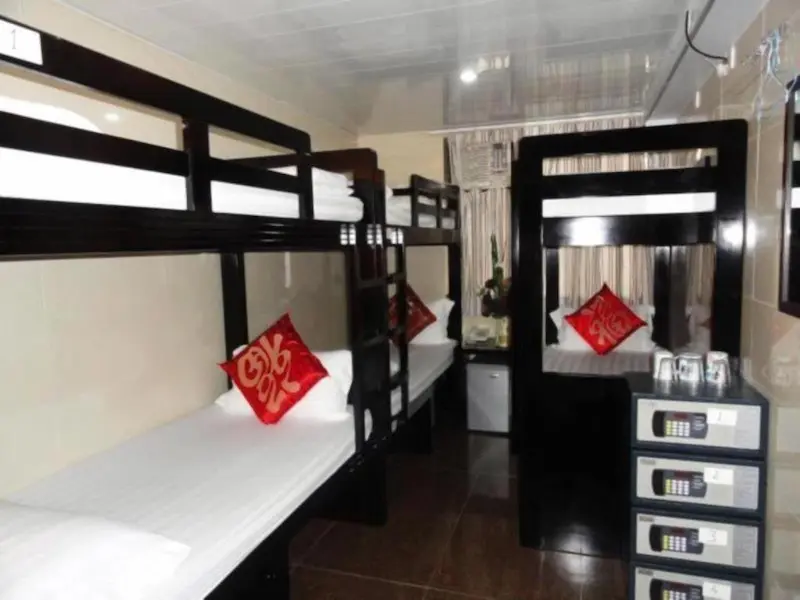
The rooms were shared and quite small, which is fairly common here, but overall the place was clean and the staff were friendly.
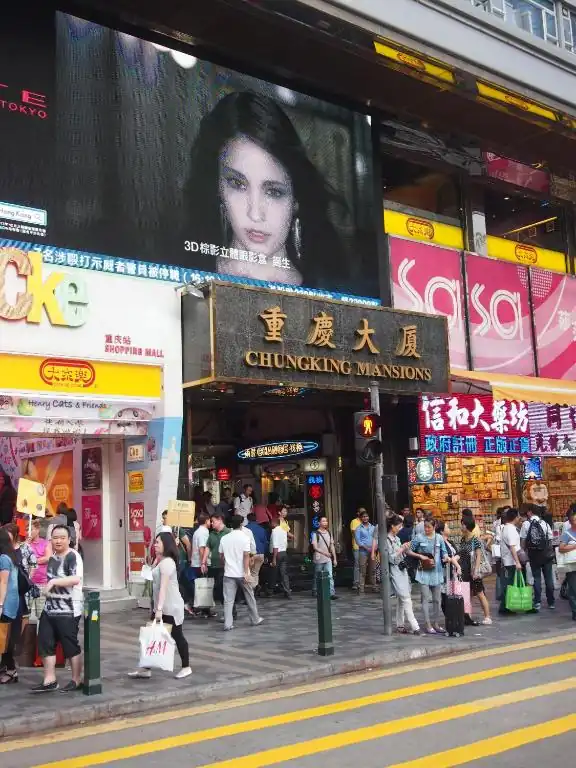
The location is excellent. The hotel is on one floor within the Chungking Mansion building, a huge complex whose ground floor functions as a shopping arcade full of currency exchange offices and inexpensive food stalls, making it quite convenient for getting around the area, but also very crowded.
Central and Hong Kong Island
If budget isn't an issue, Central and other areas of Hong Kong Island are excellent choices. It's the city's financial heart, with impressive skyscrapers, restaurants, bars, and excellent public transport connections.
However, prices are usually considerably higher than in Kowloon.
How to get to mainland China from Hong Kong
One of Hong Kong's biggest draws is that it also serves as an excellent gateway to mainland China. The most common way to cross is by land, as the border is very close and the transport system is fast and efficient.
The easiest way is to take the subway (MTR) to Lo Wu (see location on map) or Lok Ma Chau, two stations that connect directly to the border posts towards the Chinese city of Shenzhen.
The process involves leaving Hong Kong, passing through immigration, and then entering China, which normally takes between 30 and 60 minutes depending on the number of people.
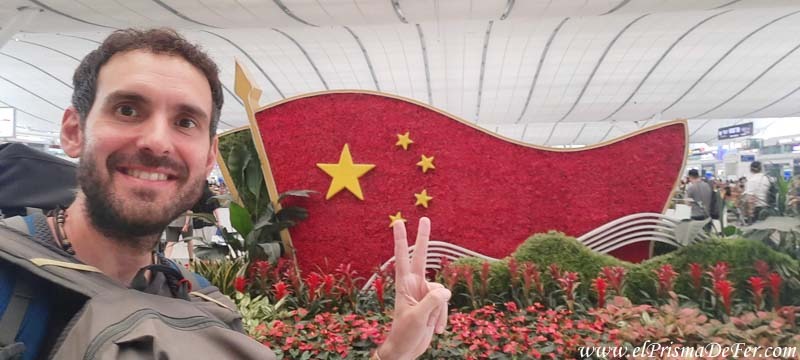
From Shenzhen, you can also easily connect to the high-speed rail network that reaches many cities across the country.
Another very convenient option is the high-speed train from West Kowloon Station (see map), which directly connects Hong Kong with cities such as Guangzhou, Shenzhen, Guilin, Shanghai, and even Beijing. In this case, immigration checks are carried out inside the station before boarding.
However, it is important to remember that Hong Kong has its own immigration system, so leaving the city formally means leaving the territory and entering mainland China. Depending on your nationality, you may or may not need a valid Chinese visa before crossing the border, as a Hong Kong visa is not valid for entry into mainland China.
How to get from the airport to downtown Hong Kong
Hong Kong International Airport is very well connected to the city and there are several quick and efficient options for getting around.
Airport Express: the fastest option
The most convenient and quickest way to reach the city center is the Airport Express, a train that connects the airport to the main areas of the city in just a few minutes. The journey to Hong Kong Station on the island takes about 24 minutes, with intermediate stops in Tsing Yi and Kowloon.
The trains are modern, have luggage space, and run frequently. In addition, some of these stations offer free shuttle bus connections to various hotels.
Buses: the cheapest alternative
Another popular option is the airport buses, which connect to different parts of the city. They are considerably cheaper than the Airport Express and also comfortable, although the journey can take between 45 minutes and an hour depending on traffic.
If you're not in a hurry and want to save some money, it's a good alternative.
Taxi
It's also possible to take a taxi directly from the airport. This is a practical option if you're traveling with a lot of luggage or in a group, although obviously more expensive than public transport.
Taxis in Hong Kong are quite reliable and the journey to areas like Central or Tsim Sha Tsui usually takes between 30 and 40 minutes, depending on traffic.
Is Hong Kong expensive?
Yes, Hong Kong is an expensive city, especially compared to other Asian destinations. The biggest expense is usually accommodation, where even mid-range hotels can easily exceed HKD 800–1300 per night (USD 100–170), while luxury hotels can cost several thousand Hong Kong dollars per night.
That's why many travelers opt for guesthouses or shared dormitories, where a hostel bed usually costs between 20 and 40 USD per night.
Food, on the other hand, can be quite affordable if you eat at local places. A simple dish in a typical restaurant or local cafe can cost between 50 and 100 HKD (6–13 USD), while a meal in a more comfortable restaurant can cost around 200–400 HKD per person. There are also very cheap options like noodle or rice stalls that cost just a few dollars.
Public transport is probably one of the cheapest things to do in the city. A subway ride usually costs between 4 and 20 HKD, depending on the distance, and ferries or trams can cost even less.
Final thoughts
My time in Hong Kong left me with a very positive feeling. It was the first Chinese city I visited, and after several months traveling around the Indian subcontinent, the contrast was enormous; it was almost like changing planets in a matter of hours.
I found Hong Kong to be a fascinating city, with impressive skyscrapers, impeccable transport, vibrant neighborhoods, and a very particular energy that blends Asian elements with a strong international influence.
Furthermore, being a relatively easy place for travelers, with English widely spoken and everything very well signposted, it was a very comfortable transition before venturing into mainland China.
And although five days felt short, they were enough to leave me with very good feelings and a strong desire to continue exploring China.
Frequently Asked Questions about Hong Kong
What is the best time to visit Hong Kong?
The best time to travel to Hong Kong is usually between October and March, when temperatures are more pleasant and humidity is lower. Summers, especially between June and September, can be quite hot, humid, and with the possibility of typhoons. Even so, Hong Kong is a year-round destination.
Is Hong Kong safe?
Yes, Hong Kong is a very safe city. Crime levels are low, and it's common to walk around at night without much worry. As with any large city, it's wise to take basic precautions with your belongings in crowded areas, but overall it feels like a fairly orderly and peaceful place.
Is English spoken in Hong Kong?
Yes, English is quite common in Hong Kong. Due to its past as a British colony, many signs are in English and a large part of the population understands it, especially in transport, hotels, restaurants and tourist areas. This makes it a fairly easy destination for foreign travelers.
Do I need a visa to enter Hong Kong?
It depends on nationality, but many people can enter without a visa for short tourist stays. The important thing to remember is that Hong Kong has its own immigration system, different from that of mainland China. This means that a Chinese visa doesn't always automatically grant access to Hong Kong, and vice versa.
How many days is it advisable to stay?
For a first visit, between 3 and 5 days is usually enough to see the main attractions of the city, explore some neighborhoods, go up to the viewpoints and visit areas like Victoria Peak or Lantau. If you want to visit more islands or take more leisurely excursions, you can add a few more days.
Support The Prism of Fer!
Your support helps me continue creating free content on the blog. Thank you so much!