After a month traveling through China, I finally arrived in the capital, Beijing, the last stop on this trip. I didn't arrive with very high expectations. For years I had read that it was one of the most polluted cities in the world, gray, difficult to enjoy. But sometimes, prejudices are shattered the moment you set foot in the place.
The first thing that surprised me was that Beijing wasn't the oppressive city I had imagined. Yes, it's immense and intense, but it also has its good points. There's history in every corner, from its ancient temples to its modern avenues, and a blend of the old, the communist, and the new that ends up fitting together better than expected.
In this post I'm going to tell you why Beijing ended up being a pleasant surprise, what I liked most, and what things I think are really worth doing.

This post may contains affiliate links. If you purchase through these links, I may earn a commission at no extra cost to you. Thank you for your support!
Table of Contents
Where is Beijing located?
Beijing is located in northeastern China, about 150 kilometers from the Bohai Sea, strategically positioning it between the country's interior and the coast. This location has been key throughout history, serving as a connection point between different regions and as a natural barrier against invasions from the north.
The city is surrounded by mountains on three sides, which not only gives it interesting scenery, but also influenced its urban development and the construction of defensive structures such as the Great Wall of China, which is located a short distance away and is one of the most popular excursions from the capital.
Its location connects it easily to other major cities via high-speed trains, facilitating logistics for those traveling around the country, as was my case during this trip.

My impressions of Beijing
I knew it was a megacity, but you don't truly grasp its scale until you're actually there. Beijing is enormous, the distances are vast; in fact, I think a good portion of my time in the capital was spent underground, traveling on its subway network, which is one of the most extensive and efficient I've ever seen.
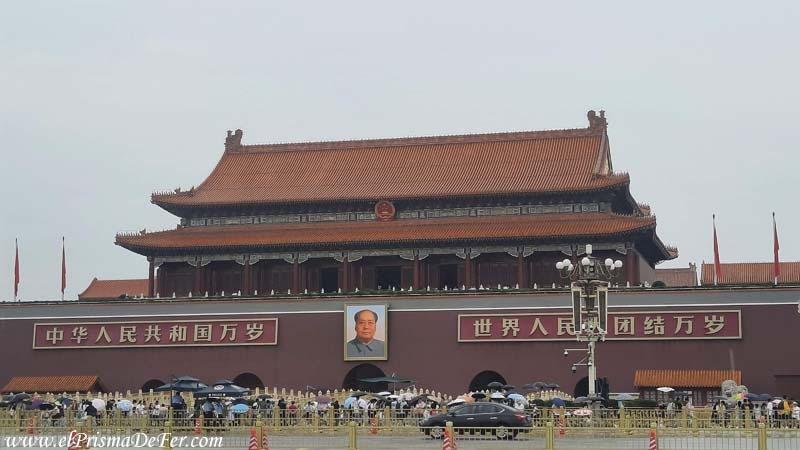
There are areas that reflect that more "classic" image one has of China, with monumental architecture and a more communist atmosphere, especially around Tiananmen Square. But that's only part of it.
The city has many faces, from contemporary art districts to neighborhoods with traditional alleyways, temples hidden among modern buildings, lakes where people relax, and green spaces that appear when you least expect them.
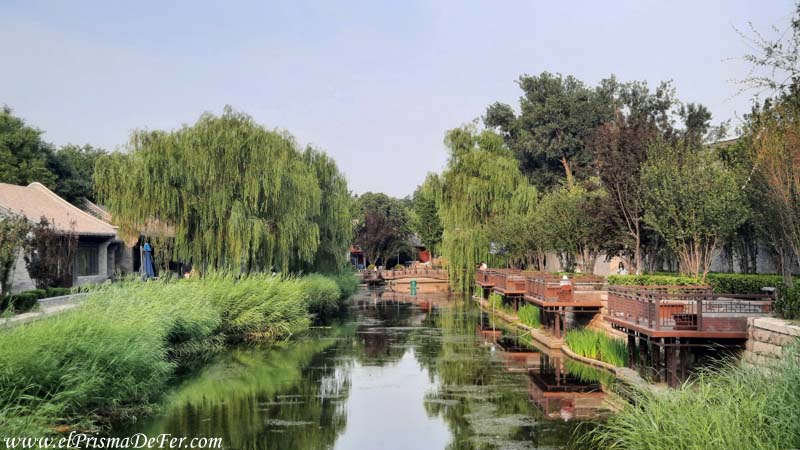
I also liked that it didn't feel as polluted as I had imagined. On the contrary, it seemed like a very tree-lined city in many areas, with wide avenues and open spaces that offer a respite from its intensity. And this has to do with an active policy that the Chinese government has been implementing to improve air quality.
Overall, I ended up finding a much more varied and entertaining city than I expected…good for Beijing.

Is it Beijing or Peking?
Both names refer to the same city. The difference lies in how Chinese is transliterated into the Latin alphabet and the evolution of those systems over time.
“Beijing” is the current official form and comes from the romanization system called pinyin, which is the one used in China today. In this system, the name 北京 is written “Beijing”, which literally means “northern capital” (“bei” = north, “jing” = capital).
On the other hand, “Pekín” (or “Peking” in English) comes from older transliteration systems used in the West before pinyin was officially adopted in the second half of the 20th century. That version became popular and was adopted in many languages, including Spanish.
Today, “Beijing” is the most correct and internationally used form, especially in official contexts, maps, airports and transportation.
How to get around in Beijing
In Beijing, the subway is undoubtedly the best way to get around. It's a gigantic network, with more than 25 lines, covering practically the entire city and continuing to expand.
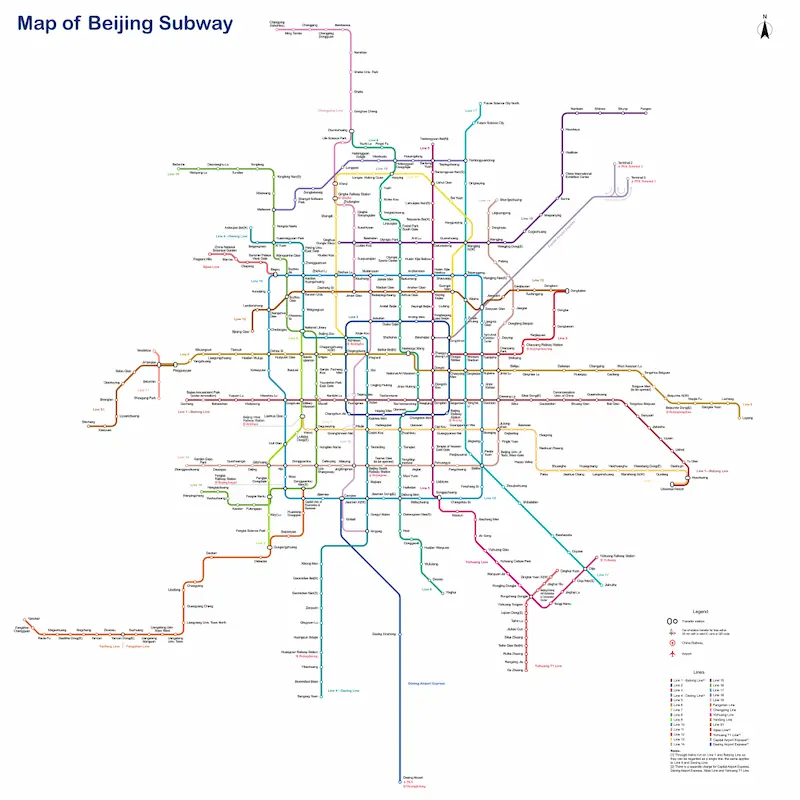
Its design combines circular lines surrounding the center with radial lines extending outwards, making it almost always possible to find a way to reach any point.
At each station you can buy individual tickets or, more conveniently, use a rechargeable card. You can also pay with your mobile phone on many lines. The machines usually have an English option, and the system is well signposted, both inside the stations and on the trains, where stops are announced in Chinese and English.
Another popular option is taxis or ride-hailing apps. In China, the most popular app is DiDi, something like the local Uber. It's easy to use, usually inexpensive, and eliminates the language barrier, since you can enter your destination directly into the app. This is especially useful if you need to get to places less served by subway or if you're returning late.
Buses also exist and cover even more areas, but they can be more difficult to use if you don't speak Chinese, as the information is not always translated.
Map with the main attractions to visit in Beijing
Things to do in Beijing
The Forbidden City
The Forbidden City was the center of Chinese imperial power for over 500 years, home to emperors of the Ming and Qing dynasties.
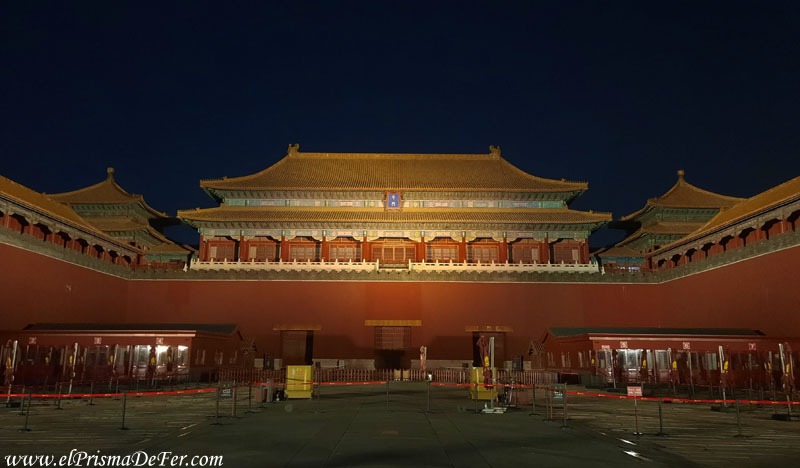
More than just a palace, it is a city within a city, with hundreds of buildings arranged symmetrically.
The complex is enormous, with an endless succession of courtyards, pavilions and halls, but in the long run it starts to become a bit repetitive.
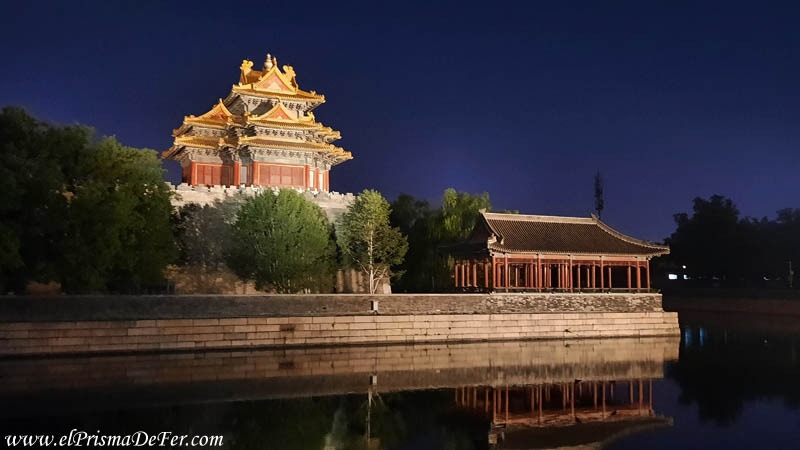
Touring it takes hours, and more than going to see something specific, it's about understanding the logic and hierarchy with which the heart of Chinese imperial power was designed.
Tiananmen Square and surrounding area
Tiananmen Square is one of the world's largest public spaces and the political epicenter of the country.
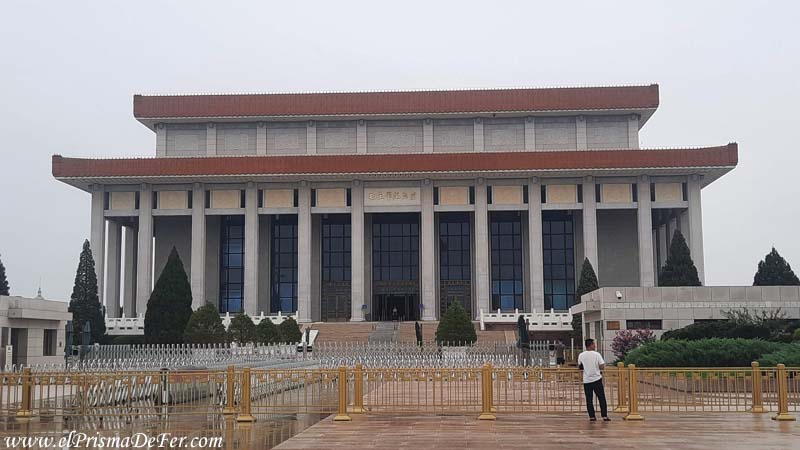
Surrounding it are several important landmarks such as the Mausoleum of Mao Zedong and the National Museum of China.
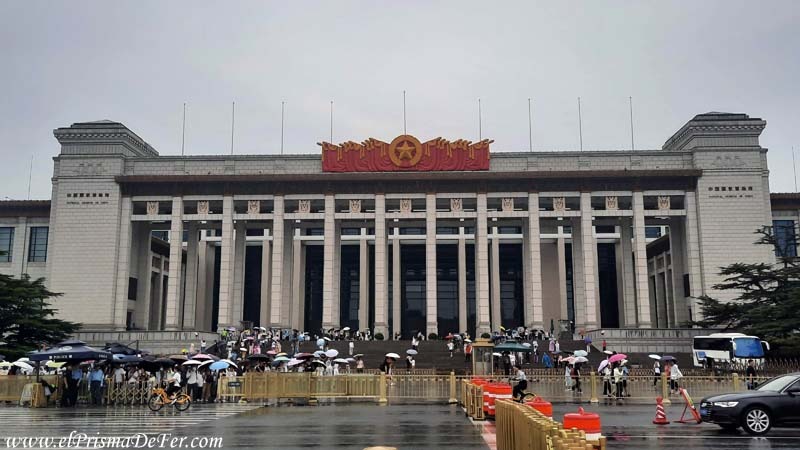
To access this area, you have to go through fairly strict security checks, similar to those at an airport, and in many cases it is necessary to book in advance (especially to enter certain buildings or the square itself at specific times).
The first time it might be a little confusing with entrances, lines and controls, but once inside everything flows better.
Qianmen Street
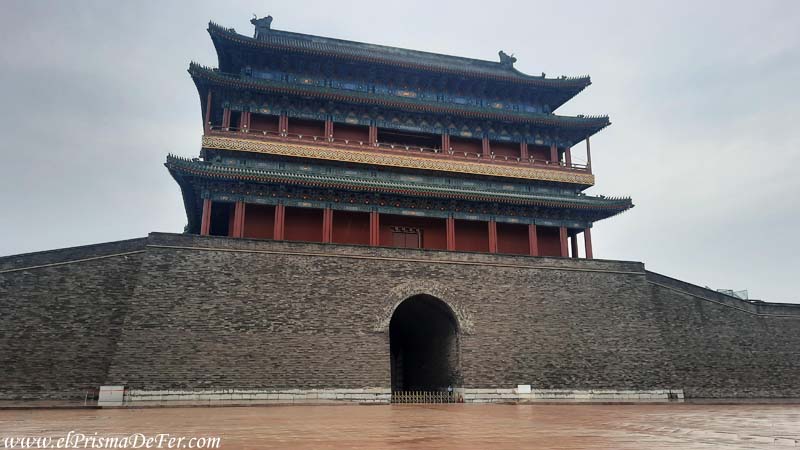
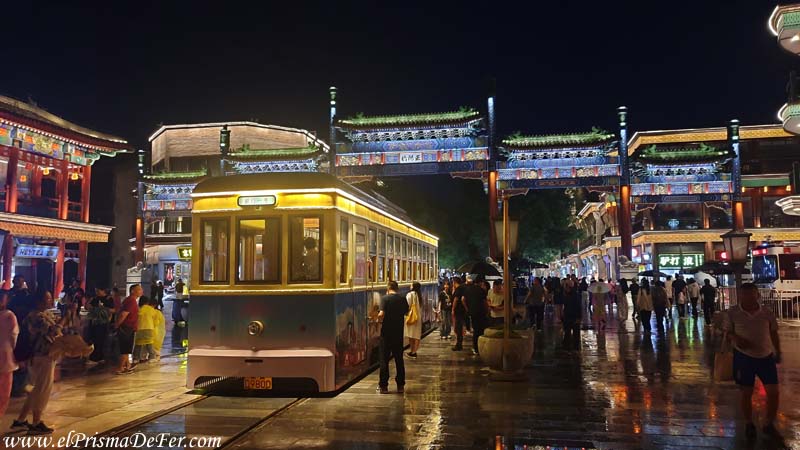
Qianmen Street is one of Beijing's most picturesque shopping streets, located very close to Tiananmen Square (see location on map).
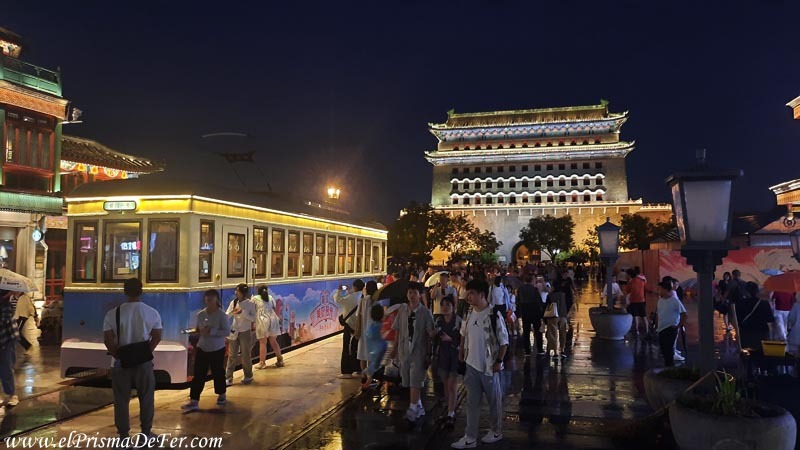
It is a long pedestrian avenue, where modern shops are mixed with traditional Chinese-style buildings, creating a rather attractive atmosphere.
Along the street you will find all kinds of shops, from well-known brands to more local businesses, as well as several food stalls where you can try typical snacks.
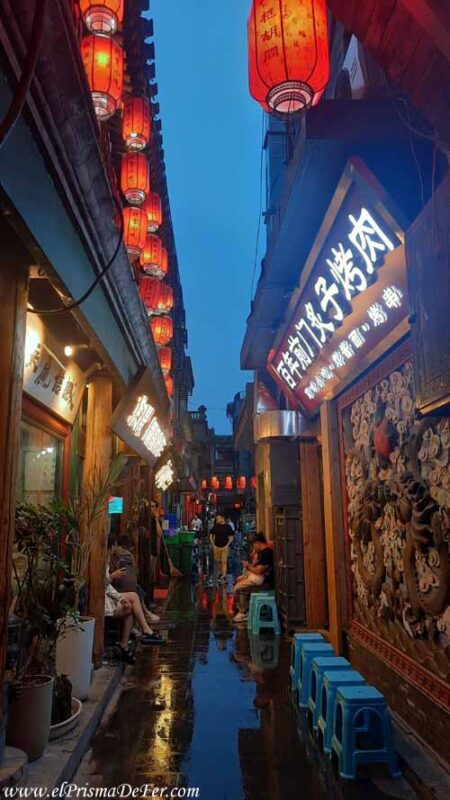
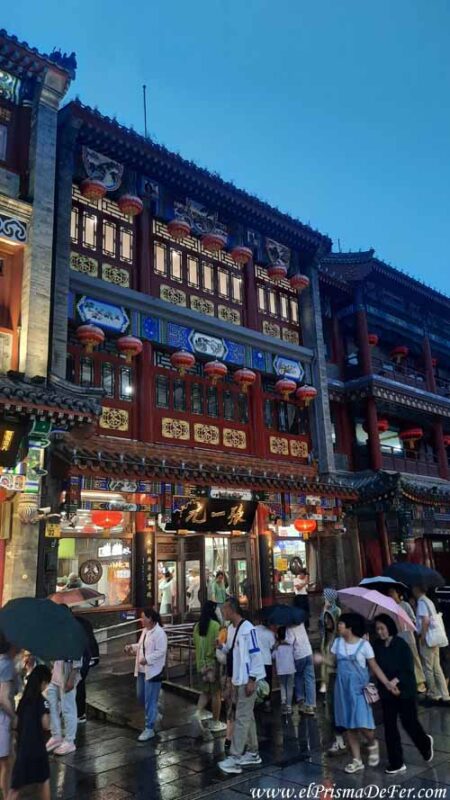
It's a great place for a stroll, especially at sunset or at night when it's illuminated, and a perfect way to round off the day after visiting the area's historical sites.
The Great Wall of China
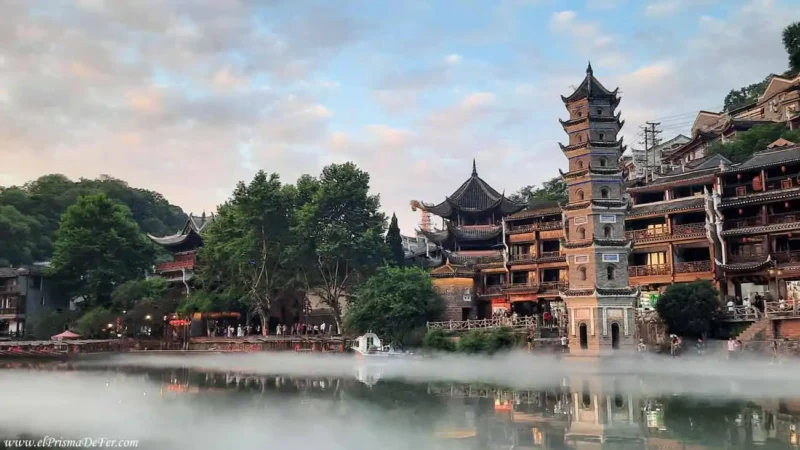
Visiting the Great Wall of China, one of the 7 modern wonders, is one of the most popular day trips from the capital.
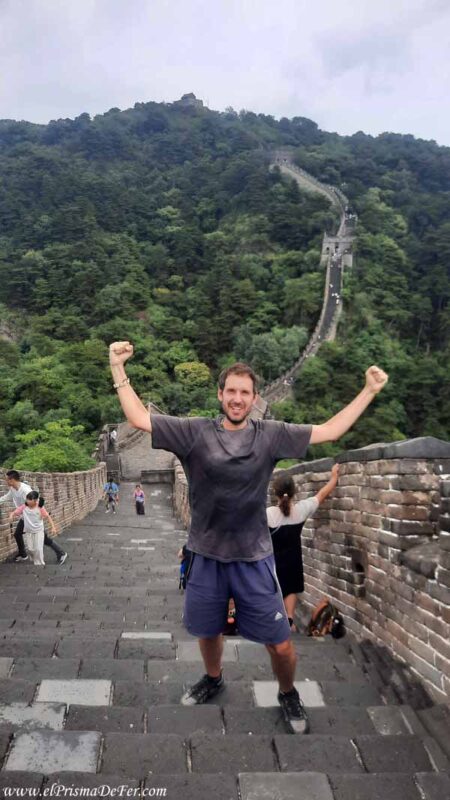
There are different sections to explore, some more touristy and restored, others wilder. But since there's quite a lot to see and various options, I'll go into more detail in another post about which one to choose and how to plan your visit.
Temple of Heaven
The Temple of Heaven was the place where emperors held ceremonies to ask for good harvests.
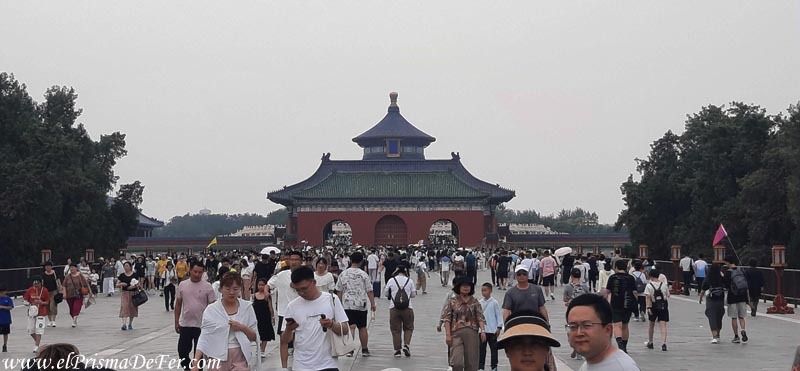
But beyond the temple itself, which is striking, what is interesting is the entire park that surrounds it, which today functions as a meeting place for locals.
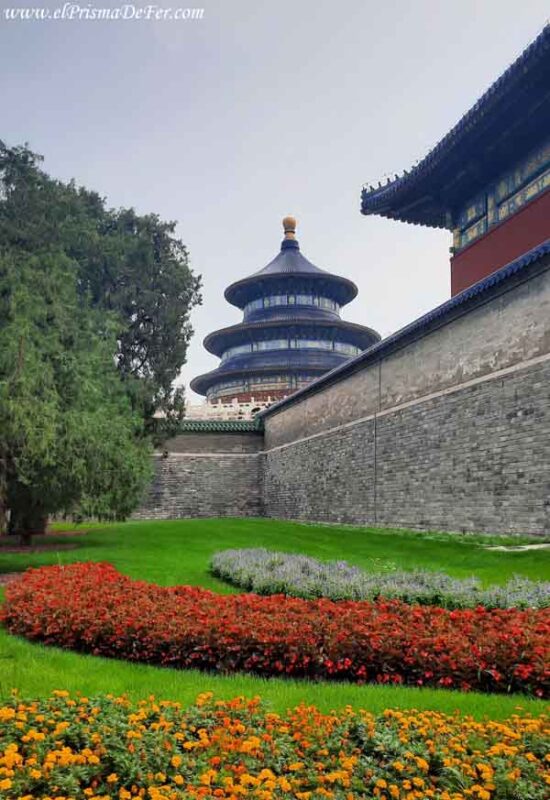
It's common to see people practicing tai chi, singing, or playing games, which gives it a very authentic atmosphere.
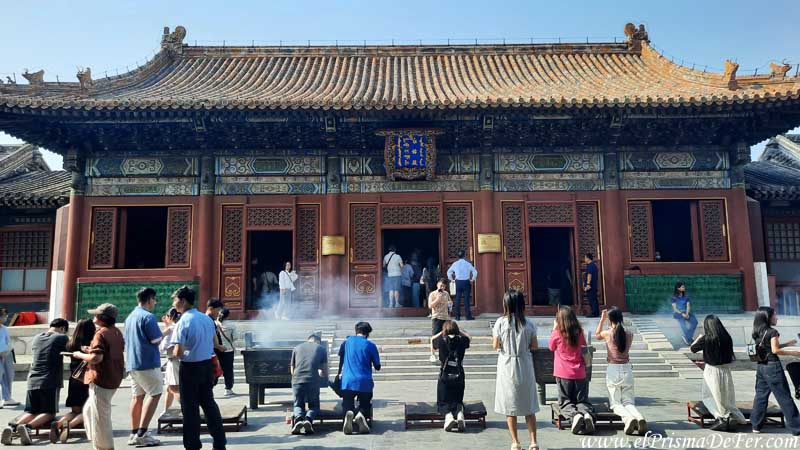
Temple of the Lamas
The Temple of the Lamas is one of the most important Tibetan Buddhist temples outside of Tibet.
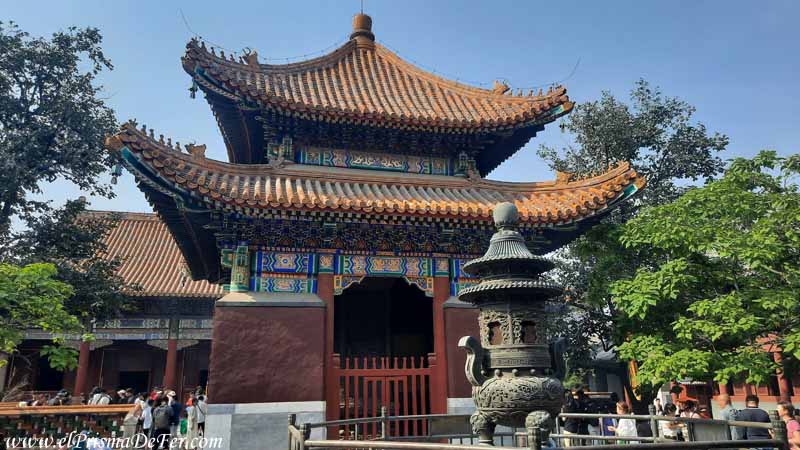
It should be a quiet, reflective, and more spiritual space. But the reality is that, due to the large number of tourists who visit, that effect is largely lost.
There are several buildings with very detailed architecture, constant incense, and worshippers praying, although you might feel a little overwhelmed with so many people around.
Summer Palace
The Summer Palace served as the imperial family's summer residence, an escape from the heat and pace of the Forbidden City.
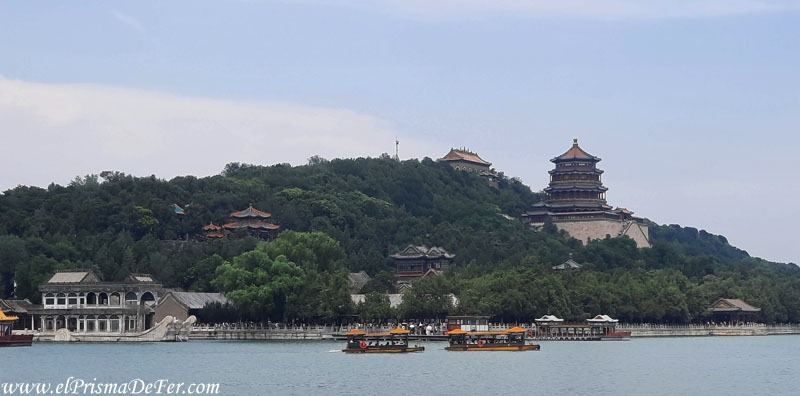
The site combines areas of imperial residences, temples, and pavilions. But the main attraction is Kunming Lake, which occupies a large part of the land and gives the place an impressive scale.
You can walk along its edge for hours, cross bridges, climb to viewpoints, or simply sit and enjoy the scenery.
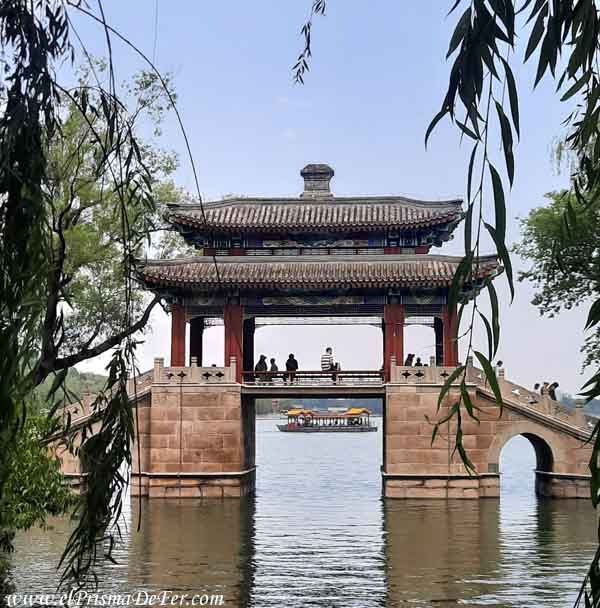
There are two types of tickets, one to access the park in general and another additional one to enter certain specific areas, such as the main pavilions and the palace itself.
In my case, I chose to only tour the exterior complex and not enter the palace, and I still felt it was worthwhile.
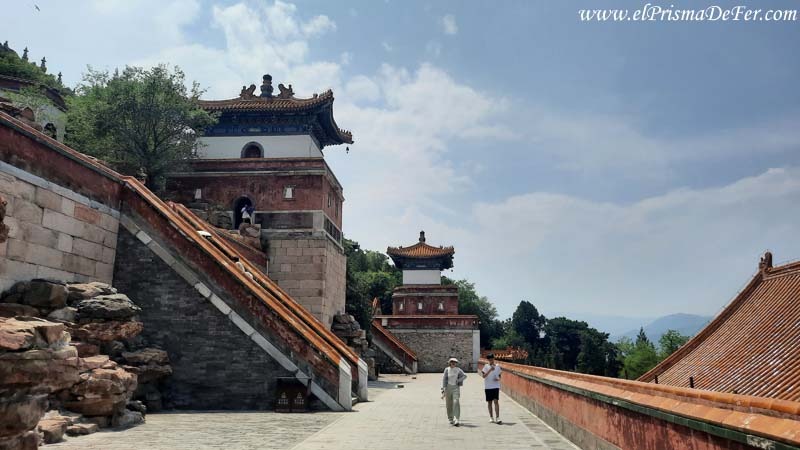
How to get to the Summer Palace
The complex has several entrances, the most used being Beigongmen (north) and Donggongmen (east).
To get there, the easiest way is to take the subway from downtown Beijing (line 4 to Beigongmen or Xiyuan), and from there walk a few minutes to the entrance.
Hutongs and traditional neighborhoods
Hutongs are old neighborhoods with traditional alleyways that show another side of the city.
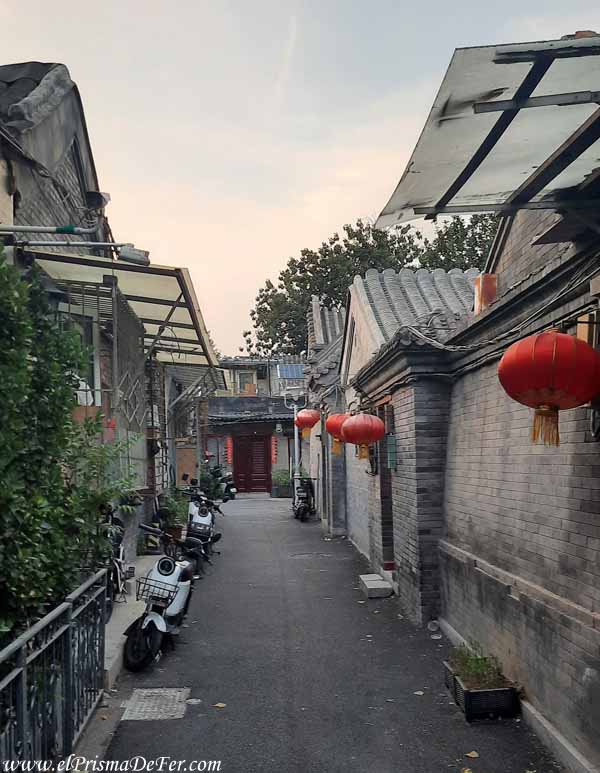
Areas like Nanluoguxiang combine the old with the touristy, with cafes, shops and traditional houses that allow you to imagine what life was like in Beijing in the past.
There are several in the city, and they are usually full of tourists, but they are still interesting to visit.
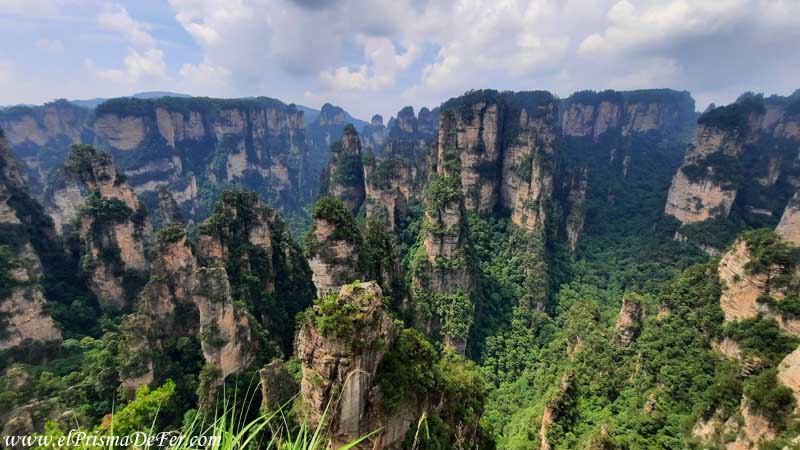
Shichahai area
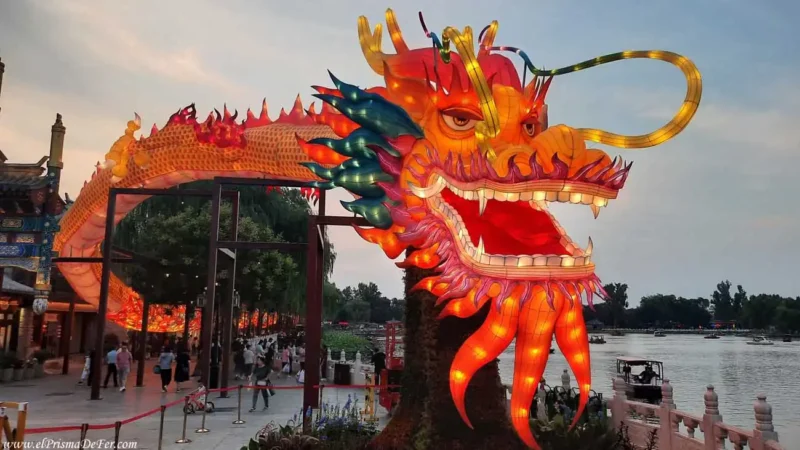
Shichahai, in the Xicheng district (see location on map), is one of the most pleasant areas to stroll and disconnect a little from the intense pace of Beijing.
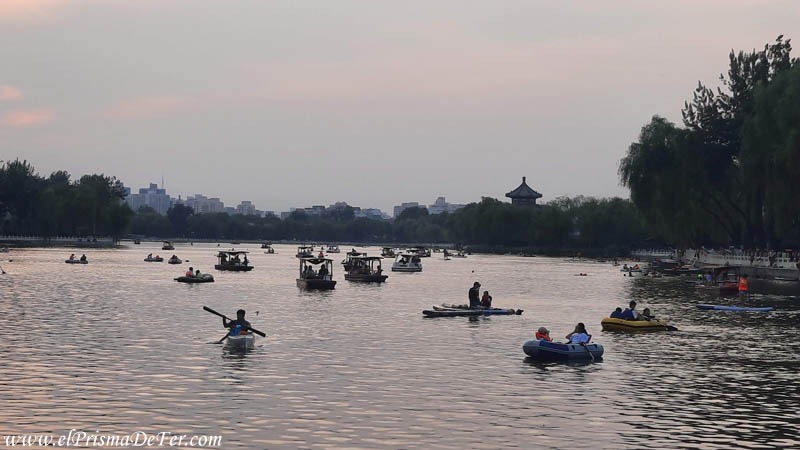
It used to be a residential neighborhood, but over time it transformed into a very popular leisure area, both for locals and visitors.
Today it is full of bars, restaurants, cafes and shops, making it an ideal place to go at sunset or at night.
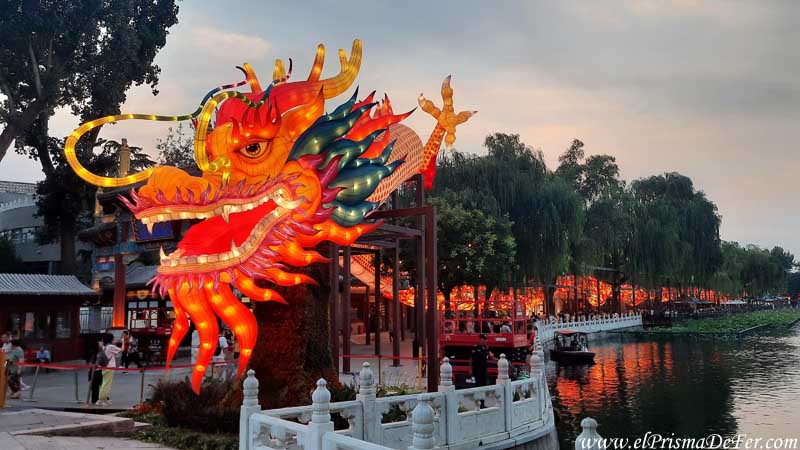
Everything revolves around the lake, where you can walk along the shore, cross colorful bridges, sit and have a drink overlooking the water, or simply enjoy the atmosphere.
Art District 798
The 798 art district occupies what was formerly an industrial complex, and today it has been transformed into a space full of galleries, murals, cafes and design shops (see location).
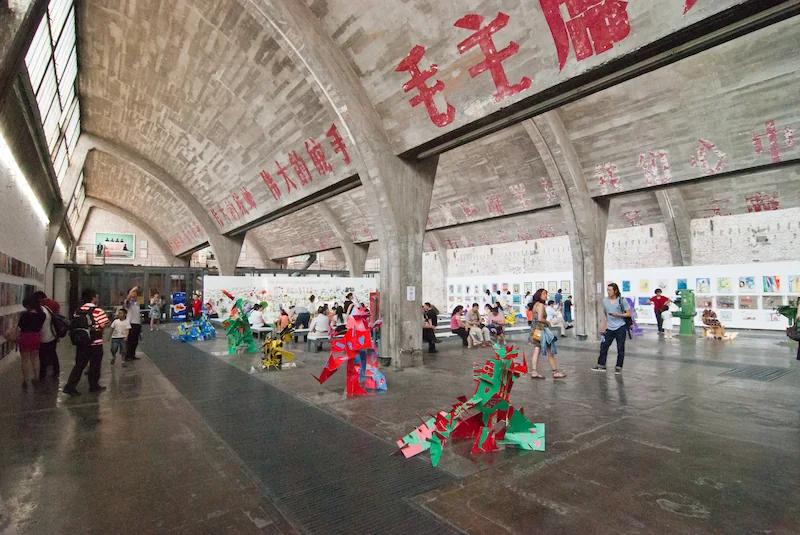
You wander from one industrial warehouse to another, encountering contemporary exhibitions, outdoor sculptures, and urban art in every corner. It has a much more alternative and modern feel that contrasts sharply with the city's historic temples and palaces.
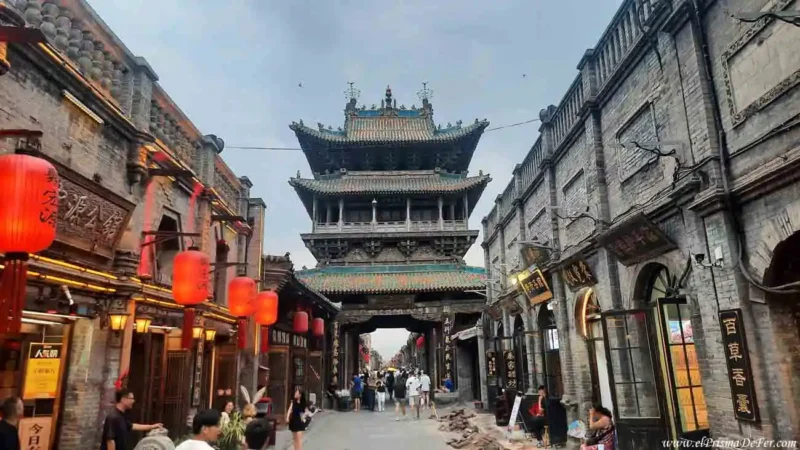
Other interesting temples
Besides the most well-known ones, Beijing has several less visited temples that are also worthwhile, especially if you want to continue exploring its more spiritual side without so many people.
One of them is the Confucius Temple, one of the largest temples dedicated to Confucius in all of China. It's a peaceful place, with spacious courtyards and a more contemplative atmosphere, quite different from the hustle and bustle of other tourist spots.
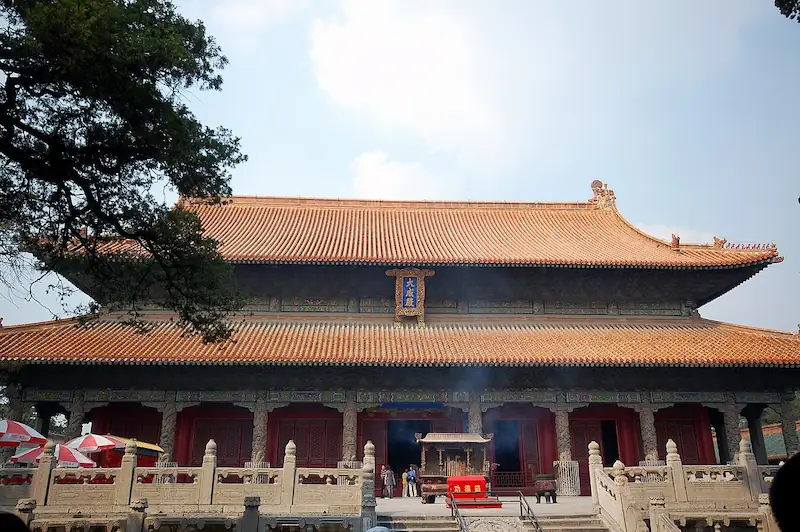
Another interesting temple is the Temple of Agriculture, which was part of imperial rituals along with the Temple of Heaven. Today it is located within a park and is a good place to observe the daily life of the locals.
You can also consider the Fayuan Temple, one of the oldest Buddhist temples in the city, much less touristy and with a more authentic atmosphere.
Where to stay in Beijing
Beijing seemed to me to be one of the most expensive cities of the trip in terms of accommodation, especially if you're looking to stay close to major attractions like the Forbidden City or Tiananmen Square.
That's why, in my case, I decided to stay a little further from the center and ended up staying at Mijia Hotel, near the 798 Art District. It was a very good choice, as the place was comfortable, clean, and had a pretty young vibe.
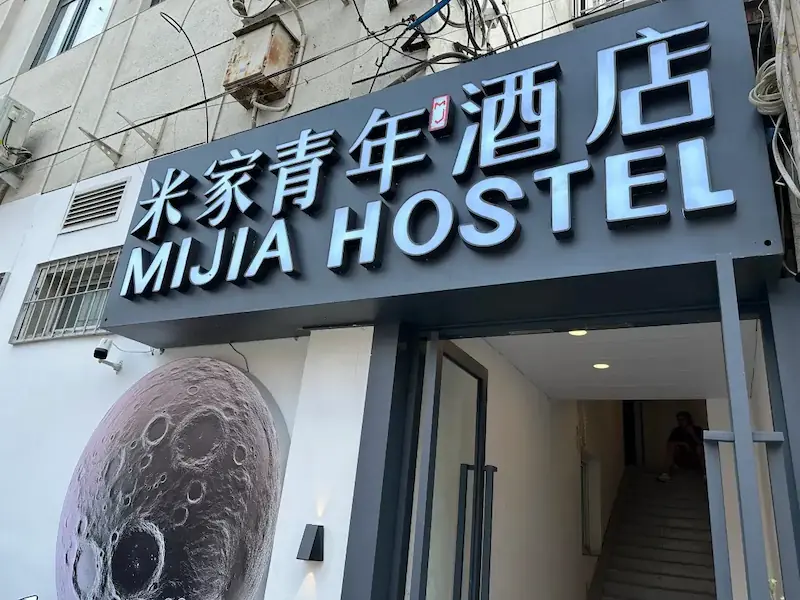
The downside, of course, is the location. Being further out, you'll be quite dependent on the subway to get around, which means dedicating time to it every day. But considering the size of Beijing, it's not that unusual. If you're looking to save some money and don't mind traveling, it could be a good strategy.
How to get from the airport to downtown Beijing
The two main airports are Beijing Capital International Airport and Beijing Daxing International Airport.
From Beijing Capital Airport, the most practical option is the Airport Express, a train that connects directly to the subway network (lines 2 and 10). It's fast, inexpensive, and you'll be in the city in about 30 minutes. From there, you just need to connect to the subway depending on where you're staying.
In the case of Beijing Daxing Airport, which is further away, there is also a fast train (Daxing Airport Express) that connects to the urban subway. It's modern, efficient, and probably the best option if you arrive at this airport.
Another option is to use apps like DiDi or take a taxi. These are more convenient options if you have a lot of luggage, although they are more expensive and dependent on traffic, which in Beijing can be quite heavy.
Best time to visit Beijing
The best time to visit Beijing is in spring (April to May) and autumn (September to October). During these months the weather is milder, with pleasant temperatures and generally clearer skies, making exploring the city much more comfortable.
Summer (June to August) can be quite hot and humid, and it also coincides with peak tourist season. Winter, on the other hand, is cold and dry, with temperatures that can drop considerably, although it has the advantage of fewer people at the main attractions.
Final thoughts
Ending the trip in Beijing was a good decision. After a month traveling around China, arriving in the capital felt like a sense of closure. While it wasn't a city that blew me away, I feel it more than fulfilled my expectations.
I discovered a diverse city with much more to offer than I expected. Between its history, its contrasts, and its scale, it ends up being a destination worth exploring at a leisurely pace, letting yourself wander a bit, and walking as much as possible.
From there began the next stage of this epic journey along the Silk Road…Mongolia.
Frequently Asked Questions about Beijing
How many days does it take to travel around Beijing?
Ideally, you should spend between 3 and 5 days there. This allows you to see the main attractions within the city and take a day trip to the Great Wall of China without feeling rushed.
Is it easy to get around Beijing?
Yes, mainly thanks to the subway, which is extensive, efficient, and affordable. You can also use apps like DiDi for more specific routes. The most important thing to keep in mind is that distances are large.
Do we need to book the attractions in advance?
In many cases, yes. Places like the Forbidden City or Tiananmen Square have daily quotas and access controls, so it's best to plan ahead to avoid being left out.
Is the language complicated?
English isn't as widely spoken as in other tourist destinations, so it can be a challenge. Having addresses written in Chinese or using translation apps helps a lot, especially for getting around or ordering food.
What is the pollution like in Beijing?
While it once had a reputation for being very polluted, the situation has improved considerably. There may be smoggy days, but it's not a constant problem. Overall, I found it to be a cleaner city with more green spaces than I expected.
Is it expensive to travel to Beijing?
It depends on your travel style, but accommodation can be expensive, especially in city centers. Transportation and food, on the other hand, are usually quite affordable, which helps balance the budget.
Support The Prism of Fer!
Your support helps me continue creating free content on the blog. Thank you so much!