After almost two weeks of trekking in the Himalayas and relaxing in Pokhara, it was time to get moving again and continue exploring Nepal. On my way to Kathmandu, I came across Bandipur, a logical stop along the way and a good excuse to slow down once more.
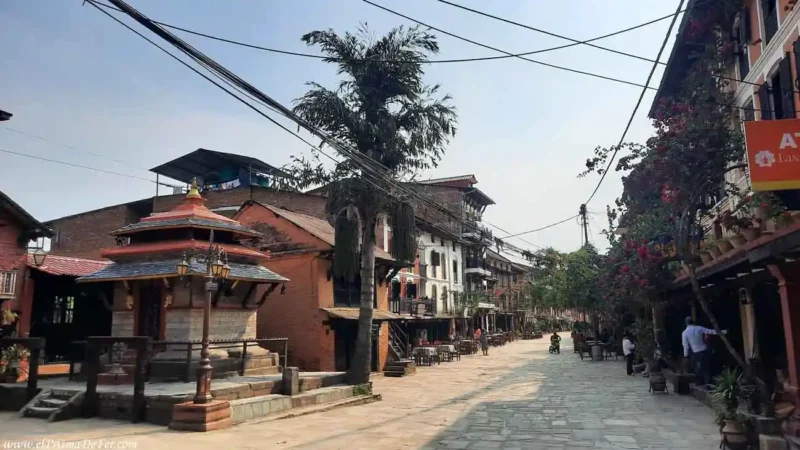
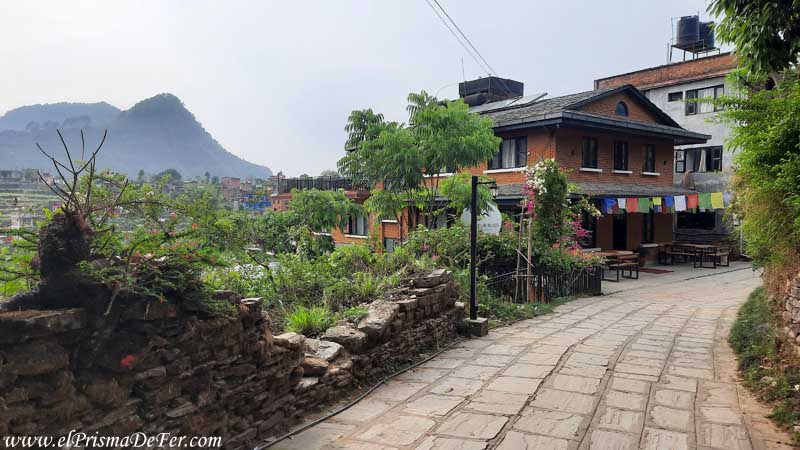
Perched atop a hill and far removed from the hustle and bustle of big cities, Bandipur retains a unique charm, with cobblestone streets, traditional houses, and an aesthetic reminiscent of a small medieval village. It's a place for leisurely strolls, observing, and letting time slip by—a perfect respite after intense days on the mountain.
In this post I explain how to get to Bandipur, where to stay, what to see and do in the town and its surroundings, and whether it's worth including in a Nepal itinerary.

This post may contains affiliate links. If you purchase through these links, I may earn a commission at no extra cost to you. Thank you for your support!
Table of Contents
Where is Bandipur located?
Bandipur is located in the center of Nepal, on a hill, between Kathmandu and Pokhara, two of the country's main points. Its location is strategic, as it lies very close to the highway connecting both cities, yet the village itself remains elevated and separate from the main traffic.
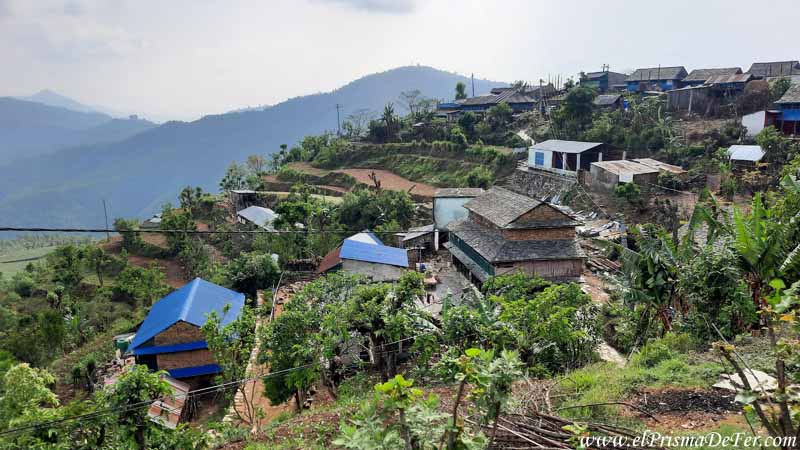
Thanks to this location, Bandipur often serves as an ideal intermediate stop for those traveling overland between the Kathmandu Valley, 140 kilometers away, and Pokhara, 80 kilometers away, or continuing their journey south through Nepal.
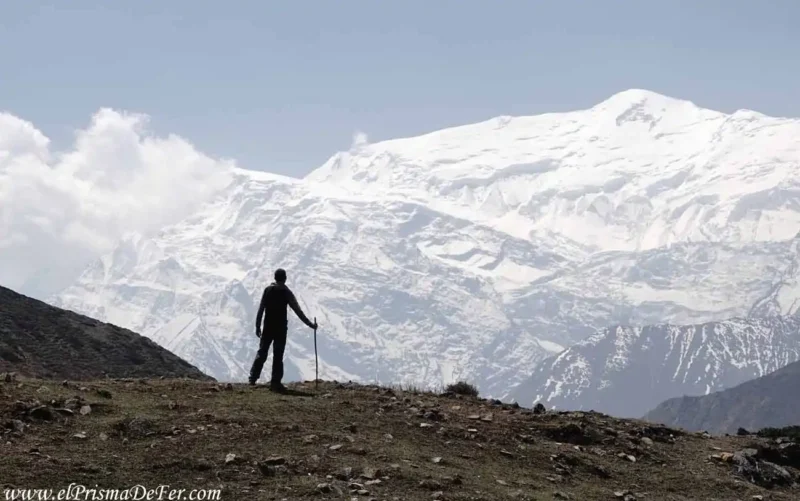
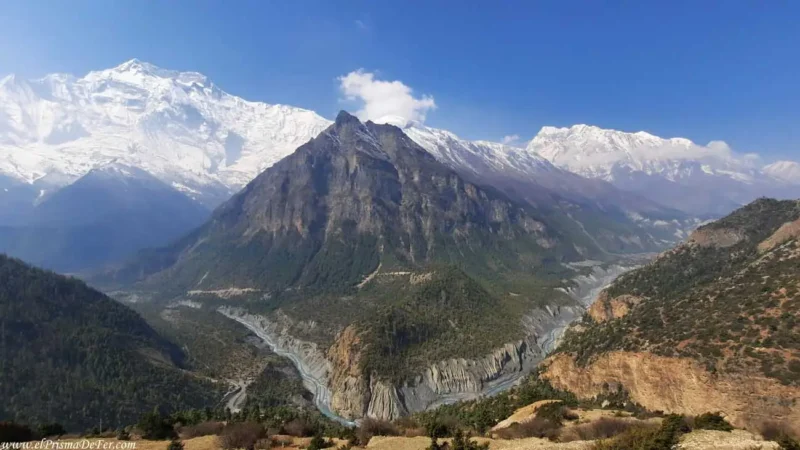
From the village, on clear days, you can also get views of the Himalayan mountain range, including peaks in the Annapurna region and Manaslu.

History of Bandipur and its current appearance
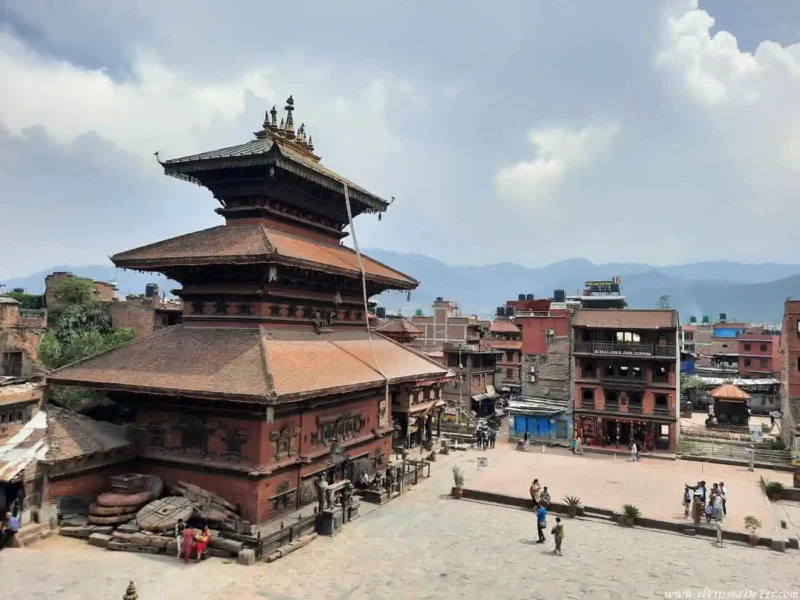
Bandipur's distinctive appearance is no accident. During the 18th and 19th centuries, the town was an important trading center on the route connecting Tibet, Kathmandu, and the southern lowlands of Nepal.
Thanks to this strategic position, Bandipur prospered as a trading hub and attracted merchants, mainly from the newar community, known for their mercantile tradition and distinctive architecture.
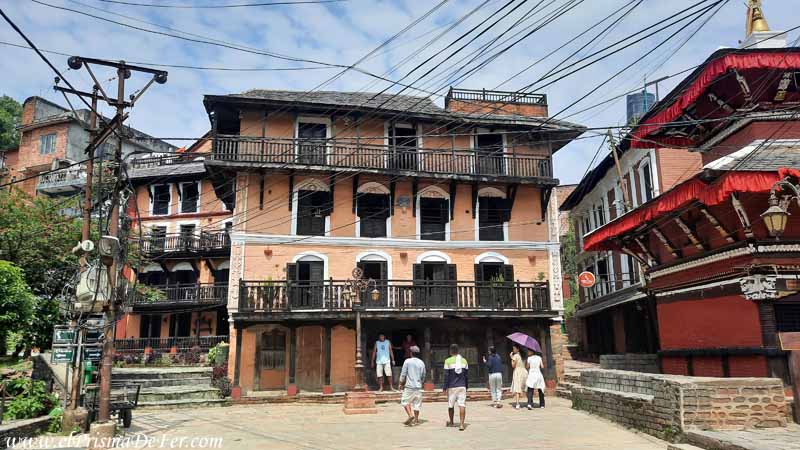
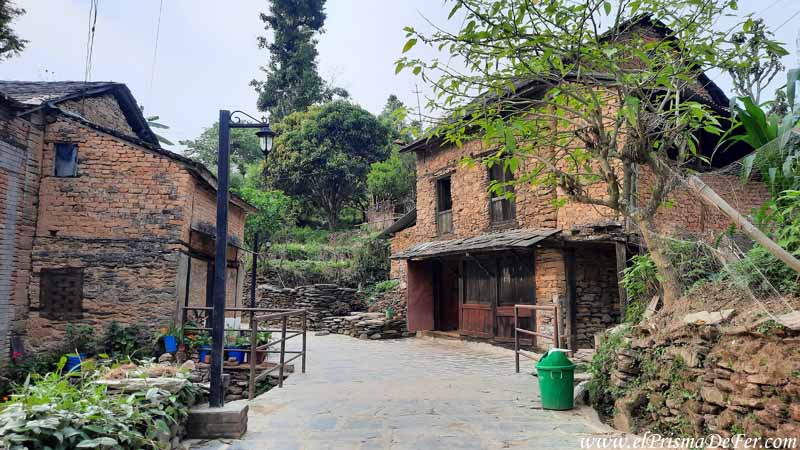
The wealth generated during that period is still reflected today in the traditional multi-story houses, symmetrical facades, carved windows, and cobblestone streets that define the historic center. Over time, and especially after the opening of new roads that diverted trade routes, Bandipur lost economic importance and became largely isolated from major urban centers.
That isolation, which for years hindered its development, ended up being key to its preservation. By not growing rapidly or modernizing excessively, Bandipur maintained its original structure almost intact, which explains why today it is perceived as a town "frozen in time," with an identity very different from that of other cities in Nepal.
How to get to Bandipur
Access to Bandipur is done in two stages: first to an intersection with the main road and then a final climb to the village.
From Pokhara
From Pokhara you have to take a local bus (see location) or tourist bus to Kathmandu and get off at the small village of Dumre (see on map), where there is a junction over the main road. The journey takes between 3 and 4 hours, depending on traffic and road conditions.
From Dumre, Bandipur is about 8 kilometers uphill, which can be done by local bus or taxi. The bus stop is at this location, on the side going towards Pokhara.
Important: Do not listen to taxi drivers in the area who often say there are no more buses. This is false, as the bus always runs, sometimes every 30 minutes, other times every hour.
From Kathmandu
From Kathmandu the procedure is similar. You take buses that go towards Pokhara and also get off at Dumre. The journey usually takes between 5 and 6 hours, and from there the last leg continues by vehicle to Bandipur.
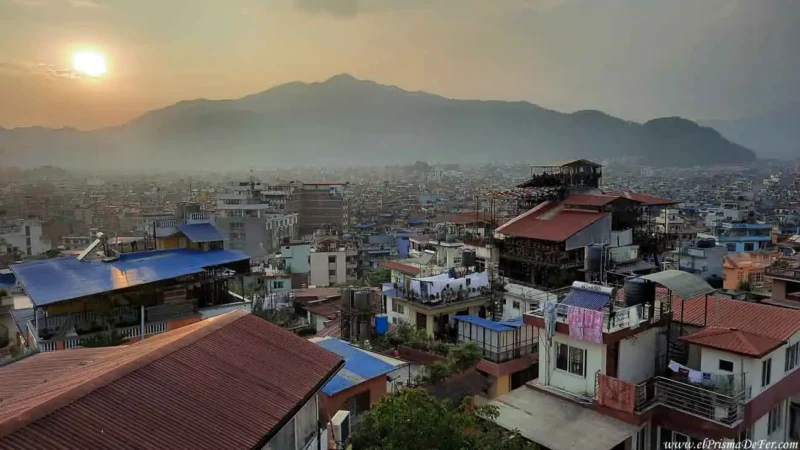
Although the final access is short, the incline is considerable, so walking up is only recommended for those traveling light and with time.

Things to do in Bandipur
Explore the historic center
The main attraction of Bandipur is the town itself. Its main street, a pedestrianized cobblestone street, is lined with well-preserved old Newari houses, small hotels, cafes, and local shops. A leisurely stroll allows you to appreciate the architectural details and the tranquil atmosphere that sets Bandipur apart from other, more crowded destinations in Nepal.
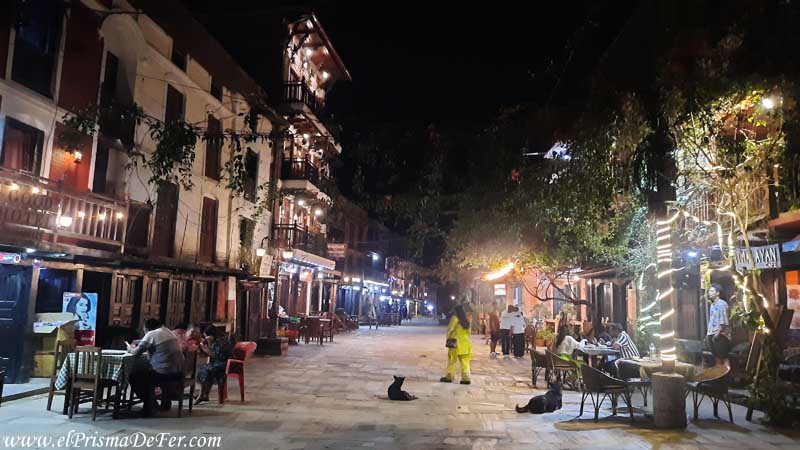
Beyond the main street, it's worth getting lost in the side streets, where the pace is even slower and everyday life feels more authentic.
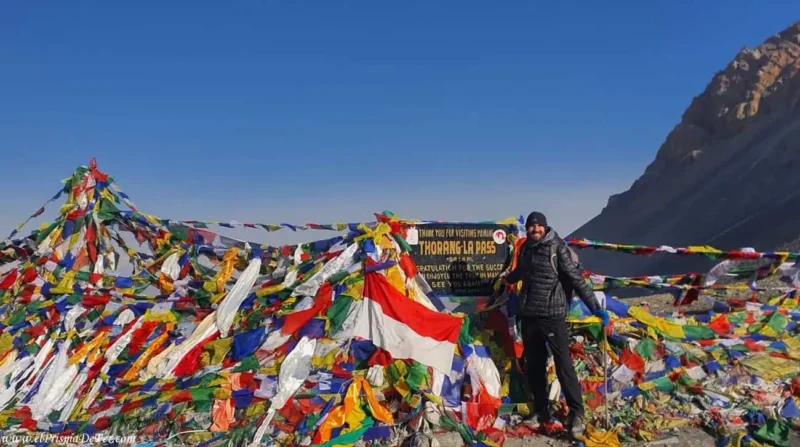
Enjoy the views of the Himalayas
Bandipur is situated on a hilltop, affording expansive views in several directions. On clear days, peaks of the Himalayan range are visible, including mountains in the Annapurna and Manaslu regions. Early morning hours are often the best time for clear views.
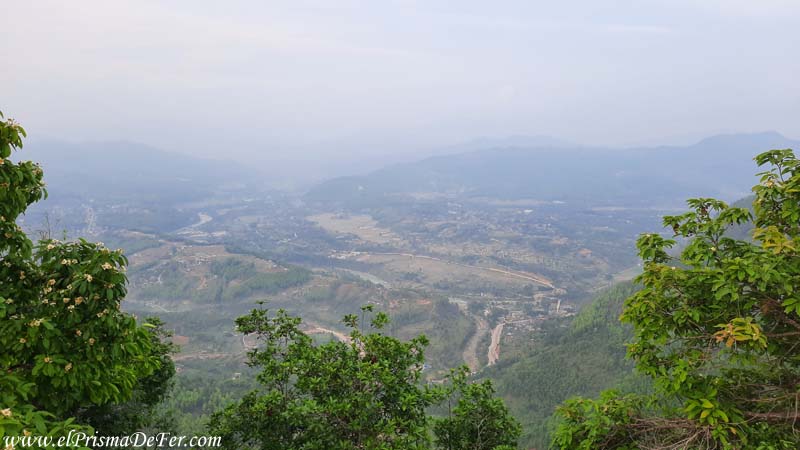
Many accommodations and viewpoints in the town take advantage of this elevated location. Even without looking for a specific spot, simply walking a short distance from the center will reveal sweeping views over the valleys and mountains.
Bandipur viewpoints
There are two viewpoints that stand out in particular. The first is easily accessible by walking from the end of the main street. From there, turn left and continue to a park where there is a football field (see location on the map). From this point, you can enjoy views of the valley and, on clear days, the mountain range.
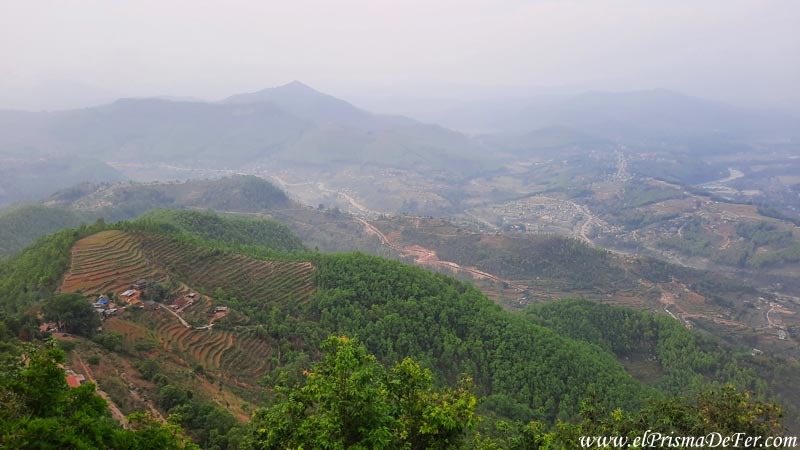
The second viewpoint is located on the hill that rises next to the village (see on the map). Access is more demanding, as it involves climbing a steep slope, but the effort is worthwhile, since from the top you have some of the best panoramic views in the entire area, including Bandipur.
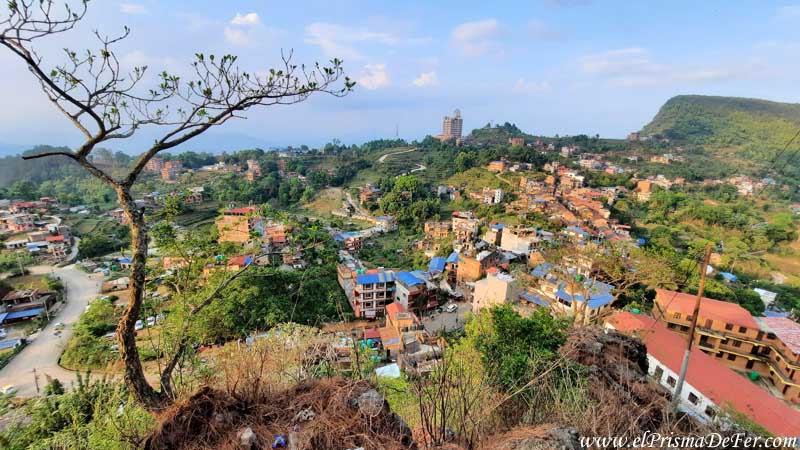
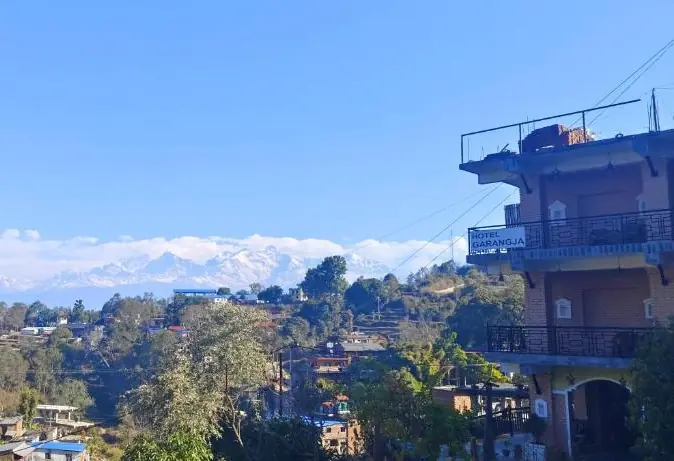
I wasn't very lucky. During my stay, the sky and horizon were covered by a persistent haze, largely caused by smoke from agricultural burning, a common phenomenon at certain times of the year and one I had also noticed in Pokhara and the Annapurna region.
That layer of mist meant the views of the mountain range weren't as clear or sharp as they usually appear in photos, and the peaks were barely distinguishable in the distance. Even so, the feeling of being at a high altitude and surrounded by scenery is still pleasant, although this should be taken into account if traveling during the dry season.
Visit temples and historical sites
In and around Bandipur are several temples and historical buildings that reflect the town's importance as an ancient trading center. The Bindebasini temple, located in the center, is one of the most visited.
These sites do not require too much time, but they help to understand the past of the people and their connection to the trade routes between Tibet, Kathmandu and southern Nepal.
Explore caves and surrounding areas
On the outskirts of Bandipur, you can visit caves like Siddha Gufa, one of the largest in Nepal. To get there, you'll need to walk or take local transport, and it's advisable to allow plenty of time and wear good shoes.
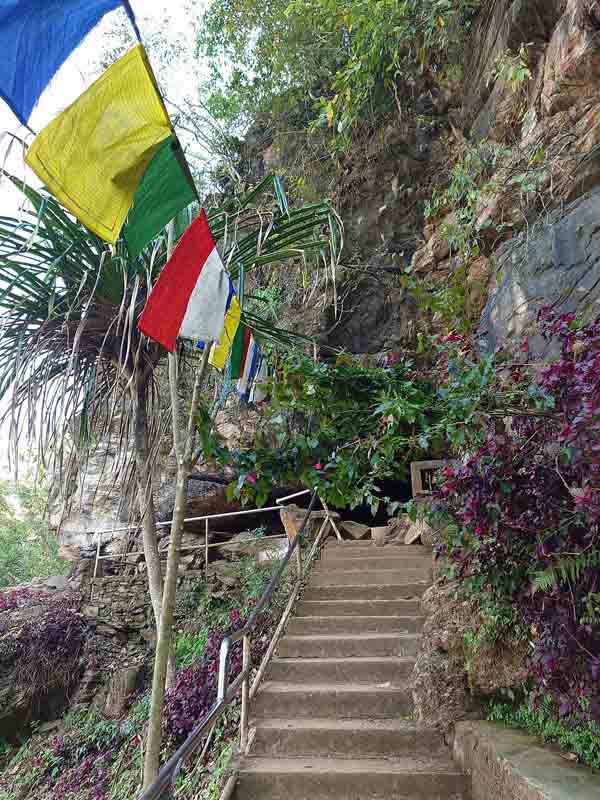
In addition to the caves, the surrounding area offers easy trails that cross rural areas, ideal for a short and easy walk, especially after trekking in the mountains.
Watching the sunrise or sunset
Sunrise and sunset are two of the best times of day in Bandipur. The light changes rapidly, transforming both the town and the surrounding landscape. At sunset, the atmosphere becomes even more peaceful, as many day-trippers have already departed.
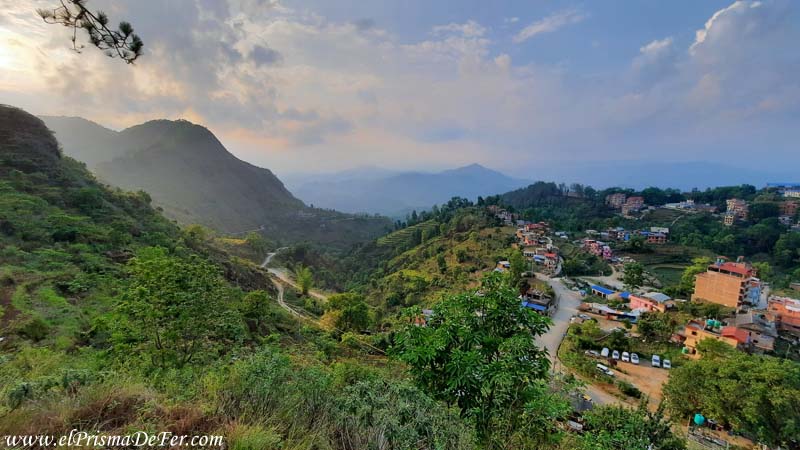
You don't need to go to a specific spot to enjoy it; you can get good views from various corners of the town.
Hiking to the village of Ramkot
A highly recommended hike from Bandipur is the one that leads to Ramkot (see on map), a small rural village located next to a prominent hill.
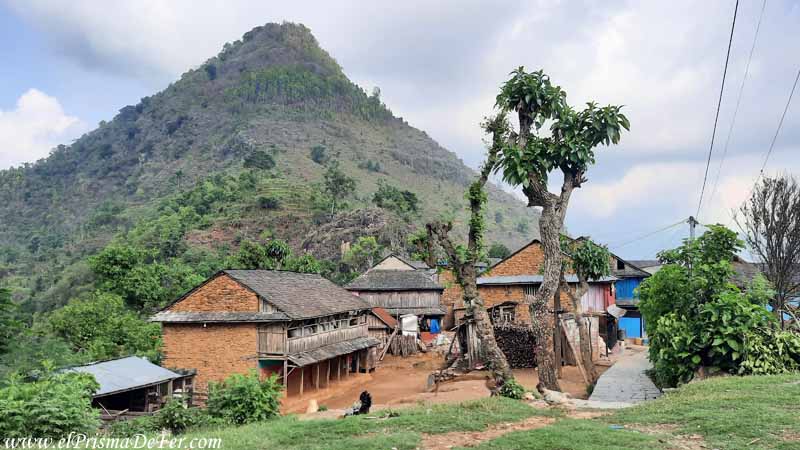
The trail passes through fields, agricultural terraces and footpaths, offering a good opportunity to see Nepalese rural life up close.
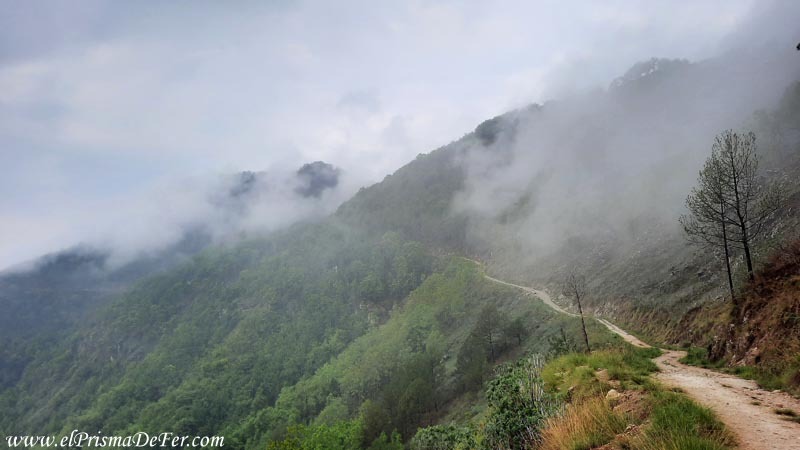
The route is not difficult, with little elevation gain, and takes a couple of hours, making it accessible to most travelers. Furthermore, the path and the village offer views across the valley, different from those seen from Bandipur.
It's not a town particularly accustomed to tourists, so striking up a conversation with the locals isn't always easy. However, there is one exception, which is a small restaurant run by a local resident (see location), where they usually serve home-cooked lunches.
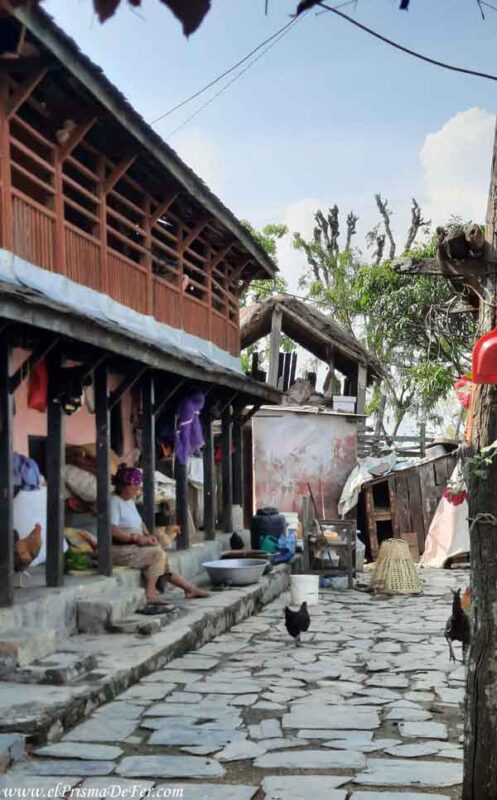
It's an ideal place to sit down and eat without rushing, enjoy the views and chat, as the host does speak English and often shares stories about life in the village and daily life in the area, in a very pleasant and authentic atmosphere.
Organized activities in Nepal that include Bandipur
Where to sleep in Bandipur
Bandipur is a small town, and although it's a popular destination on Nepal itineraries, the range of accommodation options isn't as extensive as in larger places like Pokhara or Kathmandu. Most lodging is concentrated near or around the main street, with options ranging from simple guesthouses to small hotels overlooking the valley.
During my visit, I stayed at Hotel Garangja, a very well-located option, just a few meters from the bus stop and the start of the town's main street. The price was hard to beat for what it offered: a comfortable, clean, and quiet room. In addition, the owners were very friendly and always willing to help, which is a big plus when you're in a small town and only staying for a night or two.
My impressions of Bandipur
Just arriving in Bandipur, passing through an old entrance on a local bus, feels like stepping into another world, like going back in time. As you move away from the main road and begin climbing towards the village, the surroundings become more rural, quieter, and noticeably more peaceful than other parts of your trip through Nepal.
Bandipur seemed like the perfect place to disconnect and take leisurely strolls, both within the village and in the surrounding area. One of the experiences I enjoyed the most was the walk to Ramkot, where the scenery, the rural life and the atmosphere of the village complement the stay.
I imagine that on clear days the views of the Himalayas must be truly breathtaking, something I didn't quite get to experience. In any case, Bandipur isn't a destination with too many activities or major attractions; the plan here is more about relaxing, walking, and enjoying the surroundings, especially if you have time to explore the nearby villages.
Is Bandipur worth visiting?
In my opinion, it's definitely worth it, especially if you want to experience a different kind of village than Nepal's big cities and more touristy destinations. Bandipur offers a more rural and peaceful atmosphere, ideal for relaxing and enjoying a more rural side of the country.
But I must also say that I didn't find it an essential destination. In other words, if your itinerary is very tight or time is limited, Bandipur can be skipped without significantly impacting the trip. I liked it and enjoyed it, but it works better as a break within a longer route than as a central point of the journey.
Frequently Asked Questions about Bandipur
How many days is it advisable to stay in Bandipur?
For most travelers, one night or two full days are enough to explore the town at a leisurely pace, enjoy the views, take a walk in the surrounding area, and continue their journey. Bandipur works very well as a stopover between Kathmandu and Pokhara.
Is Bandipur worth including in a Nepal itinerary?
Yes, especially if you're looking for a quiet place, something different from the big cities. It's not a destination with many "must-see" attractions, but its relaxed atmosphere, well-preserved historic center, and location make it a great stop on a longer itinerary.
Is Bandipur easy to explore on foot?
Yes. The town center is small and practically everything is within walking distance. The main street is pedestrianized and distances are short, so you don't need any kind of transport once you arrive in town.
Is it an expensive destination compared to other places in Nepal?
In general, Bandipur is reasonably priced. Accommodation can be a bit more limited, but there are affordable options, and eating out is usually inexpensive. Compared to Pokhara or Kathmandu, daily expenses are generally similar.
What is the best time to visit Bandipur?
The best time to visit Bandipur is during the dry season, between October and April, when the weather is more stable. However, during the driest months, haze from agricultural burning can sometimes obscure the view of the mountains.
Support The Prism of Fer!
Your support helps me continue creating free content on the blog. Thank you so much!