I arrived in Pokhara after a 12-hour journey from Sonauli, on the border with India. The road was, without exaggeration, dreadful, with potholes, dust, many stops, endless curves, and a journey that felt much longer than the distance on the map indicated.
I arrived tired, not knowing what to expect in the city. But as soon as I got off the bus, something changed. Pokhara welcomed me with a completely different rhythm, much calmer, almost silent compared to the chaos of India and the road.
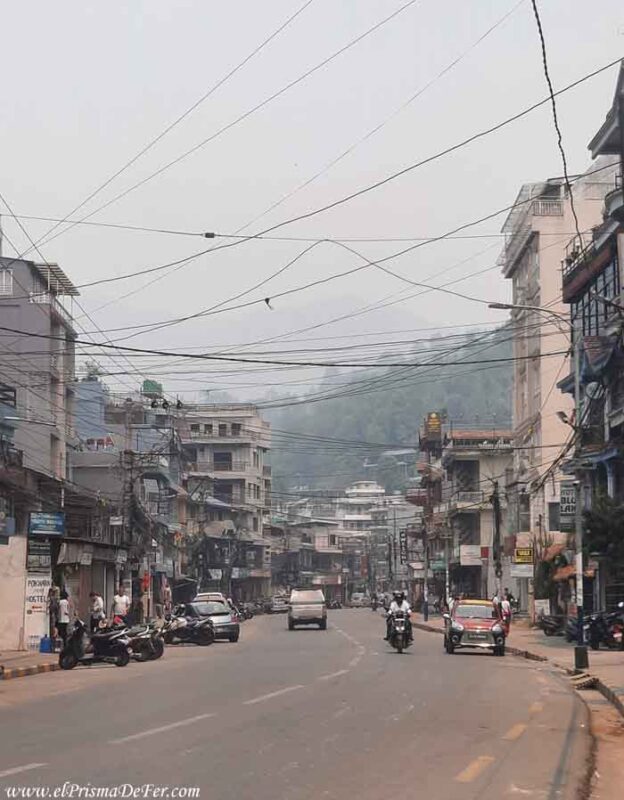
While not spectacular at first glance, the city calmed me down. Quiet streets, people strolling leisurely, no unnecessary honking or shouting. All of this gave me a sense of relief that made me connect with Pokhara almost instantly.
In this post I'll tell you what to see and do in Pokhara, where to stay, where to find bus stops, and why many travelers end up staying longer than they planned.
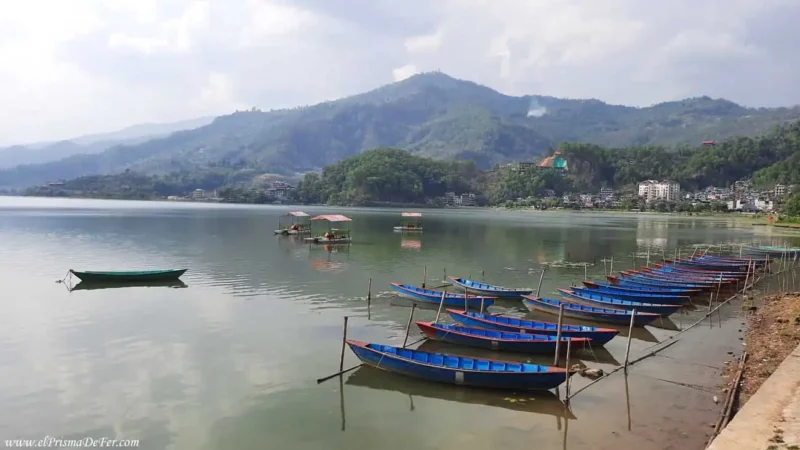

Table of Contents
Where is Pokhara located?
Pokhara is located in west-central Nepal, about 200 kilometers west of Kathmandu and 185-190 km from Sonauli, depending on the exact route taken by the bus or vehicle.
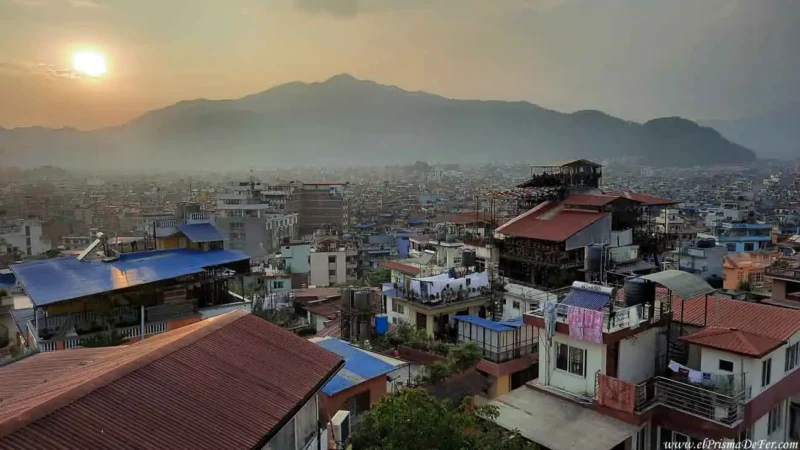
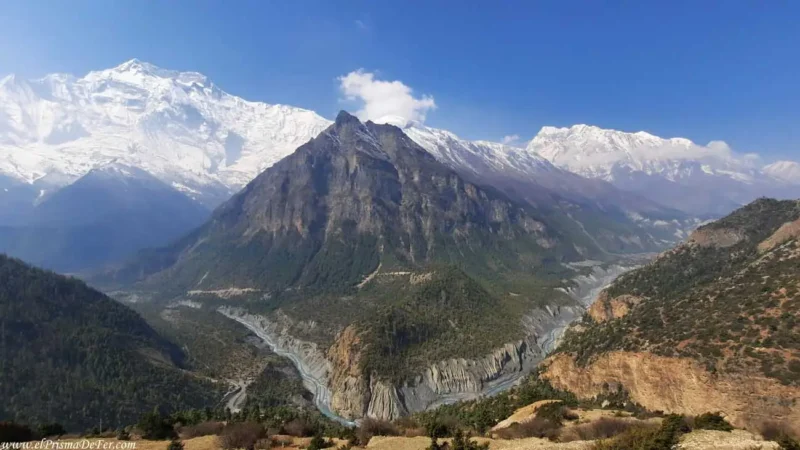
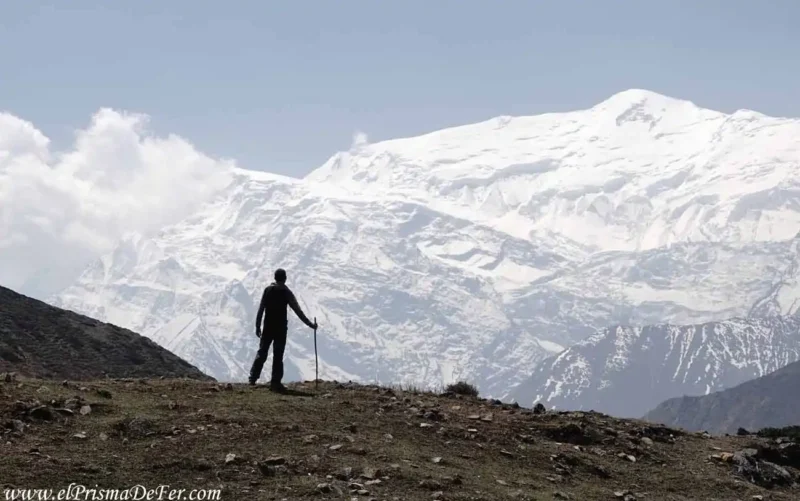
It's situated on the shores of Phewa Lake and at the foot of the Annapurna mountain range, making it one of the best-located cities in the country in terms of nature and mountains. From virtually anywhere, on clear days, it's common to see snow-capped peaks silhouetted against the horizon.
Its location makes it key both for those seeking a few days of rest and for travelers arriving to trek in the Annapurna region.
How to get to Pokhara
The most common way to get to Pokhara is from Kathmandu, either by tourist bus, local bus or plane.
By bus
The road journey usually takes between 6 and 8 hours, depending on traffic and the condition of the road, which is not always the best.
Tourist buses are a bit more comfortable and predictable, while local buses are cheaper but considerably more chaotic.
By plane
The domestic flight departs from Tribhuvan International Airport (KTM) in Kathmandu and lands at Pokhara Airport (PKR), with a duration of approximately 25 minutes.
Several Nepalese airlines operate on this route with daily flights, giving you flexible schedules: Buddha Air, Yeti Airlines, and Shree Airlines fly direct between Kathmandu and Pokhara several times a day.
While it is possible to try to buy the ticket directly at the airport, especially out of season, it is advisable to book in advance to secure a seat and better fares.
Getting to Pokhara by land from India
If you arrive from India, as I did, via the Sonauli border crossing, the journey is quite straightforward. As soon as you pass through immigration on the Nepalese side, you'll find buses and jeeps already waiting, departing for various destinations across the country: Pokhara, Kathmandu, Lumbini, and other major cities.
No need to book in advance; everything is handled right there, between makeshift windows and drivers offering destinations. They accept both Indian and Nepalese rupees.
The journey to Pokhara is usually made by local bus or long-distance coach. These are inexpensive but basic options, with frequent stops and a slow pace dictated by the road conditions.
It is a route quite used by travelers who are traveling through northern India and entering Nepal by land.

How to cross the border between India and Nepal through the Sonauli Pass (coming soon)
Smoke from the fires in the Pokhara Valley and much of Nepal
When I was there, between April and May, I had the misfortune of seeing one of the least pleasant aspects of Pokhara, and of much of Nepal, which is the smoke that accumulates in the valley at certain times of the year.
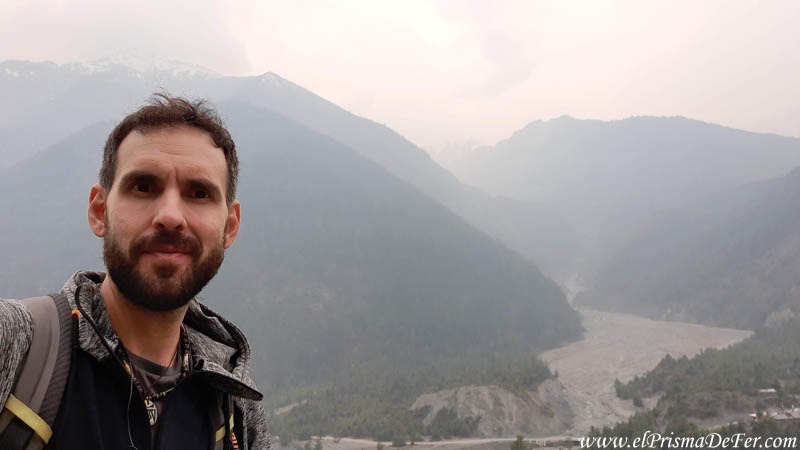
This phenomenon is usually mainly related to agricultural burning, both in the valley itself and in nearby regions, in addition to urban pollution and suspended dust. Being surrounded by mountains, Pokhara acts as a kind of basin where smoke is trapped for days.
The problem is most frequent between March and May, just before the monsoon, when farmers burn stubble to prepare the fields and the dry weather helps the smoke stay in the air.
During these periods, visibility can be drastically reduced, affecting mountain views and the experience at viewpoints, on short hikes, or even on scenic flights. It doesn't always happen, but when it does, it can last for several days at a time.
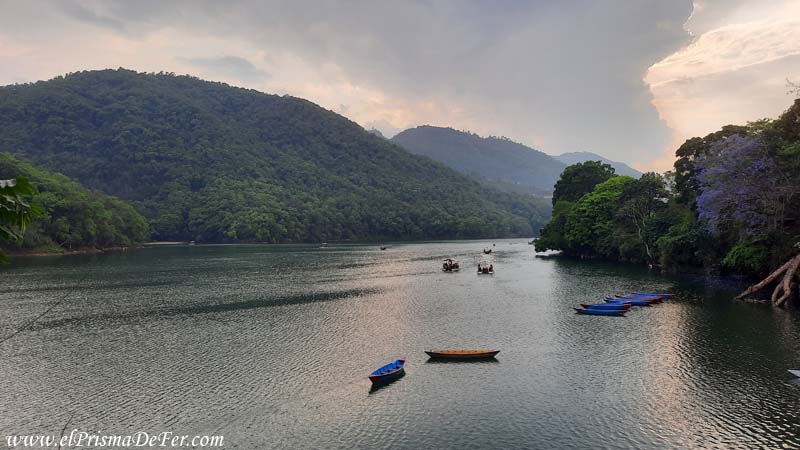
Sometimes it's enough to wait a few days for the wind or rain to clear the valley; other times, you simply have to accept that it's not the best weather and continue your journey.
Map with the most interesting places to see in Pokhara
Things to do in Pokhara
The viewpoints of Pokhara are one of the area's great attractions, but everything depends a lot on the weather and, above all, on visibility.
Visit the Peace Pagoda
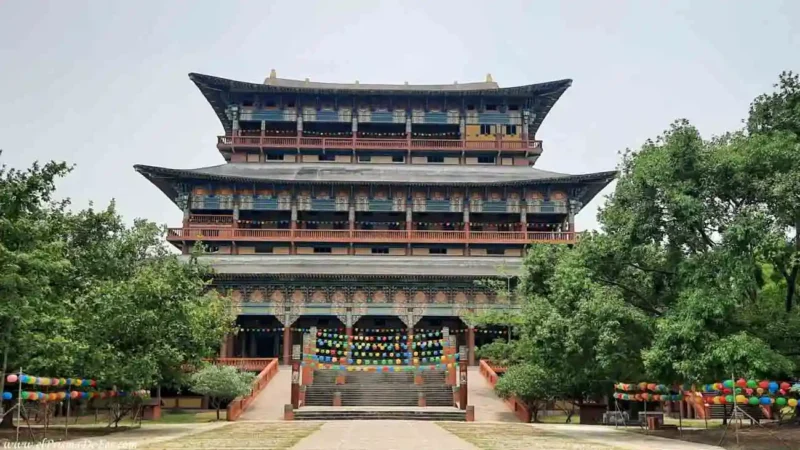
The World Peace Pagoda is located on a hill overlooking the lake and offers, on clear days, one of the best panoramic views of Pokhara and the Annapurna massif.
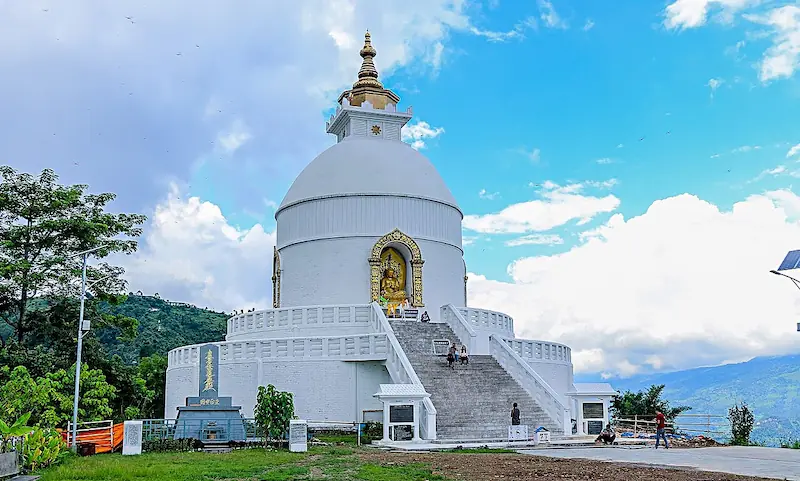
You can get there on foot, by combining boat and trekking, or by motorbike/taxi. Beyond the temple itself, the most interesting thing is the view and the tranquility of the place.
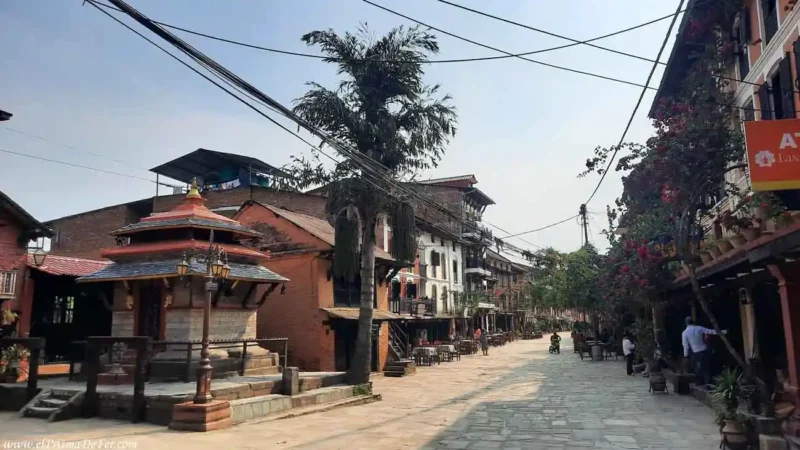
Watch the sunrise in Sarangkot
Sarangkot is one of the most famous viewpoints for watching the sunrise, with direct views of Annapurna and Machapuchare.
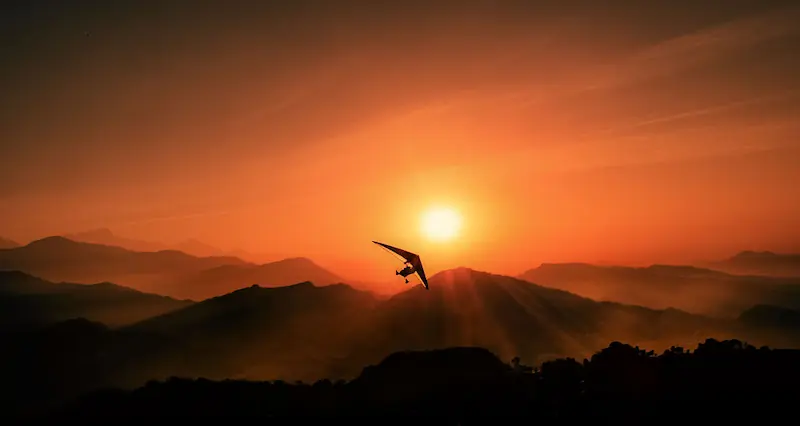
On clear days, the views of the Annapurna range and Machapuchare should be spectacular and fully justify the effort of getting up early or climbing to the highest points. The problem is that these conditions don't always exist.
It is also a well-known area for paragliding.
Stroll around Phewa Lake
Phewa Lake is the heart of Pokhara and one of the best places to unwind.
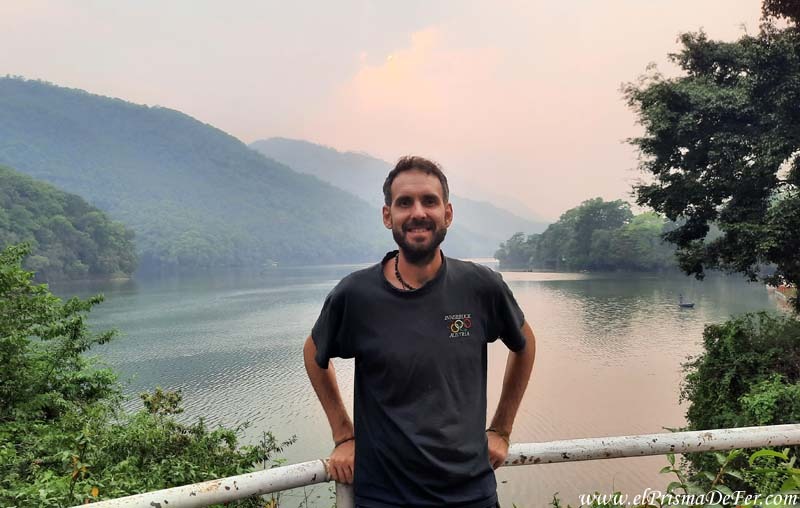
You can walk along the shore, sit at a bar overlooking the water, or rent a boat for a row. On clear days, you should be able to see the reflection of the mountains in the lake, which didn't happen during my stay.
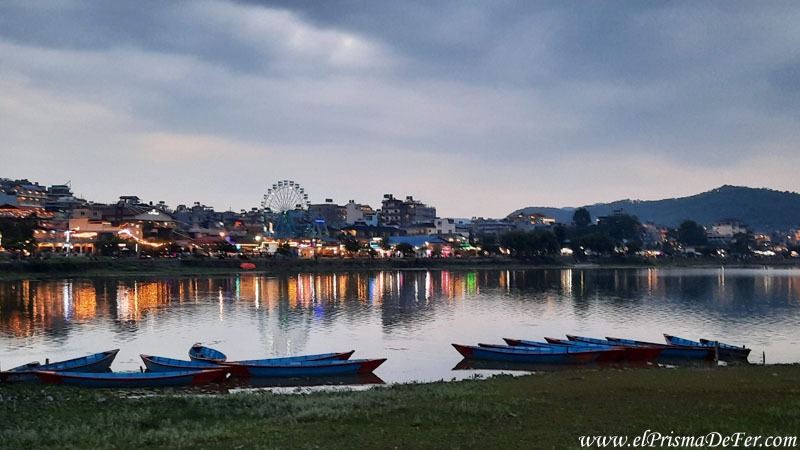
Explore the Lakeside neighborhood
Lakeside is the most touristic area of Pokhara and where you will probably stay.
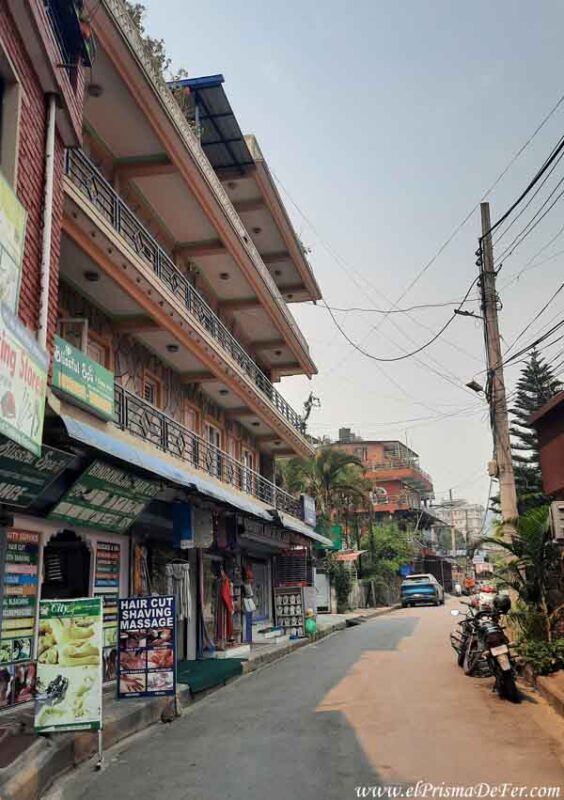
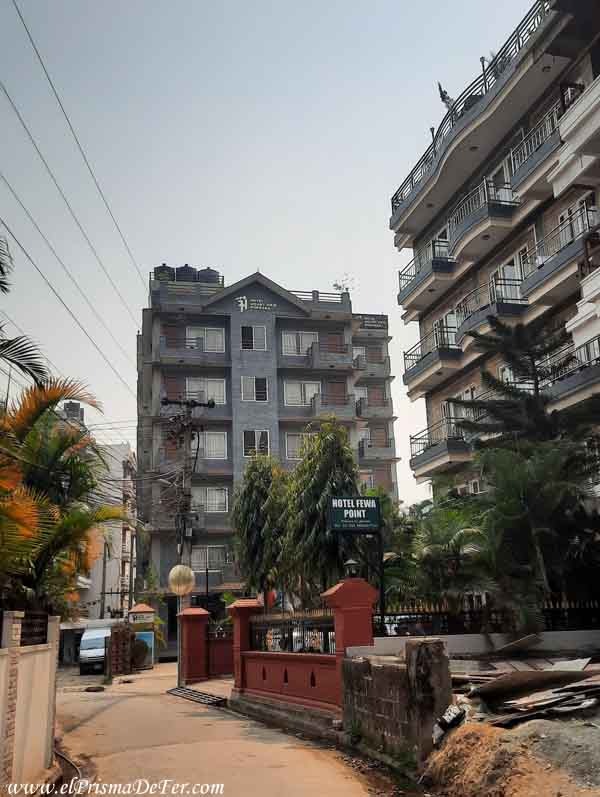
It's full of restaurants, cafes, trekking shops, and travel agencies. It's a great place to get around on foot, eat well, and arrange excursions or treks in the area.
Paragliding
Pokhara is one of the best places in Asia for paragliding, both for the scenery and the weather conditions.
Flights typically last between 20 and 30 minutes and no prior experience is necessary. It's a very popular activity and easy to arrange from Lakeside.
Using Pokhara as a base for trekking
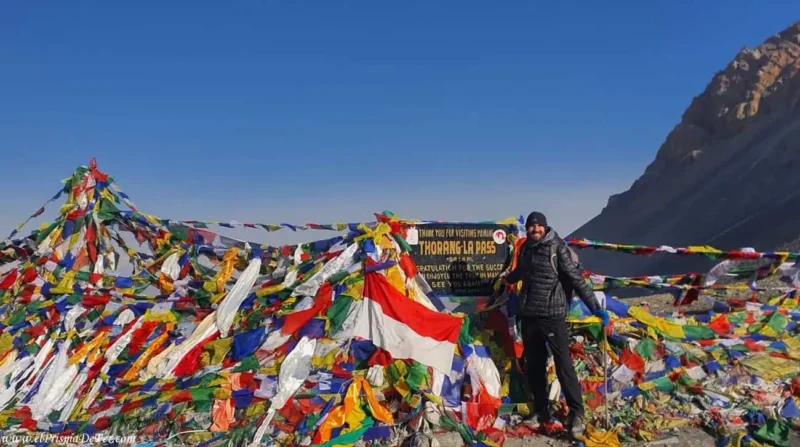
Some of Nepal's most famous treks depart from Pokhara, such as Poon Hill, the Annapurna circuit, or shorter one- or two-day routes.
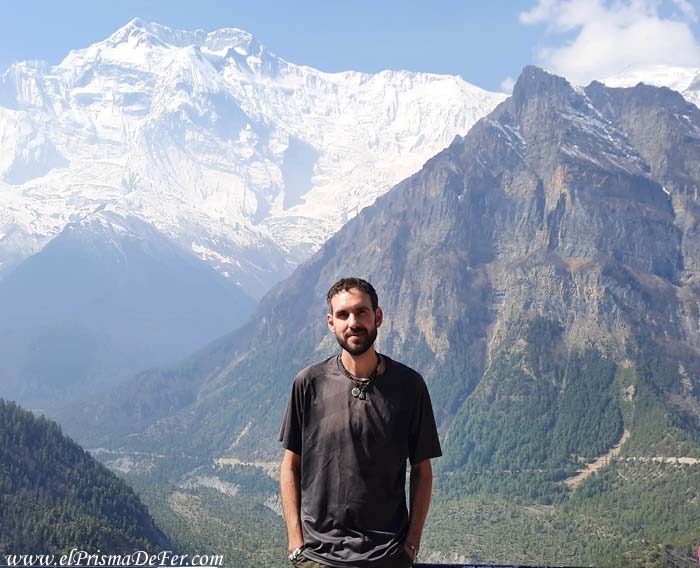
Even if you're not planning on doing long hikes, there are nearby trails and excursions that are ideal for quick getaways.
Buy trekking clothes
Pokhara is a great place to buy trekking clothes and equipment at really low prices.
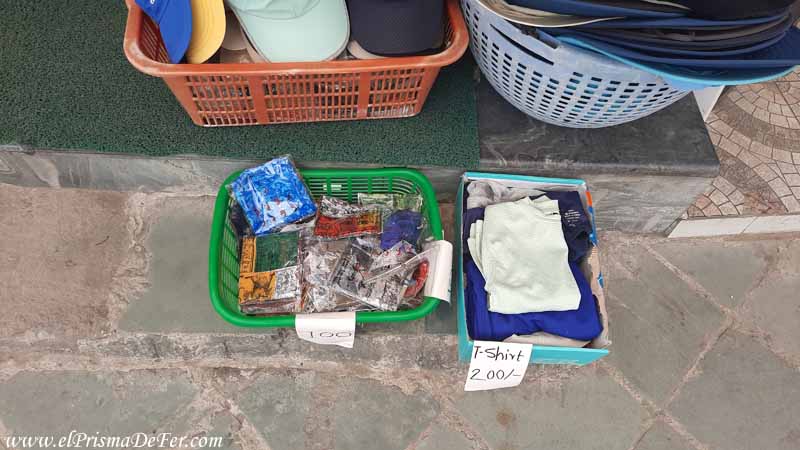
Lakeside has many shops, and while some of the clothing is clearly imitation of major brands, you can also find original but used equipment in very good condition and at prices that are hard to match in other countries.
In my case, I bought several things before going for a walk, and I don't regret it at all. You have to take the time to look around, compare prices between stores, and not settle for the first option, but you can find some real bargains.
For those assembling equipment on the fly or who don't want to invest a fortune before Annapurna, Pokhara is an excellent place to do so.
Visit the waterfalls and caves
In the area surrounding Pokhara, there are several waterfalls and caves that are easy to visit, such as Devi's Fall or Gupteshwor Cave. They aren't essential, but they're worthwhile if you have time and want to explore beyond the city center.
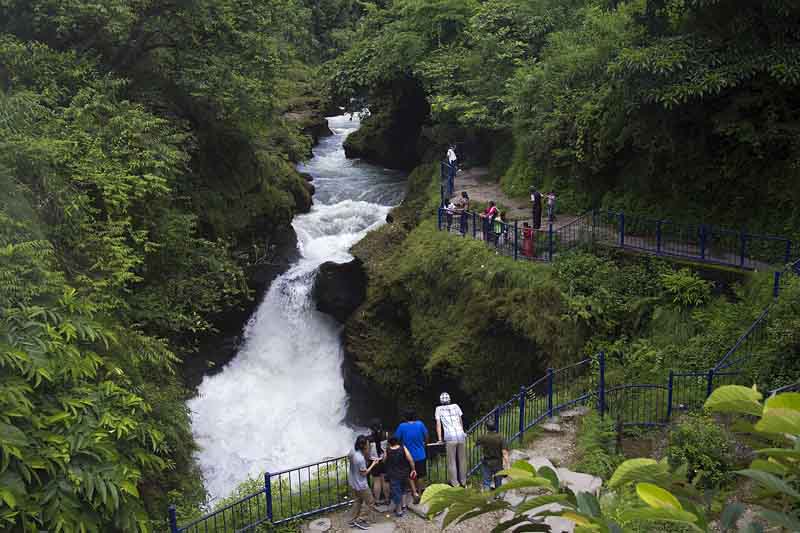
Regarding waterfalls and caves, a very popular excursion from Pokhara is a day trip to several points of interest. This full-day tour, with a guide, covers several of the highlights of the city and its surroundings.
It includes visits to the Shiva Idol in Pumdikot, the World Peace Stupa, Devi's Fall waterfall, Mahendra and Chamere caves, the Seti River and Bindabasini Temple.
The tour starts with hotel pickup and is done in shared transport, ending in the Phewa Lake area, where you can return on your own or return to your accommodation on the same bus.
Buy art in Pokhara
Pokhara is full of shops and small galleries where works by local artists are sold, mostly paintings.
Many depict Himalayan landscapes, rural scenes, monasteries, or everyday Nepalese life, and it's easy to stare for longer than planned.
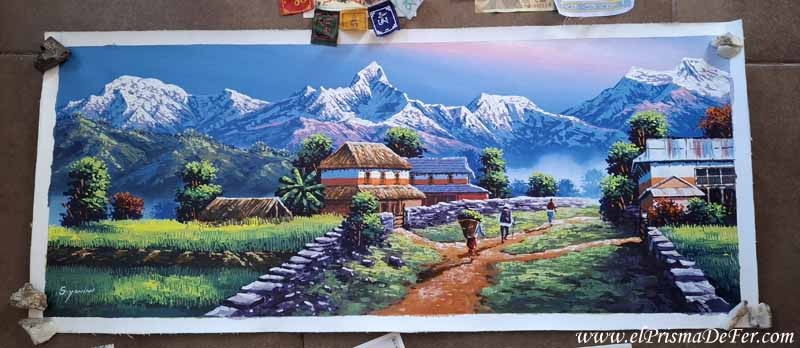
I couldn't resist. After quite a bit of talking and negotiation, I ended up buying a painting for 80 USD. I don't know if it was expensive or cheap, probably a bit of both, but it was a souvenir I wanted to take home, even if I had to carry it around for months for the rest of my trip.
Today I have it at home and I look at it every day, and beyond the price, it was one of the best ways to bring Nepal with me.
Take a day off doing nothing
Pokhara also encourages you to do less. Reading, writing, organizing photos, resting, or simply wandering aimlessly are all part of the experience.
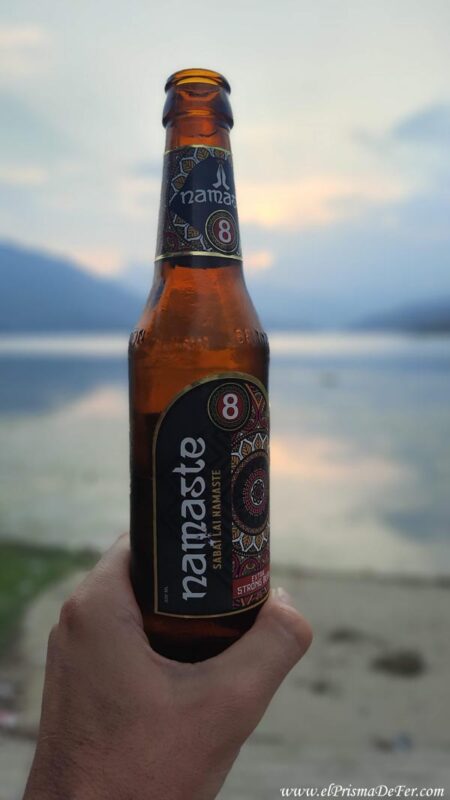
Many travelers arrive for a few days and end up staying longer than planned, precisely because of that relaxed pace that is hard to find in other cities in Nepal.
Annapurna permits from Pokhara
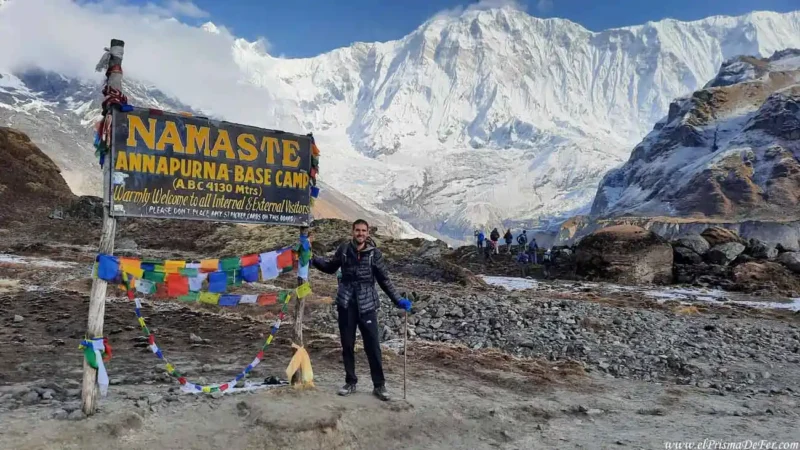
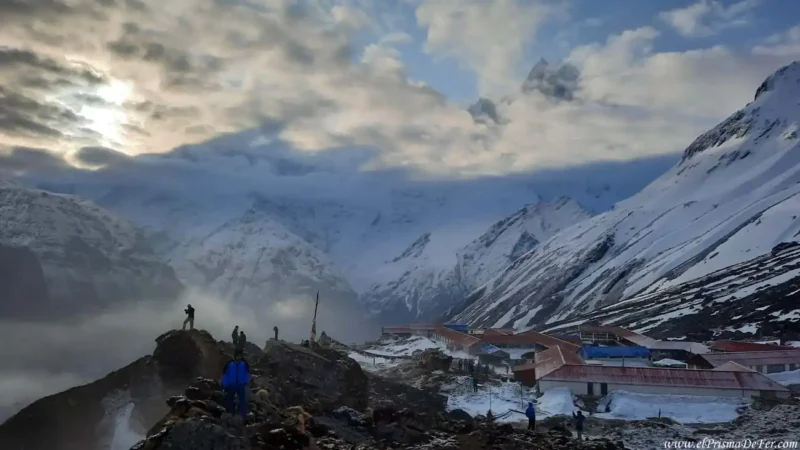
Pokhara is one of the main starting points for treks in the Annapurna region, and for that reason it is also the most practical place to process the necessary permits before heading out into the mountains.
In the city you can manage the ACAP (Annapurna Conservation Area Permit), without needing to go through Kathmandu or organize anything too far in advance. Previously, the TIMS (Trekkers’ Information Management System) was also required, but for the time being it is no longer necessary.
Anyway, I cover everything related to how to obtain permits, costs, timings, and recommendations for trekking in detail in the specific post about Annapurna. I'm including this here only as an introduction, so you know that Pokhara is the logical starting point if you plan to hike in this area.
Where to sleep in Pokhara
The best area to stay in Pokhara is Lakeside, mainly because of its proximity to Phewa Lake and because it concentrates most of the restaurants, cafes, trekking agencies and equipment shops.
It's a walkable neighborhood with options for all budgets, and where practically everything is within easy reach.
I stayed at the Pokhara Backpackers Hostel, an affordable hostel with a great atmosphere. It's a place where you meet lots of people who are arriving or about to leave for trekking trips, so it's ideal for exchanging information, tips, and getting organized before heading to the mountains.
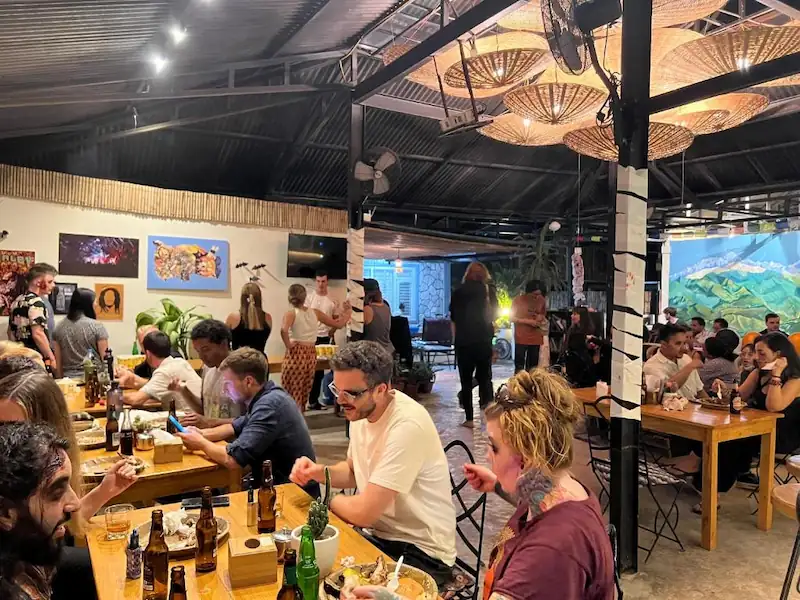
Unpretentious, but functional and social, especially if you're traveling alone or planning a route through the region.
Where to eat in Pokhara
Pokhara boasts a diverse culinary scene, concentrated mainly in the Lakeside area, along the shores of Phewa Lake. It's the best place to eat well, with options for all budgets and many restaurants offering water views.
If you want to try local food, don't leave without ordering a dal bhat, momos or a thukpa (Tibetan soup), dishes that are easy to find in both restaurants and simpler establishments.
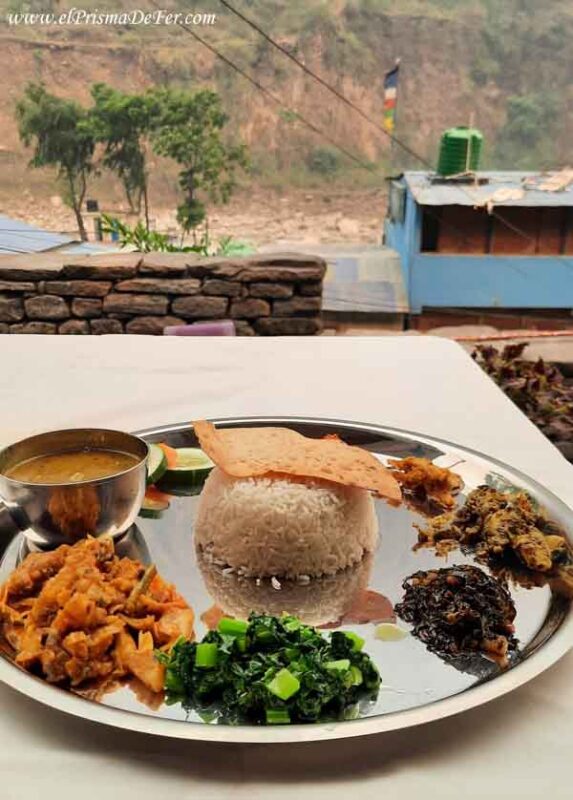
Daddy’s Kitchen Pokhara is a renowned family restaurant that combines local Nepali cuisine with international flavors, very popular with residents and visitors.
One of the best places in Nepal to try authentic Tibetan and Sherpa cuisine is at the Restaurant Taste of Boudha and Sherpa Bar.
There are also plenty of international cafes and restaurants, offering Western breakfasts, vegetarian and vegan options, perfect for relaxing between excursions or after trekking. Generally, the food is good and inexpensive, and it's easy to find a pleasant place without much planning.
How to get from Pokhara to Kathmandu by bus
To get from Pokhara to Kathmandu you have several options, with the bus being the most common. The tourist buses depart early in the morning from various points in Lakeside, usually between 7:00 and 8:00, and offer more comfortable seating and a somewhat more orderly journey.
Local buses can depart from the New Bus Park in Pokhara (see location on map) or from a roundabout where the route begins, located outside Lakeside (see on map). They are cheaper, but also slower and more chaotic, with frequent stops and less space.
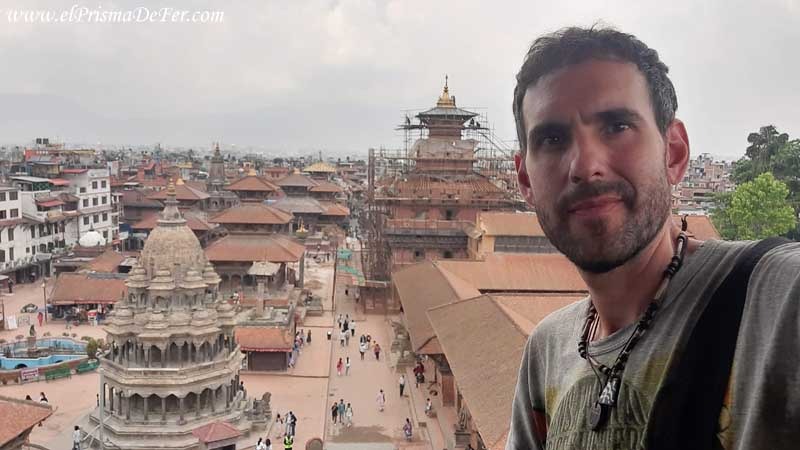
For tourist buses, it's best to buy your ticket the day before and double-check the exact departure point. For local buses, this isn't necessary, as there are frequent departures.
Where to catch the bus to Annapurna
If you're starting a trek in the Annapurna region, most buses and jeeps to the starting points also depart from the New Bus Park in Pokhara (see location on the map). From there, vehicles leave for places like Nayapul, Kande, Besisahar, or Ghandruk, depending on your planned route.
The recommendation is to go very early in the morning (between 6 and 7), as there is usually only one bus at that time going towards the towns I mentioned above.
Final thoughts on Pokhara
Pokhara was one of my favorite places during my trip to Nepal. After long journeys and more chaotic cities in India, I found a peaceful atmosphere here, ideal both for preparing before a trek and for unwinding after returning from the mountains.
It has a perfect balance between services, nature and a peaceful pace that many travelers, like me, end up appreciating more than they expected.
The only thing that bothered me was the smoke, which significantly affected visibility during my stay. It was clear that, under normal conditions, the scenery must be truly beautiful, especially with the clear mountains flanking the city.
Even so, Pokhara left a very good impression on me and is a place I would recommend without hesitation if you are traveling through Nepal.
Frequently Asked Questions about Pokhara
How many days is it advisable to stay in Pokhara?
Ideally, you should stay between 2 and 4 days, depending on whether you are using it only as a base for rest or if you plan to do activities such as paragliding, visiting viewpoints, or preparing for a trek.
What is the best time to visit Pokhara?
The best times are usually October–November and February–April, when the weather is more stable and there are better chances of seeing the mountains. Between March and May, smog can be a problem in the valley.
Is Pokhara an expensive city?
No, in general Pokhara is quite inexpensive, especially in terms of accommodation and food. There are options for all budgets, from cheap hostels to more comfortable lakeside hotels.
Is it a good place to organize a trek?
Yes, it is one of the best places in Nepal to organize treks, especially in the Annapurna region. There are agencies, equipment shops, and offices for processing permits.
Is it easy to get around Pokhara?
Yes. The Lakeside area is walkable, and for longer distances you can use a taxi or motorbike. It's not a complicated city to get around.
Is it worth exchanging money in Pokhara?
Yes, there are currency exchange offices and ATMs in Lakeside. However, if you're planning a trek, it's advisable to bring enough cash from Pokhara, as options are limited in the mountains.
Support The Prism of Fer!
Your support helps me continue creating free content on the blog. Thank you so much!