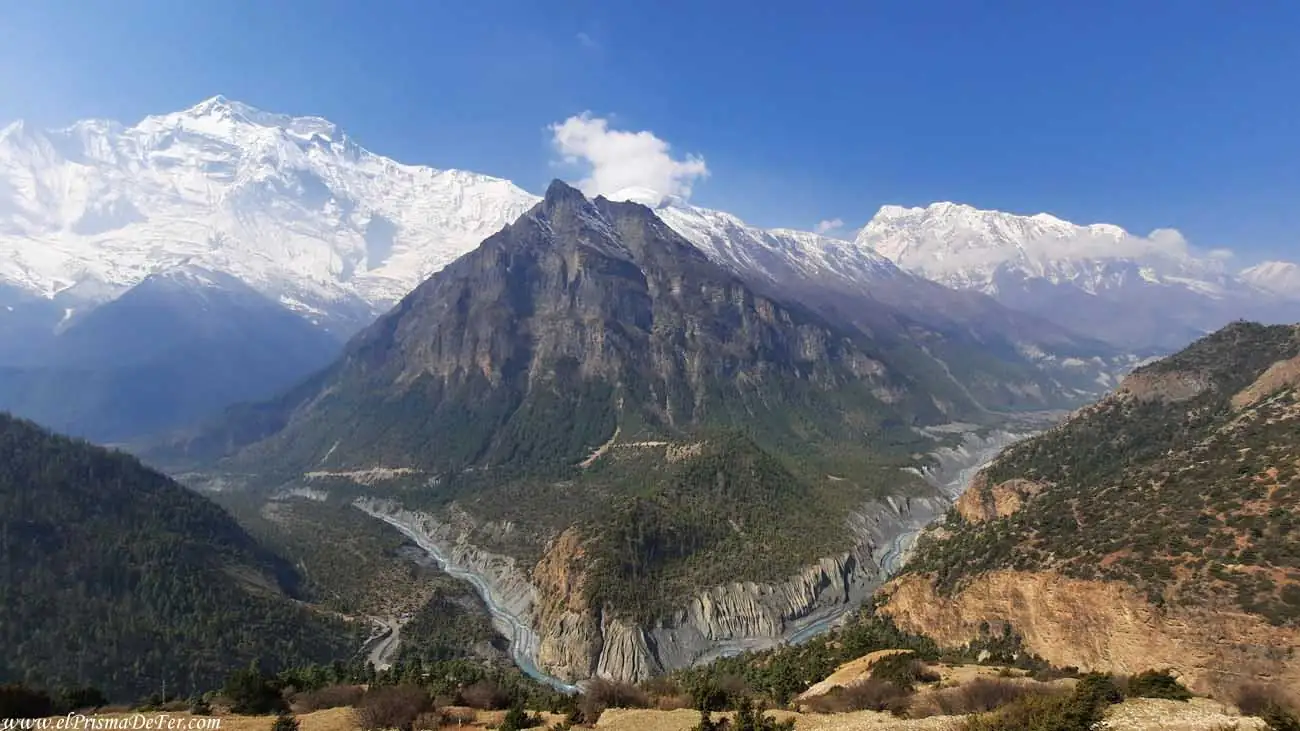
Nepal is a destination that attracts for many reasons. For some, it's the gateway to the Himalayas and some of the best trekking in the world; for others, it's a spiritual country, full of temples, rituals, and traditions that remain present in daily life.
Traveling through Nepal isn't terribly difficult, but it does require some flexibility and basic planning. Distances don't always reflect actual travel time, transportation can be very slow, and amenities vary depending on the region. But in return, you'll find spectacular trekking routes, mountain villages, simple yet satisfying cuisine, and genuine hospitality.
In this guide I'll tell you everything you need to know to travel around Nepal on your own: a bit of history and current events, how to get around, when to go, which areas to visit and what to expect on a daily basis.
Whether you're thinking of trekking in Annapurna or Everest, or simply exploring cities like Kathmandu, Bhaktapur or Pokhara, the idea is that you arrive with clear information and realistic expectations.

This post may contains affiliate links. If you purchase through these links, I may earn a commission at no extra cost to you. Thank you for your support!
Table of Contents
What to know before traveling to Nepal
| Language 🗣️ |
| The official language is Nepali, although English is quite widespread in tourist areas. |
| Currency 💵 |
| The currency is the Nepalese rupee (NPR). You'll find ATMs in the cities without any problem, although in the mountains and smaller towns it's best to carry cash. |
| Religion |
| The predominant religion is Hinduism, followed very closely by Buddhism, with both coexisting naturally in everyday life. |
Location  |
| Nepal is located in South Asia, between India and China (Tibet). |
| Capital 🏙️ |
| The capital is Kathmandu. |
| Visa 🛂 |
| For most travelers, the visa is obtained upon arrival in the country, directly at the airport or at land border crossings, for 15, 30 or 90 days. |

My visit to Nepal was part of a larger trip along the ancient Silk Road. In this post you can learn more about the countries I visited and how to do it all on your own.

Where is Nepal located?
Nepal is located in South Asia, nestled between two of the continent's giants: India to the south, east, and west, and China (the Tibet region) to the north. It is a landlocked country, but its location has resulted in some of the most breathtaking mountain landscapes on the planet.
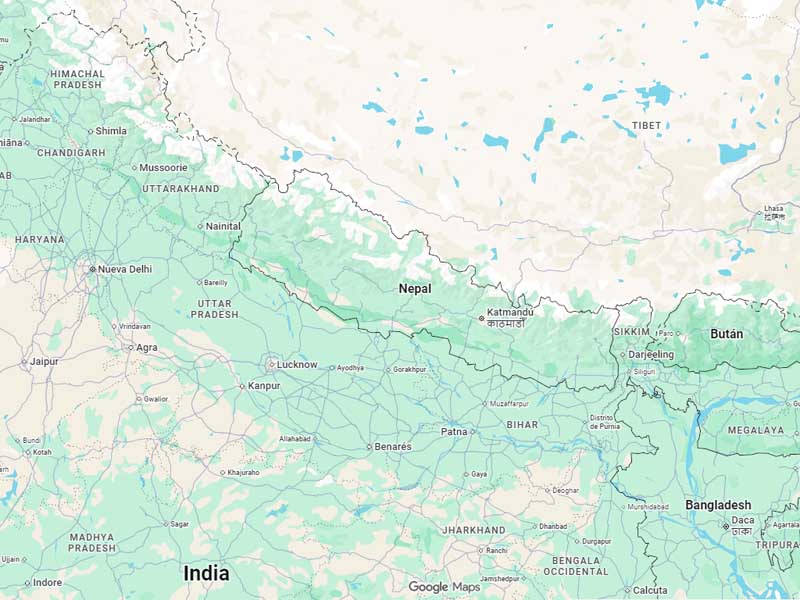
Much of the Himalayan mountain range stretches across Nepal, including eight of the world's fourteen highest peaks. Among them is Mount Everest, located on the border with Tibet, which largely defines the country's identity and explains why Nepal is such a popular destination for trekking and mountaineering enthusiasts.
Despite its relatively small size, Nepal boasts enormous geographical diversity. In just a few hours, one can travel from the subtropical plains of the Terai in the south to fertile valleys like the Kathmandu Valley, and from there to high mountain areas above 4,000 meters.
A brief history of Nepal
For much of its early history, Nepal was influenced by the civilizations of northern India, a fact clearly reflected in its religion, language, and art. Hinduism and Buddhism developed in parallel, coexisting in a way that is quite unique to the region.
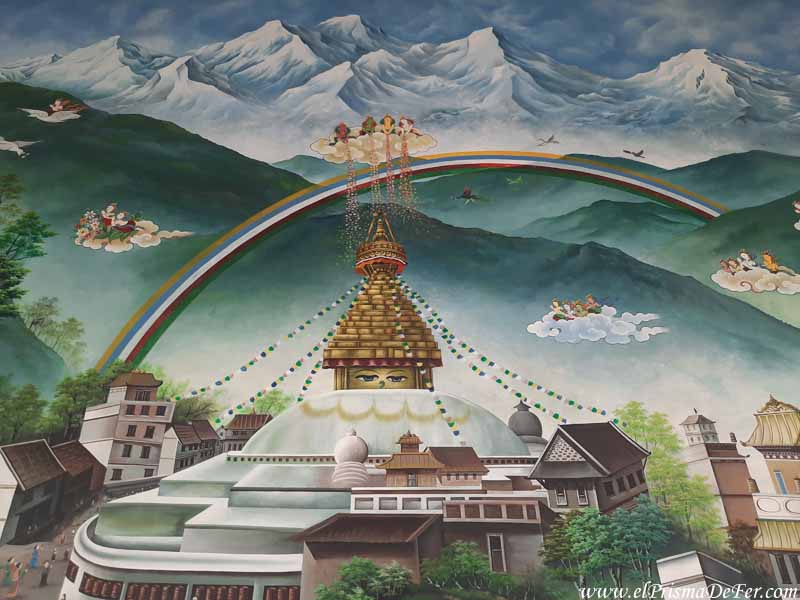
Between the 5th and 9th centuries, the Licchavi dynasty consolidated power in the Kathmandu Valley, promoting trade, architecture, and political organization.
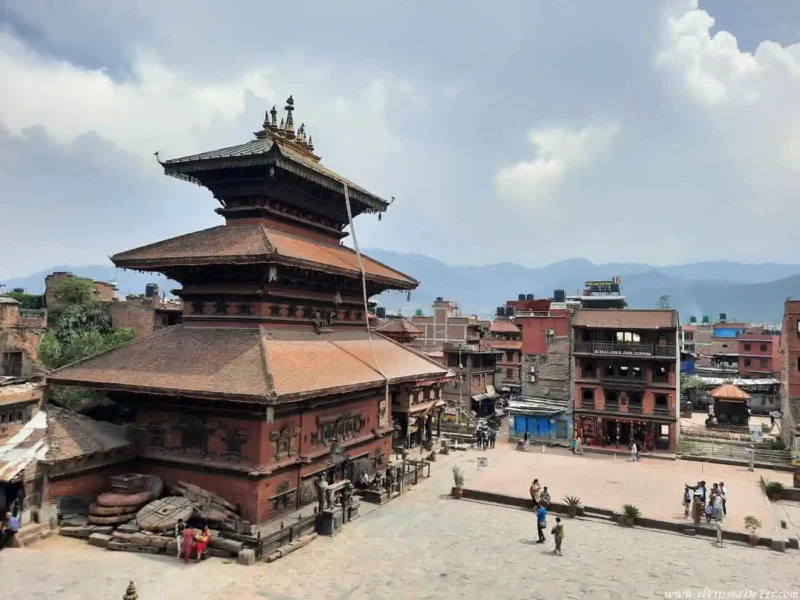
Later, between the 12th and 18th centuries, the valley was ruled by the Malla kings, a pivotal period in the country's cultural development. Many of the temples, palaces, and squares that can be seen today in cities like Kathmandu, Patan, and Bhaktapur date from this time.
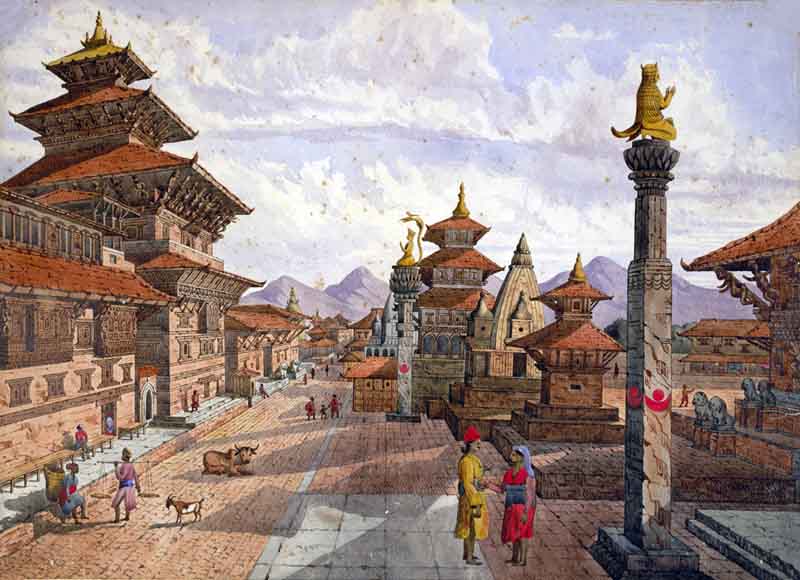
Modern Nepal began to take shape in the 18th century, when Prithvi Narayan Shah unified several small kingdoms and established the Shah monarchy.
Unlike many countries in the region, Nepal was never formally colonized by a European power, although it did maintain a close, and sometimes tense, relationship with the British Empire in India.
For much of the 20th century, Nepal was a monarchy closed to the outside world, and it was only in 1951 that the country opened up to tourism and international relations.
In the late 20th and early 21st centuries, Nepal went through a period of great political instability, including a civil war and the abolition of the monarchy in 2008.
Nepal in 2025: Protests and Political Change
In September 2025, Nepal went through a period of strong social protests, driven mainly by young people protesting against corruption, lack of opportunities and government decisions.
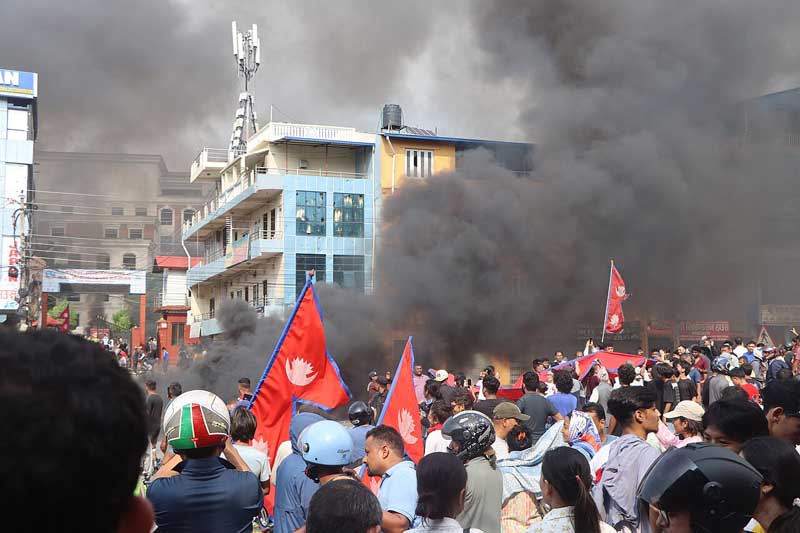
The trigger was a measure linked to the restriction and control of social networks, perceived as an attempt at censorship, which accelerated a discontent that had already been brewing.
The demonstrations were concentrated mainly in Kathmandu and other cities, and at times turned into violent clashes with security forces.
The crisis ended with the resignation of the prime minister and the formation of an interim government, marking a period of political transition in the country.
Today, for tourists, this situation has little practical impact. The situation is stable, tourist areas are operating normally, and trekking routes are running smoothly. With basic precautions, Nepal is once again a safe and peaceful travel destination.
Buddha and his connection to Nepal
Nepal occupies a fundamental place in the history of Buddhism, since Siddhartha Gautama, later known as Buddha, was born in this territory.
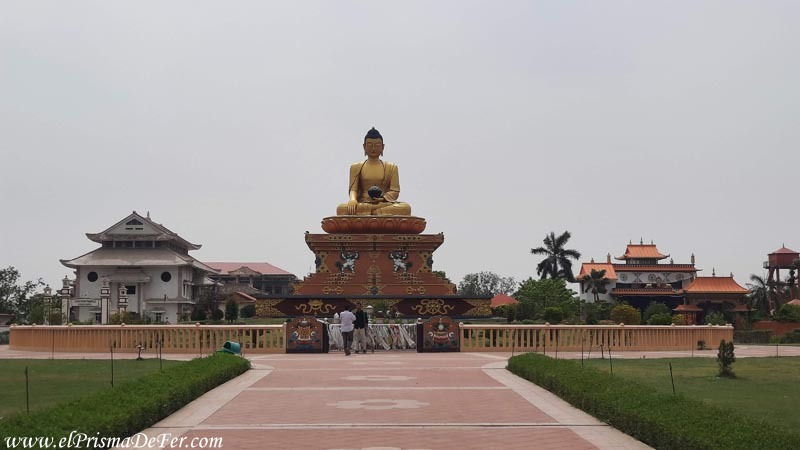
His birthplace is Lumbini, in the south of the country, very close to the border with India, and today it is one of the most important Buddhist pilgrimage sites in the world.
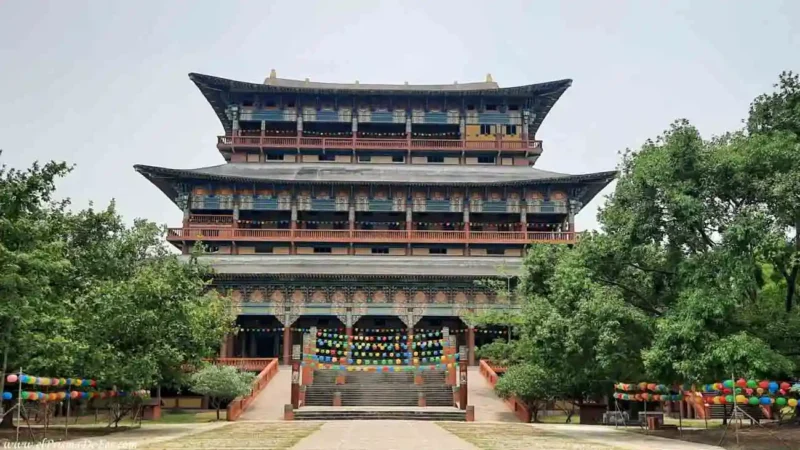
According to tradition, Siddhartha was born in the 6th century BC as a prince of the Shakya clan. Years later, he would abandon his life of luxury to embark on a spiritual path that would lead him to enlightenment and the emergence of Buddhism, a philosophy that spread throughout much of Asia.
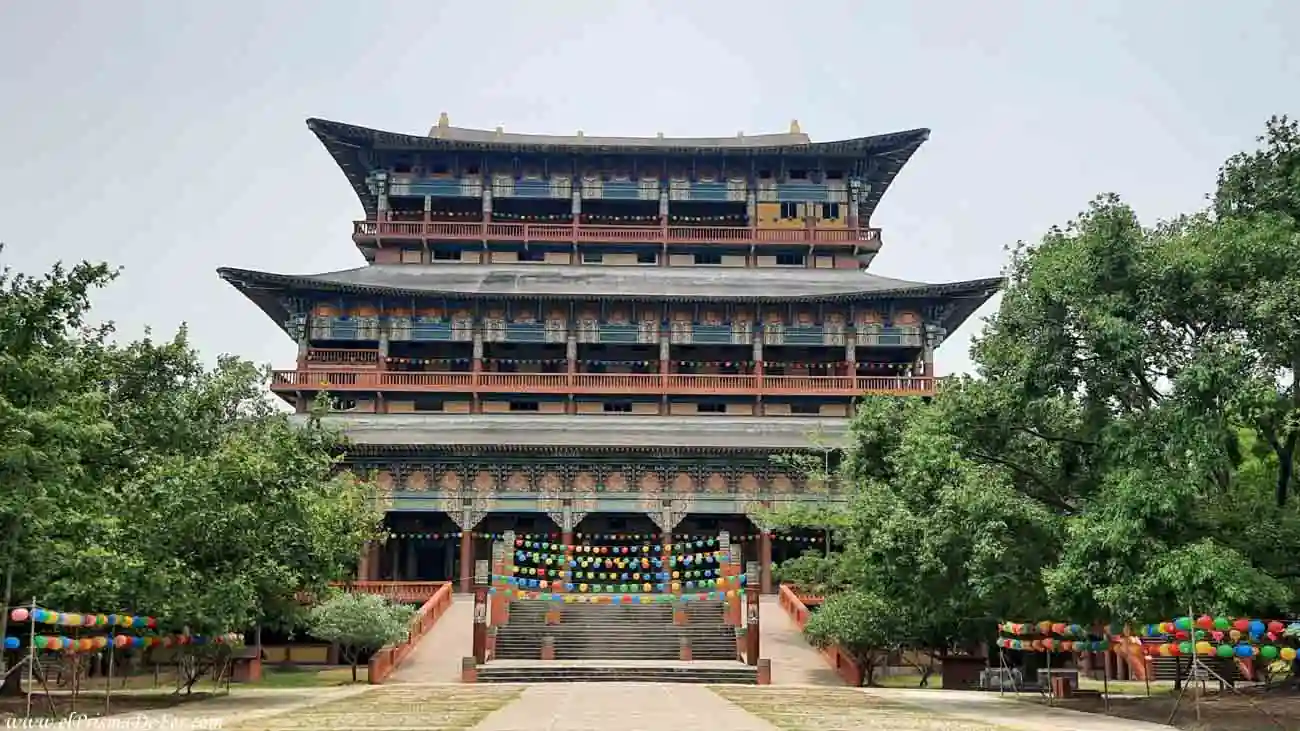
Lumbini is a UNESCO World Heritage Site and is home to temples and monasteries built by various Buddhist countries, as well as the Maya Devi Temple, which marks the exact birthplace of Buddha. The atmosphere is tranquil and spiritual, quite different from the pace of Nepalese cities.
Although Hinduism is the predominant religion in Nepal, Buddhism is an essential part of the country's cultural identity, especially in mountainous regions and communities of Tibetan influence.
How to get to Nepal
The most common way to reach Nepal is by plane, landing at Tribhuvan International Airport in Kathmandu. There are flights from several countries in Asia and the Middle East, including India, Thailand, Malaysia, Qatar, and the United Arab Emirates.
It is also possible to enter by land from India, especially for those travelers who are touring the region.
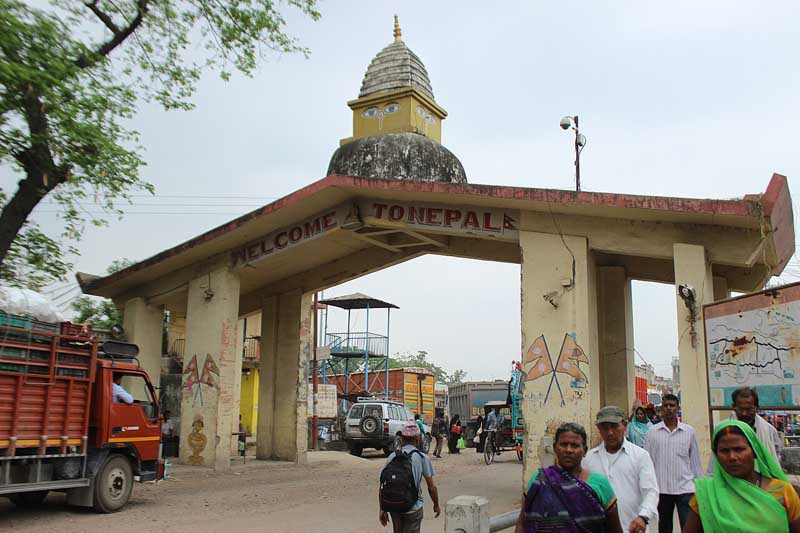
Border crossings with India
Nepal has several border crossings with India, some of the most used by travelers are:
- Sonauli – Bhairahawa (one of the most popular)
- Raxaul – Birgunj
- Jogbani – Biratnagar
- Banbasa – Mahendranagar
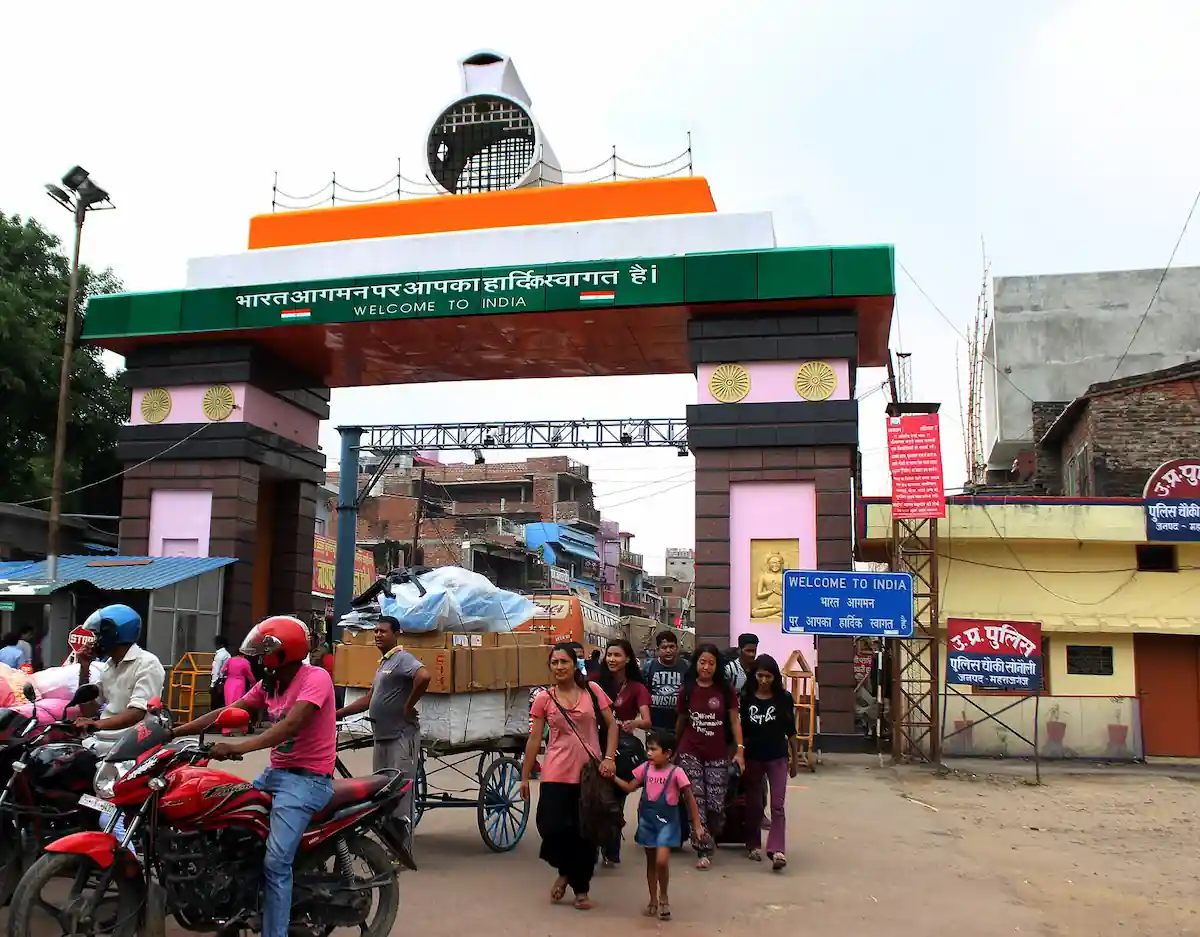
In my case, I entered Nepal through the Sonauli Pass, coming from India. It's a rather chaotic crossing, but very popular with backpackers.

How to get a visa to travel to Nepal
Most travelers can obtain a visa upon arrival in Nepal, either at Kathmandu International Airport or at the main land border crossings with India. It's a fairly straightforward process.
Visa types and duration
Tourist visas can be obtained for different durations:
- 15 days
- 30 days
- 90 days
You can choose the duration when you complete the process, depending on how long you plan to stay in the country.
Costs
The usual prices for a tourist visa are:
- 15 days: 30 USD
- 30 days: 50 USD
- 90 days: 125 USD
Payment is made in US dollars (cash) or, in some locations, by card. Even so, it's always advisable to carry cash to avoid any problems.
Requirements
To obtain the visa you need:
- Passport with at least 6 months validity
- A passport-style photo (although they usually take the photo right there at the airport)
- Complete the visa application form (this can be done online before arrival or at the airport kiosks)
They don't usually ask for a return ticket or accommodation reservations, although it never hurts to have something on hand.
Visa extension
If you wish to stay longer in Nepal, you can extend your visa at immigration offices, primarily in Kathmandu or Pokhara. The process is relatively simple and allows you to add days up to the annual maximum allowed.
How to get around in Nepal
Traveling around Nepal is one of the worst experiences you'll have in the country. The distances aren't enormous, but the deplorable state of the roads and the mountainous terrain mean that journeys take many more hours than expected.
There are several options, depending on the budget, the time available, and the type of trip.
Local and tourist buses
It is the most used means of transport by locals and travelers.
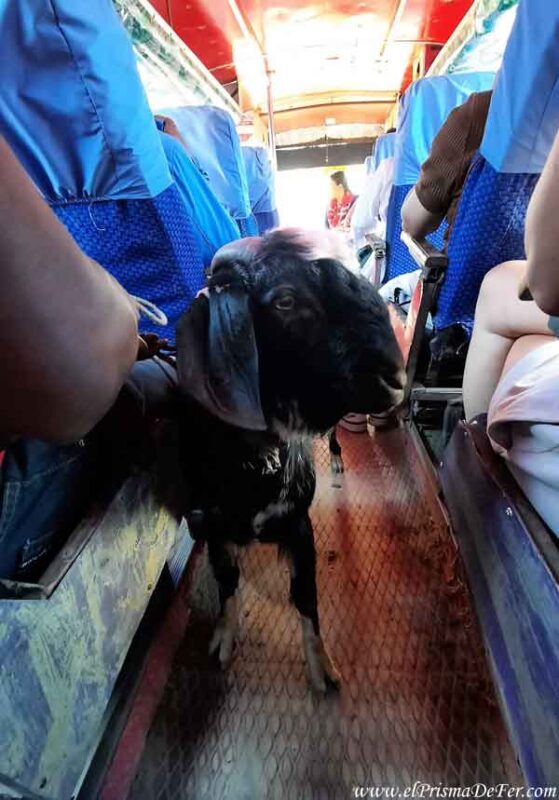
- Local buses are the cheapest, but also the most uncomfortable and slowest. They are usually crowded, make many stops, and don't always run on schedule.
- The tourist buses mainly connect Kathmandu, Pokhara and Chitwan. They are considerably more comfortable, with assigned seating and air conditioning, and while still slow, they make the journey more bearable.
Both types of buses can be affected by road conditions, closures, or landslides.
Shared vans and jeeps
For shorter journeys or areas not served by large buses, there are shared vans and jeeps. They are faster than buses, although also more expensive and, in many cases, quite intense due to the driving style. They are very common in mountainous regions and small towns.
Domestic flights
Nepal has several domestic flights, especially between Kathmandu and destinations such as Pokhara, Lukla, Jomsom or Bharatpur.
- They save a lot of time compared to ground transportation.
- The downside is that they are often cancelled or delayed due to weather conditions, which is very common in mountain areas.
Even so, for long routes, it can be a great option if you have little time.
Taxis and urban transport
In cities like Kathmandu or Pokhara, taxis are common and relatively inexpensive, although it's advisable to agree on the price before getting in. Motorcycle taxis and local apps are also available in some areas, but they are not as widespread as in other Asian countries.
Motorcycle or scooter rental
In tourist areas, especially Pokhara, it is possible to rent motorbikes or scooters. It's a good option for getting around freely, but keep the following in mind:
- The traffic is chaotic.
- Many streets are in poor condition
- And traffic rules are not always respected.
Interesting facts about Nepal
Nepal is a country that also surprises with some cultural and everyday peculiarities that catch the eye when traveling there.
- It is the birthplace of Buddha. As I said before, Buddha (Siddhartha Gautama) was born in Lumbini, in the south of the country, very close to the border with India, a place of great spiritual importance.

- It has more public holidays than most countries. Throughout the year there are religious and cultural celebrations of Hindu and Buddhist origin, which sometimes involve closed offices or changes in the pace of life in cities.
- The year does not coincide with the Western calendar. Nepal officially uses the Bikram Sambat calendar, which is approximately 56–57 years ahead of the Gregorian calendar.
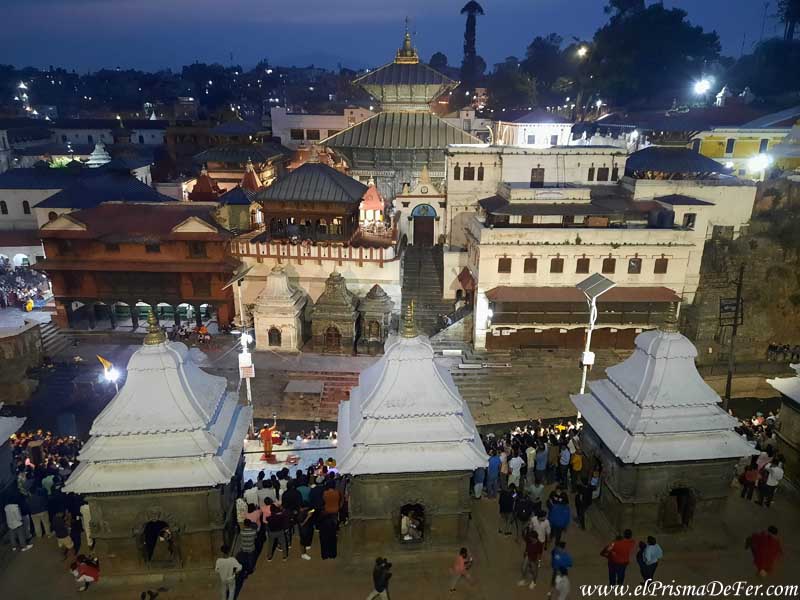
- Religious coexistence is part of everyday life. Hindu and Buddhist temples share space, rituals, and festivities, something very visible in cities like Kathmandu.
- Trekking is part of the national identity. Even off the beaten track, walking is an everyday activity. It's not uncommon to see locals carrying enormous loads along mountain trails with impressive ease.
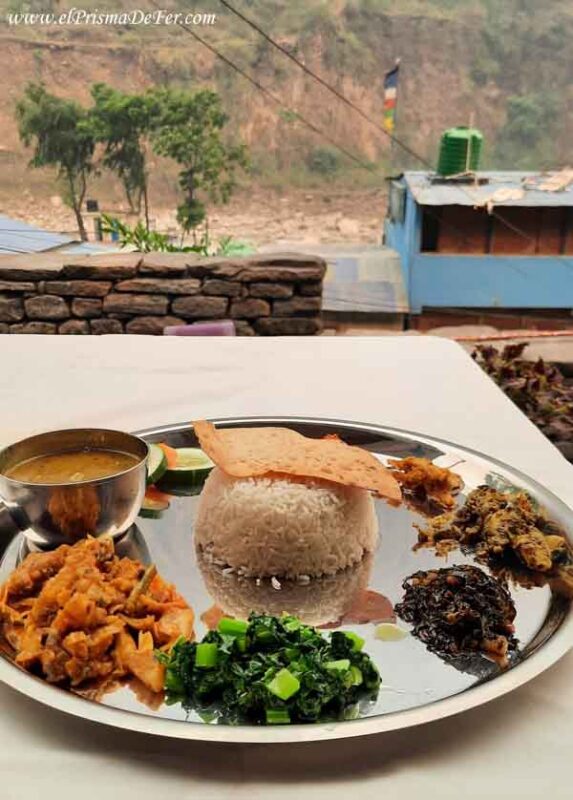
- Tea and dal bhat are sacred. Dal bhat is not just a typical dish, it's an institution. Many accommodations offer free refills, especially in trekking areas.
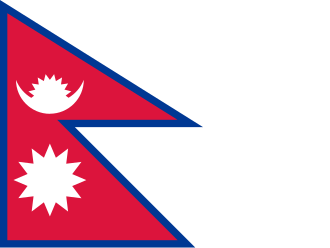
- The flag is not rectangular. The flag of Nepal is the only national flag in the world with a non-rectangular shape, composed of two overlapping triangles.
Trekking in Nepal
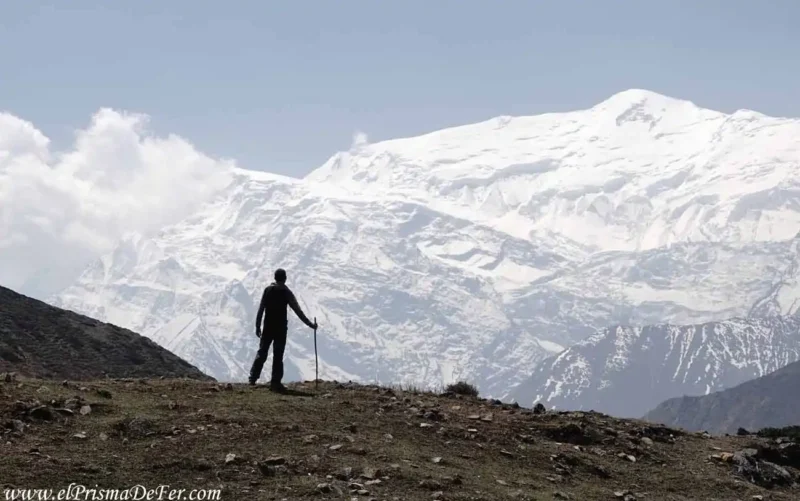
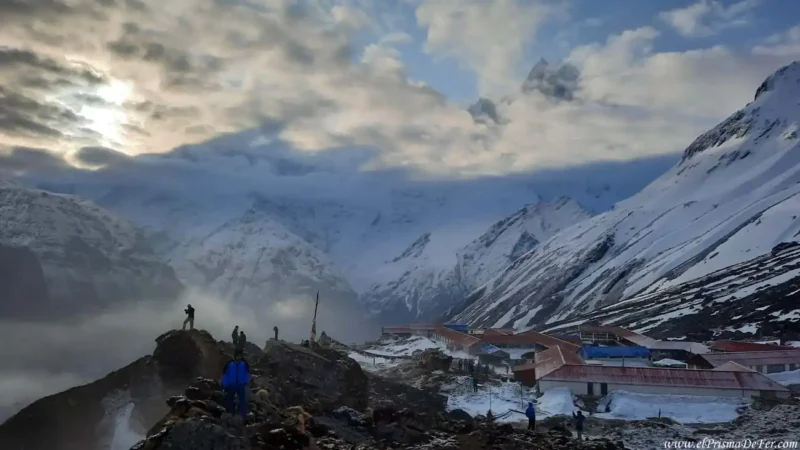
Nepal is one of the world's premier trekking destinations, primarily due to the Himalayas and the vast network of trails that crisscross valleys, villages, and high mountain regions. There are options for all levels, from easy hikes to challenging routes that reach altitudes exceeding 5,000 meters.
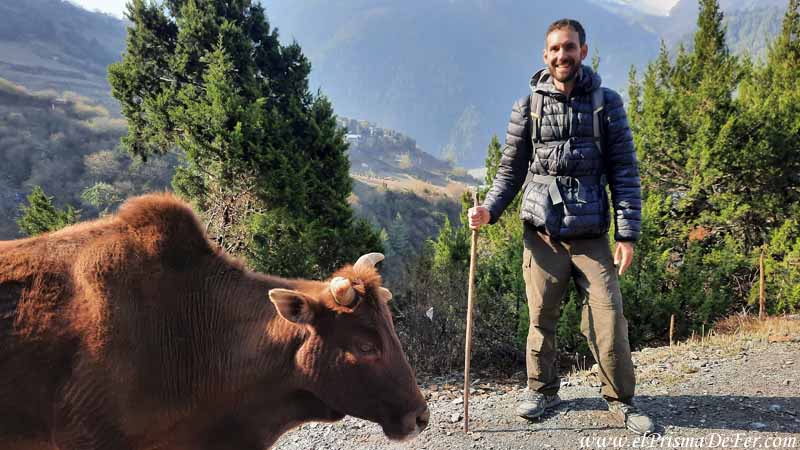
In addition to the scenery, trekking in Nepal has a strong cultural component, as you walk through villages and share daily life with local communities.
In another post I go into more detail about the characteristics of the main treks, permits, costs and tips for organizing them.
Mapa de mi recorrido por Nepal
What to see in Nepal
Pokhara
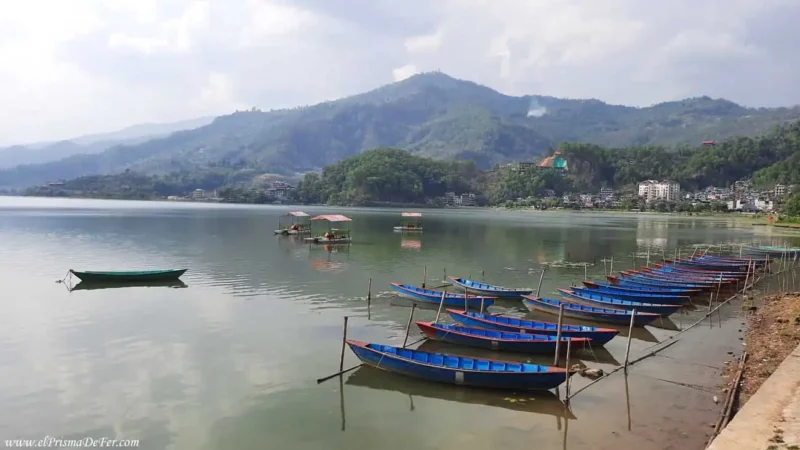
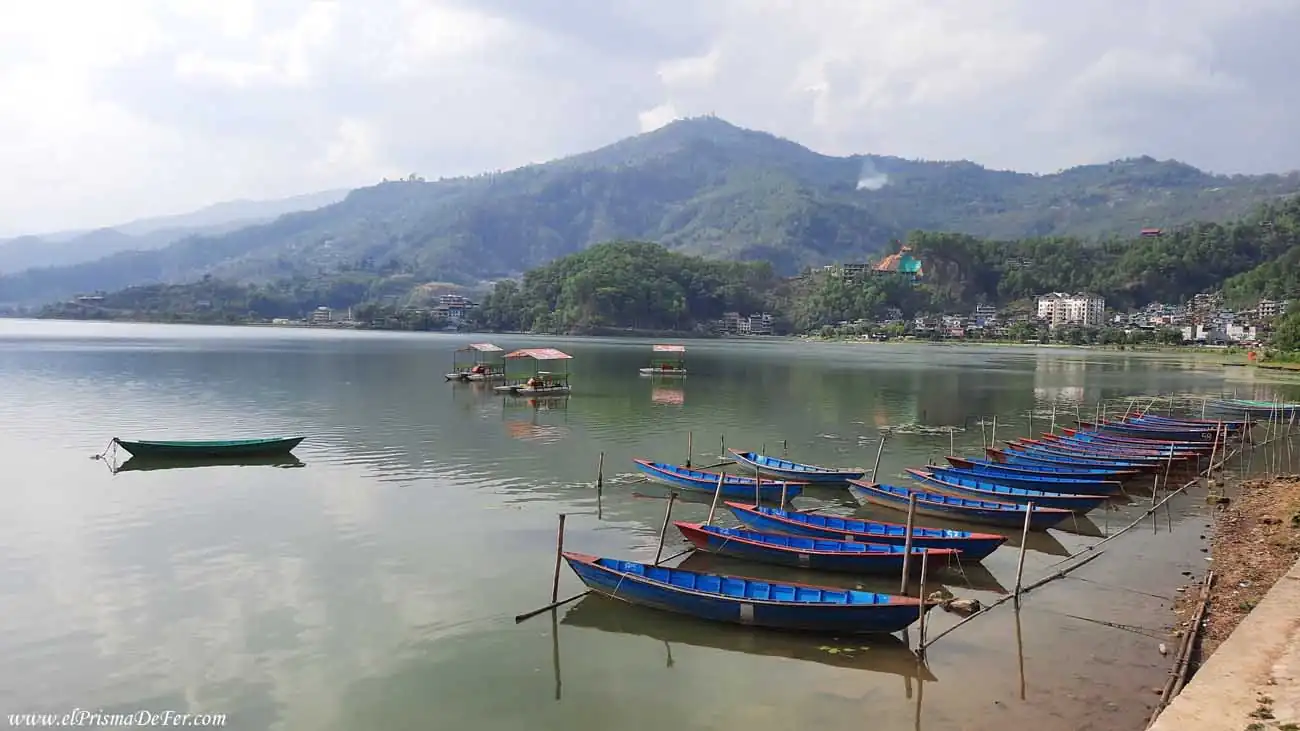
Pokhara is one of Nepal's most charming cities and a must-see. Located on the shores of Phewa Lake, it offers direct views of the Annapurna mountain range on clear days.
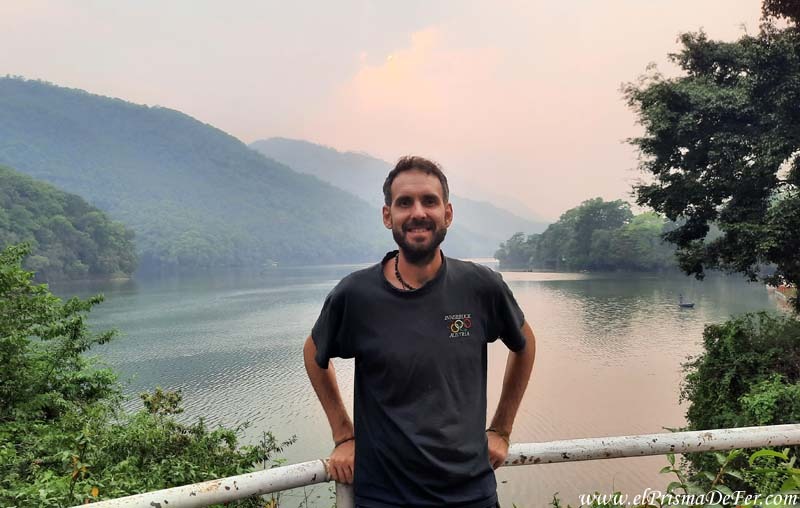
It's an excellent place to rest before or after a trek, with a good selection of accommodation, cafes and agencies.
From here you can also access famous viewpoints like Sarangkot, ideal for watching the sunrise, and several short walks in the surrounding area.
The Annapurna region
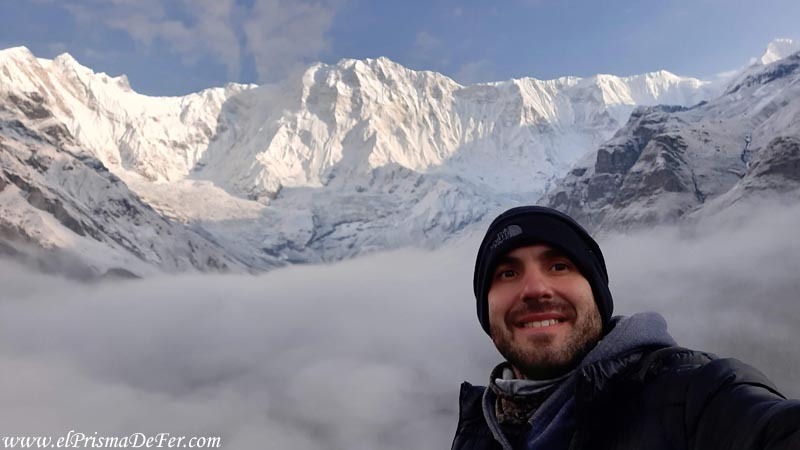
The Annapurna region is home to some of the country's most classic trekking routes and is suitable for different levels:
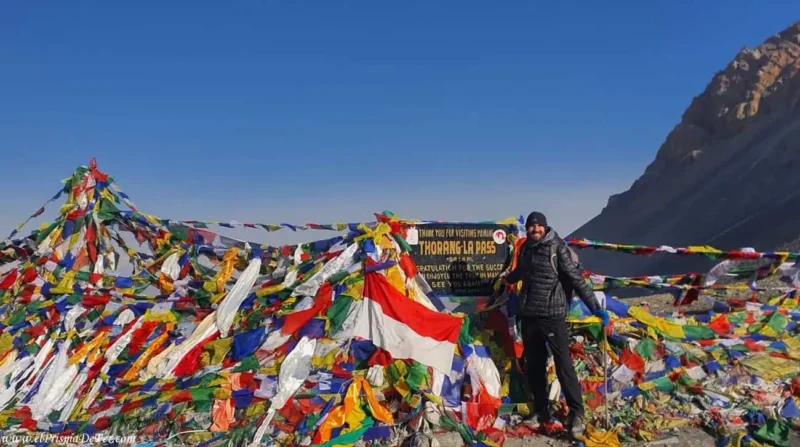
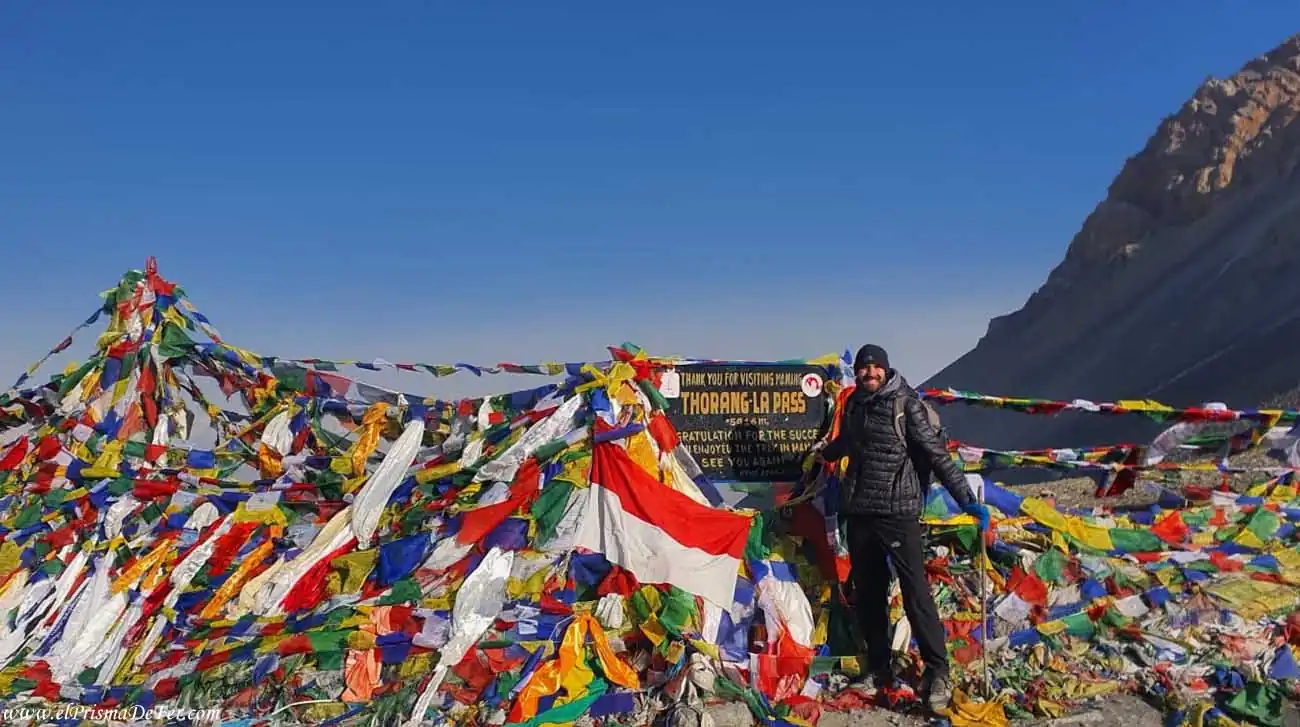
- Annapurna Circuit: a long and very comprehensive trek that circles the Annapurna massif, crossing the Thorong La pass. It is notable for its variety of landscapes and climates.
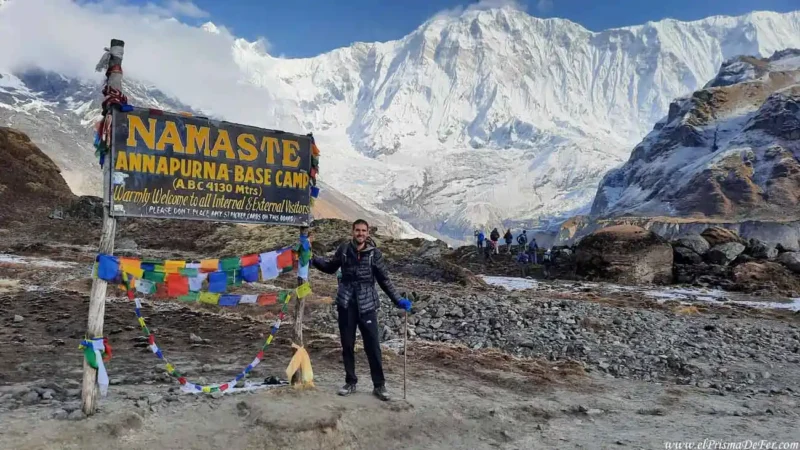
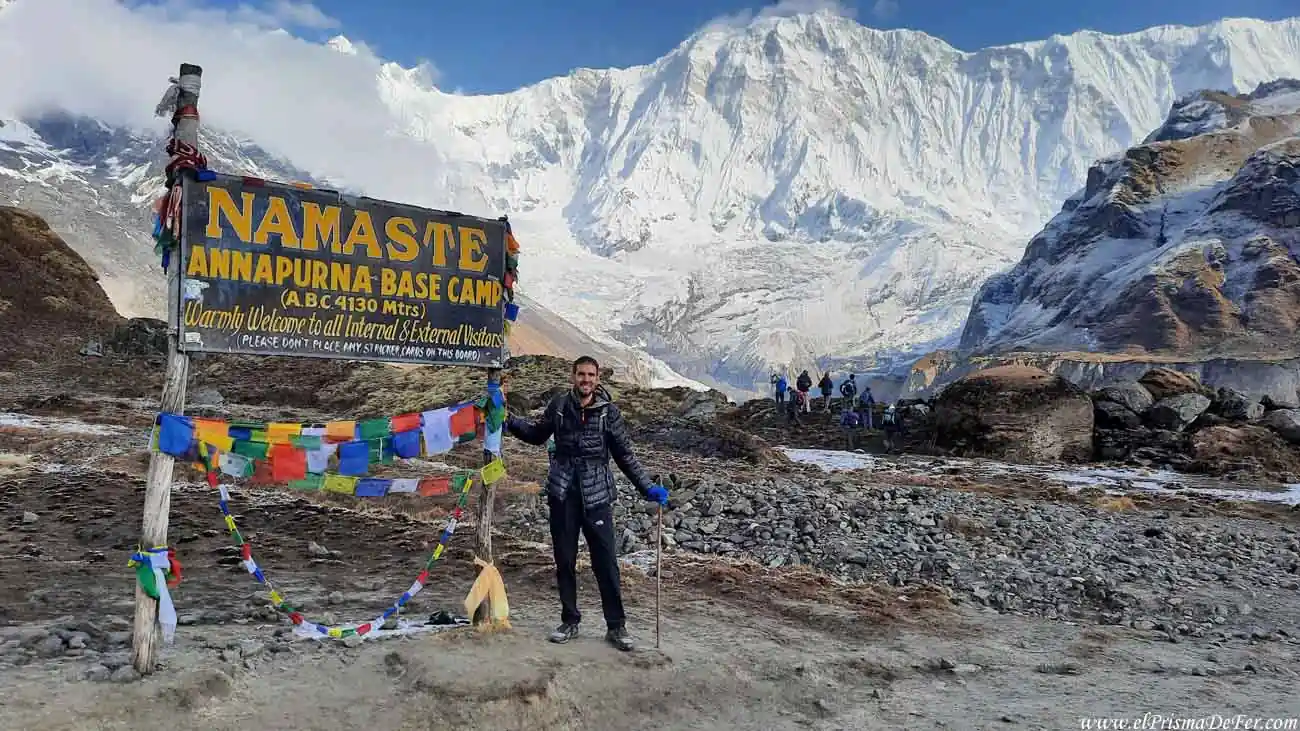
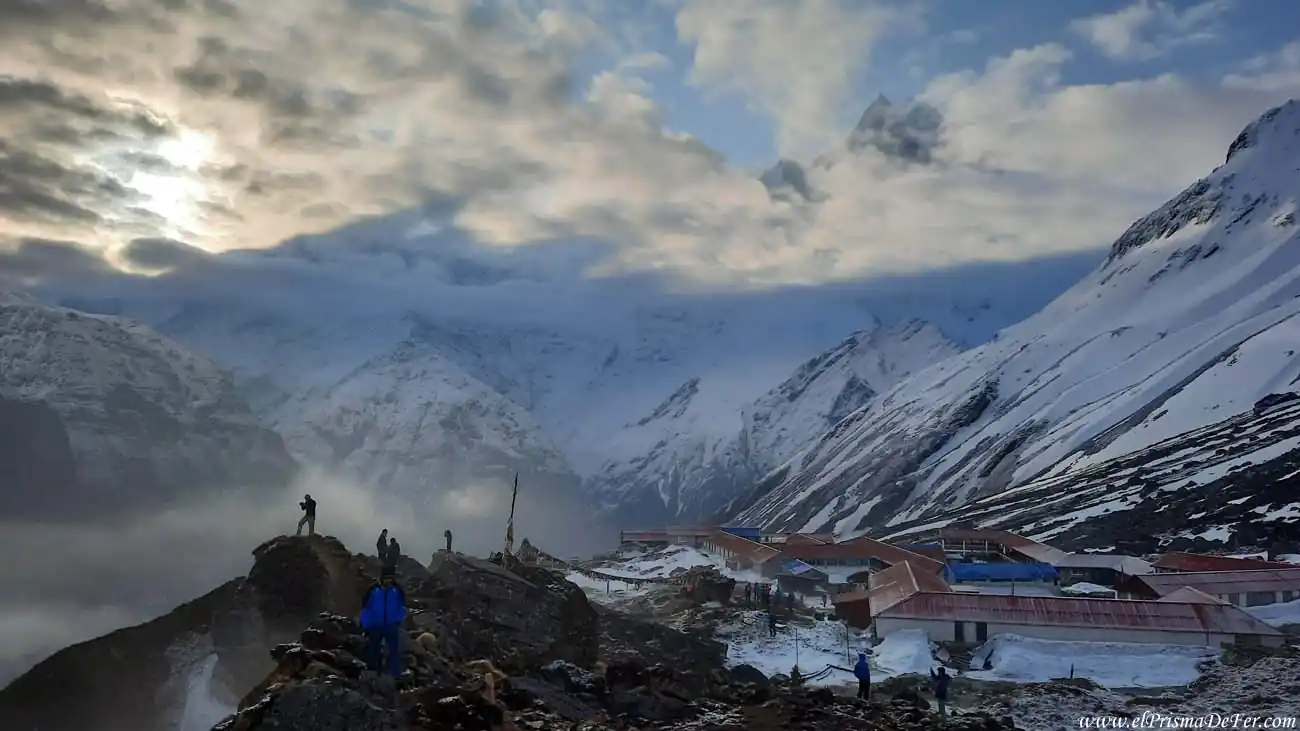
- Annapurna Base Camp (ABC): one of the most popular treks, which leads to the heart of the massif, surrounded by imposing peaks.
- Poon Hill: a shorter and more accessible option, famous for its sunrise views over Annapurna and Dhaulagiri, ideal if you have few days or are looking for something less demanding.
- Mardi Himal Trek: less massive than the ABC, with views very close to Machapuchare and Annapurna South.
Bandipur
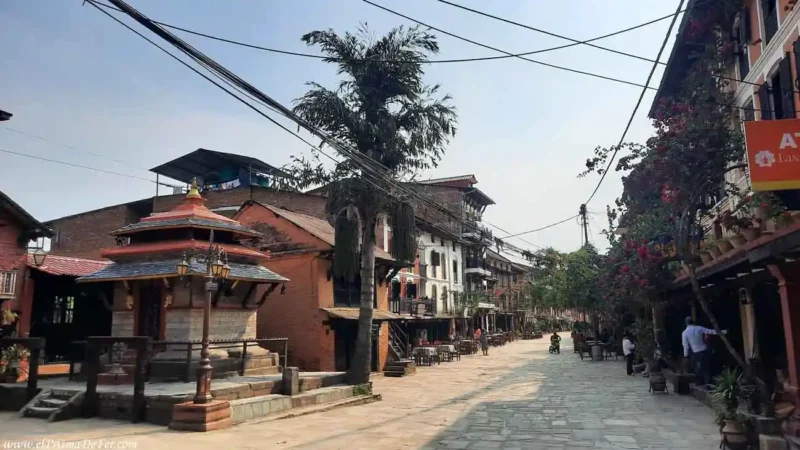
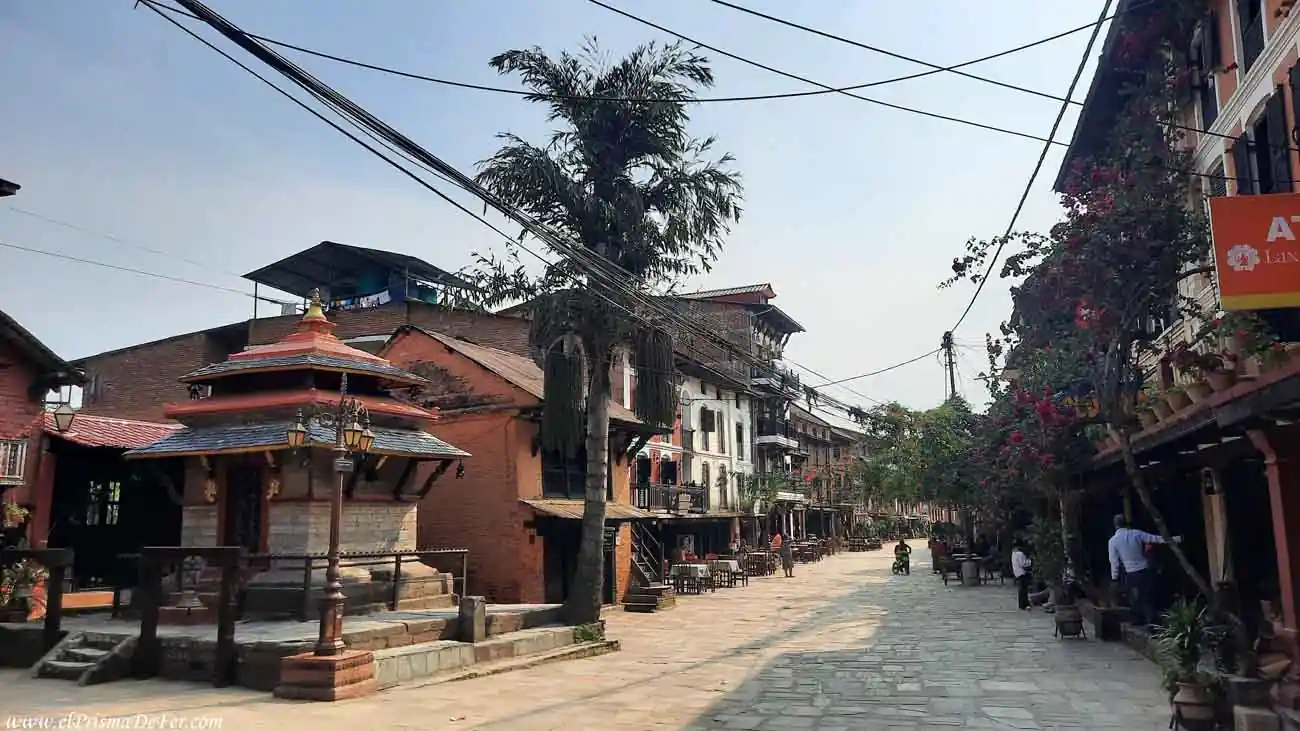
Bandipur is a small, peaceful town located between Kathmandu and Pokhara. It preserves traditional architecture and a very tranquil atmosphere.
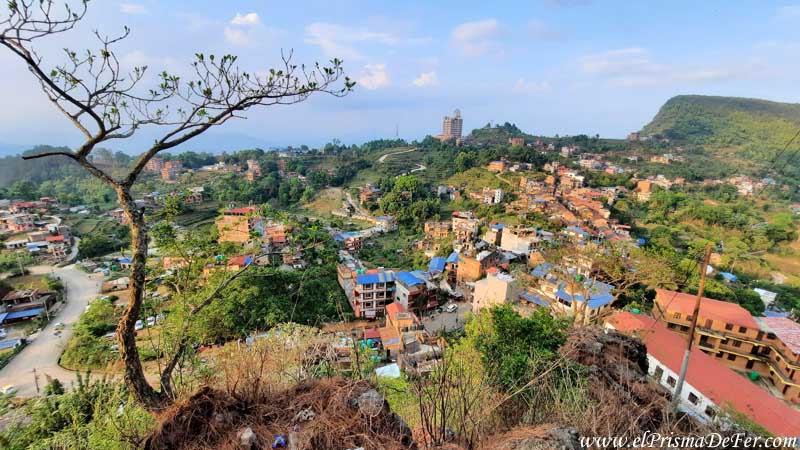
It's a great place to take a break in the middle of your journey, walk at a leisurely pace, and enjoy mountain views on clear days.
Kathmandu
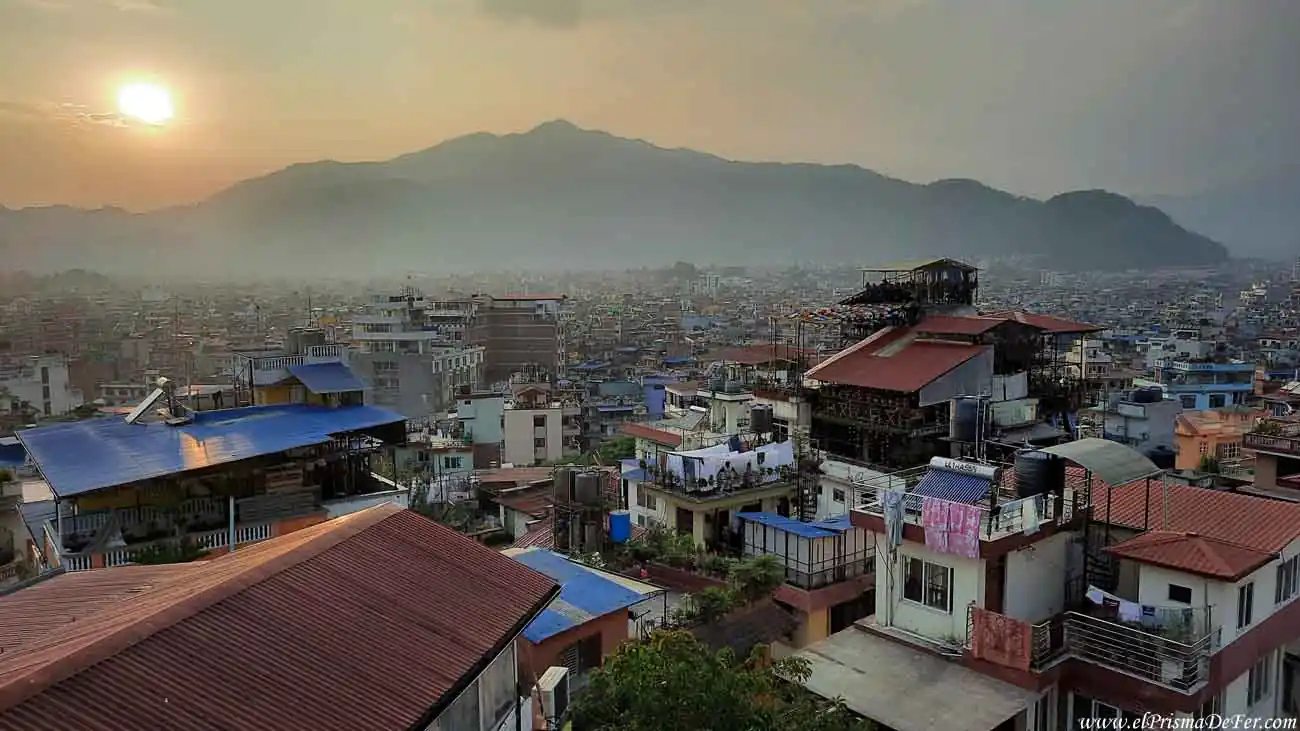
Kathmandu is the country's main cultural and historical center. Beyond the chaos and traffic, it boasts some of Nepal's most important sites, such as the Swayambhunath stupa, Boudhanath, and the Durbar Squares.
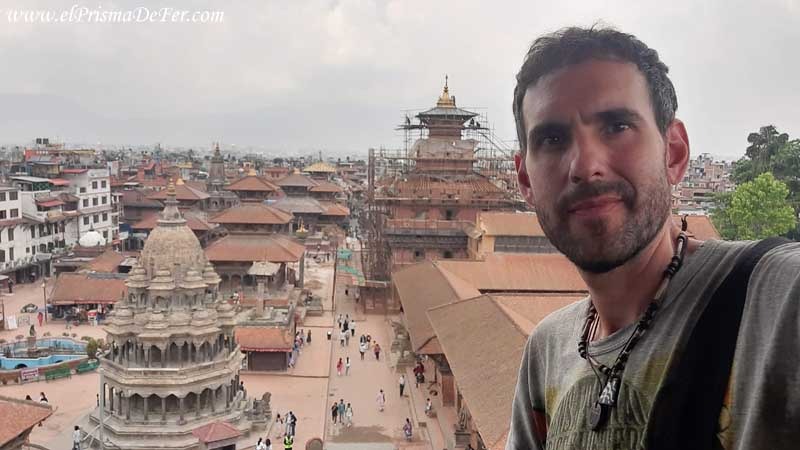
It is also the base point for arranging permits, hiring guides and preparing any trekking.
Spending a few days in Nepal's capital allows you to better understand the mix and coexistence of religions, rituals, and daily life in the country.
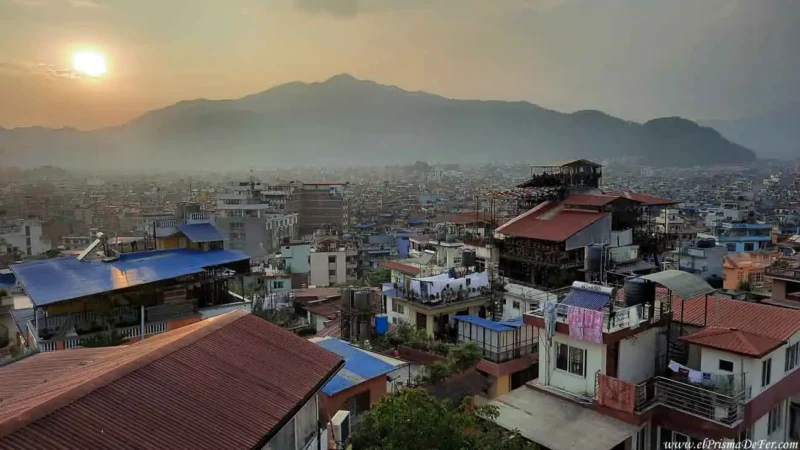
Lumbini
Lumbini is one of the most important places in the country on a spiritual level, as it is the site where Buddha was born.
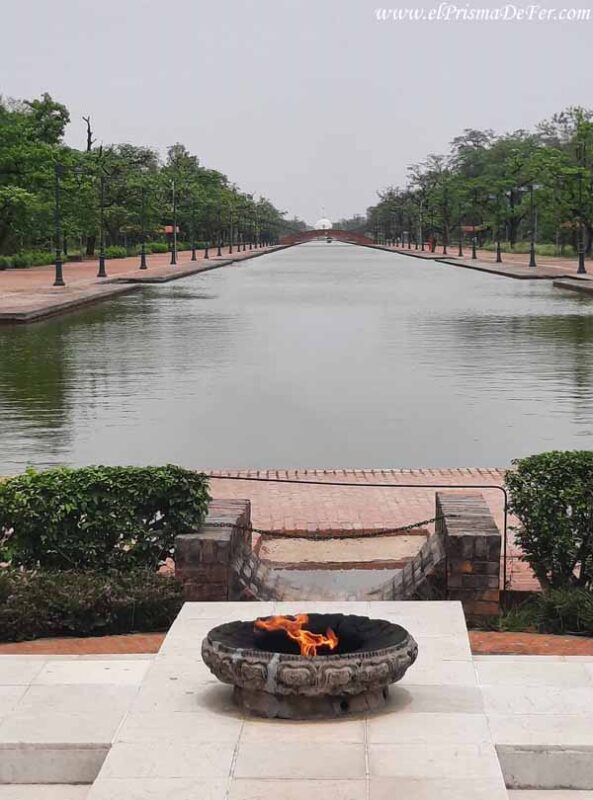
It is located in southern Nepal, near the border with India, and offers a completely different environment from the mountain areas.
It is an ideal destination for those seeking a more cultural and spiritual trip, with temples and monasteries from different parts of the world.
The Everest area
This region is synonymous with high mountains and challenging trekking. The most well-known routes are:
- Everest Base Camp (EBC): the most famous, passing through Sherpa villages like Namche Bazaar.
- Three Passes Trek: a much more challenging version that crosses three high mountain passes, designed for experienced hikers in good physical condition.
- Gokyo Lakes Trek: an alternative to the EBC, with turquoise lakes and incredible views from Gokyo Ri.
- Everest Base Camp via Gokyo: combines both routes, ideal for those with more time and experience.
Manaslu Region
The Manaslu Circuit is one of the most spectacular and least crowded treks in Nepal. It circles Mount Manaslu, the eighth highest mountain in the world, and combines high-altitude landscapes with traditional villages of strong Tibetan influence.
It is a more demanding and regulated trek, requiring special permits and a mandatory guide, but in return it offers a much less crowded experience than Annapurna or Everest.
Chitwan National Park
Chitwan National Park is located in the southern lowlands of Nepal and offers a landscape completely different from that of the Himalayas.
It is one of the best places in the country to see wildlife, with jeep or walking safaris where you can see one-horned rhinos, deer, crocodiles and, with a lot of luck, Bengal tigers.
It's a great option for balancing a mountain-focused trip with nature and wildlife.
Best time to travel to Nepal
Choosing the right time to travel to Nepal is key, especially if you plan on trekking. The weather varies greatly depending on the season and region, but some periods are clearly more advisable than others.
Spring (March to May)
It is one of the best times to visit Nepal. The weather is stable, the temperatures are pleasant, and the trekking trails are in good condition.
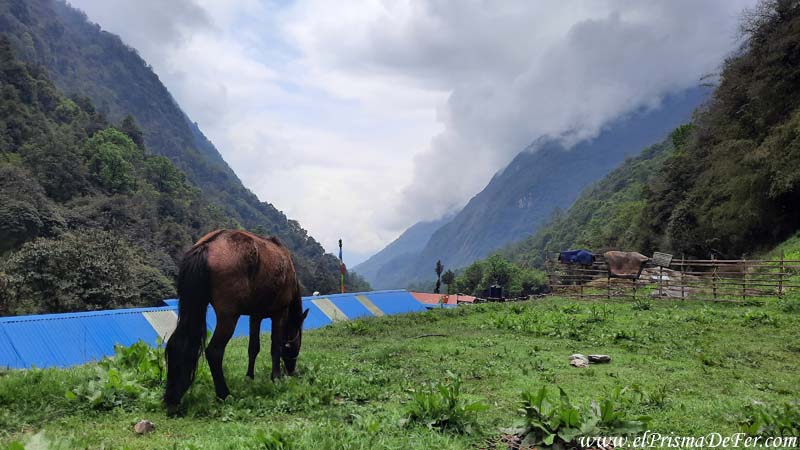
In addition, rhododendrons bloom in spring, especially in mountainous areas, adding color to the landscapes. It's peak season, so there are more tourists and prices are somewhat higher.
Autumn (September to November)
Another of the ideal seasons, especially for trekking. After the monsoon, the sky is usually clear and the mountain views are excellent.
October is the most popular month for trekking in the Himalayas. Like spring, it's peak season.
Summer and monsoon (June to August)
During these months, the rains arrive, especially in the central and southern parts of the country. Trails can be muddy, there is a greater risk of landslides, and mountain views are often obscured by clouds.
It's not the best time for trekking, although some northern regions receive less rain and may be an alternative.
Winter (December to February)
Winter brings clear skies, but very low temperatures, especially in mountainous areas. Some high passes are closed due to snow, and certain treks are inaccessible.
Even so, it's a good time to travel if you're not planning any strenuous hikes and are looking for fewer people.
Typical Nepalese foods
Nepalese cuisine is simple and hearty. Especially in trekking areas, the dishes are quite repetitive, but they are an integral part of the country's culture.
Dal Bhat
It is the national dish and the most consumed in the country. It consists of rice, lentil soup (dal), and various side dishes such as vegetables, potatoes, or pickles.
Many tea houses and lodges offer unlimited refills, making it the ideal fuel for long hikes.
Momo
Momos are steamed or fried dumplings filled with vegetables, chicken, or beef. They are very popular throughout the country and can be found in cities as well as mountain villages.

They are served with spicy sauces and are perfect as fast food.
Thukpa
A hot noodle soup of Tibetan origin, very common in high-altitude areas. It contains vegetables, meat or egg, and is especially comforting after a cold day of trekking.
Chow Mein
A local adaptation of a Chinese dish, very common in Nepal. It's simple, hearty, and easy to find in almost any restaurant or lodge.
Sel Roti
It's a type of fried doughnut made from rice, traditionally eaten at festivals and breakfasts. It's usually eaten alone or with tea.
Milk tea with spices (Masala Chai)
Tea is essential in daily life. In many areas, black tea is served with milk and spices, especially to combat the cold in the mountains.
Is Nepal an expensive country?
Nepal is generally a budget-friendly destination, especially for backpackers. However, costs can vary considerably depending on the type of trip and, particularly, if trekking is planned.
Accommodation
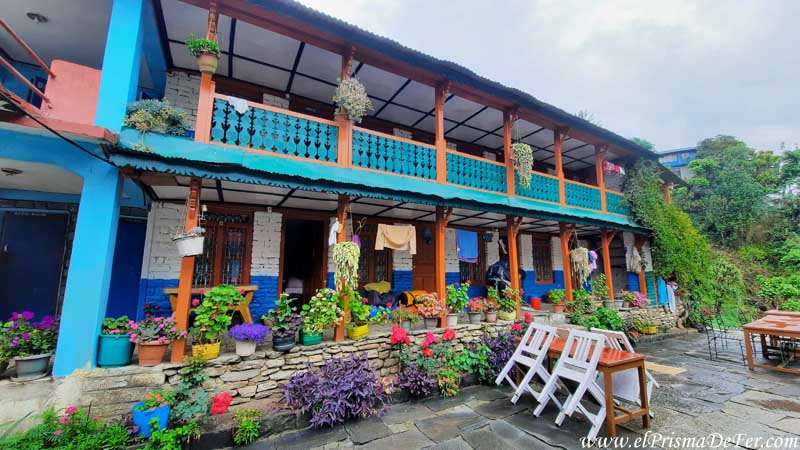
There are very affordable options. In cities like Kathmandu or Pokhara, you can find hostels and guesthouses at low prices, and in trekking areas, lodges are usually simple but adequate. The cost increases if you look for more comfortable or international-standard hotels.
Meal
Eating in Nepal is cheap. Local dishes like dal bhat, momos, and chow mein are inexpensive, especially outside of tourist-oriented restaurants.
On treks, prices increase as you gain altitude, since everything must be carried on foot or by mule.
Transport
Ground transportation is inexpensive, though slow. Local buses are very cheap, while tourist buses or domestic flights increase the budget a bit, but save time.
Trekking and permits
This is where the budget can increase. Many treks require permits, and some, like Manaslu, require a guide, which raises the cost.
But, compared to other mountain destinations around the world, Nepal is still relatively accessible.
Is it safe to travel to Nepal?
In general, Nepal is a safe country for travelers, even for those traveling alone or on a budget.
The local population is usually friendly, respectful, and very accustomed to tourism, especially in the most visited areas.
General security
Violent crimes against tourists are rare. The most common problems are petty thefts, such as pickpocketing in crowded areas, markets, or on crowded buses, especially in Kathmandu. With basic travel precautions, there are usually no major issues.
Political situation
Although there have been protests and moments of political tension in recent years, the current situation is stable and calm. Tourist areas are operating normally, and any isolated demonstrations are usually concentrated in specific areas of major cities and do not directly affect travelers.
Support The Prism of Fer!
Your support helps me continue creating free content on the blog. Thank you so much!