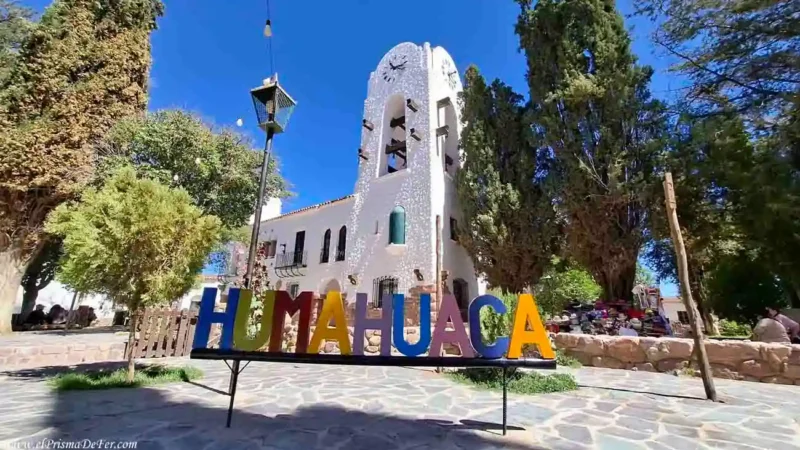
Humahuaca is one of the most important cities in the Quebrada de Humahuaca and is usually a common stop on any tour of the region.
Unlike smaller towns like Purmamarca or Maimará, here there is more activity, businesses, and even an atmosphere that I personally didn't like very much.
Humahuaca's main attraction is undoubtedly the Hill of Fourteen Colors, known as Hornocal. Located at over 4,300 meters above sea level, it is one of the most breathtaking landscapes in the entire Quebrada de Humahuaca and one of the main reasons why so many tourists come here.
In this article I'll tell you about my visit to Humahuaca, what to see in the city, how to get to Hornocal, and some tips for planning your trip through the largest city in the Quebrada de Humahuaca.

This post may contains affiliate links. If you purchase through these links, I may earn a commission at no extra cost to you. Thank you for your support!
Table of Contents
Where is Humahuaca located?
Humahuaca is located in the north of the province of Jujuy, within the Quebrada de Humahuaca, a UNESCO World Heritage Site. It is situated about 130 km from San Salvador de Jujuy, along National Route 9, and approximately 45 km north of Tilcara.
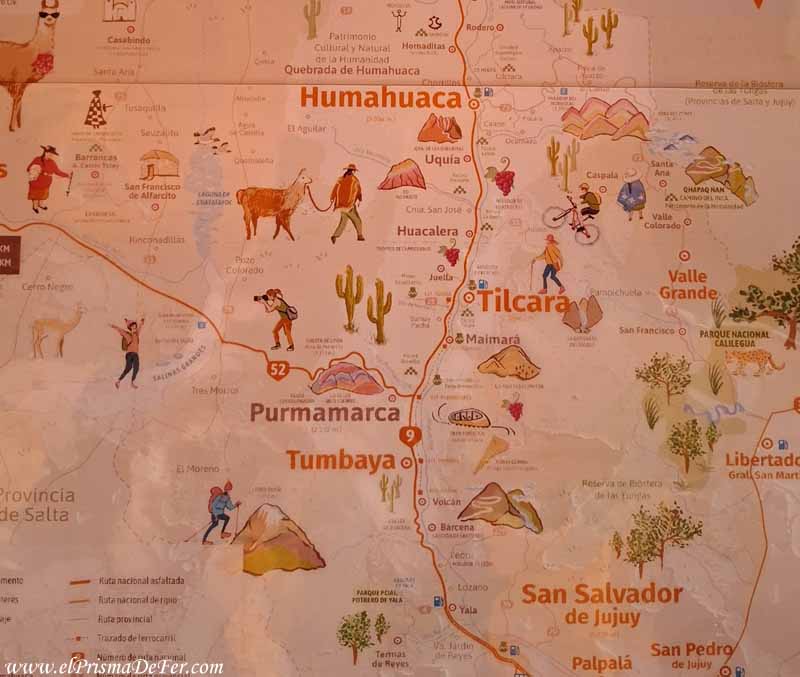
The city is located about 3,000 meters above sea level, making it one of the highest urban centers in the ravine.

Historical events that took place in Humahuaca
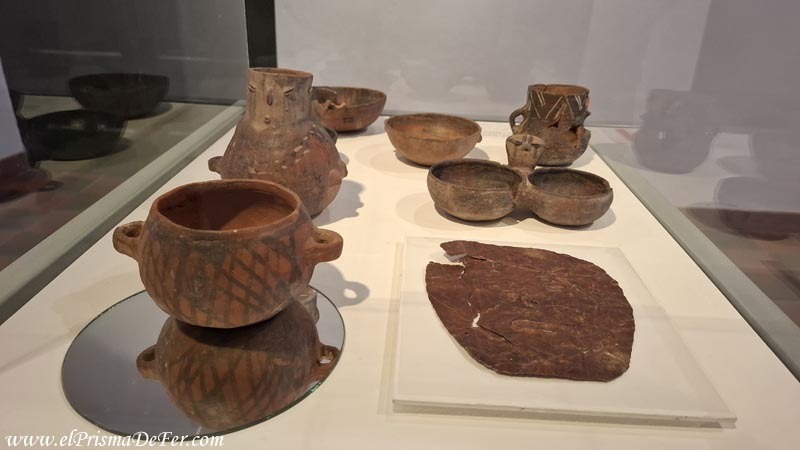
Humahuaca has a long history marked by its strategic location within the Quebrada de Humahuaca. Long before the arrival of the Spanish, the area was inhabited by native peoples, mainly the Omaguacas, who developed an agricultural culture adapted to the high-altitude climate and arid environment, taking advantage of agricultural terraces and trade routes.
With the Spanish conquest, Humahuaca became part of the Camino Real, a key route that connected Upper Peru with the rest of the territory.
This transformed the settlement into a mandatory stop for merchants, troops, and travelers, a role it maintained for centuries and which explains its historical importance within the region.
During the wars of independence, the city played a prominent role. Numerous defensive strategies linked to the Jujeño Exodus originated from here, when the local population abandoned their lands to halt the royalist advance.

Today, that past can be seen in its colonial-looking streets and in some historic buildings.
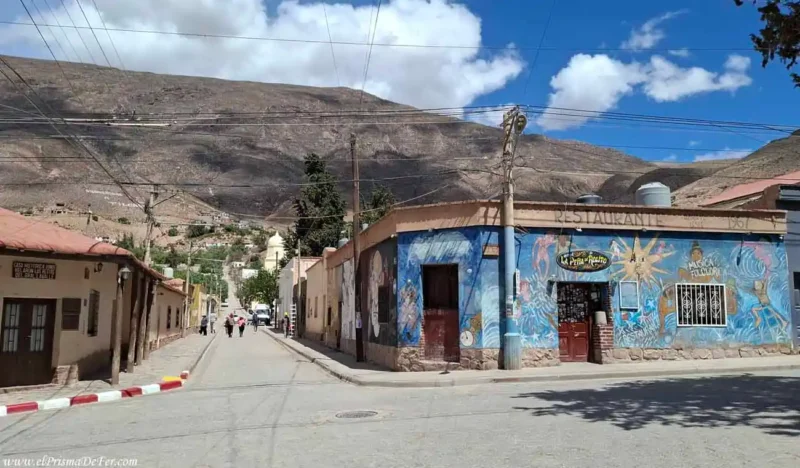
Things to do in Humahuaca
Humahuaca is an ideal base for exploring some of the most breathtaking landscapes of the Quebrada. The town itself has several points of interest to explore on foot, but it also serves as a gateway to excursions that are worth visiting on their own.
The Hornocal or Hill of 14 Colors
The Hornocal is, without a doubt, the main attraction of Humahuaca and one of the most impressive landscapes in northern Argentina, and I dare say in the entire country.

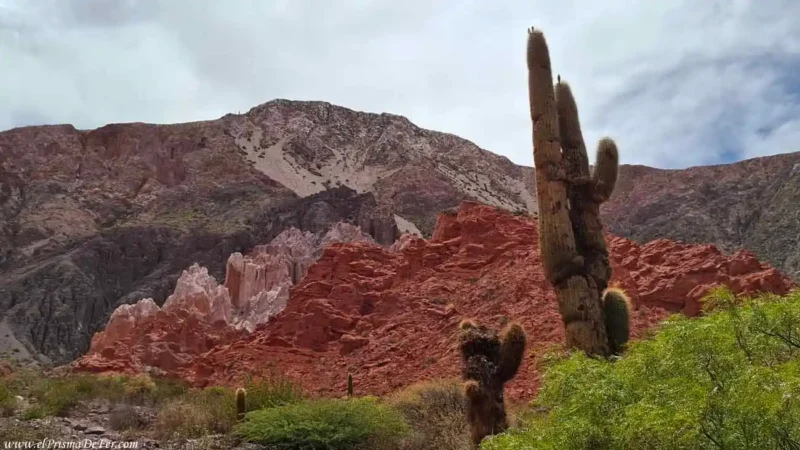
It is a mountain formation with well-defined multicolored stripes, similar to the Hill of Seven Colors in Purmamarca, but on a much more monumental scale.
How to get to Hornocal
It is located about 25 km from Humahuaca, along a well-maintained gravel road, although with sections of cliff edge and sharp curves (see location on the map).
You can get there by private car, in shared taxis that leave from the town's station, or through organized excursions from Jujuy or even from Salta.
What is a visit to Hornocal like?
The complete excursion to Hornocal usually takes between 3 and 4 hours, considering the round trip plus the time at the viewpoint.
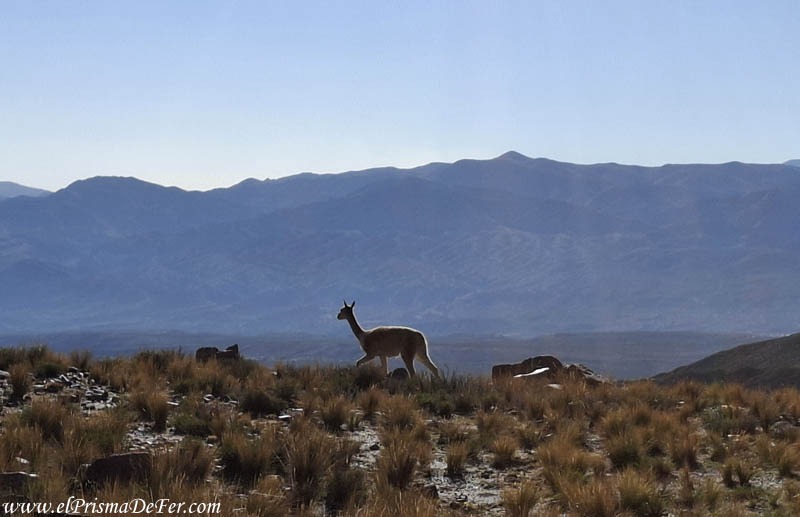
It is common to encounter vicuñas, native mammals of the region, during the journey. Taxis and other vehicles often slow down or accelerate slowly so you can observe them calmly and take some photos.
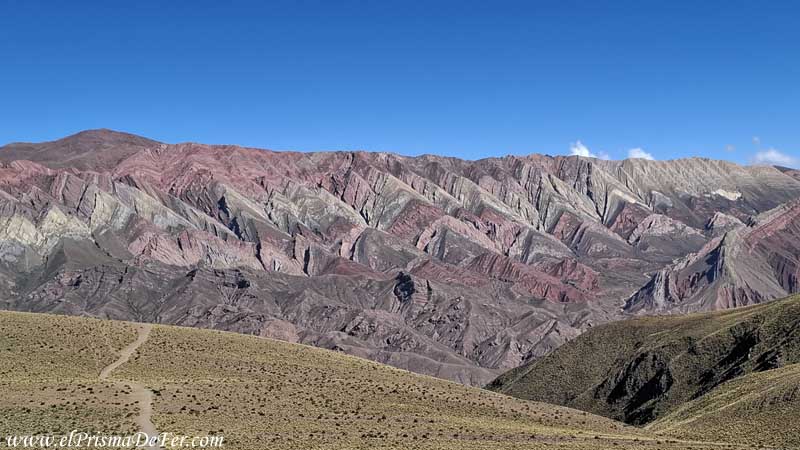
One of the points to consider is the altitude, since the Hornocal viewpoint is approximately 4,350 meters above sea level.
It is advisable to go slowly, dress warmly even on sunny days, and not stay too long if you feel symptoms of altitude sickness.
From the parking lot, there's a short walk to other viewpoints closer to the hill, and the views are spectacular! But I recommend taking it slow, as the altitude can tire you out quickly.

The best time to visit Hornocal is usually from midday onwards, when the sun shines directly on the mountain and the colors appear more intense.
The truth is, this place fascinated me. Although the visit is brief (especially if you go by shared taxi or on a tour), it is still a true marvel.
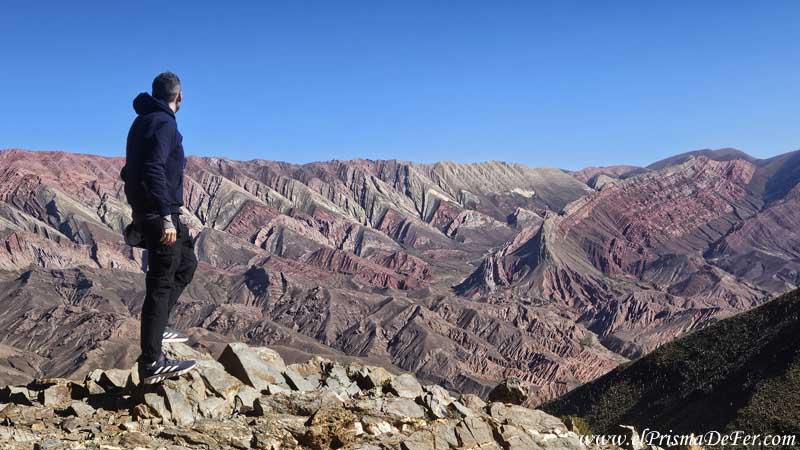
Chatting with the driver, she told me that this place began to develop as a tourist destination not many years ago, since before there were no good access roads or the stalls that exist today in the parking lot.
And it's a good thing they did, because today it has become an essential visit in the Quebrada de Humahuaca.
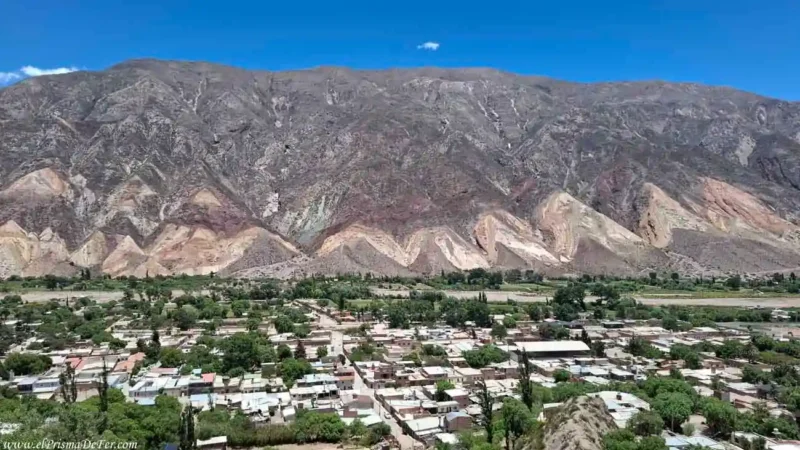
Monument to the Heroes of Independence
Located at the foot of Cerro Santa Bárbara (see location), the Monument to the Heroes of Independence is one of the most important symbols of Humahuaca and Argentina.
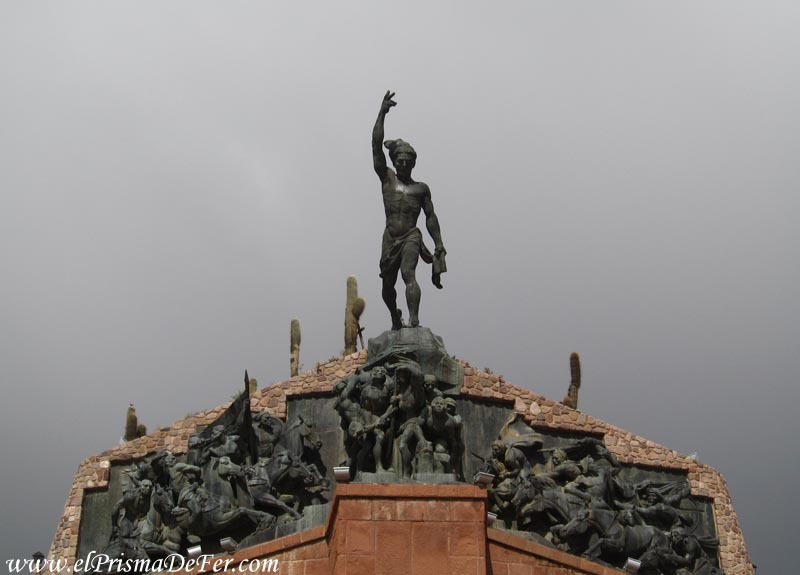
The work pays homage to the native peoples and the fighters from northern Argentina who participated in the wars for independence, especially during the gaucho wars.
The sculptural group depicts a scene of advance and struggle with indigenous and gaucho figures, armed with spears and flags. At the top stands a central figure representing freedom, reinforcing the idea of collective sacrifice and unity.
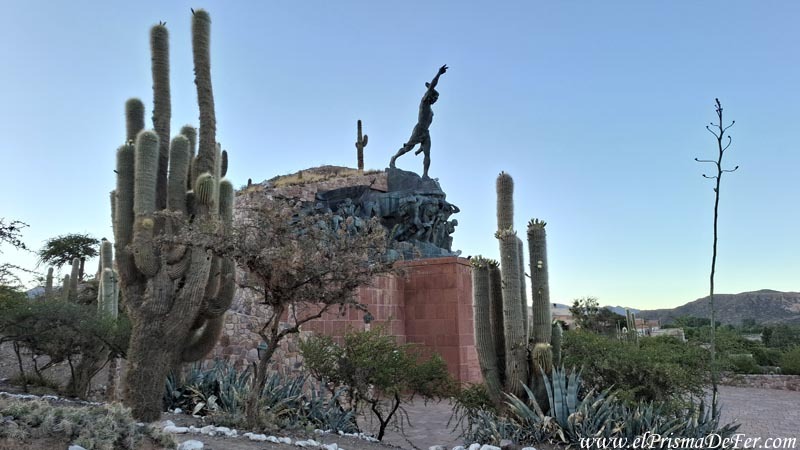
In addition to its historical value, the monument is striking for its scale and location, dominating the city from above and becoming a key point to understand the historical memory of the Quebrada de Humahuaca.
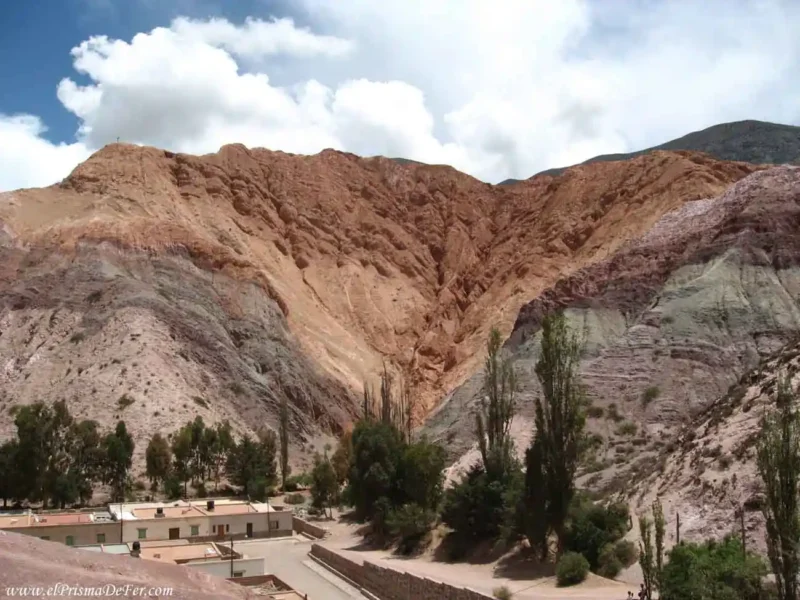
Stroll through the historic center
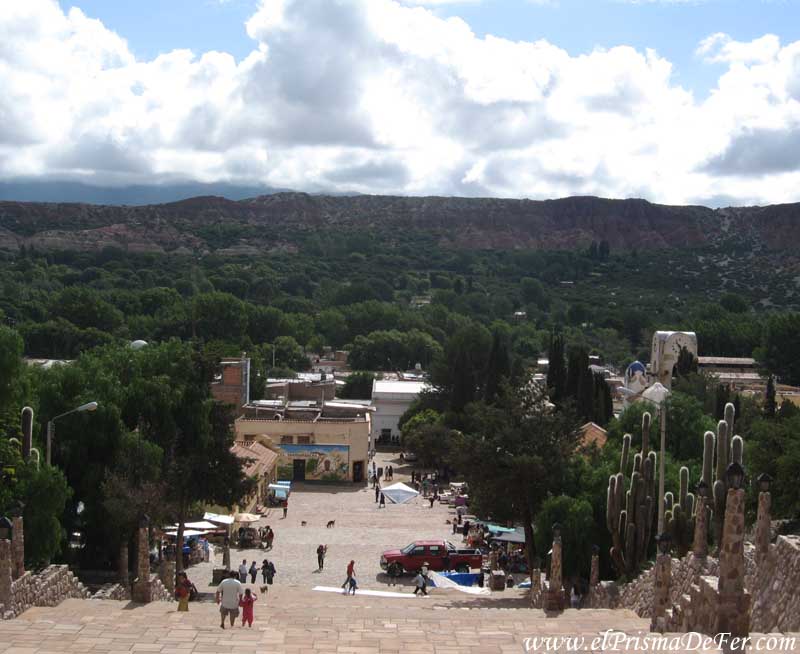
The historic center of Humahuaca is easily explored on foot and combines adobe houses and colonial-style buildings with a slightly more intense urban life than in other towns in the Quebrada.
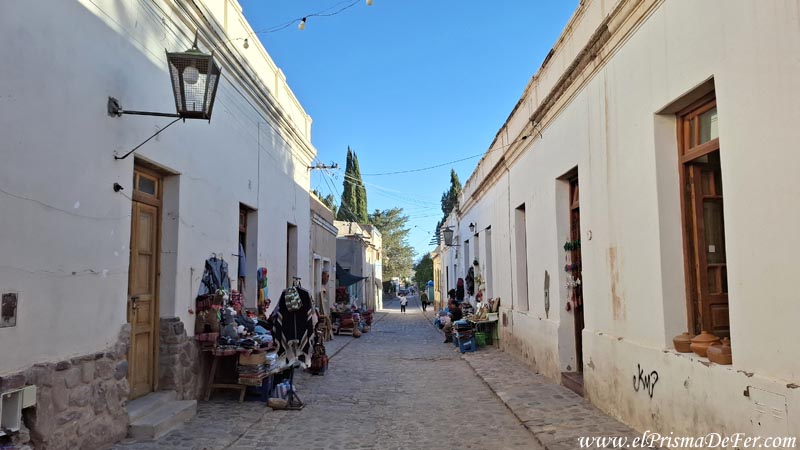
Something I liked about the city is the presence of a lot of street art: murals, interventions and painted details that give color and personality to several streets, especially around the main square.
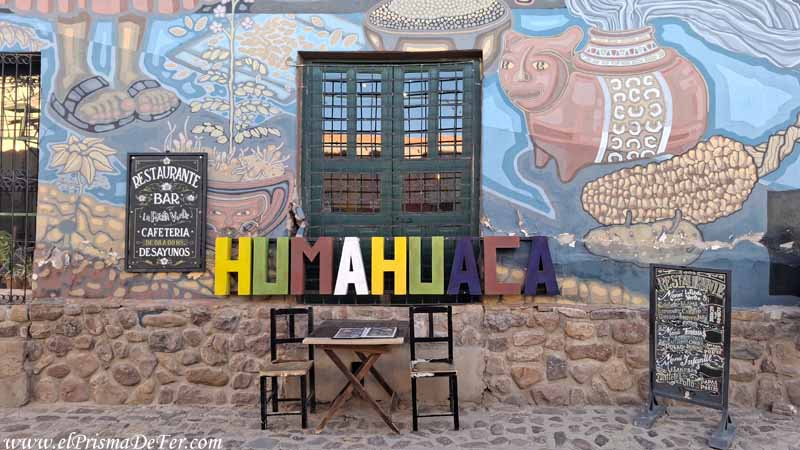
But to be honest, of all the towns I visited in the Quebrada de Humahuaca, Humahuaca was the one I liked the least; let's just say it didn't give me a good vibe.
During the hours I spent walking around the center, which looks somewhat abandoned, I felt some stares that didn't seem to be out of simple curiosity, something that didn't happen to me in places like Purmamarca or Maimará.
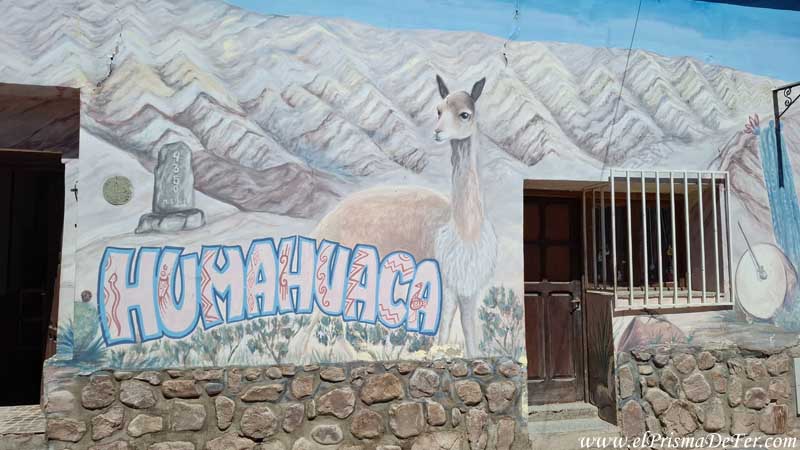
I want to clarify that I didn't have any specific problems, but it was a feeling I had, and I feel it's worth mentioning so you can move around with a little more care, especially if you're walking alone at night.
Church of Candelaria and Town Hall
The Church of Our Lady of Candelaria is one of the oldest buildings in the city and a good example of colonial architecture in the ravine.
A few meters away is the Town Hall, famous for its clock and the figure of Saint Francis Solano that appears at noon, a classic for those who visit Humahuaca.
Markets and craft fairs
Local fairs are a great place to discover regional products: textiles, ceramics, Andean instruments, and typical food.
Excursion to Iruya
One of the most common plans from Humahuaca is the excursion to Iruya, an isolated and spectacular village, perched between mountains and very different from the rest of the gorge.
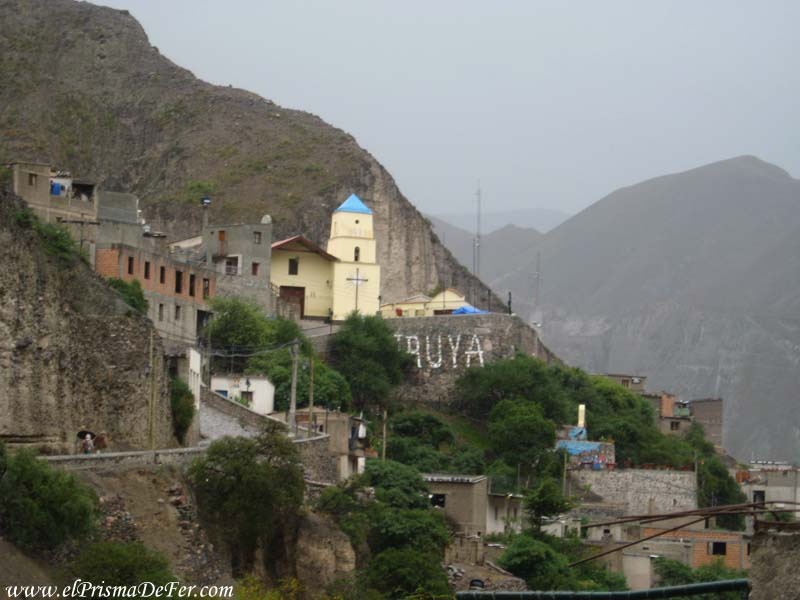
Many people choose Humahuaca as their base precisely because most of the transport to Iruya departs from here.
The journey takes between 3 and 4 hours per leg, depending on the condition of the road and the chosen transport (you can go by bus, organized tour or private vehicle, as long as it is in good condition).
First, you travel along a paved road to Abra del Cóndor (over 4,000 meters above sea level), and then continue along a narrow, winding gravel road that descends to the village. It's not uncommon for the journey to be slow, but the scenery makes up for every turn.
Ideally, you should spend at least one night in Iruya, as doing a day trip is quite tiring and leaves little time to enjoy the town at a leisurely pace. Even so, if you only have a few days, it remains one of the most popular day trips from Humahuaca.

How to get to Humahuaca
From San Salvador de Jujuy, you can get there by car, bus or organized tour. The journey along National Route 9 takes between 3 and 4 hours, depending on traffic and stops.
Buses depart frequently from the new bus terminal and are an economical and reliable option.
If you're coming from other towns in the Quebrada, such as Purmamarca or Tilcara, there are also regular bus services that travel the route in both directions. From Tilcara, the journey takes about an hour, while from Purmamarca it can take a little longer.
Another option is to arrive by shared taxi or combi, common choices in the area, especially from Tilcara. They usually depart when a group of passengers is full and are convenient if you want to save some time or travel more comfortably.
Where to stay in Humahuaca
When choosing accommodation, the most convenient option is to stay in the city center, near the main square and the Cabildo (town hall). From this area, you can easily explore everything on foot, there are restaurants and shops nearby, and it's also where most of the activity is concentrated during the day.
A recommended option is Giramundo Hostel, especially chosen by backpackers and travelers on a budget.
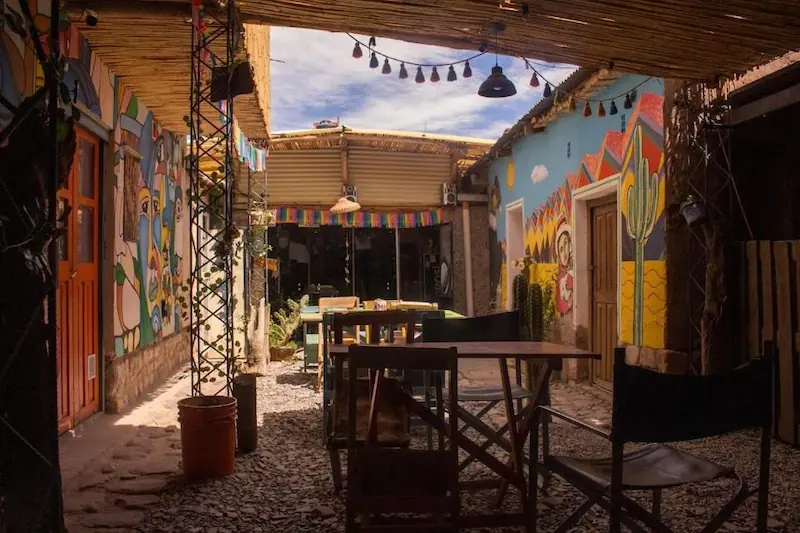
It has a great location, a social atmosphere, ideal for meeting other travelers, and a full breakfast that's a big plus.
In addition, the common areas encourage you to stay a little longer, share experiences and organize excursions, something that is always appreciated if you are traveling alone.
Final thoughts
Humahuaca, as a town, didn't appeal to me much. Compared to other places in the Quebrada, it felt a bit run-down, neglected, and with a less welcoming atmosphere. It wasn't a place where I felt like staying for long or making it my base.
Even so, I think it's worth a visit. Exploring the historic center, seeing the murals, the Cabildo, and the Monument to the Heroes (which is impressive), and just walking around its streets for a while is enough to get a clear idea of the place in half a day.
What truly justifies a visit to Humahuaca is Hornocal. The Hill of 14 Colors is, without exaggeration, one of the most beautiful landscapes in Argentina. That visit alone makes Humahuaca worthwhile.
Frequently Asked Questions about Humahuaca
How much time should you spend in Humahuaca?
Half a day is enough to explore the historic center and surrounding area. And if you plan to visit Hornocal, add another 3 or 4 hours.
Is it possible to visit Hornocal if I don't have a car?
Yes. Tours depart from Humahuaca in 4x4 vehicles that include transportation to the Hornocal viewpoint and time to enjoy the scenery. It's the most common option if you're not traveling with your own vehicle.
Can I get to Hornocal by public transport?
No, there is no public transportation to Hornocal. However, to reduce the cost of the trip, you can find some private companies, such as Iruya Transporte, which offer round-trip services during peak season, provided there are enough passengers. This is usually the most economical option for reaching the Hill of 14 Colors.
What is the best time to visit Hornocal?
Around midday is a great time to see Hornocal. The sun shines directly on the mountain, highlighting its colors. It's best to avoid the morning or cloudy days, as the mountain, however impressive, won't be at its best.
At what altitude is Humahuaca located?
Humahuaca is about 3,000 meters above sea level, so it's normal to feel some tiredness when walking or shortness of breath, especially on the first day.
Is it possible to continue your journey to Bolivia from Humahuaca?
Yes. Humahuaca is often a stop along the way for those continuing on to La Quiaca and the border crossing into Bolivia. It's a route frequently used by travelers exploring northern Argentina.
Support The Prism of Fer!
Your support helps me continue creating free content on the blog. Thank you so much!