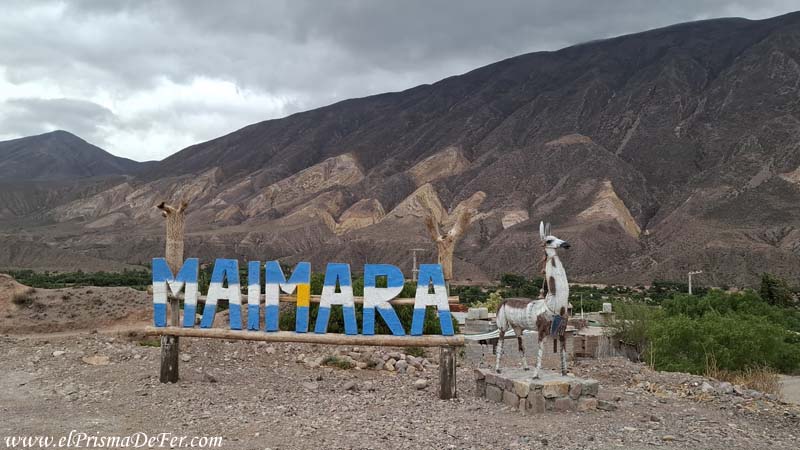
Maimará was a pleasant surprise. Located in the Quebrada de Humahuaca, in the province of Jujuy, it is a very quiet town without the tourist activity of other more popular destinations like Purmamarca or Tilcara.
In 2025, it gained greater notoriety after being recognized as one of the most beautiful rural villages in the world, according to UN Tourism. And although I'm not a big fan of these rankings, the truth is that Maimará has its charm.
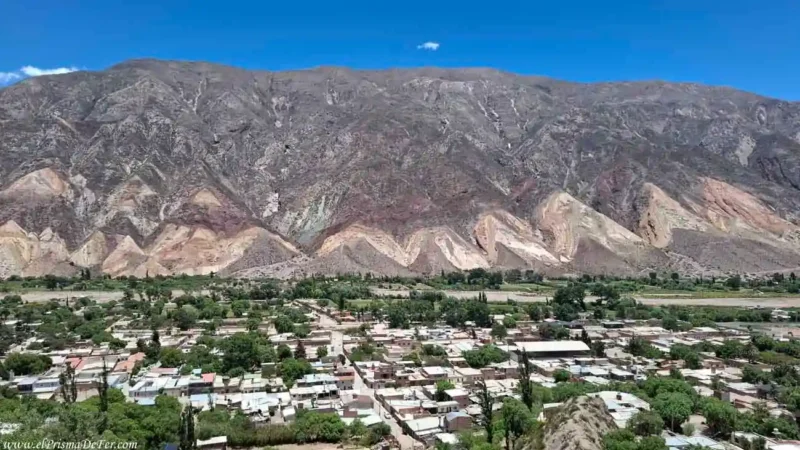
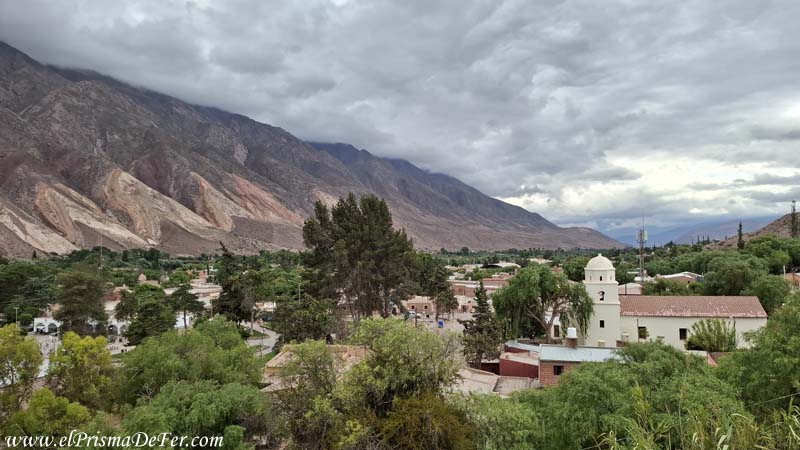
The multicolored hills that surround it, especially the famous Painter's Palette, the adobe houses distributed throughout the town and the quiet pace of life create a special atmosphere.
In this post I'll tell you about my visit to Maimará, what you can do in the town and why, beyond the titles, it remains one of the most outstanding places to visit in the Quebrada de Humahuaca.

This post may contains affiliate links. If you purchase through these links, I may earn a commission at no extra cost to you. Thank you for your support!
Table of Contents
Where is Maimará located?
Maimará is located in northern Argentina, within the Quebrada de Humahuaca, in the province of Jujuy, a region declared a World Heritage Site by UNESCO.
The town is located on National Route 9, making it a common stop for those traveling through the gorge from south to north.
It is located about 70 km from San Salvador de Jujuy, between Tilcara (only 6 km away) and Purmamarca (about 20 km away), two of the most visited destinations in the area.


Recognition as one of the most beautiful towns of 2025
The recognition received by Maimará comes from the UN Tourism Initiative, through its Best Tourism Villages program, which seeks to highlight rural villages around the world that preserve their identity, traditions and natural environment, promoting more sustainable and authentic tourism.
To choose the winners, various criteria are taken into account, such as the conservation of cultural and natural heritage, the lifestyle of the local community, care for the environment, hospitality, and the way in which tourism is integrated without altering the essence of the place.
In Argentina, Maimará was not the only town honored. Carlos Pellegrini, in the province of Corrientes, also received this recognition. This town is known for its connection to nature and for being one of the gateways to the Iberá Wetlands.
What to see in Maimará, one of the most beautiful rural towns in the world
Maimará is a town to explore at a leisurely pace, where the attractions lie not so much in a list of must-sees, but in the harmonious blend of landscape and daily life. Even so, there are some spots worth discovering.
The Painter's Palette
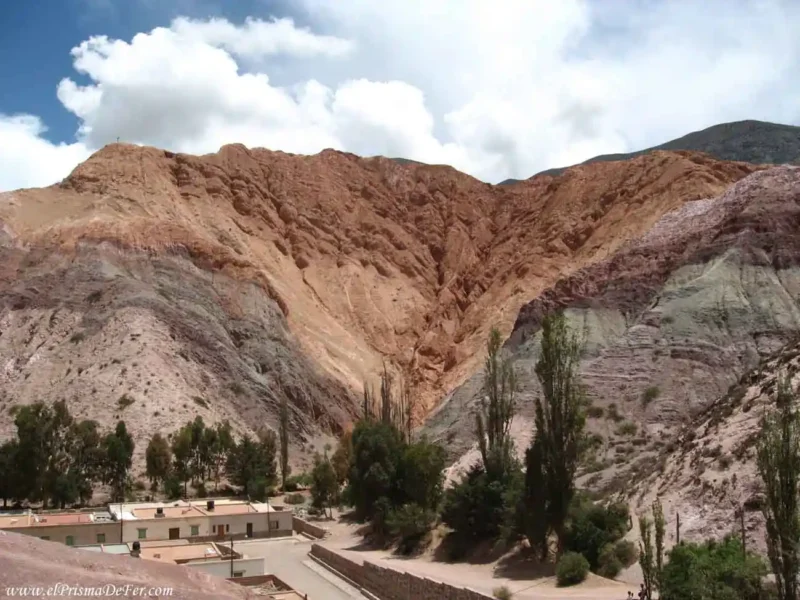
The Painter's Palette is, without a doubt, the iconic image of Maimará. As soon as you arrive in the town, the multicolored hills begin to catch your eye with their ochre, reddish, yellow, and violet tones, which change according to the light of the day.
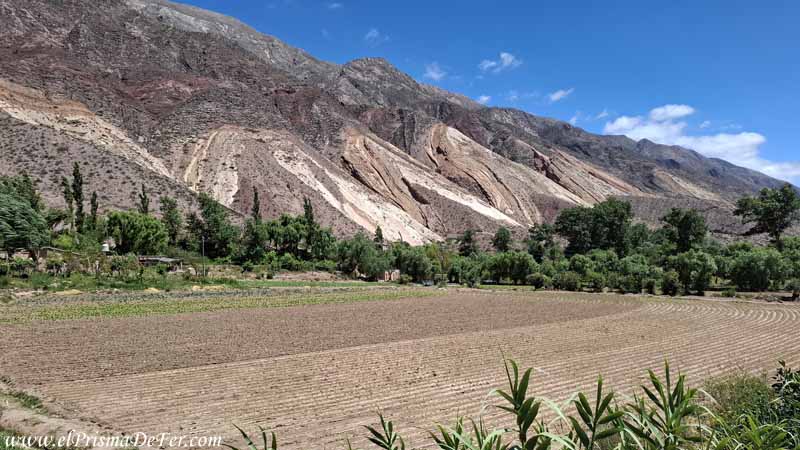
No matter what point you're from, there's always some angle from which the Paleta stands out and dominates the landscape, like a natural backdrop framing the entire valley.
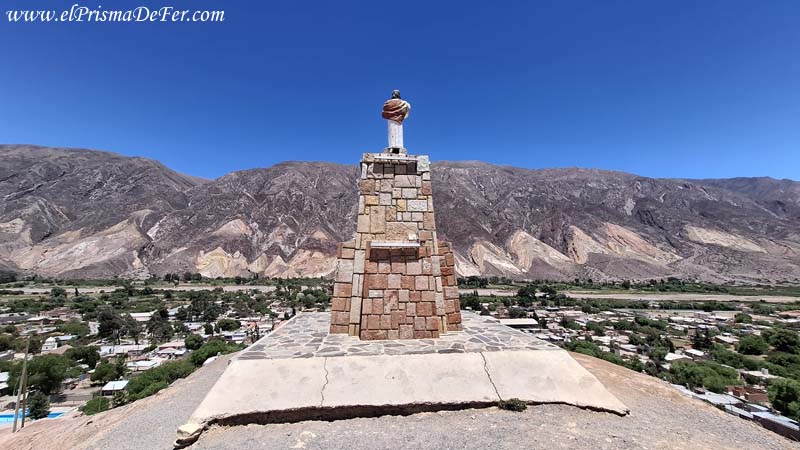
One of the best places to appreciate it is the Monolith Viewpoint. From there you get panoramic views of the entire town, with Maimará at your feet and the Painter's Palette right in front, unfolding in all its vastness.
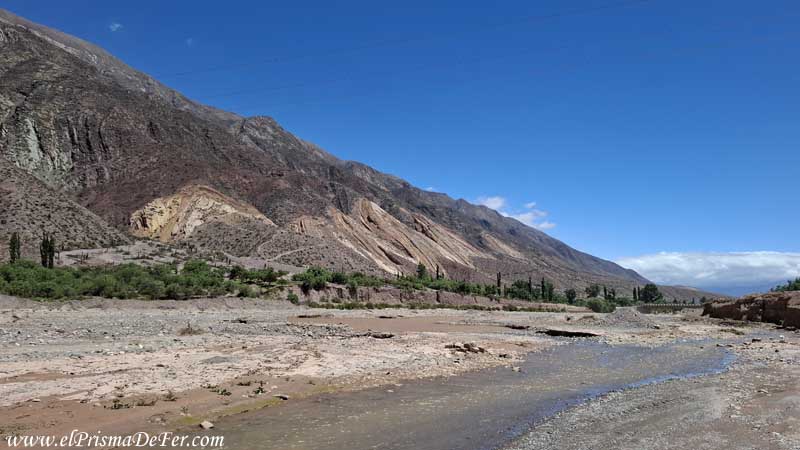
Another interesting option is to head to the river area, from where the Paleta can be seen head-on and at a closer distance. The contrast of the colors is perceived in greater detail, although it's a shame the area isn't better maintained.
Currently, the place resembles an old garbage dump; there are no benches or spaces designed for sitting and enjoying the view. But the potential is enormous, and surely over time it will be beautified and transformed into a more pleasant meeting place.
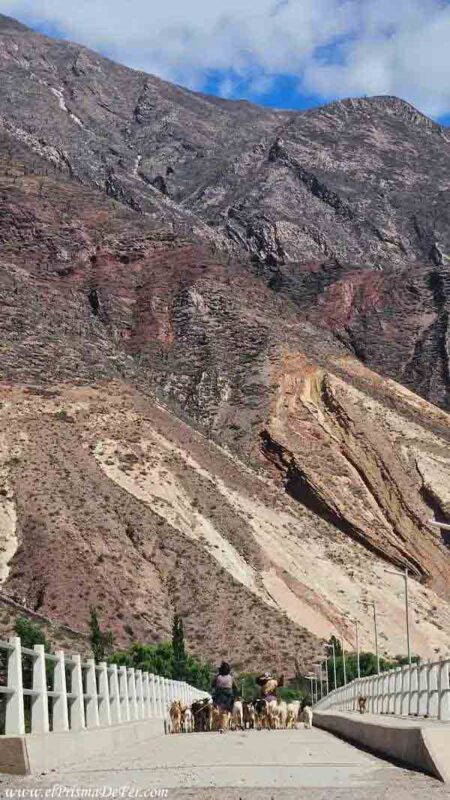
There's also a great view from the bridge that crosses to the other side of town. A good spot for a photo or simply to stop for a few minutes and let the scenery do its work.
The town center and the central square
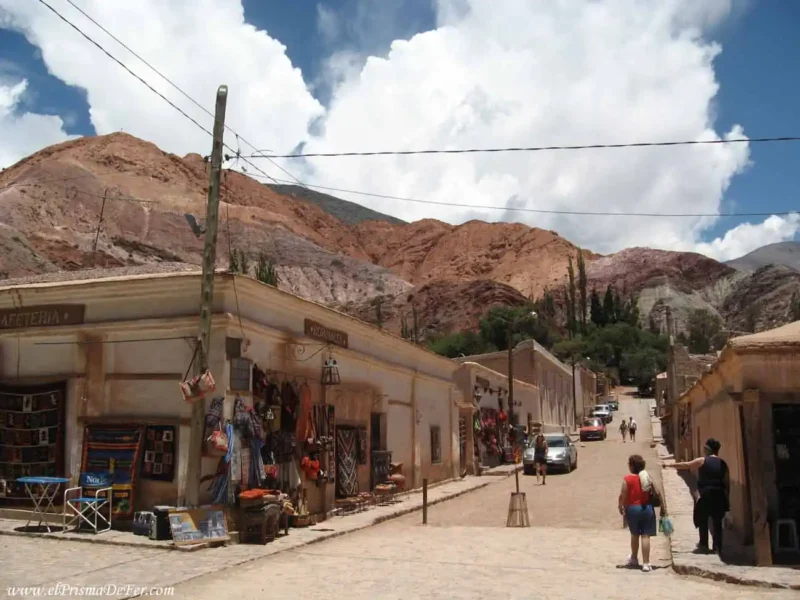
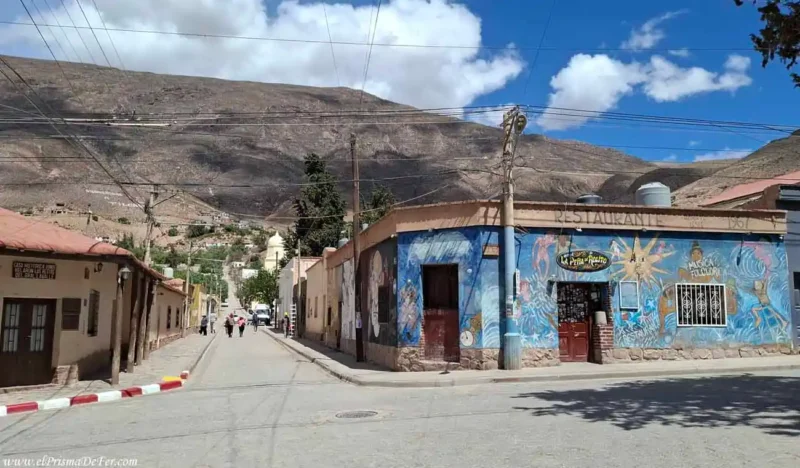
The town center of Maimará is small, simple, but lovely to explore on foot. The streets are quiet, the houses are made of adobe, there are a few street vendors, and the surrounding hills are always visible from every corner.
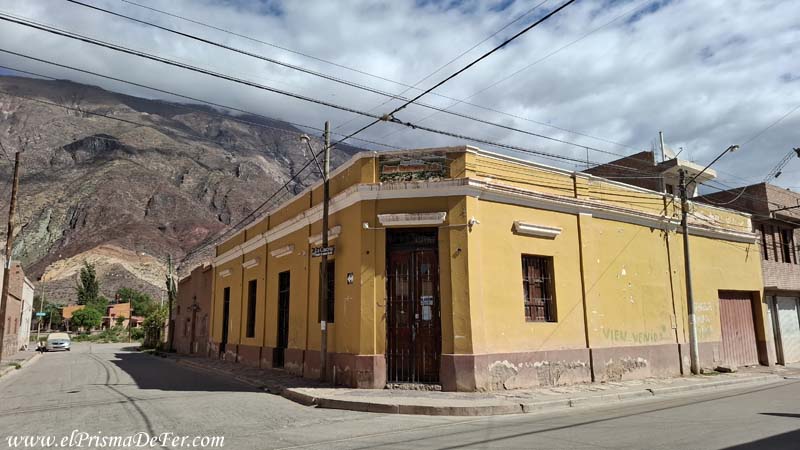
There are no big attractions, you just have to let yourself go.
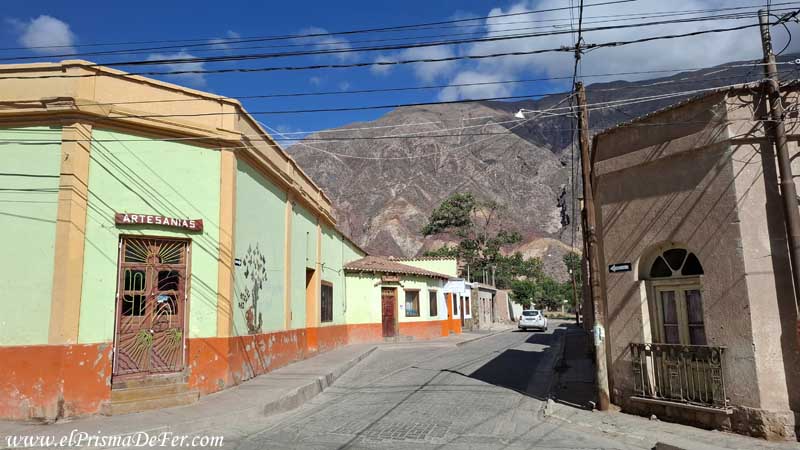
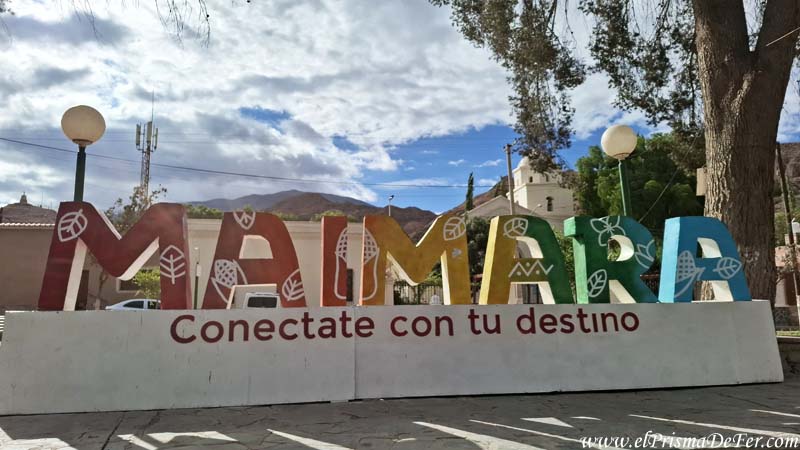
At the center of it all is the main square, the social heart of the town. It's a well-maintained green space with benches where you can sit and relax, drink mate, or simply watch local life unfold.
Neighbors chatting, children playing, and tourists taking a break before continuing on their way make the square a constant meeting point.
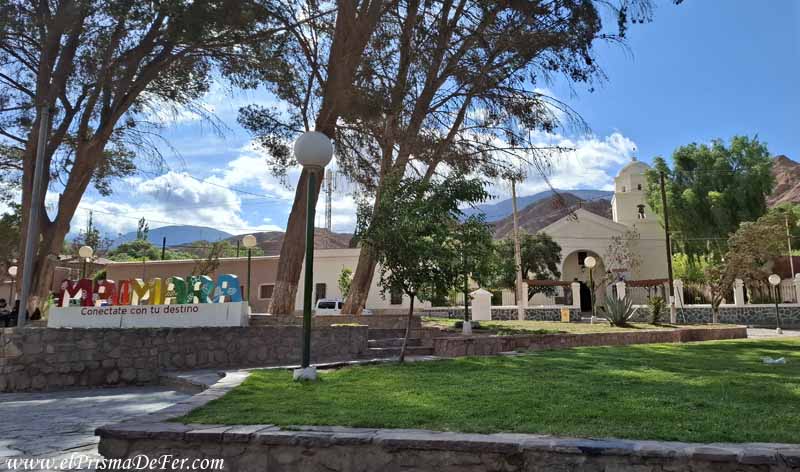
Around the square are concentrated some small shops, stalls selling regional products and simple buildings that give shape to the center of Maimará.
Fields of flowers
Maimará is known for its fields of flowers, especially carnations, which during certain times of the year color the surroundings with intense colors.
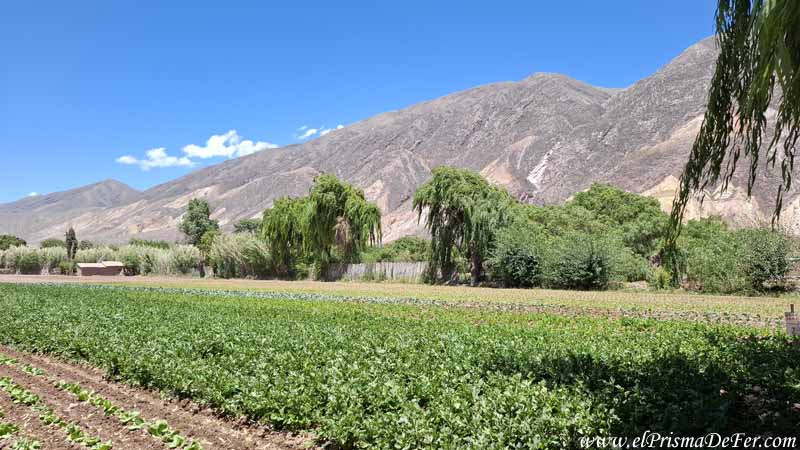
When I went (December) it wasn't the flowering season, but walking through the rural area and coming across these crops, framed by the multicolored hills, is a different and very photogenic sight.
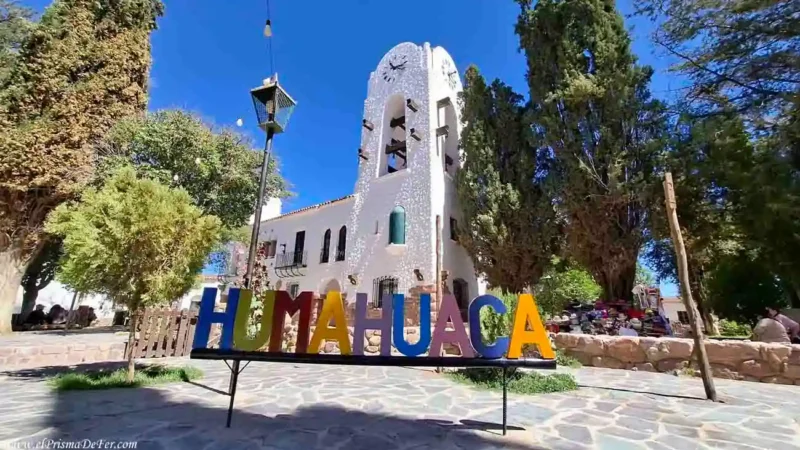
The Maimará Cemetery
The Maimará cemetery is not a solemn or dull place; it is picturesque and very colorful, with decorated tombs, flowers, pennants, and details that reflect the way in the Quebrada region the relationship with death and memory is experienced.
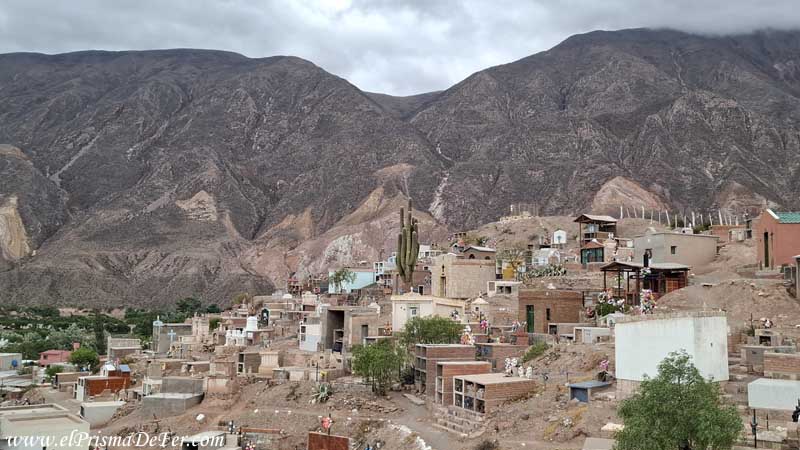
One striking feature is the enormous cactus growing among the graves, almost becoming a symbol of the place. The image of the cactus rising in the middle of the cemetery, with the multicolored hills in the background, is very representative of the Jujuy landscape.
El Monolito viewpoint
As I mentioned before, the Monolith Viewpoint is one of the preferred spots to admire the Painter's Palette and have a panoramic view of the entire town of Maimará.
From above, the multicolored hills unfold in front and allow you to clearly appreciate the different layers and tones that make this area of the Quebrada so characteristic.
There are two ways to get there. The easiest option is from the route (see location), following a well-marked path that takes you to the viewpoint in just a few minutes.
The other alternative is to go up from the other side, from the town (see on the map), along a more rustic and less signposted path, but more practical if you are already walking through Maimará and want to go directly up without going through the road.
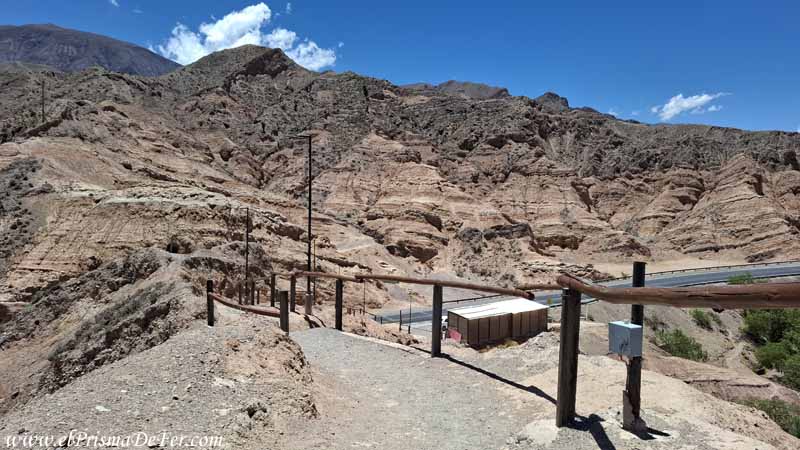
Once at the top, the viewpoint offers panoramic views of the town center, the crops and the surrounding hills, making it an excellent place to take photos, sit for a while and discover why Maimará has one of the most beautiful views in the Quebrada de Humahuaca.
Virgin's Viewpoint
Another interesting spot to get a different perspective of Maimará is the Mirador de la Virgen, located on the other side of the river, right on the slope of the Paleta del Pintor (see on the map). From here, the view changes; you're on the hillside instead of having the hills directly in front of you, and the town unfolds on the other side of the river.
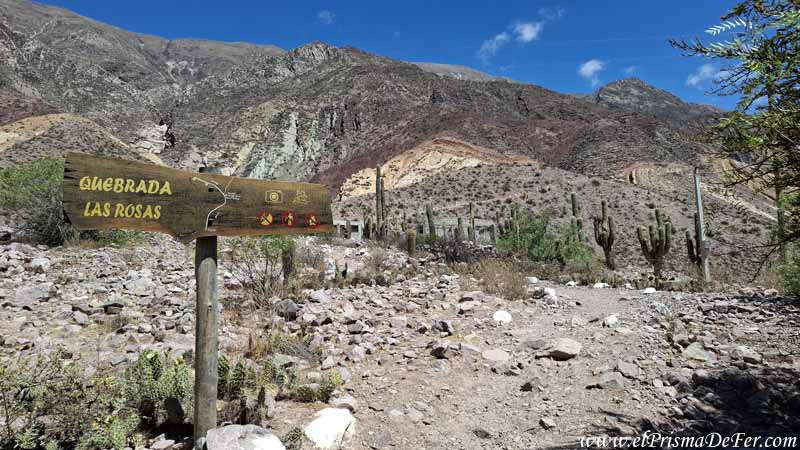
I think the Monolith is prettier, because the Painter's Palette is more appreciated from the front than from standing on it, but if you have the time and want to walk a little more, it's not a bad idea to include it in your day.
Bodegas
Another of Maimará's lesser-known attractions are its high-altitude wineries.
Thanks to the dry climate and temperature range, small wine-producing businesses have developed in the surrounding area, many of them offering guided tours and tastings, such as the Winery and Vineyards Jesús Vilte, which is located very close to the main square.
Natural Bridge
The Natural Bridge is a recommended walk for those who have a little more time and want to get away from the urban area.
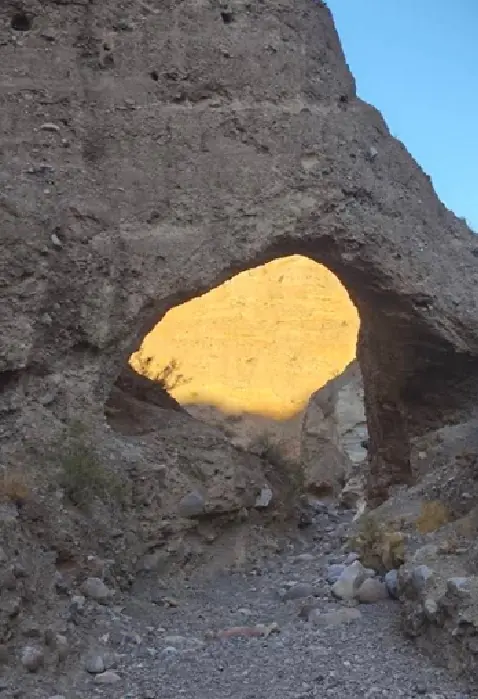
The trail leads to a rock formation created by erosion, which over time has carved a kind of bridge or large natural window in the mountain (see the start of the trail on the map).
It's not a difficult hike and you can walk from the village, but it's worth knowing that it's not very close, so it can take a couple of hours to go and come back.
Activities organized by the Quebrada de Humahuaca
How to get to Maimará
Public transport
By public transport, there are frequent buses that connect San Salvador de Jujuy with Tilcara, Humahuaca and other towns in the Quebrada. Many of these services stop in Maimará or allow passengers to get off along the highway, from where the town is easily accessible on foot or by taxi.
By car
By car is the most convenient option if you're exploring the area on your own. From San Salvador de Jujuy, the road is completely paved and well-marked. The journey takes about 1 hour and a half, passing through landscapes that already hint at the multicolored hills characteristic of the region.
On the solar train
Maimará is part of the route of the Quebrada Solar Train, which usually stops in the town for about an hour. That time is enough for a quick walk through the town center, to visit the main square and get a first impression of the place.

The station is very close to the central square, making it easy to take advantage of the stop without the need for long transfers.
However, from my point of view, one hour is far too short if the idea is to get out of the center a bit, go to a viewpoint or walk calmly towards areas like the river or the surroundings of the town.
For me, Maimará is much more enjoyable if you stay for a few hours, to explore other corners besides the main square and the center without rushing.
Where to stay in Maimará
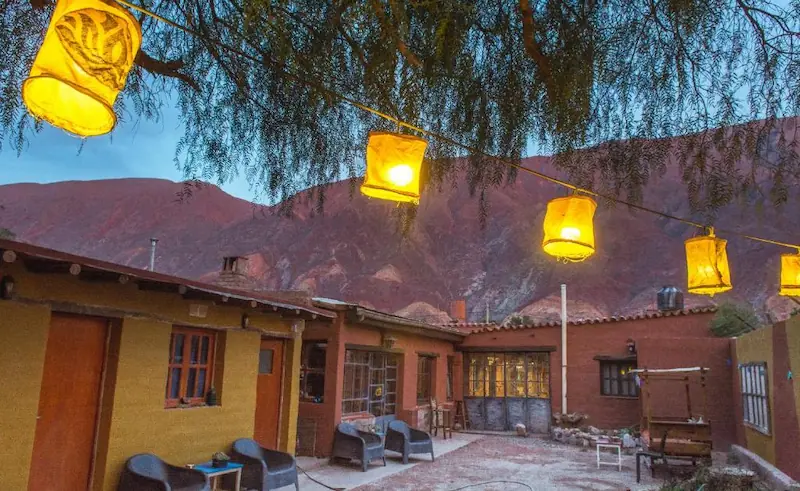
Being a small town, any location in Maimará is good for sleeping. Everything is relatively close, and getting around on foot is no problem, whether you want to reach the main square, take a stroll through the town center, or explore one of the surrounding trails.
For those traveling on a tight budget or backpacking, a recommended option is Casa Los Molles Hostel.
It features shared and private rooms, pleasant common areas and a relaxed atmosphere, ideal for meeting other travelers and taking the town at a leisurely pace.
Final thoughts on Maimará
I liked Maimará. I don't know if it's one of the best rural towns in the world, but it has its charm.
What stands out most is the Painter's Palette. No matter what angle you look from, it always appears dominating the landscape, whether from the town, from the viewpoints, or walking around; that wall of multicolored hills is a presence that captivates you.

Personally, I recommend dedicating at least a day to Maimará. It's not essential to spend the night in the town to enjoy it, but it's definitely worth including it in your tour of the Quebrada de Humahuaca and taking the time to explore it at a leisurely pace.
Frequently Asked Questions about Maimará
How much time should I dedicate to Maimará?
A full day is enough to explore the town and see the main sights; there's no need to sleep there, as you can base yourself in other larger towns that are relatively close.
Is it worth staying overnight in Maimará or is it better to stay in Tilcara?
It depends on your plans. Maimará is quieter and more authentic, ideal if you're looking for peace and quiet and less tourism. Tilcara has more activity, restaurants, and nightlife. If you prioritize peace and quiet and beautiful scenery, Maimará is a great base.
Is it possible to explore Maimará on foot?
Yes. The town center is small and everything is walkable. You'll need a little more time for the viewpoints and longer walks, but you don't need transportation if you enjoy walking.
What is the best time of day to visit the Painter's Palette?
Sunrise and sunset are the best times, when the colors intensify and the light highlights the ochre and reddish tones of the hills. It's also visible at midday, but the light is harsher.
Is it possible to visit Maimará using the Solar Train?
Yes, the Solar Train stops in Maimará for about an hour. That's enough for a quick walk around the center, but it's not enough if you want to go up to viewpoints or venture a little further from the town.
Are there restaurants and places to eat?
There are a few local restaurants and eateries, serving regional dishes and simple menus. The selection isn't as extensive as in Tilcara, but it's sufficient for a short stay.
Is it a good destination to combine with other towns in the gorge?
Absolutely. Due to its location, Maimará is very well connected to Tilcara, Purmamarca, Uquía and Humahuaca, making it an ideal stop within a broader tour of the Quebrada de Humahuaca.
Support The Prism of Fer!
Your support helps me continue creating free content on the blog. Thank you so much!