Tilcara was the place I chose as a base to explore the Quebrada de Humahuaca, and it ended up being a very good decision for several reasons.
Besides its strategic location, Tilcara has several things to do in the town itself, good places to eat, accommodation options for different budgets and a constant buzz, especially in the afternoon.
In this post I'll tell you what to see and do in Tilcara, why it works so well as a base for exploring the Quebrada, where to stay, and some practical tips to make the most of your stay.

This post may contains affiliate links. If you purchase through these links, I may earn a commission at no extra cost to you. Thank you for your support!
Table of Contents
Where is Tilcara located?
Tilcara is located in the heart of the Quebrada de Humahuaca, in the province of Jujuy, in northern Argentina.
It is located on National Route 9, about 85 km north of San Salvador de Jujuy, in a very good position for exploring the region.
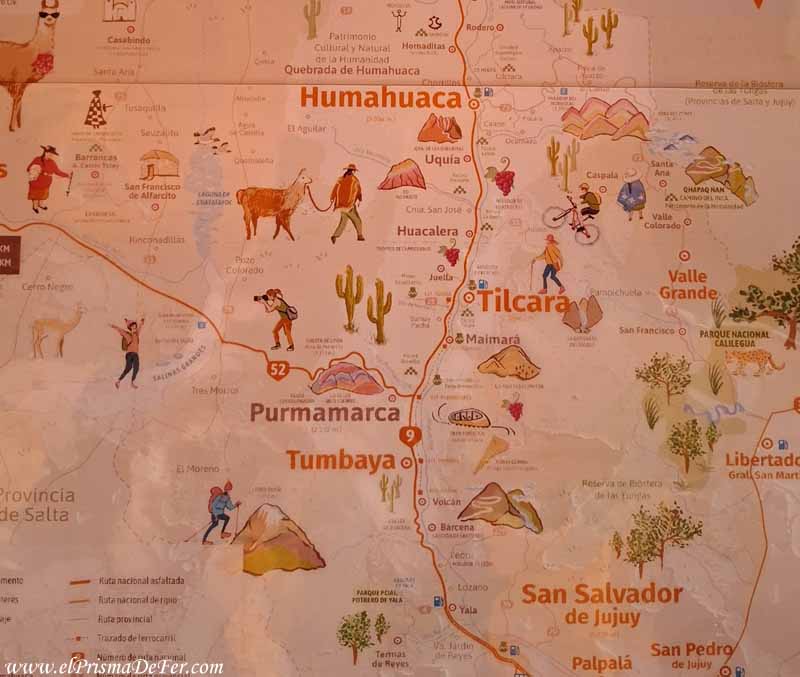
From Tilcara, Purmamarca is only 25 km south, while Humahuaca is about 45 km north, making it possible to visit both towns in the same day without long journeys.
It is also close to Maimará (about 10 km away) and serves as a good starting point for longer excursions, such as Hornocal, Uquía, Iruya or even La Quiaca.
Thanks to its central location and constant public transport connections, Tilcara is one of the most convenient locations to use as a base for several days in the Quebrada.

How to get to Tilcara
Tilcara is very well connected within the province of Jujuy, making it easy to get there whether you travel by public transport or your own vehicle.

The most common way is to first arrive in San Salvador de Jujuy and from there continue to Tilcara. From the new bus terminal (see on map) buses leave very frequently throughout the day along National Route 9, with intermediate stops in towns of the ravine. The journey takes approximately 1 hour and a half, depending on the service and stops.
Another commonly used option is the shared vans or taxis, which usually leave from the old terminal (see location on the map) of San Salvador. They are a bit faster than the bus and are convenient if you want a direct transfer without too much waiting and without having to go to the new terminal, which is a bit further from the city center.
If you are traveling by car, Tilcara is located about 85 km from San Salvador de Jujuy, along a fully paved and well-maintained road. The route is scenic and without major difficulties, although it's advisable to drive with caution due to local traffic and loose animals, especially at night.
Map with the main attractions of Tilcara
Things to do in Tilcara
Explore the town
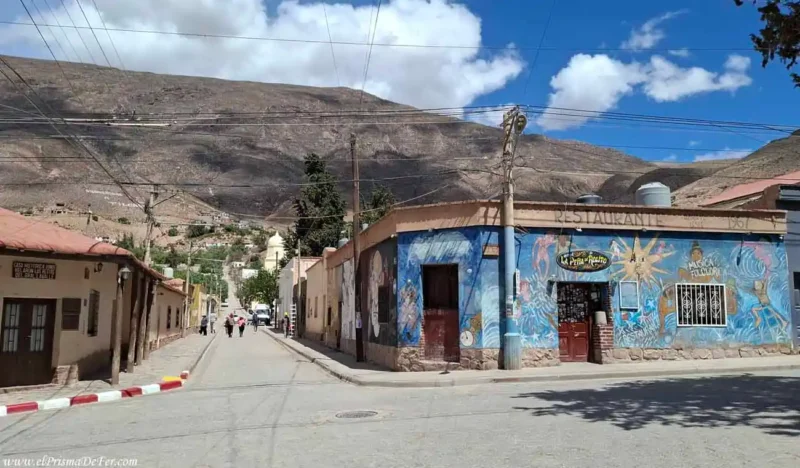
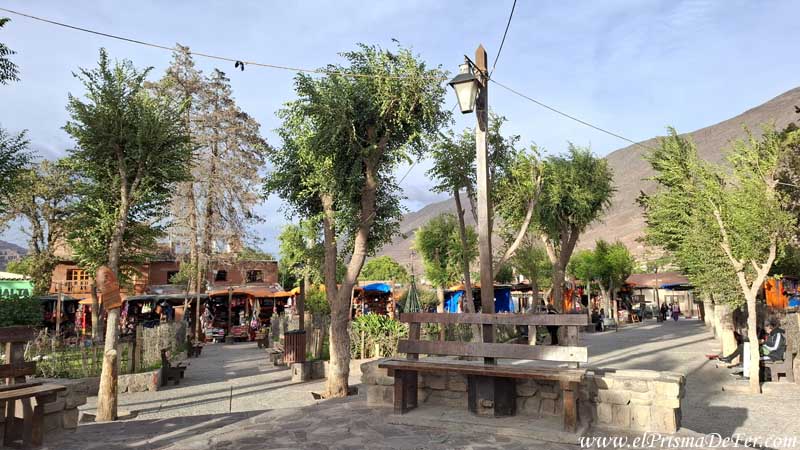
Tilcara is a picturesque town and more lively compared to others in the area, ideal for a leisurely stroll without a specific destination.
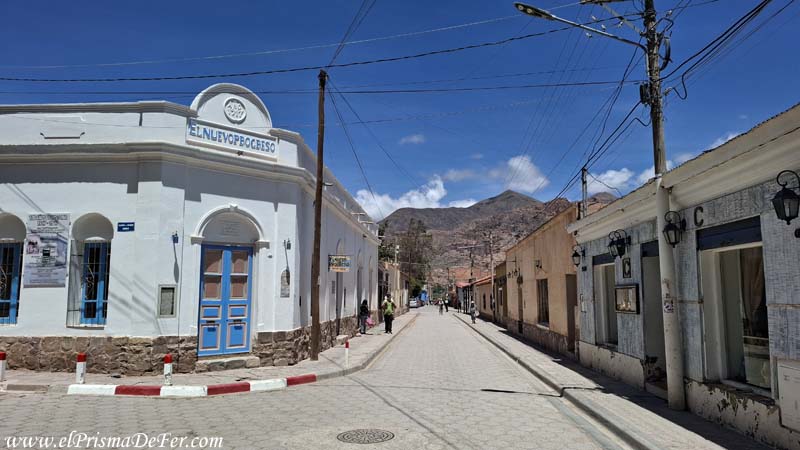
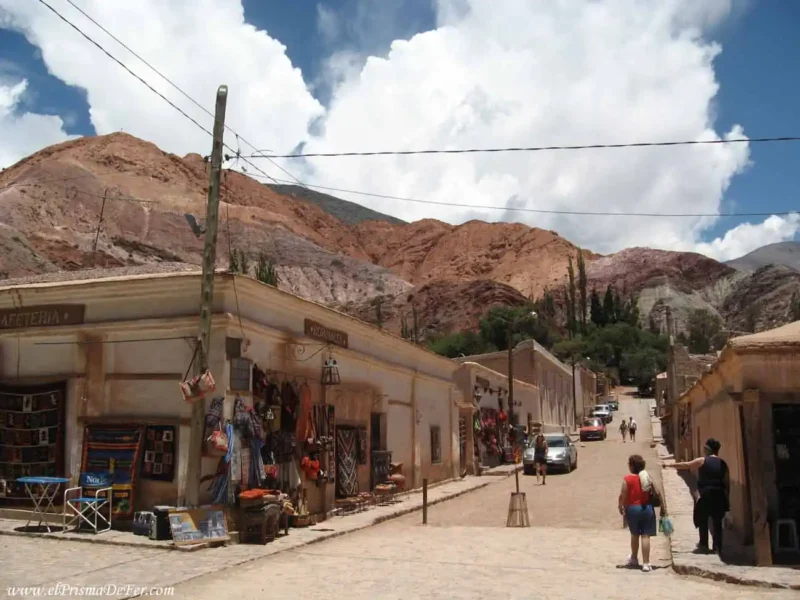
Its streets combine adobe houses, hills in the background, and a large number of craft shops, fairs, and small stores selling textiles, ceramics, and regional products.
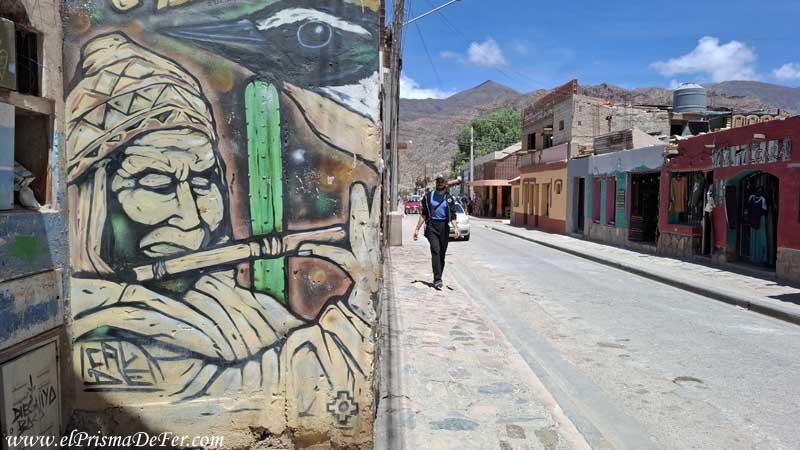
It's a good place to take your time, sit in a square, or simply observe the daily rhythm of the town.
Municipal Market
The Tilcara Municipal Market (see on the map) is a highly recommended visit. Here you'll find local food, from empanadas and tamales to regional products, as well as stalls selling clothing and other items at very affordable prices.
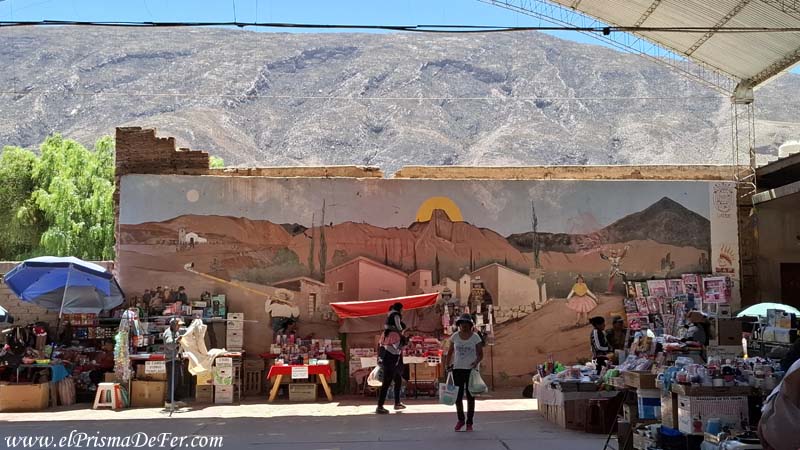
It's not a market selling tourist items set up for photos, but rather a space where local people meet, and where you can also eat well and cheaply.
They open from 7/8 in the morning and close around 2 pm.
Museums of Tilcara
Tilcara has a couple of small, free museums that help to better understand the history and culture of the Quebrada.
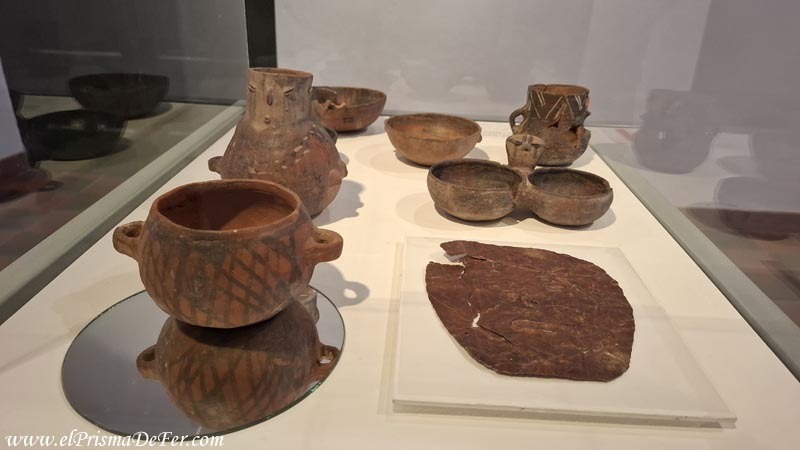
They are short but interesting visits, especially if you want to add archaeological and anthropological context to the tour without spending money.
Pucará de Tilcara
The Pucará de Tilcara is one of the most important archaeological sites in northern Argentina. It is an ancient pre-Hispanic fortress built by the native peoples who inhabited the region, mainly the Omaguacas, and which was later occupied by the Incas.
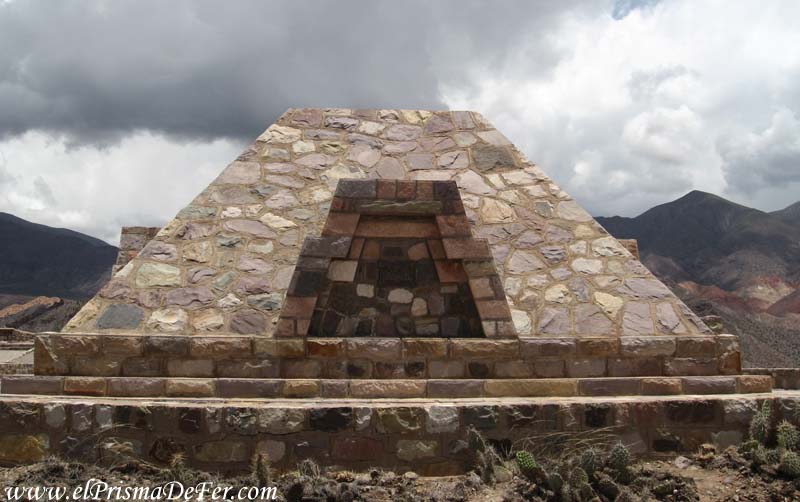
Its strategic location on a hill allowed it to control the valley and trade routes.
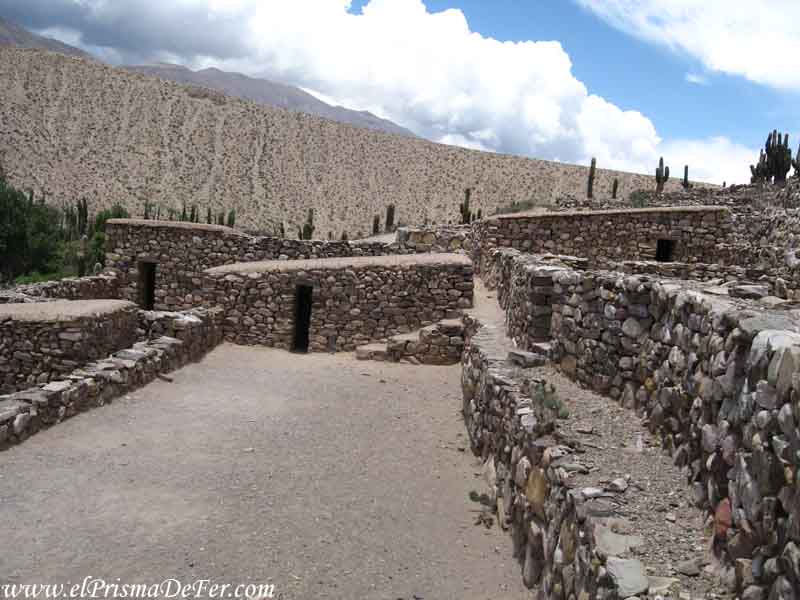
Today you can explore its trails, the remains of houses and viewpoints, overlooking the ravine, which helps to understand the historical and defensive importance of the place.
There is an entrance fee to enter the complex.
Devil's Throat
The Devil's Throat es una de las excursiones más populares desde Tilcara. Se puede llegar en auto, en taxi (se consiguen fácilmente en el pueblo) o haciendo senderismo, una caminata de unos 4 km aproximadamente desde Tilcara.
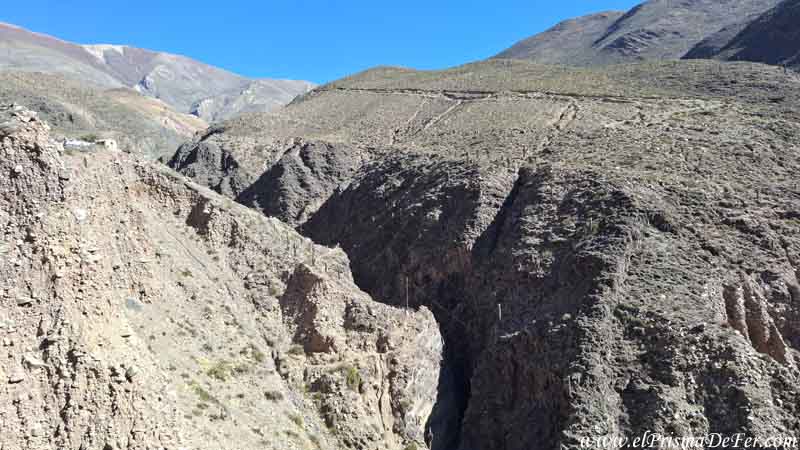
The path is a steady climb, but not particularly steep, and once you enter the gorge the trail descends.
After a short trek, you reach a waterfall, which may have a greater flow after the rainy season.
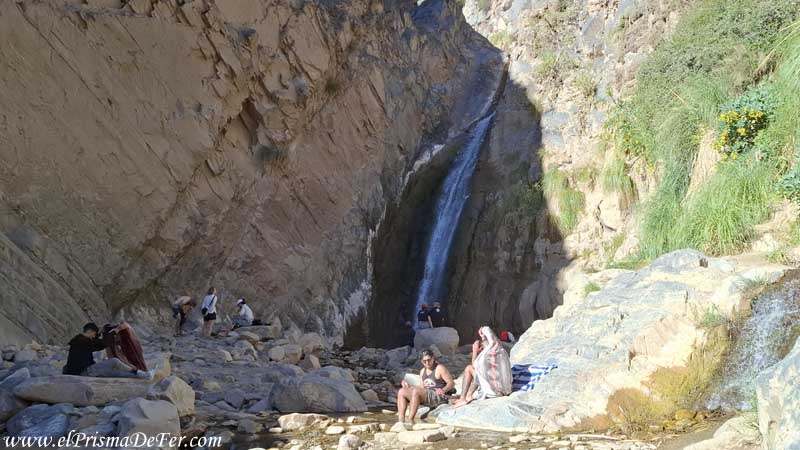
There is an entrance fee, quite inexpensive, to enter the Gorge and reach the waterfall.
Trekking to the Castles of Huichaira
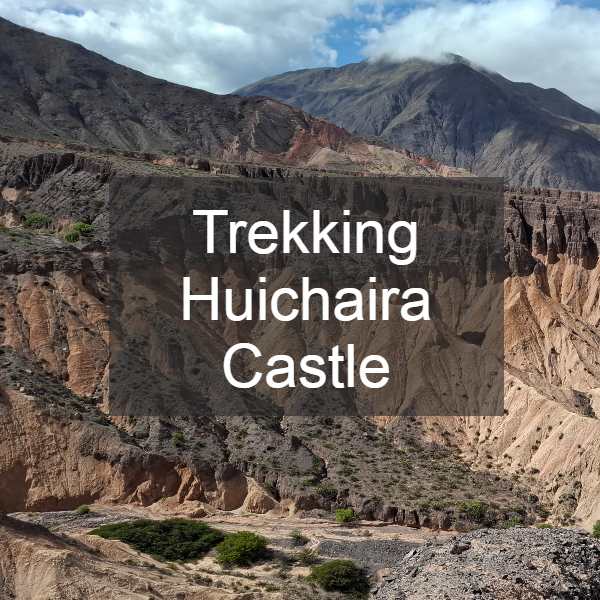
The trek to the Castles of Huichaira is one of the most beautiful and least crowded hikes in the Tilcara area.
Do you want to follow my route precisely?
Download the KML/KMZ file of the trail I hiked from Tilcara to the Huichaira Castles on my own, without a guide or tours, and open it in apps like Maps.me or Gaia GPS to have the complete route offline.
Click here to get the file and be able to reach the Huichaira Castles on your own through Gumroad by paying a symbolic contribution.
It can be done by walking directly from Tilcara, although it is also possible to shorten the journey by taking a car or taxi to the town of Sumaj Pacha, which is only 2 or 3 km away.

Coming from Tilcara, on the first street of the town Sumaj Pacha you have to turn right and walk until it ends, which will be about 400 meters.
Next, you must cross a small hill and from there, start walking along the side of a stream going into the valley, in the opposite direction to the route (depending on the time of year the stream may be completely dry).
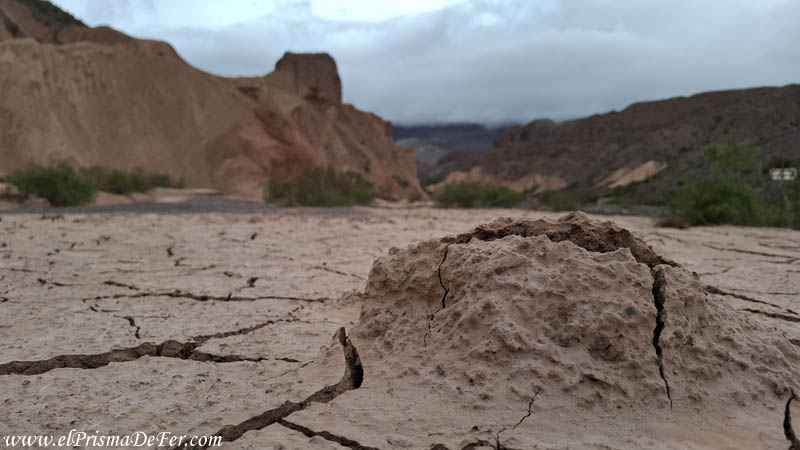
This section is the most confusing, as there is no clearly marked path, but after a while of walking some signs and arrows painted on the rocks begin to appear indicating the correct path.
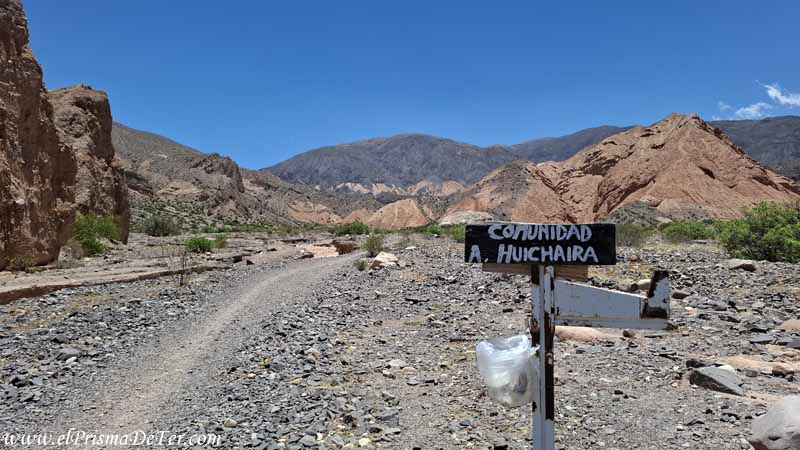
As you go further, you go deeper into the valley until you reach an area where rock formations appear that, with a little imagination, resemble the walls of a fortress, hence the name of the place.
Labyrinth and Caves Sector

The route continues through some caverns and then passes through a narrow labyrinth-like passage, enclosed between the rocks, which serves as the final climb towards one of the best viewpoints in the Quebrada de Humahuaca, at least in my opinion.

The views from the viewpoints are truly epic. There are several spots to get incredible panoramic views, but be careful not to get too close to the edge, as one mistake could be fatal, and be cautious when moving around, as it's often very windy and can make you lose your balance.
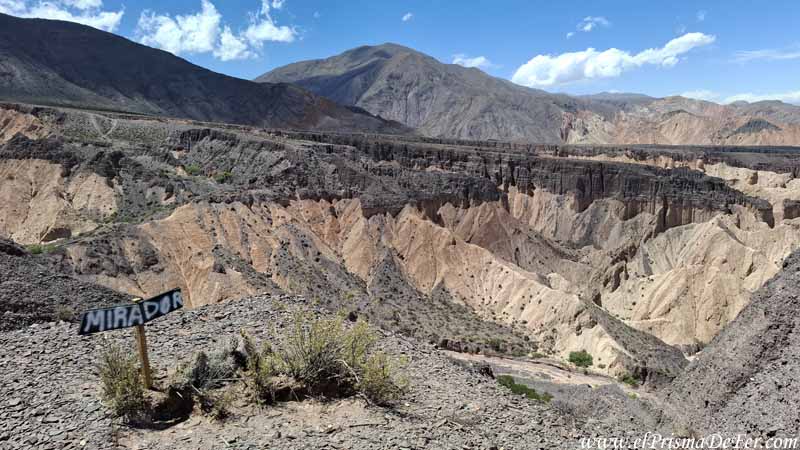
For now, it's a relatively untraveled trek and a guide isn't mandatory. You can use this guide or the file you can download which shows the entire trail.
In Tilcara, they recommend booking a tour to get to this place, but it's not cheap. If you have some hiking experience and a good sense of direction, you can do it on your own, taking your time and being careful.
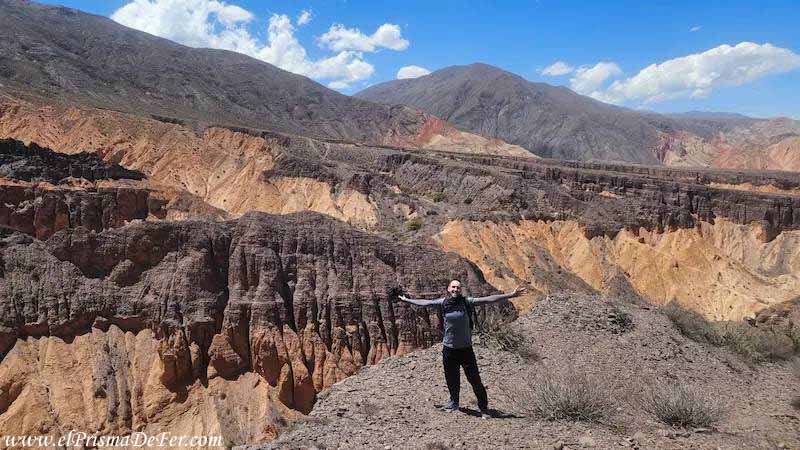
Cruz Viewpoint
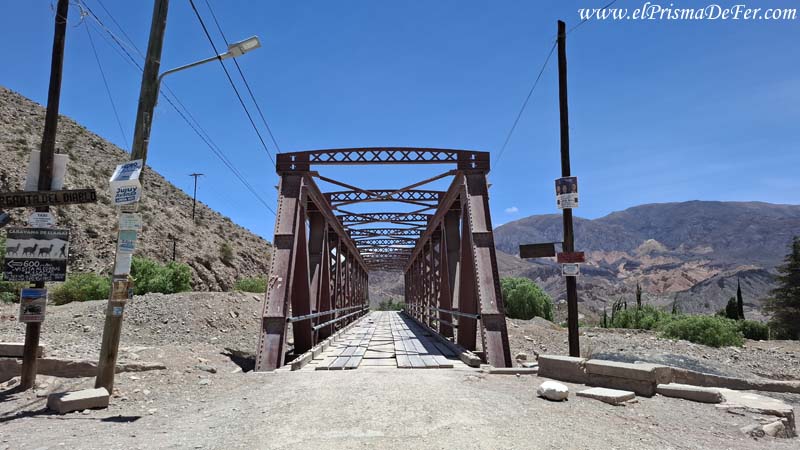
Very close to the town is the so-called Viewpoint of the Cruz, located on the same road that leads to the Pucará.
The trail starts just after crossing the old bridge that leads to the Pucará, and in a short time allows you to gain altitude without too much effort.
From the top you get good frontal views of the Pucará de Tilcara, the town and the road that leads to the Devil's Throat.
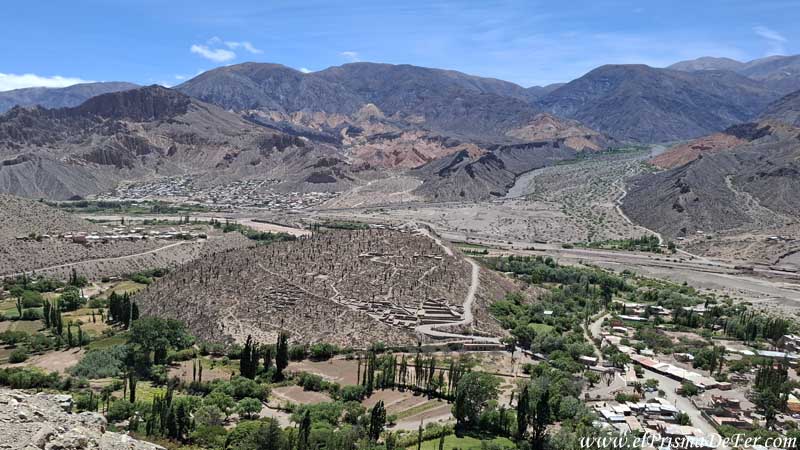
It's an ideal walk if you're short on time or want to add a viewpoint without a long hike. It can take you 45-60 minutes to reach the viewpoint from the center of Tilcara.
Coastal promenade and new bridge
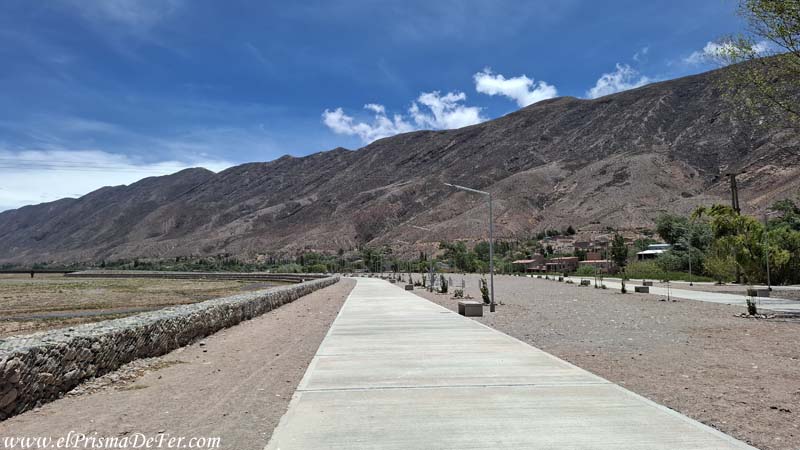
Another peaceful option is to walk along the new coastal promenade that borders the Rio Grande, until you reach the recently inaugurated bridge.
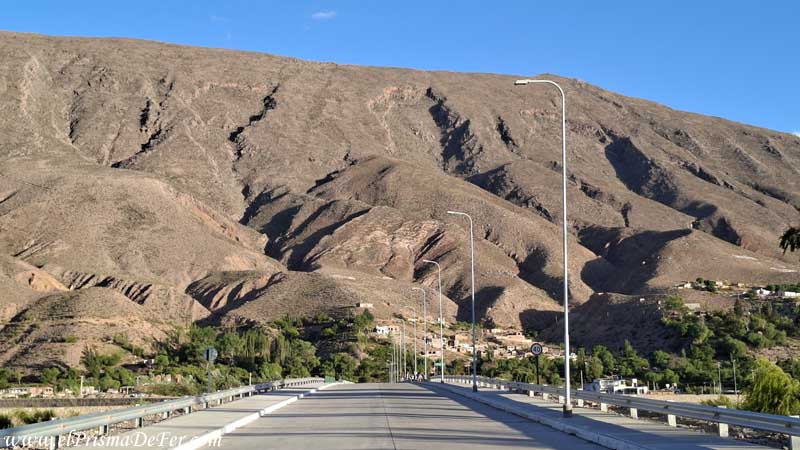
While the surroundings are quite arid, the trail offers views of the river and hills, and is a good place to drink mate, relax, or take a leisurely stroll. It's not a tourist attraction, but it's a nice addition as a simple plan for an afternoon.
Wayra Caves
Another interesting option near Tilcara are the Wayra Caves. They are relatively close to the town, but to visit them you need to do a prior trek of about 5 hours round trip, and always go with a guide, since the access is not signposted and the route crosses protected archaeological and natural areas.
Solar Train of the Quebrada
The Quebrada Solar Train is another different way to travel through the region and connects several towns in the Quebrada.
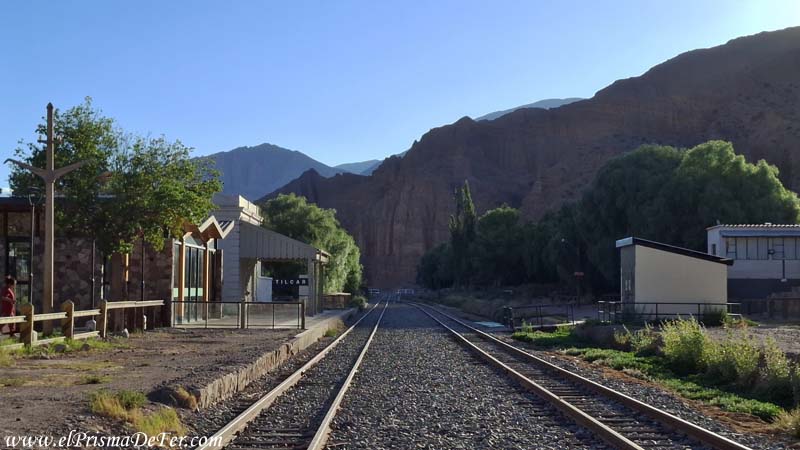
I'm not going to go into detail about how the train works, since I already covered that in the general post about the Humahuaca Gorge, but it's worth clarifying that for the moment access is from Volcán, and not directly from Tilcara.
It's a picturesque alternative, albeit with limitations, which should be evaluated depending on the type of trip you're taking.
What to see around Tilcara
Thanks to its central location in the Quebrada de Humahuaca, Tilcara is an excellent base for day trips to several nearby towns, without needing to change accommodation or spend many hours on the road.
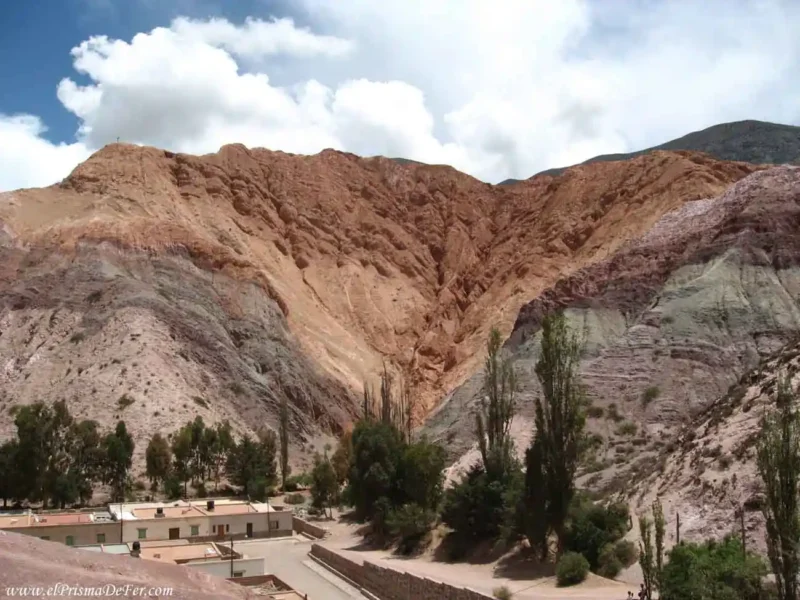
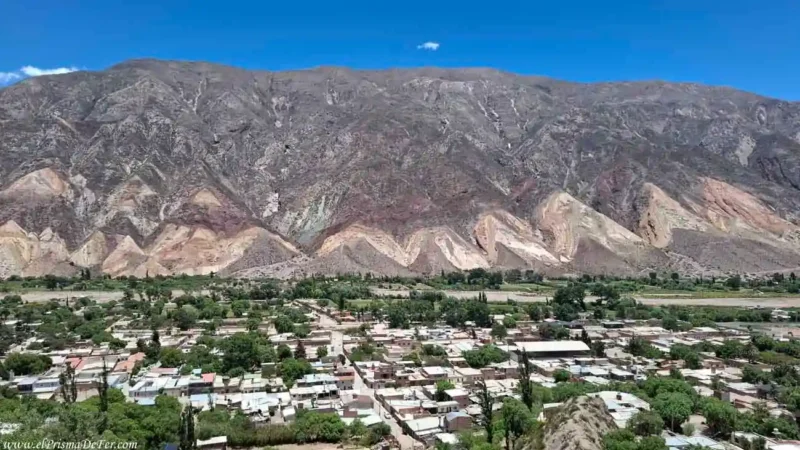
To the south, a very easy visit is Maimará, known for the Painter's Palette and for its quieter and less touristy profile. A little further on appears Purmamarca, one of the most famous towns in the ravine, with the Hill of Seven Colors as its main attraction and access to the Salinas Grandes.
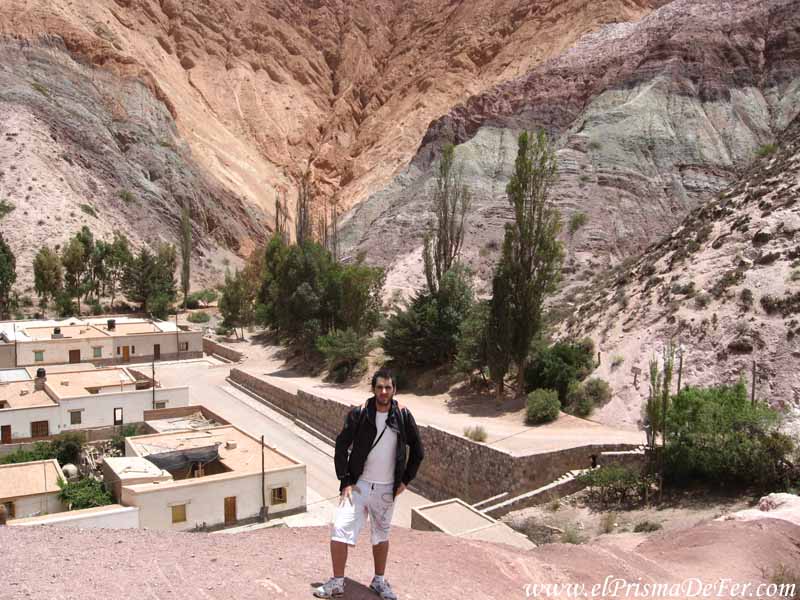
To the north, you can easily reach Uquía, a small but interesting town known for its church and historical paintings, and continue on to Humahuaca, the largest town in the area, from where excursions to Hornocal also depart.
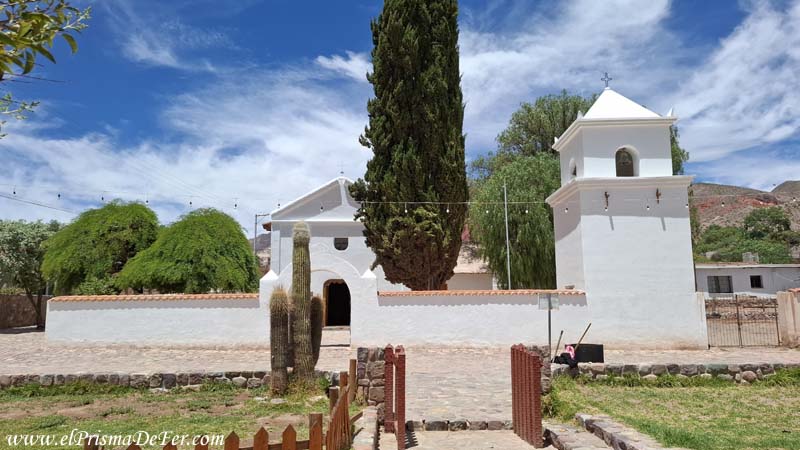
All these destinations can be visited in a day from Tilcara, either by bus, van or car.
How to get from Tilcara to the surrounding towns
Tilcara has a bus terminal (see on the map) from where frequent services depart to both sides of the ravine, both south and north.
This allows you to easily travel to nearby towns such as Purmamarca, Maimará, Uquía or Humahuaca without needing a car.
How to get to Hornocal from Tilcara
From Tilcara there are several options to visit Hornocal, and it is advisable to choose according to budget, availability and season.
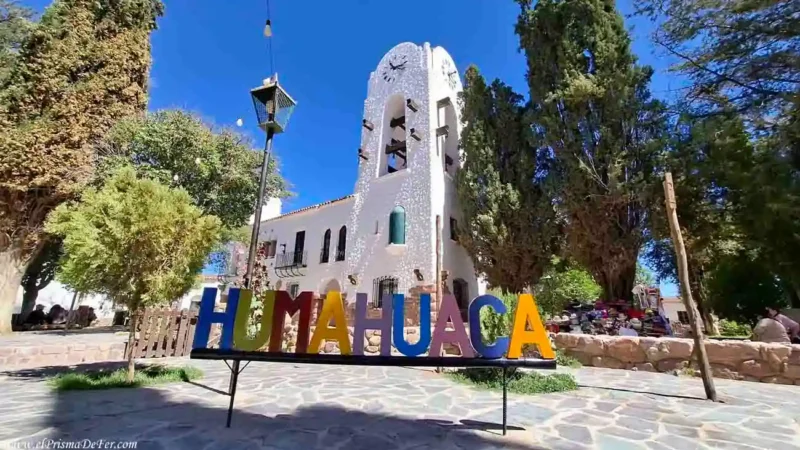
An alternative is the bus that leaves from Tilcara, which is usually cheaper than the excursions. However, this service only runs if there are at least six people, so it is often suspended outside of peak season.

Another option is to book an organized tour, either from Tilcara or Humahuaca, where there are more options. Many travelers choose to go to Humahuaca first and, at the bus terminal, book a tour with one of the agencies that travel to Hornocal.

In all cases, the best way to reduce costs is to share transport with other travelers, whether on a tour or in a private vehicle, since the access is long and at a high altitude.
Where to eat in Tilcara
Tilcara has a very good gastronomic offer, with many restaurants that offer local foods and regional dishes.
During the day you can have lunch at the Municipal Market, where you will find some stalls that offer food, such as milanesas, empanadas, pizzas, locros, all at an excellent price.
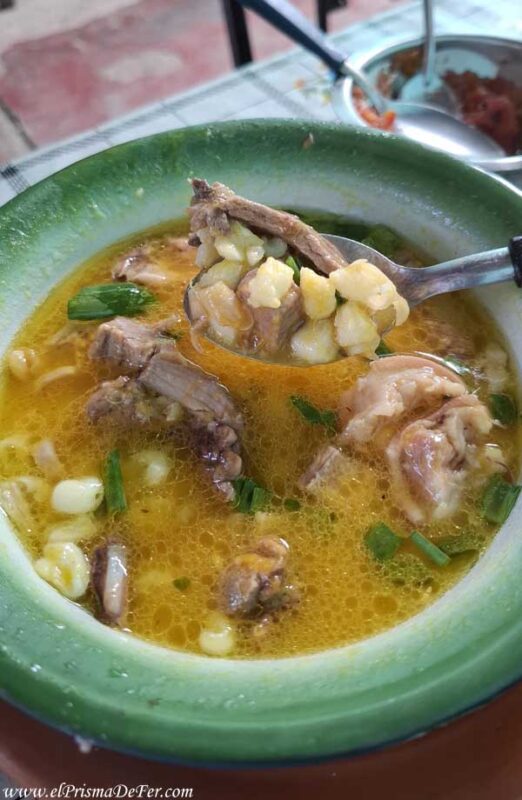
In other places, it's common to find the daily menu, which usually includes a starter, main course, and dessert at a fairly affordable price, ideal if you're staying for several days and want to eat well without overspending.
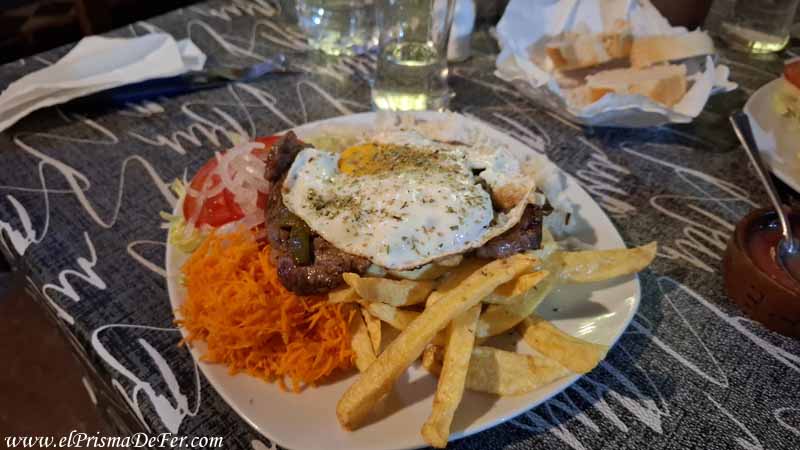
Besides restaurants, Tilcara is known for its peñas, traditional spaces where food, live folk music and dancing are combined.
They are not just shows for tourists; many function as local meeting points and have a very lively atmosphere, especially at night.
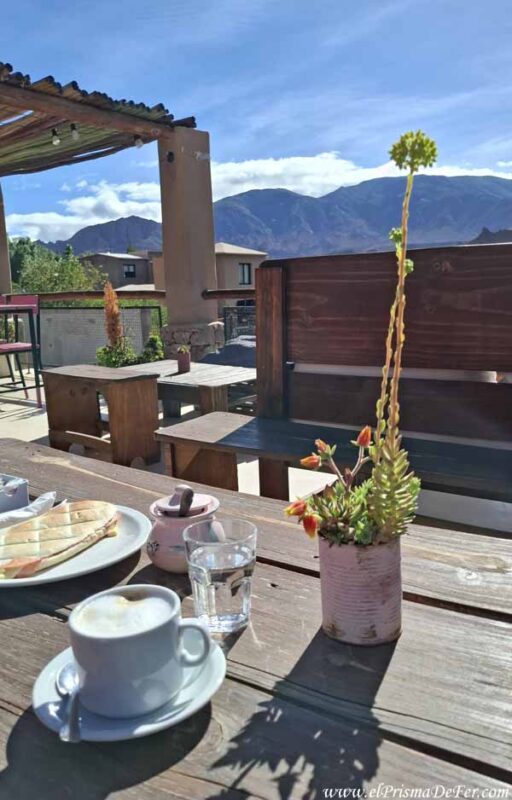
There are several peñas (traditional music venues) around the main square, making them easy to explore on foot. My favorite was Peña de Rolito (see on the map), both for the atmosphere and the music and overall experience.
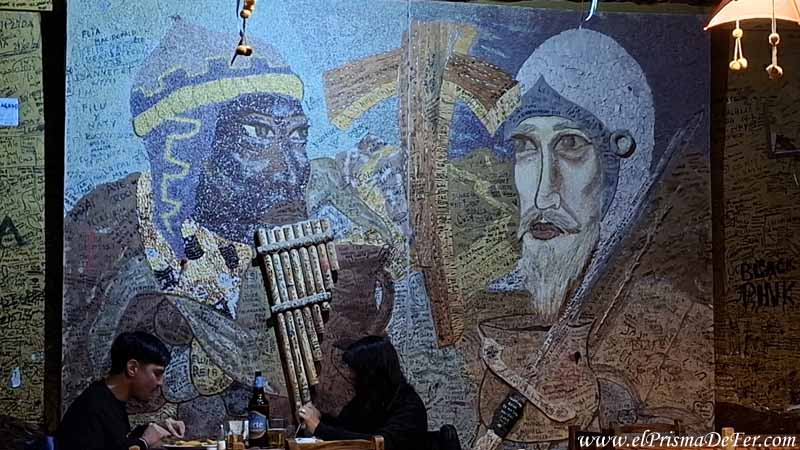
It's a great way to end the day, try typical dishes and experience a bit of the local culture in a relaxed and festive environment.
Other more economical options are the restaurants Yajua or El Restaurante Azul, which, being outside the tourist circuit, see few tourists, but the food is very plentiful and delicious.
Where to sleep in Tilcara
Tilcara is a relatively small town, so almost any location is convenient for accommodation.
Most accommodations are within walking distance of the town square, the market, the terminal, or the main points of interest, making it easy to get around without relying on transportation.
During my stay in Tilcara, I stayed in two different places. First, I spent a few days at Tilcara Hostel, a great option if you're traveling alone or looking to socialize. It has a relaxed atmosphere, you can easily meet people, and the breakfast is delicious.
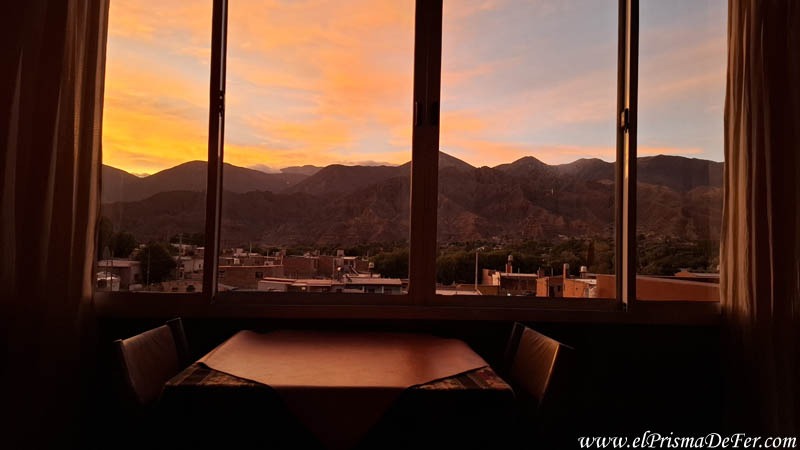
After that I moved to El Balconcito de Tilcara, some much quieter apartments, ideal if you're looking for more privacy and rest, while still being well located within the town.
Final thoughts
This was my second time in Tilcara, and it once again confirmed my love for the place. It has a great balance between local atmosphere and tourism, without feeling artificial or overcrowded, making it easy to stay for several days without getting tired of it.
Added to this are reasonable prices, both for accommodation and food, and very convenient logistics for getting around the Quebrada de Humahuaca using public transport or shared tours.
Due to its location, atmosphere, and practicality, Tilcara is an excellent base for exploring the gorge. Without a doubt, if I returned to the area, I would choose it again.
Frequently Asked Questions about Tilcara
Is it worth using Tilcara as a base for exploring the Quebrada?
Yes, Tilcara is one of the best bases for exploring the Quebrada de Humahuaca. Its central location, frequent public transport, and wide range of accommodations and restaurants make it convenient for traveling both north and south without having to change accommodations every night.
How many days is it advisable to stay in Tilcara?
Ideally, you should dedicate between two and four days to it. This allows you to explore the town at a leisurely pace and take excursions to nearby places like Purmamarca, Humahuaca, Hornocal, or even Iruya, without feeling rushed.
Is it possible to explore Tilcara on foot?
Yes, the town is small and can be explored almost entirely on foot. The town center, the market, the Pucará (prehistoric fortress), and several nearby trails are all within walking distance of any accommodation in town.
Is Tilcara quieter than other towns in the Quebrada?
It's a good middle ground. It's busier than towns like Maimará or Uquía, but still more relaxed than Purmamarca in high season. There's a lively atmosphere at night, especially around the main square and the peñas (traditional music venues).
Is it possible to visit Hornocal from Tilcara?
Yes. You can go by bus (if you get a minimum number of passengers), on an organized tour, or by traveling first to Humahuaca and arranging transportation there. Sharing the ride with other travelers is the most common way to reduce costs.
Is Tilcara expensive for accommodation and food?
Generally, no. There are options for all budgets, and many restaurants offer set menus at affordable prices. Compared to other more touristy towns, Tilcara tends to offer better value for money.
Support The Prism of Fer!
Your support helps me continue creating free content on the blog. Thank you so much!