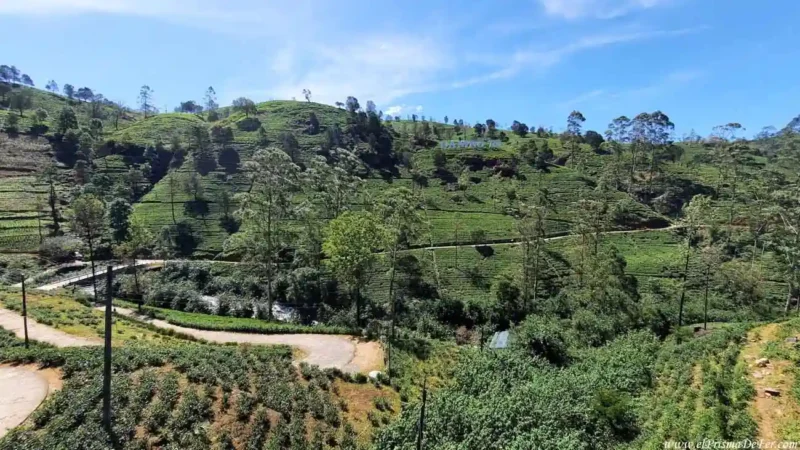
Nuwara Eliya is a city surrounded by hills, tea plantations, and a much cooler climate than the rest of Sri Lanka. Also known as the country's "Little England," a nickname inherited from the British colonial era, it is a common stop for those traveling the famous train route between Kandy and Ella.
On the one hand, you'll find seemingly endless green landscapes, tea plantations, and a truly captivating natural environment. On the other hand, the city itself wasn't as charming as I'd imagined, and I think that's where it's best to adjust your expectations a bit.
In this post I'm going to tell you what it's like to visit Nuwara Eliya, which places are really worth it, how to tour the tea plantations, how it fits into an itinerary through the highlands, and whether, from my experience, it's an essential stop or more of a strategic layover along the way.

This post may contains affiliate links. If you purchase through these links, I may earn a commission at no extra cost to you. Thank you for your support!
Table of Contents
Where is Nuwara Eliya located?
Nuwara Eliya is located in the south-central of Sri Lanka, in the heart of the mountainous region known as the Central Highlands. It is located at about 1,850 meters above sea level, which explains its much cooler climate compared to the rest of the country, especially at night.
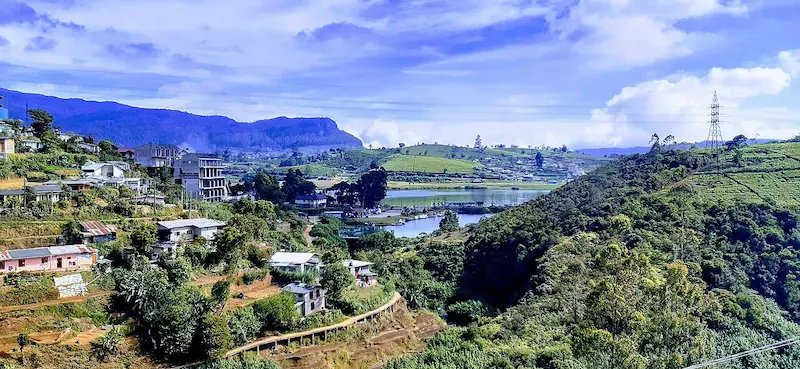
The city is located approximately 160 km from Colombo, about 75 km from Kandy and halfway between Kandy and Ella, making it a logical stop within many highland itineraries. Its surroundings are dominated by hills covered in tea plantations, small rural villages, and winding roads that connect this area to the rest of the country.
Thanks to its location, Nuwara Eliya usually functions more as a strategic transit point than as a final destination in itself, especially for those traveling by train or combining different sections through the interior of Sri Lanka.


How to get to Nuwara Eliya
Although many people directly associate Nuwara Eliya with the famous Highland Railway, it is important to know that the city does not have its own train station. The nearest station is Nanu Oya, located about 8–9 km away.
By train
The most popular way to get there is by train, either from Kandy or Ella, along one of the most scenic stretches of road in the country. The train drops you off at Nanu Oya station (see location), and from there you have to continue the journey to Nuwara Eliya.
Upon leaving the station you will find tuk tuks waiting, which are usually the fastest and most comfortable option. The journey takes between 15 and 25 minutes, depending on traffic. There are also local buses that depart from near the station; these are cheaper but less frequent and somewhat slower.
By bus
Another option is to take a bus directly from cities like Kandy, Ella, or Colombo. While the journey is longer and less scenic than the train, it has the advantage of dropping you off inside the city and avoids the extra transfer from Nanu Oya.
By tour
You can also take a day trip to Nuwara Eliya from Kandy on a tour of approximately 10 hours. The tour includes hotel pickup, a visit to the area's highlights, and visits to tea plantations and factories. The price is very reasonable.
The tea culture in Sri Lanka
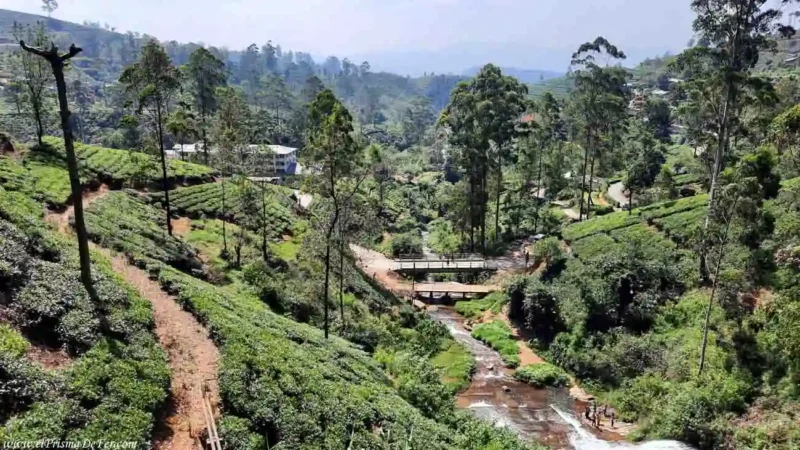
Tea is a fundamental part of Sri Lanka's identity and history, especially in the highland region. Its large-scale introduction dates back to the 19th century, during the British colonial era, when the British transformed these hills into vast plantations for export.
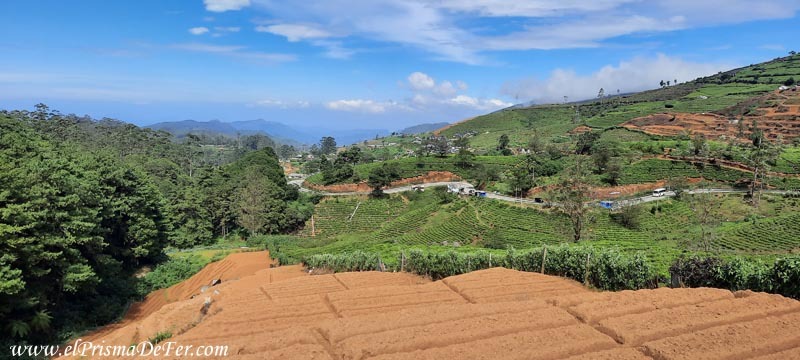
What is known today as Ceylon Tea was born in that period and quickly became one of the country's main economic engines.
To work on these plantations, the British brought Tamil communities from southern India, many of whom settled permanently in the area.
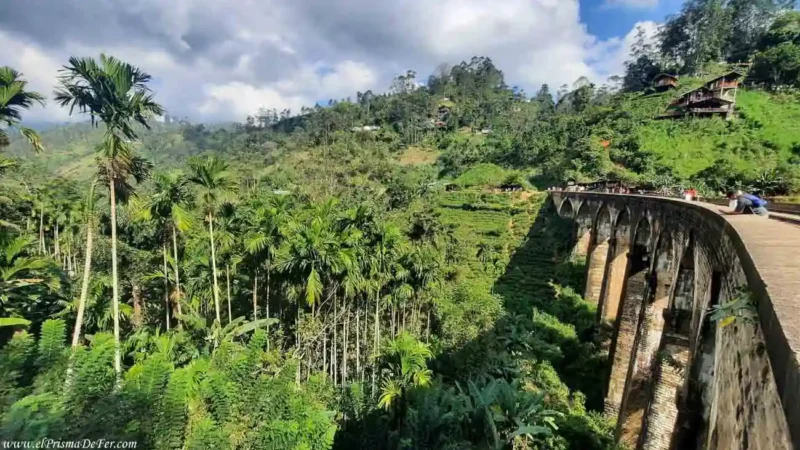
That legacy is still visible today, both in the culture and social composition of places like Nuwara Eliya and its surroundings.
Currently, the tea harvest is mostly carried out by Tamil women, who work long days in the hills, collecting leaves by hand and carrying heavy sacks over steep terrain.
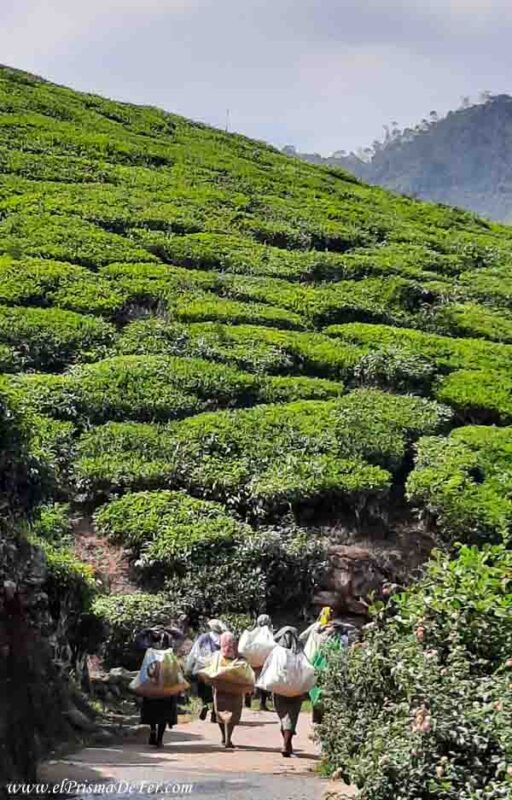
It is a physically demanding job, yet poorly paid, with wages that are often low even by local standards.
Behind the perfect green landscapes and tourist visits, there is a harsh working reality that often goes unnoticed.
Map of attractions to visit in Nuwara Eliya
Things to do in Nuwara Eliya
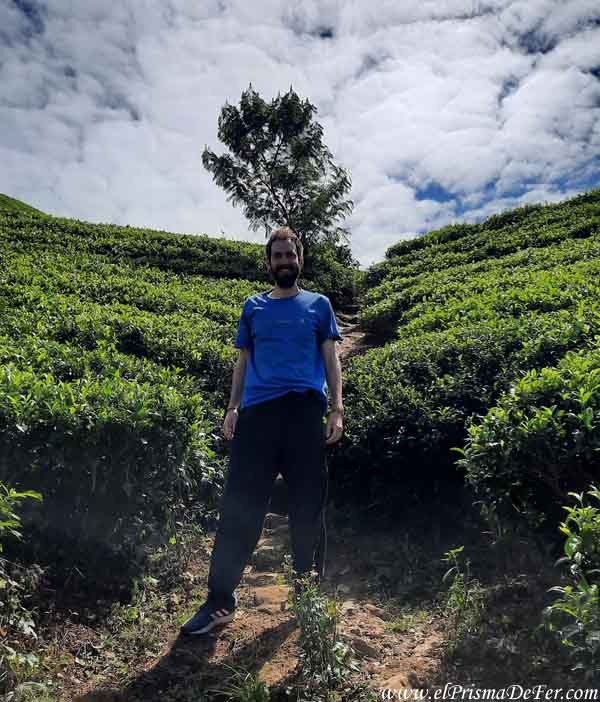
Beyond exploring the city itself, which is quite small and peaceful, the most interesting aspects of Nuwara Eliya lie in its surroundings. Most travelers take advantage of their stay to visit the tea plantations and some of the area's waterfalls, which are typically the main activities for a day or two.
Visit tea factories
Being in Nuwara Eliya means being in the very heart of Sri Lanka's tea production. There are several factories and plantations in the surrounding area that can be visited, many of them with guided tours where they explain the entire process, from harvesting the leaves to the final product.
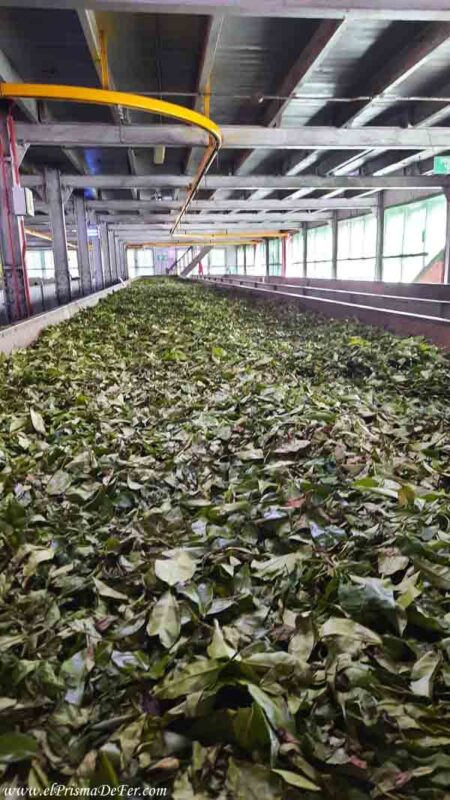
Most tours include tasting and spectacular views over the tea-covered hills.
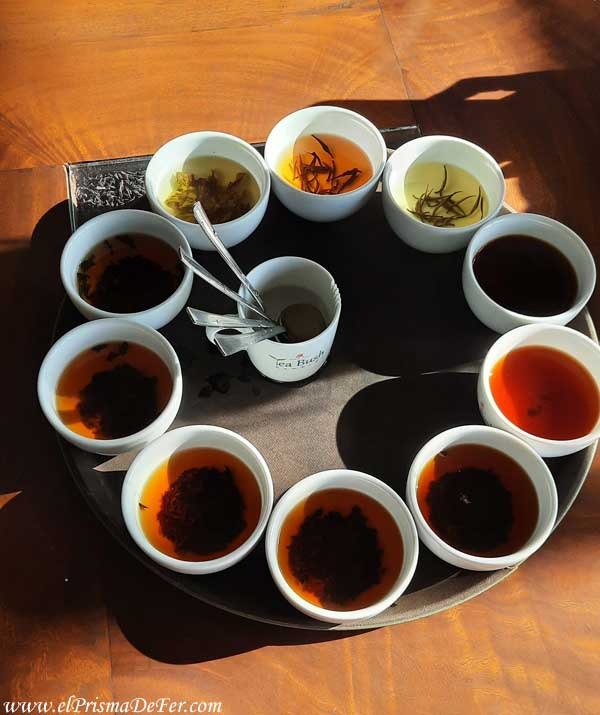
These types of visits can be done on your own or by hiring a tour in a tuk tuk or car, which usually combines several factories in the same morning or afternoon.
It's an interesting experience, even if you're not a tea fan, because it helps you understand a key part of the country's history and economy.
Waterfalls in the surrounding area
Another common plan is to visit some of the nearby waterfalls, which are located a short distance from the city and are easy to combine with the tea plantation tour.
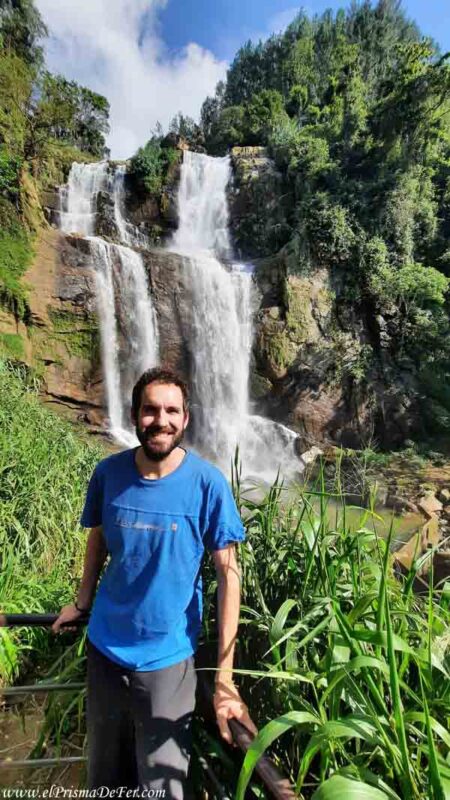
Among the best known are Lover’s Leap Waterfall, Devon Falls, Ramboda and St. Clair’s Falls, although there are several more scattered around the area.
Some are visible directly from the road, while others require a short walk. Ideally, you should group them into a single tour, either by tuk-tuk or with a driver for the day, which is quite common in Nuwara Eliya.
Other peaceful walks
If you have extra time, you can also take a stroll around Lake Gregory, walk around the center to see some colonial-style buildings, or simply enjoy the cool weather, which is welcome after several hot days in other parts of Sri Lanka.
Where to sleep in Nuwara Eliya
Nuwara Eliya offers a wide variety of accommodation options, from traditional hotels to guesthouses and colonial-style houses. Keep in mind that many properties are located a bit outside the city center, surrounded by nature.
I stayed at Vibe Way (Hostel and Farm), a colonial-style house located in a quiet environment, with a farm included and surrounded by greenery.
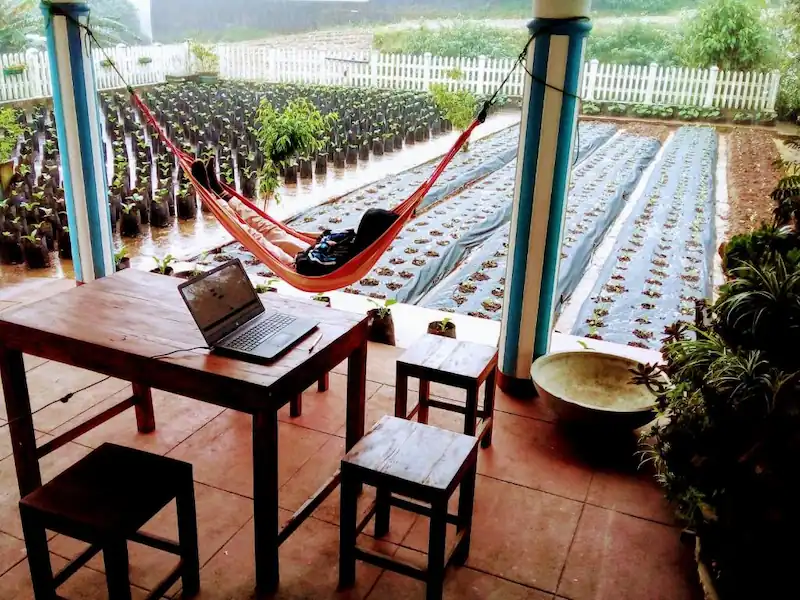
It's not right in the center, and you have to walk uphill a bit to get to the accommodation from the bus station. But that distance gives it extra charm.
The place has a very relaxed, quiet and friendly atmosphere, ideal for resting after several days on the road.
For me, the peace of the surroundings and the comfort of the place more than compensate for the extra walk or journey, making it a very good option if you're looking for something more authentic and away from the noise.
Where to eat in Nuwara Eliya
Although Nuwara Eliya doesn't have an extensive food scene, there are several nice places to try local food and sample regional flavors.
One of my recommendations is Ceylon Kitchen, a simple restaurant with delicious and affordable local cuisine and Indian-influenced dishes. Perfect for a meal after walking around the city or returning from a tea plantation tour.
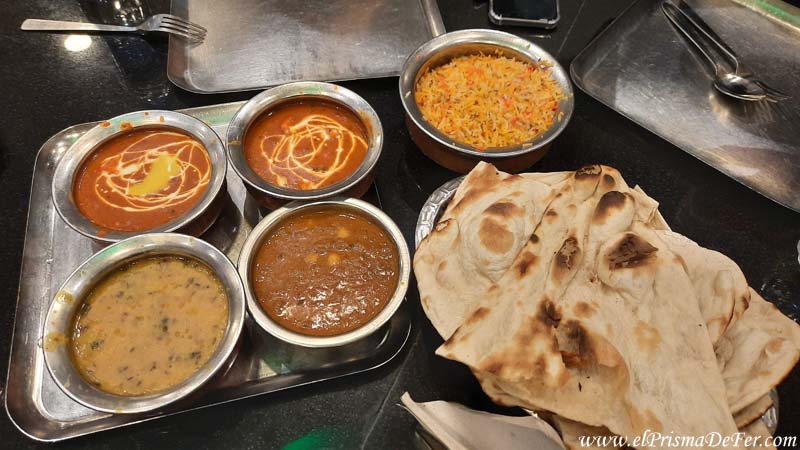
The menu offers curries, dhal, rotis and other subcontinent classics, all at friendly prices and with generous portions.
Best time to visit Nuwara Eliya
The best time to visit Nuwara Eliya is generally from December to April, when the weather is usually drier and more pleasant. During these months, the days are mild, the nights cool, and rainfall less frequent, making walks and excursions through the tea plantations and to the area's waterfalls much more enjoyable.
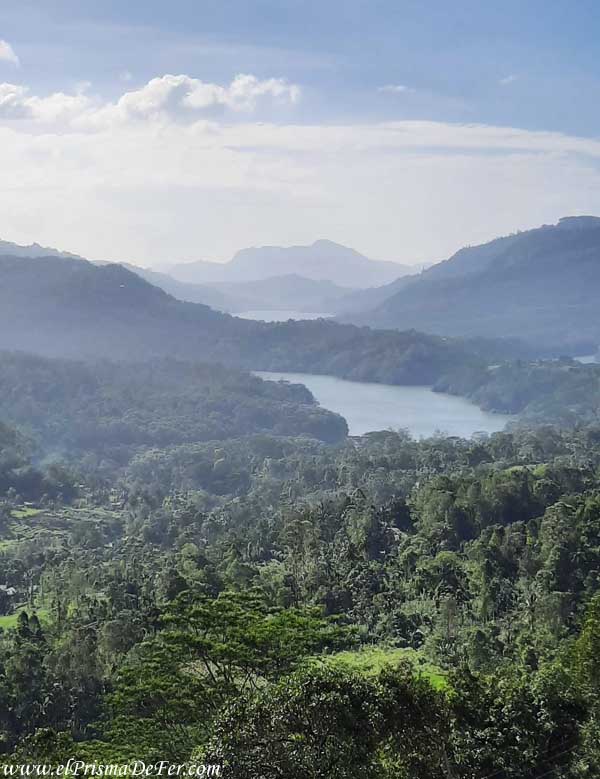
Between May and September the southwest monsoon arrives, with more frequent rain and fog on some days. While the landscape remains lush and breathtaking, visibility may be affected, and some excursions may be weather dependent.
Final thoughts
My visit to Nuwara Eliya was, above all, a good excuse to cut the long train journey between Kandy and Ella and get to know one of the most representative areas of Sri Lanka's tea plantations.
In that sense, the experience adds up: the landscapes are beautiful, the environment is different from other parts of the country and it helps to better understand the importance of tea in the local history and economy.
But I don't consider it an essential stop on a Sri Lanka itinerary. Beyond the plantation tours and a few nearby waterfalls, the city itself didn't quite win me over, and I think there are other places in the country that offer more complete or memorable experiences, like Ella.
If you have plenty of time or want to travel at a more relaxed pace, Nuwara Eliya can work well as a stopover. But if you're short on time, I don't think it's a must-see and you could easily skip it without missing out on the best of the country.
Frequently Asked Questions about Nuwara Eliya
How many days is it advisable to stay in Nuwara Eliya?
For most travelers, one night is enough. It's sufficient for a tour of the tea plantations and some nearby waterfalls. More time is only worthwhile if you want to explore at a very leisurely pace.
Is it worth stopping in Nuwara Eliya if you're taking the Kandy-Ella train?
It depends on how much time you have. It's a good stop to break up your journey and explore the tea-growing region, but it's not essential. If you're short on time, you can easily continue straight to Ella.
Is the city easy to explore on foot?
The centre is walkable, but many accommodations and points of interest are in the hills, so tuk-tuk or motorbike are often necessary, especially at night or in the rain.
Is it very cold in Nuwara Eliya?
By Sri Lankan standards, yes. Nights can be cool, even cold, especially between December and February. Bring a coat, which isn't usually necessary in the rest of the country.
Is it better to book a tour or explore on your own?
Organized tours are usually the simplest and most efficient way to see tea factories and waterfalls in a single day. Doing it independently is possible, but requires more planning.
Is it possible to visit a tea factory without a tour?
Yes, some factories allow independent visits, but with limited hours. With a tour, everything is coordinated and it's usually more convenient.
Is Nuwara Eliya similar to Ella?
No. Although they are relatively close, they are very different experiences. Nuwara Eliya is quieter, more spread out, and has a colonial heritage; Ella is more backpacker-friendly, lively, and geared towards trekking.
Is it a good place for travelers with limited time in Sri Lanka?
If your itinerary is short, it's not a priority. There are other destinations that offer a wider variety of experiences in less time.
Support The Prism of Fer!
Your support helps me continue creating free content on the blog. Thank you so much!