Located between the famous Cultural Triangle and the mountain area from where the iconic train departs into the tea plantations, Kandy usually functions more as a transit point than a destination in itself.
Beyond its historical and religious significance—especially for housing the Temple of the Tooth Relic, one of the most sacred sites in the country—Kandy wasn't a city I particularly enjoyed. I found it a bit dirty, disorganized, and not very pleasant to walk around beyond the lakefront.
In this guide, I'll tell you what the best things to do in Kandy are and whether it's worth going.
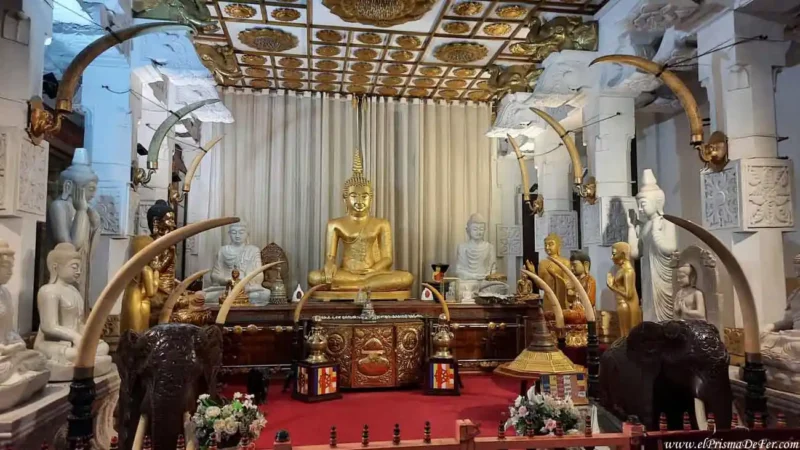

Table of Contents
Where is Kandy located?
Kandy is located in central Sri Lanka, in a hilly area that marks the transition between the inland plains and the highlands. Surrounded by green hills and plantations, it sits at an altitude of approximately 500 meters above sea level, giving it a somewhat milder climate than the coast.
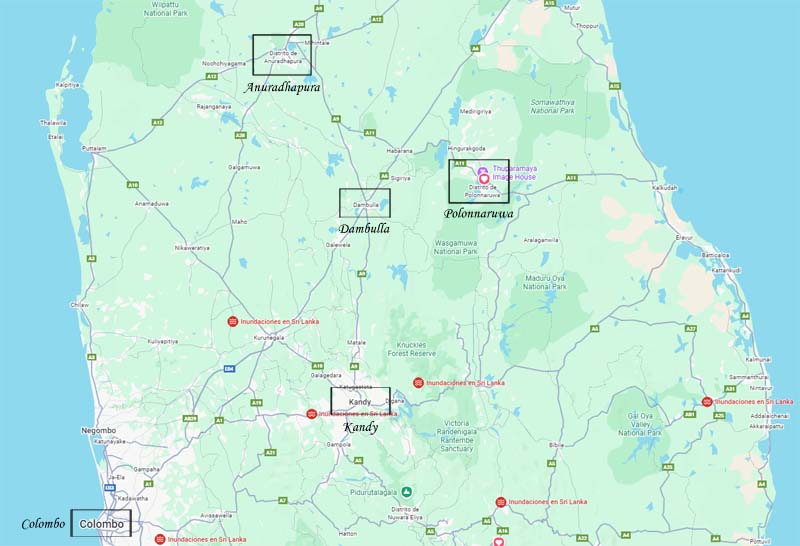
Its location makes it a key point on any Sri Lanka itinerary. Kandy is practically halfway between the Cultural Triangle, home to places like Sigiriya, Dambulla and Polonnaruwa, and the mountainous areas from which the famous scenic train departs for Ella, Nuwara Eliya, and the tea plantations.


How to get to Kandy
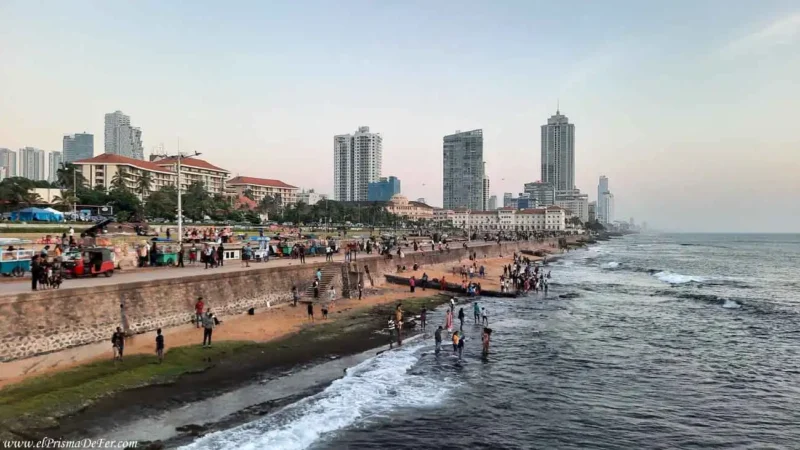
Kandy is well connected to the rest of Sri Lanka, and most travelers arrive from Colombo or from a city in the Cultural Triangle.
From Colombo, the most common option is the train (see station location on map). The journey takes between 3 and 4 hours and, although it's not the most spectacular part of the country, it's comfortable and inexpensive.
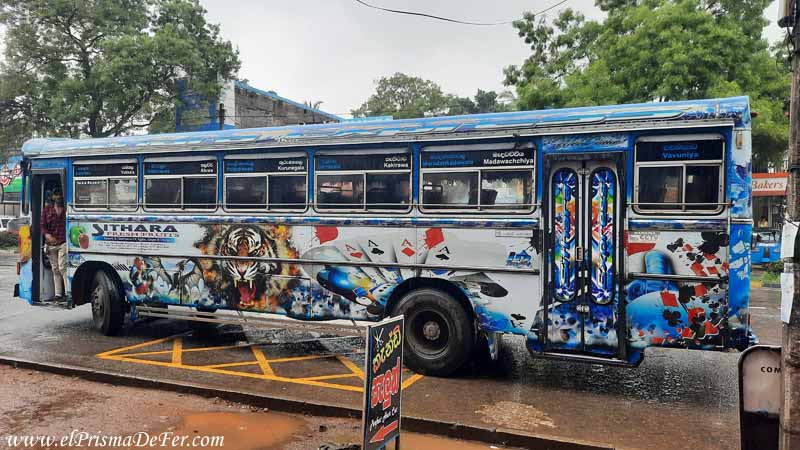
There are also frequent buses from the central terminal (see on map), which are usually a bit faster, although considerably more chaotic. Another option is a taxi or private transfer, ideal if you're short on time or traveling in a group.
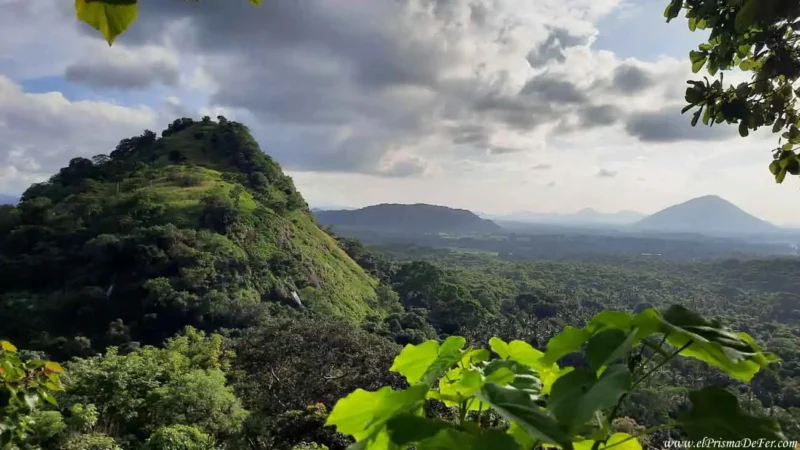
If you are coming from Dambulla, Sigiriya or Polonnaruwa, the most practical option is usually the bus, with journeys of between 2 and 3 hours depending on the starting point. Connections are frequent, but be prepared for delays as schedules aren't always precise and journeys can be long.
Por ultimo, tambien se puede llegar a Kandy en el famoso tren de montaña de Sri Lanka, que viene de Ella, atravesando algunas de las postales más icónicas del país.
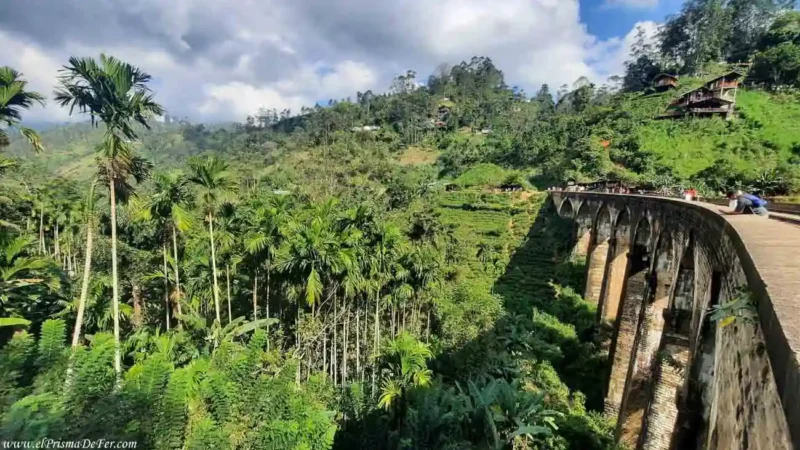
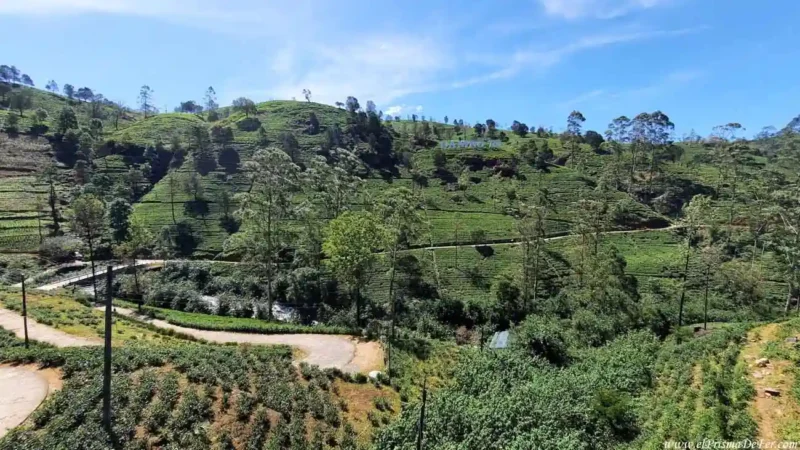
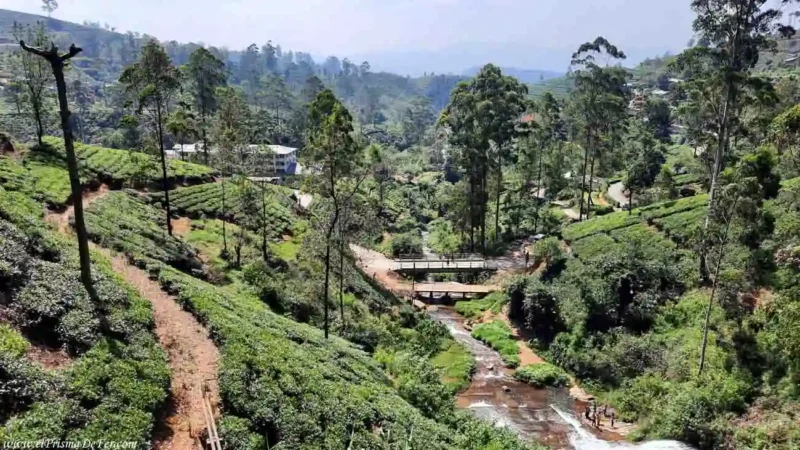
Este tramo del recorrido se interna en colinas cubiertas de plantaciones de té, valles y pequeños pueblos, y es considerado por muchos como uno de los viajes en tren más lindos del mundo.
Everything related to this trip, how to get tickets, which class to choose, schedules, intermediate stops and my personal experience, I covered in another post.
A little history of Kandy
Kandy was the last capital of the ancient Sinhalese kingdom and one of the few territories in Sri Lanka that resisted European colonization for centuries. While the Portuguese and later the Dutch controlled much of the island, Kandy remained independent thanks to its mountainous location and strong cultural identity.
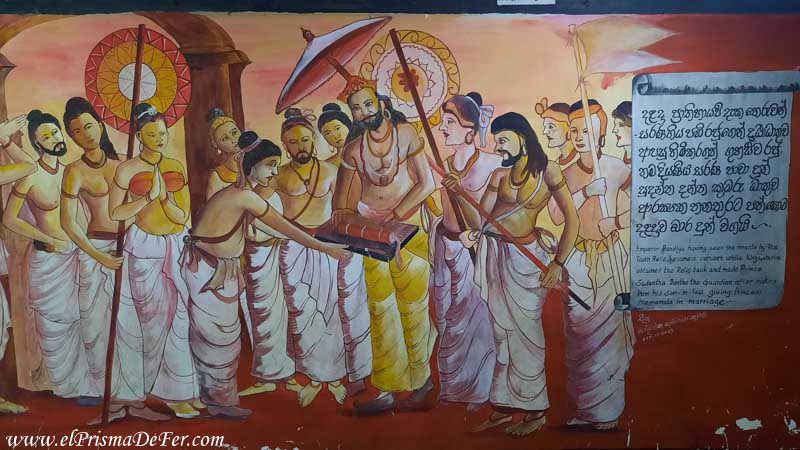
The city reached its peak between the 15th and 19th centuries, when it consolidated its position as the country's political and religious center. It was during this period that the Temple of the Tooth Relic was established, which transformed Kandy into one of the world's major Buddhist pilgrimage sites.
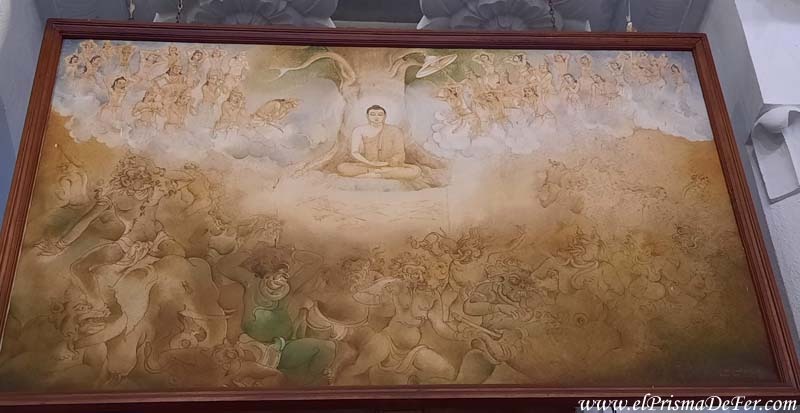
The presence of this relic gave the city enormous symbolic weight, which is still felt today.
Finally, in 1815, the kingdom of Kandy fell under British rule, marking the end of traditional monarchies in Sri Lanka.
Despite this, the city managed to preserve many of its traditions, ceremonies, and festivals, the most well-known being the Esala Perahera, a religious celebration that still attracts thousands of people every year.
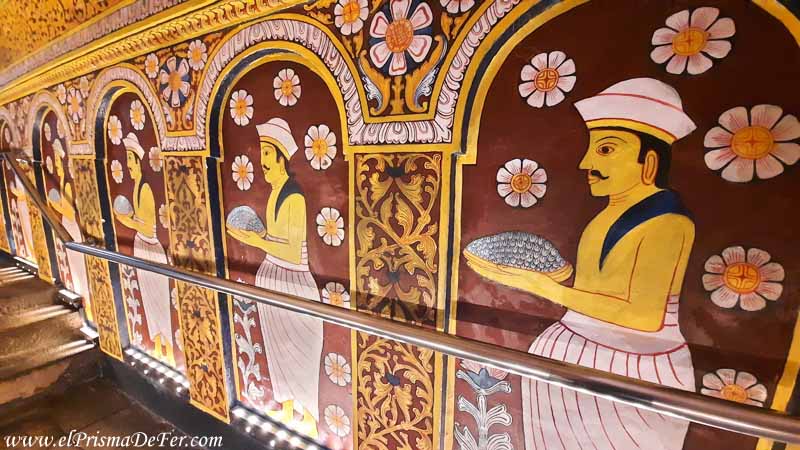
Today, Kandy is a UNESCO World Heritage Site, more for its historical and spiritual value than for its urban appeal.
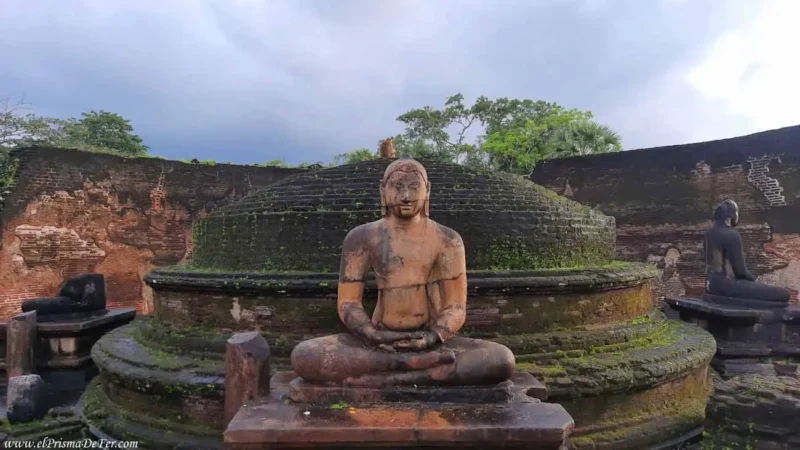
What to see in Kandy
Although Kandy is not a particularly pleasant city to wander aimlessly through, it does have some points of interest to explore.
Tuk-Tuk Tour
A tuk tour in Kandy is the best way to start exploring the city. It helps you get around quickly, you learn history and anecdotes from a local driver, and you can meet other travelers along the way.
The Temple of the Relic of the Tooth of Buddha
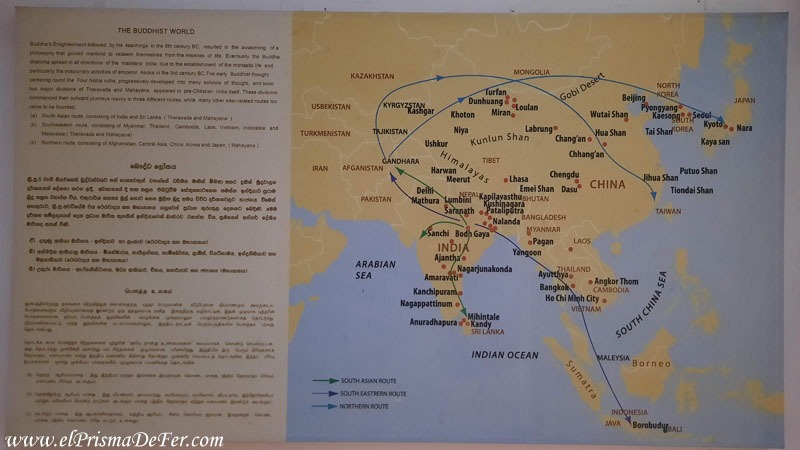
The Temple of the Relic of the Buddha's Tooth (Sri Dalada Maligawa) is the spiritual heart of Kandy and one of the most sacred places in Buddhism worldwide. Even for those who don't have a particular connection to the city, this site is worth a visit.
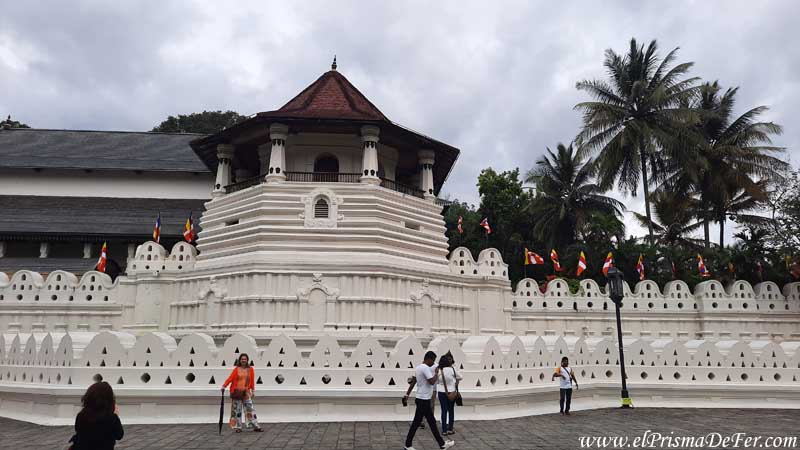
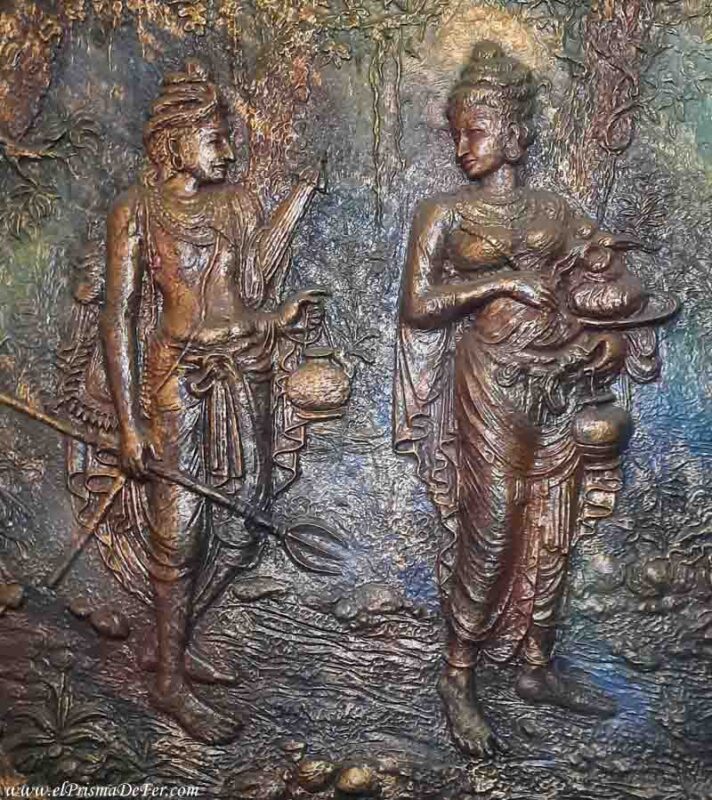
The relic—a tooth that, according to tradition, belonged to Buddha—arrived in Sri Lanka in the 4th century AD, brought from India and hidden to protect it from political and religious conflicts.
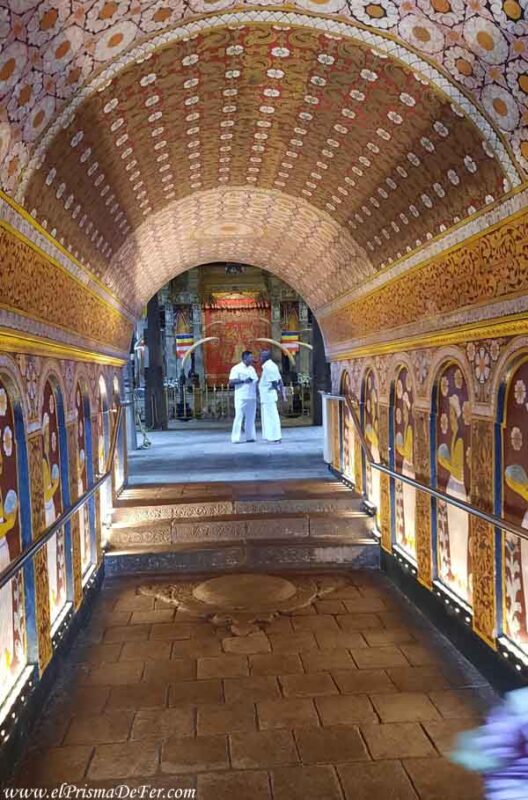
From then on, the tooth became a key symbol of legitimacy; whoever possessed it had the divine right to rule the island. For this reason, the relic always accompanied the kingdom's capitals, and when Kandy became the last Sinhalese capital, the temple was established there.
It is important to clarify that the tooth is not visible. The relic remains kept inside several golden reliquaries, protected in a special chamber. During ceremonies, the faithful do not venerate the tooth directly, but rather the reliquary that contains it.
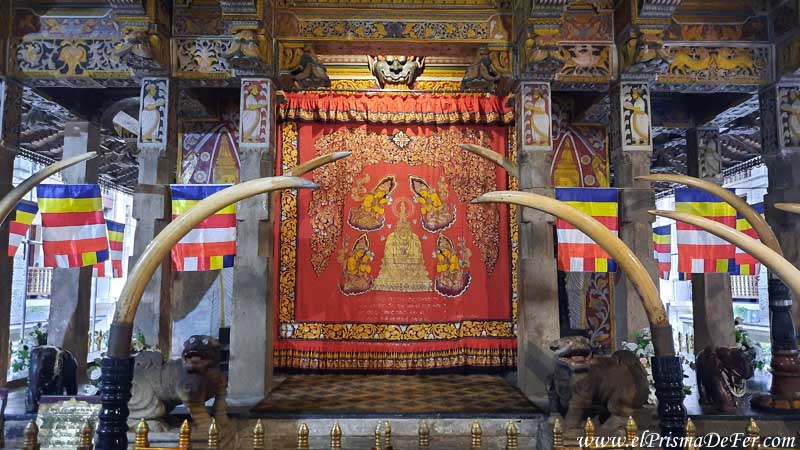
The complex extends far beyond the main building. Within the complex are also several museums, such as the Museum of Buddhism and exhibitions dedicated to the history of the temple, the Kandy monarchy and traditional ceremonies.
Hours and entrance
The temple is open every day, generally from early morning until night. The main ceremonies (pujas) are performed approximately three times a day:
- Morning: around 9:00
- Midday: around 11:00
- Night: around 6:00 PM
The schedules may vary slightly, but attending an auction is the most interesting time to visit.
The entrance fee is charged for foreigners and usually costs around 2,000 LKR (indicative price). Respectful dress is required, with shoulders and legs covered, and shoes must be removed upon entering. You can consult the official website for more information.
Kandy Lake
Located right in the city center, the artificial lake offers a small respite from the urban chaos.
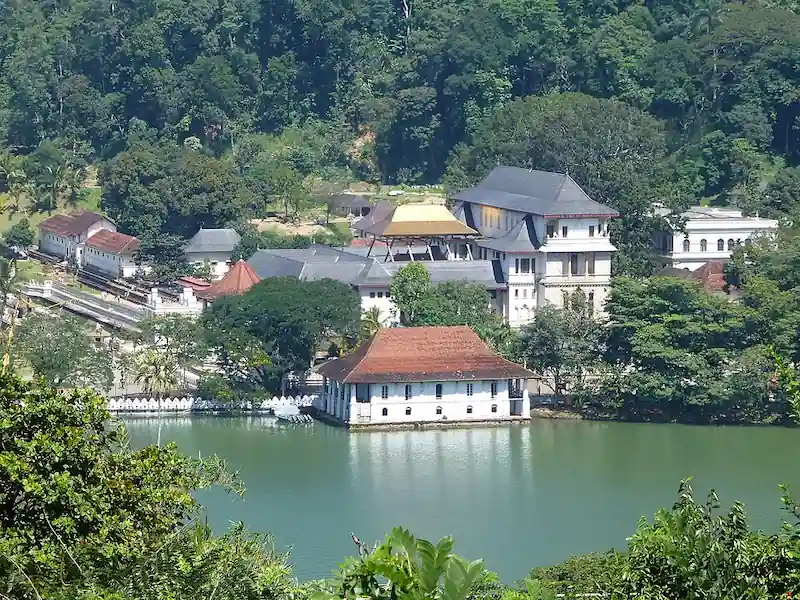
Walking around the area is a great way to slow down, observe local life, and get some interesting views of the temple and the hills surrounding the city.
It's not a long or particularly memorable walk, but it serves its purpose.
City viewpoints
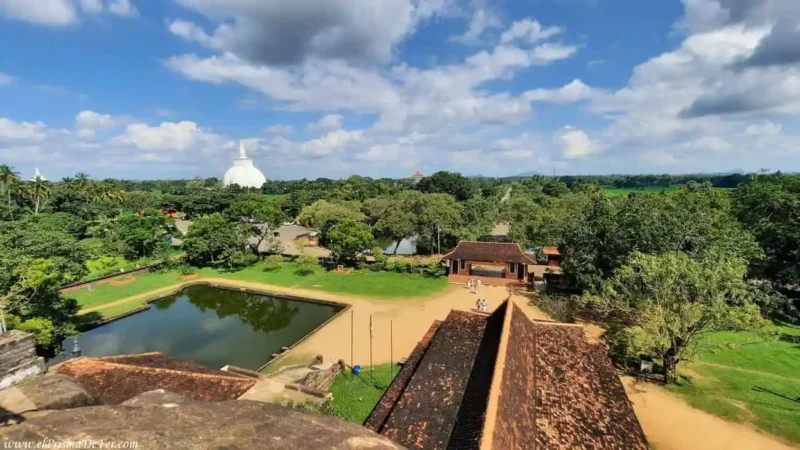
Climbing a little way up the nearby hills, you get panoramic views of Kandy, with the lake, the temple and the city stretching out amidst the greenery.

Some viewpoints are easy to reach by tuk-tuk and are worth it if you want a different perspective, especially at sunset.
Kandy Central Market
Chaotic, noisy, and very local. It's not a place designed for tourism, which is why it can be interesting to visit.
It's ideal for seeing the city's daily life, with stalls selling fruit, vegetables and spices, and for getting a real feel for Kandy beyond its religious attractions.
Peradeniya Botanical Garden
Located a few kilometers from the center (see location), it is one of the largest and most well-maintained botanical gardens in Asia. If you have a little more time or want to escape the noise, this is probably the best complementary visit.
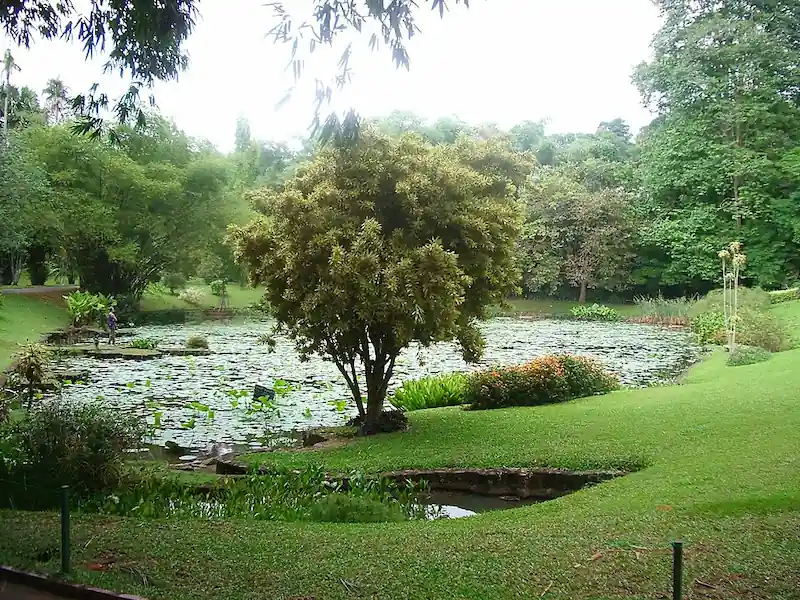
Expansive green spaces, centuries-old trees, and peaceful paths make it a stark contrast to the center of Kandy.
Activities organized from Kandy
Where to sleep in Kandy
Being surrounded by hills, the location of your accommodation in Kandy is important. In general, the most practical thing is to sleep in the center and near the lake, since from there you can walk to the Temple of the Tooth Relic, the market and several points of interest, avoiding some of the traffic chaos.
I opted for a different alternative and stayed at Drop Hostel, located on one of the hills surrounding the city. It's a bit further from the center and requires walking or taking a tuk-tuk up and down, but in return it offers open views, more tranquility, and a much more pleasant environment than the city center.
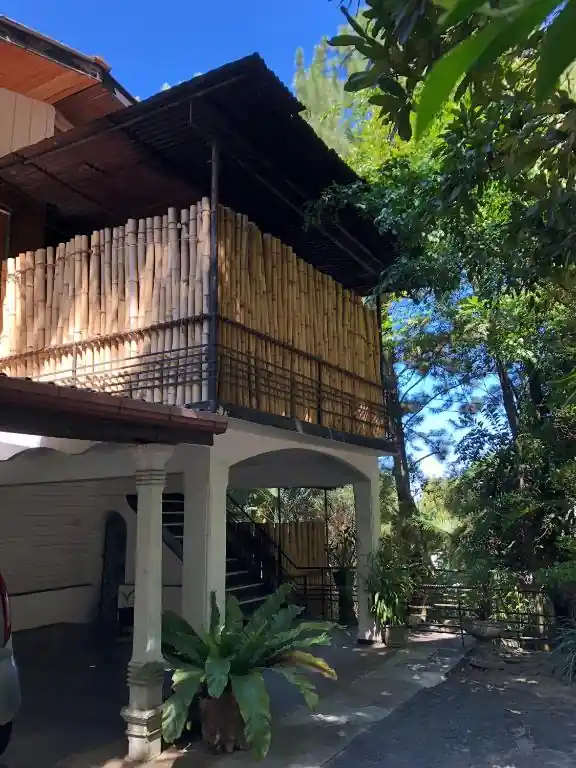
How many days to spend in Kandy
For me, one day in Kandy is enough. The city has one main attraction, the Temple of the Tooth Relic, and a couple of other sights that can be easily explored in a day.
On a well-organized day you can visit the temple, walk around the lake, explore the market and, if you have time, climb to a viewpoint or even visit the Peradeniya Botanical Garden.
Staying longer only makes sense if you plan to use Kandy as a base for nearby excursions or if you need an extra night before taking the train to the Highlands. Otherwise, extending your stay doesn't add much.
Final thoughts on Kandy and the train journey to Ella
To be honest, Kandy wasn't a city I particularly liked. Beyond its historical and religious significance, I just couldn't connect with the place.
The exception is the Temple of the Relic of the Tooth of Buddha, which undoubtedly deserves a visit for what it represents, even knowing that the relic itself is not visible, as it remains under guard.
Aside from that, I didn't find the city particularly charming. The center is chaotic, noisy, and unpleasant to walk around, and the overall urban experience doesn't encourage you to stay longer than necessary.
Frequently Asked Questions about Kandy and the Temple of the Relic of the Tooth of Buddha
Is Kandy worth visiting?
It depends on your expectations. Kandy is important from a cultural and religious perspective, but as a city, it's not particularly pleasant. For most travelers, one night is enough to visit the temple and continue their journey to the highlands.
How many days are recommended in Kandy?
In my opinion, one day is more than enough. It allows you to visit the Temple of the Tooth Relic, walk around the lake, explore the market, and arrange your departure for Ella or Nuwara Eliya.
Can you see Buddha's tooth?
No. The relic is not on public display. The tooth remains kept safe inside several golden reliquaries, and what is venerated during the ceremonies is the container that protects it.
What is the best time to visit the temple?
The most interesting thing to do is to coincide with one of the daily ceremonies (pujas), especially the morning or evening one. These are times with a large influx of worshippers, but also the most authentic.
What is the dress code for entry?
It is mandatory to cover your shoulders and legs, and to enter barefoot. If you don't have appropriate clothing, there are usually stalls near the temple where you can rent or buy garments to cover yourself.
Support The Prism of Fer!
Your support helps me continue creating free content on the blog. Thank you so much!