Dambulla is one of the best places to use as a base if you want to explore Sri Lanka's Cultural Triangle without changing hotels every two days. The town isn't flashy or touristy, but it is peaceful, well-connected, and offers a strategic location.
By staying in Dambulla you can organize half-day excursions to Lion Rock in Sigiriya, discover the ancient ruins of Polonnaruwa, visit the iconic Golden Temple or get lost in the nature of Minneriya National Park, famous for its elephants. All this without traveling long distances and making the most of your time.
In this post I'll tell you how to get to Dambulla, what to do besides using it as a strategic point, and everything you need to know to plan your trip to the heart of Sri Lanka's Cultural Triangle.
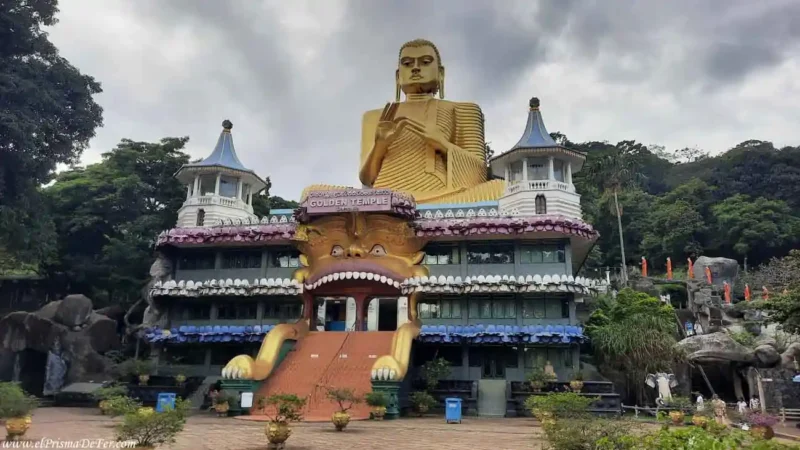

Table of Contents
Where is Dambulla located?
Dambulla is located in the heart of Sri Lanka's Cultural Triangle, practically in the north-central part of the island.
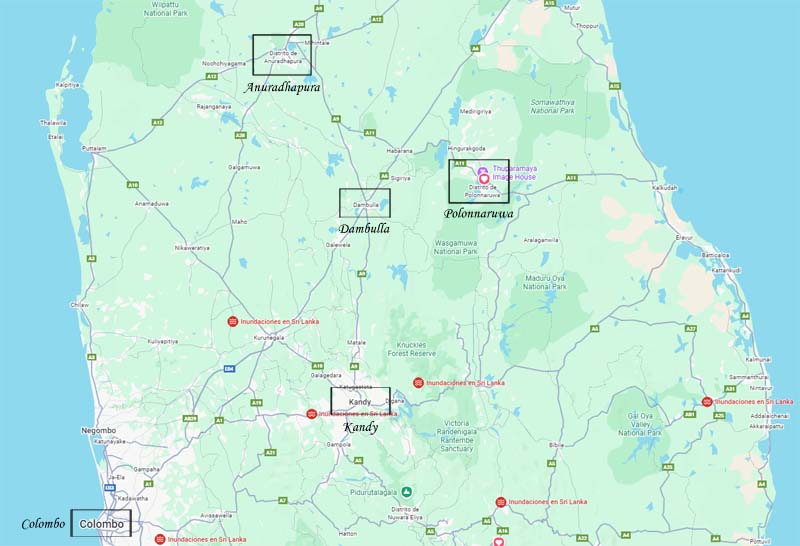
Its strategic location makes it one of the most convenient starting points for exploring the country's ancient capitals and archaeological sites.
The city is located about 72 km south of Anuradhapura, 105 km north of Kandy and a short bus or tuk-tuk ride from iconic attractions such as Sigiriya and Minneriya National Park.
Since Dambulla is located at the crossroads of major highways, getting there and leaving is easy, whether by bus, car or tuk-tuk.

How to get to Dambulla
Getting to Dambulla is easy thanks to its central location and good transport links. The town doesn't have a train station, so most travelers arrive by bus, car, or private transfer.
By bus
This is the most common and economical option. There are frequent buses connecting Dambulla with major cities in Sri Lanka.
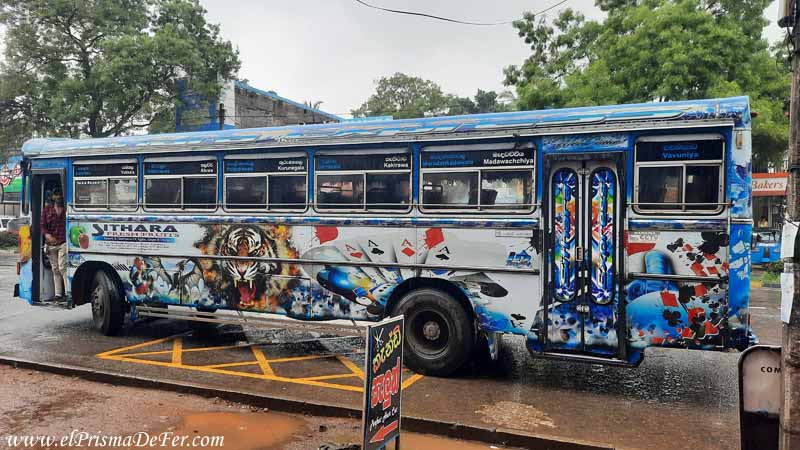
- From Colombo, the journey takes about 4-5 hours, usually with a transfer in Kurunegala.
- If you're coming from Kandy, the journey takes about 2 hours.
- From Anuradhapura, about 1.5 hours.
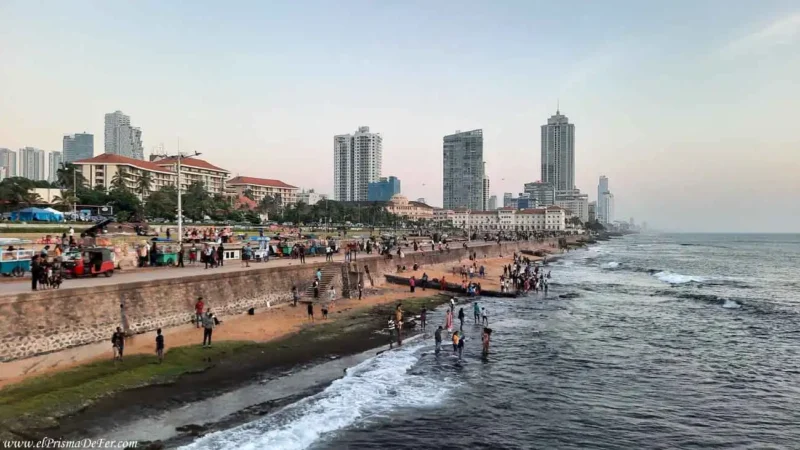
The buses drop you off near the main intersection (see location on map), making it easy to take a tuk-tuk to your accommodation or transfer to another destination.
By car or tuk-tuk
Renting a car with a driver, or even driving yourself, is a convenient way to get to Dambulla, especially if you're short on time.
The roads connecting the Cultural Triangle are generally in good condition, and the drive is scenic. A tuk-tuk is also an option for short distances, such as from Sigiriya.
By private transfer
For the easiest and quickest option, you can book a private transfer from Colombo, Kandy, Anuradhapura, or Sigiriya airports. Many hotels can arrange this, and it's especially convenient if you have luggage or want to make stops along the way.
What to do in Dambulla and the surrounding area
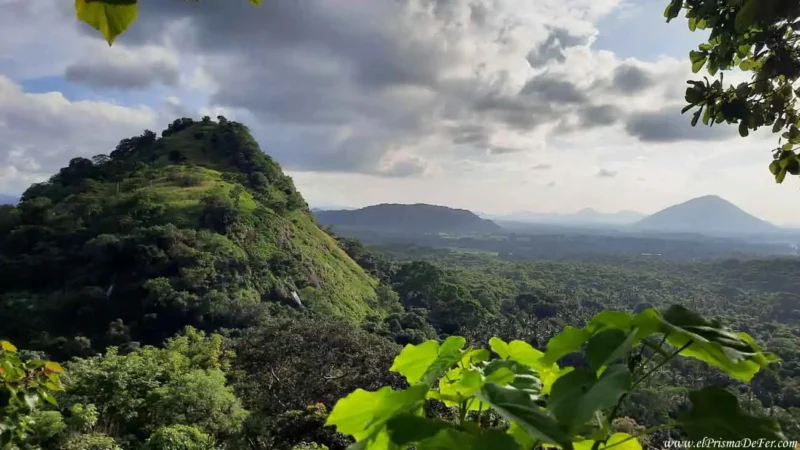
Visit the Golden Temple and Caves (Dambulla Cave Temple)
The must-see in Dambulla is the Golden Temple, declared a World Heritage Site by UNESCO.
This monastic complex, dating from the 1st century BC, is one of the finest examples of rock-cut temples in Sri Lanka.
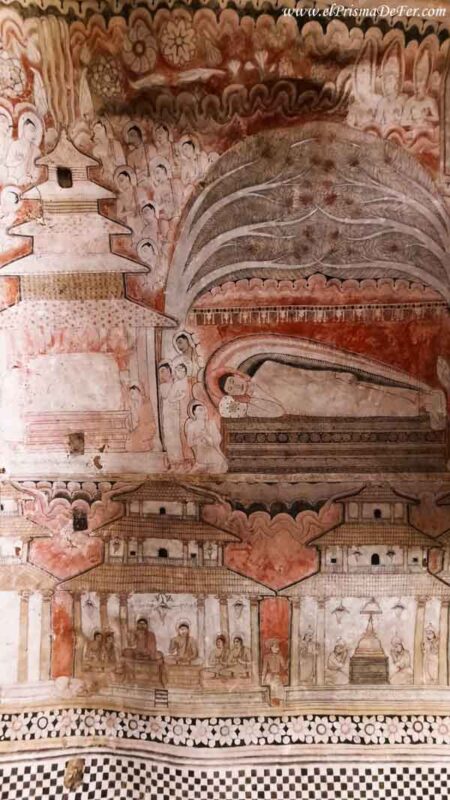
Over the centuries, various kings expanded and embellished it, turning it into a sanctuary filled with Buddha statues, mural paintings, and panoramic views over the region.
The climb and what to see at the top
To access the caves you have to climb a series of stairs which, although they may be a little tiring in the heat, do not present any major difficulty.
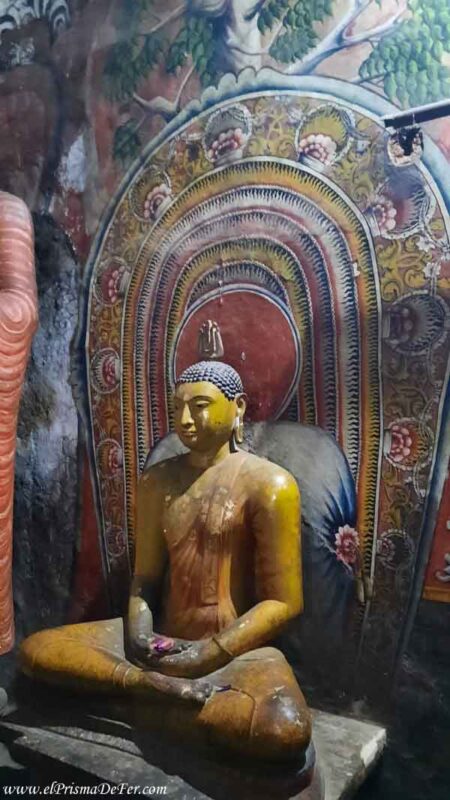
Upstairs you will find five main caves, each decorated with hundreds of Buddha statues, figures of Hindu kings and deities, as well as huge murals covering walls and ceilings.
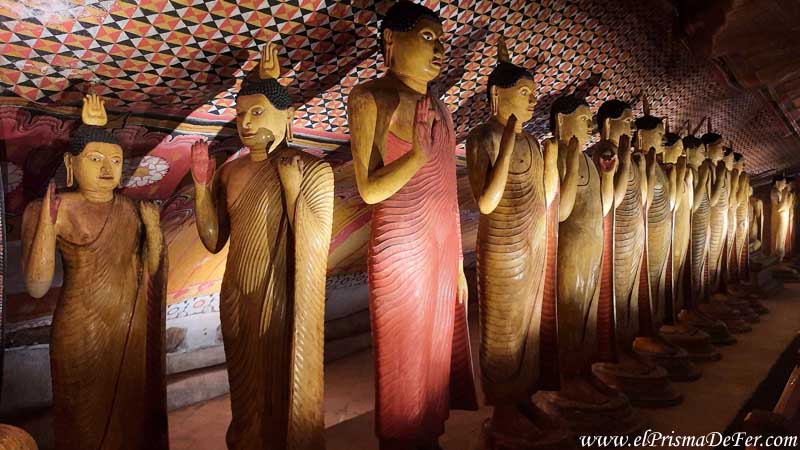
The most impressive cave is usually Cave 2, where the most elaborate sculptures and decorations are concentrated.
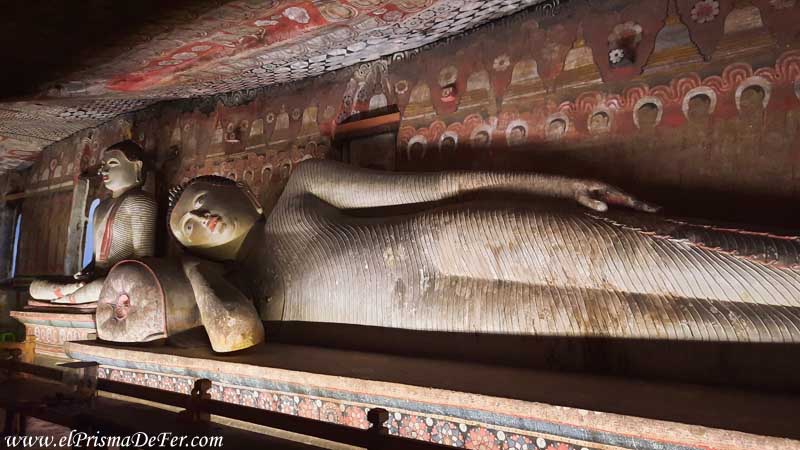
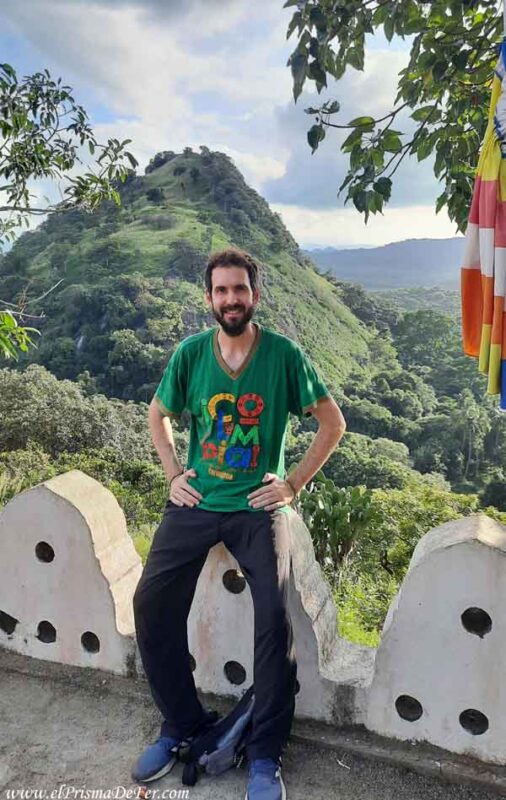
Furthermore, from the top there are excellent viewpoints, perfect for seeing the vastness of the Cultural Triangle landscape, with hills, forests and temples in the distance.
How to get there from Dambulla
The temple is located on a hill just outside the center. You can walk in about 15–20 minutes from the main Dambulla intersection, or by tuk-tuk for a very reasonable price (see location on the map).
Tickets are purchased at the base of the hill, near the large seated golden Buddha, which is impossible to miss.
Cost and schedules
The entry fee is usually around 1,500–2,000 LKR, although it may vary slightly. The temple is open every day, generally from early morning until late afternoon.
Bring water, sunscreen, and remember that you will need to remove your shoes before entering the caves, so it may be useful to bring socks.

Climb Lion Rock in Sigiriya
Sigiriya is one of the most iconic places in all of Sri Lanka and a very popular day trip from Dambulla.
The famous Lion Rock houses at its summit the remains of an ancient fortress built by King Kashyapa in the 5th century, surrounded by symmetrical gardens, ponds and a complex hydraulic system advanced for its time.
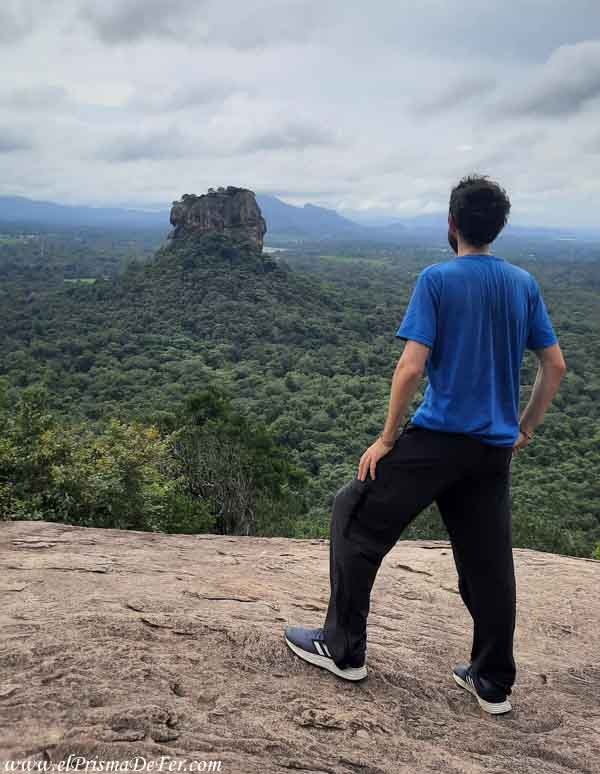
In addition, if you want to enjoy an alternative viewpoint (cheaper and much less crowded), you have the option of climbing Pidurangala Rock, a hill opposite Sigiriya from where you get the best views of Lion Rock.
Explore Polonnaruwa, the ancient capital
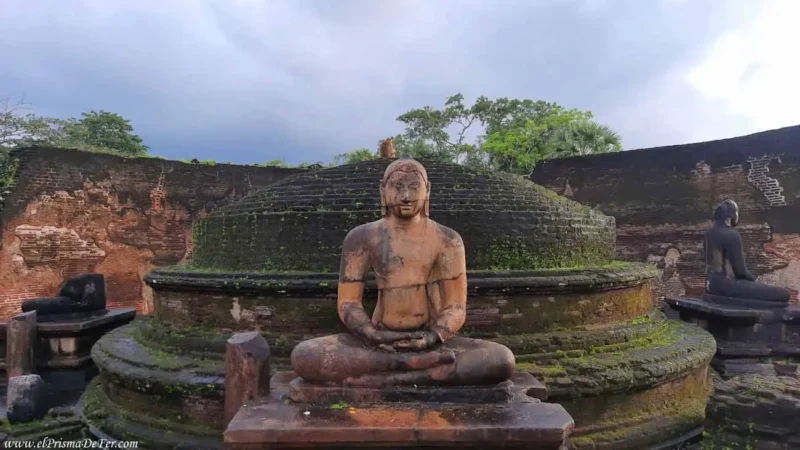
Polonnaruwa is another historical treasure you can visit from Dambulla. Declared a UNESCO World Heritage Site, it was the capital of Sri Lanka between the 11th and 13th centuries and boasts remarkably well-preserved temples, dagobas, palaces, and stone sculptures.
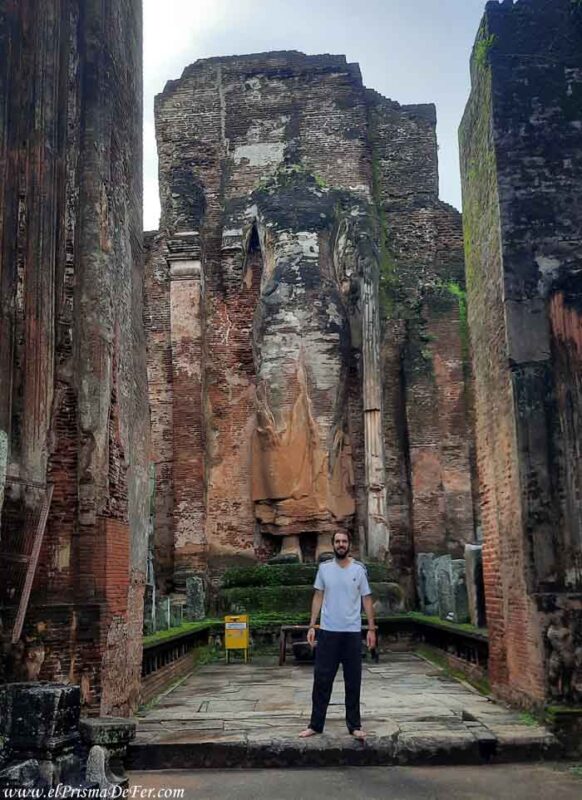
It is an ideal place for those who enjoy history and archaeology, because it allows you to explore ruins that tell centuries of kings, battles and cultural splendor.
The most practical way to explore Polonnaruwa is by bicycle, as the main structures are spread out along a long but very flat circuit.
It's a visit that takes between three and five hours, depending on the pace and how much you stop to photograph and read about each structure.
Go on a safari in Minneriya National Park
The Minneriya National Park is one of the best places in Sri Lanka to see elephants in the wild. Although it can be visited year-round, between July and October a unique phenomenon known as The Gathering occurs, when hundreds of elephants congregate around the reservoir to drink water and feed. This is the largest gathering of Asian elephants in the world, and witnessing it is an unforgettable experience.
Safaris are conducted in jeeps that travel through open areas, forest trails and wetlands where you can also see birds, deer, monkeys and, with luck, a leopard.
The tour usually lasts between two and three hours and is ideal to complement your days dedicated to visiting temples and archaeological sites.
Minneriya's proximity to Dambulla (about 20–25 km) makes it a very convenient day trip.
Where to stay in Dambulla
Dambulla is one of the most practical bases for exploring the Cultural Triangle, and the accommodation options are extensive and adaptable to any type of traveler.
Most accommodations are located near the city center and along the main road, where buses and tuk-tuks pass by constantly. You'll find everything from simple hotels to family-run guesthouses nestled in nature.
This area is convenient for getting to Sigiriya, Polonnaruwa or the Cave Temple quickly, and it usually offers affordable prices.
I stayed at Dambulla City Hostel, a really cool place where the owner really makes your life easier, helps you organize transfers, excursions and everything you need to make the most of your trip.
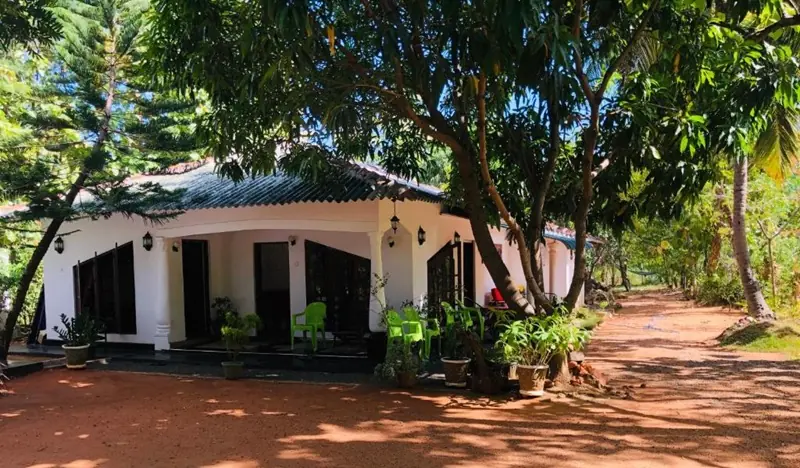
On the other hand, if you prefer a quieter environment, there are accommodations located on secondary streets or in greener areas on the way to Kandalama Lake. These areas are dominated by small guesthouses, ecolodges, and a few boutique hotels that offer more privacy, pleasant views, and a natural environment—perfect for relaxing after busy days of exploring.
Best time to visit Dambulla and the caves
The best time to visit Dambulla is during the dry season, between May and September, when there is less rain and the weather is more stable.
However, the temple can be visited year-round. During the rainy season (October–January), the weather can be more unpredictable, but there are also fewer tourists.
Final thoughts on Dambulla
Dambulla itself didn't strike me as a particularly attractive city. The center is quite noisy, with heavy traffic, constant honking, and an atmosphere that's more chaotic than charming. It's also not particularly well-suited for tourism compared to other destinations in the Cultural Triangle: the sidewalks are uneven, the urban environment is disorganized, and the food scene isn't the most inspiring.
However, as a base for exploring the region, it is excellent. Its strategic location allows you to easily reach Sigiriya, Polonnaruwa, the Golden Temple, and several national parks without having to change accommodations every day. This saves you time, travel, and energy, especially if you're only traveling for a few days or want to maintain a more relaxed pace.
Therefore, although Dambulla may not be known for its urban charm, I highly recommend it as a strategic point for exploring the Cultural Triangle comfortably and efficiently. It's practical, accessible, and functional, making it a very valuable addition to any Sri Lanka itinerary.
Frequently Asked Questions about the Golden Temple and the Dambulla Caves
How long does it take to visit the Temple of the Caves of Dambulla?
The complete visit usually takes between 1.5 and 2.5 hours, depending on your pace, the time you spend admiring the murals and statues, and how many photos you want to take. The climb takes about 10–20 minutes, depending on your fitness level and the heat of the day.
How many caves are there in the temple?
The complex has five main caves, although along the way you will see small sanctuaries and secondary spaces. The caves are very well preserved and decorated with over 150 Buddha statues and extensive murals covering the walls and ceilings.
How do you visit the Temple of the Caves?
Tickets are purchased at the base, next to the large golden Buddha. From there, you must climb a path of stairs to reach the top where the caves are located. It is mandatory to remove your shoes before entering and dress respectfully (shoulders and knees covered). It is advisable to bring water and avoid the hottest hours of the day.
Is the climb difficult?
The climb isn't difficult, but it can be challenging if it's very hot. It consists of flights of stairs with landings in between, and anyone with normal mobility can manage it without problems. For those who have difficulty, tuk-tuks can take you to a slightly higher access point, reducing the effort.
What is the price of admission?
The cost is usually around 1,500–2,000 LKR, although it may vary slightly. The temple is open every day, generally from morning until late afternoon.
Is it possible to walk to the caves from the center of Dambulla?
Yes. From the main intersection in the city, you can walk between 15 and 20 minutes to the base of the temple. You can also take a tuk-tuk for a minimal price, ideal if you want to avoid walking in the sun.
Is it possible to combine a visit to the Dambulla Caves with other excursions in the same day?
Yes, and many travelers do. Dambulla can be combined in the same day with Sigiriya, Pidurangala Rock, Minneriya National Park or even Polonnaruwa, depending on your pace and transportation.
Should you visit Sigiriya or Dambulla first?
It depends on your itinerary, but many travelers choose to visit Dambulla first, especially if they're arriving from Kandy or Colombo, and then continue on to Sigiriya. If you're short on time, you can combine both sites into a single day.
What is the best time to visit the Temple of the Caves?
Ideally, go early in the morning, when the weather is cooler and there are fewer people. Visiting after 4:00 PM is also a good option to avoid the heat, but it's important to arrive well before closing time.
Are there restrooms available on site?
Yes, there are sanitary facilities at the base of the temple and also in the area near the entrances. Up above, next to the main caves, there are usually restrooms, although conditions may vary.
Is it possible to hire a guide at the temple?
Yes, at the base of the temple there are official guides who offer explanatory tours about the history of the complex, the cave paintings and the meaning of the statues. Guides can also be hired in advance through local agencies.
Is it necessary to book tickets in advance?
No. Tickets are purchased directly at the box office upon arrival. No prior reservation is required, and long lines are rare.
What type of clothing is recommended?
As in many Sri Lankan temples, it is mandatory to cover your shoulders and knees. Light, breathable clothing is ideal due to the heat. It's also advisable to bring a hat, water, and sunscreen for the climb.
Is it allowed to take photographs inside caves?
Yes, taking photos is allowed, but using flash is prohibited, as it can damage the murals. It is recommended to bring a camera or phone with good low-light performance.
Are there monkeys on the uphill section?
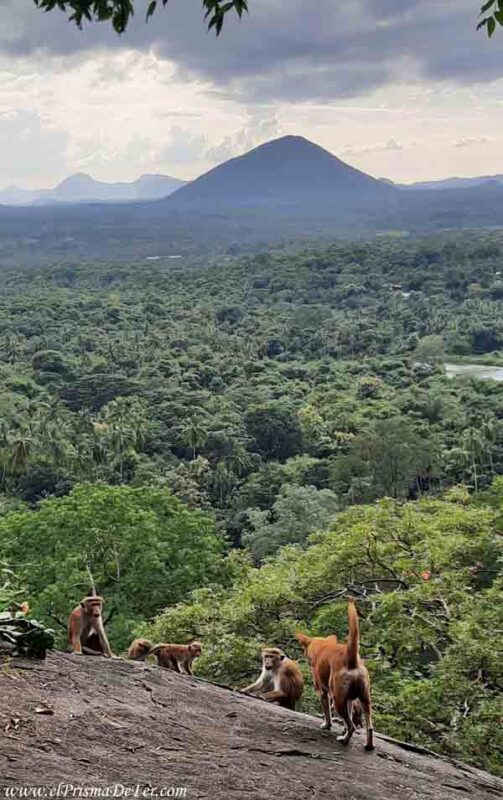
Yes, there are quite a few. That's why it's advisable not to carry food in plain sight and to keep your belongings securely locked. They don't pose a danger, but they can be persistent.
Can you visit the Dambulla Caves with children?
Yes, it's entirely possible. Just keep in mind that the climb can be a bit tiring for young children and that they should maintain the usual respect for temples.
Support The Prism of Fer!
Your support helps me continue creating free content on the blog. Thank you so much!